
Reviewed · IZAKAYA TOURS
Best of Shinjuku: Izakaya Food Tour (4 Stops, 14+ Tastings)
Shinjuku after dark is best understood one small plate at a time. This 3.5-hour walk takes you from Nishishinjuku through Kabukicho, Golden Gai, and Omoide Yokocho, stopping at four izakayas for 14 or more tastings and three drinks. You get food, nightlife, and a useful introduction to a part of Tokyo that can feel confusing on your own.
I like the small group of up to 10, which gives your guide room to explain dishes and help the group settle in. I also like the generous format: 14-plus tastings and three drinks can replace a full dinner, while guides such as Taiga, Yusuke, Nobu, Chi, and Chizuru add local food tips along the way.
The main consideration is that this is a social night out, not a quiet, highly polished restaurant crawl. Food stops can vary, dietary choices are limited, and one past route did not feel as tucked away as expected. Tell the operator about restrictions at least a week ahead.
Key points to know before you book
- Four Shinjuku neighborhoods in one evening: Walk through Nishishinjuku, Kabukicho, Golden Gai, and Omoide Yokocho.
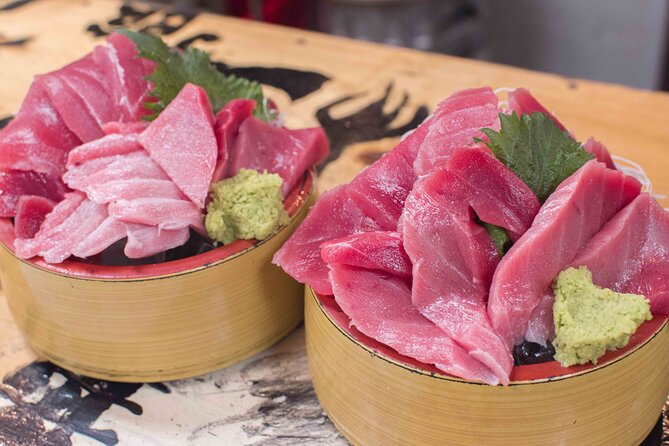
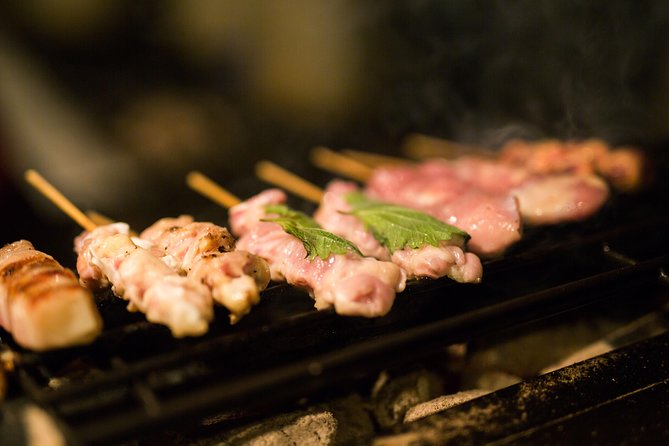
- A full meal, not just samples: Expect 14 or more tastings, with grilled skewers, sashimi, local comfort food, and other dishes.
- Three drinks included: Choose from sake, local beer, soft drinks, and other available options.
- A guide makes ordering easier: Guides explain what you are eating, how to use sauces and spices, and which drinks fit the food.
- Small but social: The maximum group size is 10, though one account described a larger group, so confirm the size at booking.
- Dietary planning matters: Vegetarian, vegan, and gluten-free choices are limited, and last-minute requests cannot be accommodated.
Why Shinjuku is a good place for an evening food tour
Shinjuku is not one tidy dining district. It is a mix of office towers, station crowds, neon entertainment streets, narrow alleys, tiny bars, and local restaurants packed into a relatively small area. That variety is exactly what makes it exciting, but it can also make dinner planning a chore.
An izakaya is part pub, part restaurant, and part neighborhood meeting place. You order several small dishes for the table rather than one large main course. That makes a guided tour especially useful because you can try foods you might not order alone, and the bill does not land on you plate by plate.
I like this style of evening for a first or second night in Tokyo. You get a meal while learning how the city’s casual dining scene works. Your guide can also explain the food in plain English, suggest sauces or seasonings, and point out places you may want to return to later.
The tour is bilingual and the guides vary. Names attached to past outings include Taiga, Yusuke, Nobu, Chi, Chizuru, Joe, and Max. Their styles differ, but the strongest pattern is clear: the guide matters a lot here. A funny, outgoing guide can turn a sequence of small meals into a shared night out.
More Drinking Tours in Tokyo
- Tokyo Bar Hopping Tour in Shinjuku (All-You-Can-Drink + Dinner)
★ 5.0 · 3,587 reviews - Tokyo: Shinjuku Local Bar and Izakaya Guided Walking Tour
★ 4.9 · 1,794 reviews - Shibuya Meltdown Nightlife Tour: All-You-Can-Drink Bar Hopping
★ 5.0 · 1,058 reviews
Starting in Nishishinjuku with several small plates
The evening begins near Kirin City Shinjukuhigashi in Shinjuku 3-chome. From there, the first stretch lasts nearly two hours and includes two or three local izakayas in Nishishinjuku.
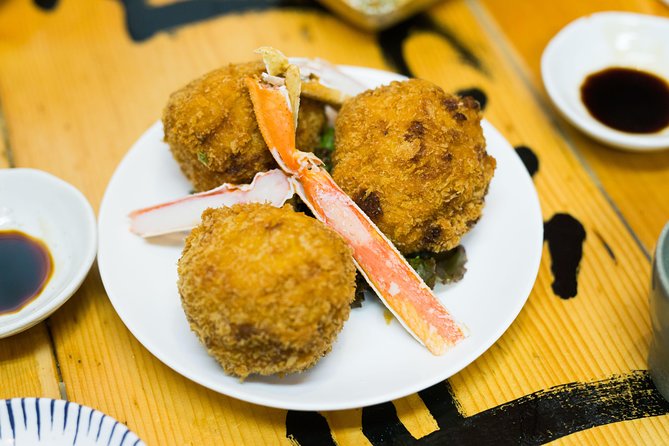
This long opening section is where most of the eating happens. You can expect a range of dishes rather than one fixed specialty. The food may include grilled skewers, sashimi, sushi rolls, and familiar Japanese comfort dishes, though the exact menu changes.
The variety is the point. One stop may introduce you to raw fish, while another focuses on hot food from the grill or a regional dish you would probably miss on a standard restaurant menu. You may also learn the small practical details that make Japanese food easier to enjoy, such as which sauce to use, how to season a skewer, or what type of sake suits a dish.
Past evenings have included very generous portions. People have described leaving full, not merely satisfied, so pace yourself at the first stop. Four izakayas and 14-plus tastings can add up quickly, especially when drinks are included.
The tradeoff is that the first section may feel more like a meal than a sightseeing walk. If you want constant movement and dramatic city views, the early pace could seem food-heavy. I see that as a benefit for most people, but it is worth knowing before you book.
Walking through Kabukicho after the first courses
The group then heads into Kabukicho, Shinjuku’s famous entertainment district. This part lasts about an hour and includes a walk through the area plus a stop at an izakaya popular with local diners.
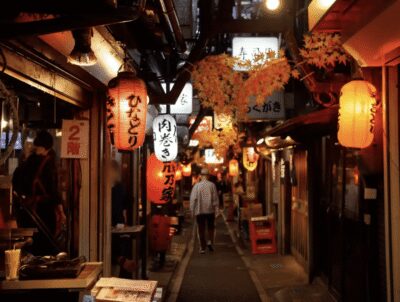
Kabukicho can feel intense after dark. Neon signs, narrow streets, bars, restaurants, and entertainment venues create a setting that is very different from daytime Tokyo. A guide gives the area some context and helps you move through it with a clearer sense of where you are.
This is also where the walking portion balances the food. You are not sitting for three and a half hours. You move between stops, see the changing streets, and get a look at Shinjuku’s nightlife without having to plan a route yourself.
Several guides have added useful city details along the way. Chi, for example, connected food with local culture and the small dining places along the route. Joe has been praised for explaining not only what to eat but how to eat it. That kind of guidance is more valuable than a list of restaurant names because you can use it during the rest of your Japan trip.
One practical note: do not expect every stop to feel like a secret backstreet hideaway. The advertised route includes famous areas, and at least one experience felt too close to main roads for someone expecting only tucked-away places. If your priority is food, drinks, and an easy route through Shinjuku, this should not be a dealbreaker. If you want obscure little bars at every stop, keep your expectations measured.
Golden Gai brings the narrow lanes and tiny bars
The tour ends around Golden Gai, with roughly 30 minutes devoted to the area. Golden Gai is known for its maze of narrow lanes and very small bars, many with only a handful of seats.
Even a short walk here adds character to the night. The scale changes sharply from the broad streets and large signs elsewhere in Shinjuku. You will see a more compact side of the district, with closely packed drinking spots and an atmosphere that rewards slow walking.
Golden Gai is best treated as a neighborhood to look at and understand, not a guaranteed bar crawl. The food schedule is the main event, and the tour does not promise a drink in every tiny bar you pass. Still, the setting gives the evening a memorable finish.
For people who have never visited Shinjuku at night, this is one of the tour’s most useful elements. You can take in the lanes with a local guide, then return another evening if you want more time. It is easier to explore after you have already learned the basic layout.
More Food Tours in Tokyo
- Tokyo: Shinjuku Food Tour (13 Dishes at 4 Local Eateries)
★ 5.0 · 6,603 reviews - Tokyo Tsukiji Fish Market Food and Culture Walking Tour
★ 5.0 · 3,184 reviews - Tokyo: Shinjuku Food Tour (15 Dishes and 4 Eateries)
★ 4.9 · 2,033 reviews - Tokyo Night Foodie Tour in Shinjuku – Seasonal Sushi, Wagyu Beef
★ 5.0 · 1,161 reviews
A quick look at Omoide Yokocho
The final listed stop is Omoide Yokocho, an iconic alley near Shinjuku Station. The visit is brief, around five minutes, so think of it as a short walk-through rather than a full meal stop.
Omoide Yokocho is lined with compact yakitori and casual dining spots. Its narrow passageways offer another view of old-style Shinjuku dining, quite different from the larger streets around Kabukicho.
The short timing is both useful and limiting. You get to see the alley as part of a wider evening, but you will not have much time to stop, browse, and choose a separate restaurant. If Omoide Yokocho is the main reason you want the tour, check the exact route on your booking date.
The route can also finish elsewhere in the wider Shinjuku area. The stated end point is near SoftBank Nishishinjuku, while the start is near Kirin City Shinjukuhigashi. That means you should be ready for a walking finish rather than a return to the starting point.
What you are likely to eat and drink
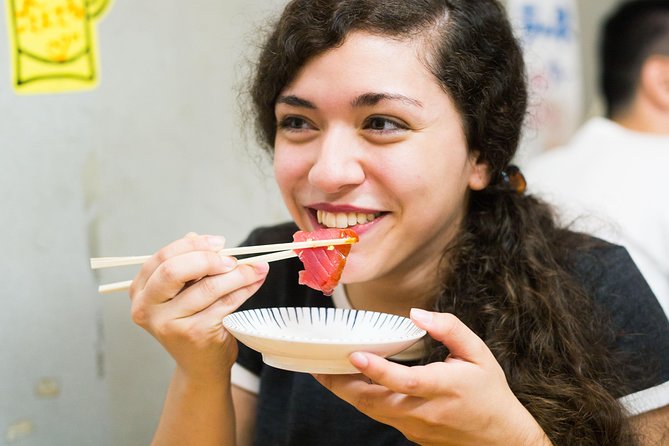
The included dinner covers 14 or more tastings at four local izakayas. The menu can change, but the format includes grilled skewers, sashimi, local comfort food, and other Japanese dishes.
Past food combinations have included sashimi, sushi rolls, pork skewers, shrimp skewers, Okinawan dishes, and other small plates. You should not treat that list as a fixed promise. It is better to think of it as a broad sample of Japanese casual food, with the actual selection shaped by the restaurants and the day.
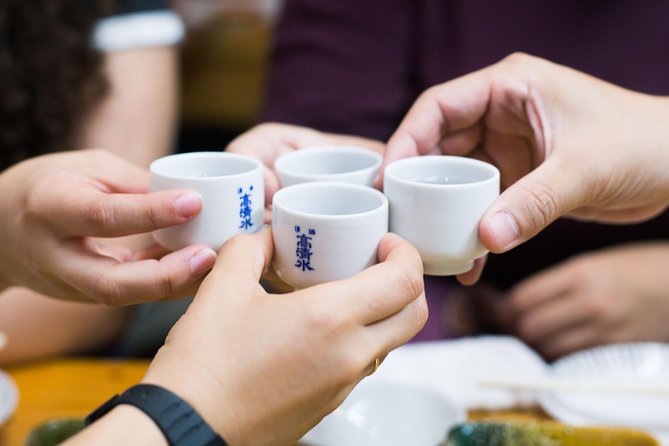
Three drinks are included. Choices may include sake, local beer, soft drinks, and other available beverages. Sake is a common highlight for first-time drinkers because the guide can explain basic differences and suggest what pairs with the food.
I appreciate that the drinks are built into the price rather than left as an unexpected extra. Still, the included amount is three drinks, not unlimited alcohol. If you add more, you should expect to pay separately.
There is also an optional pre-tour sake tasting at 3:30 p.m. for $29.99 per person. It is separate from the main evening and is not required. If you already enjoy sake or want a focused introduction before dinner, it may appeal to you. If your main goal is the izakaya meal, the core tour already includes sake among the drink choices.
How the guides shape the night
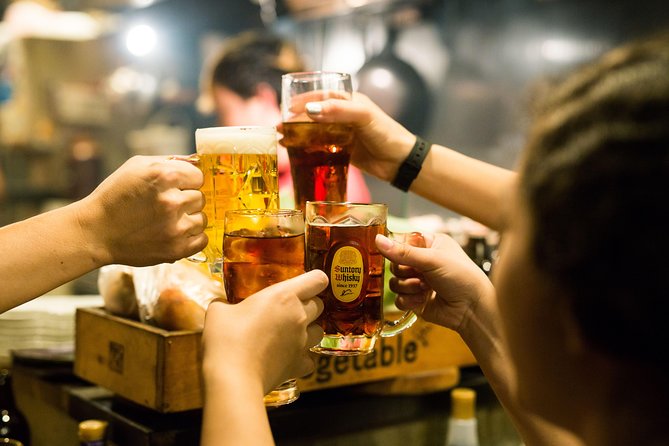
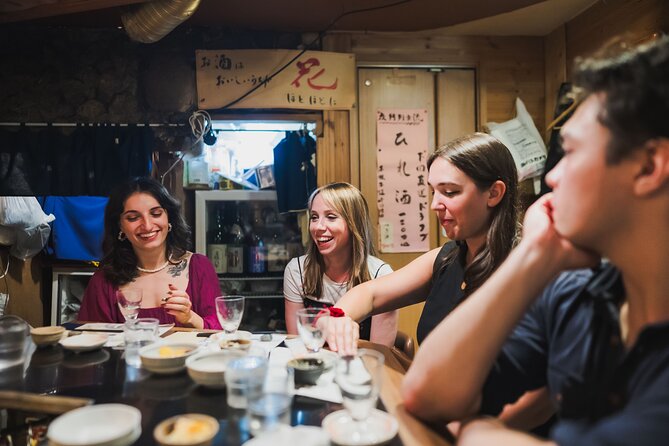
This experience depends heavily on the person leading it. A good guide keeps the group moving, explains unfamiliar dishes, helps with ordering, and makes introductions between people who may have arrived from different countries.
Taiga has been described as warm, funny, and accommodating, including when vegetarian guests were part of the group. Yusuke has been praised for taking people to smaller places and offering useful food advice. Nobu and Nobuto are both associated with energetic hosting and clear explanations. Chi has combined food knowledge with stories about local culture and city streets.
Names can change from one date to another, so you should not book solely for one specific guide unless the operator confirms that person. The consistent benefit is having someone who can bridge the gap between a foreign menu and your own table.
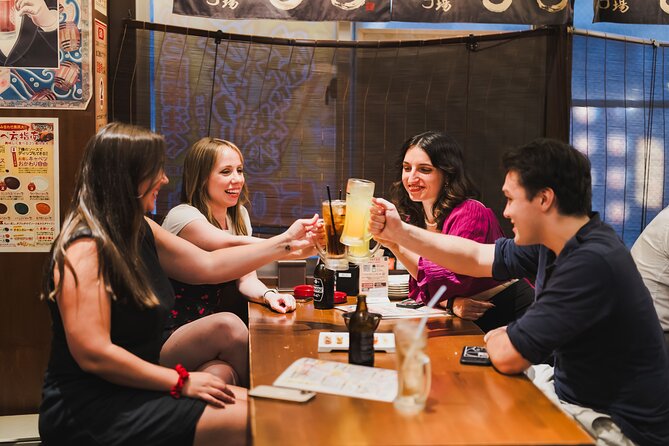
The social side is strong. You will share dishes, drinks, and walking time with the rest of the group. Some evenings naturally run longer when everyone is getting along, though the advertised duration is about three and a half hours. If you prefer private dining or a tightly timed schedule, a group food tour may not suit you.
Price, group size, and practical value
At $92.85 per person, the price is not cheap by Tokyo street-food standards. It becomes more reasonable when you count the 14-plus tastings, three included drinks, four izakaya stops, the guide, and nearly three and a half hours of walking and dining.
I would compare it with the cost of arranging four restaurants yourself. You would need to find places that accept visitors, choose enough dishes for a group, handle menus, and move through Shinjuku after dark without wasting time. The tour removes that work and lets you sample broadly instead of committing to one dinner.
The maximum group size is 10, which is small enough for conversation and questions. Group sizes can vary in practice, so confirm the current number if that detail matters to you.
The experience is near public transportation, and most people can participate. Wear comfortable shoes because the night includes walking between food stops and neighborhoods. The mobile ticket is convenient, but you should still save the meeting address and allow time to reach Kirin City Shinjukuhigashi.
Tell the operator about food restrictions at least one week in advance. Vegetarian, vegan, and gluten-free choices are limited, and last-minute requests may not be possible. One vegetarian participant has been accommodated with alternatives such as a shrimp skewer, but you should not assume every restriction can be handled.
Free cancellation is available up to 24 hours before the start time. Weather or minimum group requirements can also affect the schedule, with a different date or full refund offered when the operator cancels.
Who should book this Shinjuku food tour?
I would choose this tour if you want a full dinner with local guidance, especially on your first Tokyo visit. It gives you a practical introduction to izakaya dining without asking you to decode every menu or decide which narrow entrance to enter.
It is also a strong fit for couples, solo visitors, and small groups who enjoy meeting other people. The shared plates and three drinks create an easy social rhythm, and the walking route adds a sense of place beyond the restaurants.
I would be more cautious if you need strict dietary control, dislike alcohol-centered evenings, or want only obscure backstreet venues. The food locations may include standard neighborhood spots, and the route can feel more accessible than secret.
Should you book it?
Book this experience if you want to eat a lot, try several kinds of Japanese food, and see Shinjuku after dark without handling the details yourself. The strongest value comes from the combination of 14-plus tastings, three drinks, four food stops, and a local guide.
Skip it if you want a private meal, a fixed menu, or a tour built only around tiny Golden Gai bars. For most visitors who want an easy, social introduction to izakaya culture, this is a well-balanced way to spend an evening in Tokyo.
FAQ
How long does the Shinjuku izakaya tour last?
The tour lasts approximately 3 hours and 30 minutes.
How many food tastings are included?
The dinner includes 14 or more tastings at four local izakayas. The menu may vary.
How many drinks are included?
Three drinks are included. Options can include sake, local beer, soft drinks, and other available beverages.
Where does the tour start?
The meeting point is Kirin City Shinjukuhigashi in Shinjuku City, Tokyo.
Where does the tour end?
The stated end point is near SoftBank Nishishinjuku in Shinjuku City. The route includes Nishishinjuku, Kabukicho, Golden Gai, and Omoide Yokocho.
Can the tour accommodate dietary restrictions?
You must contact the operator at least one week before the tour about food restrictions. Vegan, vegetarian, and gluten-free choices are limited, and last-minute requests cannot be accommodated.
More Food & Drink in Tokyo
- Tokyo: Tsukiji Fish Market Food and Walking tour
★ 5.0 · 1,724 reviews - Eat and Drink Like a Local: Tokyo Ueno Food Tour-Taverns&Ramen
★ 5.0 · 957 reviews - Tokyo: Shibuya Food Tour (13 dishes and 4 Eateries)
★ 5.0 · 770 reviews - Tokyo: Tsukiji Fish Market Food and Culture Walking Tour
★ 4.7 · 757 reviews
More Izakaya Tours in Tokyo
- Tokyo: Shinjuku Local Bar & Izakaya Crawl Tour
★ 5.0 · 890 reviews - Shibuya: Local Bar & Izakaya Crawl
★ 4.9 · 354 reviews - Tokyo: The Best of Izakaya in Shinjuku Food & Cultural Tour
★ 4.9 · 221 reviews - Tokyo: Shibuya Local Bar & Izakaya Crawl Tour
★ 5.0 · 218 reviews
Just added around Tokyo
- Kawagoe Japanese Food Tour : Unagi Kaiseki and Sake near Tokyo★ 5.0 · 30 reviews
- Kawagoe 4hr Private Tour with Licensed Guide (Kawagoe Dep)★ 5.0 · 13 reviews
- Little EDO Sushi Making workshop in Kawagoe★ 5.0 · 18 reviews
- 【R34】Tokyo:Private Daikoku tour in Modified R34★ 4.9 · 92 reviews
- :Tokyo,Shibuya/ Pro Photography in Kimono / English-Friendly★ 5.0 · 26 reviews
- Tokyo:Celebrate Unique Japanese New Year Tradition Festivity★ 3.9 · 20 reviews
- Tokyo: Allstar Food Tour★ 4.7 · 29 reviews
- Tokyo: West-Side Cycling and Food Tour with Guide★ 5.0 · 37 reviews
Izakaya Tours, compared.
Shinjuku Local Bar and Izakaya Guided Walking Tour
Our verdict →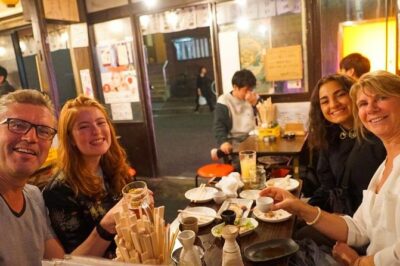
In Fukuoka! Guide to an izakaya only 100% locals know/Bar Hopping
Our verdict →
Browse the lists this tour appears in