
Reviewed · FOOD TOURS
Tokyo: Shinjuku Food Tour (15 Dishes and 4 Eateries)
Shinjuku is easiest to understand with something tasty in your hand. This three-hour evening walk takes you from the neon-lit streets around the station to Golden Gai, Omoide Yokocho, and Kabukicho, stopping at four local food spots for sashimi, sake, tonkatsu, yakitori, takoyaki, and other Japanese dishes.
I like two things right away: the range of food, and the fact that your guide handles the ordering and explains what is on the table. I also like the small-group format, which matters in Shinjuku’s narrow lanes. The main consideration is that the tour involves walking, standing, and eating several courses in a short time. Come hungry, and tell the operator about food restrictions before you arrive.
Key points to know before booking
- Four different food settings: You visit a food stall, an izakaya, a traditional eatery, and a gastrobar rather than sitting in one restaurant all evening.
- Up to 13 dishes and two drinks: The advertised title says 15 dishes, while the detailed tour information describes 13 dishes. Treat 13 as the reliable figure, with selections changing by season and availability.
- A useful first look at Shinjuku nightlife: Golden Gai, Omoide Yokocho, and Kabukicho each show a different side of the district after dark.
- Guides shape the experience: Guides including Daichi, Fu, Aika, Igor, Hina, Lloyd, Sabina, and others are assigned according to the date.
- The food is filling: Several menus include substantial items such as pork cutlet, fish, Okinawan food, and skewers, not just small samples.
- Meet beside the blue AOKI sign: The meeting point is outside the AOKI building next to Starbucks Nishiguchi, on the west side of Shinjuku Station.
Why this is a smart first evening in Shinjuku
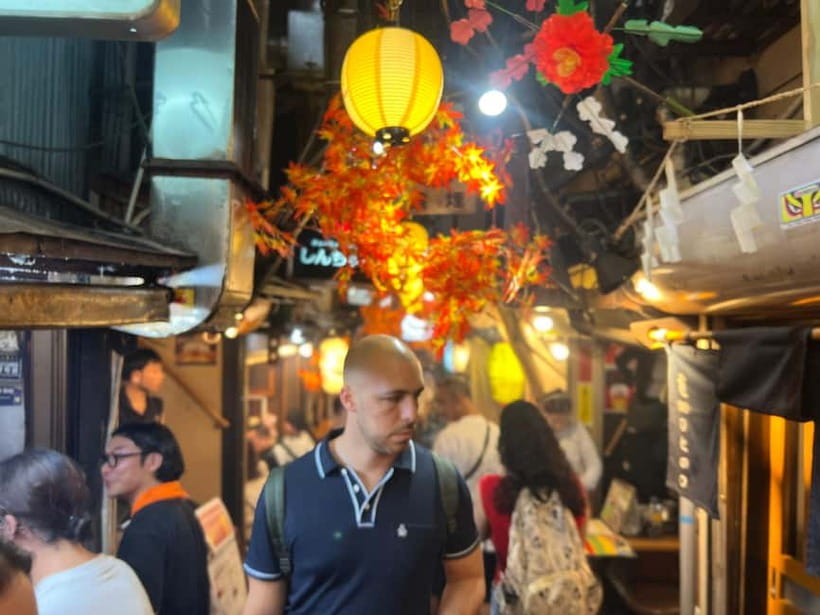
Shinjuku can feel like several cities packed into one district. You have giant department stores, office towers, tiny drinking lanes, entertainment streets, and old food alleys all within a short walk of one another. A first-time visitor can easily spend an evening looking at menus without knowing what to order or which doors are meant for newcomers.
This tour solves that problem in a practical way. Your guide leads you to four places and gives you context as you go. You are not simply eating Japanese food. You are learning why different types of restaurants matter, how Shinjuku developed its nightlife character, and how to approach dishes you might otherwise skip.
The strongest part is the balance between food and place. Guides such as Fu, Daichi, Igor, and Sabina have been praised for adding stories about customs, landmarks, local food, and the area’s past. That makes the walk useful even between meals. You get a better sense of where you are, rather than moving from restaurant to restaurant with no connection to the streets outside.
This is also a social experience. The small group gives you a better chance to ask questions, compare reactions to unfamiliar dishes, and get personal suggestions for the rest of your stay. It is a good way to start a Tokyo visit, when you still need help finding your bearings.
More Food Tours in Tokyo
- Tokyo: Shinjuku Food Tour (13 Dishes at 4 Local Eateries)
★ 5.0 · 6,603 reviews - Tokyo Tsukiji Fish Market Food and Culture Walking Tour
★ 5.0 · 3,184 reviews - Best of Shinjuku: Izakaya Food Tour (4 Stops, 14+ Tastings)
★ 5.0 · 1,863 reviews
Meeting at Shinjuku Station without confusion
The meeting point is outside by the blue AOKI sign, beside Starbucks Nishiguchi on the west side of Shinjuku Station. Shinjuku Station is famously large and confusing, so do not leave this detail until the last minute. The nearby Yodobashi Camera is another useful landmark if you need to ask for directions.
The guide contacts you through WhatsApp, so download the app before the tour and check your messages. This is a small but important practical step. A few minutes lost in Shinjuku can become a much longer delay if you take the wrong exit.
Wear comfortable shoes. The walking is not described as strenuous, but the evening includes three hours of moving through crowded streets, narrow lanes, and food stops. You should also avoid arriving after a large meal. The portions are described as plentiful, and one person found the amount difficult to finish.
Golden Gai: tiny lanes and a big change of mood
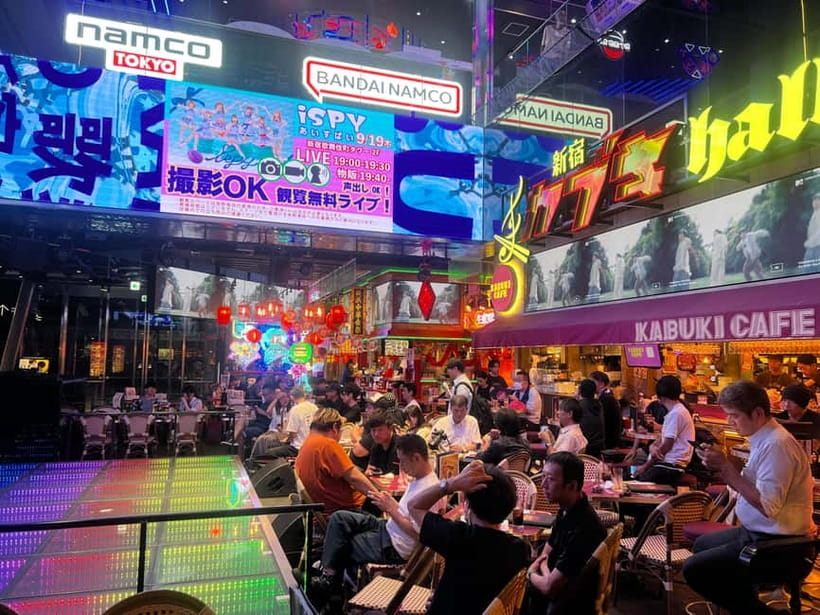
The first major area is Golden Gai, a tightly packed cluster of narrow lanes and very small bars. The tour gives you a guided look at this famous nightlife quarter rather than leaving you to wander alone and guess which places welcome visitors.
Golden Gai is more about atmosphere and context than a single attraction. The lanes show a compact, older side of Shinjuku, with small establishments packed closely together. Your guide can explain how the district fits into Tokyo’s drinking culture and point out details that are easy to miss when you are focused on the bright signs.
The food stops are spread across several styles, so Golden Gai may be part walking tour and part introduction to the district’s character. Do not expect every meal to happen inside Golden Gai itself. The route includes a food stall, an izakaya, a traditional eatery, and a gastrobar, and the exact order or selection can change.
That flexibility is worth keeping in mind. The operator says dishes depend on season, restaurant availability, and what is available on the day. You may receive sashimi, mackerel, seaweed salad, tempura tuna, or other dishes mentioned by diners, but no fixed menu should be assumed.
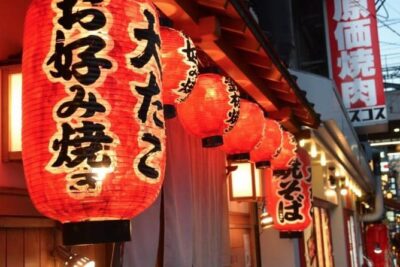
Omoide Yokocho: Shinjuku’s old food-alley feel
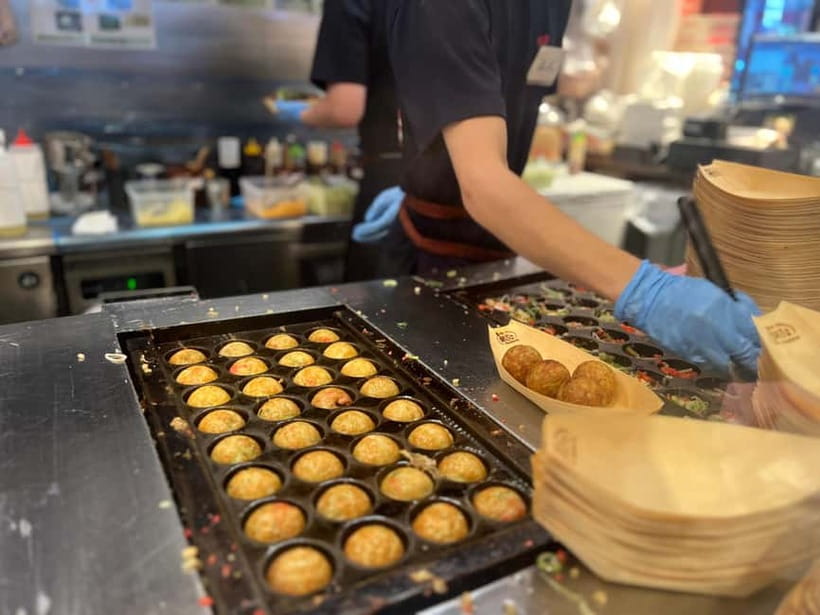
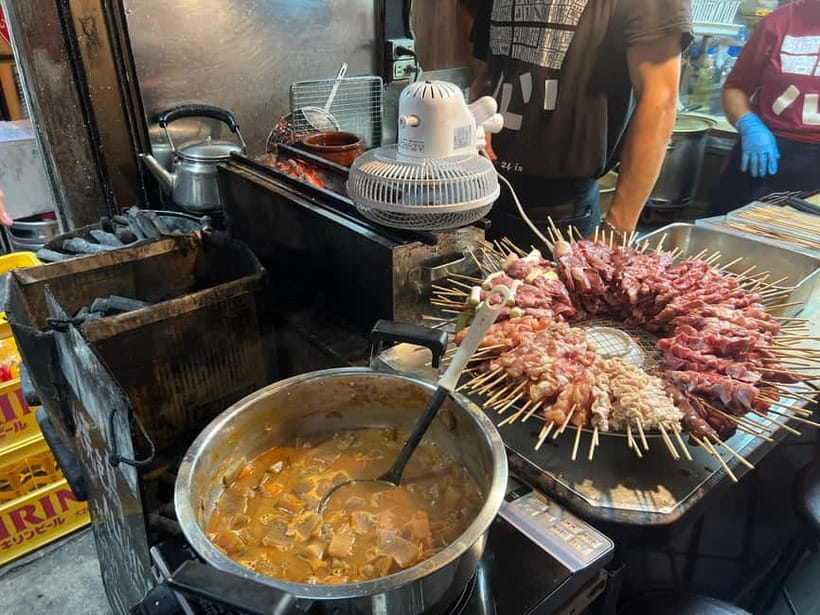
Omoide Yokocho, also known as Memory Lane, offers a different look at Shinjuku. Its narrow food lanes have an old-fashioned feel, with compact eateries and a strong connection to casual local dining.
This is one of the most useful parts of the walk for a first visit because it shows how different Shinjuku can look just a few minutes from the station’s giant signs. One person particularly liked the lane and returned later independently. That is a good sign for the area’s appeal, but it also points to an important detail: the route may guide you through a place without stopping there for a full meal.
The food itself is the main event, but the setting gives it meaning. An izakaya meal is not just a list of dishes. It is a style of eating built around sharing food and drinks in a relaxed setting. Your guide can help you understand that rhythm, explain unfamiliar ingredients, and make ordering less of a guessing game.
If you are shy about trying new food, this is where the guide’s role becomes especially valuable. Several guests praised guides for explaining customs and suggesting dishes they would not have ordered alone. You can try something unfamiliar in a group, with enough context to make the experience enjoyable rather than intimidating.
Same trip, a completely different kind of day:
- 1-Day Tokyo Bus Tour
★ 5.0 · 14,250 reviews - Tokyo: TOKYO SKYTREE® Admission ticket
★ 4.5 · 11,192 reviews - Tokyo: teamLab Planets TOKYO Digital Art Museum Entry Ticket
★ 4.6 · 9,779 reviews - Tokyo: Sumo Show Experience with Chicken Hot Pot and a Photo
★ 4.8 · 6,678 reviews
Kabukicho: neon, nightlife, and a different side of Tokyo
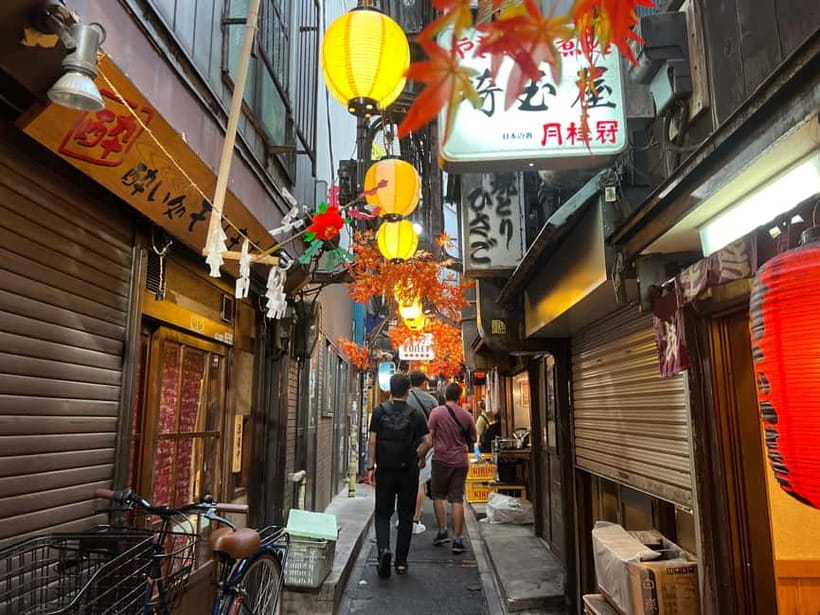
The final area is Kabukicho, Shinjuku’s best-known entertainment district. The tour gives you a guided walk through the area, linking the food stops with the surrounding streets and nightlife.
Kabukicho is not presented as a sightseeing stop with one monument to visit. Its interest comes from the concentration of signs, restaurants, bars, and evening activity. Your guide’s local explanations help you read the area with more confidence and understand why it feels so different from a quiet residential neighborhood or a formal temple district.
This part of the tour is especially useful if you want to explore Shinjuku later on your own. Guides provide advice about plans for the rest of your stay, and several have been praised for adding tips about Tokyo beyond the food. You can ask about places to eat, areas to visit, and customs that may not be obvious from a guidebook.
The tradeoff is that Kabukicho is busy and can feel intense. You will be walking in an active nightlife district, not a calm historical quarter. If you prefer quiet streets and long seated meals, this tour may feel fast and crowded.
What you may eat at the four stops
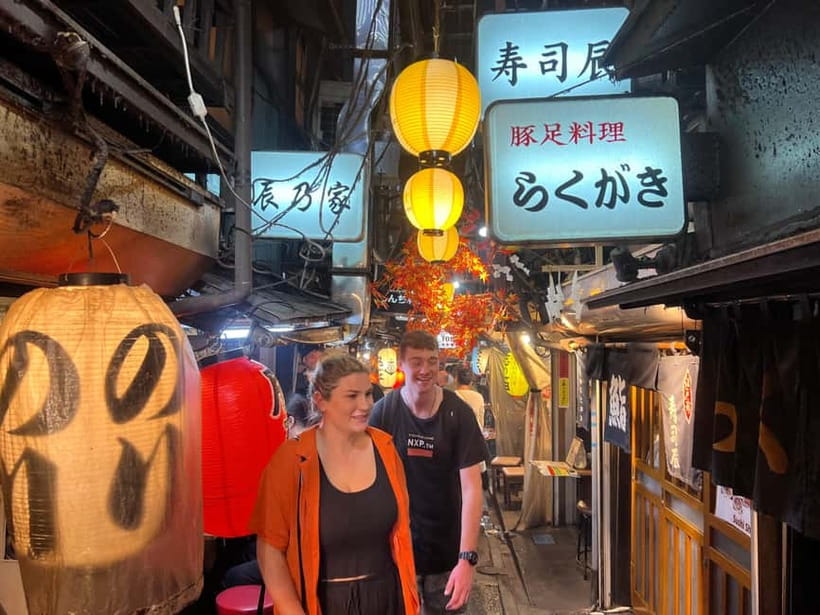
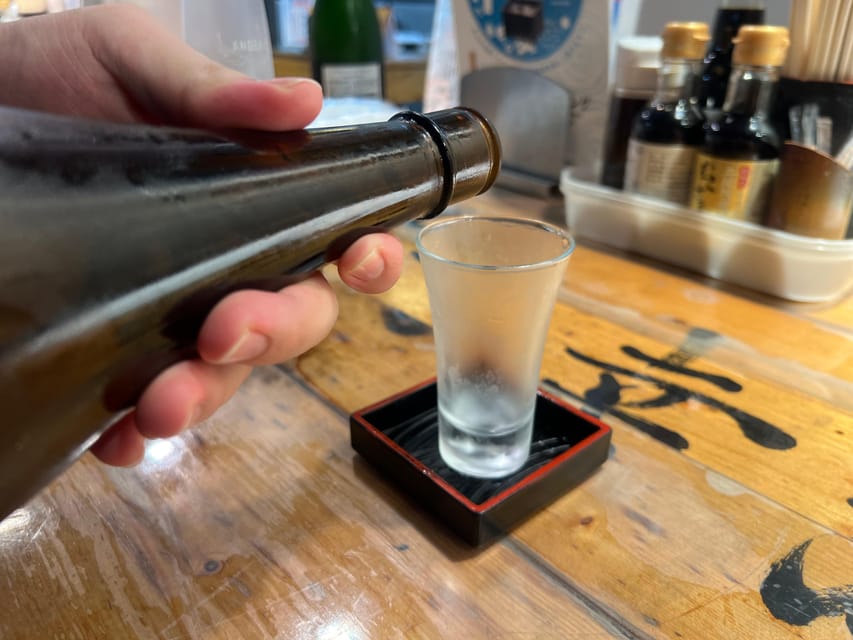
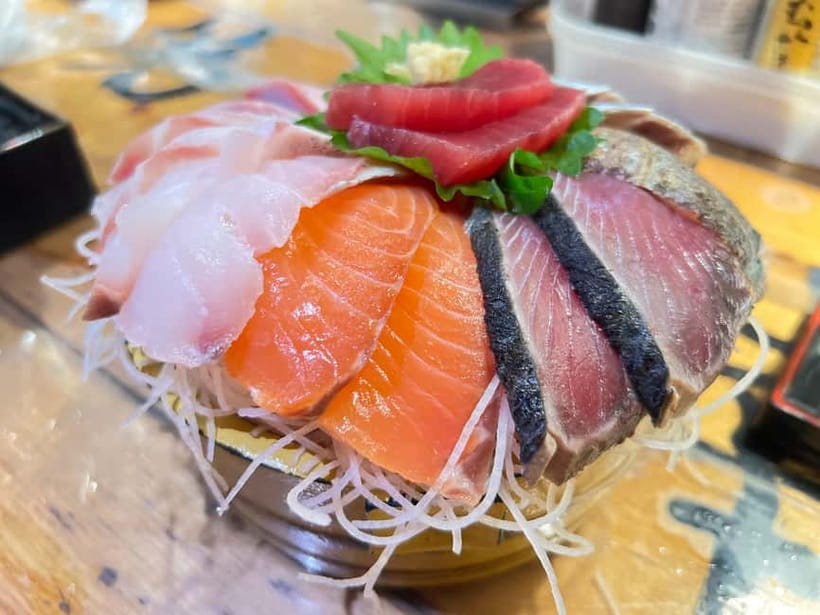
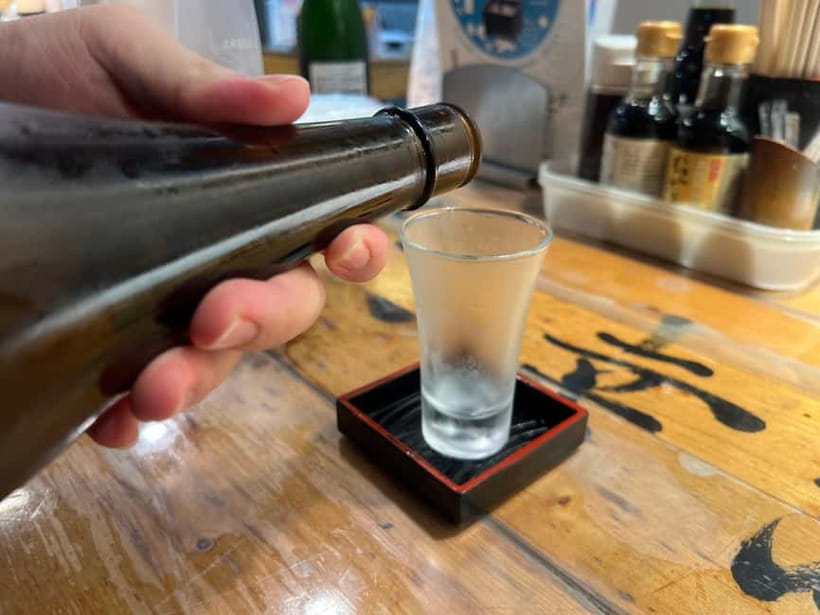
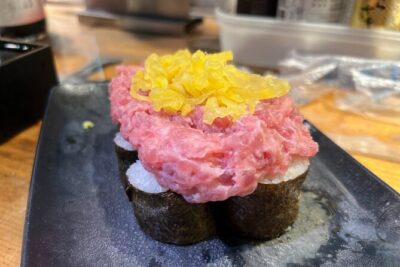
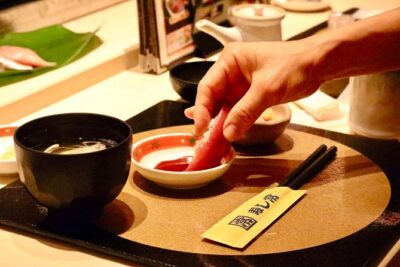
The menu is designed to give you a broad sample rather than one narrow specialty. The named examples include sashimi, Japanese sake, tonkatsu, yakitori, and takoyaki. Other food described in the experience includes mackerel, Okinawan dishes, seaweed salad, tempura tuna, and taiyaki for dessert.
A typical progression might include fresh fish early in the evening, a substantial pork cutlet, regional food, skewers or street-style snacks, and a sweet finish. That is not a guaranteed sequence, but it shows the range you can expect.
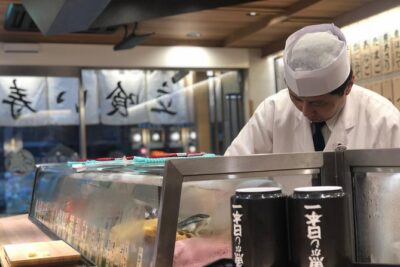
The tonkatsu is likely to be a highlight for anyone who loves comfort food. One stop has been described as a long-running tonkatsu restaurant, with pork cutlets that made a strong impression. Tonkatsu is simple on paper, but good versions depend on tender pork, a crisp coating, and careful frying. It is also one of the more filling dishes on a menu that already includes several tastings.
Fish lovers may prefer the opening stop. Mackerel and fresh fish have received particular praise, along with sake. If raw seafood is not for you, make your restrictions clear before booking. The operator asks you to advise them about food limitations, but the available information does not promise that every request can be accommodated.
Okinawan food adds a useful regional note. Japan is not one single food culture, and Okinawa has its own ingredients and traditions. Trying dishes from outside the standard sushi and ramen circuit gives the tour more range.
The sweet course may be taiyaki, a fish-shaped cake filled with a sweet center. It is a pleasant ending after several savory stops, though again, the final dish can change. The operator makes clear that season and restaurant availability affect the menu.
One naming issue deserves attention. The experience title refers to 15 dishes, while the detailed description repeatedly says 13 dishes. Since the exact menu changes, I would budget your expectations around up to 13 dishes, plus two drinks, rather than counting on 15.
Two drinks and the question of value
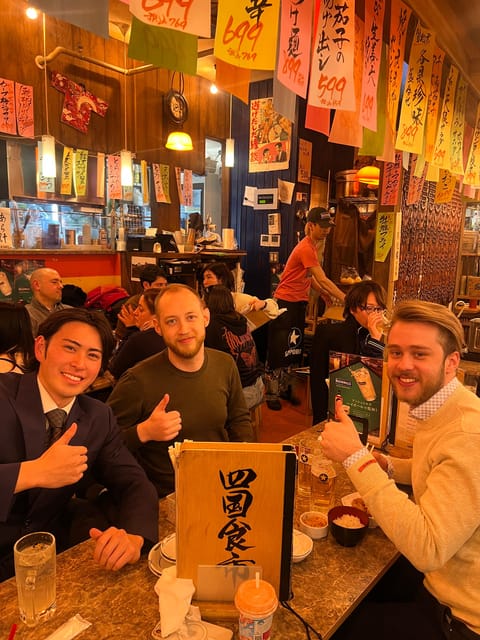
The price is $85 per person for three hours. That includes an English-speaking guide, the walking route, food at four venues, up to 13 dishes, and two complimentary drinks. One of those drinks may be alcoholic and the other can be non-alcoholic, depending on your choice and the arrangements on the day.
I consider this a fair price if you value guidance and variety. You are paying for more than food. You are also paying for someone to choose the stops, manage communication, explain dishes, connect the neighborhoods, and help you avoid wasting an evening at a disappointing restaurant.
The value is strongest for first-time visitors, families who want an organized introduction, and people who feel unsure about ordering in Japanese. It is less compelling if you already know Shinjuku well, speak Japanese comfortably, and prefer to choose every restaurant yourself.
The amount of food also matters. This is not a light tasting route built around one bite at each stop. It can serve as a full evening meal, so you may not need to book a separate dinner afterward.
The guide can make or break the evening
The company uses a rotating team rather than one named host. Guides praised for their warmth, humor, organization, and local explanations include Daichi, Fu, Aika, Igor, Hina, Lloyd, Sabina, Shane, Taiga, and others.
That variety means you should not book on the assumption that a particular guide will lead your departure unless the operator confirms it. Still, the pattern is clear: the guide is central to the experience. A well-organized host keeps the route moving, explains unfamiliar food, watches the group’s needs, and makes it easier for people from different countries to talk with one another.
The best guides do more than repeat facts. They explain food customs, answer questions, share city tips, and adjust when someone is delayed or has special needs. Families have also found the format workable, with children enjoying dishes such as pork cutlet and taiyaki.
Practical details that affect your choice
The tour lasts three hours, with starting times dependent on availability. It is offered in English and includes a live guide. You should download WhatsApp beforehand because the guide uses it to contact the group.
Cancellation is free up to 24 hours before the activity for a full refund, and you can reserve now and pay later. Those policies are useful if your Tokyo schedule is still shifting, but they do not change the need to arrive at the correct meeting point.
Tell the operator about food restrictions before the tour. The available information does not list a specific accommodation policy, so do not assume every allergy, religious restriction, or dietary preference can be handled at every stop.
The tour is a good fit for:
- First-time visitors who want an easy introduction to Shinjuku
- People who enjoy trying several foods in one evening
- Families looking for a guided and organized meal
- Solo visitors who want a social activity
- Anyone nervous about ordering at small local restaurants
It may be less suitable for:
- People who dislike raw fish, pork, alcohol, or unfamiliar foods
- Visitors wanting a quiet, slow dinner
- Anyone with serious dietary restrictions unless confirmed in advance
- Repeat Tokyo visitors who already know these districts and restaurants well
Should you book the Shinjuku food tour?
I would book this tour early in a Tokyo stay, especially if Shinjuku is unfamiliar to you. The combination of four food settings, three famous nightlife areas, and a local English-speaking guide gives you both a meal and a useful orientation.
Book it if you want generous portions, a broad menu, and help trying dishes beyond the usual tourist order. Think twice if you need a fixed menu, a long sit-down dinner, or strict dietary control.
The sensible expectation is 13 dishes rather than 15, with the final selection changing by season and restaurant availability. Bring sturdy shoes, arrive at the AOKI meeting point with WhatsApp ready, and save room for the food. For most visitors, $85 is reasonable for an evening that combines dinner, neighborhood context, and a confident first step into Shinjuku nightlife.
FAQ
How long does the Shinjuku food tour last?
The tour lasts three hours.
How many dishes are included?
The detailed activity information says you can enjoy up to 13 Japanese dishes. The experience title refers to 15 dishes, so you should treat 13 as the dependable figure.
How many eateries do you visit?
You visit four food locations: one stall, one izakaya, one traditional eatery, and one gastrobar.
What foods might be served?
Possible dishes include sashimi, mackerel, tonkatsu, yakitori, takoyaki, Okinawan food, seaweed salad, tempura tuna, and taiyaki. The selection depends on the season and restaurant availability.
Are drinks included?
Yes. Two complimentary drinks are included, with alcoholic and non-alcoholic options available.
Is the tour conducted in English?
Yes. The activity includes a live English-speaking guide.
Where is the meeting point?
Meet outside by the blue AOKI sign next to Starbucks Nishiguchi, on the west side of Shinjuku Station. Yodobashi Camera is a nearby landmark that can help with directions.
Do I need WhatsApp?
Yes. The guide contacts participants through WhatsApp, so download it before the tour.
Can I tell the operator about food restrictions?
Yes. You should advise the operator of any food restrictions before the tour. The available information does not guarantee that every restriction can be accommodated.
Can I cancel for a refund?
You can cancel up to 24 hours in advance for a full refund. The tour also offers reserve-now, pay-later booking.
More Food & Drink in Tokyo
- Tokyo: Tsukiji Fish Market Food and Walking tour
★ 5.0 · 1,724 reviews - Eat and Drink Like a Local: Tokyo Ueno Food Tour-Taverns&Ramen
★ 5.0 · 957 reviews - Tokyo: Shibuya Food Tour (13 dishes and 4 Eateries)
★ 5.0 · 770 reviews - Tokyo: Tsukiji Fish Market Food and Culture Walking Tour
★ 4.7 · 757 reviews
Just added around Tokyo
- Kawagoe Japanese Food Tour : Unagi Kaiseki and Sake near Tokyo★ 5.0 · 30 reviews
- Kawagoe 4hr Private Tour with Licensed Guide (Kawagoe Dep)★ 5.0 · 13 reviews
- Little EDO Sushi Making workshop in Kawagoe★ 5.0 · 18 reviews
- 【R34】Tokyo:Private Daikoku tour in Modified R34★ 4.9 · 92 reviews
- :Tokyo,Shibuya/ Pro Photography in Kimono / English-Friendly★ 5.0 · 26 reviews
- Tokyo:Celebrate Unique Japanese New Year Tradition Festivity★ 3.9 · 20 reviews
- Tokyo: Allstar Food Tour★ 4.7 · 29 reviews
- Tokyo: West-Side Cycling and Food Tour with Guide★ 5.0 · 37 reviews
Food Tours, compared.
Shinjuku Food Tour (13 Dishes at 4 Local Eateries)
Our verdict →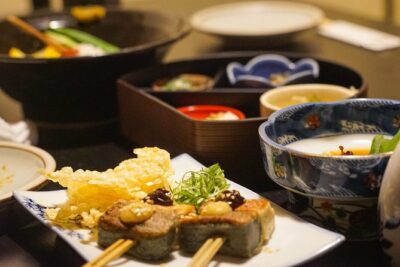
Kyoto Night Foodie Tour in Gion (9+ dishes + 6 Sake tastings)
Our verdict →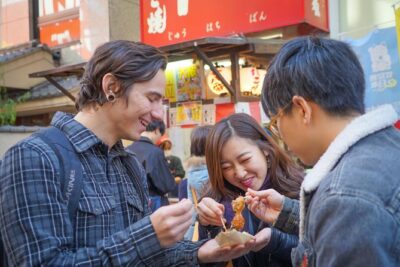
Osaka Local Foodie Walking Tour in Dotonbori and Shinsekai
Our verdict →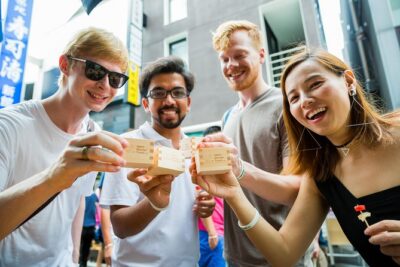
Food Tour in Ueno with 10+ Tastings of Japanese Classics
Our verdict →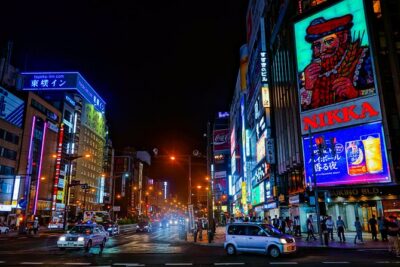
Browse the lists this tour appears in