
Reviewed · TRADITIONAL CRAFTS
1.5〜2 Hours Traditional Kintsugi Work Shop in Namba Osaka
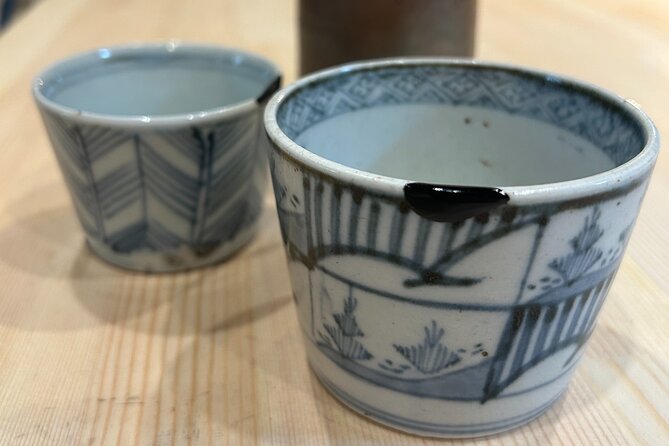
Kintsugi turns a repaired ceramic into a record of its past. In this Namba workshop, you learn the craft’s story, apply lacquer, and dust your own plate with 23K gold powder. The small studio, set inside a traditional wooden Kura building, gives the lesson a calm, hands-on feel.
I like the maximum group size of five, since instructor Jo, also known as Josuke, can give each person close help. I also like the matcha-making surprise at the end, plus the chance to look at Japanese art and antiques in the gallery. The main consideration is that you do not leave with the finished plate that day. It needs time to cure, and overseas shipping costs ¥5,000.
Key points to know before booking
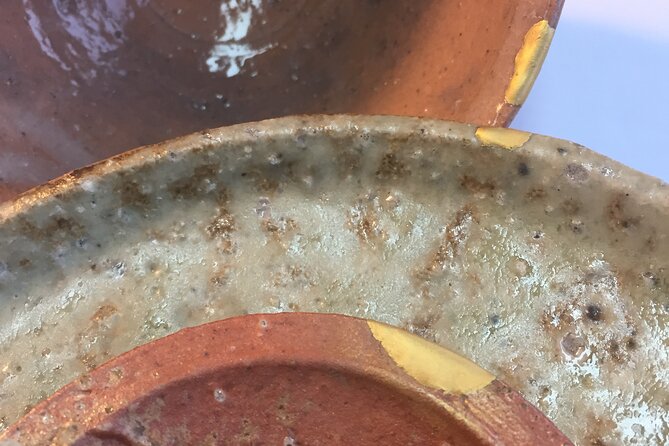
- You make a gold-decorated plate: The class focuses on applying lacquer and 23K gold powder to a prepared piece.
- The group is tiny: A maximum of five people keeps the teaching personal and relaxed.
- Jo teaches more than technique: Expect background on lacquer, kintsugi, and the ideas connected to Japanese craft.
- Matcha may be part of the afternoon: Several sessions include matcha preparation, with tea and mochi served afterward.
- Your plate is shipped later: Domestic delivery in Japan is free, while international shipping costs ¥5,000.
- The location is part of the experience: The workshop takes place in a traditional wooden Kura building near Namba Yasaka Jinja.
A quiet craft lesson near the center of Namba
Osaka is famous for food, shopping, neon, and noise. This workshop gives you a useful change of pace. For about 90 minutes, you step into a small studio where the focus is a brush, a ceramic plate, lacquer, and a fine layer of gold.
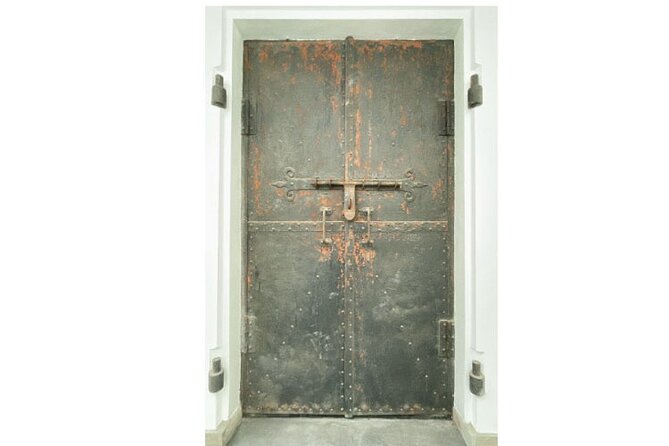
The setting matters. The class is held in a traditional Japanese building called a Kura, with wooden architecture and a gallery containing Japanese art and antiques. You are not simply sitting in a modern classroom with a craft kit. The surroundings help explain why careful handwork still has a place in Japanese culture.
The address is in Naniwa Ward, at 2-chome 6-30 Motomachi. The activity begins and ends at the same meeting point. Allow a few extra minutes to find the entrance, since the location can be a little tricky to spot. Namba Yasaka Jinja is nearby, so you can pair the workshop with a visit to that distinctive shrine afterward.
More Craft Workshops in Osaka
- Osaka: Traditional Mochi Pounding Experience with Tasting
★ 4.9 · 306 reviews - Kamigata Ukiyoe Museum:Ukiyo-e Woodblock Printing Experience
★ 4.9 · 79 reviews - 90 min Shared Handmade Udon Experience
★ 5.0 · 70 reviews
What you actually make with lacquer and gold
It helps to understand the scope of the class before you book. This is an introduction to kintsugi, not a full apprenticeship in every stage of repairing a shattered bowl.
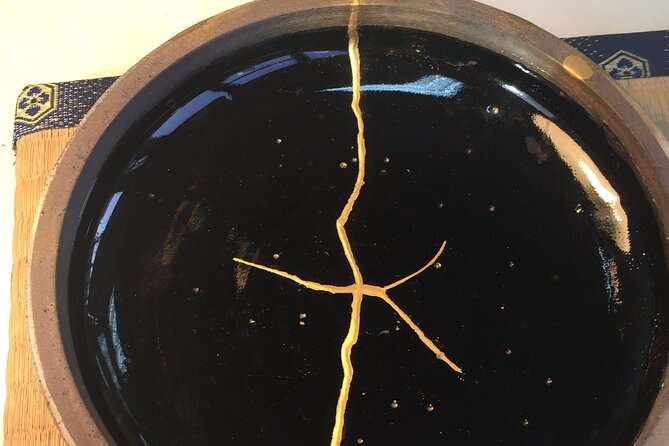
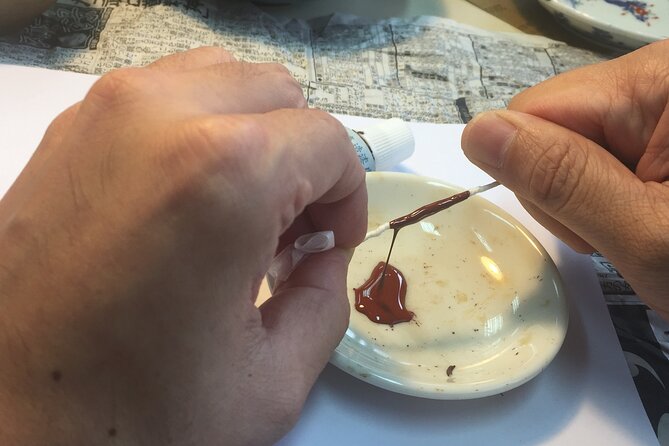
Traditional kintsugi uses lacquer to mend broken ceramics, with the repaired seams often highlighted in gold. In this workshop, the main hands-on task is the final decorative stage. You work with a prepared kintsugi plate, apply lacquer, and sprinkle 23K gold powder over it.
That makes the activity approachable. You do not need prior pottery skills, steady professional hands, or an interest in advanced studio work. Jo explains each step and helps you as you go. The point is to understand the process and experience the satisfying final touch yourself.
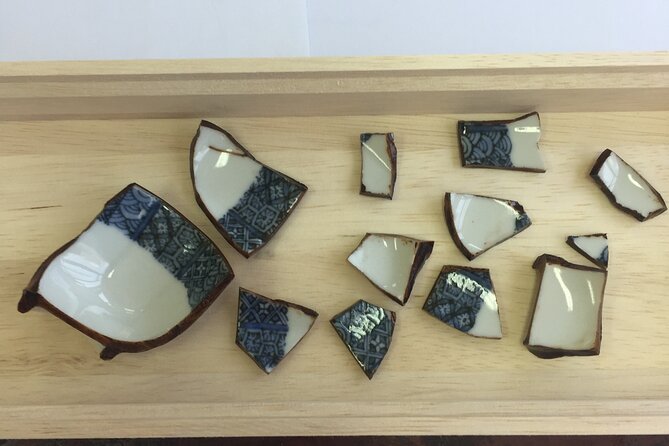
One useful detail: the piece may use a chopping style rather than the cracked, branching lines often shown in photographs of kintsugi. If you arrive expecting a dramatic shattered bowl with long gold seams, adjust that picture. The finished plate can still be attractive and personal, but the design may be more controlled and prepared for the workshop format.
The opening talk gives the craft meaning
The class begins with an introduction to traditional kintsugi and Japanese lacquer. Jo uses explanations, slides, examples, and open discussion to place the craft in context. He also explains the process from lacquer collection and curing to the role of the gold finish.
That background is one of the best reasons to choose this activity instead of buying a decorative souvenir. You see why lacquer is important, why drying takes time, and how repair can be treated as part of an object’s story rather than something to hide.
The lesson also connects kintsugi with Japanese ideas about care, patience, and accepting marks from the past. You do not need to agree with every philosophical interpretation to enjoy the practical lesson. The history gives the gold line a purpose, rather than leaving it as a simple decoration.
Jo’s teaching style is patient and conversational. He speaks English well, encourages questions, and gives clear instructions before you handle the materials. That is especially helpful if you are bringing children or have never worked with lacquer before.
The hands-on portion is simple, careful, and rewarding
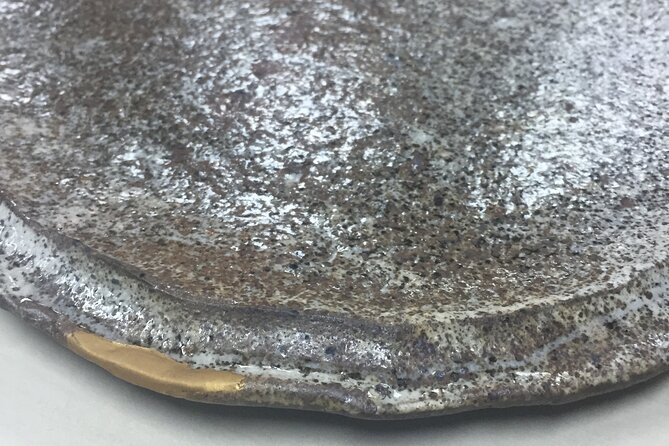
After the introduction, you decorate your own plate. The process is not frantic. You have time to listen, ask for help, and work with care.
You apply the lacquer as directed, then add the gold powder. This is the moment that makes the workshop memorable. The gold is not just something you admire behind glass. You handle it yourself and see the repaired design change as the powder catches the light.
The small group format improves this part of the lesson. With no more than five people, Jo can watch your technique and step in when needed. A private or nearly private session may feel especially calm, while a full group of five still gives the room a little shared energy.
The activity suits families, couples, solo visitors, and anyone who wants something more active than a museum visit. Children can take part, but you should consider the careful handling involved and the warning for anyone with a lacquer allergy.
Same trip, a completely different kind of day:
- Osaka Go Karting Tour with Funny Costume
★ 5.0 · 2,658 reviews - Osaka Castle: Museum and Tower Entry Ticket
★ 4.5 · 2,380 reviews - Osaka: Shinsekai Food Tour with 13-15 Dishes at 5 Eateries
★ 4.8 · 2,204 reviews - Osaka Food Tour: 13 Dishes at 5 Local Eateries
★ 5.0 · 2,149 reviews
Matcha and mochi add a welcome second lesson
Several people who enjoyed this workshop also appreciated an unexpected matcha session. After the kintsugi work, Jo may show you how to prepare matcha in the traditional way, including the whisking that creates the froth on top.
Tea preparation fits the mood. The craft lesson asks you to slow down and pay attention, and matcha gives you another chance to practice the same kind of care. Mochi and refreshments may also be served, adding a pleasant close to the class.
This is not advertised as a separate full tea ceremony, so you should not book it expecting an extended formal ritual. Think of it as a short cultural extra that makes the visit feel more personal. It also gives you time to talk with Jo and ask about Osaka, Japanese customs, or the work displayed in the studio.
The Kura building and gallery are worth lingering over
The wooden building is not just a backdrop for the class. Take a few minutes to look around before or after the activity. The gallery includes Japanese art and antiques, and the building itself offers a glimpse of older construction in a city known for modern commerce.
The space is described as rustic, cozy, clean, and welcoming. That combination may appeal to you if you prefer small workshops to polished tourist centers. It also means the atmosphere is informal. You are visiting a working craft space, not a large attraction with a long public route.
Nearby Namba Yasaka Jinja gives you an easy add-on. Some participants have also received a walk to the shrine from Jo, but that should not be treated as a guaranteed part of the booking. Plan to visit on your own after class if it is important to you.
The finished piece comes later, not at the door
Your plate needs time to dry and cure. You should expect to wait about five to seven days before it is ready for delivery. This is a key practical detail, especially if Osaka is near the end of your Japan trip.
Shipping to a Japanese address is free. International shipping costs ¥5,000, so add that charge to the advertised price if you are returning home soon. The workshop price is $125.53 per person, while the overseas postage is separate.
The delay is not a flaw in the craft. Lacquer needs time, and rushing the plate would risk damaging the finish. Still, you should write down your delivery details carefully and keep the shipping charge in mind when comparing this activity with other Osaka workshops.
If you are staying in Japan longer, domestic delivery makes the value easier to judge. If you are flying home shortly after the class, the added postage makes the total cost feel less light.
Does the $125.53 price make sense?
This is not a bargain craft session. At $125.53 per person, you are paying for a small class, an instructor-led cultural lesson, the materials, the prepared plate, the historic setting, and the time spent explaining the craft.
I think the price makes the most sense if you value personal instruction and want a finished object connected to your Osaka visit. The group limit of five is important here. You are not paying for a large demonstration where you watch from the back of the room.
The value is weaker if your only goal is to make a cheap souvenir in under an hour. You also need to add ¥5,000 for international shipping, and the piece arrives later rather than immediately.
For a special-occasion activity, a family experience, or a creative break from sightseeing, the cost can be reasonable. The workshop also gives you context that a shop-bought plate cannot provide. You learn what the gold means, how lacquer behaves, and why the repair is part of the design.
Who will enjoy this most?
You are a good match for this class if you like traditional crafts, Japanese design, pottery, or quiet cultural activities. It works well for couples and small families because everyone can make an individual piece while still sharing the lesson.
It is also a good choice for solo visitors. If fewer people book your time, you may receive an especially personal lesson. That can make the price easier to justify, since Jo has more time to answer questions and explain the objects in the studio.
The workshop is less suitable if you want a fast activity with an object in your luggage that night. It is also not recommended if you have a lacquer allergy. The class is near public transportation, and most people can participate, but anyone with specific mobility or health concerns should confirm details before booking.
Morning and afternoon start times make it easier to fit the activity around Osaka sightseeing. You can visit a shrine or explore Namba afterward, or use the class as a slower start before an evening in the city.
Booking, timing, and cancellation details
The experience lasts about 1 hour 30 minutes, although some descriptions place the introduction at roughly one to one and a half hours. Give yourself extra time to locate the entrance.
A mobile ticket is provided, and confirmation arrives when you book. The activity ends back at the meeting point. Service animals are allowed.
You can cancel for a full refund up to 24 hours before the local start time. Cancellations or changes made within 24 hours are not refunded or accepted. If poor weather causes the activity to be canceled, you are offered another date or a full refund.
My verdict: book it for the process, not just the plate
I recommend this workshop if you want a personal, hands-on look at Japanese craft and do not mind waiting for your souvenir. Jo’s patient teaching, the small group, the old wooden setting, and the matcha finish give the experience more substance than a quick make-and-take activity.
Book it with clear expectations. You will decorate a prepared kintsugi plate rather than complete every stage of repairing a shattered vessel. Your work will be shipped after curing, and international delivery costs extra.
If that sounds right, this is a thoughtful way to spend part of a Namba day. You leave with a better understanding of lacquer, a gold-finished piece on its way to you, and a quiet memory from Osaka that is more personal than another packaged souvenir.
FAQ
How long does the kintsugi workshop last?
The experience lasts approximately 1 hour 30 minutes. The introduction and hands-on work are described as taking about one to one and a half hours.
Where does the workshop begin?
It begins at 2-chome 6-30 Motomachi, Naniwa Ward, Osaka, 556-0016. The activity ends at the same meeting point.
How many people can join the class?
The class has a maximum of five participants.
Are materials provided?
Yes. The workshop provides the materials needed for the activity, including the plate, lacquer, and 23K gold powder.
Can I take my finished plate home that day?
No. The plate needs time to dry and cure. It is sent to you in about five to seven days.
How much does shipping cost?
Delivery to a Japanese address is free. International shipping costs ¥5,000.
Can I cancel for a refund?
Yes, if you cancel at least 24 hours before the experience starts. Cancellations within 24 hours are not refunded, and changes within that period are not accepted.
More 2-Hour Experiences in Osaka
- Osaka: 2-Hour Local Street Food Tour – Dotonbori & Namba
★ 4.6 · 95 reviews - Kyoto Gion: 2-Hour Geisha Culture & History Walking Tour
★ 5.0 · 1,186 reviews - Ninja 2-hour Hands-on Lesson by Japanese master in Kyoto -Medium
★ 5.0 · 218 reviews - Kyoto: 2-Hour Maiko Makeover and Photo Studio Shoot
★ 4.7 · 122 reviews
Just added around Osaka
- Exclusive Sushi Making Experience with a Master Chef – Osaka Area★ 5.0 · 25 reviews
- Private Home-Style Cooking Class in Osaka with Local Mom Yoshiko★ 5.0 · 46 reviews
- Hidden Osaka – Yukaku Red Light Tour & Culinary Adventure★ 4.8 · 96 reviews
- Osaka: Walking Tour and Top Highlights★ 4.8 · 104 reviews
- Osaka: Private Ceramic Painting Workshop★ 5.0 · 13 reviews
- Pickleball in Osaka, Kobe & Kyoto with Locals!★ 4.7 · 80 reviews
- Eat Like a Local in Osaka – Private Custom Street Food Tour★ 4.3 · 33 reviews
- Osaka:SUMO BEATS SHOWCASE: Taiko Drum and Wagyu burger!★ 4.2 · 37 reviews
Traditional Crafts, compared.
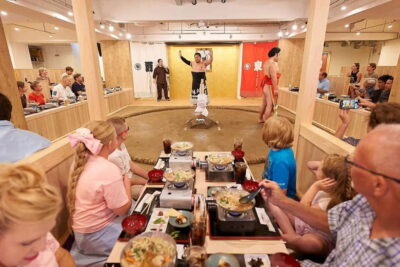
Tokyo Sumo Experience: Chanko & Mochi with a Former Pro
Our verdict →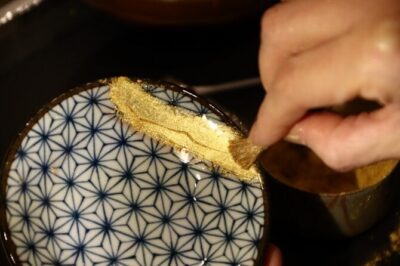
Kintsugi Experience: Art of Golden Joinery in Tokyo
Our verdict →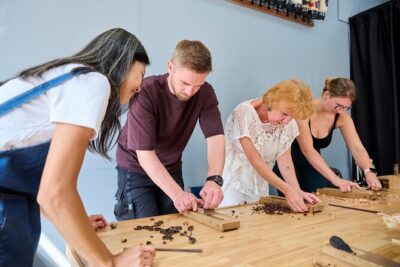
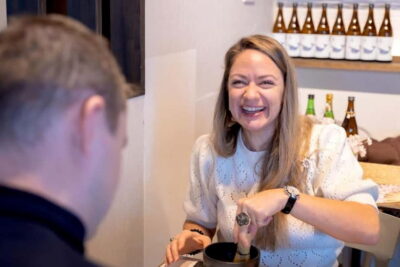
Matcha Making Experience with Mochi Sweets in Asakusa
Our verdict →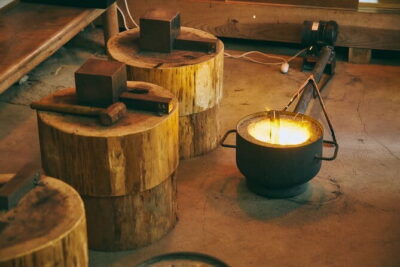
Authentic knife making experience at a blacksmith in Kyoto
Our verdict →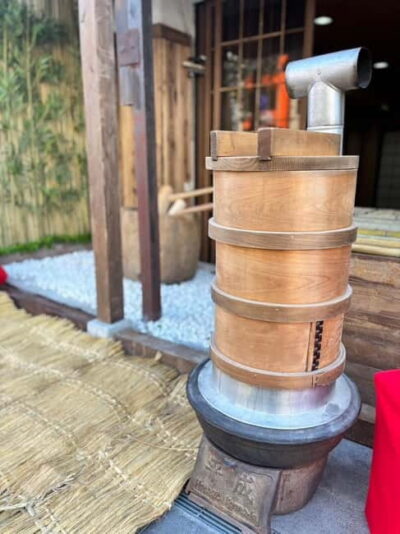
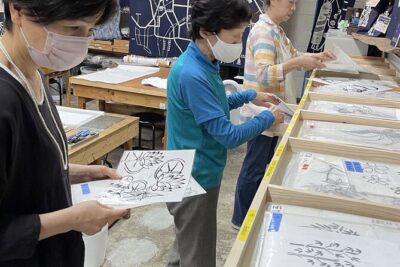
Roketsu dyeing experience: M course Roketsu Dyeing Experience
Our verdict →Browse the lists this tour appears in