
Reviewed · WALKING TOURS
Osaka: Walking Tour and Top Highlights
Osaka packs a lot into a small touring window, and this four-hour route makes a bold run at the city’s greatest hits. You’ll move from the quiet grounds of Osaka Castle to the old temple precinct of Shitennoji, then into Shinsekai, Kuromon Market, and the neon streets of Dotonbori.
I like two things here. First, the route mixes major sights with everyday Osaka scenes, especially the market and subway rides. Second, the guides are praised for adapting the pace and answering questions, with Minori, Kenji, Buchi, Nagi, and others singled out for clear explanations, photos, and food tips.
The tradeoff is simple: this is a fast-moving day with several subway rides and short stops. You’ll see a lot, but you won’t have long to explore Osaka Castle, shop at Kuromon Market, or linger at any one temple.
Key points to know before booking
- Five major Osaka stops in four hours: Osaka Castle, Shitennoji Temple, Shinsekai, Kuromon Market, and Dotonbori all fit into one tightly planned route.
- The subway is part of the experience: Around 800 yen in subway fares is extra, and learning the system can help you get around Osaka on your own later.
- Food comes with advice, not a full meal: Kuromon Market offers time for snacks and tastings, but food and drinks are not included.
- Guides can shape the day: Minori, Kenji, Buchi, Nagi, and other guides are noted for flexible pacing, clear English, photos, and restaurant suggestions.
- Osaka Castle entry costs extra: Allow 1,200 yen if you want to enter the castle, rather than only visit its grounds.
- Dotonbori is the finish: The tour ends there, giving you an easy chance to stay for dinner, shopping, and more neon-lit streets.
A fast introduction to Osaka’s many faces
This tour works best as a first look at Osaka. In four hours, you’ll see the city as a historic center, a food town, a shopping district, and a place where old religious sites sit close to modern entertainment streets.
The route is not a slow walking tour in the strict sense. Subway rides connect the far-flung sights, saving your legs and making the schedule possible. You will still walk through temple grounds, parks, arcades, markets, and crowded downtown streets, so comfortable shoes matter.
I especially like the range of stops. Osaka Castle gives you the postcard view. Shitennoji brings a calmer religious setting. Shinsekai has an older, more playful feel, while Kuromon Market and Dotonbori show why Osaka has such a strong food identity.
The tour has earned a 4.8 rating from 104 bookings, and the most consistent praise centers on the guides. Minori is described as careful with group safety and subway navigation. Kenji is praised for tailoring the day and offering restaurant advice. Buchi is noted for photos, patience, and clear answers. Nagi receives similar praise for explaining both historic and modern Osaka.
More Walking Tours in Osaka
- Osaka: Hotspots & Hidden Gems Walking Tour Private or Group
★ 4.9 · 1,300 reviews - Osaka Local Foodie Walking Tour in Dotonbori and Shinsekai
★ 5.0 · 985 reviews - Osaka Bar Hopping Night Walking Tour in Namba (3 bars, 6 tastes)
★ 5.0 · 958 reviews
Osaka Castle, gardens, and the Hokoku Shrine
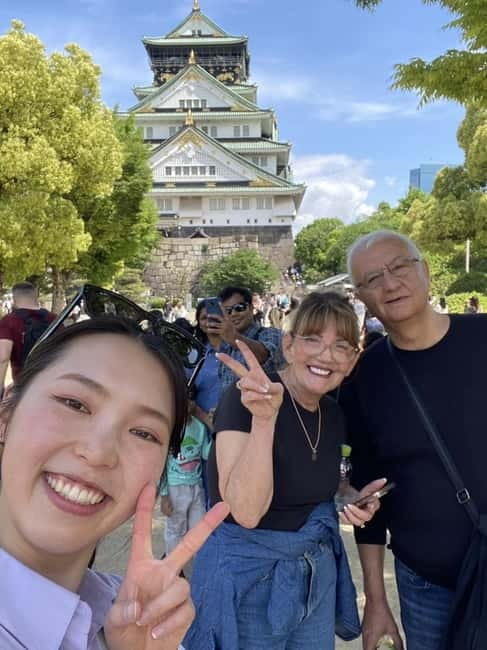
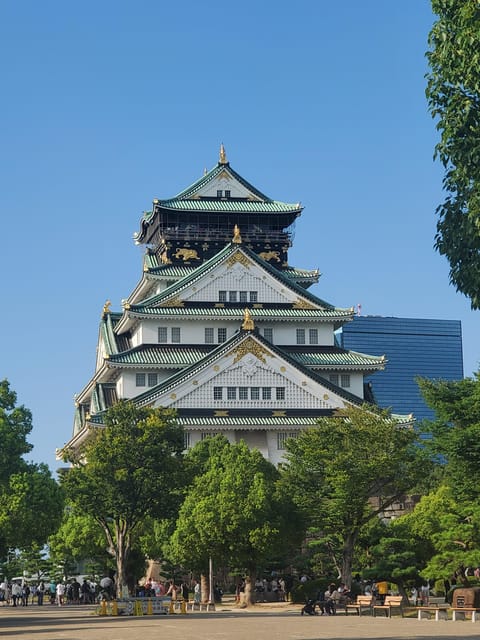
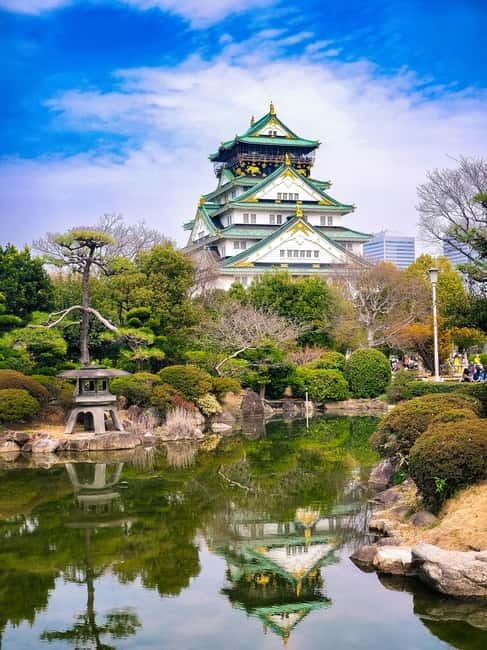
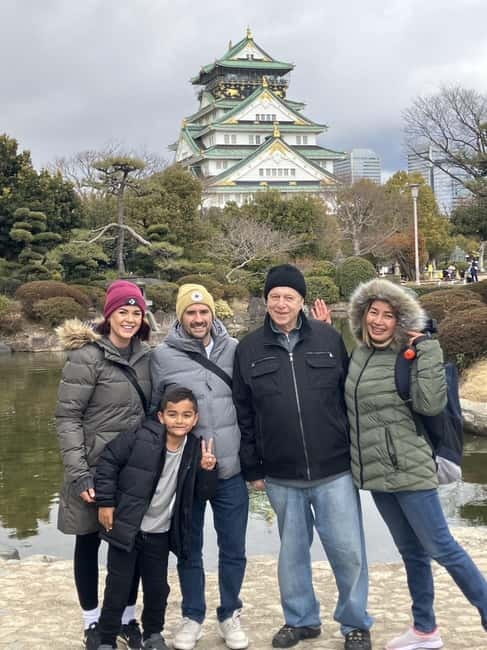
The route begins with Osaka Castle, one of the city’s major symbols. You get about 50 minutes for a visit, sightseeing, and photos, followed by 15 minutes at nearby Hokoku Shrine.
That timing lets you see the castle setting and learn why the site matters without spending most of the tour inside the museum. The surrounding park and historic gardens provide the best chance to slow down for a few photographs. The views are an important part of the stop, especially if you want a classic Osaka image.
Castle entry is not included. If you want to go inside, budget 1,200 yen. If your main goal is to see the exterior, grounds, and surrounding park, you can skip that cost and keep the tour moving.
The short stop at Hokoku Shrine adds a useful change of mood. Rather than treating Osaka Castle as a single photo point, the guide connects the castle area with a smaller religious site. You’ll have about 15 minutes for a guided visit, so expect an introduction rather than a long, quiet shrine visit.
The guide also helps with photography. Several visitors have specifically appreciated having photos taken, which is useful when you are traveling alone or want the whole group in the frame.
Shinsekai and the Tsutenkaku view
After another subway ride, the tour reaches Shinsekai, Osaka’s so-called New World district. The stop lasts about 20 minutes and includes time for photos, a short break, a little shopping, and a look at the streets around Tsutenkaku Tower.
Shinsekai feels different from the polished shopping areas around Namba. The district is known for its retro character and local food, particularly the casual atmosphere around Tsutenkaku. This is a good place to ask your guide what to eat later, even if the tour does not leave enough time for a full meal.
A 15-minute visit to Shinsekai Market may include tea and, if selected, a matcha tea experience. Check your booking option carefully. Matcha is listed as included only with the option that offers it, so do not assume every booking comes with the tea activity.
The Tsutenkaku stop is brief, just 10 minutes for photos and sightseeing. You should think of it as a chance to see the tower and understand the district, not as a full tower visit. The tight timing is useful if you want an overview, but it may disappoint you if you hoped to browse every alley or sit down for kushikatsu.
Shitennoji Temple and a quieter Osaka
The tour then heads to Shitennoji Temple for about 30 minutes. This is one of Japan’s oldest Buddhist temples, and it gives the day a needed pause after the castle and Shinsekai.
You’ll have time for photos and sightseeing while the guide explains the site. The temple’s historic architecture and gardens offer a different kind of Osaka experience from the loud signs and food streets. I would pay close attention here, since a guide can help you understand what you are seeing instead of reducing the temple to a quick picture stop.
Thirty minutes is enough for a first visit, but not enough for a detailed study of every building. If temples are your main reason for visiting Osaka, you may want to return independently. For a first city tour, though, Shitennoji is a well-chosen stop because it shows an older side of Osaka that can be missed when you stay only around Namba and Dotonbori.
Several people have praised the guides for making historic sites understandable and for explaining Japanese culture along the way. That matters here. The temple is more rewarding when you have some context, especially if this is your first visit to Japan.
Same trip, a completely different kind of day:
- Osaka Go Karting Tour with Funny Costume
★ 5.0 · 2,658 reviews - Osaka Castle: Museum and Tower Entry Ticket
★ 4.5 · 2,380 reviews - Osaka: Shinsekai Food Tour with 13-15 Dishes at 5 Eateries
★ 4.8 · 2,204 reviews - Osaka Food Tour: 13 Dishes at 5 Local Eateries
★ 5.0 · 2,149 reviews
Kuromon Ichiba Market, Osaka’s kitchen
Kuromon Ichiba Market is one of the most practical stops on the route. You’ll spend about 20 minutes walking, browsing, and sampling food, with time for street food, local treats, and fresh seafood.
The nickname Osaka’s kitchen gives you a clue to the market’s role. It is a place to see ingredients, prepared snacks, and the city’s food culture in one compact area. You can ask the guide what looks good, where to eat later, and how locals shop. One guide was praised for showing how local shopping works, which is the kind of small lesson that makes a market visit more useful.
Do not arrive expecting a full lunch. Food and drinks cost extra, and 20 minutes is a short window. If you see something you want, buy it promptly. You may have to choose between tasting a snack, taking photos, and browsing stalls.
This stop is also one of the reasons the tour offers good value for first-time visitors. You could find Kuromon Market on your own, but a guide can help you make sense of the choices and keep you on schedule. The tradeoff is freedom. You will not have time to eat your way through the market at a relaxed pace.
Dotonbori, neon, and the best place to keep going
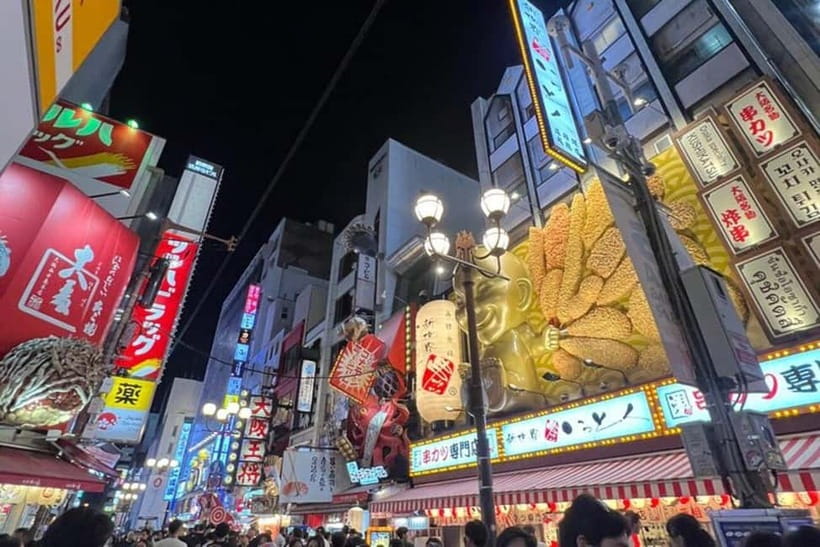
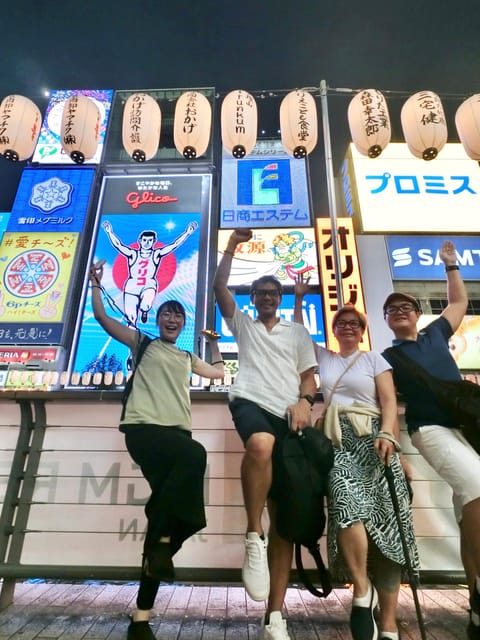
From Kuromon Market, you walk for about 10 minutes to Dotonbori. The official sightseeing stop is about 15 minutes, but the tour ends here, so you can stay behind and continue on your own.
Dotonbori is Osaka at its most theatrical. Neon signs, food shops, shopping streets, and the famous canal area make it a natural final stop. The guide helps you get oriented, points out places worth returning to, and takes photos before wrapping up.
Ending here is smart. You are not forced back to the original meeting point just as Osaka’s food scene gets going. If you want dinner, more shopping, or additional photos, Dotonbori gives you plenty of options.
The short guided portion is not enough to explore the entire district. I would treat the final 15 minutes as an introduction, then stay longer if your schedule allows. Several guides have offered restaurant suggestions, so this is a good moment to ask for a specific recommendation rather than simply wandering.
How the subway changes the pace
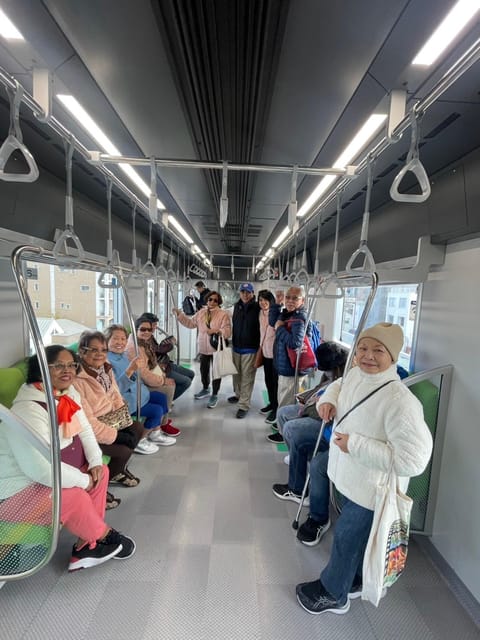
The tour uses the subway several times, with rides of about 10 to 15 minutes between major stops. Subway fares are not included and cost around 800 yen in total.
This is more than a way to save time. A guide can show you how to move between Osaka’s main districts, which may help you feel more comfortable using the system during the rest of your stay. One guide was specifically praised for teaching subway use, and another kept a group together safely while changing trains.
Bring cash. The subway cost is listed separately, and food, drinks, and castle entry also require your own budget. If you already have a Suica card, one person noted that there was no need to buy an all-day train ticket through the guide. That can make the transport side simpler.
The pace may be tiring. You’ll walk through stations, board trains, climb or descend as needed, and spend much of the four hours on your feet. The tour is not suitable for people with mobility impairments, recent surgeries, or people over 75 according to the stated conditions.
Guide quality and group style
This experience is available as a private tour or in a small group. That flexibility is one of its best features because the route covers a lot of ground and benefits from personal attention.
The strongest guide-related praise focuses on patience, easy-to-understand English, and flexibility. Minori has been praised for managing a group of eight, keeping everyone together, allowing free time for photos and purchases, and adjusting for water breaks on a hot day. Kenji has tailored the route when only one party booked and stopped often for photos. Buchi has been singled out for a friendly manner, useful answers, and restaurant advice.
Other named guides include Tony, Halu, Lily, Kyoka, Sergio, Victor, Nagi, Kito, Kota, Haruka, Taisei, Risa, and Ojiro. The quality of the experience can naturally depend on who leads your group, but the pattern is clear: the guide is central to the value, not just someone who walks ahead.
You can also ask questions. This is especially useful if you want help with Osaka food, local customs, subway use, or ideas for the next day. The tour is designed to give you a working sense of the city, not just a list of monuments.
Price, extra costs, and overall value
The tour costs $64 per person. That is a fair price for a four-hour guided route through several Osaka districts, especially if you want a city orientation early in your stay.
Plan for the following extras:
- Subway fares: about 800 yen
- Osaka Castle entry: 1,200 yen if you go inside
- Food and drinks at Kuromon Market or elsewhere
- Optional cruise-terminal pickup: 5,000 yen, tax included
- Guide payment in cash, as specified for the activity
The value is strongest for first-time visitors with limited time. You receive transport between distant sights, an English-speaking guide, photo help, local food advice, and a route that would take more planning to reproduce alone.
It is less appealing if you prefer long museum visits, slow meals, or hours of unplanned wandering. In that case, choose two or three districts and explore them at your own pace. This tour is about coverage and orientation.
Practical details for a smooth morning or afternoon
The main meeting point is at the operator’s base in Namba Walk, an underground shopping area. Look between exits B21 and B23, between the DOCOMO and MIZUNO shops. Namba Walk has two walkways, so if you do not see the store on one side, check the other.
Hotel pickup may be available depending on the selected option. The guide may hold a sign marked Osaka JOINER, though the instructions note that the sign may not always be present. If you use pickup, wait in the lobby about 10 minutes before departure.
Wear comfortable shoes and bring cash. The tour operates in rainy weather, so carry an umbrella or raincoat when the forecast looks wet. Brief stops are built into the route, but this remains an active city walk with station transfers.
Cancellation is free up to 24 hours before the start, and you can reserve now and pay later. Starting times depend on availability, so check the schedule before building your Osaka day around it.
Who should book this Osaka tour?
I would choose this tour if you have only a day or two in Osaka, want help with the subway, or prefer a guide to organize the city’s main sights. It is also a good first-day plan because the guide can point you toward restaurants, shopping streets, and places worth revisiting.
Families and small groups may like the private or small-group format, especially if they want help with photos and a flexible pace. Solo visitors can also benefit from the guide’s assistance in crowded areas and at market stops.
I would skip it if you have mobility limits, dislike moving quickly, or already know Osaka well. The schedule is full, and the short stops at Shinsekai, Kuromon Market, and Dotonbori leave little room for lingering.
For most first-time visitors, I would book it early in the stay. Use the four hours to learn the city’s layout, note down food ideas, and then return to your favorite district later with more time.
FAQ
How long does the Osaka walking tour last?
The tour lasts four hours.
What places does the tour visit?
The route includes Osaka Castle, Hokoku Shrine, Shinsekai, Shinsekai Market, Tsutenkaku, Shitennoji Temple, Kuromon Ichiba Market, and Dotonbori.
Is Osaka Castle entry included?
No. Castle entry costs about 1,200 yen if you choose to go inside.
Are subway fares included?
No. Subway fares cost around 800 yen and are paid separately.
Is food included at Kuromon Market?
No. Food and drinks are not included. You have time to buy street food, fresh seafood, and local snacks at your own expense.
Is the matcha tea experience included?
Matcha tea is included only if you select the option that offers the experience.
Where is the meeting point?
The meeting point is at the operator’s base in Namba Walk, between exits B21 and B23, between the DOCOMO and MIZUNO shops.
Is hotel or cruise-terminal pickup available?
Hotel pickup is available with selected options. Cruise passengers can request pickup near the cruise terminal for an additional 5,000 yen, including tax, by messaging at least one day before the tour.
Can people with mobility limitations join?
The tour is not suitable for people with mobility impairments, people over 75, or people with recent surgeries. It involves city walking and several subway transfers.
Just added around Osaka
- Exclusive Sushi Making Experience with a Master Chef – Osaka Area★ 5.0 · 25 reviews
- Private Home-Style Cooking Class in Osaka with Local Mom Yoshiko★ 5.0 · 46 reviews
- Hidden Osaka – Yukaku Red Light Tour & Culinary Adventure★ 4.8 · 96 reviews
- Osaka: Private Ceramic Painting Workshop★ 5.0 · 13 reviews
- Pickleball in Osaka, Kobe & Kyoto with Locals!★ 4.7 · 80 reviews
- Eat Like a Local in Osaka – Private Custom Street Food Tour★ 4.3 · 33 reviews
- Osaka:SUMO BEATS SHOWCASE: Taiko Drum and Wagyu burger!★ 4.2 · 37 reviews
- Osaka: Visit the must-see places.★ 5.0 · 15 reviews
Walking Tours, compared.

Kyoto Geisha Walking Tour: Gion District & Hidden Gems
Our verdict →
Imperial Palace and Shogun Historical Walking Tour
Our verdict →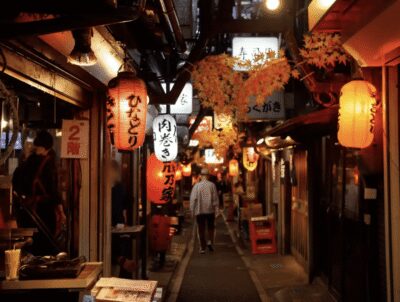
Shinjuku Local Bar and Izakaya Guided Walking Tour
Our verdict →

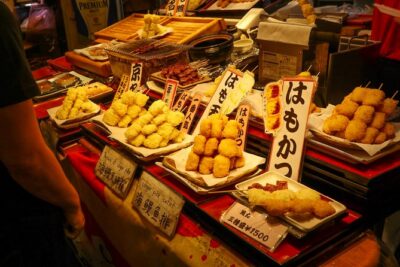
Nishiki Market Brunch Walking Tour (7 Tastings + Brunch)
Our verdict →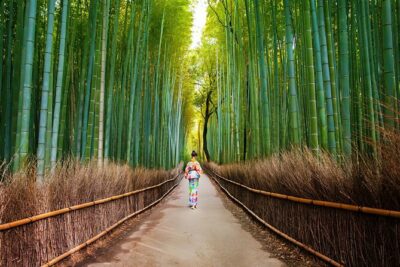
Kyoto Arashiyama Walking Tour: Bamboo, Monkeys, Gardens & Secrets
Our verdict →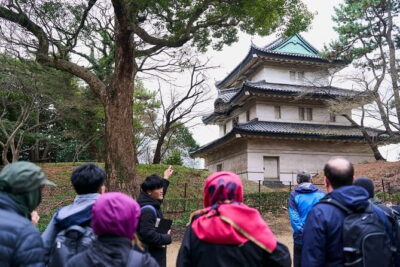
Tokyo Castle & Imperial PalaceーShogun Walking Tour
Our verdict →Browse the lists this tour appears in