
Reviewed · FOOD TOURS
Eat Like a Local in Osaka – Private Custom Street Food Tour
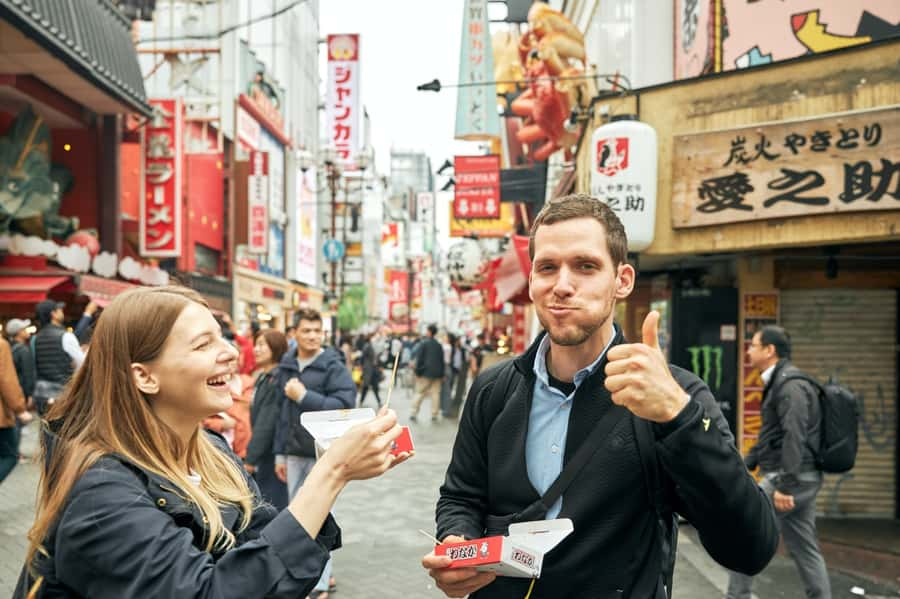
Osaka’s food culture is at its best when you eat one small dish at a time, moving from a sizzling counter to a lantern-lit alley. This private tour puts a local host beside you as you sample 6 to 8 street-food tastings in Dotonbori and Namba, with the route shaped around your appetite.
I like the personal matching system and the chance to ask practical food questions as you go. I also like the two included drinks and the useful restaurant advice you can collect for later. The main drawback is that the experience may not always feel like classic street food: one guest was taken to sit-down restaurants and felt the food and commentary did not match expectations.
Key things to know before booking
- Your route is built around you: A questionnaire helps match you with a host and shape the food choices to your tastes.
- Expect Osaka classics: Possible tastings include takoyaki, okonomiyaki, oden, yakisoba, and kushikatsu.
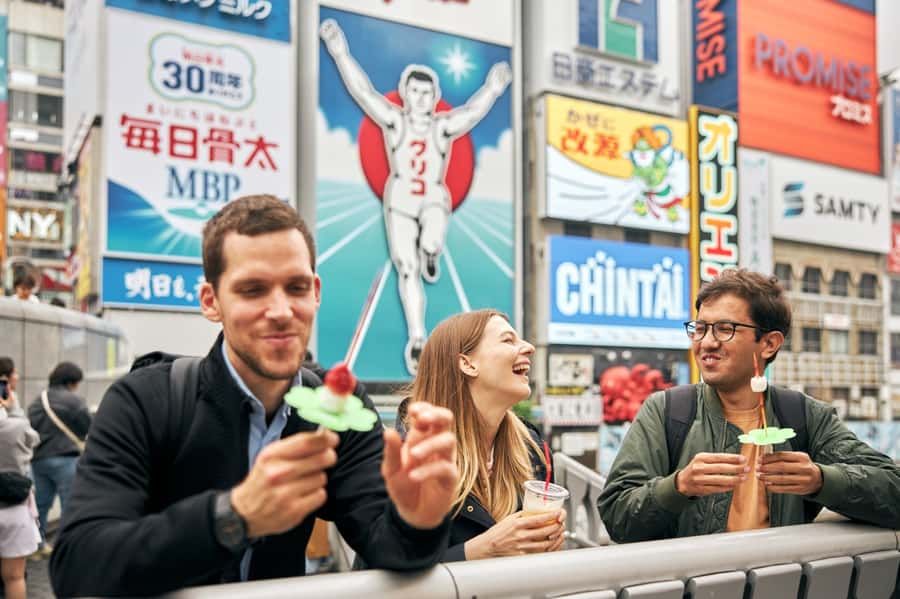
- Dotonbori and Namba are the stage: You’ll walk through neon streets, lantern-lit lanes, and busy food areas.
- Two drinks are included: You can choose alcoholic or nonalcoholic drinks.
- It is a private walking tour: Central hotel pickup is available on foot, but transport costs are extra if public transit or a taxi is needed.
- Food quality depends on the match: The strongest experiences come from a host who listens closely to your expectations and explains what you are eating.
Starting with a food host in Dotonbori
This three-hour tour begins with a local host who is meant to fit your interests, personality, and appetite. After booking, you fill out a short online questionnaire. Use it well. Say if you dislike seafood, avoid adventurous foods, want mostly cooked dishes, or prefer local drinks. Also say if you care more about food history, small family-run places, market-style eating, or the famous Osaka staples.
That personal setup is the best reason to choose this tour over a standard group food walk. You are not locked into a single printed menu. The host can adjust the route as the evening unfolds, at least within the practical limits of opening hours and availability.
The usual meeting point is Starbucks Coffee at Tsutaya Ebisubashi, at 1 Chome-8-19 Dotonbori. If your hotel is central, pickup can be arranged on foot. This is convenient, but do not expect a private car. You will mainly walk, and your host may suggest public transportation or a local taxi between areas. Those costs are not included.
Dotonbori is a sensible starting point because it gives you Osaka in one loud, colorful sweep. Giant restaurant signs, glowing storefronts, food counters, and the canal-side streets make it easy to see why Osaka is known for casual eating. It is also busy and commercial, so this part is more about orientation and energy than quiet local atmosphere.
More Food Tours in Osaka
- Osaka: Shinsekai Food Tour with 13-15 Dishes at 5 Eateries
★ 4.8 · 2,204 reviews - Osaka Food Tour: 13 Dishes at 5 Local Eateries
★ 5.0 · 2,149 reviews - Hungry Osaka Street Food Tour:15 Tastings & 3 Drinks with a Local
★ 5.0 · 1,727 reviews
Takoyaki and the Osaka snack tradition
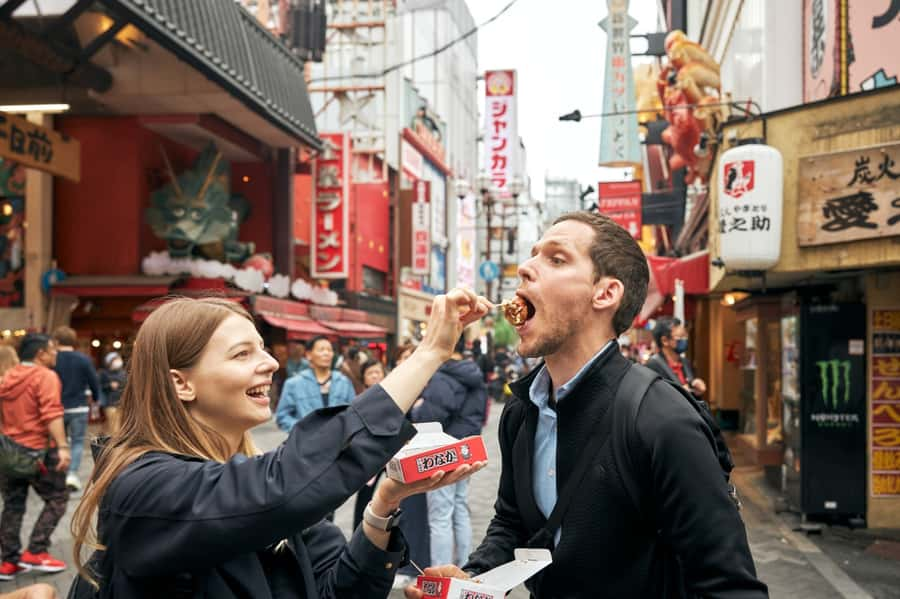
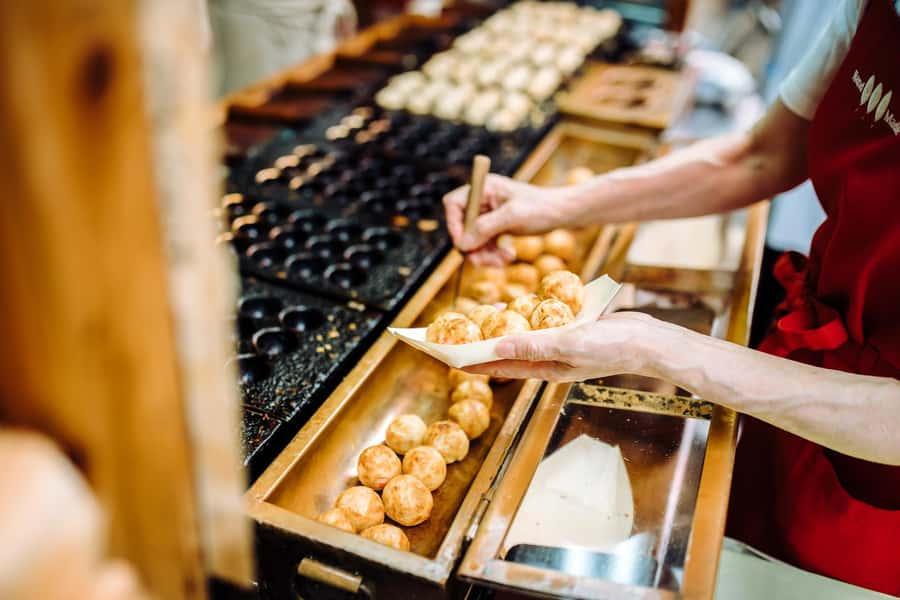
Takoyaki is one of the likely first tastings, and it is a good introduction to Osaka cooking. These hot batter balls are cooked around pieces of octopus and served fresh from a griddle. You may find them topped with sauce, mayonnaise, seaweed, or bonito flakes, depending on the stall.
The important practical point is temperature. Takoyaki often looks harmless but can be extremely hot inside. Let it cool before taking a full bite. Your host can help explain how locals eat it and what makes one version different from another.
This is also where the guide’s role matters. A good host will not simply hand you food and name it. You can ask how the dish developed, why it became such a common Osaka snack, and how locals choose between a quick street counter and a sit-down shop.
The experience includes 6 to 8 tastings, not necessarily six to eight full meals. That is a useful distinction. Portions may be small, but the variety can add up quickly, especially if you eat slowly or choose heavier dishes. If you have a large appetite, tell your host in advance and ask how substantial the tastings are expected to be.
Okonomiyaki from a hot griddle
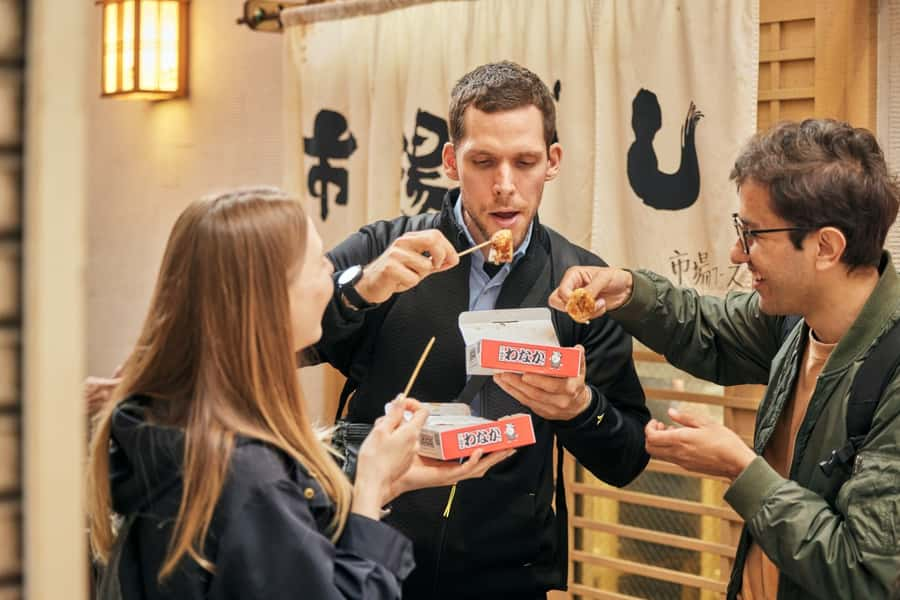
Okonomiyaki is another likely stop. Often described as a savory Japanese pancake, it can include cabbage, batter, meat, seafood, and toppings cooked on a hot plate. Osaka has a strong claim to this dish, and eating it here gives you a chance to connect the food with the city rather than treating it as a generic Japanese restaurant item.
This is one place where expectations should be clear. Okonomiyaki is commonly served in restaurants, not only from hand-held street stalls. If you book this tour because you want to eat outdoors from carts the entire time, ask your host about the plan before you arrive.
That distinction matters because one disappointing experience involved restaurant meals being substituted for what the guest expected to be street food. The tour description allows for food stops in local restaurants and casual counters, but the phrase street food may suggest something narrower to you. Clarify it.
I like okonomiyaki as part of a mixed food route because it slows the pace. You get a hot, filling dish between quicker bites such as takoyaki or skewers. It also gives you time to talk with your host about daily food customs and the difference between famous Osaka dishes and the food people actually eat on ordinary evenings.
Kushikatsu, yakisoba, and oden
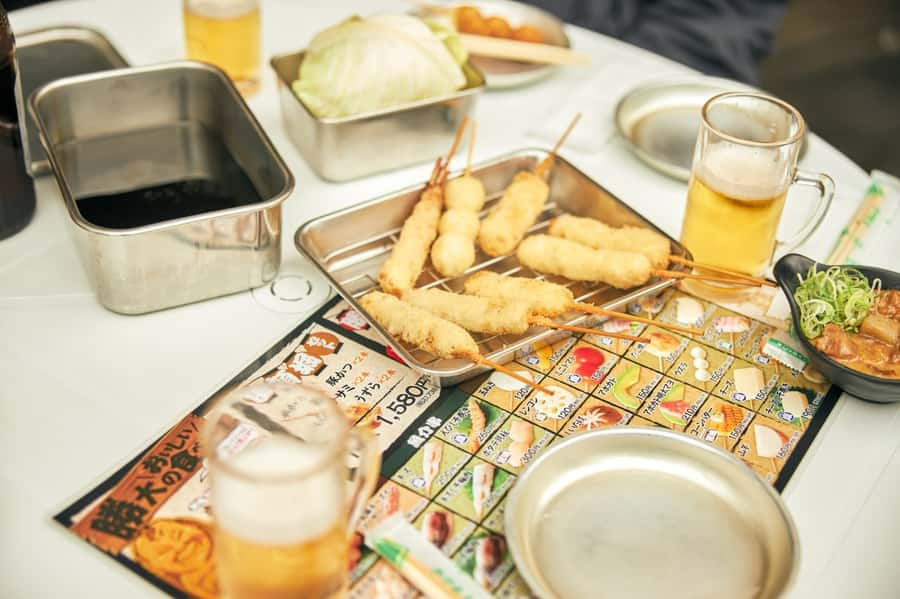
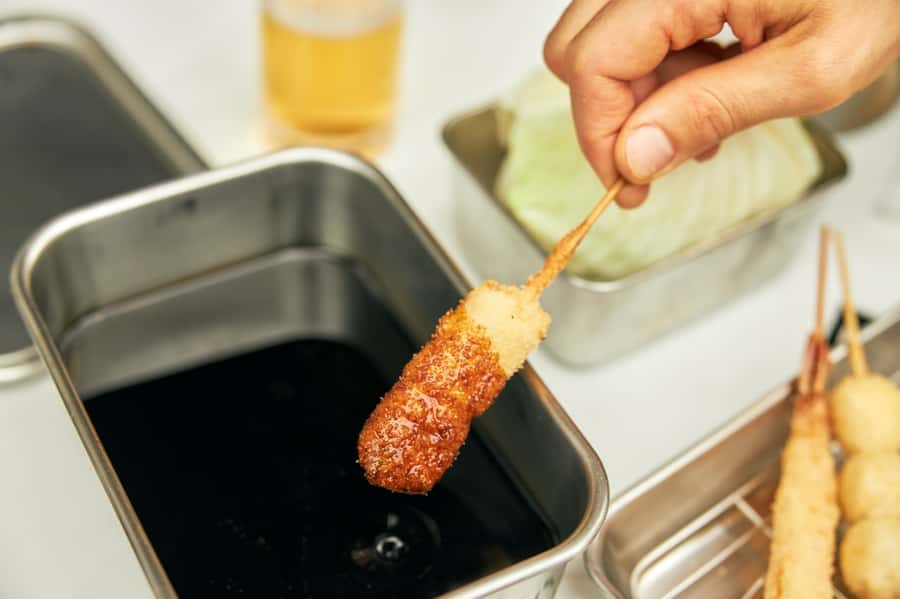
The route may include kushikatsu, a style of deep-fried skewers associated with Osaka. You could find vegetables, meat, or other ingredients coated and fried, then served with a dipping sauce. The appeal is simple: crisp food, quick service, and plenty of choice.
Yakisoba offers another kind of contrast. It is stir-fried noodles cooked on a hot plate, often with vegetables and meat. The smoky cooking aromas and fast preparation fit the atmosphere of Dotonbori, though it is another dish that may be served from a casual shop rather than a cart.
Oden is different again. It is a simmered comfort food, with ingredients held in a warm broth. It is less flashy than takoyaki and less visually dramatic than the giant signs around Dotonbori, but it can show you a quieter side of Japanese casual dining.
Your host may not include all of these dishes. The point of the custom format is to choose a selection that suits you, not to race through every item on a fixed list. If there is a dish you want to try, name it in the questionnaire and repeat the request when your host contacts you.
Same trip, a completely different kind of day:
- Osaka Go Karting Tour with Funny Costume
★ 5.0 · 2,658 reviews - Osaka Castle: Museum and Tower Entry Ticket
★ 4.5 · 2,380 reviews - Osaka: teamLab Botanical Garden Entry Ticket
★ 4.5 · 1,710 reviews - Osaka: Tea Ceremony Experience
★ 4.9 · 1,426 reviews
Namba’s lantern-lit lanes
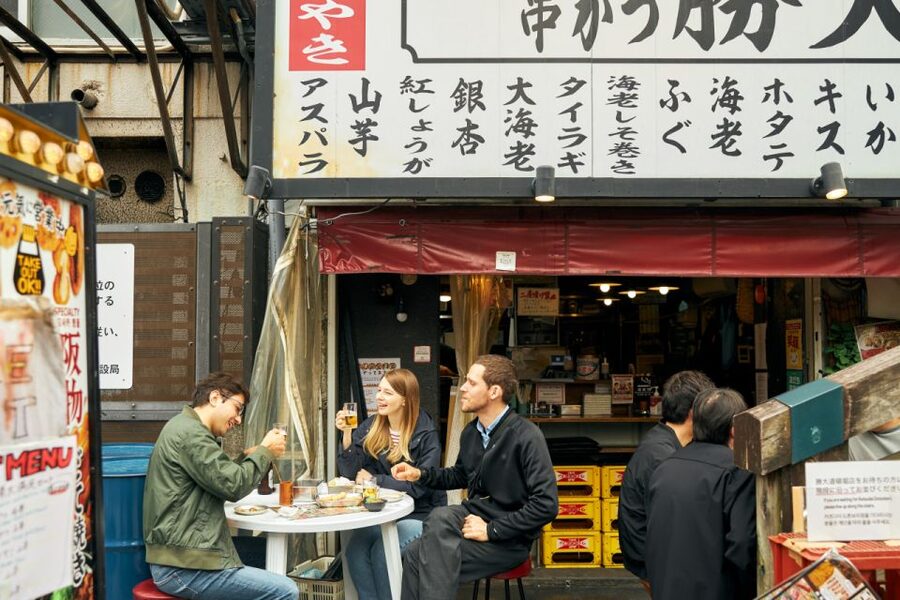
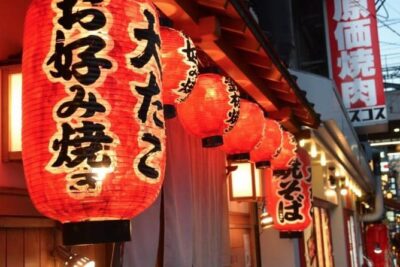
Namba adds a different mood to the tour. Its smaller lanes and lantern-lit areas can feel more intimate than the main Dotonbori strip. You may move away from the most photographed signs and into places where food counters, bars, and compact restaurants sit close together.
This is the part of the walk where local guidance can save time. Osaka has plenty of places to eat, but a short visit does not give you much room for trial and error. A host can help you understand what a place is known for, how much food to order, and which dishes are worth saving for later.
Do not expect a silent old neighborhood. Namba is still a major entertainment district. You will see crowds, bright signs, and plenty of commercial activity. The benefit is not complete calm. It is having someone explain what you are seeing and steer you toward food that fits your preferences.
One host, Lay, has received particular praise for knowing the area, recommending places, and explaining her experience as an expatriate living in Japan. That kind of personal perspective can make the walk feel less like a list of dishes and more like a conversation about how someone builds a life in Osaka.
What the guide adds to the meal
Food tours work best when the guide adds context you would not get from a menu. Here, the host is expected to explain the origins of Osaka’s famous flavors and the food customs behind them. You can ask about ingredients, ordering habits, regional differences, and what to look for during the rest of your stay.
The quality of that conversation is not guaranteed to be identical with every host. English and Japanese are available, but clear communication matters if food culture is a major reason you are booking. One guest specifically felt that their guide’s English was difficult to follow. If detailed explanation is important to you, make that preference clear in the questionnaire and in the first message with your host.
The strongest fit may be someone who wants both food and company. This is not simply a delivery service for six dishes. You are paying for a private person to adjust the route, talk with you, and offer suggestions for later meals.
That also means the value depends on how actively you participate. Tell the host what you like. Ask questions. Mention if you want more history or fewer explanations. A quiet group that expects the guide to do all the work may get less from the format.
Is $169 per person good value?
At $169 per person, this is an expensive way to eat six to eight small tastings. The price includes a private three-hour host, two local drinks, itinerary planning, and direct communication before the tour. It does not include extra food, extra beverages, attraction tickets, or transportation costs.
You are not paying only for the ingredients. You are paying for a private route through one of Osaka’s hardest areas to navigate on a first visit, plus the chance to shape the menu around your tastes. For a couple or small private group that values personal attention, that can be worthwhile.
The value is weaker if you mainly want a large dinner. You could spend less by choosing a restaurant or ordering street snacks on your own. You also risk disappointment if you expect every tasting to come from a cart or outdoor stall and the route instead uses casual restaurants.
I would think of the tour as a food orientation rather than a three-hour feast. Its best payoff may come later, when your host gives you a list of places to revisit. Keep a note on your phone during the walk. Write down dish names, restaurant names, and neighborhoods before you forget them.
Timing, walking, and practical comfort
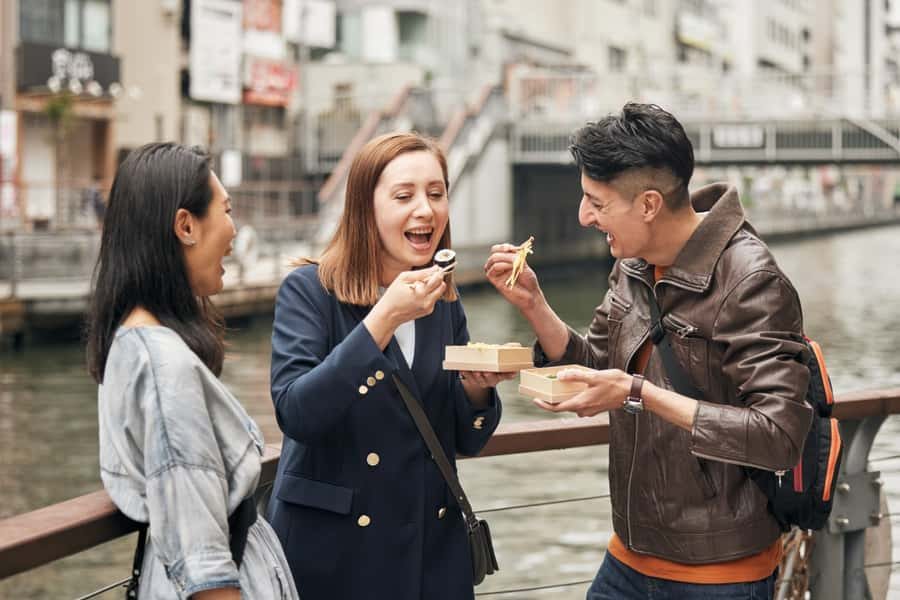
The tour lasts three hours, with several starting times available depending on the date. An evening start should suit the atmosphere described, especially around Dotonbori’s lights and Namba’s lanterns, but confirm the exact time when booking.
Plan for a walking experience. Wear comfortable shoes and leave room in your appetite, but do not arrive starving if you tend to eat quickly. Six to eight tastings plus two drinks can be plenty, especially when some foods are hot, fried, or filling.
The experience is wheelchair accessible, though the route includes busy streets and food venues. Since the exact stops are customized, ask your host about the planned route and any access concerns before the day.
Private groups are useful here. You can move at your own pace, stop the host for questions, and avoid the pressure of keeping up with strangers. Families and cautious eaters may also appreciate the flexibility. One past participant who was not adventurous found that the guide respected those limits and still provided a good introduction to Osaka specialties.
Free cancellation is available up to 24 hours before the tour, and you can reserve now and pay later. Those policies help if your Osaka schedule is still changing, but they do not solve the main question: do you want a guided food walk or simply a meal?
Who should book this Osaka food tour?
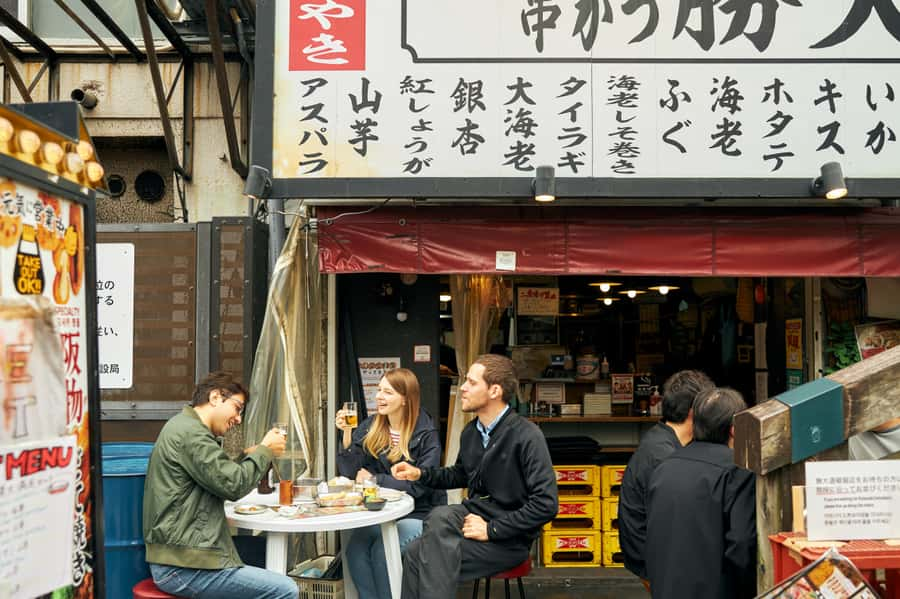
I would choose this tour if you want a private introduction to Osaka food and prefer conversation to a fixed group script. It suits first-time visitors who want to understand what they are eating, couples who like sharing small dishes, and cautious eaters who want someone to adjust the menu.
It is also a good fit if you have only a few days in Osaka. Dotonbori and Namba are easy to reach, and a local host can help you turn a famous food district into a practical plan for the rest of your stay.
I would hesitate if your main goal is a strict street-stall crawl. Ask in advance how many stops will be outdoor counters, stalls, or restaurants. I would also hesitate if $169 feels high for a meal and you are not especially interested in local food stories or personal recommendations.
Should you book Eat Like a Local in Osaka?
Book it if you want a flexible, private food walk with a local person and you are willing to communicate your preferences clearly. The best parts are the custom matching, the mix of Osaka classics, the walk through Dotonbori and Namba, and the chance to leave with practical food suggestions.
Before paying, send a clear message about street stalls versus restaurants, adventurous foods, drink preferences, and the amount of explanation you want in English. That small step can make the difference between a personal Osaka introduction and an ordinary meal at a place you could have found yourself.
FAQ
How long is the Eat Like a Local in Osaka tour?
The tour lasts three hours.
How many food tastings are included?
You receive 6 to 8 street-food tastings selected around your preferences.
Which foods might I try?
Possible dishes include takoyaki, okonomiyaki, oden, yakisoba, and kushikatsu. The final selection depends on your tastes and the route planned with your host.
Are drinks included?
Yes. Two local drinks are included, and you can request alcoholic or nonalcoholic options.
Where does the tour meet?
The central meeting point is Starbucks Coffee at Tsutaya Ebisubashi, 1 Chome-8-19 Dotonbori, Chuo Ward, Osaka. Pickup on foot can be arranged from a central Osaka hotel.
Is transportation included?
No. The tour is mainly on foot. Public transportation or local taxis may be used between locations, but those costs are extra.
Is the tour private and wheelchair accessible?
Yes. It is a private group experience and is listed as wheelchair accessible. Guides are available in English and Japanese.
More Food & Drink in Osaka
- Hungry Osaka Street Food Tour: 15 Dishes & 3 Drinks
★ 4.9 · 694 reviews - Kuromon Market Food Walking Tour in Osaka (6 stops, 6 tastes)
★ 5.0 · 550 reviews - Osaka: Guided Food Tour with 12 Dishes at 4 Local Eateries
★ 5.0 · 533 reviews - Absolute Osaka Food Tour
★ 5.0 · 309 reviews
Just added around Osaka
- Exclusive Sushi Making Experience with a Master Chef – Osaka Area★ 5.0 · 25 reviews
- Private Home-Style Cooking Class in Osaka with Local Mom Yoshiko★ 5.0 · 46 reviews
- Hidden Osaka – Yukaku Red Light Tour & Culinary Adventure★ 4.8 · 96 reviews
- Osaka: Walking Tour and Top Highlights★ 4.8 · 104 reviews
- Osaka: Private Ceramic Painting Workshop★ 5.0 · 13 reviews
- Pickleball in Osaka, Kobe & Kyoto with Locals!★ 4.7 · 80 reviews
- Osaka:SUMO BEATS SHOWCASE: Taiko Drum and Wagyu burger!★ 4.2 · 37 reviews
- Osaka: Visit the must-see places.★ 5.0 · 15 reviews
Food Tours, compared.
Shinjuku Food Tour (13 Dishes at 4 Local Eateries)
Our verdict →
Kyoto Night Foodie Tour in Gion (9+ dishes + 6 Sake tastings)
Our verdict →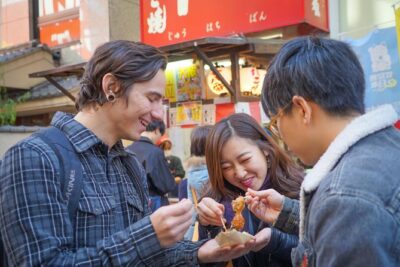
Osaka Local Foodie Walking Tour in Dotonbori and Shinsekai
Our verdict →
Food Tour in Ueno with 10+ Tastings of Japanese Classics
Our verdict →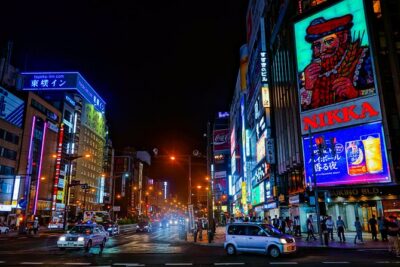
Browse the lists this tour appears in