
Reviewed · TRADITIONAL CRAFTS
Kamigata Ukiyoe Museum:Ukiyo-e Woodblock Printing Experience
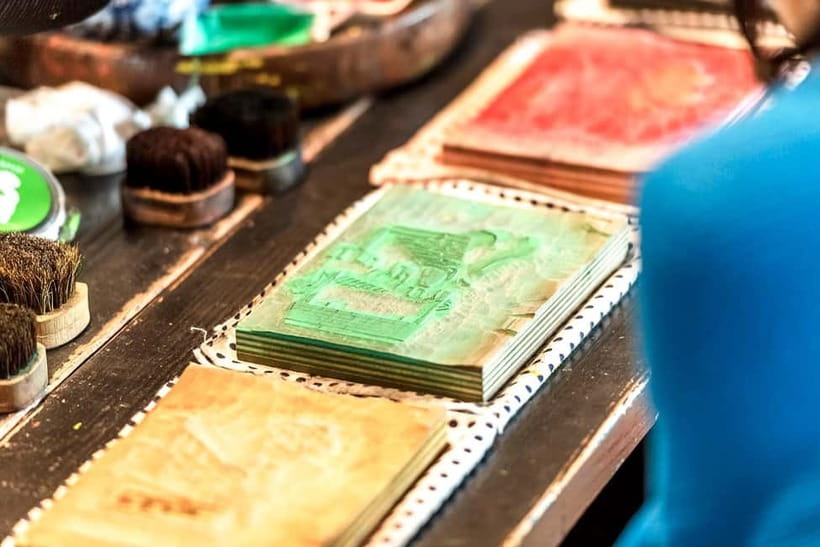
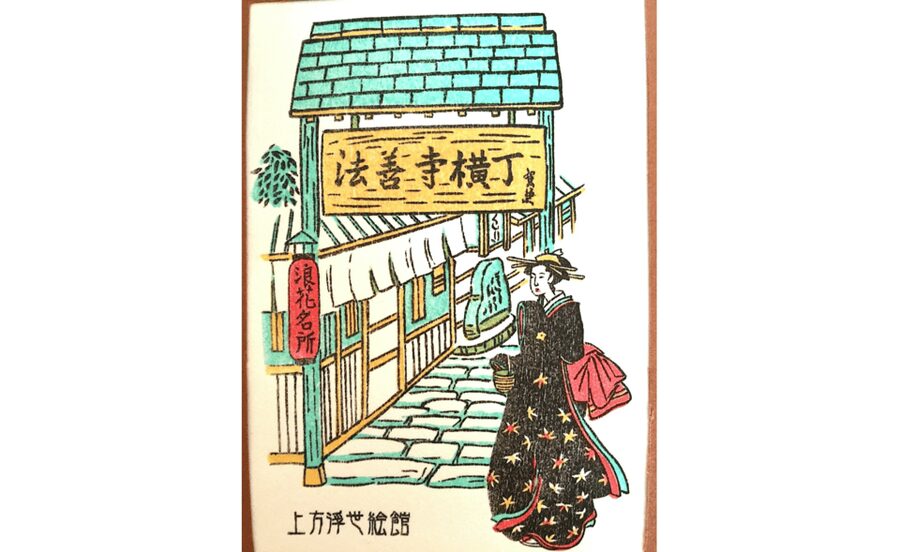
The best part of this Kamigata Ukiyo-e Museum activity is that you do not just look at an old print behind glass. You help make one. Using the museum’s original woodblocks, you apply several colors to Japanese paper, then rub and press the sheet by hand until the image appears.
I like two things here: the small private class, which gives you room to ask questions, and the clear link between the workshop and the museum’s art. The finished print is also a useful souvenir, not another trinket destined for the bottom of your suitcase. The main drawback is that the class is short, especially for anyone hoping for a full technical lesson.
Key points
- Print with original museum woodblocks, not a modern craft kit.
- Choose from beginner, intermediate, or advanced courses, with three to four colors used in the process.
- Learn by doing, including painting, baren rubbing, and pressure control.
- Work in a traditional tatami room on the fourth floor, seated on a zabuton cushion.
- Take home your finished Japanese-paper print in an original clear file.
- Plan extra time for the museum, since admission is separate from the workshop fee.
Why this short Osaka workshop is worth your time
Ukiyo-e is often treated as a finished picture: a famous actor, a beautiful woman, a landscape, or a dramatic scene printed in strong colors. At this workshop, you get a glimpse of the labor behind that image. Even a simple design requires care with color, alignment, moisture, rubbing, and pressure.
The experience costs about $5 per person, which makes it one of the easier cultural activities to fit into an Osaka day. The price covers the printing class and an instructor who can teach in Japanese or English. Museum admission is extra, so account for that when comparing the total cost.
I see the workshop as a practical introduction rather than a full art course. In 30 minutes to one hour, you will not become a professional printmaker. You will, however, understand why the printing stage mattered so much in Ukiyo-e production, and you will leave with something you made yourself.
More Craft Workshops in Osaka
- Osaka: Traditional Mochi Pounding Experience with Tasting
★ 4.9 · 306 reviews - 1.5〜2 Hours Traditional Kintsugi Work Shop in Namba Osaka
★ 5.0 · 75 reviews - 90 min Shared Handmade Udon Experience
★ 5.0 · 70 reviews
Entering the tatami room on the fourth floor
The workshop takes place in a Japanese-style exhibition room on the museum’s fourth floor. You sit on a zabuton cushion in a tatami room, which adds a real sense of place to the activity. Small stools are available, but only a limited number are provided.
That seating detail matters. If sitting on the floor is difficult for you, ask about a stool when you arrive, but do not assume one will be available for everyone. The setting is part of the traditional feel, yet it may not suit every visitor for a class that involves leaning forward and working with your hands.
The class is limited to one group at a time. That private format is a real advantage. You are not trying to follow an instructor across a crowded room or waiting for a turn at the blocks. The teacher can watch your technique, correct your pressure, and answer questions as you work.
The staff can teach in English or Japanese. Some sessions have been led by an instructor called Mrs. Saya, whose warm, patient approach helped beginners manage the process even when language was not always easy. Instructor availability can vary, so treat the language option as the reliable point rather than expecting a particular teacher.
Choosing between beginner, intermediate, and advanced
You can select from three courses: beginner, intermediate, and advanced. The difference is tied to the number of colors and steps involved, rather than to a completely different activity.
The beginner course is the safest choice if this is your first time handling a woodblock print. It is short, approachable, and still gives you the key actions: painting the block, placing the paper, and rubbing the back with a baren. You should leave with a finished print without feeling rushed by a complex design.
The intermediate course adds more work. One participant chose it without previous woodblock-painting experience and found the instructor’s step-by-step guidance enough to follow along. That suggests you do not need formal training to try it, but you should expect to pay closer attention.
The advanced course uses more colors and therefore more stages. One visitor described it as enjoyable but not easy. That is useful advice. Choose advanced if you enjoy careful handwork and do not mind a greater chance of uneven color or a small mistake. Choose beginner if your main goal is a relaxed souvenir and a clear first look at the technique.
The courses are short enough that you may want to return for another level. The beginner session can give you confidence, while the intermediate or advanced option lets you notice how additional blocks and colors change the work.
How the three-color or four-color process works
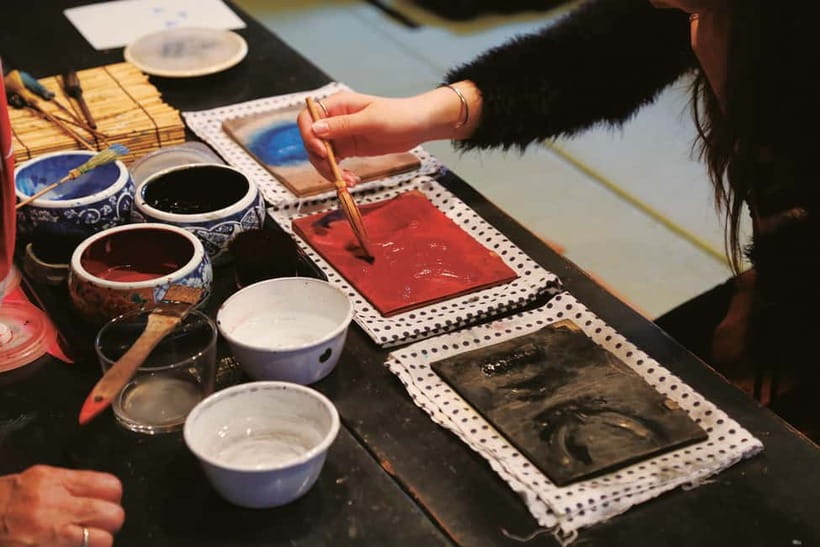
The instructor begins by showing you how to use the woodblocks and Japanese paper. You paint the appropriate area of a block, place the paper carefully, and rub the reverse side with a baren. The amount of pressure matters. Too little and the color may appear faint. Too much or uneven pressure can affect the result.
You repeat the process for three or four colors. Each color adds another layer to the picture. That simple fact gives you a better understanding of traditional Ukiyo-e. The final image is not produced by one block carrying every detail. It comes from several carefully prepared blocks working together.
The workshop also gives you room to try small changes in painting and pressure. Do not expect every print to look identical. Your hand, timing, and pressure become part of the result, which is exactly why the finished piece feels personal.
The paper is good-quality Japanese paper, and the completed artwork is placed in an original clear file for you to carry home. That small bit of packaging is practical. It protects the sheet from being folded in your day bag and keeps the souvenir presentable until you return home.
Same trip, a completely different kind of day:
- Osaka Go Karting Tour with Funny Costume
★ 5.0 · 2,658 reviews - Osaka Castle: Museum and Tower Entry Ticket
★ 4.5 · 2,380 reviews - Osaka: Shinsekai Food Tour with 13-15 Dishes at 5 Eateries
★ 4.8 · 2,204 reviews - Osaka Food Tour: 13 Dishes at 5 Local Eateries
★ 5.0 · 2,149 reviews
Why the museum visit makes the class better
The printing activity becomes more meaningful when you look at the museum’s collection before or after your class. The display shows what happens when artists and printmakers use many more blocks and layers than you will handle in a short session.
I would lean toward visiting the museum first if you have never studied Ukiyo-e printing. Seeing a completed work gives you a target. You can notice the clean registration of colors, the fine detail, and the number of separate areas that must come together correctly.
Visiting afterward works well too. Once you have made your own print, the museum’s works no longer look like flat, effortless images. You start noticing the printed areas, color changes, and precision behind them. Several people found that the hands-on class gave them a greater appreciation for the art on display.
Since museum admission is not included, you need to pay separately if you want to see the exhibition. That is an extra cost, but it is also the best way to get full value from the visit. The class alone is a quick activity. The class plus the collection forms a more complete lesson.
The value of a $5 creative activity
At about $5 per person, this is an unusually affordable activity for Osaka. The low price does not mean it is a throwaway stop. You receive instruction, use original museum woodblocks, print on Japanese paper, and take home the result.
The value comes from the combination of access and participation. A museum visit lets you see the finished art. This workshop lets you feel the physical steps behind it. Even if your print is not perfect, you have a better idea of why the method demanded patience and skill.
Still, keep your expectations sensible. This is not a long studio course, and the basic session can feel quick. One participant wanted more background about woodblock printing and found the class more practical than informational. If you want detailed art history, use the museum galleries and ask the instructor questions rather than expecting a lecture built into every minute.
The private format helps balance the short schedule. You are not lost in a large group, and the instructor can guide you through the work without wasting time.
Who will enjoy this experience most
I would recommend the workshop to anyone who likes hands-on cultural activities, especially if you want a souvenir with a clear connection to Osaka and Japanese art. It suits couples, friends, solo visitors, and families with enough patience to follow a careful process.
It is also a good choice for people who think museums can feel passive. You look at the collection, then make a small print yourself. That change from observer to participant helps the subject stick.
Beginners should not feel intimidated. The instructor guides you through the stages, and the beginner course is designed as an accessible starting point. English support is available, and the private class gives you a chance to ask for help when you need it.
The advanced course is better for someone who enjoys detail and wants more color stages. It is not necessarily the best first pick for a visitor who has only 30 minutes and wants an easy activity. Still, previous experience is not required by the information provided, and one first-time participant completed the intermediate course successfully with guidance.
You may want to choose another activity if you dislike floor seating, want a long workshop, or prefer a lecture with a large amount of historical explanation. This experience is about doing the work.
Timing, arrival, and practical planning
The activity lasts from 30 minutes to one hour, depending on the course and pace. Starting times vary, so check availability when booking. Because the schedule is short, arrive on time and ready to begin.
If you do not arrive within 30 minutes of your reserved time, the booking is treated as cancelled without a refund. That rule makes a little planning worthwhile, particularly if you are coming through the busy streets around Dotonbori.
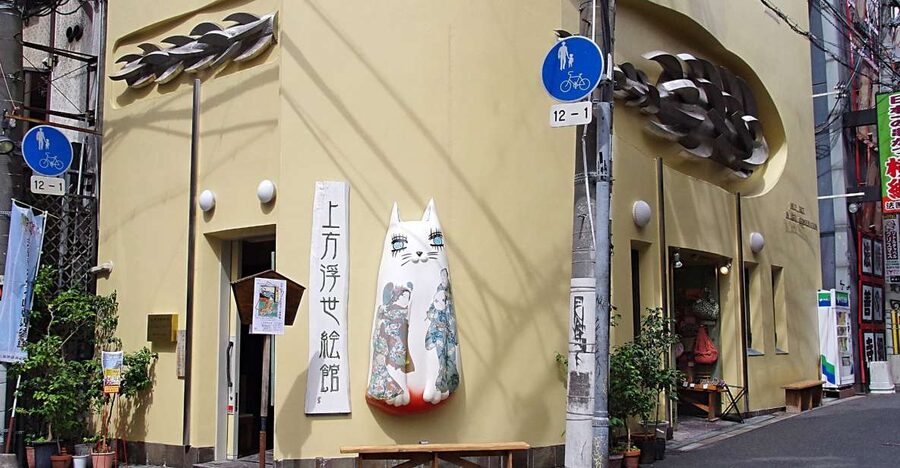
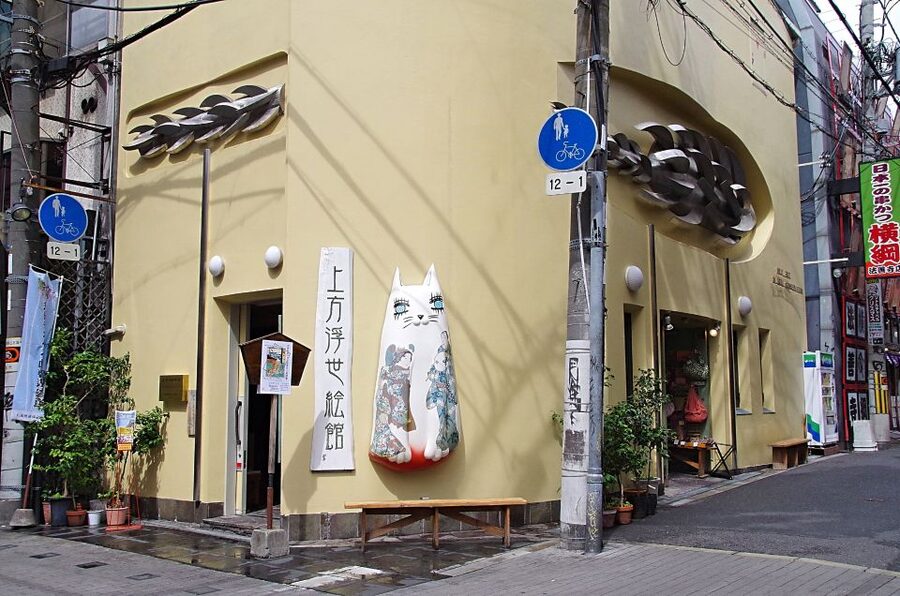
The museum is in an older part of Osaka just behind Dotonbori, making the workshop easy to pair with sightseeing in that area. I would not squeeze it into a rushed gap between fixed reservations. Give yourself enough time to find the museum, settle into the room, and enjoy the process instead of watching the clock.
The experience is unavailable from December 29 through January 3 for the New Year holiday. Keep that closure in mind if your visit falls during the year-end period.
Free cancellation is available up to 24 hours before the scheduled time, and you can reserve now and pay later. Those options help if your Osaka plans are still shifting, but the late-arrival rule remains strict.
Should you book the Kamigata Ukiyo-e printing class?
Book it if you want an inexpensive, personal introduction to Ukiyo-e and like the idea of carrying home a print you helped create. The strongest reasons are the original woodblocks, the one-group format, the English and Japanese instruction, and the chance to connect the workshop with the museum’s collection.
Choose the beginner course for a relaxed first attempt. Pick intermediate or advanced if you enjoy detailed handwork and want more color stages. If possible, add the museum admission and see the exhibition before or after the class.
Skip it if you need a long lesson, cannot comfortably sit on a zabuton cushion or limited stool, or want extensive historical explanation during the activity itself. For most visitors with even a small interest in Japanese art, though, $5 is a modest price for a practical lesson and a souvenir that carries a story.
FAQ
How much does the Ukiyo-e printing experience cost?
The experience costs $5 per person. A separate admission fee is required for the Kamigata Ukiyo-e Museum and is not included in the workshop price.
How long does the activity last?
The activity takes 30 minutes to one hour. Starting times vary, so check availability when booking.
Which languages are available?
The instructor can teach in English or Japanese.
Can beginners take part?
Yes. You can choose a beginner course, and the instructor guides you through the printing process. The intermediate and advanced courses are also available.
How many colors will I print?
You will print three to four colors onto Japanese paper, depending on the selected course.
What will I take home?
You will take home your finished Ukiyo-e print. It is provided in an original clear file.
Where does the workshop take place?
The workshop is held in the Japanese-style exhibition room on the museum’s fourth floor.
Do I sit on the floor?
Yes. The room uses tatami flooring, and participants sit on zabuton cushions. A limited number of small stools are available.
What happens if I arrive late?
If you do not arrive within 30 minutes of your reserved time, the reservation is considered cancelled and no refund is provided. The activity is also closed from December 29 through January 3.
More Museum Tours in Osaka
- Osaka: Cup Noodles Museum Guided Tour (90 Minutes)
★ 4.8 · 38 reviews - Osaka: Kamigata Ukiyo-e Museum Admission Ticket
★ 4.7 · 30 reviews - Osaka: Osaka Castle & Historical Museum Guided Tour
★ 4.8 · 28 reviews - (Ticket Included) Explore Osaka Castle & Museum of History
★ 4.8 · 21 reviews
Just added around Osaka
- Exclusive Sushi Making Experience with a Master Chef – Osaka Area★ 5.0 · 25 reviews
- Private Home-Style Cooking Class in Osaka with Local Mom Yoshiko★ 5.0 · 46 reviews
- Hidden Osaka – Yukaku Red Light Tour & Culinary Adventure★ 4.8 · 96 reviews
- Osaka: Walking Tour and Top Highlights★ 4.8 · 104 reviews
- Osaka: Private Ceramic Painting Workshop★ 5.0 · 13 reviews
- Pickleball in Osaka, Kobe & Kyoto with Locals!★ 4.7 · 80 reviews
- Eat Like a Local in Osaka – Private Custom Street Food Tour★ 4.3 · 33 reviews
- Osaka:SUMO BEATS SHOWCASE: Taiko Drum and Wagyu burger!★ 4.2 · 37 reviews
Traditional Crafts, compared.
Tokyo Sumo Experience: Chanko & Mochi with a Former Pro
Our verdict →
Kintsugi Experience: Art of Golden Joinery in Tokyo
Our verdict →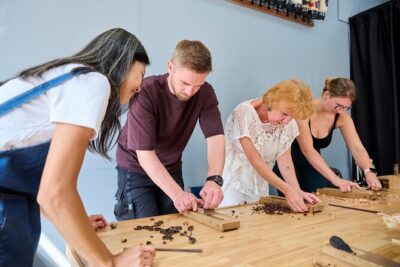
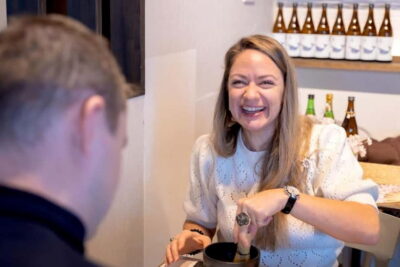
Matcha Making Experience with Mochi Sweets in Asakusa
Our verdict →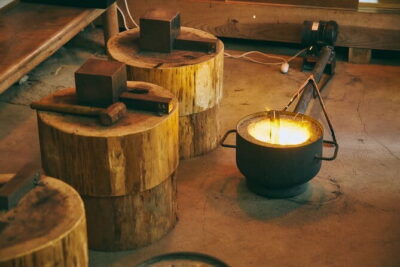
Authentic knife making experience at a blacksmith in Kyoto
Our verdict →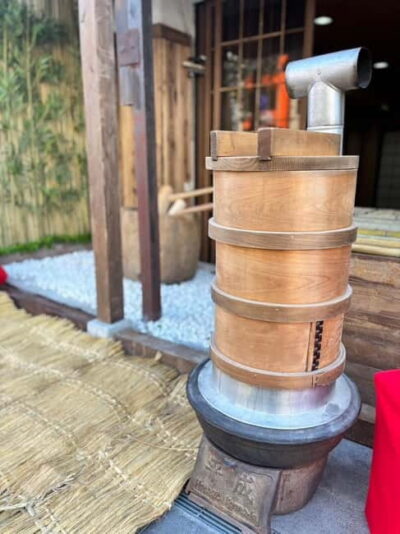

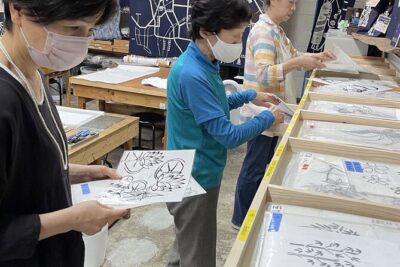
Roketsu dyeing experience: M course Roketsu Dyeing Experience
Our verdict →Browse the lists this tour appears in