
Reviewed · TRADITIONAL CRAFTS
Osaka: Private Ceramic Painting Workshop
The most memorable part of this Osaka activity is not just painting a plate. It is the walk from JR Teradacho Station through a Showa-era neighborhood to a century-old house that feels far removed from the usual sightseeing circuit. Inside, Anna guides you through Japanese ceramic painting, with Ryo helping welcome you from the station.
I like the private format, which gives you room to ask questions and change your design without keeping pace with a large group. I also like the thoughtful souvenirs: a small handmade dish and a sakura-shaped chopstick rest are included, so you leave with something usable that day.
The main drawback is the wait. Your painted dish needs firing and takes about one and a half months to ship, and postage is extra. You also cannot carry the finished plate home on the day, so this works best if you are comfortable paying later for delivery.
Key points before you book
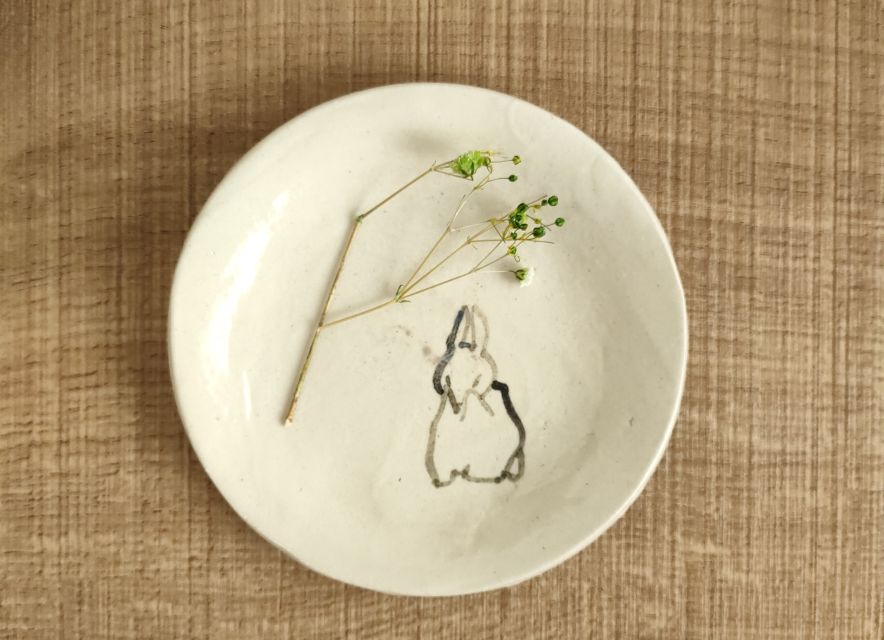
- Walk through everyday south Osaka: The route from Teradacho Station shows a quieter Showa-era side of the city that rarely appears in standard sightseeing plans.
- Paint Shigaraki clay: Your main plate is made from clay associated with the Shigaraki area, one of Japan’s well-known ceramic regions.
- Choose your own Japanese design: Paint Mount Fuji, sushi, sakura, traditional patterns, or write a kanji character with help.
- Get personal instruction: Anna leads the workshop, and classes are available in English, Spanish, Catalan, or Japanese.
- Take home two small gifts immediately: The price includes a handmade small dish and a sakura-shaped chopstick holder.
- Plan for delayed delivery: Your larger painted piece is fired and shipped after about six weeks, with shipping costs not included.
Starting at JR Teradacho Station
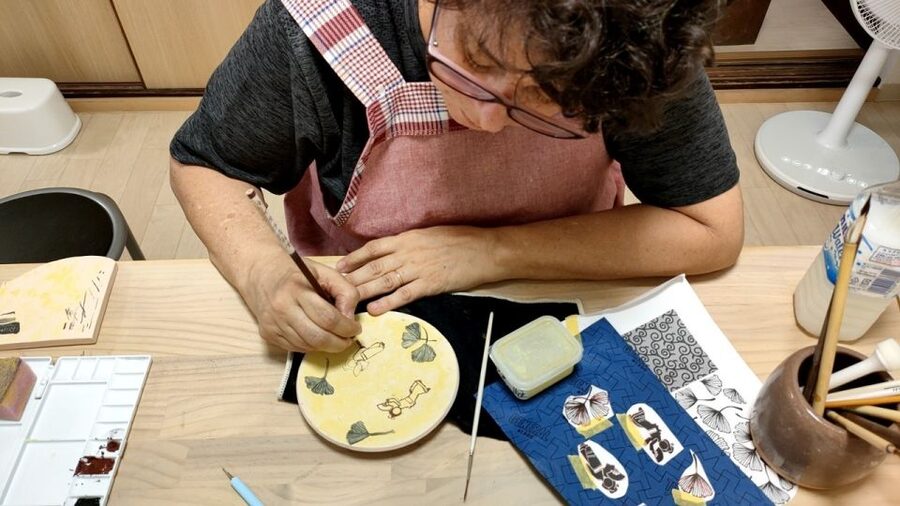
Your meeting point is the north exit of JR Teradacho Station. Look for a guide holding a sign with the name Ceramics Tocoton. Ryo has been noted as the person who meets participants at the station and walks with them toward the studio, making this first section more than a simple transfer.
That walk matters. You are heading into the southern part of Osaka, an area described as non-touristy and distinctly Showa-era. The route gives you a look at ordinary streets and local surroundings before the class begins. It is a useful contrast to Osaka’s famous shopping areas and major attractions.
You should allow enough time to find the correct station exit and guide. If you expect to be more than 15 minutes late, contact the provider. More than 15 minutes late is treated as a no-show, so this is not the moment to rely on a last-second dash through the station.
The pickup is included in the price, but the station meeting point is fixed. You are not collected from your hotel. That is a minor inconvenience if your accommodation is across town, yet it also keeps the start simple and gives the experience a clear local beginning.
More Craft Workshops in Osaka
- Osaka: Traditional Mochi Pounding Experience with Tasting
★ 4.9 · 306 reviews - Kamigata Ukiyoe Museum:Ukiyo-e Woodblock Printing Experience
★ 4.9 · 79 reviews - 1.5〜2 Hours Traditional Kintsugi Work Shop in Namba Osaka
★ 5.0 · 75 reviews
Entering a century-old Osaka house
The workshop takes place in a house said to be about 100 years old. That setting changes the tone of the activity. You are not sitting in a polished tourist center designed for short, identical demonstrations. You are entering a home-style studio in a part of Osaka that is not usually on sightseeing routes.
The house also creates a natural setting for conversation. The class includes discussion of Japanese culture while you paint, and previous participants have described the hosts as welcoming and easy to talk with. Tea may be served at the end, adding a small but pleasant pause after the concentration of painting.
You may also find a small gallery upstairs, where Anna’s Japanese ceramics are available for purchase. The gallery is not listed as part of the main class price, so treat it as an optional browsing stop rather than a promised extra. It can be a good place to see how a working ceramic artist handles shapes, colors, and decorative ideas.
The house and neighborhood are valuable if you want your Osaka schedule to include more than food streets and major sights. If your time is very short and you want to stay near central attractions, the station transfer and southern Osaka setting may feel like extra effort.
Choosing your dish and design
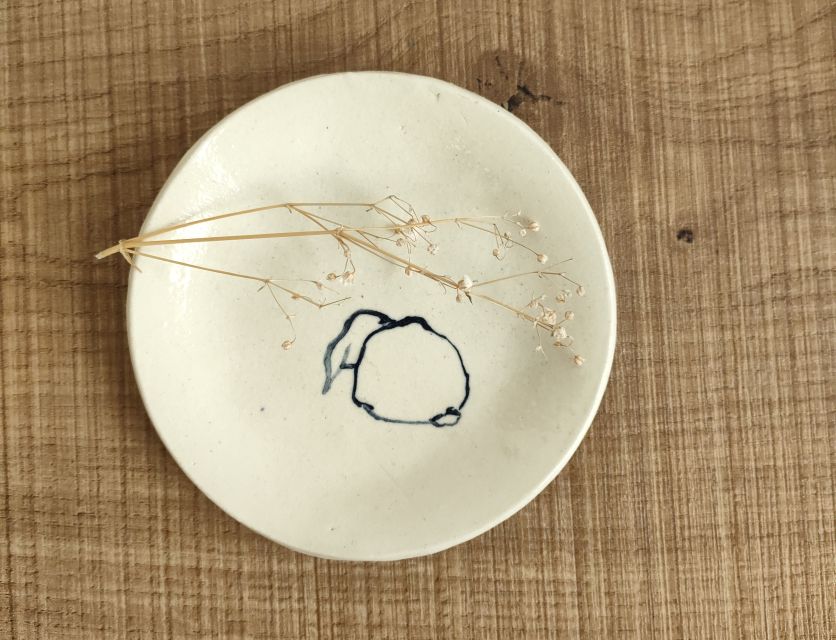
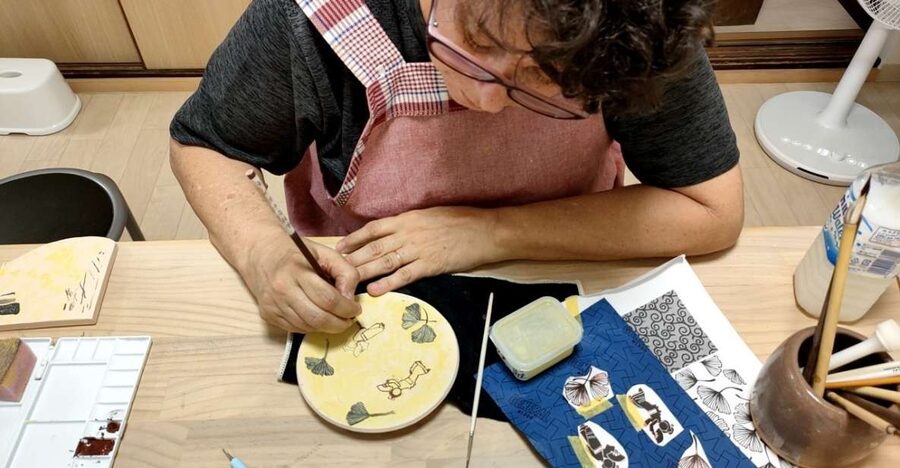
The central project is a ceramic dish made with clay from the Shigaraki area. You paint the surface with a brush, using ceramic paints provided at the studio. The format is approachable: you are decorating an existing dish rather than shaping a vessel from raw clay.
That distinction is important. This is a painting workshop, not a wheel-throwing or clay-forming class. You get the pleasure of making design decisions without needing a prior background in ceramics. The class is suitable for beginners because the focus is on interest and guidance, not artistic skill.
Your design can follow a traditional Japanese pattern or a recognizable Japanese image. Possible ideas include:
- Mount Fuji
- Sushi
- A sakura tree
- Traditional decorative patterns
- A word written in kanji
The kanji option adds a personal touch, but you should be clear about the meaning of the character or word you want before you begin. Ask the instructor for help choosing the desired word and writing it correctly. A single character can look striking on a small plate, but an incorrect character would be a disappointing souvenir.
The private class gives you more freedom than a large group session. You can take extra time with your layout, ask about patterns, and receive help when a brushstroke goes wrong. Anna has been described as patient and encouraging, with instruction that lets you keep your own creative direction rather than copying one fixed sample.
Two hours with Anna and room to create
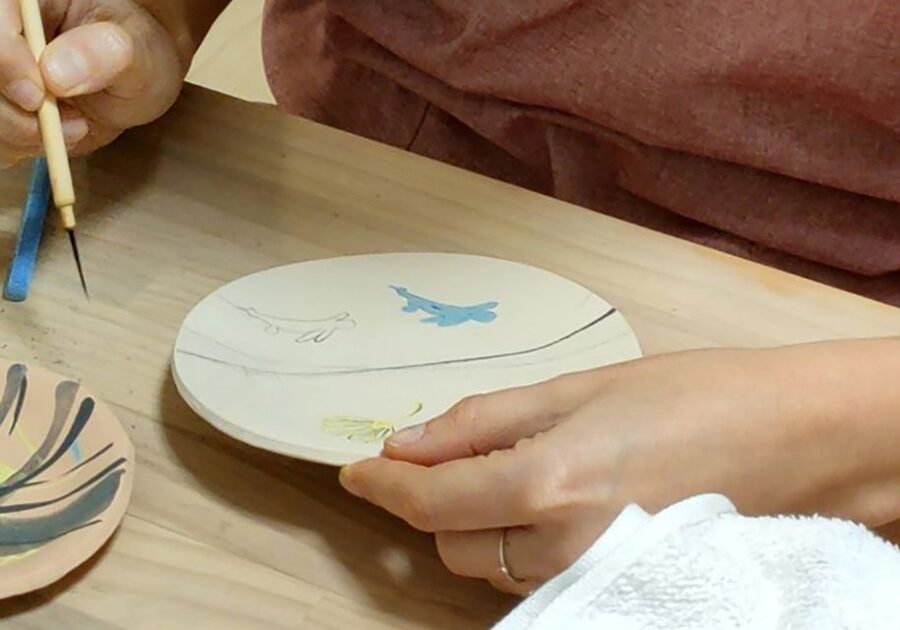
The class lasts two hours. That is enough time for an introduction, design planning, painting, and conversation, but you should not expect a long ceramics course covering every stage of pottery production.
Anna leads the painting instruction. The workshop is available in English, Spanish, Catalan, and Japanese. The Spanish and Catalan options are especially useful because this experience is identified as the only ceramics activity in the group offered in those languages.
Language affects how much you get from a hands-on class. You are not just following brush demonstrations. You may want to ask why a pattern is traditional, discuss Japanese culture, check the meaning of a kanji character, or get help correcting a design. Being able to do that in your strongest language makes the session more relaxed.
The private group format is another strong point. You do not have to wait for a dozen people to finish before moving on, and your questions do not compete with a crowd. Couples, families with older children, and small groups of friends can work at their own pace. Children under five are not permitted, so families with very young children will need another plan.
One practical tip: arrive with at least a rough idea of what you might paint. You can choose at the studio, but a little preparation helps you use the two hours well. Think about whether you want an image, a pattern, or a word. You can still change your mind once you see the materials.
Same trip, a completely different kind of day:
- Osaka Go Karting Tour with Funny Costume
★ 5.0 · 2,658 reviews - Osaka Castle: Museum and Tower Entry Ticket
★ 4.5 · 2,380 reviews - Osaka: Shinsekai Food Tour with 13-15 Dishes at 5 Eateries
★ 4.8 · 2,204 reviews - Osaka Food Tour: 13 Dishes at 5 Local Eateries
★ 5.0 · 2,149 reviews
The included gifts and the piece you design
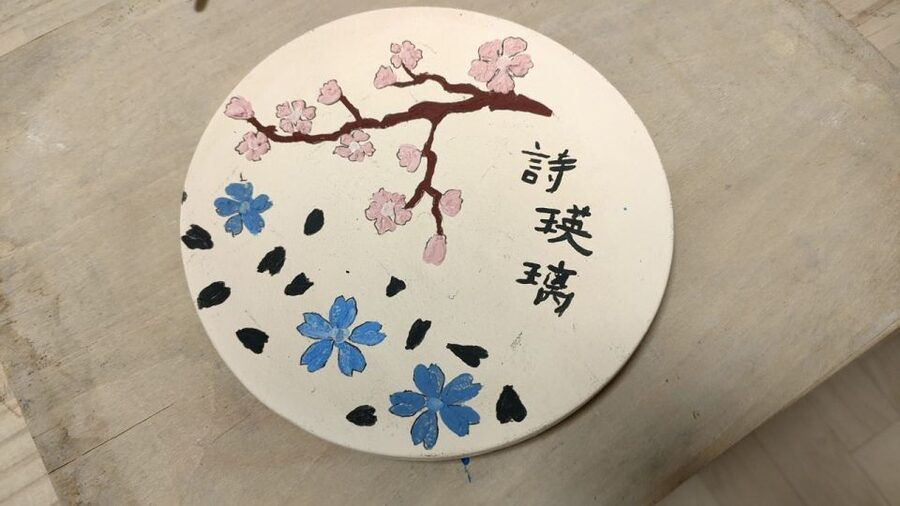
The price includes a small plate with a traditional Japanese pattern and a sakura-shaped chopstick rest. These are handmade for your use and can be taken with you on the day of the workshop.
That is a nice value point. At $61 per person, you are not paying only for a class and a future delivery. You also receive two ready-to-use handmade items, along with materials, instruction, and station pickup. The gifts are small, but they make the experience feel more complete, especially if you want something in your luggage immediately.
Your main painted dish follows a different timetable. After the workshop, it must be fired. The finished piece is then sent to your home, usually in about one and a half months. Shipping is not included, so you will pay that cost separately.
The delayed delivery is the biggest planning issue. You need to provide an address and be prepared to wait after returning from Japan. If you are moving between hotels or returning home shortly after your visit, make sure the shipping arrangement is clear before you leave the studio.
The wait can also be part of the appeal. A finished plate arriving weeks later gives you a second reminder of Osaka after the trip. Just do not book this expecting to pack the painted dish beside your souvenirs that same afternoon.
What $61 buys you
At $61, this is more expensive than a quick craft activity, but the price covers several elements at once: a private two-hour lesson, materials, a Shigaraki-clay dish, station pickup, and two handmade gifts. It also includes access to a local setting and conversation about Japanese culture.
The value is strongest if you care about personal attention. In a large class, the main appeal might be a lower cost. Here, you are paying for space to make your own choices and get direct help from Anna. That matters if you are nervous about painting or want to write kanji and need guidance.
The language choice adds value for Spanish and Catalan speakers. You can take the class in English, Spanish, Catalan, or Japanese, which is unusually flexible for a ceramics activity in Osaka.
The price is less attractive if your main goal is to bring home a finished ceramic item immediately. The large painted dish arrives later, and delivery costs extra. You should include that future postage in your personal budget before booking.
Cancellation is flexible enough for most itineraries: you can cancel up to 24 hours in advance for a full refund. You can also reserve now and pay later, which helps if your Osaka schedule is not settled.
Who will enjoy this most
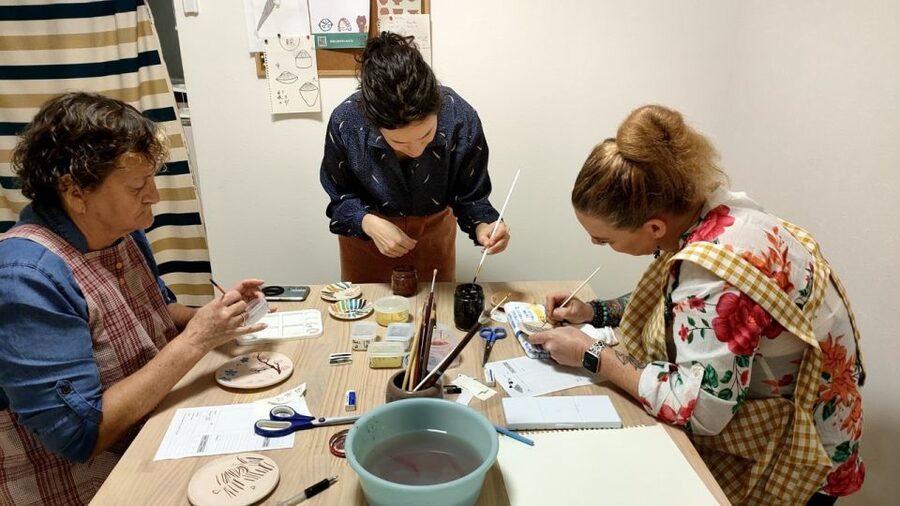
I would choose this workshop if you want a quiet, hands-on activity with a strong local setting. It suits people who like making something rather than simply watching a demonstration, and it works well for anyone looking for a personal souvenir with a story behind it.
It is particularly well matched to:
- Couples who want a shared creative activity
- Friends who prefer a private class
- Families with children aged five and older
- Spanish or Catalan speakers seeking instruction in those languages
- First-time ceramic painters who want guidance
- Visitors who have already seen Osaka’s main sights and want a neighborhood experience
You do not need to be artistic. The class provides materials and instruction, and the design can be simple. A small Mount Fuji, a sakura branch, or a single kanji character can work better than an overambitious scene if you are new to brush painting.
You may want to skip it if you dislike delayed shipping, have no spare time away from central Osaka, or want a more technical pottery class involving clay shaping and a wheel. This experience focuses on decoration, culture, and conversation.
Practical details for a smooth visit
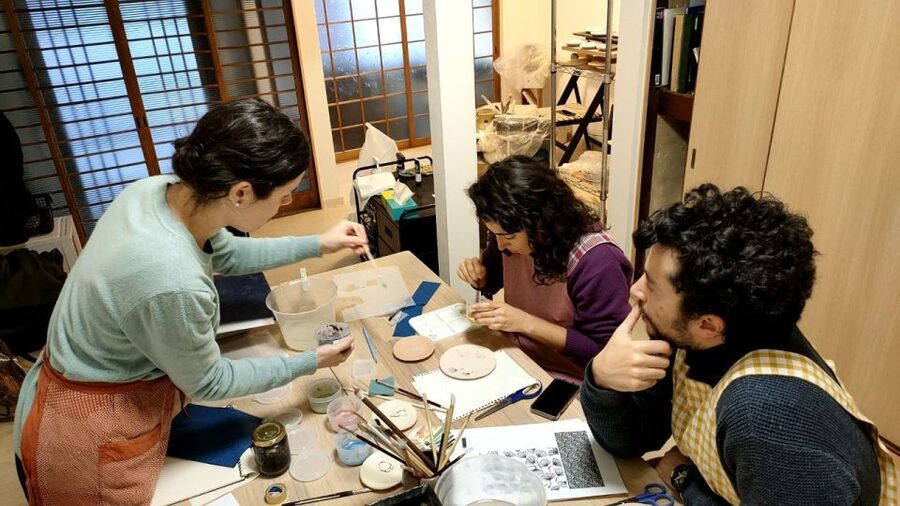
Wear something you can work comfortably in, though no special clothing requirement is provided. Ceramic painting is a careful activity, and you will want to concentrate on your design rather than rush because of a late arrival.
Confirm your preferred language when booking. English, Catalan, Spanish, and Japanese are available, but the instructor and meeting arrangements should be clear before the day of the class.
Bring your planned kanji idea in writing if that is central to your design. The instructor can help, but having a clear goal makes the choice easier. You can also save a few reference ideas for Mount Fuji, sushi, sakura, or traditional patterns.
Remember that the walk from the station is part of the experience. Ryo may accompany you while you head toward the workshop, and that time can help you get oriented in south Osaka. It is not a formal city tour, so do not expect a long sightseeing commentary. Its value is the everyday setting.
After the painting, ask about the delivery process and shipping charge. The listed delivery time is about one and a half months, but the postage is separate. Keep your home address and travel schedule in mind.
Should you book the Osaka ceramic workshop?
Book it if you want a personal Osaka memory that goes beyond a magnet or packaged snack. The combination of a century-old house, a quiet neighborhood walk, private instruction, Japanese design choices, and handmade gifts gives the two hours a clear sense of place.
The best reasons to choose it are the private attention, the language options, and the chance to talk about Japanese culture while making something. Anna’s friendly instruction and Ryo’s station welcome help make the experience feel personal rather than mass-produced.
Skip it if you need a finished souvenir immediately or if your Osaka schedule cannot spare time for a trip to Teradacho. For everyone else, $61 is a fair price for a small, creative class with useful take-home gifts and a ceramic plate that arrives later as a reminder of south Osaka.
FAQ
Where do I meet the instructor?
Meet at the north exit of JR Teradacho Station. Look for a guide carrying a sign with the name Ceramics Tocoton.
How long does the workshop last?
The workshop lasts two hours. Starting times vary, so check availability when booking.
Which languages are available?
Instruction is available in English, Catalan, Spanish, and Japanese.
What will I paint?
You will paint a ceramic dish with a brush. You can choose Japanese-related designs such as Mount Fuji, sushi, a sakura tree, traditional patterns, or a desired word in kanji.
Can I take my painted dish home that day?
No. Your painted dish is fired after the workshop and shipped to your home in about one and a half months. Shipping costs are not included.
What is included in the price?
The price includes the instructor, materials, the ceramic dish made with clay from the Shigaraki area, pickup from Teradacho Station, a small handmade dish with a traditional Japanese pattern, and a sakura-shaped chopstick holder.
Just added around Osaka
- Exclusive Sushi Making Experience with a Master Chef – Osaka Area★ 5.0 · 25 reviews
- Private Home-Style Cooking Class in Osaka with Local Mom Yoshiko★ 5.0 · 46 reviews
- Hidden Osaka – Yukaku Red Light Tour & Culinary Adventure★ 4.8 · 96 reviews
- Osaka: Walking Tour and Top Highlights★ 4.8 · 104 reviews
- Pickleball in Osaka, Kobe & Kyoto with Locals!★ 4.7 · 80 reviews
- Eat Like a Local in Osaka – Private Custom Street Food Tour★ 4.3 · 33 reviews
- Osaka:SUMO BEATS SHOWCASE: Taiko Drum and Wagyu burger!★ 4.2 · 37 reviews
- Osaka: Visit the must-see places.★ 5.0 · 15 reviews
Traditional Crafts, compared.
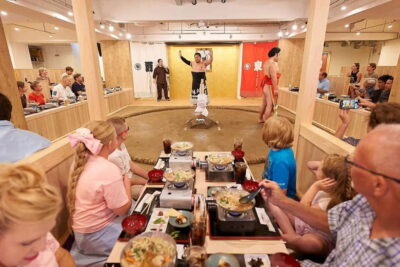
Tokyo Sumo Experience: Chanko & Mochi with a Former Pro
Our verdict →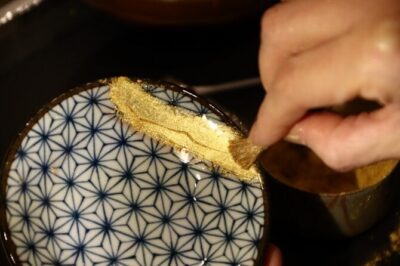
Kintsugi Experience: Art of Golden Joinery in Tokyo
Our verdict →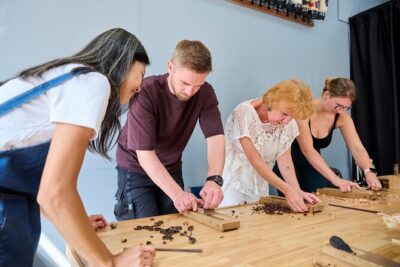

Matcha Making Experience with Mochi Sweets in Asakusa
Our verdict →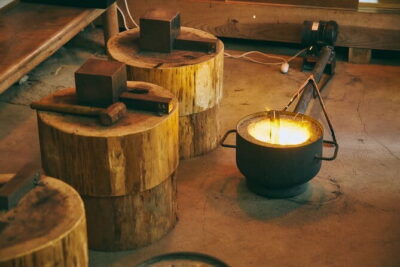
Authentic knife making experience at a blacksmith in Kyoto
Our verdict →
Roketsu dyeing experience: M course Roketsu Dyeing Experience
Our verdict →Browse the lists this tour appears in