
Reviewed · TRADITIONAL CRAFTS
90 min Shared Handmade Udon Experience
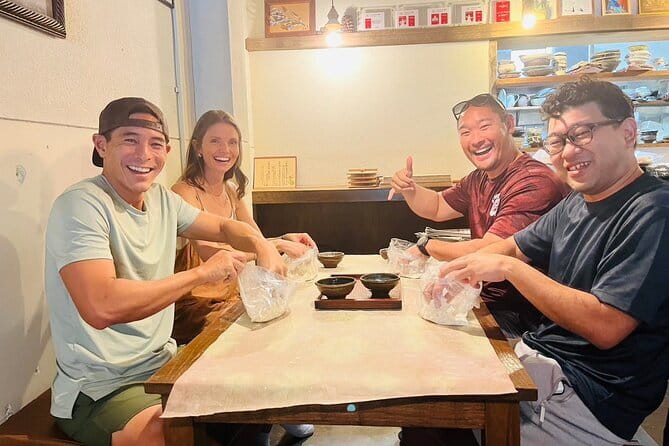
The best part of this Osaka class is the foot-kneading. You mix the udon dough, place it in a bag, and work it with your feet to create Sanuki udon’s springy texture. Then the chef cooks your noodles and serves them in a proper bowl with broth made from kombu, shiitake mushrooms, and bonito stock.
I like two things here: you get a recipe to use at home, and the class ends with a real meal rather than a small taste. The friendly teaching style of Keiko and Nozomi also suits families and first-time cooks. The main drawback is that you may share the small restaurant with other participants, and drinks, tempura, and extra noodles cost more.
Key points before you book
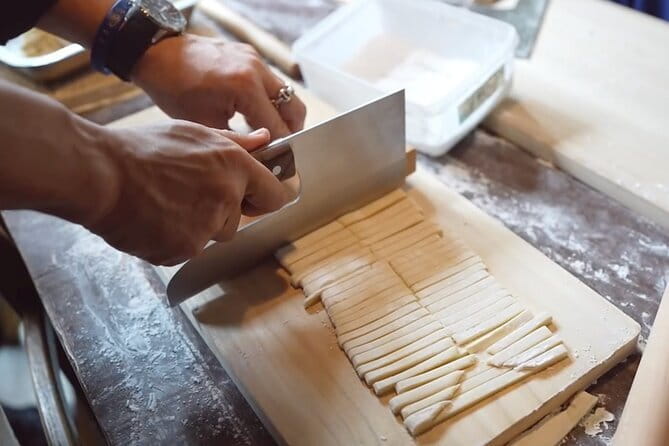
- Foot-kneaded Sanuki udon: The unusual kneading method gives the noodles a firm yet smooth bite.
- A Michelin-listed setting: The restaurant appeared in the Michelin Guide from 2018 through 2023.
- Your noodles become lunch: The chef cooks what you make and serves it hot or cold with house broth.
- Good for families: Children age 2 and above can join, and families with children ages 4 and 10 have found the activity easy to enjoy.
- Useful take-home recipe: You leave with instructions for making udon at home, not just a one-time memory.
- Plan for extras: Alcohol, tempura, and additional udon are not included in the $52.85 price.
What happens during the 90 minutes
This is a compact cooking class built around one dish. You meet at UDONZIN美糸, also known as Udonzin Beat, at 1-chōme-16-17 Shinmachi in Osaka’s Nishi Ward. The restaurant is near public transportation, and the activity finishes at the same location.
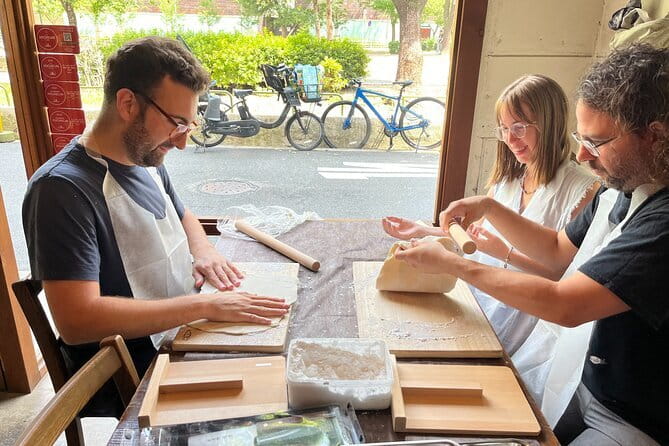
The class begins with an introduction to udon and the restaurant’s approach to making it. You then work through the dough-making process with the instructor. The key moment is the Sanuki technique: instead of kneading only with your hands, you use your feet. This is done as part of the guided preparation, not as a chaotic free-for-all, so listen carefully and follow the chef’s instructions.
The foot-kneading has a practical purpose. It helps develop the noodle’s texture, producing udon that is firm but not hard and smooth rather than rubbery. That texture is one of the reasons this class offers more than a basic cooking demonstration. You are learning the part of the process that gives Sanuki udon its character.
After the dough work, the chef handles the cooking. Your finished noodles are served hot or cold, depending on the option available during the session. The broth uses natural, additive-free ingredients, including kombu, shiitake mushrooms, and katsuobushi, or bonito stock. This matters because the broth is not an afterthought. It gives you a chance to taste how the noodles work with a carefully prepared Japanese soup base.
The timing is sensible for a vacation day. Ninety minutes is long enough to learn the method and eat your udon, but short enough to fit around sightseeing in Osaka. You do need to arrive on time. The restaurant returns to regular service after the class, so late arrival could cut into your lesson.
More Craft Workshops in Osaka
- Osaka: Traditional Mochi Pounding Experience with Tasting
★ 4.9 · 306 reviews - Kamigata Ukiyoe Museum:Ukiyo-e Woodblock Printing Experience
★ 4.9 · 79 reviews - 1.5〜2 Hours Traditional Kintsugi Work Shop in Namba Osaka
★ 5.0 · 75 reviews
Why the foot-kneading makes this class different
Many Japanese food activities ask you to shape, slice, or assemble something. This one has a more memorable physical step. Kneading udon with your feet sounds playful, and it is, but it also connects directly to the finished noodle.
You should expect to get involved rather than simply watch the chef. The class is described as hands-on and feet-on, so it works well for people who want an activity with a clear result. Children can take part from age 2, though younger children will need an adult’s help and attention.
Wear clothes you do not mind getting messy. That advice is worth taking seriously. Dough-making is not a formal restaurant meal, and you will be working close to the ingredients. Comfortable clothing also makes the foot-kneading step easier.
The activity is not suitable for people with a wheat allergy. Vegetarian participants can join, but you should tell the provider about dietary restrictions in advance. Because the standard broth includes bonito stock, advance notice is especially important if you avoid fish or animal products.
From plain ingredients to a proper Osaka meal
The class gives you a useful look at the difference between making noodles and eating noodles. Once the chef cooks your udon, the meal is served with broth made from kombu, shiitake mushrooms, and bonito stock. These ingredients create a savory base without relying on additives.
You can have the udon hot or cold. Hot udon is the more comforting choice, especially on a cool day, while cold udon lets you focus on the noodle’s texture. Since Sanuki udon is prized for its firm, smooth bite, the cold option may be appealing if you want to notice the noodles themselves.
Side dishes are available for an additional charge. You can order items such as tempura or extra udon, but these are not part of the $52.85 fee. I would treat the included bowl as the main meal and consider extras only if you are particularly hungry or want to turn the class into a longer restaurant visit.
Alcohol is also extra. You may sip Japanese sake or beer while making the noodles, but drinks are not included. That can be a pleasant addition for adults, though families and anyone watching the budget can skip it without losing the main part of the activity.
A small restaurant with a personal teaching style

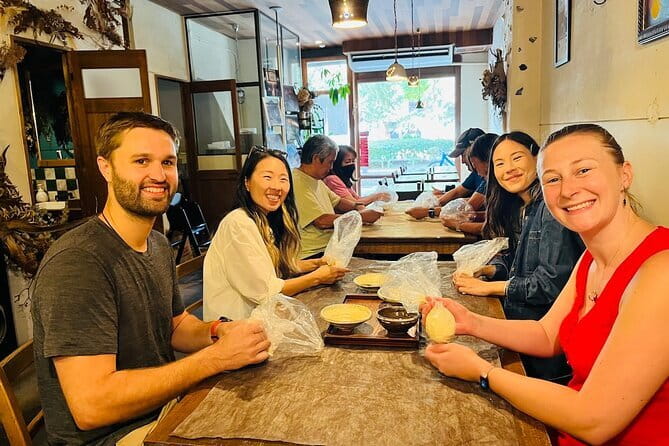
The setting is a small, cozy restaurant rather than a large cooking school. That gives the class a more local feel, but it also means the group may not feel private. The maximum is 20 people, and you might be placed with other participants.
A group of 11 friends, including three families and five children, has fit into a class, so the experience can handle a lively mixed group. That is useful if you enjoy meeting people during a cooking activity. It may be less appealing if you want quiet, one-on-one instruction.
The teaching team includes Keiko and Nozomi. Keiko has led family groups through the process, explaining the background of udon and guiding participants through the dough. Nozomi has also taught the class and is described as kind and effective with the instructions.
The restaurant appeared in the Michelin Guide from 2018 through 2023. That does not turn the class into a formal fine-dining event, and you should not expect a long tasting menu. It does add useful context: the restaurant takes its noodles and broth seriously, so your finished bowl is connected to an established kitchen rather than a tourist-only demonstration.
The atmosphere is informal. The restaurant has cohesive decor and a clean bathroom, details that matter during a family activity. Since the space is small, keep your expectations practical: this is a working restaurant with a cooking class, not a large studio with plenty of room around every station.
More Ramen Tours in Osaka
- Osaka: Five Must-See Highlights Walking Tour & Ramen Lunch
★ 4.7 · 411 reviews - Osaka: Ramen and Gyoza Cooking Class in Dotonbori
★ 5.0 · 378 reviews - Ramen and Gyoza Cooking Class in Osaka
★ 5.0 · 202 reviews - Osaka: Cooking Class Ramen & Gyoza Course in Nanba
★ 4.9 · 86 reviews
Is the $52.85 price fair?
At $52.85 per person, this is not the cheapest meal you can buy in Osaka. You are paying for instruction, the hands-on activity, the meal, the recipe, local taxes, and photos taken during the class.
The value depends on what you want from your food experience. If you only want to eat udon, a restaurant meal will cost less. If you want to learn a method, make the food yourself, eat the finished result, and take home a recipe, the price is easier to justify.
The included photos add a practical touch. The instructor takes pictures during the class and shares them with you, so you do not need to choose between participating and taking photos. This is especially useful for families, since the foot-kneading step is the sort of moment you will want to remember.
The recipe also gives the class some value after your Osaka visit. You may not reproduce the restaurant’s broth perfectly at home, but you have a clear starting point for making udon again. That makes this more useful than an activity that ends when you leave the restaurant.
Keep a small extra budget for drinks, tempura, or extra noodles. The base price is clear, but the meal can cost more if you add to it.
Who will enjoy this class most?
I would recommend this experience to families, couples, small groups, and solo visitors who enjoy practical food activities. Children age 2 and older can participate, and the physical kneading step gives younger participants something active to do.
It also suits people who want a local food experience without giving up a comfortable structure. You do not need cooking experience. The chef explains the process, and the restaurant cooks the noodles for you, so the class does not depend on perfect knife skills or advanced technique.
Food-focused visitors will appreciate the attention to texture and broth. Udon can look simple, but the class shows how much the dough affects the final bowl. The Michelin Guide connection adds interest for anyone who likes visiting restaurants with a strong reputation.
You may want to choose another activity if you have a wheat allergy, dislike group classes, or need a fully private session. Solo participation requires advance contact because classes need at least two participants. The same applies if you are one adult joining with children and want to confirm a suitable session.
Practical details that affect your day
The meeting point is Udonzin Beat in Shinmachi, Nishi Ward, Osaka. The activity begins and ends there, so you do not need to arrange a separate return transfer.
Confirmation is provided at booking, and the experience uses a mobile ticket. Arrive on time, since the restaurant resumes regular service after the class. I would also avoid scheduling this too close to another fixed appointment, especially if you want to order a side dish or take a few minutes after the meal.
The class requires at least two participants. If the minimum is not reached, the provider may offer another date or experience, or give you a full refund. You can cancel for a full refund up to 24 hours before the start time. Cancellations or changes made less than 24 hours ahead are not refundable.
The maximum group size is 20. That is large enough for a shared activity but small enough to keep the class tied to the restaurant rather than a convention-style event.
Photos, children, and the messy part
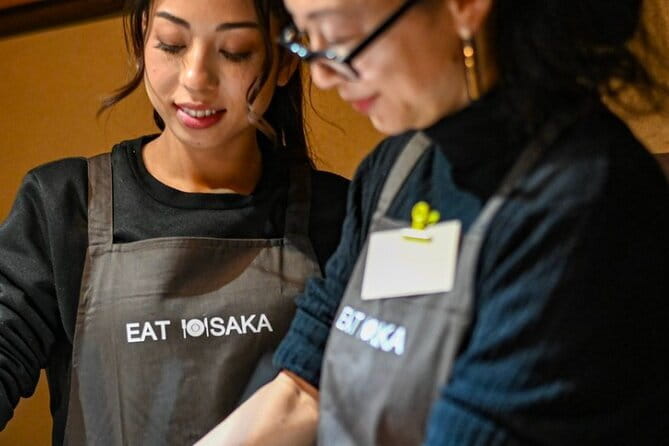
The instructor takes and shares photos during the class. You should still confirm any personal preferences at the start, particularly if children are involved, but the photos are included rather than sold as an extra package.
For children, the activity has several advantages. It is short, active, and ends with food they helped make. The reported family setup included children ages 4 and 10, and the class format is suitable for both kids and adults with no previous cooking experience.
The foot-kneading is likely to be the highlight for children, but it may also be the step that makes clothing messy. Wear simple clothes and shoes that are easy to manage. Do not book this as a polished, formal lunch experience. Book it as a friendly kitchen activity that happens to end with an excellent bowl of noodles.
My verdict: book it if you want to make lunch, not just eat it
I recommend the 90-minute handmade udon experience if you want an active Osaka food memory, especially with children or friends. The combination of foot-kneaded Sanuki dough, a freshly cooked bowl, a home recipe, and included photos gives you several useful parts for one short session.
The price is higher than a normal udon meal, and the group setting may not suit everyone. You also need to pay extra for alcohol, tempura, and additional noodles. Still, the class earns its cost by giving you something to do, something to eat, and something you can repeat at home.
Book it for the hands-on lesson and the friendly teaching from Keiko, Nozomi, and the kitchen team. Skip it only if you have a wheat allergy, need a private class, or prefer a quiet meal with no cooking involved.
FAQ
Where does the udon-making class take place?
The class takes place at UDONZIN美糸, also called Udonzin Beat, at 1-chōme-16-17 Shinmachi, Nishi Ward, Osaka, 550-0013, Japan. It ends back at the same meeting point.
How long does the activity last?
The experience lasts approximately 90 minutes.
Can children participate?
Yes. Children age 2 and above can participate. The listed children’s fee is ¥5,000.
Is the class suitable for vegetarians?
Yes, a vegetarian option is available. You must tell the provider in advance about vegetarian needs or other dietary restrictions.
Are drinks and side dishes included?
No. Alcoholic drinks such as sake and beer are not included. Tempura, extra udon, and other side dishes also cost extra.
Can I cancel for a full refund?
Yes. You can cancel at least 24 hours before the local start time for a full refund. Cancellations or changes made less than 24 hours before the activity are not refunded.
Just added around Osaka
- Exclusive Sushi Making Experience with a Master Chef – Osaka Area★ 5.0 · 25 reviews
- Private Home-Style Cooking Class in Osaka with Local Mom Yoshiko★ 5.0 · 46 reviews
- Hidden Osaka – Yukaku Red Light Tour & Culinary Adventure★ 4.8 · 96 reviews
- Osaka: Walking Tour and Top Highlights★ 4.8 · 104 reviews
- Osaka: Private Ceramic Painting Workshop★ 5.0 · 13 reviews
- Pickleball in Osaka, Kobe & Kyoto with Locals!★ 4.7 · 80 reviews
- Eat Like a Local in Osaka – Private Custom Street Food Tour★ 4.3 · 33 reviews
- Osaka:SUMO BEATS SHOWCASE: Taiko Drum and Wagyu burger!★ 4.2 · 37 reviews
Traditional Crafts, compared.
Tokyo Sumo Experience: Chanko & Mochi with a Former Pro
Our verdict →
Kintsugi Experience: Art of Golden Joinery in Tokyo
Our verdict →
Matcha Making Experience with Mochi Sweets in Asakusa
Our verdict →
Authentic knife making experience at a blacksmith in Kyoto
Our verdict →
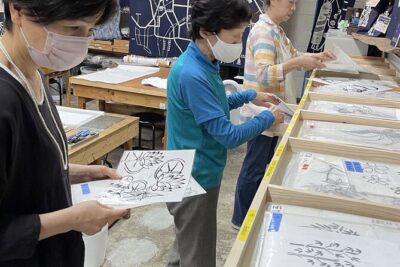
Roketsu dyeing experience: M course Roketsu Dyeing Experience
Our verdict →Browse the lists this tour appears in