
Reviewed · SUMO EXPERIENCES
Watch Sumo Morning Practice at Stable in Tokyo
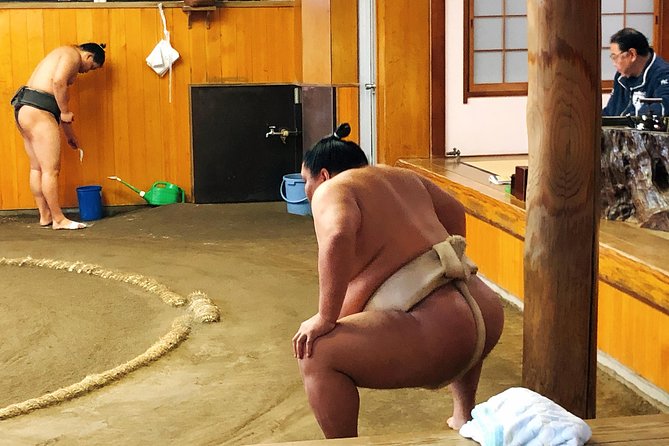
The most interesting thing here is the setting: you are not watching a polished stage show. You sit quietly inside a working sumo stable while professional wrestlers prepare, train, advise one another, and collide in the dohyo. It is a close look at a private Japanese tradition that most visitors never see.
I like the slow build from stretching to hard sparring, and I like the small-scale setting, where the wrestlers can feel remarkably close. The included photo opportunity is another useful touch. The catch is simple but serious: you may sit on the floor for up to two hours, often in near silence, and the guide may provide little explanation.
- See the full training rhythm: Warm-ups, ritual movements, drills, sparring, and cooldown may all be part of the morning.
- Watch from close range: The stable setting puts you near the action, though your view depends on your seat.
- Expect a quiet visit: Eating, loud talking, bright flash, and intrusive camera sounds are not appropriate.
- Plan for floor seating: A chair or small stool may be available by request, but seating is limited.
- Allow extra time: Practice can last 30 to 40 minutes during Tokyo tournament season, or 60 to 90 minutes at other times.
- Know the booking risk: The stable and exact schedule may be confirmed only about one week before your visit.
Inside a Tokyo Sumo Stable
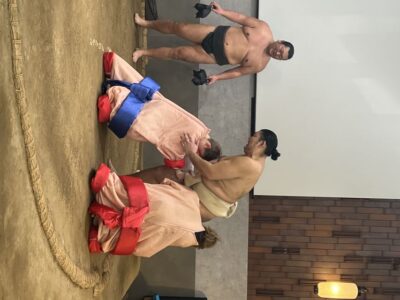
Sumo practice is not arranged for tourists. That is the point. You enter a place where wrestlers train as they normally would, then take a quiet seat to the side of the dohyo, the raised ring used for sumo.
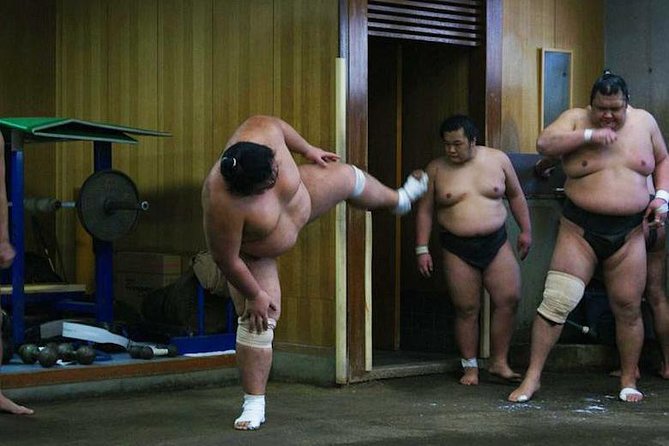
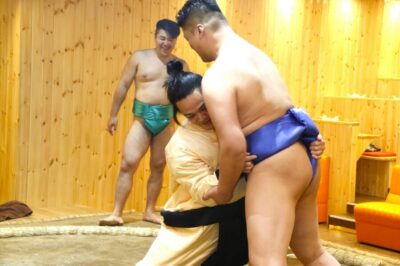
The morning usually begins with stretching and basic exercises. You may see wrestlers work through repeated movements before moving into more forceful drills. As practice continues, the atmosphere changes. The early exercises can look slow and repetitive, but they prepare the body for the sudden impact of sparring.
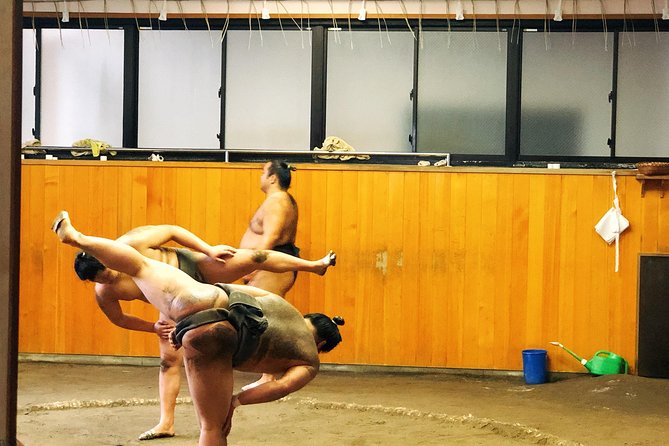
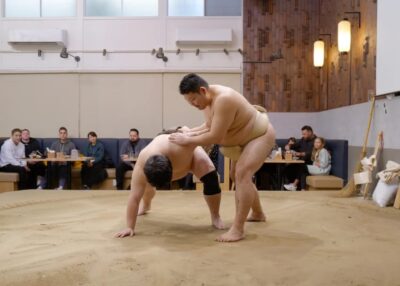
The best part comes when the wrestlers begin facing one another. The charge, collision, footwork, balance, and sheer force are much easier to understand from a few feet away than from a distant tournament seat. This is not entertainment in the usual sense. You are watching athletes train, so the pace may be uneven and some exercises may repeat for a long time.
I especially like the glimpses of the stable’s working character. Wrestlers may tease one another, offer advice, or support less experienced members. That small human detail helps you see sumo as a team environment as well as an individual contest.
What Happens at Ryogoku Kokugikan
The listed stop is Ryogoku Kokugikan, the major sumo venue in Tokyo’s Ryogoku district. The actual practice stable and meeting instructions can vary, and the precise location may be sent only a few days before the visit or confirmed about a week ahead.
You make your own way to the arranged meeting point. After meeting the guide and the rest of the group, you go inside the stable and settle in. The prearranged meeting spot is useful because a sumo stable is not always an obvious public attraction, and some locations can be difficult to find without the Japanese address.
Plan your route carefully. One account recommends taking a taxi from Asakusa because the walk can be long and the entrance may be hard to locate. If you use a taxi, carry the address in Japanese. English may not be enough for every driver.
Arrive early if you want the best chance at a clear view. The audience sits low, and even a person in front of you can block much of the dohyo. A coach’s sitting cushion has obstructed one participant’s view almost entirely, so your position matters more than it would in a normal theater.
The booking details set a maximum of 10 people, though the available seating and arrangement can still feel close. You may find chairs or stools, but they are limited and can offer a poorer view. Ask for one in advance if your knees, hips, or back make floor sitting difficult.
More Sumo Experiences in Tokyo:
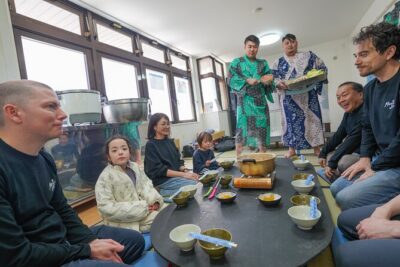
- Tokyo: Sumo Show Experience with Chicken Hot Pot and a Photo
★ 4.8 · 6,678 reviews - Tokyo: Sumo Show and Dining Experience
★ 4.8 · 2,742 reviews - the SUMO show
★ 5.0 · 1,960 reviews
From Quiet Warm-Ups to Hard Contact
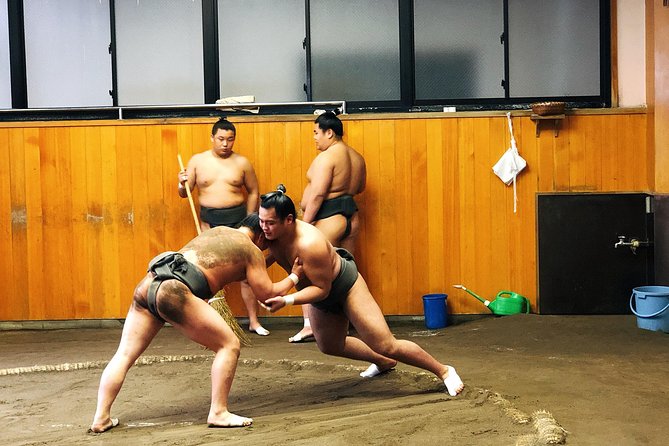
The practice is valuable because it shows the parts of sumo that a tournament broadcast often skips. You see the preparation before the spectacle: the stretching, repetition, stance work, and patient buildup.
Sumo can look ceremonial from the outside, but the training is demanding. The wrestlers repeat movements with care, then test their strength and timing against one another. The first contact can be startlingly heavy. Even without a guide explaining every rule, you can see the contrast between controlled preparation and explosive impact.
You need to adjust your expectations. This is not a lesson with constant commentary, and it is not a match where every minute brings a new result. Some sessions include a long stretch of warm-up exercises, followed by a shorter period of contact practice. One schedule described a full visit of about 90 minutes, while other sessions have run closer to an hour.
The activity information gives a broad range of 60 to 90 minutes. It also warns that the ending time varies each day. During Tokyo tournament periods in January, May, and September, usually around the 15th to 25th, practice may last only 30 to 40 minutes. The price remains the same, so check the dates before booking if seeing a long session matters to you.
Tournament months can affect the stable schedule in another way. Tournaments take place in other parts of Japan during some months, and the stable may be closed. Exact dates change each year, and the condition of the practice can only be confirmed close to the visit.
Silence Is Part of the Experience
Inside the stable, you are expected to behave like a respectful observer. Do not eat, talk loudly, use a bright flash, or record with a camera that makes intrusive sounds.
That quiet can feel unusual. It also lets you notice small things: footwork, breathing, repeated gestures, coaching, and the sound of bodies hitting the ring. If you treat the session as a live training room rather than a show, the silence feels appropriate.
The tradeoff is that some people leave with questions. You may want to know how rank works, what a particular ritual means, or why a wrestler repeats one exercise so many times. Some visits include a guide who discusses sumo history and practice, while others provide little more than an escort into the stable.
If explanation matters to you, ask before booking how much guiding is included and whether the guide speaks your language. The experience is strongest for someone happy to observe closely without needing a running commentary.
Reading about the hierarchy and basic rules before you go will help. Watching Sanctuary on Netflix was also suggested as useful preparation, though the activity itself remains a real practice session rather than a screen version of sumo.
The Floor-Seating Question
The floor is the biggest practical issue. You may sit on a thin mat over a hard surface, with your legs tucked or folded for much of the session. People with back, knee, or hip problems should take this warning seriously.
A chair or stool may be available on request, but there may not be enough for everyone, and a raised seat can put you behind other people or give you a weaker view. If comfort matters more than a front-row position, ask about seating before you arrive.
You should also dress for an early morning visit. The activity begins around 8:00 AM on the available Monday through Saturday dates, and February mornings in Tokyo can be cold. The provided schedule includes February 2 to 14, March 31 to April 30, and May 1 to 9, 2026, but stable availability can change.
Children under 13 cannot join. Most people can participate, but you must be able to sit on the floor for an extended period unless another arrangement is confirmed.
More Morning Tours in Tokyo:
- Tokyo: Sumo Morning Practice Viewing Tour
★ 4.8 · 570 reviews - Tokyo: Sumo Morning Training Visit
★ 4.4 · 370 reviews - Tokyo: Sumo Morning Practice Tour at Sumida City
★ 4.8 · 308 reviews - Tokyo Sumo Morning Practice Tour at Stable
★ 5.0 · 298 reviews
Photos With the Wrestlers
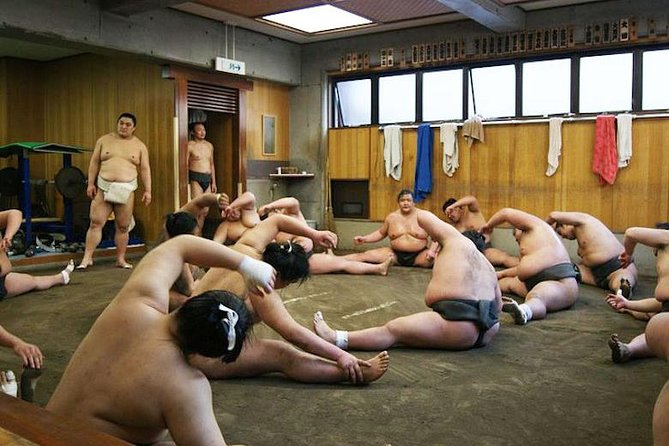
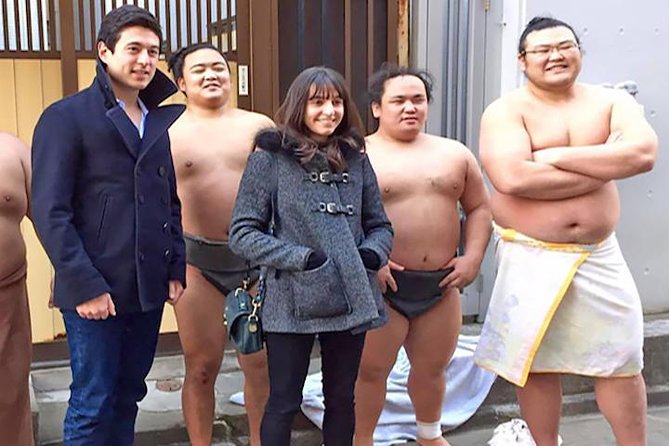
After practice, there is time for photos with the wrestlers. This is included in the entrance fee and can be a memorable finish, especially after watching the athletes work at such close range.
Do not count on an exact photo time. Practice may run longer than expected, and one scheduled session ended late enough that the photo opportunity was missed. If you have a train, meal, or another morning booking, leave plenty of room afterward.
The photo session is brief and organized, not a long personal meeting. Still, it gives you a keepsake that a tournament ticket alone cannot provide. You have seen the wrestlers train, then get a quick picture at the end.
Is $95.77 a Fair Price?
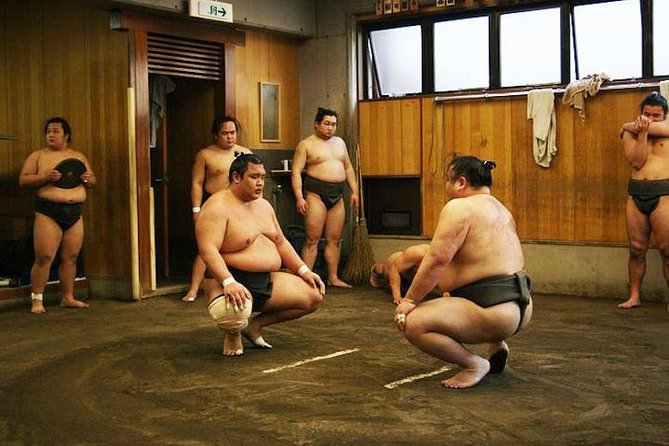
At $95.77 per person, this is not a cheap sightseeing stop. The fee pays for access to a setting that is normally closed to casual visitors, plus the entrance arrangement and photos. You are also paying for help reaching a place that can be confusing to find.
The value depends on what you want from Tokyo. If you are interested in sumo, Japanese customs, or close-up sports training, the price can make sense. The experience offers something a stadium match cannot: a view of the daily work behind the public contest.
The value is weaker if you expect a guided cultural lecture, guaranteed two-hour practice, or comfortable seating. You may spend much of the session watching repetitive exercises in silence. During tournament season, you could receive only 30 to 40 minutes of practice for the same price.
Group discounts are available, which may help families or friends. The activity accepts mobile tickets, and confirmation is sent within 48 hours when space is available. Because the stable schedule is not firm far in advance, avoid building a tight morning around this visit.
Booking, Changes, and Timing
You can cancel for a full refund at least six full days before the start time. Cancellation two to six full days before the activity receives a 50 percent refund, while cancellation less than two full days before the start time is not refunded.
Changes are not accepted inside the stated short-notice period, and the activity information also warns that date changes are not allowed within three days. Treat your date as fixed once you are close to departure. Flight delays, illness, or similar problems are handled as cancellations rather than free changes.
The activity requires good weather under its cancellation policy. If poor weather causes cancellation, you are offered another date or a full refund. Since the stable schedule itself can also change, check your messages and the final meeting details before leaving for the venue.
Who Will Enjoy This Most?
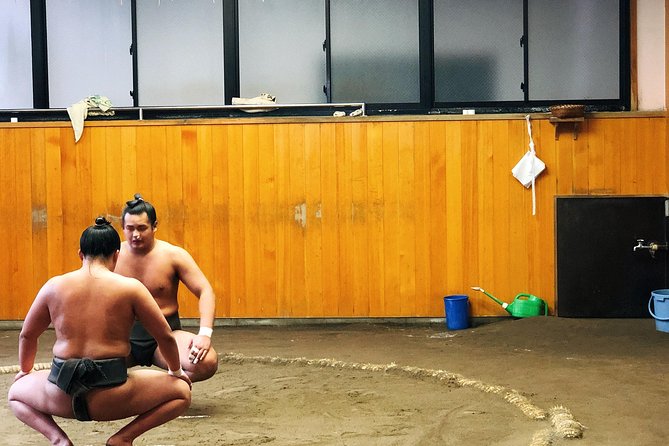
I would recommend this to someone who already has some interest in sumo or who enjoys watching real work rather than staged performances. It suits patient observers, sports fans, photographers who can follow the no-flash rules, and people looking for a less familiar side of Tokyo.
Families with teenagers can enjoy it, provided everyone can remain quiet and sit through the session. The minimum age is 13. A family that expects action from the first minute may find the warm-up slow, but the gradual move toward sparring can hold attention.
I would hesitate to recommend it to anyone with serious difficulty sitting on the floor. I would also steer away anyone who needs detailed explanations throughout. The guide may provide useful background, but the level of commentary is not guaranteed.
For the best experience, learn a little about sumo rank and rituals first, arrive early, bring the Japanese address, request a stool if needed, and leave your schedule open after the practice. Those small steps solve most of the practical problems.
Should You Book the Sumo Morning Practice?
Book it if you want a genuine look at how sumo wrestlers prepare, and if you can accept silence, uncertain timing, and hard floor seating. The close view of warm-ups and full-force sparring can be one of the most memorable cultural experiences in Tokyo.
Skip it if you want a polished show, a guaranteed two-hour program, or a lecture with every ritual explained. The strongest reason to go is the access itself: you sit quietly beside a working stable and watch a serious training session unfold at close range.
FAQ
How long does the sumo practice last?
The practice usually lasts between 60 and 90 minutes, but the ending time varies. During Tokyo tournament season in January, May, and September, it may last only 30 to 40 minutes.
Where does the activity start?
The meeting point is in Tokyo, with Ryogoku Kokugikan listed as the itinerary stop. The exact stable location and meeting details may be confirmed close to the visit.
Do I sit on the floor?
Yes. You should be prepared to sit on the floor for an extended period. A chair or stool may be available on request, but seating is limited.
Can I take photos during practice?
You should not use bright flash or a camera with intrusive sound. Photos with the wrestlers are included at the end, subject to the practice ending on time.
Is food included?
No. The activity does not include food or beverages.
What is the minimum age?
The minimum age is 13.
Can I cancel for a refund?
You can receive a full refund if you cancel at least six full days before the start time. Cancellations two to six full days ahead receive a 50 percent refund, while cancellations less than two full days ahead are not refunded.
Just added around Tokyo
- Kawagoe Japanese Food Tour : Unagi Kaiseki and Sake near Tokyo★ 5.0 · 30 reviews
- Kawagoe 4hr Private Tour with Licensed Guide (Kawagoe Dep)★ 5.0 · 13 reviews
- Little EDO Sushi Making workshop in Kawagoe★ 5.0 · 18 reviews
- 【R34】Tokyo:Private Daikoku tour in Modified R34★ 4.9 · 92 reviews
- :Tokyo,Shibuya/ Pro Photography in Kimono / English-Friendly★ 5.0 · 26 reviews
- Tokyo:Celebrate Unique Japanese New Year Tradition Festivity★ 3.9 · 20 reviews
- Tokyo: Allstar Food Tour★ 4.7 · 29 reviews
- Tokyo: West-Side Cycling and Food Tour with Guide★ 5.0 · 37 reviews
Sumo Experiences, compared.
Sumo Show Experience with Chicken Hot Pot and a Photo
Our verdict →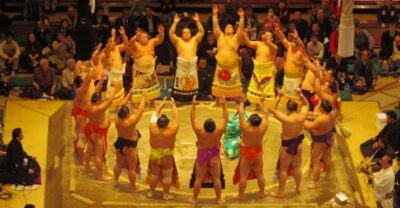
Authentic Sumo Experience in Tokyo: Enter the Sanctuary
Our verdict →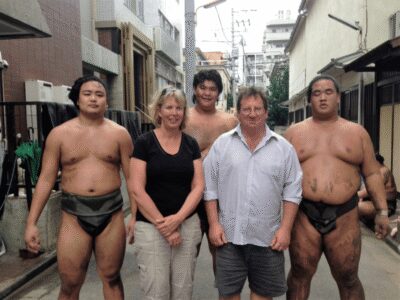

Browse the lists this tour appears in