
Reviewed · SUMO EXPERIENCES
Tokyo: Sumo Morning Practice with Photo Banzuke and Guide
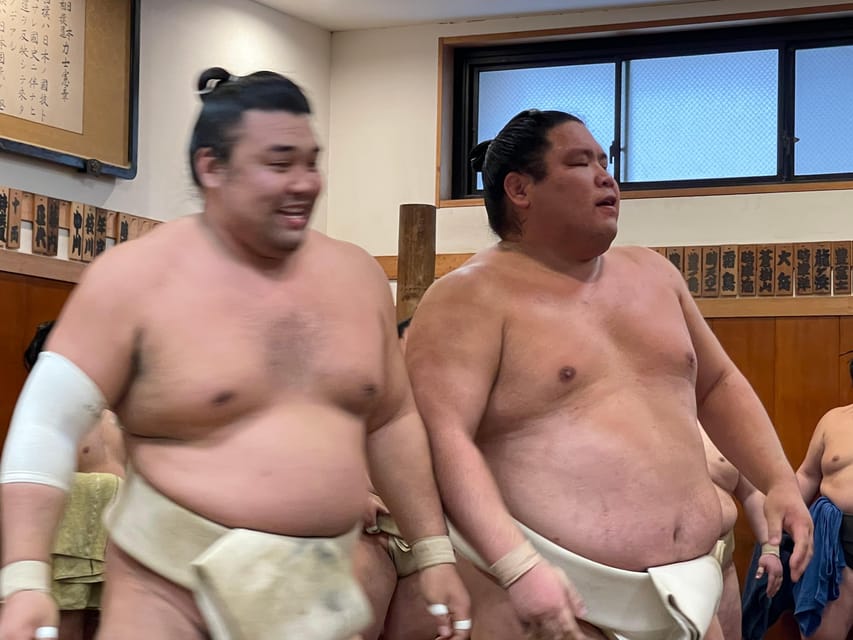
Sumo practice is not a polished stage show. It is a close, quiet look at Japan’s national sport, where huge athletes repeat the same moves with serious focus. You sit in chairs inside a working stable and watch wrestlers train for their next match. I especially like the rare access and the chance to see sumo outside the short tournament season.
I also like the small group of no more than nine people, which should make it easier to hear the guide and ask questions. The main concern is timing: the experience is advertised as seven hours, and one recent booking found it longer than expected. You must also arrive on time, since late arrivals can hold up a group visit to a place that follows its own schedule.
Key points to know before booking
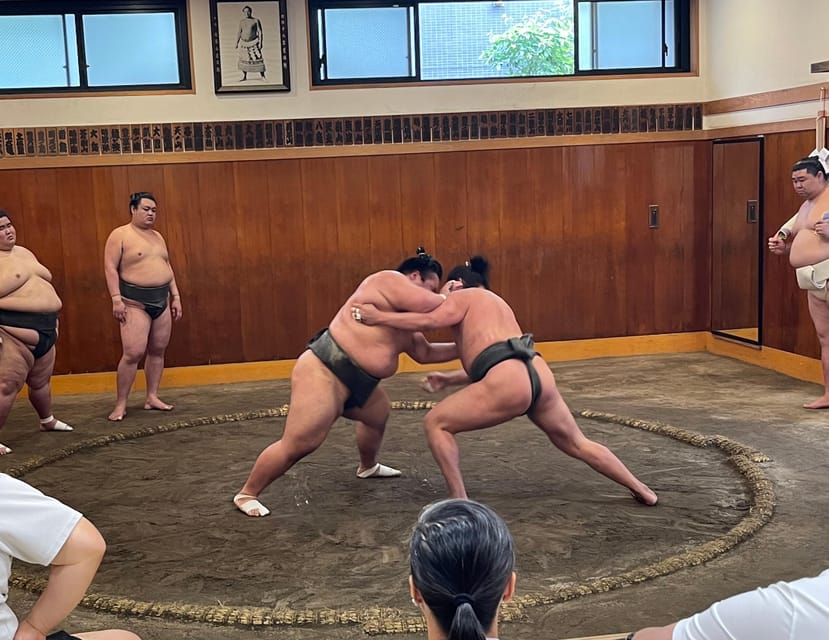
- Watch real morning practice at a sumo stable, not just a tournament performance.
- Sit in chairs during the session, a useful comfort point during a long period of watching.
- Learn how sumo works, including its traditions and the basics of a sport with no weight classes.
- Meet near FamilyMart at Exit B1 of Kiyosumi-Shirakawa Station, and arrive early.
- Travel in a small group of up to nine people, with an English-speaking local guide.
- Allow the full seven hours, even though the listed walking and guided segments may not account for every part of the day.
Why a morning stable visit feels different from a tournament

The appeal here is the setting. Sumo tournaments take place for only 90 days of the year, so a morning practice gives you another way to see the sport when no tournament is taking place. You are not watching a staged cultural performance built for sightseeing. You are observing wrestlers as they train inside a traditional stable.
That difference matters. A tournament gives you a formal contest, a large crowd, and a full day of matches. Practice offers repetition, preparation, and a closer look at the work behind the spectacle. You may see wrestlers practice their moves and compete against one another as they prepare for a future bout.
Sumo also has no weight class. That simple fact changes how you read the action. The wrestlers are not divided into groups by size, so a bout can involve athletes with very different builds. The sport is about power, balance, timing, and technique, not just bulk.
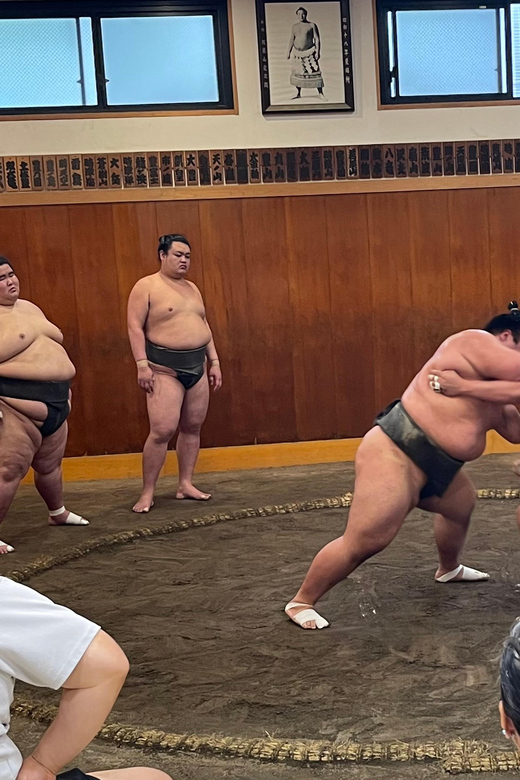
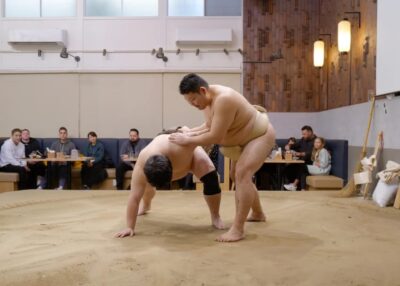
The viewing arrangement is practical rather than luxurious. You sit in chairs, which is welcome during a lengthy session and easier than sitting on the floor. The close setting lets you notice the force of each movement, but you should remember that this is a working place. The wrestlers are there to train, not to entertain a tour group.
More Sumo Experiences in Tokyo:
- Tokyo: Sumo Show Experience with Chicken Hot Pot and a Photo
★ 4.8 · 6,678 reviews - Tokyo: Sumo Show and Dining Experience
★ 4.8 · 2,742 reviews - the SUMO show
★ 5.0 · 1,960 reviews
Meeting at Kiyosumi-Shirakawa Station
Your starting point is Exit B1 at Kiyosumi-Shirakawa Station, near a FamilyMart convenience store. The meeting point is designed to work for people arriving by train, taxi, or another form of transport. The guide waits at the exit so taxi users can find the group without searching through the station.
I would arrive early and stand clearly near the front of the FamilyMart. One booking specifically asked for more precise directions about waiting outside the store, so this is one spot where a few extra minutes can save stress. The meeting instruction is simple, but Tokyo stations can still be confusing if you are rushing.
Punctuality matters more than usual. The activity takes place at a stable with its own training routine, and the group cannot simply reset the visit for a late arrival. If you are delayed, contact the provider. They may try to help, but the group schedule comes first.
This is also a good reason to avoid planning a tight connection before or after the visit. The advertised duration is seven hours, and the precise starting time depends on availability. Keep your day open rather than trying to squeeze in a major museum or another timed booking.
The walk and arrival at the stable
The first guided portion is listed as about 15 minutes, followed by a longer guided visit of about two and a half hours. The route also includes two walks of roughly 10 minutes each. These details suggest a fairly compact journey from the station, rather than a long cross-city transfer.
The stable is only about 14 minutes from Otemachi or Tokyo Station, according to the activity information. That makes the location convenient if you are staying near central Tokyo or want to connect with the city center afterward. Still, use the stated meeting point rather than heading directly to a stable. The exact stable location is not given as a public self-guided destination.
On arrival, follow the guide’s instructions closely. A sumo stable is a private training environment, even when it permits observation. Quiet behavior and patience are part of the experience. The goal is to watch without turning practice into a disruption.
The guide’s role is important here. The physical action is easy to notice, but the meaning behind it is less obvious if you are new to sumo. A local English-speaking guide gives you the basic framework needed to understand what you are seeing, rather than leaving you with only dramatic photos of large athletes pushing and grappling.
What you see during the 2.5-hour practice
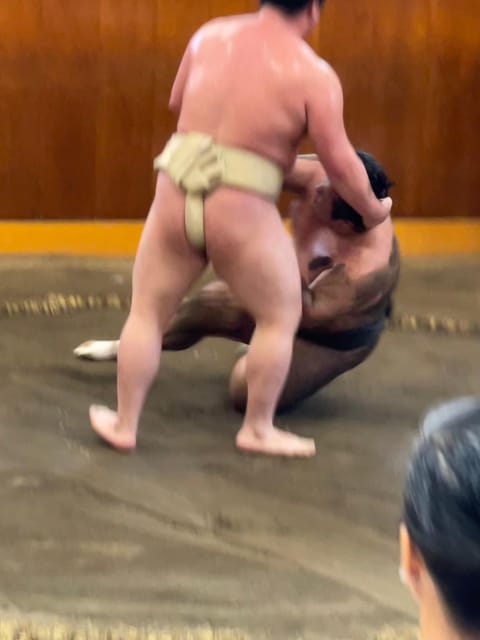
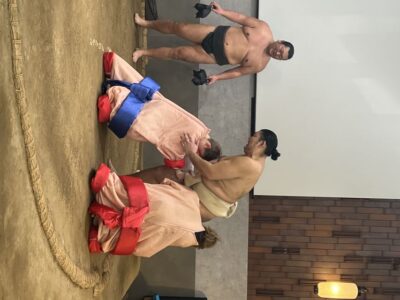
The main event is the morning practice itself. You watch wrestlers train and compete inside a traditional sumo stable, close enough to feel the force of the movement. The activity specifically promises a chance to watch wrestlers practice their moves as they prepare for their next major match.
Expect the session to include repetition. Training is not a series of neatly timed highlights. The value comes from seeing the discipline of the routine and the way strength is built through practice. You might find some periods more intense than others, and not every moment will feel dramatic.
That is a useful expectation to set. If you want constant action, a tournament may suit you better. If you want to understand how wrestlers prepare, this setting offers something a ticketed match cannot provide. You get a look at the work behind the public contest.
The chairs are a real advantage. You are not expected to stand through the practice, and you have a stable place from which to watch. Bring comfortable shoes anyway, since the experience includes walking before and after the visit.
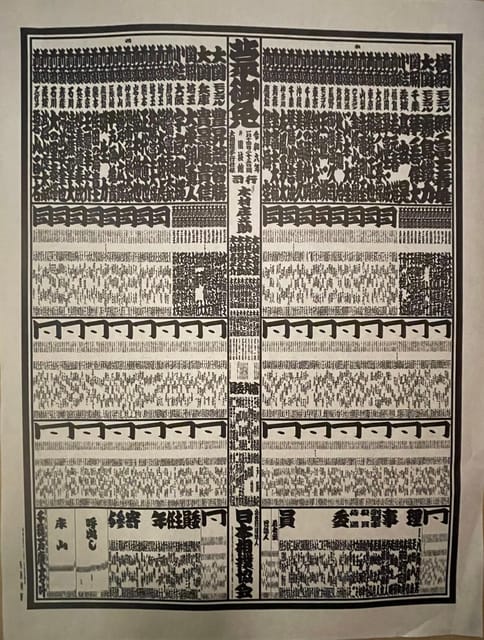
Photography is part of the plan, but follow the guide’s instructions about when and how to use your camera. The activity includes a photo stop after practice, and the title refers to a photo banzuke. The supplied details do not explain exactly how the photo banzuke is presented, so treat it as a planned photo element rather than assuming a specific souvenir or printed item.
The close distance can make the session feel powerful. Sumo’s size is easy to understand from television, but less easy to grasp until you see the wrestlers move in person. At the same time, avoid expecting a meet-and-greet or guaranteed interaction. The included elements are observation, a short presentation, and a local guide.
More Morning Tours in Tokyo:
- Tokyo: Sumo Morning Practice Viewing Tour
★ 4.8 · 570 reviews - Tokyo: Sumo Morning Training Visit
★ 4.4 · 370 reviews - Tokyo: Sumo Morning Practice Tour at Sumida City
★ 4.8 · 308 reviews - Tokyo Sumo Morning Practice Tour at Stable
★ 5.0 · 298 reviews
The guide’s presentation makes the action easier to read
After practice, the guide gives a short presentation on the basics of sumo. This is an important part of the experience because the sport has its own rules, customs, and vocabulary. Without context, you may see two large men collide and miss the details that make the contest meaningful.
The presentation is meant to give you something useful to take home, not just a set of attractive photographs. You learn about sumo’s history and traditions, the basic structure of the sport, and the unusual fact that there are no weight classes.
The guide also helps connect the practice to the larger world of sumo. Since tournaments are held only during part of the year, this explanation gives the morning visit more weight. You are not simply filling time between sightseeing stops. You are learning why access to a practice stable is unusual.
The strongest praise in the available feedback focuses on the guide’s explanations and friendly manner. One guide was described as especially good at explaining the subject, while another was praised for being friendly and well informed. No guide name is provided, so do not book this expecting a particular named host.
The photo stop and the rest of the day
A 15-minute photo stop follows the practice. This gives you a clear moment to take pictures rather than trying to handle your camera constantly during training. It also gives the group a natural pause after the most concentrated part of the visit.
The schedule then includes two walks of about 10 minutes each before returning to Kiyosumi-Shirakawa Station. The listed sections add up to less than seven hours, so I would not treat the shorter walking estimates as a promise that you will be finished in roughly three hours and 20 minutes. The advertised duration is seven hours, and the day’s pace can be affected by the stable’s routine, group movement, and late arrivals.
One booking found the experience a little long and left early to make better use of a sunny day in Tokyo. Leaving early may be possible, but it is polite to tell your guide in advance. Since this is a group activity, departing without warning can be awkward, especially if the guide is managing a small party.
My advice is simple: book this as a central activity for the day, not as a brief morning add-on. If you have only one free day in Tokyo, a seven-hour commitment deserves careful thought. If you have room in your schedule and want a close look at traditional sport, the length gives the subject time to breathe.
Is $115 a fair price?
At $115 per person, this is not a cheap photo stop. The price pays for more than transportation to a neighborhood and a quick look inside a stable. You are paying for access to a practice session that only a select number of Japan’s 44 operating stables allow, plus an English-speaking guide and the explanation that makes the session easier to understand.
The value depends on what you want from Tokyo. If you simply want to see a sumo wrestler, the price may feel high. If you care about how the sport is practiced and want a small group rather than a large organized crowd, the cost is easier to justify.
The group limit of nine is one of the better features. You are less likely to feel lost in a crowd, and the guide has a reasonable chance to answer questions. The experience also includes chair seating, a practical benefit during a long observation period.
The booking terms reduce some risk. You can cancel up to 24 hours ahead for a full refund, and you can reserve now and pay later. The activity is listed as wheelchair accessible, though the provided details do not explain the exact route or seating arrangements, so ask the provider if you need specific access information.
Children under nine are not permitted. Older children may enjoy the spectacle, but the quiet, extended practice format will suit adults and children who can stay attentive better than very young sightseers.
Who should book this sumo experience?
I would recommend it to you if sumo is high on your Tokyo list, especially if you are visiting outside tournament dates. It also suits anyone who prefers an everyday cultural setting over a polished show. The best audience is curious, punctual, and comfortable giving a serious training environment the respect it deserves.
It is a good choice for first-time visitors because the guide explains the basics in English. You do not need to arrive as a sumo expert. The presentation helps you understand what you watched and gives you useful context for any future tournament or sumo broadcast.
I would hesitate if your Tokyo schedule is packed or if you dislike long, structured activities. The seven-hour duration is substantial, and the day may feel slow if you want constant movement. I would also think twice if your main goal is a full tournament atmosphere, since morning practice is quieter and less formal.
Practical tips for a smoother visit
Wear comfortable shoes for the walks to and from the stable. Bring a camera, but use it with care and follow the guide’s instructions inside the practice space.
Arrive at Exit B1 before the meeting time. Look for the FamilyMart near the exit, and make your position clear rather than waiting somewhere deeper inside the station. If you are running late, contact the provider immediately, but do not assume the group can wait.
Keep the day flexible. The experience is advertised as seven hours, and the group may not move at exactly the pace you expect. If you have an important afternoon reservation, leave plenty of room or choose another day.
Should you book it?
Book this experience if you want a close, respectful look at sumo training rather than a quick photo with a wrestler. The stable access, chair seating, small group, and English explanation give the $115 price a reasonable purpose.
Skip it if you need a short activity or want the noise and ceremony of a tournament. For everyone else, this is one of the more direct ways to meet sumo on its own ground. Arrive early, keep your schedule open, and let the practice unfold at its own pace.
FAQ
Where does the sumo experience meet?
It meets at Exit B1 of Kiyosumi-Shirakawa Station, near a FamilyMart convenience store.
How long does the experience last?
The advertised duration is seven hours. The schedule includes guided portions, a sumo practice session, a 15-minute photo stop, and walking segments.
What language is the tour conducted in?
The live tour guide and presentation are in English.
How many people are in the group?
The group is limited to nine participants.
Can children join?
Children under nine years old are not permitted to join this activity.
Is the experience wheelchair accessible?
The activity is listed as wheelchair accessible. The supplied information does not give further details about the route or seating, so contact the provider if you need specific arrangements.
What should I bring?
Bring comfortable shoes and a camera. Arrive on time, since the group may not be able to wait for late arrivals.
Just added around Tokyo
- Kawagoe Japanese Food Tour : Unagi Kaiseki and Sake near Tokyo★ 5.0 · 30 reviews
- Kawagoe 4hr Private Tour with Licensed Guide (Kawagoe Dep)★ 5.0 · 13 reviews
- Little EDO Sushi Making workshop in Kawagoe★ 5.0 · 18 reviews
- 【R34】Tokyo:Private Daikoku tour in Modified R34★ 4.9 · 92 reviews
- :Tokyo,Shibuya/ Pro Photography in Kimono / English-Friendly★ 5.0 · 26 reviews
- Tokyo:Celebrate Unique Japanese New Year Tradition Festivity★ 3.9 · 20 reviews
- Tokyo: Allstar Food Tour★ 4.7 · 29 reviews
- Tokyo: West-Side Cycling and Food Tour with Guide★ 5.0 · 37 reviews
Sumo Experiences, compared.
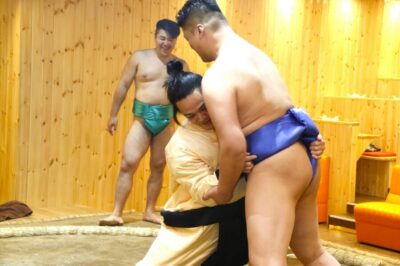
Sumo Show Experience with Chicken Hot Pot and a Photo
Our verdict →
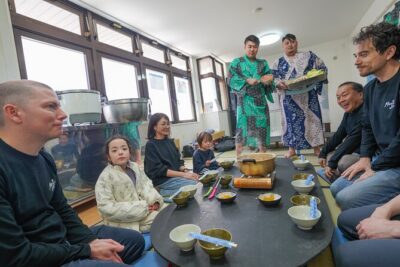
Authentic Sumo Experience in Tokyo: Enter the Sanctuary
Our verdict →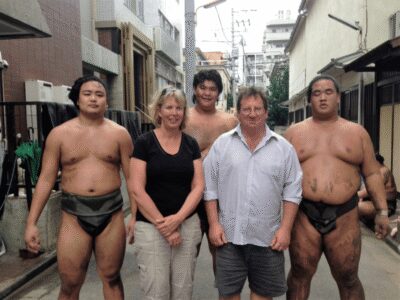

Browse the lists this tour appears in