
Reviewed · SUMO EXPERIENCES
Tokyo: Sumo Morning Practice with journalists. Not fake show
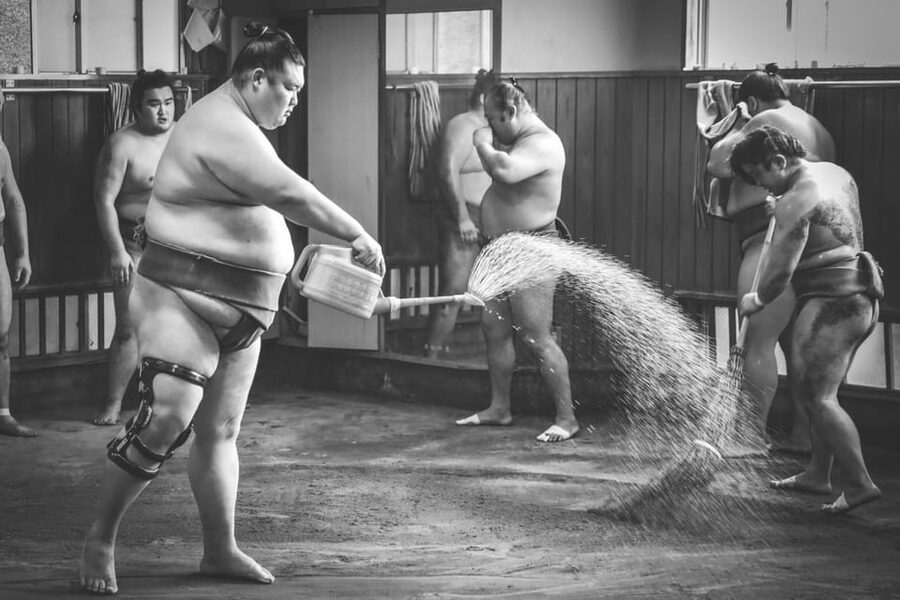
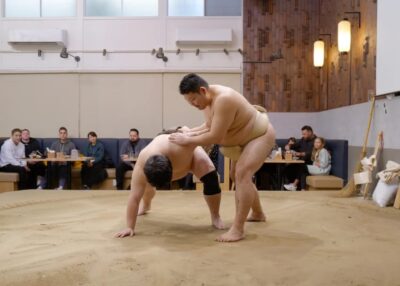
This is real sumo practice, not a staged tourist performance. At Takasago-beya, you sit close to the wrestlers as they work through their morning routine, with no theatrical greeting or packaged demonstration to soften the edges. The stable grants special access, something that is difficult to arrange on your own, even in Ryogoku.
I like two things in particular: the chance to see the sport’s strict daily discipline up close, and the guide’s view from inside sumo journalism. Shinya Setsu and his team explain the rules, ranks, customs, and wrestler life in clear English, often adding funny stories from years of reporting.
The main drawback is comfort. You sit on the floor, must remain quiet during practice, and cannot use flash photography. At $103, this is not a cheap morning activity, but the stable access and expert explanation make the price easier to justify for anyone seriously interested in sumo.
Key points to know before booking
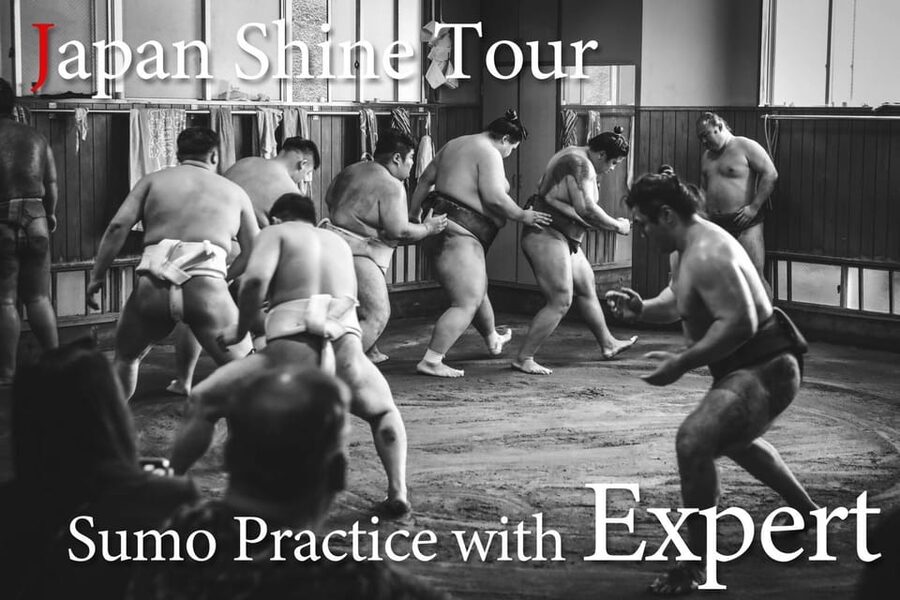
- Watch genuine morning training: You see wrestlers practice inside Takasago-beya rather than attend a staged show.
- Learn from a sumo reporter: Shinya Setsu has covered the sport professionally and brings useful stories beyond textbook facts.
- Expect a quiet, traditional setting: You sit on the floor, remove your shoes, and follow stable etiquette during training.
- Take a commemorative photo: A photo opportunity with the wrestlers is included after practice.
- Finish around Ryogoku: The tour continues near Ryogoku Kokugikan, Edo NOREN, and the station area.
- Plan for an early, punctual start: The group leaves the meeting point on time, so arrive early rather than exactly at the appointed hour.
Why this Tokyo sumo tour feels different
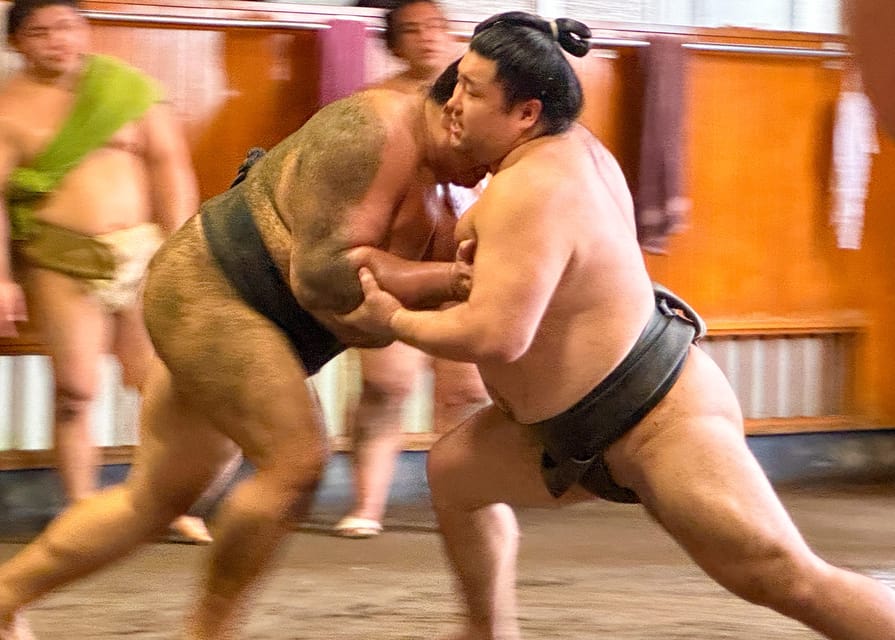
Many visitors first meet sumo through a tournament at Ryogoku Kokugikan. That is a fine way to see official bouts, but a tournament shows only the finished product. This morning visit lets you see the work behind it: repetition, ritual, physical strain, and the quiet rules that shape life in a sumo stable.
You are not watching a performance built around the audience. The wrestlers train whether you are there or not. That changes the mood. You need to observe carefully, keep your voice down, and accept that the morning belongs to the stable first.
That authenticity is the strongest reason to book. The group has special permission from the stable, and access to this part of sumo is not normally available to casual visitors. You get a brief look at a private world that many people in Japan never enter.
The guide also makes a major difference. Shinya Setsu is identified as a national newspaper journalist and sumo specialist, while other sessions have been led by guides such as Shin, Karen, and Ray. Their role is not simply to translate what you see. They explain why the wrestlers do it, how the ranking system works, and where daily customs fit into the larger sport.
More Sumo Experiences in Tokyo:
- Tokyo: Sumo Show Experience with Chicken Hot Pot and a Photo
★ 4.8 · 6,678 reviews - Tokyo: Sumo Show and Dining Experience
★ 4.8 · 2,742 reviews - the SUMO show
★ 5.0 · 1,960 reviews
Meeting at Ryogoku Station
The meeting point is at the ground-level A2 exit of Ryogoku Station on the Toei Oedo Line, outside the Ryogoku HANAWA Building. From the east exit of JR Ryogoku Station, allow about five minutes on foot.
This part matters more than it may seem. The group heads to the stable promptly, and the practice cannot be held up for late arrivals. I would arrive early, especially if you are unfamiliar with Tokyo’s rail stations or are transferring from another part of the city.
The operator sends detailed meeting information before the tour date. Some bookings also include background material and videos about sumo practice, which is useful because the group must stay quiet once training begins.
From the meeting point, the transfer to Takasago-beya takes about five minutes. The short walk keeps the morning focused and avoids wasting time on a long city transfer.
Inside Takasago-beya for morning practice
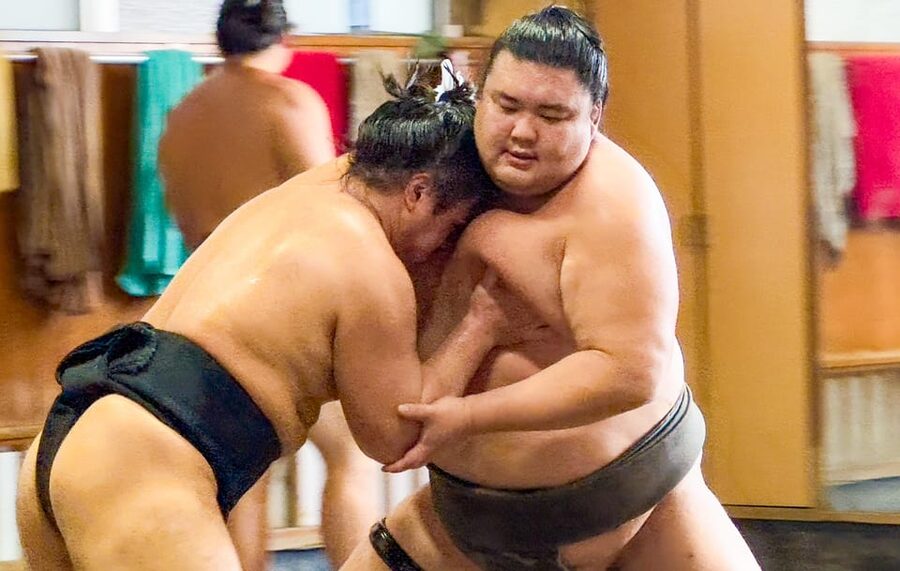
The main portion lasts about two hours, though the actual practice viewing is described as roughly one and a half hours in some sessions. You sit inside the stable and watch the wrestlers train at close range.
The most important thing to understand is that this is observation, not participation. You do not enter the ring or interrupt the wrestlers. You watch the exercises, bouts, warmups, and repeated drills while the guide helps you understand what is happening.
Sumo training can look simple at first. Wrestlers push, brace, stretch, stamp, and repeat movements that seem almost spare. With the guide’s explanation, those actions become easier to read. You begin to notice the effort behind each movement and the discipline required to repeat it every morning.
This is also where the setting matters. A stable is both a training place and a tightly ordered household. Rank affects daily life, and the customs around training are part of the sport. The guide explains the hierarchy, the routines, and the rules that shape the wrestlers’ lives.
You need to remain quiet during practice. That is not a minor request. Sumo stables are working environments, and noise would distract from the training. Read the advance material before you arrive, keep your phone silent, and save questions for the discussion afterward.
Do not bring food or drinks into the stable. Alcohol, drugs, and fireworks are prohibited, and shoes must be removed indoors. Comfortable clothing is essential because you will be sitting on the floor for a substantial period.
Flash photography is not allowed. You can bring a camera, but use it only as permitted and never let taking pictures interfere with the practice. The stable is a place for respectful watching, not a photo studio.
The photo opportunity after training
After the practice, you have a chance to take commemorative photos with the wrestlers. This is one of the most memorable parts of the morning, but it comes after you have followed the stable’s rules and allowed the training to finish without interruption.
The photo session gives the visit a personal ending. During practice, you are an observer. Afterward, the atmosphere becomes more relaxed, and you can leave with a concrete memory of the morning.
The exact photo arrangements may depend on the stable and the day’s schedule, so you should treat it as an included opportunity rather than expect a long private meeting with every wrestler. The value is in the access itself, not in turning the visit into a meet-and-greet event.
More Shows & Performances in Tokyo:
- Tokyo Shinjuku Sumo Show & Experience with Photo
★ 5.0 · 1,750 reviews - Tokyo: Samurai Restaurant Show Ticket with 2 Drinks
★ 4.5 · 1,307 reviews - Tokyo: Sumo Show and Experience in Shinjuku
★ 4.8 · 1,001 reviews - Tokyo:Luxury Sumo Show Experience & Japanese cuisine & Drink
★ 4.7 · 577 reviews
Stories, questions, and the world beyond the ring
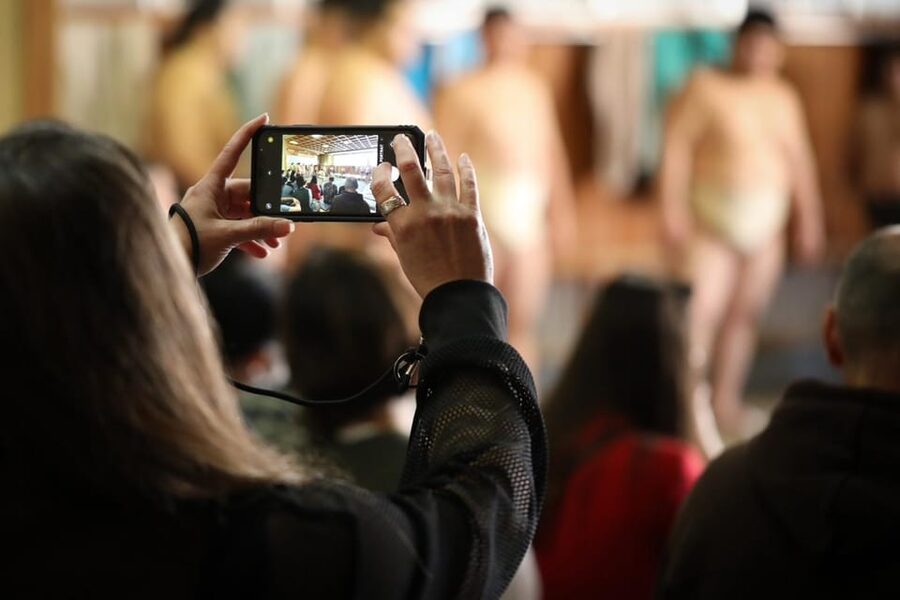
The guide’s explanation after practice is where many visitors gain the most from the tour. You can ask the questions that occur to you while watching: how wrestlers advance, what the rankings mean, how stable life is organized, and how the rules work during a match.
Shinya Setsu’s reporting background adds useful color. He can connect what you saw that morning with famous bouts, notable wrestlers, and the public side of the sport. The guides have also shared videos, documentary links, and extra material after the tour, which is helpful if you want to keep learning once you leave Ryogoku.
This discussion also helps if you are new to sumo. You do not need to know the names of every wrestler or understand the ranking system in advance. The guide gives you a framework, then points out what to watch.
If you already follow sumo on television, the tour can work on another level. You see the physical work behind the televised bouts and gain a better feel for how much preparation goes into a few seconds in the ring. One practical suggestion is to ask before practice which wrestlers are especially notable that day, so you know who to watch.
Ryogoku’s sumo sights after the stable
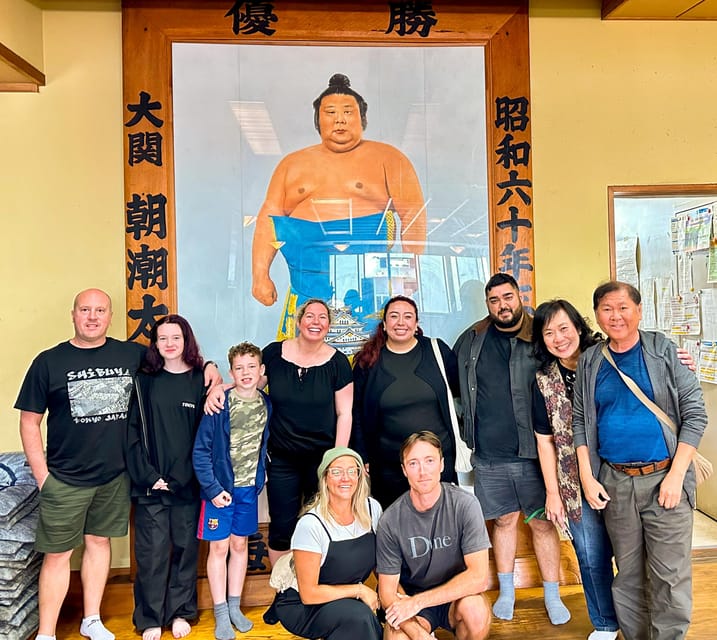
The tour continues through the Ryogoku area and finishes at Ryogoku Station. The published route includes Ryogoku Edo NOREN for about 30 minutes, with the wider area around Ryogoku Kokugikan also used for explanations and sightseeing.
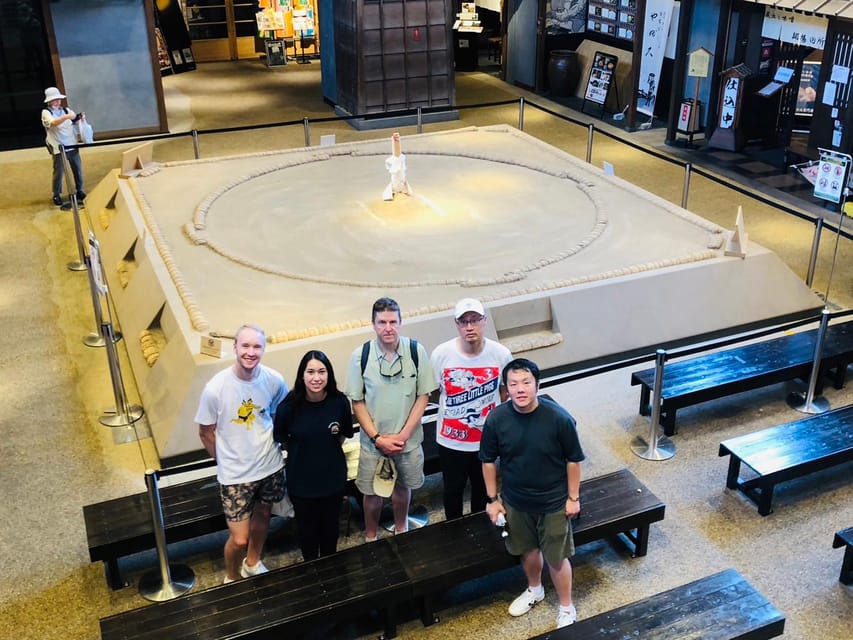
You may pass a sumo shop, a museum area, or the stadium surroundings depending on the day’s plan. Do not assume that you will enter the tournament hall or step onto the actual tournament ring. One participant expected a visit to the stadium ring but found that the stop involved a nearby replica instead.
That is a useful distinction. The stable visit is the core experience. The later walk adds context about Ryogoku’s connection to sumo, but it should not be the reason you book. If you have already spent time around the stadium, the shop stop may feel less essential. The area is still a convenient place to ask final questions and continue exploring on your own.
The tour ends at Ryogoku Station, making it easy to continue with nearby sights or return to central Tokyo. Meals and drinks are not included, so plan breakfast before or after the activity.
Is $103 a fair price?
At $103 per person, this costs more than a casual museum visit or a simple neighborhood walk. You are paying for something less ordinary: access to a working sumo stable, permission arranged in advance, an English-speaking specialist, and a small window into a part of Japanese culture that is normally closed to visitors.
The price makes the most sense if you tried and failed to get tournament tickets, are visiting outside a tournament period, or have a serious interest in sumo. It can also be worthwhile for someone who wants a cultural experience with real local rules rather than a polished tourist presentation.
The value is weaker if you want a fast photo stop, dislike sitting on the floor, or expect a full match. There are no competitive bouts in the tournament sense, no meal, and no promise that a particular star wrestler will be present. You are paying for access to practice and expert interpretation.
Comparable sumo training experiences tend to sit in a similar price range because stable access is restricted. This tour offers a reasonable return if you make use of the guide’s time, ask questions, and pay attention to the details around training.
Who will enjoy this experience most?
I would choose this tour for:
- First-time visitors who want to understand why sumo matters in Japan.
- Existing sumo fans who want to see training away from the tournament arena.
- Visitors who could not obtain tournament tickets.
- People interested in Japanese customs, rank, discipline, and traditional sports.
- Anyone who values a specialist guide and a real working setting.
I would think twice if you need a chair, are traveling with a baby under one year old, or find quiet observation difficult. Babies under one are not suitable for the activity, and baby carriages are not allowed.
The accessibility information needs careful attention. The activity details mention wheelchair accessibility, but the specific instructions say the traditional stable setup is not suitable for wheelchair users and excludes electric wheelchairs. Since you sit on the floor and remove your shoes, contact the operator before booking if mobility is a concern.
Practical advice for a smooth morning
Arrive early. The tour leaves from the meeting point on time, and missing the transfer could mean missing the stable visit.
Wear loose, comfortable clothing. You will sit on the floor and may remain in that position during a long practice. Shoes must come off indoors, so clean, easy-to-remove footwear is sensible.
Read any advance emails, videos, and background material. Knowing the basic exercises and customs lets you watch more intelligently, especially since you cannot talk during practice.
Bring a camera, but do not use flash. Keep your phone quiet and wait until the proper time for questions and photos.
Finally, keep your expectations realistic. This is a rare look at training, not a guaranteed appearance by a particular champion and not a substitute for a tournament ticket. The reward is seeing the daily work that makes the public bouts possible.
Should you book this Tokyo sumo experience?
Book it if you want authentic access, strong explanations, and a close look at sumo training. The practice at Takasago-beya is the clear centerpiece, and the journalist guide adds value that a simple viewing visit would not provide.
Skip it if you want a match, a restaurant meal, or a comfortable chair. For everyone else, especially visitors traveling outside tournament dates, this is one of the better ways to understand sumo as a way of life rather than just a sport on television.
FAQ
How long does the sumo morning practice tour last?
The full experience lasts three hours. It includes about two hours at Takasago-beya, short transfers, and a 30-minute guided portion around Ryogoku Edo NOREN and the station area.
Where does the tour meet?
It meets at the ground-level A2 exit of Ryogoku Station on the Toei Oedo Line, at the Ryogoku HANAWA Building. It is about a five-minute walk from the east exit of JR Ryogoku Station.
Is the sumo practice real or staged?
It is a live morning practice at Takasago-beya, arranged with special permission from the stable. It is not presented as a staged tourist show.
Can I take photos during practice?
You may bring a camera, but flash photography is not allowed during practice. A commemorative photo opportunity with the wrestlers is included after training.
Can I ask questions about sumo?
Yes. The guide provides time for questions after the practice and explains sumo rules, customs, hierarchy, history, and wrestler life.
Who leads the tour?
The tour is conducted in English by a sumo specialist. Shinya Setsu is identified as a national newspaper journalist and sumo reporter, and other sessions may include guides such as Shin, Karen, or Ray.
What should I wear?
Wear comfortable clothing because you sit on the floor during practice. Shoes must be removed indoors.
Is food included?
No. Meals and drinks are not included, and food is not allowed inside the stable.
Can wheelchair users join?
The activity information is conflicting, but the specific instructions say the traditional stable setup is not suitable for wheelchair users and that electric wheelchairs are not allowed. Contact the operator before booking if you need mobility assistance.
More Morning Tours in Tokyo
- Tokyo: Sumo Morning Practice Viewing Tour
★ 4.8 · 570 reviews - Tokyo: Sumo Morning Training Visit
★ 4.4 · 370 reviews - Tokyo: Sumo Morning Practice Tour at Sumida City
★ 4.8 · 308 reviews - Tokyo Sumo Morning Practice Tour at Stable
★ 5.0 · 298 reviews
Just added around Tokyo
- Kawagoe Japanese Food Tour : Unagi Kaiseki and Sake near Tokyo★ 5.0 · 30 reviews
- Kawagoe 4hr Private Tour with Licensed Guide (Kawagoe Dep)★ 5.0 · 13 reviews
- Little EDO Sushi Making workshop in Kawagoe★ 5.0 · 18 reviews
- 【R34】Tokyo:Private Daikoku tour in Modified R34★ 4.9 · 92 reviews
- :Tokyo,Shibuya/ Pro Photography in Kimono / English-Friendly★ 5.0 · 26 reviews
- Tokyo:Celebrate Unique Japanese New Year Tradition Festivity★ 3.9 · 20 reviews
- Tokyo: Allstar Food Tour★ 4.7 · 29 reviews
- Tokyo: West-Side Cycling and Food Tour with Guide★ 5.0 · 37 reviews
Sumo Experiences, compared.
Sumo Show Experience with Chicken Hot Pot and a Photo
Our verdict →
Authentic Sumo Experience in Tokyo: Enter the Sanctuary
Our verdict →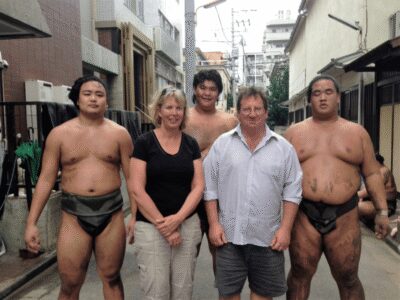

Browse the lists this tour appears in