
Reviewed · SAMURAI EXPERIENCES
Tokyo : Authentic Samurai Experience in a Private Space.
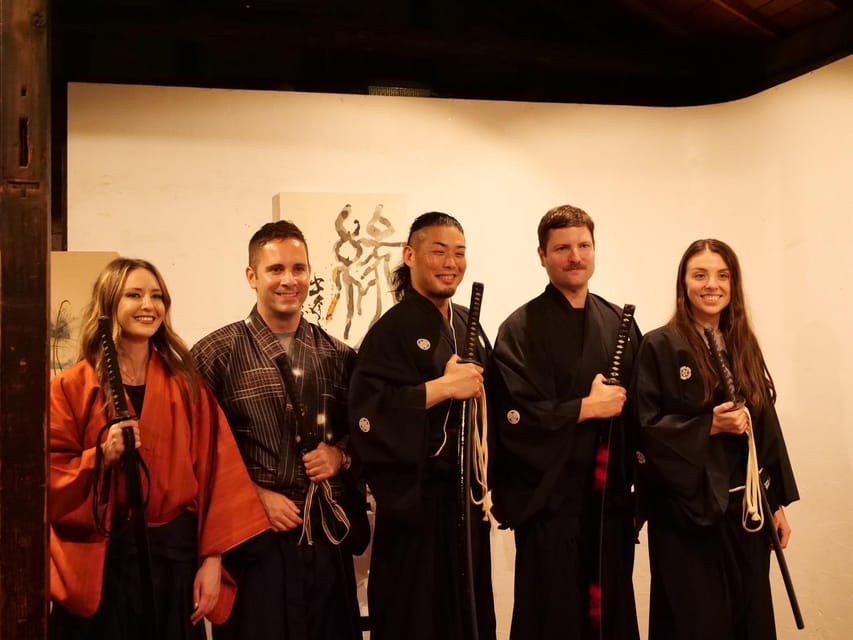
A real sword, a formal kimono, and a small old Japanese house make this more than a quick photo stop. In 90 minutes, you learn the basic ideas of Bushido, practice sword movements with an instructor, and face a real samurai in a carefully controlled exchange. The small group of three keeps the session personal, while the Japanese and English instruction helps beginners follow along.
I like the patient teaching and the graceful finish over tea. I also like that the experience includes dressing, etiquette, sword handling, and photographs, rather than just handing you a costume for a few minutes. The main consideration is the price: at $322 per person, this is a serious splurge for a 90-minute activity. You also need to be comfortable around a real blade, even though safety rules are taken seriously.
Key points at a glance
- Small group of three: You get close instruction instead of watching from the back of a crowded room.
- Real sword handling: You learn how to draw, hold, swing, and sheath a katana under guidance.
- Kimono and old-house setting: The clothing and private home give your photographs more character than a standard studio backdrop.
- Bushido instruction: Musashi-oka introduces the etiquette and ideas behind the samurai way, not only the fighting movements.
- Tea and photos included: Yukari helps with dressing, takes pictures and videos, then serves Japanese tea.
- Not a casual family activity: Pregnant women, people with mobility impairments, and children under 10 should not book.
A samurai lesson in a private Tokyo house
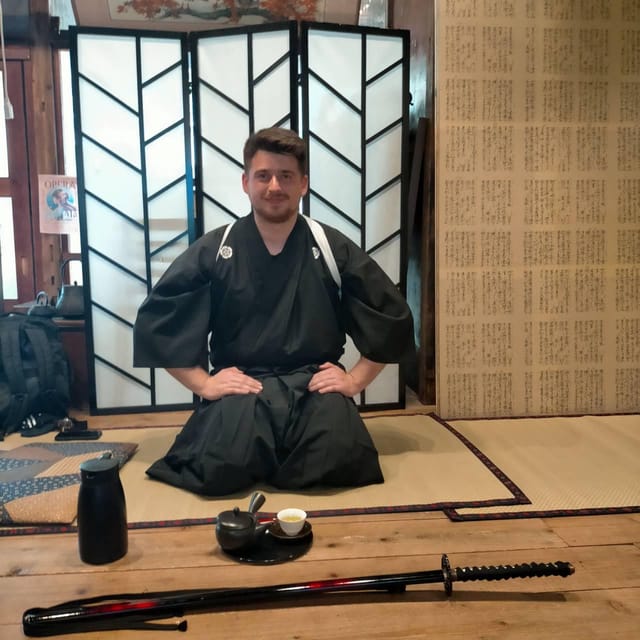
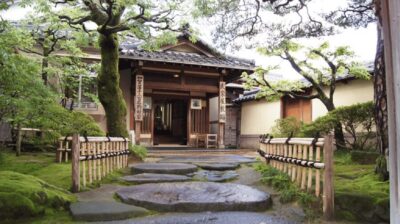
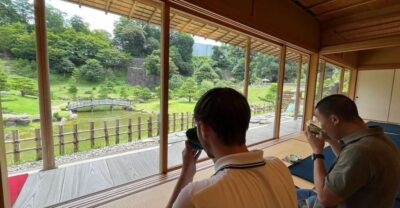
This experience begins in an old Japanese private house, which matters. You are not entering a themed stage set built for a large crowd. The setting gives the session a quieter rhythm and lets the clothing, manners, and sword work feel connected to a place with traditional character.
The group is limited to three people. That is one of the strongest reasons to consider this activity. Sword instruction depends on small corrections: how you stand, where your hands sit, how you move the blade, and what you do before and after a cut. With only a few participants, the instructor can watch each person closely.
The language options are Japanese and English. You do not need prior martial arts experience. The lesson starts at the beginning, so you can take part even if you have never held a katana or studied Japanese etiquette.
The meeting point has a signboard with an arrow directing you through the entrance. Since the activity ends at the same place, you are released on the spot rather than taken to another part of Tokyo. Allow yourself enough time to find the entrance without rushing into the dressing session.
More Samurai Experiences in Tokyo
- Tokyo: Samurai Restaurant Show Ticket with 2 Drinks
★ 4.5 · 1,307 reviews - Tokyo: Samurai Ninja Museum Guided tour and Experience
★ 4.6 · 1,010 reviews - Tokyo: Samurai Sword & Archery Class from Samurai Descendant
★ 5.0 · 603 reviews
Dressing in kimono before the sword lesson
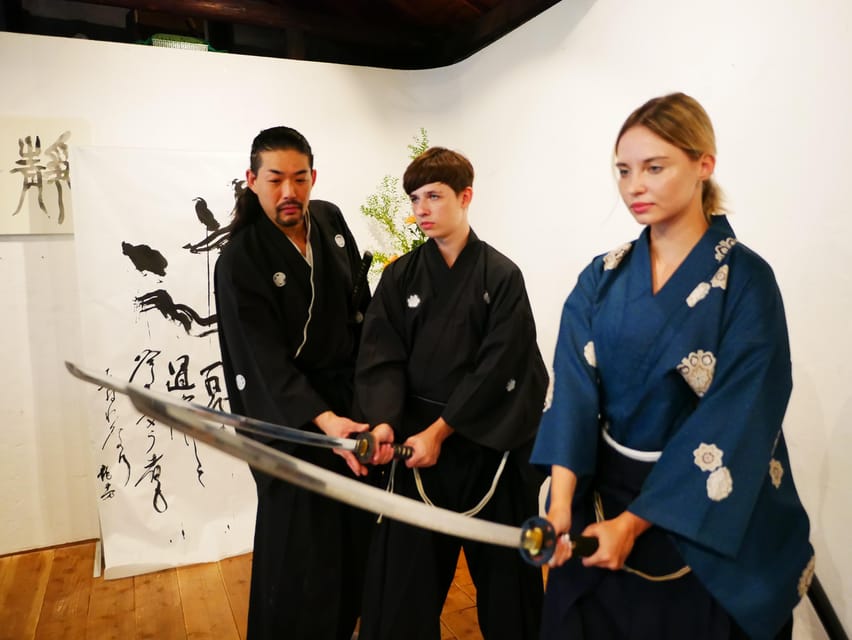
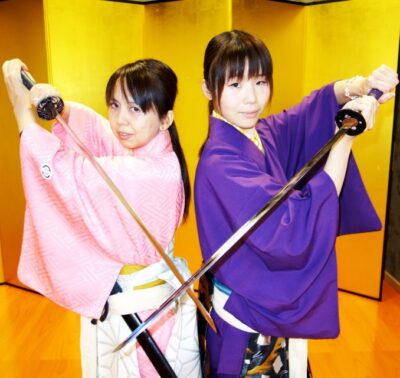
The first hands-on part is changing into formal samurai-style clothing. This is not just a costume add-on. Dressing helps you understand that samurai conduct involved appearance, posture, and ceremony as well as combat.
Yukari assists with the clothing and also takes photographs and videos during the session. That is useful because you will want both hands free while learning. It also means you can leave with pictures of the full experience rather than trying to manage your phone while holding a sword.
Expect the clothing to affect how you move. A kimono changes your stride and encourages a more upright posture. The outfit can make simple actions feel deliberate, which is exactly the point of beginning with dress and etiquette.
The old house adds to the photographs. You can take the kind of traditional Japanese picture that is difficult to create in a modern hotel or a busy public attraction. Still, remember that the activity is short. The photographs are part of the lesson, not a separate professional portrait session with unlimited posing time.
Learning Bushido through manners and movement
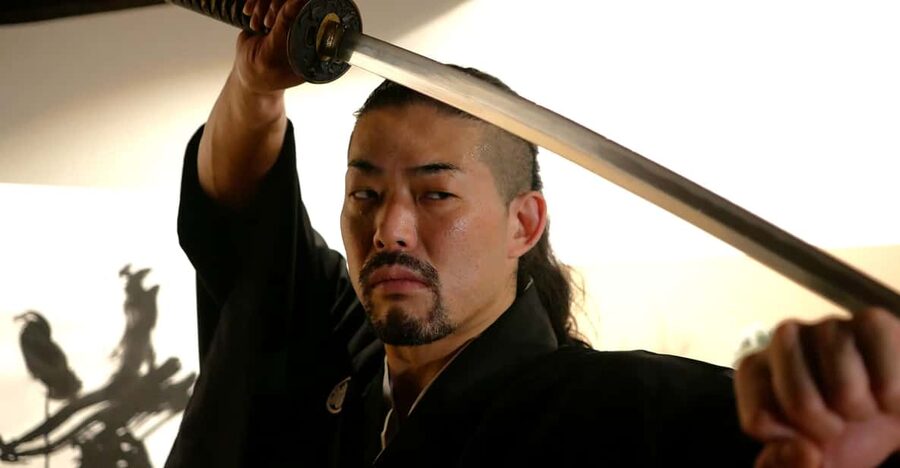
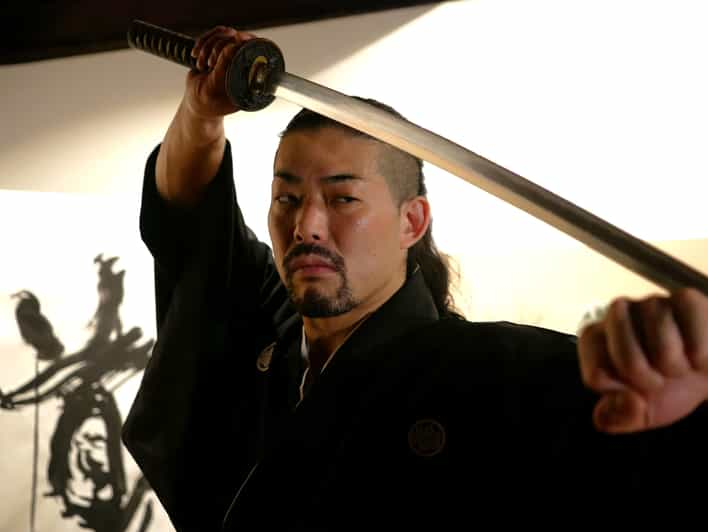
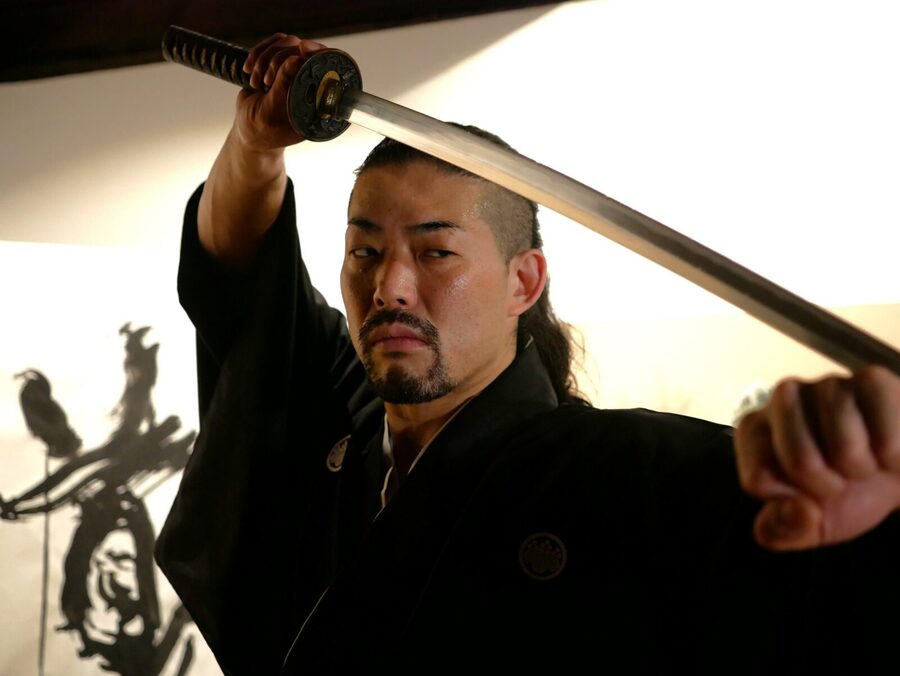
Musashi-oka introduces the Bushido philosophy and the conduct connected with samurai practice. The session is not only about swinging a sword at a target. You learn that the movements sit inside a set of rules about respect, control, and presentation.
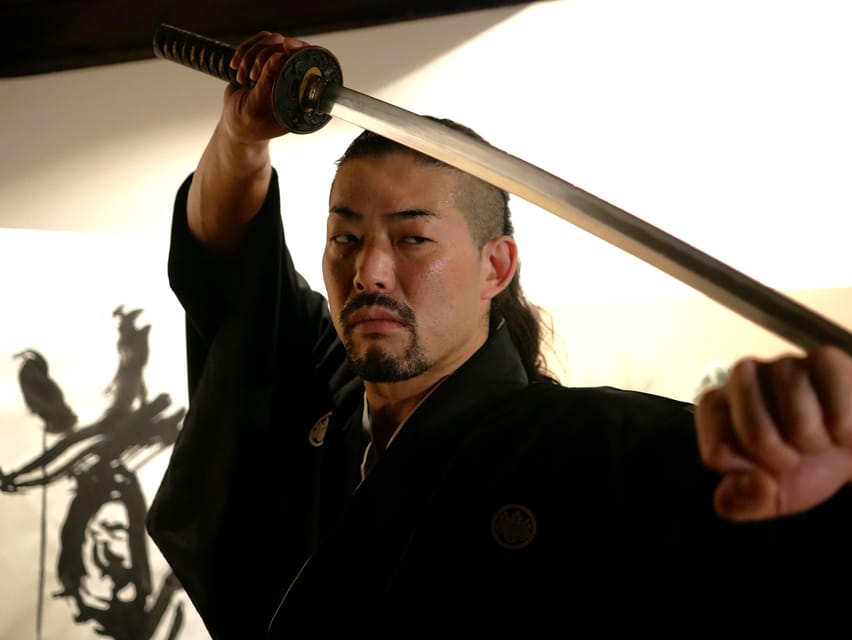
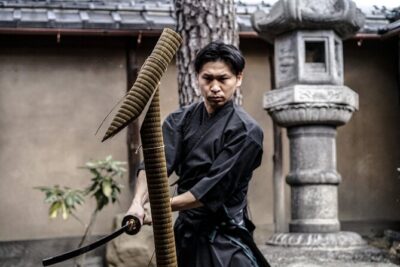
The instructor then shows you how to handle the sword. Beginners are guided through the basic positions and the correct sequence of movements. One useful detail from the instruction is the chance to learn how to draw and sheath the sword, not merely wave it in front of a camera.
You also work on the cutting motion. If you have practiced historical European martial arts or another weapon-based discipline, you may want more repetition than the 90-minute format allows. One participant with prior experience found that additional practice swings focused just on the cutting action would have been useful.
That is a fair point. The program has several jobs to do: dress you, explain Bushido, teach etiquette, show sword technique, stage the final encounter, take photos, and serve tea. You get a broad introduction rather than a full martial arts class.
The upside is variety. You never spend the whole session repeating one movement. The downside is that anyone hoping for technical training should keep expectations in check.
Handling a real katana with careful safety rules
The activity includes a real sword, which gives the lesson weight that a plastic prop cannot. The blade is part of the teaching, but safety comes first. No one points the blade at you, and you can tell the staff before the session if you are uncomfortable being near the sharp edge.
That advice is worth taking seriously. If you want the historical feel but dislike edged weapons, this may not be the right activity. If you are comfortable following instructions, the controlled format makes the sword work accessible to beginners.
The instructor demonstrates how to hold and swing the katana, then corrects your movements. The teaching style is patient and friendly. Clear demonstrations matter here because sword etiquette is not always easy to explain across languages. The instructor’s calm manner helps take the pressure off when your first attempt looks less than samurai-like.
A useful question to ask at the end is whether the instructor can show you how the sword comes apart. One participant asked to see the construction of the katana and received an explanation. That request is not listed as a formal part of the program, so treat it as an optional question rather than a guaranteed lesson. If you are interested in weapons, history, or craftsmanship, it may add a memorable final detail.
Same trip, a completely different kind of day:
- 1-Day Tokyo Bus Tour
★ 5.0 · 14,250 reviews - Tokyo: TOKYO SKYTREE® Admission ticket
★ 4.5 · 11,192 reviews - Tokyo: teamLab Planets TOKYO Digital Art Museum Entry Ticket
★ 4.6 · 9,779 reviews - Tokyo: Sumo Show Experience with Chicken Hot Pot and a Photo
★ 4.8 · 6,678 reviews
The final samurai encounter
The session builds toward a short fight against a real samurai. This is a staged, supervised encounter, not an unrestricted duel. The purpose is to let you use the posture, timing, and sword movements you have just learned.
For many people, this is the moment that makes the activity feel different from a kimono photo experience. You are not only dressed as a samurai. You are asked to respond to an instructor and carry out the sequence under pressure, even if that pressure is friendly and controlled.
Safety remains the key point. Follow every instruction about distance, direction, and blade position. If you have any concern about the sword edge, say so before the activity begins, as requested by the organizers.
Some sessions also include tatami cutting. One experienced participant practiced a seated cut after trying the standing technique. This can be a thrilling part of the program, but it should not be assumed that every booking receives the same amount of cutting practice. The supplied details promise sword handling and a samurai encounter, while the exact balance of exercises may depend on the session.
Tea, conversation, and a better ending
After the sword work, you change pace with Japanese tea. This quiet finish is one of the smartest parts of the schedule. Your body and attention have been working hard, and tea gives you time to ask questions, talk with the other participants, and absorb the setting.
Yukari serves the tea and helps make the close of the session feel personal. The tea is described as especially good, but the larger value is the pause. A cultural activity can feel rushed when it moves directly from costume to photographs to exit. Here, the tea creates room for conversation.
You may also use this time to ask about the sword, Bushido, or the clothing. The instructor is willing to answer questions, and the small group makes that exchange easier than it would be in a large demonstration.
At the end, you disband at the house. There is no further transport included, so plan your next step before arriving if you have a dinner reservation or another timed booking.
Is $322 per person fair value?
The price is $322 per person, which is high for 90 minutes. I would not call this a budget activity or a casual add-on for a long Tokyo itinerary.
The value comes from the combination of elements. You receive:
- A private old-house setting
- A small group capped at three people
- Kimono dressing
- Instruction from a samurai teacher
- Use of a real sword
- A Bushido and etiquette lesson
- A supervised samurai encounter
- Japanese tea
- Photos and videos
- Japanese and English instruction
If you only want to put on a costume and pose with a sword, cheaper options may meet your needs. This price makes more sense if you care about personal instruction, the real blade, the old-house setting, and the chance to ask questions.
The tiny group is especially important. You are paying partly for attention. A larger tour could spread the same lesson over more people, but the instructor would have less time to correct your stance and movements.
I would also compare the price with your own interests. A history and martial arts enthusiast may find the fee worthwhile, especially if the instructor can explain the sword’s construction and the Bushido ideas behind the ritual. Someone seeking a quick, lighthearted photograph may feel the session is too expensive and too structured.
Who should book this experience?
I would recommend it most strongly to adults and older children who are interested in Japanese culture, samurai traditions, martial arts, or historical weapons. It works for complete beginners because the lesson starts with basic handling and etiquette.
It also suits people who prefer quiet, personal activities over large group attractions. With only three participants, you can ask questions and receive direct help. The Japanese and English format is another advantage if you want instruction rather than a performance you simply watch.
The experience is open to both men and women. You do not need to identify as a martial arts enthusiast. The program is designed as a cultural activity as well as a sword lesson.
It is not suitable for children under 10, pregnant women, or people with mobility impairments. Scooters are not allowed. Anyone who dislikes being near a sharp blade should say so before the lesson or choose a different cultural activity.
Practical planning for the 90-minute session
Wear clothing that makes changing easier, although the supplied information does not specify a dress code. Keep your schedule flexible around the 90 minutes because the activity has several linked parts and is best enjoyed without watching the clock.
Cancellation is free up to 24 hours before the start time, and you can reserve now and pay later. Check the available starting times before committing, since the schedule varies by availability.
The instructor speaks Japanese and English. The group size is limited to three, so book early if you want a particular time or are traveling with two companions.
Bring a willingness to listen closely. The sword work is controlled, but it is still real equipment. You will get more from the session if you treat the etiquette and safety instructions as part of the experience, not as a delay before the exciting part.
Should you book the samurai experience?
Book it if you want a personal introduction to Bushido that combines clothing, ceremony, sword handling, photographs, and tea. The patient instructor, small group, real katana, and old-house setting give the 90 minutes a clear sense of purpose.
Think twice if $322 feels difficult to justify, if you want extended technical training, or if you are uneasy around a blade. This is a compact cultural lesson, not a full-day martial arts course.
For the right person, the price buys more than a costume photo. You learn how the clothing, posture, manners, and sword movements fit together, then finish with tea in the same traditional setting. That combination is the reason I would consider it a worthwhile splurge in Tokyo.
FAQ
How long does the samurai experience last?
The experience lasts 90 minutes.
How many people can join the session?
The group is limited to three participants.
Is the experience taught in English?
Yes. Instruction is available in Japanese and English.
Do beginners need previous sword or martial arts experience?
No. The lesson starts with the basics, including sword handling, swinging, and Bushido etiquette.
Do I get to wear a kimono?
Yes. Kimono dressing is included as part of the experience.
Is a real sword used?
Yes. The activity includes a real sword. No one will point the blade at you, and you should tell the staff beforehand if you are uncomfortable with the blade edge.
Is tea included?
Yes. Japanese tea is served after the activity.
Who should not take part?
The experience is not suitable for pregnant women, people with mobility impairments, or children under 10. Scooters are not allowed.
Can I cancel for a refund?
You can cancel up to 24 hours in advance for a full refund. The activity also offers reserve now and pay later booking.
Just added around Tokyo
- Kawagoe Japanese Food Tour : Unagi Kaiseki and Sake near Tokyo★ 5.0 · 30 reviews
- Kawagoe 4hr Private Tour with Licensed Guide (Kawagoe Dep)★ 5.0 · 13 reviews
- Little EDO Sushi Making workshop in Kawagoe★ 5.0 · 18 reviews
- 【R34】Tokyo:Private Daikoku tour in Modified R34★ 4.9 · 92 reviews
- :Tokyo,Shibuya/ Pro Photography in Kimono / English-Friendly★ 5.0 · 26 reviews
- Tokyo:Celebrate Unique Japanese New Year Tradition Festivity★ 3.9 · 20 reviews
- Tokyo: Allstar Food Tour★ 4.7 · 29 reviews
- Tokyo: West-Side Cycling and Food Tour with Guide★ 5.0 · 37 reviews
Samurai Experiences, compared.
Browse the lists this tour appears in