Reviewed · TICKETS
Tokyo: TOKYO SKYTREE® Admission ticket
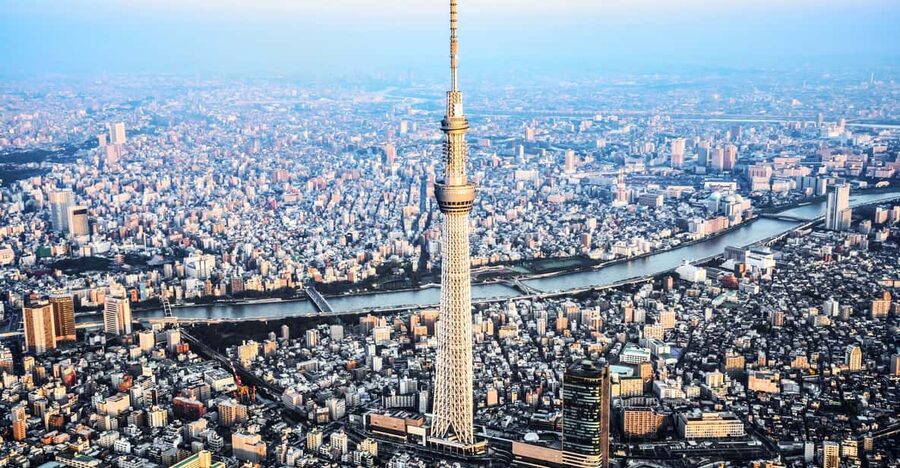
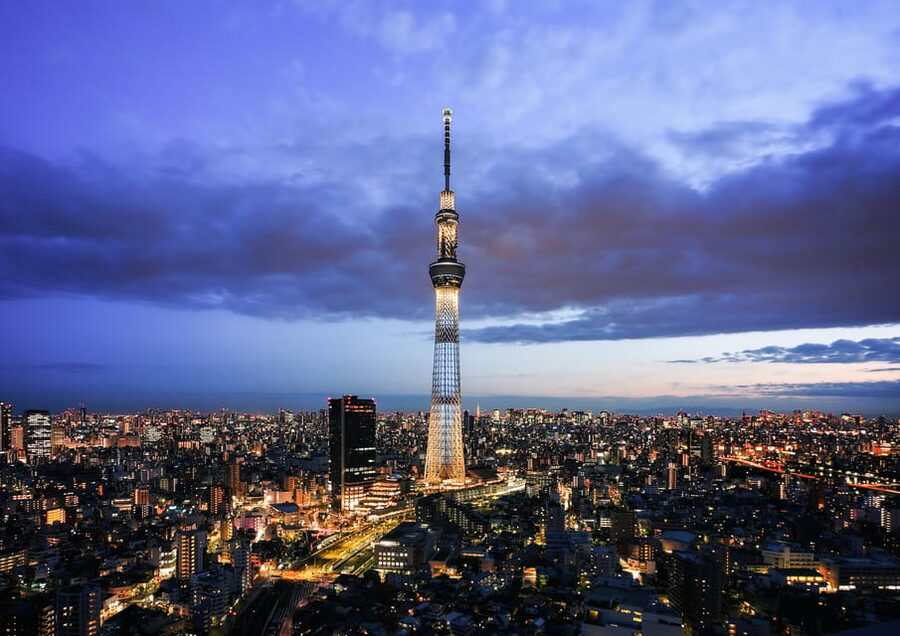
Tokyo Skytree gives you the most dramatic answer to a simple question: just how big is Tokyo? From the 350-meter Tembo Deck, the city spreads in every direction, with the Sumida River, Tokyo Bay, Tokyo Tower, Tokyo Dome, and, on a clear day, Mount Fuji all laid out below. The ride up is part of the show, too. The elevator is remarkably quick and smooth.
I like the 360-degree views and the choice between a straightforward 350-meter visit and the higher 450-meter Tembo Galleria. I also like the timing flexibility reported by some ticket holders, including one person admitted two hours before the selected time, though you should still follow the time printed on your voucher.
The main catch is visibility. Clouds or haze can turn the view into a wall of white, and sunset is popular enough to bring serious queues. The glass floor is fun for a quick photo, but it is a small section rather than a full-room thrill ride.
Key points to know before you go
- Start on the 4th floor: Redeem your voucher at the Tokyo Skytree ticket counter or self-service station before heading to the elevators.
- Choose your height carefully: The standard ticket covers the 350-meter Tembo Deck; the 450-meter Tembo Galleria costs more but adds the spiraling skywalk.
- Aim for late afternoon: A 4:30 pm visit can give you daylight, sunset, and Tokyo’s first evening lights.
- Expect queues at busy times: The fast elevators keep the line moving, but sunset and clear weekends can still mean waits going up and down.
- Do not skip the lower deck: Haze can be worse at 450 meters, while the 350-meter deck often gives the clearer view.
- Plan extra time below: Tokyo Solamachi has about 300 shops and restaurants, along with a planetarium.
Tokyo from 350 meters: what the main deck feels like
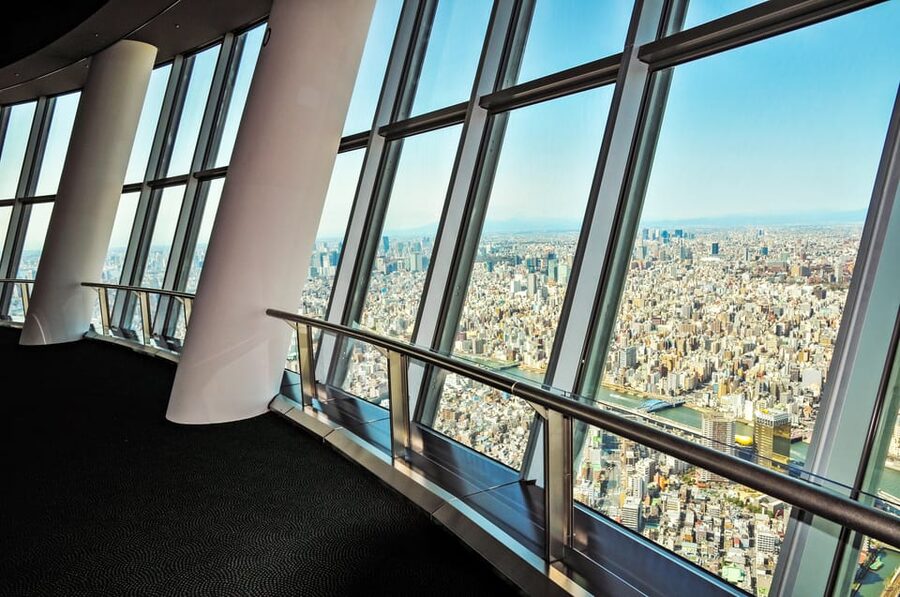
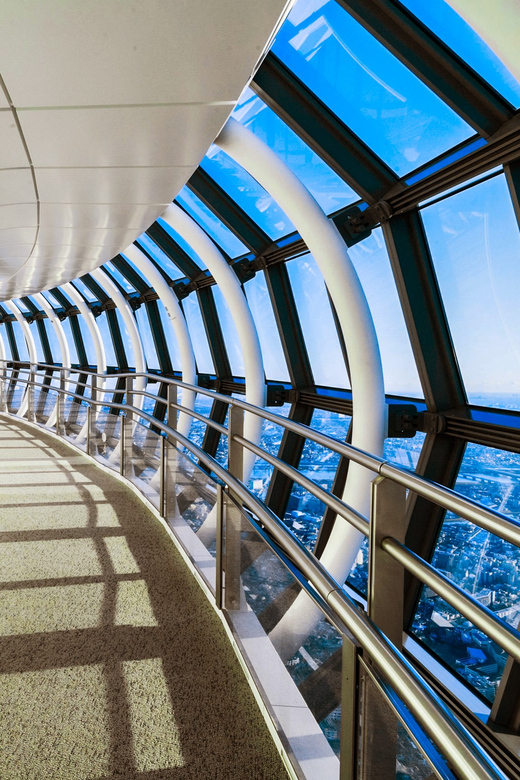
The 350-meter Tembo Deck is the heart of the visit. It is large, circular, and lined with windows, so you can keep walking instead of waiting for one perfect viewing spot.
I like this layout because Tokyo does not reveal itself in a single postcard view. One direction gives you the Sumida River and nearby Asakusa. Another opens toward Tokyo Bay. Look for Tokyo Tower, Tokyo Dome, and the dense blocks stretching far beyond the central districts.
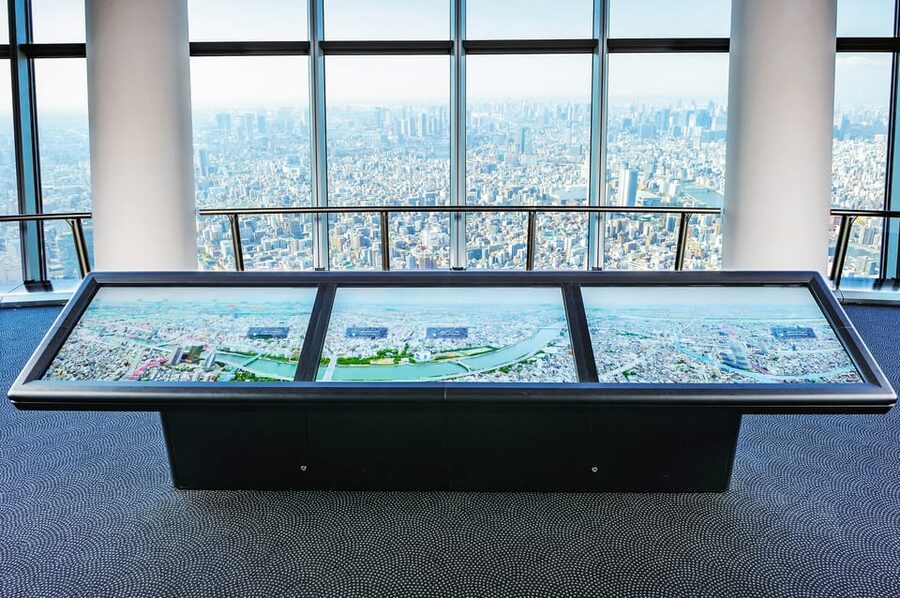
Interactive displays help identify major sights. That matters here because Tokyo can look like an endless field of buildings. The screens and signs give your eyes something to pick out, turning a general city view into a useful map of the capital.
On a clear day, Mount Fuji may appear in the distance. Several visitors had that reward, including people who arrived with some mist or cloud and watched conditions improve. But Fuji is never guaranteed. Haze is common, especially higher up, and one person saw almost nothing but white cloud from the top.
The lower deck can actually be the better place for photos when the air is hazy. At sunset, the changing light can also make the 350-meter windows more useful than the upper level. I would not treat the top deck as automatically superior in every condition.
A few more Tokyo half-days worth comparing
- 1-Day Tokyo Bus Tour
★ 5.0 · 14,250 reviews - Tokyo: teamLab Planets TOKYO Digital Art Museum Entry Ticket
★ 4.6 · 9,779 reviews - Tokyo: Sumo Show Experience with Chicken Hot Pot and a Photo
★ 4.8 · 6,678 reviews
The 450-meter Tembo Galleria: worth paying extra?
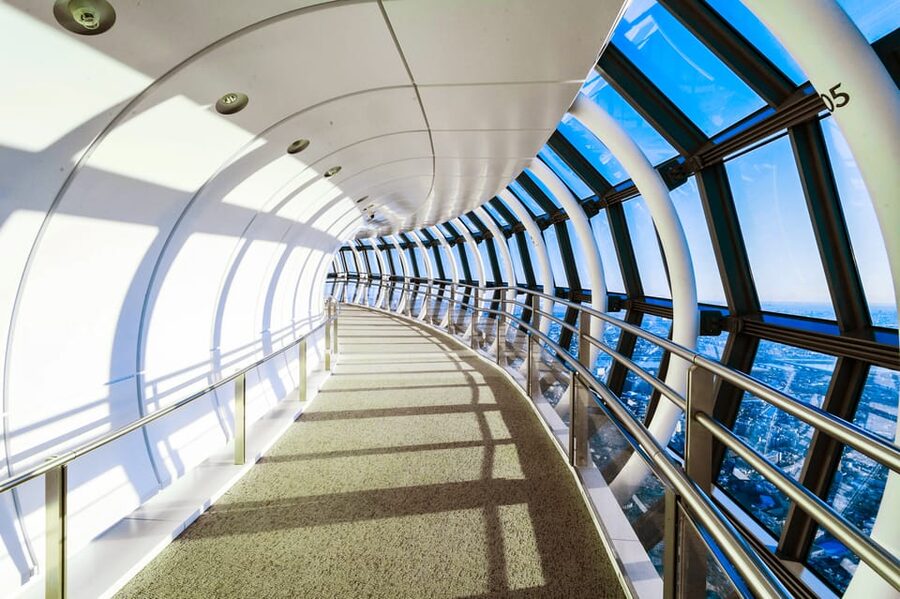
The optional Tembo Galleria takes you another 100 meters higher, to 450 meters above the ground. From there, a long sloping ramp curves around the tower, creating a moving view rather than a single observation room.
The difference is not a completely new set of sights. You are still looking across Tokyo, but the greater height lets you look farther down into the city and gives the visit a stronger sense of scale. One especially useful benefit is that the upper level can be less crowded, making photographs easier.
I think the upgrade is worthwhile if you enjoy towers, engineering, and panoramic views. It is also a good choice for a first Tokyo visit when you want the full Skytree experience. The higher level feels special because you are walking through a spiral in the sky, not just standing behind windows.
If your budget is tight, the 350-meter deck delivers most of the visual reward. One practical criticism is that the views can be much the same from both levels, and haze may be worse at 450 meters. If you have limited time or prefer to spend the difference on food and sights below, the standard ticket remains a sound choice.
Check which option you are buying. One person missed the highest level simply because the ticket choice was not clear to them at booking. If the Galleria matters to you, confirm that it is listed before paying.
The glass floor on Floor 340

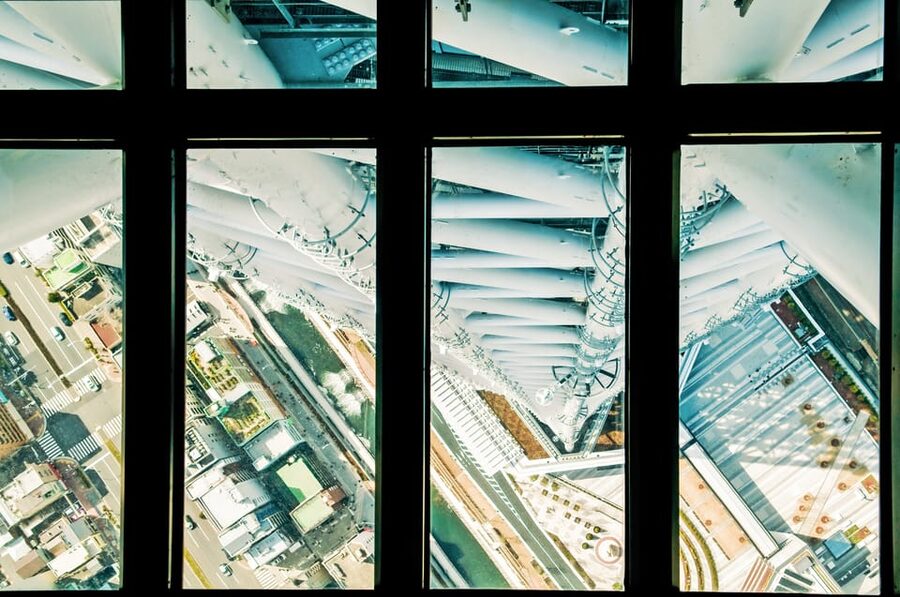
On the way down, stop at Floor 340 for the glass-floor section. You can look straight toward the ground through a sturdy panel, which gives you a quick burst of height-induced nerves.
I would keep expectations measured. The section is small, and one person found it underwhelming and in need of polishing. Still, it makes a good photo and gives children, tower fans, and anyone who enjoys a harmless fright something extra to do.
You do not need to build the whole visit around it. Treat it as a short stop on the descent rather than the main attraction. If you dislike heights, the elevator and the enclosed viewing decks may be easier than the glass panel.
Choosing the best time for views
Timing makes a major difference at Tokyo Skytree. The strongest all-around choice is late afternoon, with 4:30 pm repeatedly proving useful in practice. You may see Tokyo in daylight, watch the sunset, and then see the streets and towers switch on after dark.
Sunset also brings the most pressure. Clear evenings attract more people, and queues can form for the elevator both before the ascent and after the descent. One visit involved an hour waiting to go up and about 50 minutes to come down, despite the excellent weather.
If you want a calmer visit, consider morning. A Saturday visit at 9:30 am was reported as quiet, with no line and clear views, including Mount Fuji. Early evening can also work well. A visit around 6:30 pm or 8:30 pm offers the illuminated city, and some people stayed for roughly an hour.
Night views are especially striking because Tokyo becomes a broad field of lights. You lose the ability to identify some distant features, but you gain a better sense of the city’s scale. The surrounding Skytree Town is also lit after dark, adding to the occasion.
Weather matters more than the clock. If the forecast looks poor and your ticket cannot be changed, you may spend the visit looking through cloud. The admission is non-refundable, so check visibility conditions as closely as you can before booking.
More Tickets in Tokyo:
- Tokyo: Hop-On Hop-Off Sightseeing Bus Ticket
★ 3.9 · 4,207 reviews - Tokyo Tower: Admission Ticket
★ 4.6 · 3,661 reviews - Tokyo: Japanese Dance Cabaret Theater Asakusa-Kaguwa Ticket
★ 4.8 · 2,270 reviews - Tokyo: Samurai Restaurant Show Ticket with 2 Drinks
★ 4.5 · 1,307 reviews
Getting inside and using the voucher
The meeting point is the ticket counter on the 4th floor of Tokyo Skytree, at approximately 35.7100627, 139.8107004. This detail is important because the building has several levels and connected shopping areas. Finding the correct entrance was the hardest part for one visitor.
Redeem the voucher on the day of your visit, either at the ticket counter or the self-service station. The QR code process is generally simple, and the skip-the-ticket-line benefit can save you from buying a regular ticket on site. It does not always mean walking directly into the elevator. You may still queue for security, elevator boarding, or crowd control.
The information says to check availability for starting times. A voucher holder was allowed to arrive early, while another person was told redemption could occur no earlier than 30 minutes before the timed ticket. Policies and crowd conditions may vary, so arrive close to your selected time rather than depending on early entry.
Staff direct people well and provide help in English and Japanese. Some safety instructions may be delivered without full English translation, but the route through the tower is easy to follow once you reach the correct floor.
Cafés, shops, and the visit below the tower
You can pause inside the Tembo Deck at one of two Skytree Cafés. Skytree Café 350 is on the 350th floor and offers standing space for drinks and light snacks, with high views through the windows.
Skytree Café 340 has seating for 64 people and is better for a proper rest. I like this option for anyone who wants to sit with the view instead of rushing around taking photographs. Prices and menus are not specified here, so think of the café as a convenient scenic break rather than the reason to buy admission.
On the way down, Floor 345 has a gift shop. Floor 340 has the glass floor, and the lower levels include shops and restaurants.
Give yourself time for Tokyo Solamachi after the tower. This large complex in Tokyo Skytree Town contains around 300 shops and restaurants, plus a planetarium. It turns the observation deck into an easy half-day or longer outing, especially if you want food without searching for another neighborhood.
The food court received especially useful praise for its range and convenience. You do not have to settle for the first restaurant you see downstairs, since many food choices are available in the complex.
What $13 gets you
At about $13 per person, admission to the 350-meter deck is good value for a major Tokyo landmark, particularly if you choose a clear morning or a night visit. You get the elevator ride, the full circular deck, interactive information, the glass-floor stop, and access to the surrounding Skytree Town facilities afterward.
The price becomes less persuasive if clouds erase the view, since the main value is visual. It is also worth comparing the standard deck with the optional Galleria before you pay. The higher level adds height, a spiral walkway, and a quieter photo opportunity at times, but not a wholly different city.
For a budget-minded plan, buy the 350-meter ticket and spend the remaining money on a meal in Solamachi. For a special occasion, sunset visit, or first-time Tokyo trip, the two-level ticket gives you the complete experience.
A combo ticket with TeamLab Planets Tokyo is also available as a separate option. It may suit you if you want to pair a city view with an indoor art attraction, but the Skytree admission itself does not include TeamLab Planets.
Who will enjoy Tokyo Skytree most?
I would recommend this for first-time visitors who want a clear sense of Tokyo’s size. It is also a strong choice for photographers, families, architecture fans, and anyone who likes seeing a city from above.
The smooth, fast elevators help if you dislike long rides or enclosed spaces. The decks are enclosed, and the viewing route is straightforward. The glass floor adds a small thrill, but you can simply pass it if heights are not your thing.
You may want to skip it if you have already visited several city towers and are mainly looking for Tokyo streets, food, or temples. The view is the attraction, so poor weather can weaken the experience. Tokyo Metropolitan Government Building offers a free high viewpoint, with the added benefit of seeing Skytree in the distance, though it does not replace Skytree’s height or engineering spectacle.
Should you book Tokyo Skytree?
Book it if you want a big, memorable view of Tokyo and can choose a day with decent visibility. I would pick a late afternoon slot for the best chance of seeing daylight, sunset, and city lights, but I would choose morning if clear skies and shorter queues matter more.
The 350-meter deck is enough for most people. Add the 450-meter Tembo Galleria if you enjoy observation towers, want the spiraling skywalk, or prefer having a quieter upper viewpoint for photographs.
At $13, this is an easy landmark to justify when the weather cooperates. Just remember that you are paying for the view, not a guided tour, and that clouds can change the experience completely.
FAQ
Where do I redeem the Tokyo Skytree voucher?
Redeem your voucher at the ticket counter or self-service station on the 4th floor of Tokyo Skytree. You collect the admission ticket there on the day of your visit.
What does the standard ticket include?
The standard ticket includes admission to the Tembo Deck at 350 meters. Access to the 450-meter Tembo Galleria is included only if you select that option.
Is the Tembo Galleria included automatically?
No. The 450-meter Tembo Galleria is an optional ticket choice. Check your selected ticket carefully before booking if you want access to the spiral skywalk.
Can I see Mount Fuji from Tokyo Skytree?
You can sometimes see Mount Fuji from the observation decks when visibility is clear. Cloud, mist, and haze can block the view, and conditions may be different at 350 and 450 meters.
How long is the Tokyo Skytree ticket valid?
The ticket is valid for one day. Available starting times are shown when you check availability.
Does the ticket include the glass floor?
The glass-floor section is located on Floor 340 and is part of the Skytree visit route. It is a small area where you can look down through the floor.
Are English-language staff available?
Staff or greeters are available in English and Japanese. The activity information lists English and Japanese as the available languages.
Just added around Tokyo
- Kawagoe Japanese Food Tour : Unagi Kaiseki and Sake near Tokyo★ 5.0 · 30 reviews
- Kawagoe 4hr Private Tour with Licensed Guide (Kawagoe Dep)★ 5.0 · 13 reviews
- Little EDO Sushi Making workshop in Kawagoe★ 5.0 · 18 reviews
- 【R34】Tokyo:Private Daikoku tour in Modified R34★ 4.9 · 92 reviews
- :Tokyo,Shibuya/ Pro Photography in Kimono / English-Friendly★ 5.0 · 26 reviews
- Tokyo:Celebrate Unique Japanese New Year Tradition Festivity★ 3.9 · 20 reviews
- Tokyo: Allstar Food Tour★ 4.7 · 29 reviews
- Tokyo: West-Side Cycling and Food Tour with Guide★ 5.0 · 37 reviews
Tickets, compared.
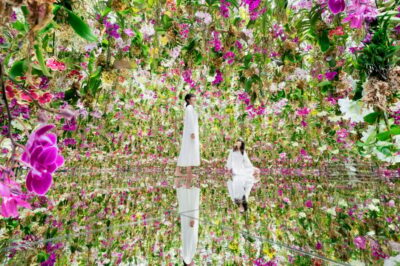
teamLab Planets TOKYO Digital Art Museum Entry Ticket
Our verdict →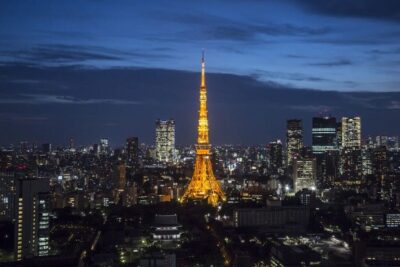
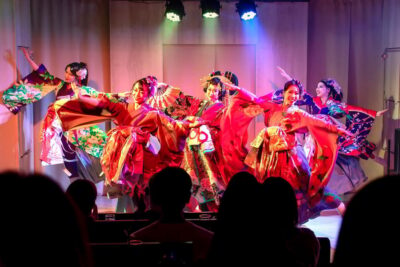
Japanese Dance Cabaret Theater Asakusa-Kaguwa Ticket
Our verdict →
Kamakura & Enoshima Day Trip including Temple Tickets
Our verdict →