
Reviewed · SAMURAI EXPERIENCES
SAMURAI EXPERIENCE in Tokyo(Harajuku)【SAMURAI’ve】
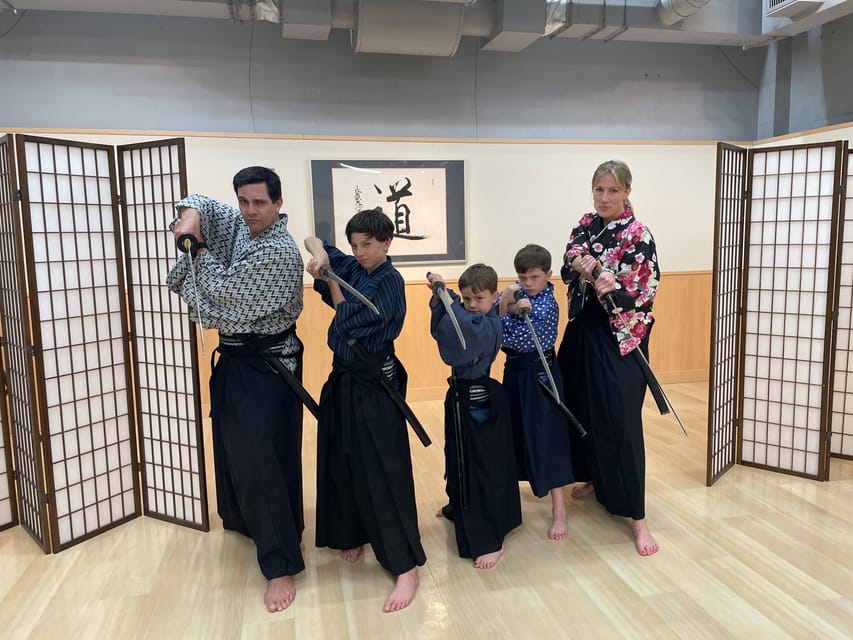
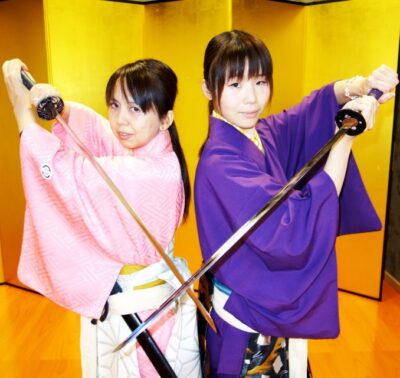
The most memorable part of this Tokyo workshop is that you do more than hold a sword for a quick photo. You learn samurai etiquette, put on a kitsuke kimono, and practice stylized fighting movements called Tachimawari under the direction of an instructor who works in video and stage productions.
I like the small group limit of 10, which gives the instructor room to show movements clearly. I also like the balance between culture and play: you learn Reigi sahou, or formal manners, then get to test your new moves with a sword and finish with photos.
The main consideration is time. At just one hour, this is a lively introduction rather than a serious martial arts course. You will get a taste of samurai performance and etiquette, not a long technical lesson.
Key points to know before you book
- A one-hour workshop near Harajuku: The dojo is about five minutes from Kitasandou Station and eight minutes from Harajuku Station.
- You wear a real samurai-style kimono: The instructor helps you with kitsuke, the process of putting on the garment correctly.
- Etiquette comes before sword work: You learn Reigi sahou, the manners expected of a samurai, before practicing movements.
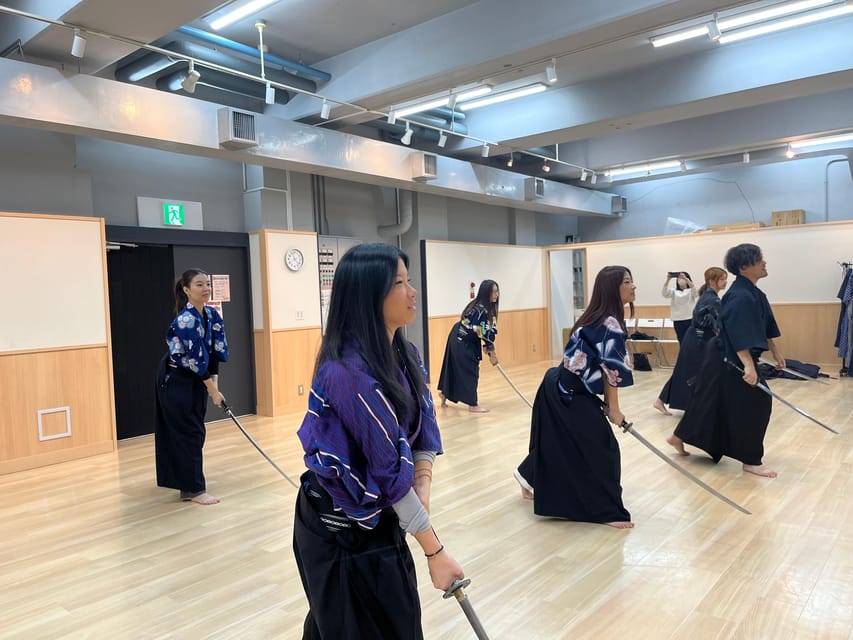
- Tachimawari adds stage flair: The sword work focuses on stylized movements used in Japanese fighting scenes.
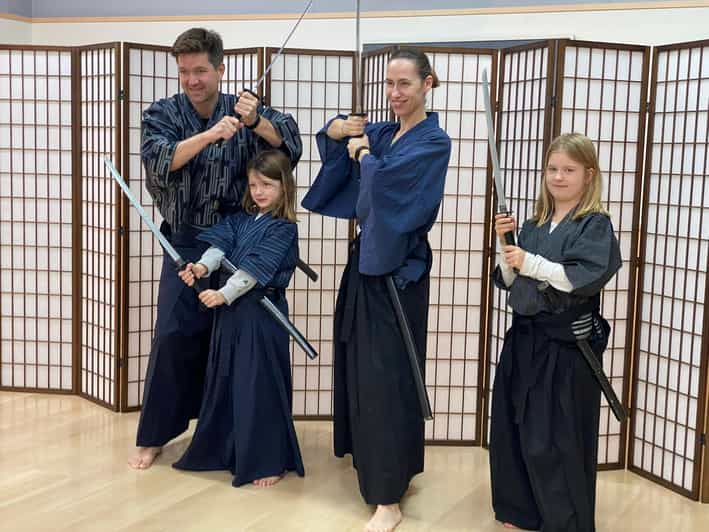
- Photos are part of the experience: You finish dressed in the kimono and holding a sword for posed pictures.
- Small, multilingual groups: Up to 10 people can join, with instruction available in English, Japanese, and Chinese.
Starting at the red door near Harajuku
Finding the dojo takes a little attention. Enter through the red door, then proceed to the second floor basement. The location is roughly an eight-minute walk from Harajuku Station or five minutes from Kitasandou Station.
That short walk makes this easy to fit into a day around Harajuku. You can pair it with the neighborhood’s shops and cafés, but allow enough time to find the entrance. The red door is the useful landmark. This is not a large visitor attraction with a broad street-front sign, so reading the meeting instructions before you leave your hotel is wise.
Transportation is not included. You make your own way to the dojo, and food and drinks are also left out. That is normal for a compact workshop, but it means you should eat beforehand if you need more than an hour of activity before your next meal.
The class is limited to 10 participants. That number is large enough to create a little group energy, but small enough for the instructor to demonstrate movements without turning the lesson into a crowded show. For families and friends, the group format also makes the photos more entertaining.
More Samurai Experiences in Tokyo
- Tokyo: Samurai Restaurant Show Ticket with 2 Drinks
★ 4.5 · 1,307 reviews - Tokyo: Samurai Ninja Museum Guided tour and Experience
★ 4.6 · 1,010 reviews - Tokyo: Samurai Sword & Archery Class from Samurai Descendant
★ 5.0 · 603 reviews
Putting on the kitsuke kimono
The session begins with the kimono. Rather than simply handing you a costume, the instructor shows you how to put on the kitsuke garment correctly. This gives the clothing a little more meaning than a quick dress-up stop.
You should arrive in comfortable clothes. The class involves changing, moving, and practicing sword positions, so stiff or restrictive clothing would make the hour less pleasant. The supplied kimono is included in the price, so you do not need to arrange a costume in advance.
The clothing also sets the tone for the rest of the workshop. Once you are dressed, standing, bowing, and holding the sword feel like parts of one activity rather than separate photo opportunities. If you are booking for children, this visual change is likely to be one of the most exciting moments.
The wording of the experience presents the kimono as an authentic samurai garment. I would treat it as a traditional-style outfit used for the workshop, not as a museum lesson on historical dress. The value is in learning the basic way to wear it and using it as part of the activity.
Learning Reigi sahou before the sword
The etiquette lesson is an important detail. Reigi sahou refers to manners and proper conduct, and the instructor introduces you to how a samurai is expected to act before moving on to sword practice.
This keeps the activity from becoming only a pretend battle. You get a brief look at the discipline and formality associated with samurai presentation. The lesson also gives you a useful frame for the gestures that follow. Bowing, posture, and controlled movement matter as much as waving a sword around.
Do not expect a long lecture. The full class lasts only one hour, and the schedule also includes changing, sword instruction, Tachimawari, and photographs. Think of this as a practical introduction that gives context to the physical movements.
Language should not be a major barrier for most participants. Instruction is available in English, Japanese, and Chinese. The experience is especially handy for mixed-language groups, since the instructor can explain the basics in one of those three languages.
Practicing basic samurai sword movements
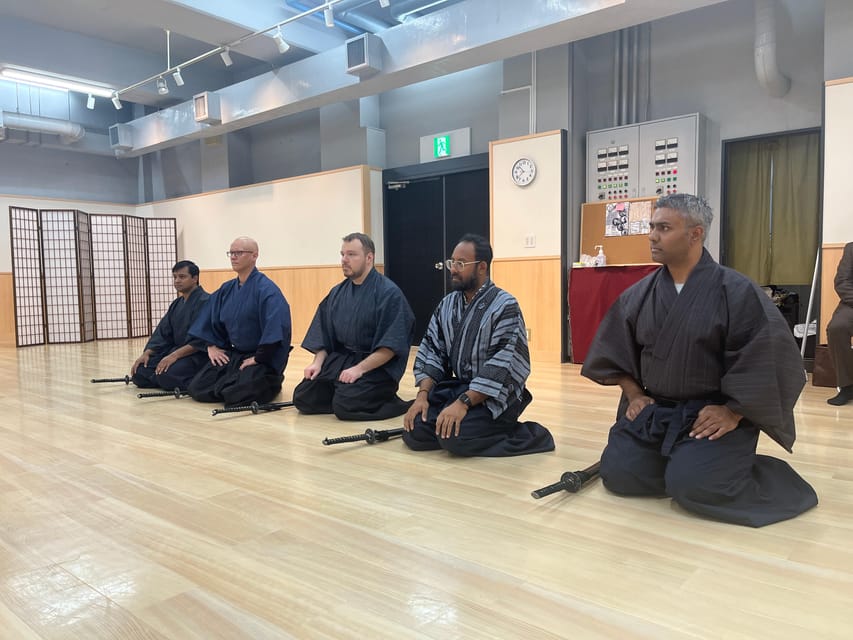
After the etiquette portion, the instructor introduces basic sword-fighting movements. The supplied information does not promise a long list of techniques or advanced training, and that is useful to understand before you book.
You will learn a set of simple moves that you can repeat and share with friends or family later. The focus is on learning the motion safely and presenting it clearly, rather than building the strength, speed, and precision required for formal martial arts study.
The instructor works in video and stage productions, which matters here. This experience is designed partly around the way sword fighting looks in performance. You are not only learning where to place the sword. You are learning how to make a stylized movement read well in a scene or photograph.
That makes the class a good choice if you enjoy Japanese films, stage combat, cosplay, or hands-on cultural activities. If your main goal is serious sword instruction, you will probably find the hour too short. The class is best viewed as a guided introduction with a performance angle.
Same trip, a completely different kind of day:
- 1-Day Tokyo Bus Tour
★ 5.0 · 14,250 reviews - Tokyo: TOKYO SKYTREE® Admission ticket
★ 4.5 · 11,192 reviews - Tokyo: teamLab Planets TOKYO Digital Art Museum Entry Ticket
★ 4.6 · 9,779 reviews - Tokyo: Sumo Show Experience with Chicken Hot Pot and a Photo
★ 4.8 · 6,678 reviews
Tachimawari brings the lesson to life
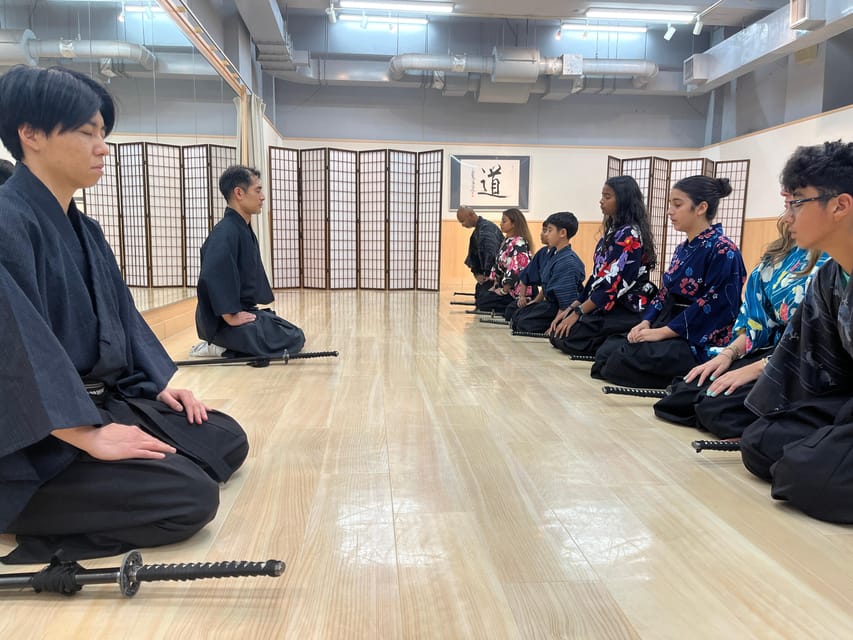
The most active section is Tachimawari, a term for stylized movements used in sword-fighting scenes. This is where the earlier etiquette and basic practice become a short performance-style exercise.
You get to try the movements yourself and feel the rhythm of a staged fight. The word stylized is important. This is not described as free combat or sparring, and you should not expect a competitive match. The appeal is learning a sequence and presenting it with the right posture and timing.
I like this part because it gives the workshop a clear payoff. A basic sword position can feel abstract when shown on its own. Once it becomes part of a dramatic movement, you understand why control, stance, and expression matter.
The format should also work well for families. Children under five cannot join, but older children are welcome, and the activity has been particularly well received by families. Parents should still keep in mind that the workshop involves a sword and a formal sequence, so children need to follow the instructor’s directions.
Finishing with a samurai photo session
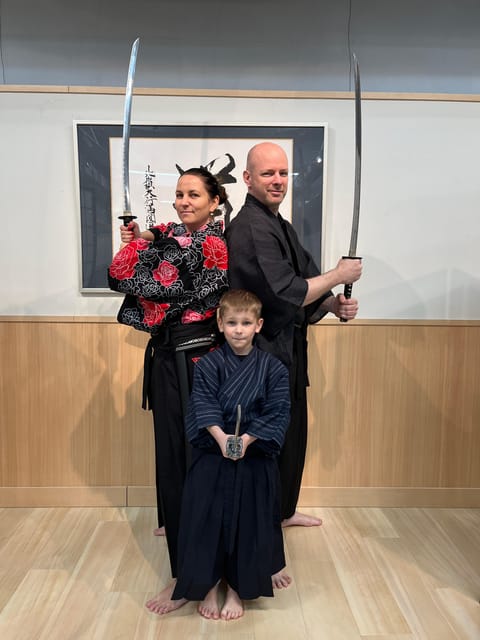
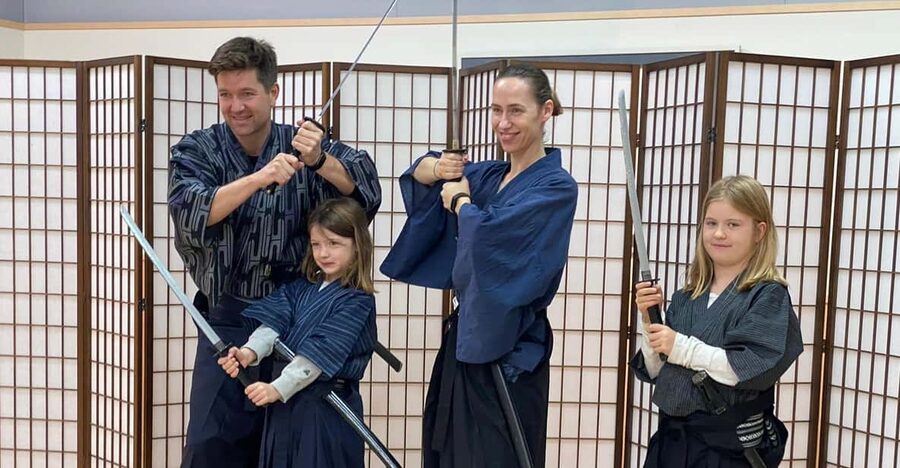
The class ends with photographs. You pose in the kimono while holding a sword, giving you a souvenir that shows both the clothing and the work you practiced during the session.
This is more satisfying than a photo taken immediately after changing, since you have already learned a little etiquette and several movements. You can use the final pictures as a simple record of the activity, or as a playful portrait to share at home.
The photo session is also a useful reason to dress carefully underneath the kimono. Wear comfortable clothes, but consider what will be easy to change in and what will not bunch awkwardly under the garment. No special equipment is listed as necessary.
The experience includes the photoshoot, but the supplied details do not specify the number of images, delivery method, or whether you receive digital files. If those points matter to you, ask the provider before booking rather than assuming a particular photo package.
Why the $70 price can make sense
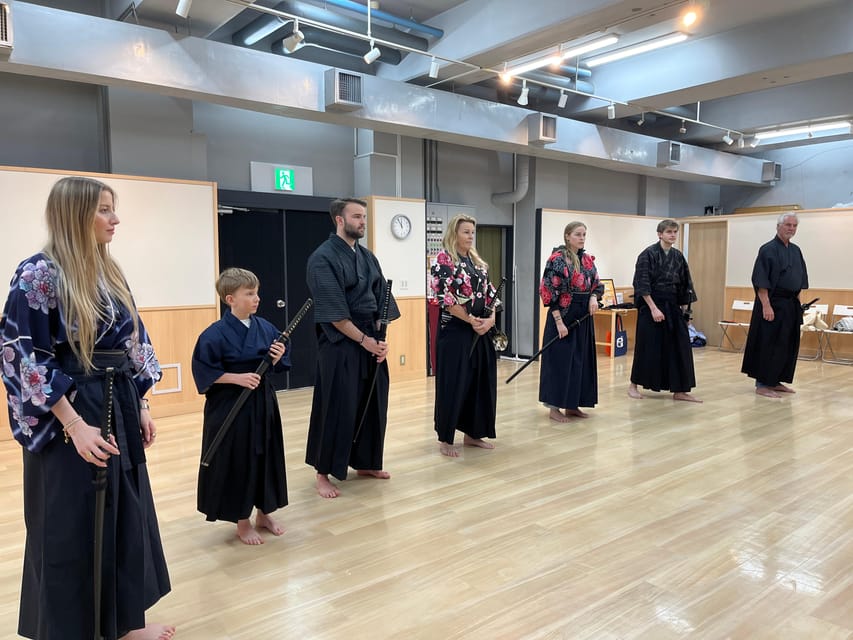
At $70 per person, the cost is reasonable if you want a compact, organized activity with several parts included. Your fee covers the instructor, samurai kimono, etiquette lesson, sword experience, and photoshoot.
The price is easier to justify for first-time visitors who want an activity rather than another sightseeing stop. In one hour, you get clothing, instruction, movement practice, and a keepsake-style photo session. You also avoid having to rent or arrange the outfit separately.
Value depends on your expectations. If you want a detailed study of samurai history or a long martial arts course, $70 will feel high for a one-hour introduction. If you want something social, visual, and easy to fit between other Tokyo plans, the package has a clearer appeal.
The small group limit helps the value. A class capped at 10 should give you more attention than a large tourist production, though the exact level of individual coaching can vary with the group and the number of children present.
Who will enjoy this workshop most
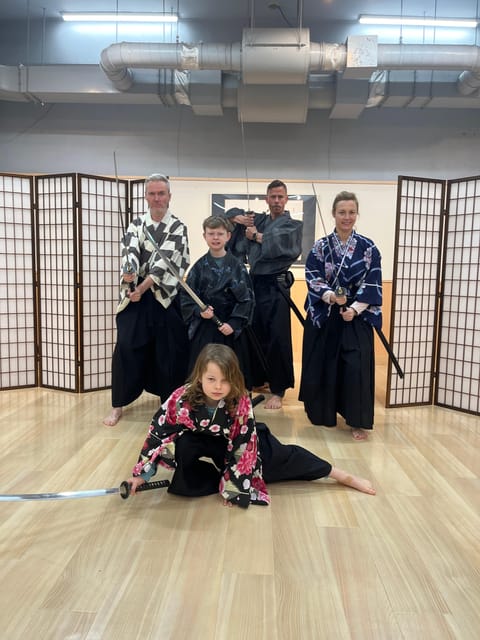
This activity suits you if you want to do something hands-on in Tokyo. It is a good choice for families with children aged five and older, couples, friends, and solo visitors who enjoy structured group activities.
It also fits visitors interested in stage performance. Since the instructor is active in video and stage productions, the sword movements are connected to the way action is presented for an audience. That makes the class different from simply wearing a costume and taking a posed picture.
The multilingual instruction helps international groups. English, Japanese, and Chinese are available, and the activity can work well when not everyone in your party speaks the same language.
You should choose another activity if you need wheelchair access. The experience is not suitable for wheelchair users. It is also not suitable for children under five.
Practical timing and booking advice
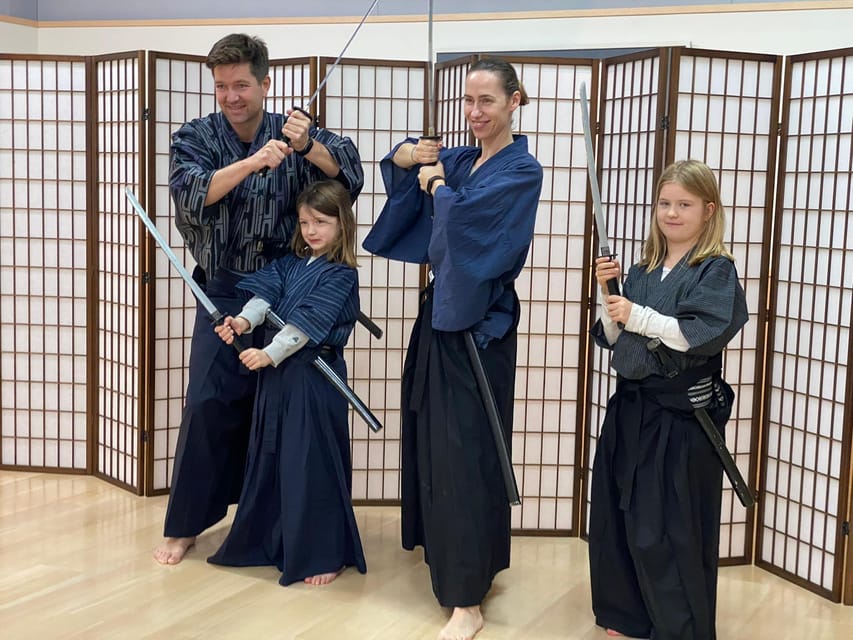
The activity lasts one hour, but you should add time for getting to the meeting point. Kitasandou is the closer station, at about a five-minute walk, while Harajuku is about eight minutes away.
Starting times vary, so check availability for the day you want. Since the workshop is short, it can fit neatly into a morning or afternoon plan. I would avoid scheduling it immediately before a train departure or another timed booking, since finding the red-door entrance may take a few extra minutes.
You can cancel up to 24 hours in advance for a full refund. The reserve-now, pay-later option also helps if your Tokyo schedule is still changing. These policies are useful for a trip with several moving parts, but you still need to check the exact booking terms attached to your chosen date.
Bring comfortable clothes and arrive ready to participate. The activity is more fun when you follow the movements instead of treating the class as a quick photo stop.
My final take: book it for fun, form, and photos
I would book this workshop if I wanted a short Tokyo activity that combines cultural manners, costume, stage-style sword movements, and photographs. The strongest features are the small group size, the active video and stage instructor, and the fact that the class gives you something to do rather than simply something to see.
I would skip it if my main goal were serious swordsmanship, a long historical lecture, or a full-day cultural program. For everyone else, especially families and friends, $70 buys a focused hour with plenty of variety.
Book it when you want a memorable break near Harajuku and are happy with a playful introduction. Come for the kimono and photos, but pay attention to the etiquette and movement lessons too. Those details are what give the experience more substance than a standard costume picture.
FAQ
Where is the samurai workshop held?
The dojo is near Harajuku in Tokyo. It is about a five-minute walk from Kitasandou Station and an eight-minute walk from Harajuku Station. Enter through the red door and proceed to the second floor basement.
How long does the activity last?
The workshop lasts one hour. Starting times depend on availability for the date you choose.
What is included in the price?
The $70 price per person includes the instructor, a samurai kimono, a samurai etiquette lesson, sword-fighting practice, and a photoshoot.
Which languages are available?
The instructor can provide the activity in English, Japanese, or Chinese.
Can children join the activity?
Children can join as long as they are at least five years old. The experience is open to people of any age and gender who have the samurai spirit.
Is the workshop accessible to wheelchair users?
No. The activity is not suitable for wheelchair users.
Just added around Tokyo
- Kawagoe Japanese Food Tour : Unagi Kaiseki and Sake near Tokyo★ 5.0 · 30 reviews
- Kawagoe 4hr Private Tour with Licensed Guide (Kawagoe Dep)★ 5.0 · 13 reviews
- Little EDO Sushi Making workshop in Kawagoe★ 5.0 · 18 reviews
- 【R34】Tokyo:Private Daikoku tour in Modified R34★ 4.9 · 92 reviews
- :Tokyo,Shibuya/ Pro Photography in Kimono / English-Friendly★ 5.0 · 26 reviews
- Tokyo:Celebrate Unique Japanese New Year Tradition Festivity★ 3.9 · 20 reviews
- Tokyo: Allstar Food Tour★ 4.7 · 29 reviews
- Tokyo: West-Side Cycling and Food Tour with Guide★ 5.0 · 37 reviews
Samurai Experiences, compared.
Browse the lists this tour appears in