
Reviewed · TRADITIONAL CRAFTS
Osaka: Traditional Japanese Ceramics Private Experience
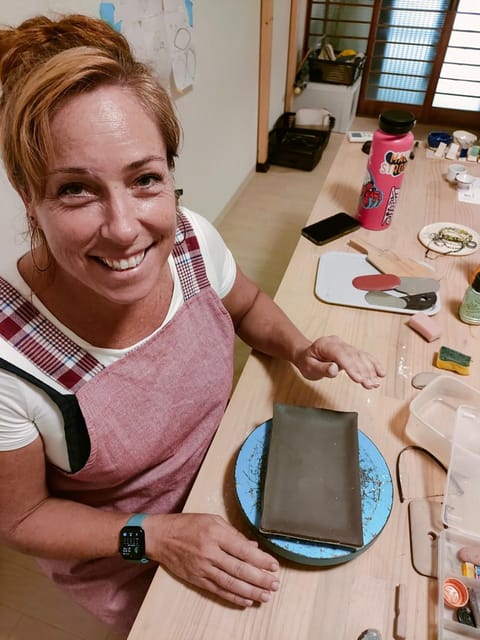
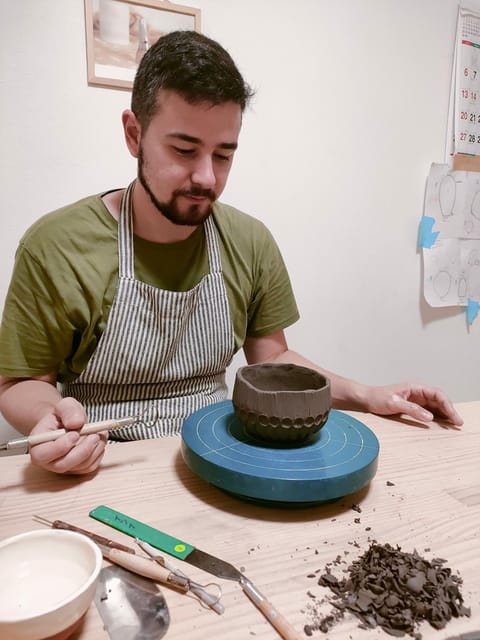
Osaka’s best souvenirs are often the ones you make yourself. In this private workshop, you walk from JR Teradachō Station into a less-touristed neighborhood, then spend two calm hours shaping Shigaraki clay into a sake set, sushi set, or chawan tea bowl. Anna, who studied ceramics in Osaka and Barcelona, guides you step by step in her century-old family home and studio.
I like the personal setting and the chance to talk about Japanese food, design, and daily life while your hands stay busy. I also like that the class works for complete beginners but can be adjusted for people with pottery experience. The main drawback is practical: your finished piece takes about a month and a half to ship, and postage is not included in the $96 price.
Key points at a glance

- A private class with Anna: You receive direct instruction rather than sharing the studio with a large public group.
- Three useful Japanese forms: Choose a sake bottle and glass, a sushi plate and chopstick holder, or a chawan tea bowl.
- Shigaraki clay and Japanese glazes: The materials connect your finished piece to one of Japan’s traditional pottery areas.
- A local walk before the class: Meet at JR Teradachō Station and walk beside shops selling local food to the studio.
- A handmade parting gift: Anna gives you a small patterned sushi dish and a Sakura-shaped chopstick holder.
- Plan for delayed delivery: Your pottery takes roughly six weeks to arrive, with shipping charged separately.
Walking from Teradachō Station into old Osaka
The experience begins at the north exit of JR Teradachō Station. Look for Anna carrying a sign marked Ceramics Tocoton. The station meeting point matters because the studio sits away from Osaka’s main sightseeing routes, and the walk helps you shift gears before the clay work begins.
You head out of the more tourist-focused part of the city and pass a street lined with shops selling local food. The setting gives you a glimpse of everyday Osaka without turning the walk into a formal sightseeing tour. I like this start because it adds a small sense of place to what could otherwise be a stand-alone craft lesson.
Anna’s studio is in a two-story house about a century old, which also serves as her family home. It offers a very different feel from a polished commercial workshop. You are visiting a real working space with a strong connection to the Showa-era character of the neighborhood.
That informality is part of the appeal, though it may not suit someone seeking a large, purpose-built art center. The studio is described as clean and welcoming, and winter heating has been noted as a comfort. Still, this is a home studio, not a museum or a production pottery with a broad public display.
More Craft Workshops in Osaka
- Osaka: Traditional Mochi Pounding Experience with Tasting
★ 4.9 · 306 reviews - Kamigata Ukiyoe Museum:Ukiyo-e Woodblock Printing Experience
★ 4.9 · 79 reviews - 1.5〜2 Hours Traditional Kintsugi Work Shop in Namba Osaka
★ 5.0 · 75 reviews
Choosing between a sake set, sushi set, and chawan
Once you arrive, Anna explains the three objects you can make and the cultural role of each. This is a useful part of the class because you are not choosing from shapes at random. You learn enough about each form to pick something that fits your interests and the way you hope to use the piece.
Your choices are:
- A sake set with a small bottle and glass
- A sushi set with a sushi plate and chopstick holder
- A chawan, the traditional bowl used for tea
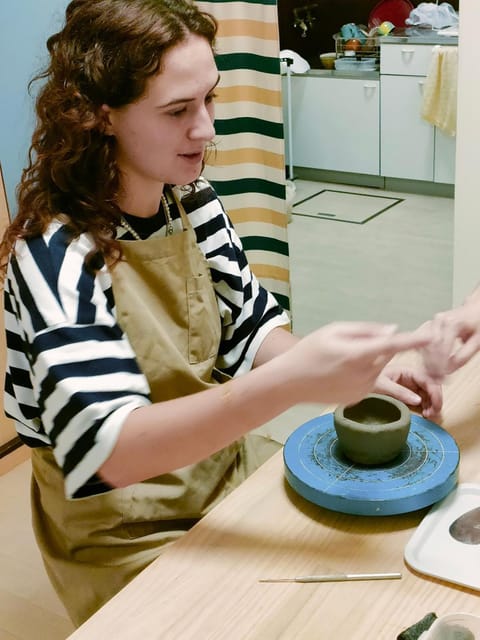
The experience focuses on hand-building with clay, rather than presenting a wheel-throwing lesson. That makes the class approachable if you have never worked with ceramics. You can concentrate on forming, smoothing, shaping, and decorating the object without needing to master a pottery wheel in a short session.
The three options also give the workshop a clear Japanese food connection. A sake set feels right for someone interested in Japanese drinking culture. The sushi plate and chopstick holder make a practical pair. The chawan has the strongest link to tea tradition and may appeal most to people who like simple, tactile forms.
You make one of these sets during the two-hour class. The wording around the options is important: the sake and sushi choices are sets, while the chawan is one bowl. If you want several separate pieces beyond the selected project, ask Anna what can fit into your session before you begin.
Working with clay from Shigaraki
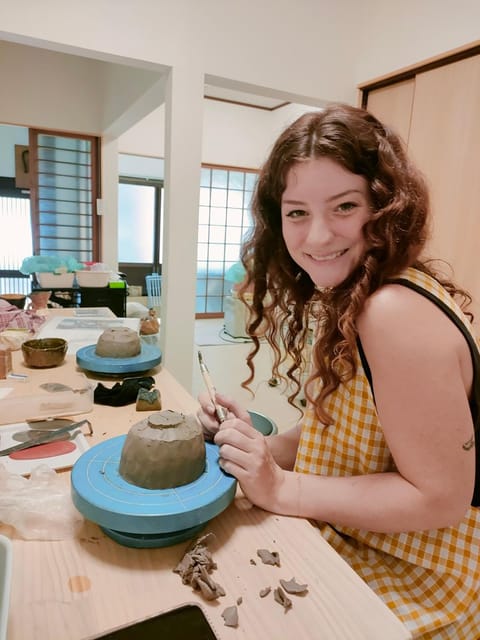
The clay comes from the Shigaraki area, one of Japan’s traditional pottery production regions. That detail gives the material a real connection to Japanese craft rather than making the lesson a generic modeling class.
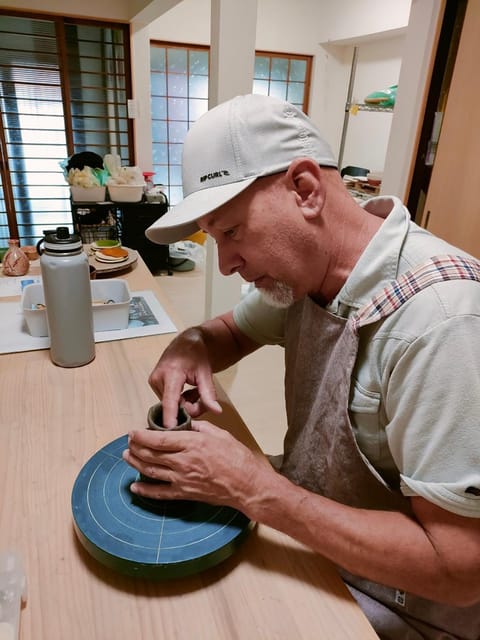
You first receive an explanation of the material and the basic construction process. Anna demonstrates how to shape the clay, then lets you do the work yourself. This is exactly the right balance for a short private class: you receive help when needed, but the finished form remains yours.
For a beginner, direct guidance takes away much of the fear of ruining the clay. You can ask questions as you go, and Anna can adjust the level of instruction. People with earlier pottery experience can receive a more advanced version of the lesson, with more room to work on technique and finish.
I particularly like the private format here. A pottery class can become stressful if you must wait for an instructor to reach several students at once. With a private group, you have time to correct a shape, try a detail again, or ask about the meaning of a design without feeling that you are holding up the room.
The work is also described as relaxing. That makes this a smart choice for a day when Osaka’s stations, shopping streets, and major sights have begun to feel like too much. You still learn a skill, but the pace is slower and more focused.
Japanese colors, patterns, and food culture
After shaping the clay, you choose from typical Japanese glazes and colors to decorate your piece. The exact finished result will depend on your decisions and on the firing process, so do not expect your wet clay to look exactly like the final pottery.
Anna uses the making process to explain Japanese ceramic traditions and the link between pottery and food. You can discuss the way a plate frames sushi, why a tea bowl feels comfortable in the hand, or how a sake vessel fits into a meal. The experience also leaves room for wider conversation about Japanese culture, local arts, and places to visit in Osaka.
The language options are a major practical advantage. Instruction is available in English, Spanish, Catalan, and Japanese, and the class is specifically offered as an English, Spanish, or Catalan ceramic experience. If you want detailed explanations rather than a demonstration you must follow silently, this makes a real difference.
Anna’s background in ceramics in Osaka and Barcelona adds another useful angle. She can explain Japanese techniques while also communicating clearly with international visitors. The instruction is friendly and casual, but still precise enough for a first-time potter to follow.
Same trip, a completely different kind of day:
- Osaka Go Karting Tour with Funny Costume
★ 5.0 · 2,658 reviews - Osaka Castle: Museum and Tower Entry Ticket
★ 4.5 · 2,380 reviews - Osaka: Shinsekai Food Tour with 13-15 Dishes at 5 Eateries
★ 4.8 · 2,204 reviews - Osaka Food Tour: 13 Dishes at 5 Local Eateries
★ 5.0 · 2,149 reviews
What the two hours feel like
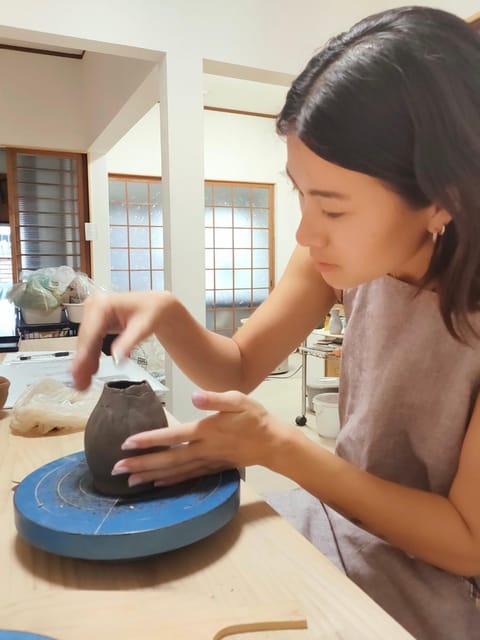
The class follows a simple rhythm:
- Meet Anna at the north exit of JR Teradachō Station.
- Walk with her to the studio through a local food-shopping street.
- Learn about Japanese ceramics, clay, glazes, and the three project choices.
- Select your sake set, sushi set, or chawan.
- Shape and decorate the clay with private guidance.
- Clean up, confirm the glaze choice, and arrange delivery of the finished work.
That sequence gives you plenty of contact with the instructor without making the outing feel over-programmed. The station pickup is included, while transportation to Teradachō Station is not. You will need to reach the meeting point on your own.
Timekeeping matters. If you expect to be more than 15 minutes late, contact the provider. More than 15 minutes late is treated as a no-show, so build in extra time for finding the correct station exit and getting across Osaka.
The experience is limited to private groups, which makes it well suited to couples, families, or friends who want to work together. Children under five cannot take part. A family of five has used the class as a quiet break from sightseeing, and older children who can follow instructions may find the hands-on format especially satisfying, though the minimum age rule is the only age guidance provided.
Your pottery comes later, not at the end of class
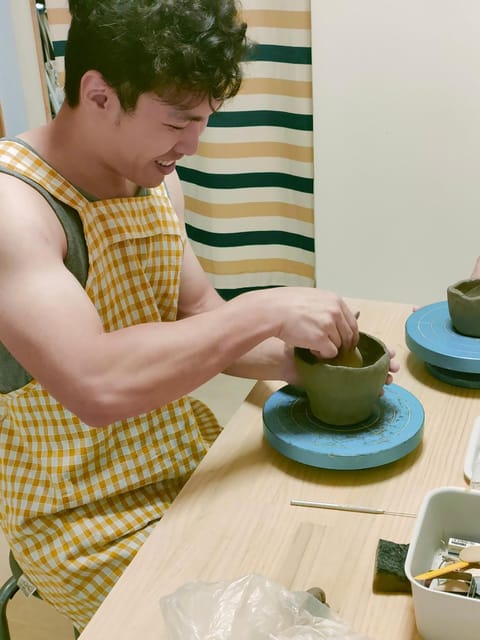
One important point can easily get lost in the excitement of making the piece: you do not take the finished pottery home that day. The work must be completed after the session and takes about one month and a half to ship.
Shipping costs are not included. You should treat the $96 as the price of the private instruction, materials, finished ceramic product, station pickup, and the extra gift, but not the complete delivered cost of the souvenir. Ask about the mailing charge before you finalize the piece if your budget is tight.
The wait has a positive side. Your object is not a rushed wet-clay souvenir packed into your luggage. It goes through the remaining ceramic process before being sent to your home. The delayed arrival can also extend the memory of your Osaka visit, though you will need to provide accurate shipping details and be comfortable waiting.
Anna also gives each participant a small handmade gift: a little dish decorated with a traditional Japanese pattern and a chopstick holder shaped like a Sakura flower. This gift arrives as an immediate reminder of the class, even while your main pottery is still being finished.
Is $96 a fair price?
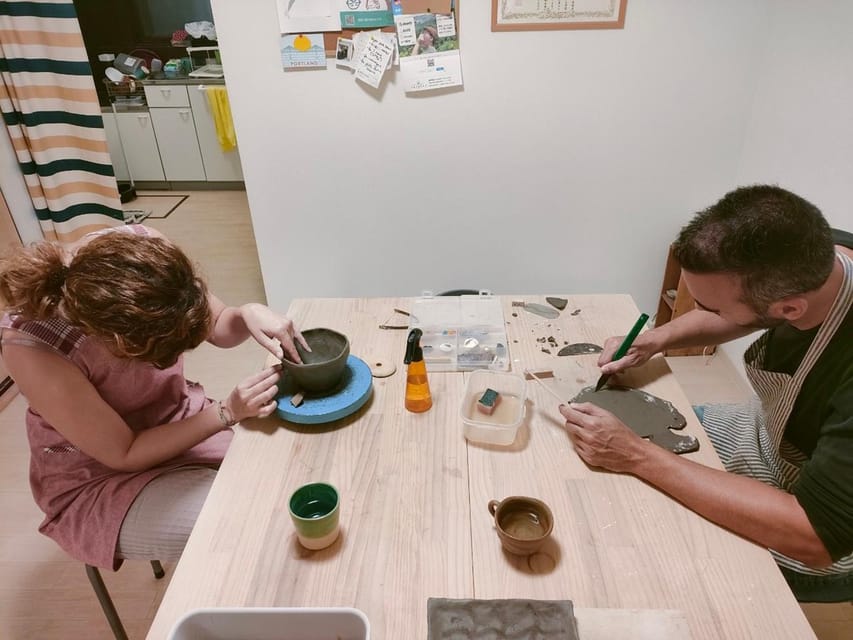
For a shared beginner craft class, $96 would call for careful comparison. For a two-hour private lesson, the value is easier to understand. The price covers the instructor, clay from the Shigaraki area, Japanese glazes, the piece you make, station pickup, and two small handmade gifts.
You are also paying for the setting and the conversation. Anna does not simply show you a finished sample and ask you to copy it. She explains the three forms, discusses Japanese culture and cuisine, and gives direct help throughout the shaping and decorating process.
The price is less attractive if you want instant luggage-ready pottery or a long multi-session course. You must add shipping, wait around six weeks, and accept that a two-hour session can only introduce you to ceramics rather than make you an expert.
I see the best value for someone who wants a meaningful souvenir and a personal cultural activity, not simply the cheapest craft class in Osaka. If your group includes several people, the private setup also gives you shared time without strangers joining your table.
The people this workshop suits best
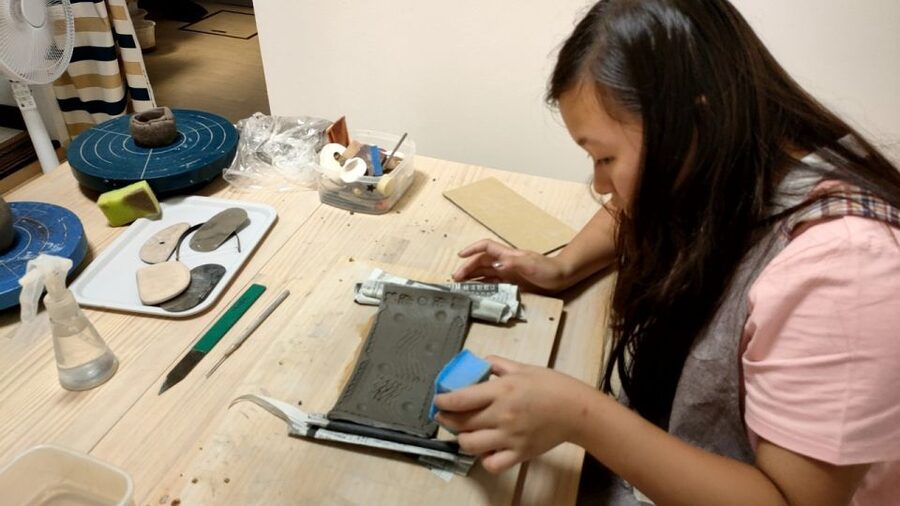
I would choose this for a first-time potter who wants patient guidance and a finished object with a clear Japanese connection. The class is also a good fit for an experienced potter who wants to compare Japanese hand-building ideas and can ask Anna to raise the technical level.
It suits couples especially well because you can choose different objects and work side by side. Families can use it as a slower, quieter part of an Osaka itinerary. Solo visitors may find the private format comfortable, since the conversation gives structure to the visit without forcing you into a large group.
This is not the best choice if you dislike waiting for a souvenir, have no interest in hand-building, or want a broad tour of Osaka’s famous sights. The walk is local and atmospheric, but it is not a major sightseeing route. You are here to make something, talk, and learn.
Practical details before you reserve
Book with the meeting point in mind. You are responsible for getting to JR Teradachō Station, north exit, and should allow enough time to find Anna and the studio walk. The guide carries a Ceramics Tocoton sign.
The experience lasts two hours, with starting times based on availability. It is available in English, Catalan, Spanish, and Japanese. It is a private group activity, so you will not be placed with unrelated participants.
Free cancellation is available up to 24 hours before the activity for a full refund. You can also reserve now and pay later, which helps if your Osaka schedule is still changing.
Wear something you can work comfortably in, though no special clothing requirement is given. The most important preparation is deciding which type of object appeals to you and remembering that the finished piece will arrive later.
Should you book Ceramics Tocoton?
Book it if you want a hands-on Japanese souvenir, a private teacher, and a look at a quieter corner of Osaka. Anna’s patient instruction, cultural conversation, and ability to work with both beginners and experienced potters make the session more personal than a standard drop-in craft activity.
Think twice if your schedule cannot handle the walk to Teradachō Station, the extra postage, or the six-week wait for your pottery. For everyone else, this is a thoughtful two-hour pause from sightseeing, with a useful result: you go home with a skill, a handmade gift, and pottery that carries your own fingerprints into the memory.
FAQ
Where does the ceramics experience begin?
Meet the guide at the north exit of JR Teradachō Station. Look for a sign with the studio name, Ceramics Tocoton.
How long does the workshop last?
The experience lasts two hours.
What can I make during the class?
You can make a sake set with a small bottle and glass, a sushi set with a sushi plate and chopstick holder, or a chawan tea bowl.
What type of clay is used?
The workshop uses clay from the Shigaraki area, one of Japan’s traditional pottery production regions.
Which languages are available?
Instruction is available in English, Catalan, Spanish, and Japanese.
Can I take my pottery home immediately?
No. The pottery takes about one month and a half to ship after the workshop. Shipping costs are not included.
What is included in the price?
The price includes the instructor, clay and typical Japanese glazes, your finished ceramic product, pickup from Teradachō Station, and a small handmade gift.
Can children join the workshop?
Children under five are not permitted to take part.
Just added around Osaka
- Exclusive Sushi Making Experience with a Master Chef – Osaka Area★ 5.0 · 25 reviews
- Private Home-Style Cooking Class in Osaka with Local Mom Yoshiko★ 5.0 · 46 reviews
- Hidden Osaka – Yukaku Red Light Tour & Culinary Adventure★ 4.8 · 96 reviews
- Osaka: Walking Tour and Top Highlights★ 4.8 · 104 reviews
- Osaka: Private Ceramic Painting Workshop★ 5.0 · 13 reviews
- Pickleball in Osaka, Kobe & Kyoto with Locals!★ 4.7 · 80 reviews
- Eat Like a Local in Osaka – Private Custom Street Food Tour★ 4.3 · 33 reviews
- Osaka:SUMO BEATS SHOWCASE: Taiko Drum and Wagyu burger!★ 4.2 · 37 reviews
Traditional Crafts, compared.
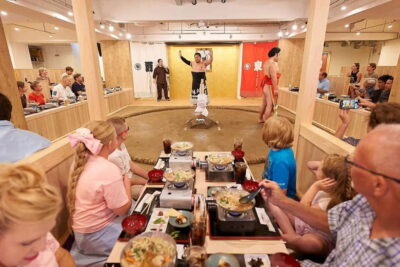
Tokyo Sumo Experience: Chanko & Mochi with a Former Pro
Our verdict →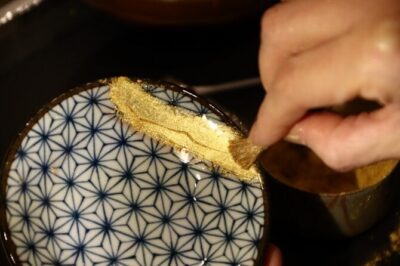
Kintsugi Experience: Art of Golden Joinery in Tokyo
Our verdict →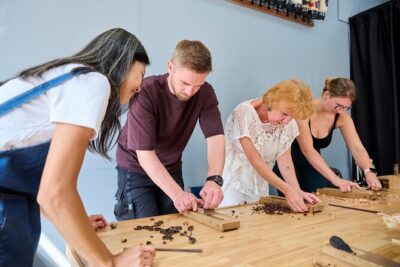

Matcha Making Experience with Mochi Sweets in Asakusa
Our verdict →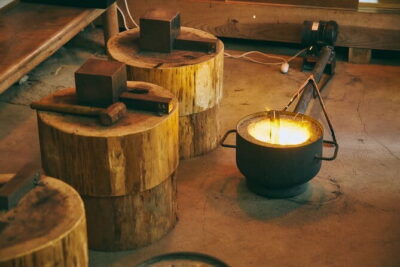
Authentic knife making experience at a blacksmith in Kyoto
Our verdict →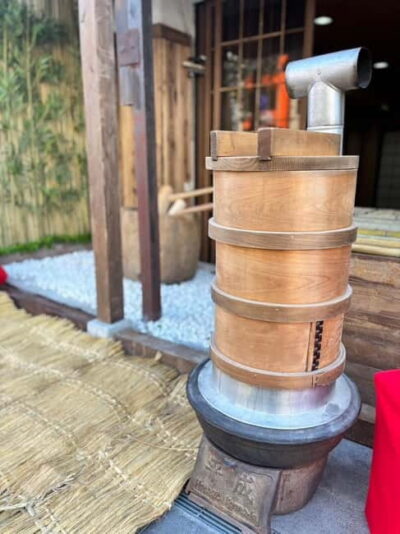

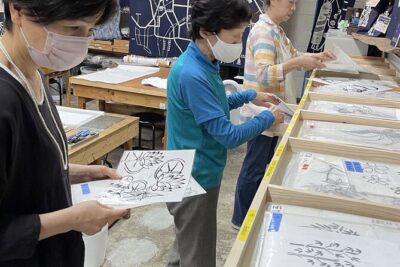
Roketsu dyeing experience: M course Roketsu Dyeing Experience
Our verdict →Browse the lists this tour appears in