Reviewed · GUIDED
Kyoto: Private Tour with Local Licensed Guide
Kyoto is easy to admire and surprisingly hard to plan. Its famous sights spread across a wide city, and a private guide can turn a pile of temples into a sensible day. You can ask for the classic route, such as Fushimi Inari, Kiyomizu-dera, and Gion, or build a quieter day around places such as Tofuku-ji, Nanzenji, and Ryoan-ji.
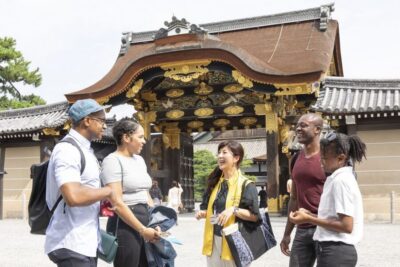
I like two things right away: the itinerary is genuinely flexible, and the guide handles the practical work between sights. Past guides such as Kazuo, Yuka, Akira, Noriko, and Haru have been praised for clear English, cultural insight, careful pacing, and help with buses and trains.
The catch is that this is a walking tour, not a private-car tour. Entrance fees, meals, and transportation are extra, and Kyoto’s most famous places can be crowded even with a skilled guide. You will get the most from it if you choose a realistic number of stops.
Key points to know before booking
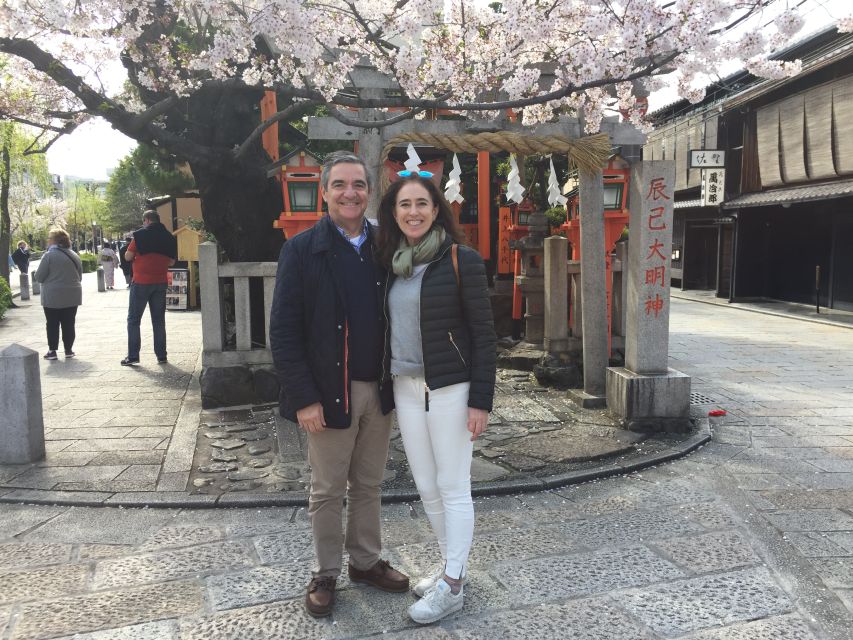
- Choose four, six, or eight hours: A four-hour tour usually covers two or three places, while eight hours allows roughly four to six.
- Shape the day around your interests: Pick from 32 suggested places, including temples, shrines, markets, gardens, and neighborhoods.
- Travel with a nationally licensed guide: Guides hold Japan’s government-issued Tour Guide-Interpreter certification.
- Expect public transportation and walking: Your guide can use buses, trains, or local taxis, but those costs are not included.
- Keep the group private: The maximum group size is seven people, making the day easier to adjust for children, seniors, and different walking speeds.
- Ask for an early start: Several guides have helped visitors beat some of the crowds at Kyoto’s busiest sights.
A private Kyoto day built around your priorities
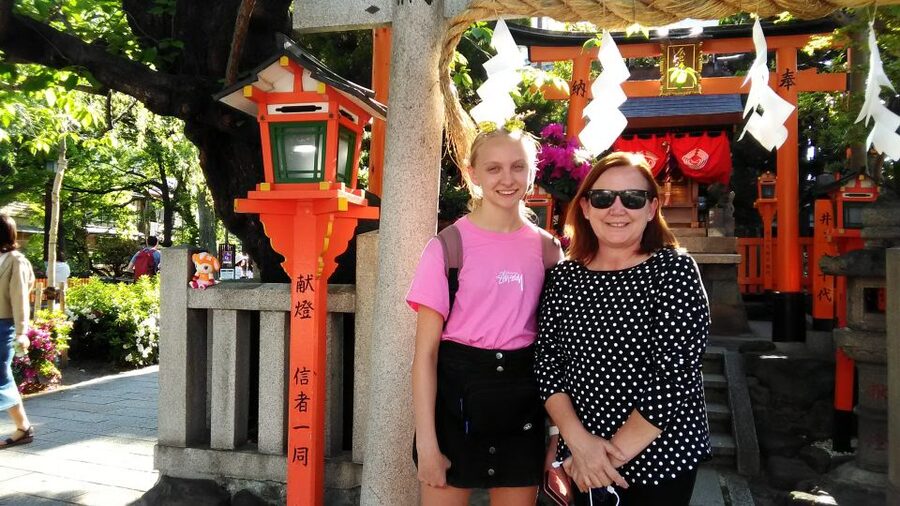
This experience works best as a planning service as much as a sightseeing tour. After booking, you tell the provider or guide what matters to you. You might want the grand landmarks, traditional neighborhoods, food stops, shopping, photography, or temples that receive less attention.
The available list is long. It includes Fushimi Inari-taisha, Nijo Castle, Gion, Nishiki Market, Kiyomizu-dera, Kyoto Imperial Palace, Pontocho, Higashiyama, Ginkakuji, Nanzenji, Tofuku-ji, Toji, Kinkakuji, Ninna-ji, Shugakuin Imperial Villa, Kibune River, Ryoan-ji, Arashiyama, Katsura Imperial Villa, Daikaku-ji, Tenryu-ji, Yoshimine-dera, Togetsukyo Bridge, Bamboo Forest Street, Okochi Sanso Garden, Jojakkoji, Nisonin, Gioji, Adashino Nenbutsu-ji, Otagi Nenbutsu-ji, Byodoin, and Maruyama Park.
That range matters. Kyoto is not one compact museum district. Fushimi Inari lies south of the central sights, Arashiyama is west of the center, and places such as Kibune require a very different plan from Gion. A guide who knows the transport system can help you avoid spending half the day crossing the city.
The guide usually contacts you before the tour to confirm the plan. Use that chance well. Send a short priority list, say which places are must-sees, and mention mobility needs, children, senior family members, food interests, or a wish to avoid busy areas.
A few more Kyoto half-days worth comparing
- PERFECT KYOTO 1-Day Bus Tour
★ 5.0 · 13,518 reviews - Kyoto: Fushimi Inari, Kinkakuji, Bamboo Grove 1 Day Bus Tour
★ 4.8 · 4,316 reviews - Kyoto: Tea Ceremony in a Traditional Tea House in Kiyomizu
★ 4.9 · 3,519 reviews
What a four-hour tour can really cover
Four hours is enough for a useful introduction, but not for every famous corner of Kyoto. The suggested pace is two or three places, and that is a sensible limit once you allow for walking, transport, photos, questions, and entrance lines.
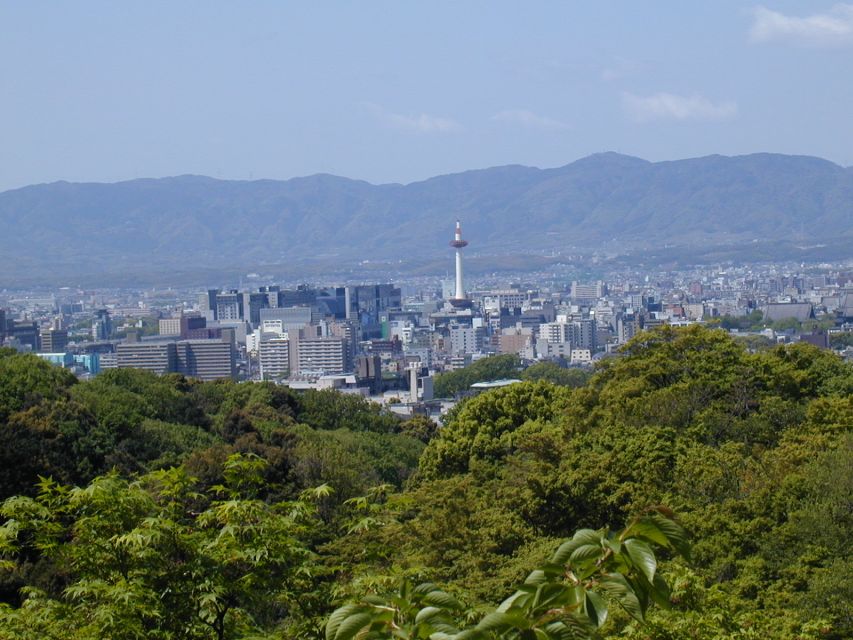
A strong four-hour plan might pair Kiyomizu-dera with Higashiyama and Gion. This keeps you in one broad part of the city. You can visit the ancient temple, look out over Kyoto from its large veranda, then walk downhill through Kyoto-style shops toward Gion. That route gives you temples, streets, souvenirs, and the chance to ask your guide for a restaurant or snack recommendation.
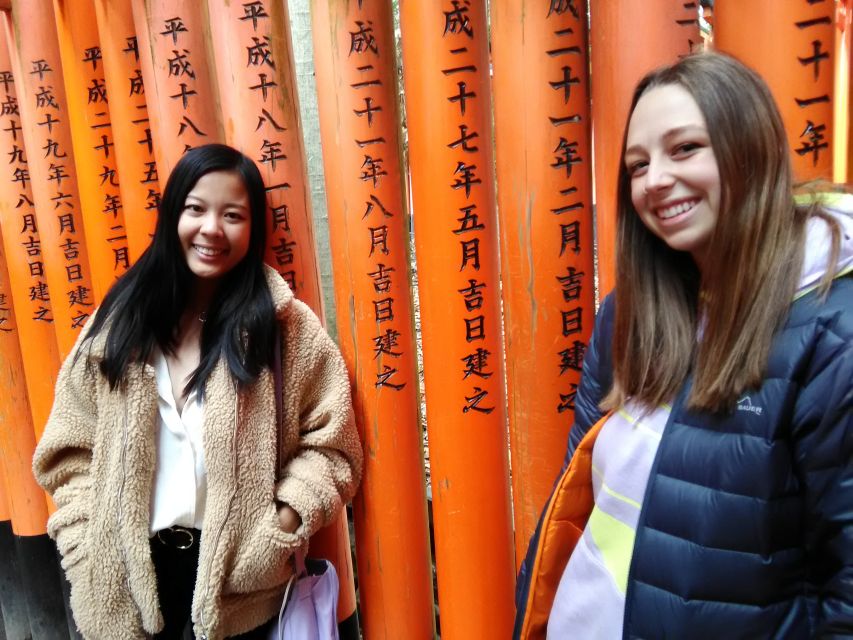
Another plan could combine Fushimi Inari with Tofuku-ji. Fushimi Inari is famous for its long corridor of red torii gates, erected as a symbolic passage from the human world toward the realm of the gods. It is a striking place, but the lower section can be very busy. A guide can explain the shrine customs and help you decide how far to walk rather than treating the entire mountain path as a race.
A four-hour morning is useful if you have only a short stay or want help on your first day. It gives you local orientation, transport practice, and ideas for the rest of your visit. I would not use this option for distant combinations such as Fushimi Inari and Arashiyama unless your guide confirms that the timing works.
The six-hour choice for classic Kyoto
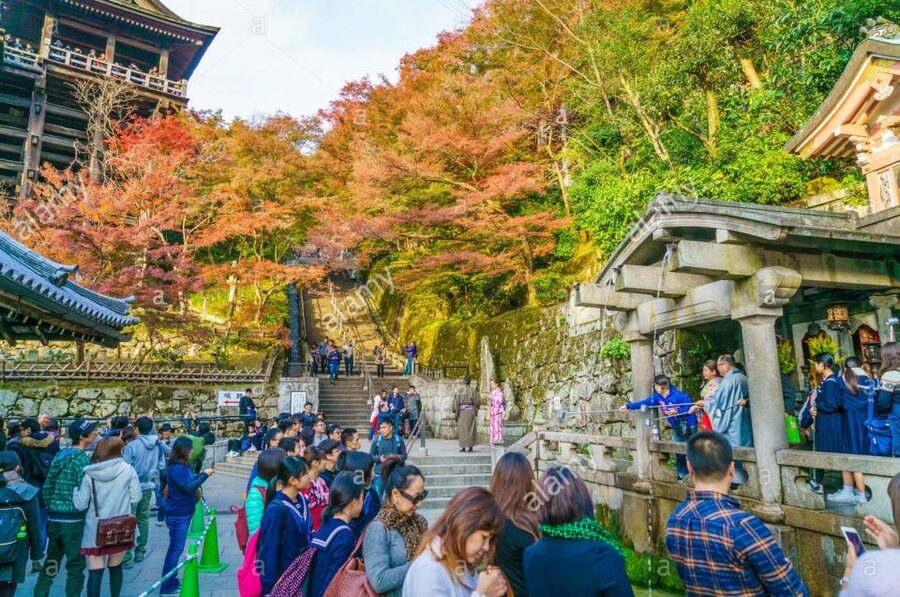
Six hours is the most balanced option for many visitors. It gives you time for three or four places without forcing every stop into a quick photograph.
You might begin at Fushimi Inari, continue to Kiyomizu-dera, walk through Higashiyama, and finish in Gion. This is a full cultural day, with shrine rituals, temple views, traditional streets, shops, and dinner suggestions. It also gives your guide room to explain the difference between Shinto shrine customs and Buddhist temple practice.
A central Kyoto plan could use Nijo Castle, Nishiki Market, Gion, and Pontocho. Nijo Castle brings political and architectural history. Nishiki Market is better for food browsing and small purchases than for a quiet stroll, and it can become crowded. Gion and Pontocho then shift the mood to narrow lanes, restaurants, and Kyoto’s traditional entertainment districts.
You can also ask for a temple-focused day. Ginkakuji, Nanzenji, Tofuku-ji, and Ryoan-ji offer different styles of religious architecture and gardens. The guide’s role here is not simply to name the buildings. A licensed guide can explain the customs, historical setting, and design choices that are easy to miss when you walk through alone.
Six hours also allows room for changes. One guide, Noriko, was praised for adjusting the route to avoid traffic and fit in an additional scenic stop. That kind of flexibility is valuable in Kyoto, where a delayed bus or a crowded market can change the best plan.
When eight hours earns its keep
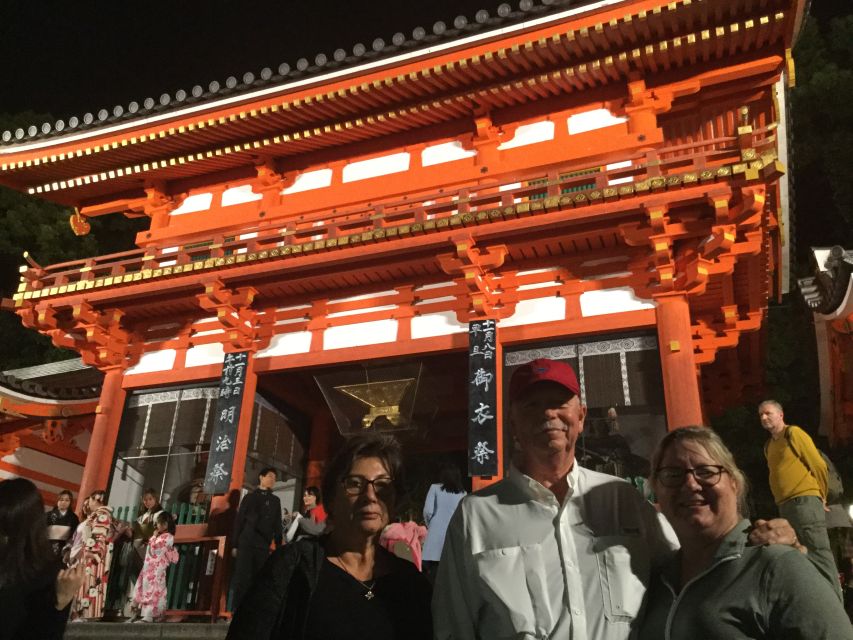
The eight-hour option suits a first visit, a family group, or anyone with a short Kyoto stay. The suggested range is four to six places, but you should not treat that as a target to beat. Kyoto’s sights reward attention, and a day of six rushed stops is less satisfying than four well-chosen ones.
A full day might combine Kinkakuji, Ryoan-ji, Nijo Castle, Nishiki Market, Gion, and Kiyomizu-dera. Kinkakuji, the Golden Pavilion, is known for its gold-covered reliquary hall and bold setting against the hills. Ryoan-ji gives you a different mood, with its famous rock garden and quieter temple grounds. The route then moves toward central Kyoto and the eastern temple district.
An Arashiyama day can include Tenryu-ji, Togetsukyo Bridge, Bamboo Forest Street, Okochi Sanso Garden, and one or two nearby temples such as Jojakkoji or Nisonin. This area offers a mix of river views, garden paths, temple grounds, and the well-known bamboo route. It is a lot for one day, so ask your guide to prioritize the places that matter most to you.
A long day is also useful for families. One guide, Yuka, was praised for keeping a group of six comfortable and included. Another guide, Haru, adapted well to a party with a senior and two children. Those details matter because a private guide can slow down, add a coffee break, change the transport plan, or drop a stop when energy fades.
More Private-Only Departures in Kyoto:
- Fushimi Inari Hidden Hiking Tour (Private Option Available)
★ 5.0 · 1,750 reviews - Private Kyoto Tour with a Local, Highlights & Hidden Gems, Personalised
★ 5.0 · 1,543 reviews - Kyoto 6hr Private Tour with Government-Licensed Guide
★ 5.0 · 1,369 reviews - 10 Must-see Spots in Kyoto One Day Private Tour (up to 7 people)
★ 5.0 · 1,108 reviews
The famous sights, with their tradeoffs
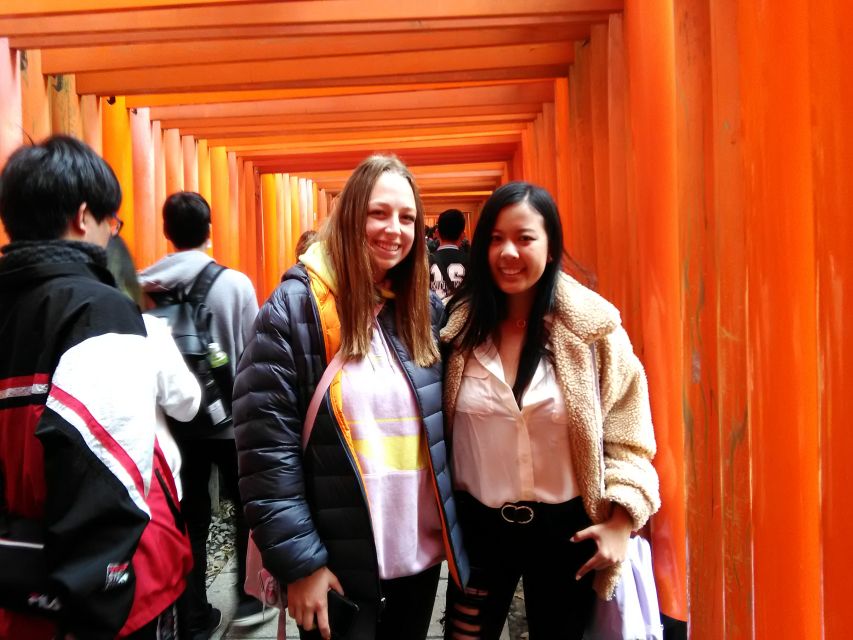
Fushimi Inari is one of Kyoto’s essential images. The red torii corridor makes an immediate impression, and the shrine gives your guide a natural opening to explain Japanese religious customs. Go early if possible. Even then, do not expect solitude near the entrance.
Kiyomizu-dera offers one of the city’s best elevated views from its broad wooden veranda. The walk toward Gion is part of the appeal, with shops selling Kyoto-style souvenirs and snacks. The route includes slopes and crowds, so comfortable shoes matter.
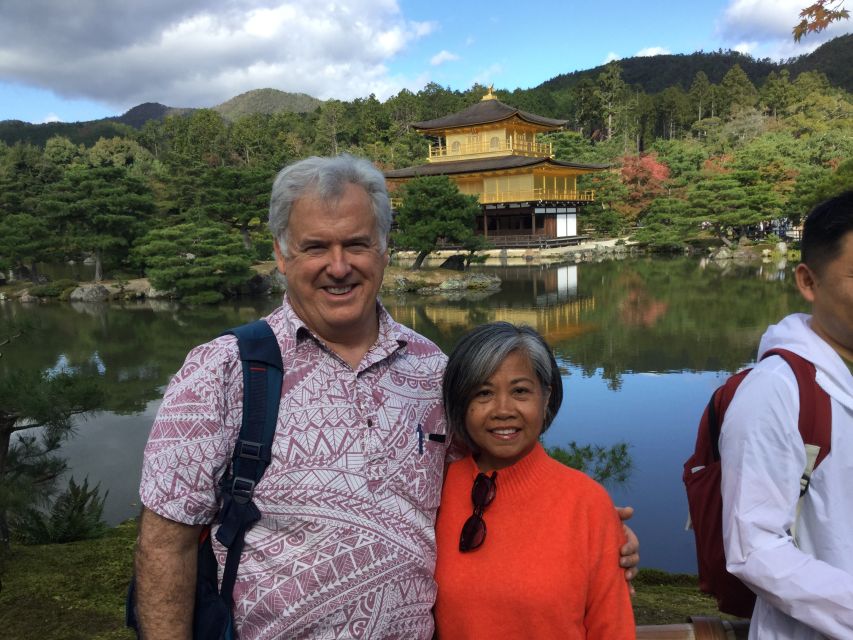
Kinkakuji is visually direct: the gold pavilion, the pond, and the hills behind it create a memorable scene. The visit is usually more about viewing and photography than long exploration, so it pairs well with another nearby temple rather than serving as the only stop of a short tour.
Nishiki Market is a good choice if you want to look at local foods and small shops. It can be packed, and it is not always an easy place for a large group to move together. Your guide can help you understand what you are seeing and point out useful places, but food and drinks are your responsibility.
Gion and Pontocho are best treated as neighborhoods, not checklist attractions. Your guide can explain what makes the lanes distinctive, suggest a restaurant, and help you enjoy the area respectfully. Keep expectations sensible: this is a living district, not a stage set.
Arashiyama offers plenty, from Tenryu-ji and Togetsukyo Bridge to the bamboo route and Okochi Sanso Garden. It is one of the places where transport planning matters most. If you want a relaxed day, do not combine every Arashiyama stop with several distant temples.
What the guide adds beyond a map
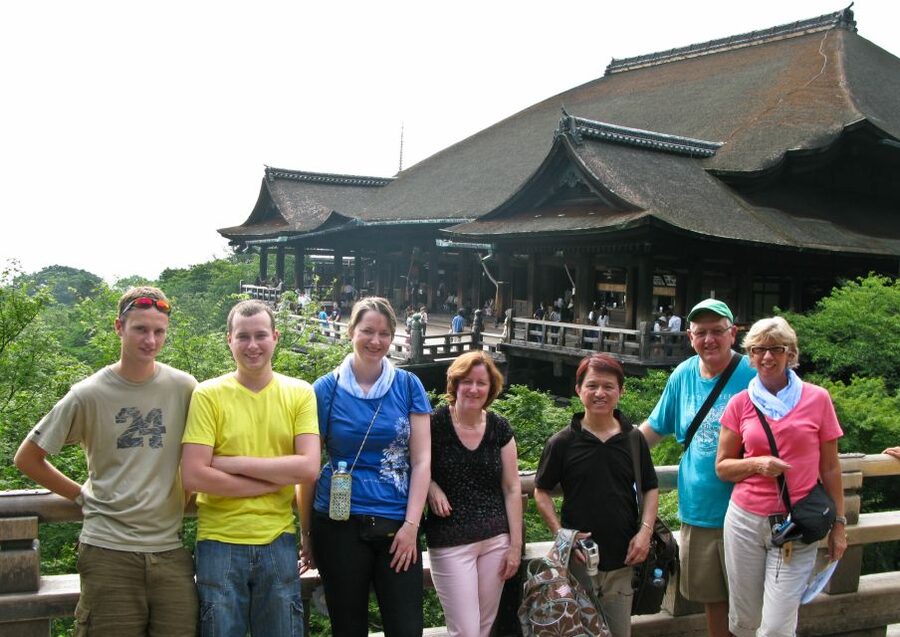
The strongest part of this tour is the human explanation. A map can show you where Kiyomizu-dera is. It cannot easily explain how to approach a shrine, how to read a fortune, or why a gate corridor carries symbolic meaning.
Several guides have been praised for making these customs clear. Michi, for example, helped visitors understand how to pray at shrines and how to have their fortunes told. Guides have also shared stories about modern Japanese culture, not just dates and architectural terms.
Communication appears to be a major strength. English and Japanese are offered, and many guides have been praised for clear English. Some visitors specifically valued advance messages, photos of the meeting point, help with train times, and written explanations. One guide, Yuri, brought a handmade book for the places visited and wrote information in Japanese.
The experience also benefits from local recommendations. Yasu ended a tour with a ramen suggestion. Other guides helped with sushi in Gion, shopping advice, and restaurant choices. These suggestions are not included meals, but they can make the rest of your Kyoto stay easier.
Walking, buses, trains, and the real cost
The price is listed at $106 per person, but the value depends on group size and how much planning help you need. For one person, the cost is significant. For a private group of four to seven, it can be a reasonable way to share a guide who would otherwise be difficult to arrange privately.
The $106 does not cover entrance fees, food, drinks, buses, trains, or taxis. Keep Japanese yen available for transportation. Your guide can explain the expected cost once the route is finalized, but the final amount depends on the places you choose.
A private vehicle is not part of the standard tour. If you want one, it must be arranged directly and booked at least five days ahead. This distinction is important for anyone expecting a chauffeured sightseeing day.
Pickup is on foot from your accommodation if it is within a reasonable distance. You can also request a meeting at a train station. The guide waits in the hotel lobby or station about ten minutes before the scheduled pickup time, so confirm the exact point in advance.
Who should book this Kyoto tour
I would recommend this for first-time Kyoto visitors who want context without joining a large group. It is also a strong fit for families, small friend groups, and anyone who finds Japanese transport or shrine customs hard to manage alone.
It suits visitors with specific interests. You can request gardens, imperial sites, food districts, famous temples, quieter religious sites, or a route that works for a senior family member. The private format means you do not have to keep pace with strangers.
It is less suitable if you want a cheap, fixed sightseeing bus or a car with door-to-door service. It is also not ideal for someone who wants to see every major sight in one day. The tour is flexible, but Kyoto’s geography is not.
Rain will not cancel the experience, so bring suitable clothing and shoes. The tour is wheelchair accessible, but you should discuss your precise route and mobility needs before the day, since temple grounds, streets, and transport connections vary.
Is the private Kyoto guide worth booking?
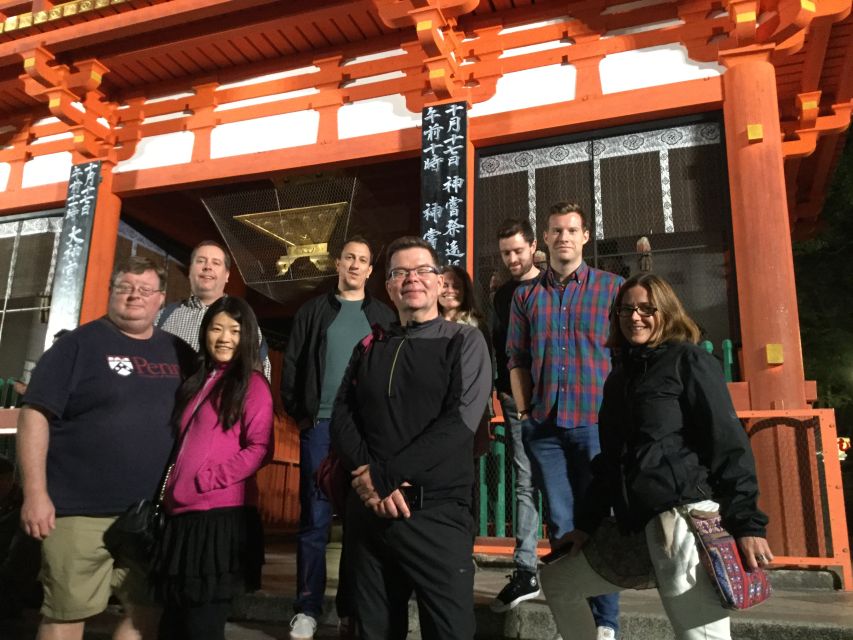
Book it if you want to turn a complicated Kyoto day into a clear, personal route. The best value comes from sending your priorities early, choosing a realistic number of places, and allowing the guide to arrange the order.
Choose four hours for a focused introduction, six for a well-rounded day, and eight if Kyoto is a major part of your trip or you want several districts. I would especially consider it for a group of four or more, for families, or for a first morning in the city.
Skip it if you prefer to wander alone, already understand Kyoto’s transport system, and want to keep costs to the bare minimum. For everyone else, the licensed local guide, flexible itinerary, and practical help with buses, trains, customs, food, and timing make this a useful way to see Kyoto with less guesswork.
FAQ
How long does the private Kyoto tour last?
You can choose a four-hour, six-hour, or eight-hour tour. A four-hour visit usually covers two or three places, six hours covers about three or four, and eight hours covers roughly four to six.
Can I choose which Kyoto sights to visit?
Yes. You should tell the guide after booking which places you want to see. The suggested list includes Fushimi Inari, Kiyomizu-dera, Gion, Nishiki Market, Kinkakuji, Arashiyama, Nijo Castle, and many other temples, shrines, gardens, and districts.
Is transportation included?
No. This is a walking tour, and public transportation or local taxis may be used between sights. Transportation costs are extra, and you should carry Japanese yen.
Is a private vehicle included?
No. A private vehicle is not included in the standard tour. You can contact the provider to arrange one, but private vehicles must be booked at least five days in advance.
Where does the guide meet me?
The guide can meet you at your accommodation on foot if it is within a reasonable distance, or at a train station you request. The guide waits in the hotel lobby or station about ten minutes before the scheduled pickup time.
What languages are available?
The tour is offered in English and Japanese. Guides hold Japan’s Nationally licensed Tour Guide-Interpreter certification.
What is included in the $106 price?
The price includes a private personalized walking tour and a licensed local guide. Entrance fees, food, drinks, and transportation during the tour are not included.
Just added around Kyoto
- Sekka Cotton Furoshiki Class★ 5.0 · 19 reviews
- Secret Eastern Kyoto Biking Adventure★ 5.0 · 44 reviews
- Kyoto Sword Experience – includes Museum Ticket/Ninja Experience★ 4.5 · 149 reviews
- Scenic Green Tea Fields of Hidden Kyoto & Local Tea Exp (Private)★ 5.0 · 32 reviews
- Private Sake Tasting in Central Kyoto with Sake Sommelier★ 5.0 · 32 reviews
- Samurai School in Kyoto: Samurai for a Day★ 5.0 · 202 reviews
- SHIRAKAWA Japanese Culture Experiences with private English staff★ 5.0 · 16 reviews
- A Privately Guided Photoshoot in Beautiful Kyoto by a Pro★ 5.0 · 18 reviews
Guided, compared.
Shinjuku Local Bar and Izakaya Guided Walking Tour
Our verdict →
Kyoto Early Morning Tour with English-Speaking Guide
Our verdict →
Tokyo 4hr Private Tour with Government-Licensed Guide
Our verdict →