Reviewed · GUIDED
Kyoto 6hr Private Tour with Government-Licensed Guide
Kyoto is too large and too layered to understand by simply checking off temples. This private six-hour tour lets you choose three or four places, then links them with public transportation and a local guide who can explain what you are seeing. I like the freedom to build a day around your interests, and I like that guides such as Yuka, Rie, Kazuhiko, and Kiyoshi have been praised for adjusting the pace and explaining both history and daily life.
The tradeoff is simple: the long list of possible sights can look like a full Kyoto tour, but you will visit only three or four locations in six hours. The tour is also on foot and by public transport, so lunch, admission fees, and a private car are not part of the price.
Key points before you book
- Choose three or four sights: Your guide helps create a sensible route instead of trying to cram in every famous temple.
- Travel like a local: Expect trains, buses, walking, and station navigation rather than a private coach.
- Strong guide element: Guides including Yuka, Rie, Kiyoshi, Kazuhiko, Noriko, and Yasu have been praised for clear English, local knowledge, and flexible planning.
- A useful first-day tour: You can get your bearings, learn how Kyoto’s transport works, and save other areas for later.
- Allow extra money: Temple admission, lunch, and personal costs are not included in the $155.86 price.
- Book ahead: Advance reservation of at least two weeks is requested, and free cancellation is available up to 24 hours before the start time.
What this six-hour Kyoto tour really offers
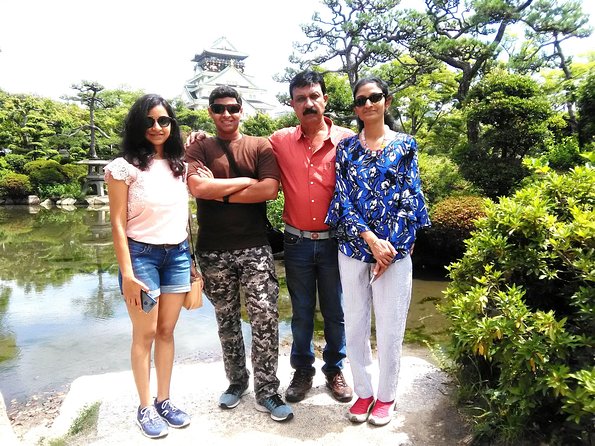
The best way to view this experience is as a private planning service, not as a fixed sightseeing bus tour. You tell the guide what matters to you, and together you select three or four places from a broad menu of Kyoto sights.
That matters because Kyoto’s major attractions are spread across the city. Fushimi Inari is in the south, Arashiyama is in the west, Kinkaku-ji is in the north, and Gion and Kiyomizu-dera are in the east. Trying to cover all of them in one day would leave you rushing from one stop to the next.
I like the freedom here. Families can choose a lighter route with shorter walks. First-time visitors can pick the famous sights. Repeat visitors can focus on quieter temples, gardens, or a day trip to Uji.
Your guide meets you on foot within a designated area of Kyoto. The tour uses public transportation, and there is no private vehicle. That can be a plus if you want practical help with Kyoto’s trains and buses, but it also means you should wear comfortable shoes and be ready for station stairs, sidewalks, and temple paths.
A few more Kyoto half-days worth comparing
- PERFECT KYOTO 1-Day Bus Tour
★ 5.0 · 13,518 reviews - Kyoto: Fushimi Inari, Kinkakuji, Bamboo Grove 1 Day Bus Tour
★ 4.8 · 4,316 reviews - Kyoto: Tea Ceremony in a Traditional Tea House in Kiyomizu
★ 4.9 · 3,519 reviews
Picking the right three or four sights
The most important decision comes before the tour begins. Think in terms of a small theme rather than a wish list.
For classic Kyoto, you might choose Fushimi Inari, Kiyomizu-dera, Gion, and Nishiki Market. This gives you a shrine, a major temple, an old entertainment district, and a food market.
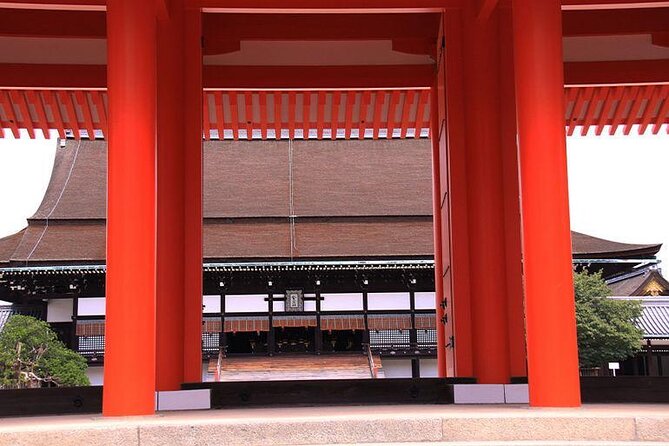
For gardens and Zen culture, Kinkaku-ji, Ryoan-ji, Arashiyama, and Nijo Castle make sense. You will see a golden pavilion, Japan’s best-known rock garden, a bamboo grove area, and a castle linked to the Tokugawa shoguns.
For imperial Kyoto, consider the Kyoto Imperial Palace, Nijo Castle, Ginkaku-ji, and Nanzen-ji. For a day beyond central Kyoto, Byodoin Temple in Uji can be included, though extra travel time is expected.
Your guide can help you avoid a route that looks good on paper but wastes half the day in transit. Kazuhiko Goto, for example, prepared photos and diagrams for a couple who visited the Imperial Palace, Toji, and Fushimi Inari. Akira also kept a slower pace for older participants while still fitting in several major stops.
Fushimi Inari and the vermilion gates
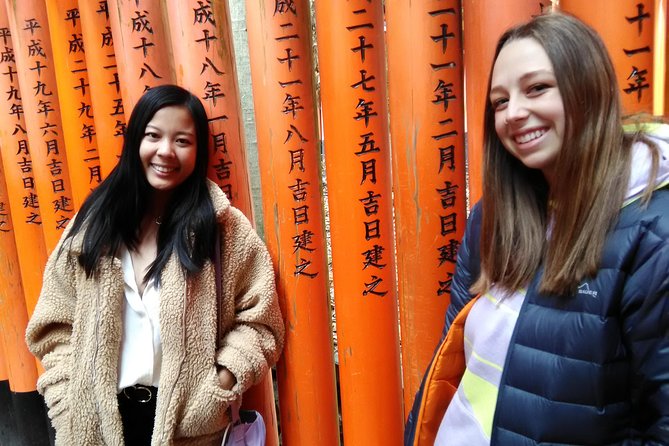
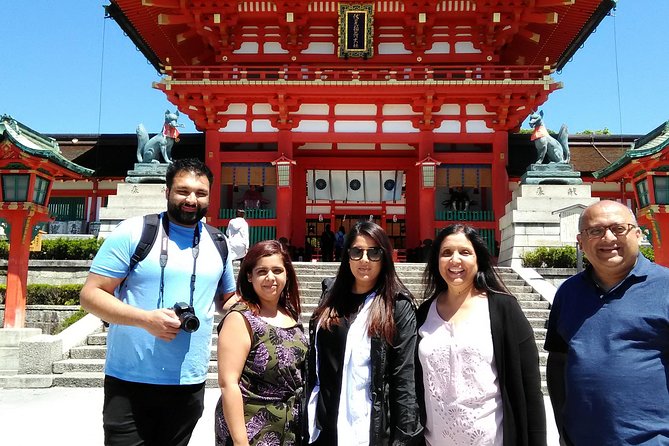
Fushimi Inari-taisha is one of Kyoto’s most recognizable sights, with long tunnels of vermilion torii gates climbing into the wooded hills. The shrine is dedicated to Inari, associated with rice, business, and prosperity, and the fox figures around the grounds are part of its visual language.
You do not need to walk the entire mountain to appreciate it. A guide can explain the meaning of the gates and help you decide how far to go within the time available.
This is a popular choice for a first visit, but it can become crowded near the lower gates. Starting early may make the walk more comfortable, although the tour’s exact start time is arranged with your guide.
Kiyomizu-dera, Higashiyama, and Gion
Kiyomizu-dera sits on the eastern hills above Kyoto and is known for its large wooden stage and views across the city. The temple grounds are broad, with several religious buildings and lanes leading through the surrounding Higashiyama area.
The nearby streets are part of the appeal. Traditional storefronts, narrow lanes, and old wooden buildings give you a sense of Kyoto beyond the temple entrance. The area can also be crowded, especially around the main approach.
Gion adds another layer. Its lanes and tea-house architecture are closely linked to Kyoto’s geisha culture, and a guide helps you understand the district without treating it as a theatrical photo backdrop. A guide can also point out how Gion connects with nearby Hanamikoji and Kennin-ji.
One useful detail from the tour experience is that some guides adjust the day around conditions. Joy Etsuko, for example, took visitors to Fushimi Inari and Kiyomizu-dera after dark, when the gates and city lights created a different mood. Do not assume every booking includes an evening schedule, but it is worth discussing your preferred timing in advance.
More Private-Only Departures in Kyoto:
- Fushimi Inari Hidden Hiking Tour (Private Option Available)
★ 5.0 · 1,750 reviews - Private Kyoto Tour with a Local, Highlights & Hidden Gems, Personalised
★ 5.0 · 1,543 reviews - 10 Must-see Spots in Kyoto One Day Private Tour (up to 7 people)
★ 5.0 · 1,108 reviews - Kyoto 4hr Private Tour with Government-Licensed Guide
★ 5.0 · 629 reviews
Nijo Castle and Kyoto’s ruling class
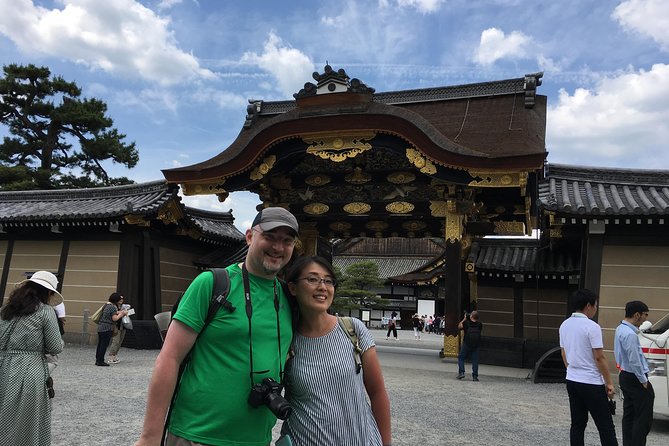
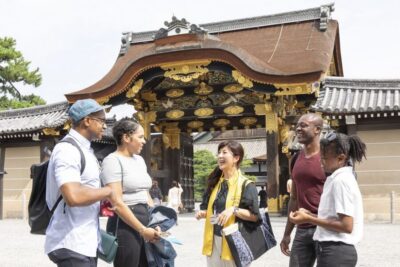
Nijo Castle gives you a break from temple after temple. Built in connection with Tokugawa power, it was designed to display the authority of the shogun in Kyoto.
The castle’s interiors, gardens, gates, and painted decoration help explain how political power worked in early modern Japan. The famous nightingale floors, designed to make a sound underfoot, add a practical detail that tends to stay in your memory.
Admission is not included. If you want a detailed visit, allow enough time for the main buildings and grounds rather than treating the castle as a quick photo stop.
Nishiki Market, Pontocho, and food time
Nishiki Market runs along a narrow, five-block shopping street lined with more than 100 shops and restaurants. It is often called Kyoto’s Kitchen, and it is a useful place to see ingredients, snacks, pickles, seafood, sweets, and small food businesses in one compact area.
The market is not a formal tasting tour. Your personal spending is your responsibility, and the tour does not include lunch. Still, your guide can help you understand what you are looking at and suggest places to eat afterward.
Pontocho is another good choice for an evening-oriented route. This narrow lane beside the Kamogawa River is packed with restaurants and has a distinctive old Kyoto atmosphere. It is best understood as a dining district rather than a major monument, so choose it if food, streets, and local atmosphere matter more to you than another temple.
Several guides have offered restaurant recommendations, which can be especially useful when you have only one night in town. Ask for suggestions early enough to fit them into your day.
Imperial Kyoto and the eastern temple route
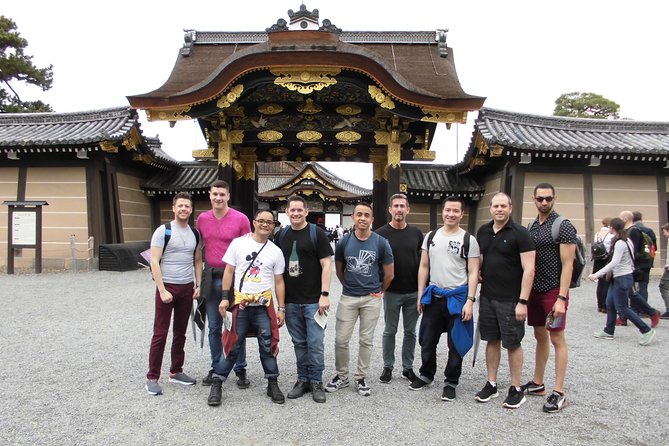
The Kyoto Imperial Palace was the residence of Japan’s Imperial Family until 1868, when the capital moved to Tokyo. Its broad grounds feel different from the tight lanes of Gion or the crowded approach to Kiyomizu-dera.
The palace works well for visitors interested in court life, formal gardens, and the long political role of Kyoto. It also requires more open space and walking, so it may not be the best choice if your group prefers compact sights.
Ginkaku-ji, the Silver Pavilion, began as the retirement villa of shogun Ashikaga Yoshimasa. Despite its name, it is not covered in silver. Its gardens and understated design offer an interesting contrast with Kinkaku-ji, the Golden Pavilion.
Nearby Nanzen-ji is one of Kyoto’s major Zen temple complexes. The brick aqueduct at Nanzenji Suirokaku gives the grounds an unusual visual feature, and the broad temple area makes it easier to pause between stops.
Sanjusangendo is another eastern Kyoto option. Its long hall is famous for 1,001 statues of Kannon, the Buddhist figure associated with mercy. Photography restrictions and admission rules apply inside, but the scale of the collection makes this a memorable stop for visitors interested in religious art.
Northern Kyoto: Kinkaku-ji and Ryoan-ji
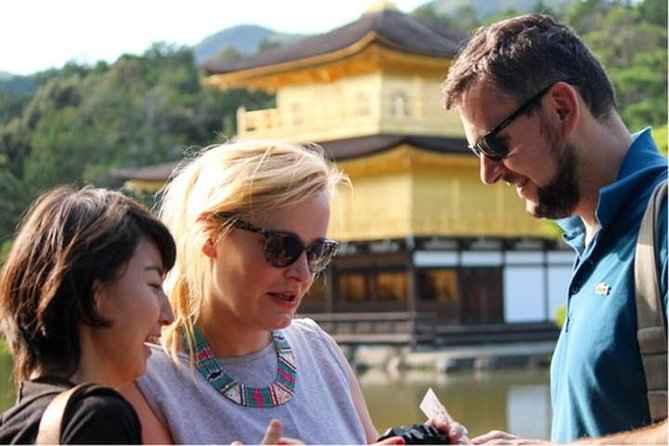
Kinkaku-ji, formally Rokuon-ji, is the Golden Pavilion whose upper floors are covered in gold leaf. The building reflected in its pond is one of Kyoto’s most familiar views, but the visit is more controlled than a casual stroll. You follow a set route through the grounds and usually cannot enter the pavilion itself.
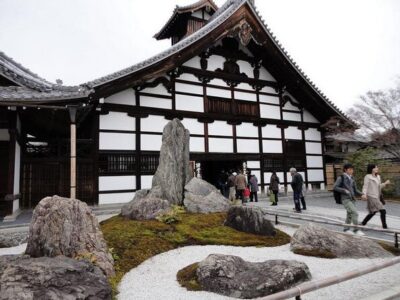
Ryoan-ji offers a quieter kind of experience. Its famous rock garden is spare and deliberate, with fifteen stones arranged so that one is hidden from any single viewpoint. Your guide can provide context, but you will still need a few quiet minutes to look for yourself.
The pairing is practical because the two sites are in the same broad part of the city. A guide can help you decide if they deserve most of your six hours or if you should add one nearby stop.
Ninna-ji and Daitoku-ji give you alternatives. Ninna-ji is a World Heritage temple and the head temple of the Omuro school of Shingon Buddhism. Daitoku-ji is a large Zen complex with many subtemples, though not every area is open at all times.
Arashiyama, bamboo, and Tenryu-ji
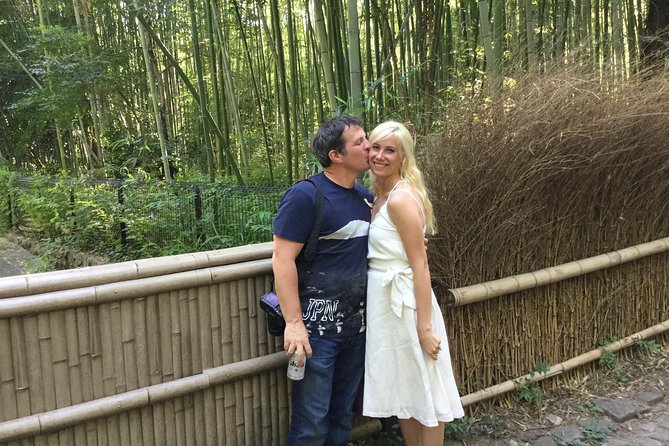
Arashiyama is one of Kyoto’s most popular districts, known for the Togetsukyo Bridge, bamboo groves, river views, and temples. It is also one of the easiest places to underestimate. The area covers more ground than the famous bamboo path alone suggests.
Tenryu-ji is the main temple choice, with gardens and Zen connections. The bamboo paths are photogenic, but the central section can feel crowded. If you want a calmer walk, your guide may suggest extending toward quieter temple areas, depending on the time available.
Okochi Sanso Garden, Jojakko-ji, Nison-in, Gio-ji, Adashino Nenbutsu-ji, and Otagi Nenbutsu-ji offer different versions of the Arashiyama area. Okochi Sanso was the villa of actor Okochi Denjiro. Gio-ji is known for its moss garden, while Otagi Nenbutsu-ji has about 1,200 stone statues with individual expressions.
You cannot reasonably visit all of these in one six-hour tour along with central Kyoto. Pick Arashiyama as the main focus if you want to walk, see the bamboo, and visit one or two temples without racing.
Uji, northern mountains, and special-interest choices
Byodoin Temple in Uji is a strong option for architecture and religious art. Its Phoenix Hall is a National Treasure and a World Heritage site, and the extra journey gives you a different setting from central Kyoto.
The northern mountain choices are even farther from the usual circuit. Kibune is a forested settlement associated with Kifune Shrine, while Kurama is known for Kurama-dera and its hot spring. Shugakuin Imperial Villa and Katsura Imperial Villa appeal to visitors interested in gardens and imperial design, though advance planning and travel time matter.
Toji, near Kyoto Station, is an easier addition to a central route. Its history reaches back to the early Heian period, and its large Buddhist images make it more than a quick exterior stop.
These options show why the private format can be useful. You can choose a famous photograph, a religious site, a garden, or a place tied to Japanese political history. You are not locked into the same route as every other group.
Guide quality and the value of private attention
The strongest part of this experience is the guide relationship. The better guides contact you before the day, ask what interests you, and shape the route around your pace.
Yuka has been singled out for preparation and warmth, while Rie planned a route that reached every selected site and explained each one clearly. Yasu adjusted schedules around family preferences, and Ken was praised for matching the group’s pace. Noriko helped visitors understand the train and subway system as well as suggesting places to eat.
English ability can vary by guide, so I would use the pre-tour communication to explain your needs plainly. If you want detailed religious history, tell the guide. If you need frequent rests, say so. If you want photography, food, gardens, or shopping, make that clear before the day begins.
There was also a poor experience involving a guide who lost track of the group, had limited English, and did not provide time for lunch. That appears to be an exception among the supplied feedback, but it is a useful reminder to confirm the meeting place, route, meal plan, and communication details ahead of time.
Is $155.86 per person fair?
At $155.86 per person, this is not the cheapest way to see Kyoto. You still pay for temple admissions, lunch, transportation costs, and personal purchases.
The value comes from private planning and time saved. A guide can help you choose a route, explain customs, handle station changes, and answer questions that a standard group tour may not have time for. For a family or small group, the price may compare well with hiring a private car, especially since you are learning to use Kyoto’s public transport instead of being sealed inside a vehicle.
The value drops if you already know Kyoto well or only want one simple district. In that case, a self-guided day around Gion, Higashiyama, or Arashiyama may be enough.
Who should book this private Kyoto tour?
I would choose this tour for a first visit, a short stay, a family group, or anyone who wants cultural context without joining a large group. It is also useful for older visitors who need a guide to control the pace, though you should explain mobility concerns before booking.
It suits curious visitors who want to ask questions. It is less suitable if you want a relaxed, unstructured day, a private car, or a fixed promise to see every attraction on the long list.
The booking includes a licensed local English-speaking guide and a private experience for your group only. Service animals are allowed, most people can participate, and the meeting and drop-off are on foot within the designated Kyoto area.
Final call: book it if you want a smart first day
Book this tour if you want help making hard choices in a city packed with worthy sights. The best results come from selecting three or four places before the day, then letting your guide refine the order.
I would especially consider requesting a guide who has been praised for planning and clear English, such as Yuka, Rie, Kiyoshi, Kazuhiko, or Yasu, though guide assignment is not guaranteed. Go in expecting walking, public transport, admission fees, and no included lunch.
If you want Kyoto explained rather than merely photographed, the private format is worth considering. If your budget is tight and you are happy to explore one district at a time, save the money and use Kyoto’s excellent transport system on your own.
FAQ
How long does the Kyoto private tour last?
The tour lasts approximately six hours.
How many sites can I visit?
The tour includes a customizable plan covering three or four sites from the available choices.
Is the tour private?
Yes. Only your group participates in the private activity.
Is a private vehicle included?
No. The tour uses public transportation and walking. A private vehicle is not included.
Where do I meet the guide?
You meet the licensed guide on foot within the designated area of Kyoto. Pickup and drop-off are on foot.
Is lunch included?
No. Lunch and personal expenses are not included.
Are admission tickets included?
No. Admission fees for places such as Kiyomizu-dera, Nijo Castle, Kinkaku-ji, Ryoan-ji, and other paid sites are not included.
Can the tour visit Byodoin Temple in Uji?
Yes, Byodoin Temple is one of the possible choices, but extra travel time is expected because it is in Uji, outside central Kyoto.
What is the cancellation policy?
You can cancel up to 24 hours before the local start time for a full refund. Cancellations or changes made less than 24 hours before the start time are not accepted for a refund.
Just added around Kyoto
- Sekka Cotton Furoshiki Class★ 5.0 · 19 reviews
- Kyoto Sword Experience – includes Museum Ticket/Ninja Experience★ 4.5 · 149 reviews
- Scenic Green Tea Fields of Hidden Kyoto & Local Tea Exp (Private)★ 5.0 · 32 reviews
- Secret Eastern Kyoto Biking Adventure★ 5.0 · 44 reviews
- Private Sake Tasting in Central Kyoto with Sake Sommelier★ 5.0 · 32 reviews
- Samurai School in Kyoto: Samurai for a Day★ 5.0 · 202 reviews
- SHIRAKAWA Japanese Culture Experiences with private English staff★ 5.0 · 16 reviews
- A Privately Guided Photoshoot in Beautiful Kyoto by a Pro★ 5.0 · 18 reviews
Guided, compared.
Shinjuku Local Bar and Izakaya Guided Walking Tour
Our verdict →
Kyoto Early Morning Tour with English-Speaking Guide
Our verdict →
Tokyo 4hr Private Tour with Government-Licensed Guide
Our verdict →