
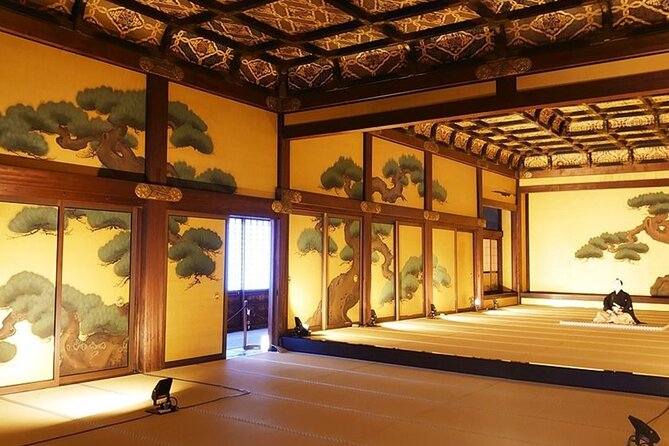
Reviewed · CASTLE TOURS
Kyoto: Nijo Castle World Heritage Guided Tour with Admission
Nijo Castle is more than a pretty Kyoto stop. It was a carefully planned stage for shogunal power, built close to the Emperor’s residence to make a blunt political point. Inside, the chirping nightingale floors and rigid room layouts turn architecture into a lesson in control.
I like the small size, limited to 10 people, because you can ask questions without shouting across a crowd. I also like the clear story line, from Tokugawa authority to the return of power to the Emperor in 1867. The main drawback is time: 90 minutes gives you a focused introduction, not a slow, complete exploration of every garden and building.
Key points
- Ninomaru Palace tells its story through design: Room size, floor height, decoration, and corridor position all reflected rank.
- The nightingale floors are a highlight: Their chirping sound was designed to warn of movement inside the palace.
- The 1867 handover happened here: You’ll learn how Tokugawa Yoshinobu returned authority to the Emperor, ending more than 260 years of shogunal rule.
- The group stays intimate: With no more than 10 participants, the guide can answer questions and adjust the pace.
- The gardens add a quieter side: Moats, colorful koi carp, and carefully arranged views balance the political drama inside.
- The tour is easy to reach: Meet outside Exit 1 of Nijōjō-mae Station, where a guide carries a Local Guide Stars sign.
Why Nijo Castle Was Built So Close to the Emperor
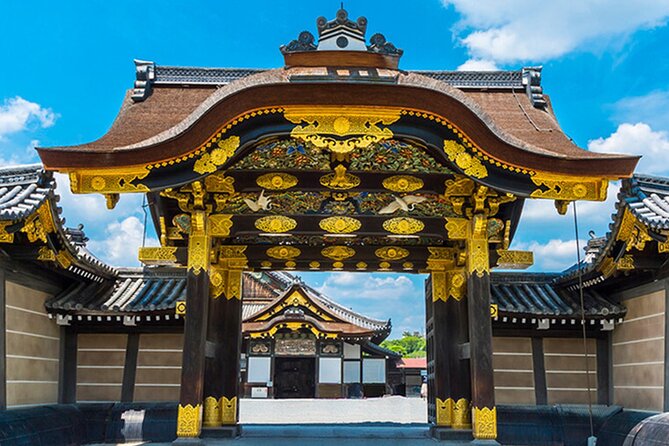
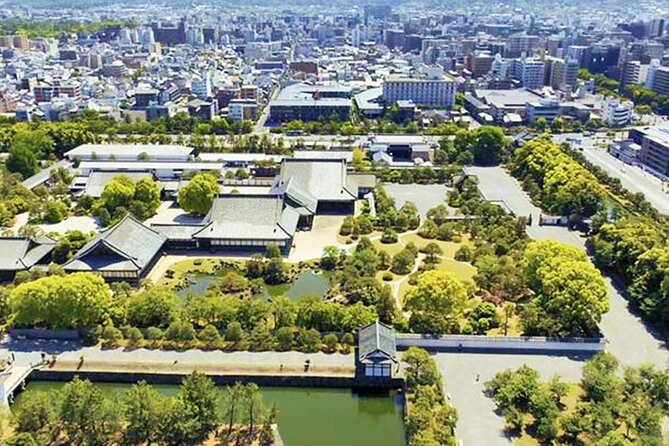
Kyoto was the Emperor’s city, but for more than two centuries Japan was ruled in practice by the Tokugawa shoguns from Edo, now Tokyo. Nijo Castle was built near the Imperial residence as a very visible reminder that the shogun held real authority.
That basic fact gives the visit more force than a simple palace tour. You are not only looking at old rooms and garden paths. You are seeing a political message built in wood, stone, and painted decoration.
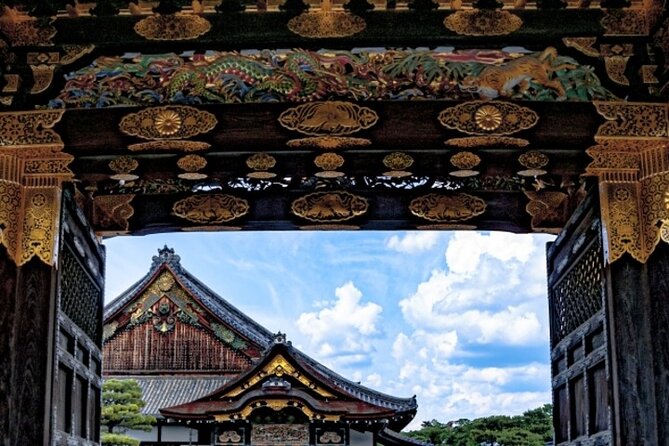
The castle was designed for display and intimidation, not mainly for battlefield defense. Its gates, corridors, moats, and formal rooms helped control how people approached the shogun and how they behaved in his presence.
I find that idea especially useful if Japanese history feels like a list of unfamiliar names. The guide links the building to a simple rivalry: the Emperor had ancient legitimacy, while the shogun held practical power. Nijo Castle was one of the places where that tension became visible.
More Castle Tours in Kyoto
- Kyoto: Nijo-jo Castle and Ninomaru Palace Guided Tour
★ 4.7 · 1,020 reviews - Kyoto: Nijo Castle, Kiyomizu & Fushimi Inari Guided Tour
★ 4.7 · 700 reviews - Kyoto: Imperial Palace & Nijo Castle Guided Walking Tour
★ 4.7 · 453 reviews
Meeting at Nijōjō-mae Station
The tour begins outside Exit 1 of Nijōjō-mae Station. Look for a guide holding a Local Guide Stars sign. This is a straightforward meeting point, but allow yourself enough time to leave the station and get oriented before the start.
The route returns to the same area after the castle visit. That makes the tour easy to fit into a day of sightseeing around central Kyoto. The activity lasts 90 minutes, with roughly one hour listed for the castle walk itself, so you should not expect a full-day outing.
An English-speaking guide leads the group. The guides named for this experience include Nao, Naoya, Uta, Benjamin, and Alexander. Their strengths, as reflected in the tour experience, include clear storytelling, answers to detailed questions, local customs, and practical suggestions for the rest of your time in Japan.
The small group matters here. A castle can feel confusing when you move through it alone, since many rooms look similar at first. With up to 10 people, you can stop and ask why a room is larger, why a corridor is arranged a certain way, or how the castle relates to the Meiji Restoration.
Through Gates Designed to Control Your Attention
The first part of the walk introduces Nijo Castle as a place of ceremony and authority. Gates and corridors were not random passageways. They shaped the visitor’s approach and helped create a sense of rising importance as you moved toward the palace.
Your guide points out how the building could make a visitor feel watched and managed. That is a valuable way to read Japanese architecture because the details are easy to miss if you only take photographs.
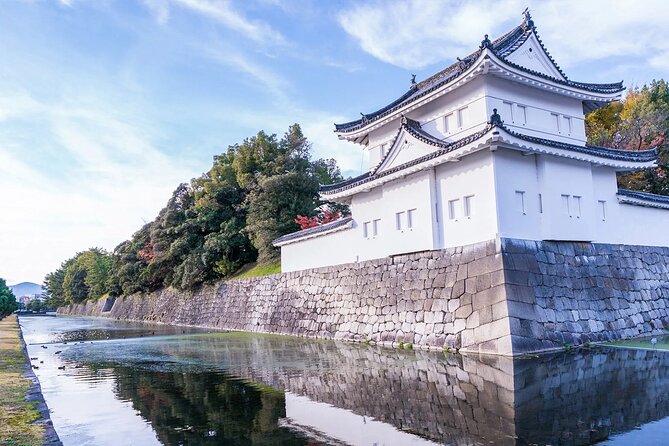
The castle is also photogenic from the outside. Moats surround the grounds, and colorful koi carp move through the water. These quieter scenes give you a break from the formal palace interiors and offer some of the best photo opportunities on the route.
I like the contrast. The moats and gardens can feel calm, while the palace tells a sharper story about rank and political pressure. You get both sides of Nijo Castle: the polished public image and the machinery of control behind it.
Ninomaru Palace and the Nightingale Floors
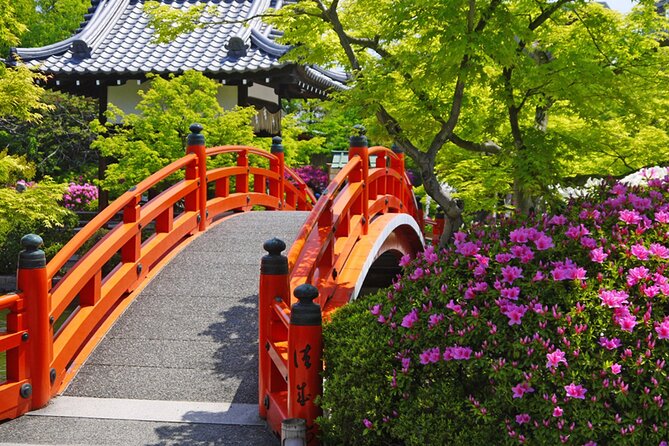
The main interior highlight is Ninomaru Palace. You must remove your shoes before entering, so wear footwear that is easy to take off and put back on. This is a small practical detail, but it can affect your comfort if you are not prepared for it.
Inside, the room arrangement shows how status worked. Room size, floor height, painted decoration, and position within the sequence of spaces all carried meaning. The palace did not treat every person as an equal visitor. The architecture told you where you belonged.
Then come the famous nightingale floors. Boards beneath your feet make a chirping sound as you walk. The sound was intended to warn of movement and help expose intruders.
You should not expect a dramatic alarm. The appeal is more subtle. The floor turns an ordinary act, walking, into part of the castle’s security system. Your guide can explain why this feature mattered and help you notice how the palace was designed for both ceremony and protection.
The palace can be more rewarding with guidance than without it. A solo visit may show you beautiful rooms, but a guide explains why one room is more important than another and how a carefully placed corridor could reinforce social hierarchy.
More Historical Tours in Kyoto
- Kyoto Gion: 2-Hour Geisha Culture & History Walking Tour
★ 5.0 · 1,186 reviews - Kyoto Gion Historical Walking Tour
★ 5.0 · 188 reviews - Historical Kyoto E-Bike Tour
★ 5.0 · 181 reviews - Kyoto: Nijo Castle World Heritage Guided Tour with Admission
★ 5.0 · 128 reviews
The Room Where the Shogunate Ended
The most important historical moment on the tour comes in 1867. Tokugawa Yoshinobu returned authority to the Emperor, bringing more than 260 years of shogunal rule to an end.
The handover helped lead into the Meiji Restoration, a major turning point in Japanese history. Here, the event becomes easier to grasp because it happened in a real room inside the castle, not only in a textbook paragraph.
Your guide connects the room to the larger struggle between the Tokugawa government and the Imperial court. The castle had once proclaimed shogunal power beside the Emperor’s residence. In the final years of the shogunate, it became the setting for a transfer of authority back to the Emperor.
I consider this the tour’s strongest reason to book. If you already know the broad outline of Japanese history, the site gives the story a physical anchor. If you are new to the period, the guide provides enough context to make the political change understandable without turning the visit into a lecture.
Gardens, Moats, and Colorful Koi Carp
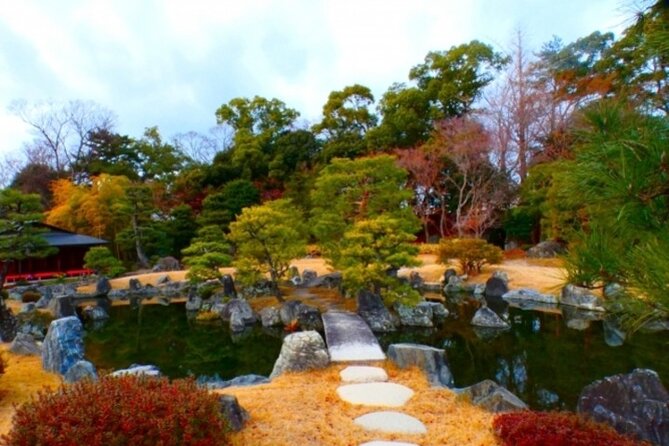
Nijo Castle is not only about indoor rooms. The grounds include gardens and moats that soften the more formal palace experience. Colorful koi carp swim through the moat waters, adding movement and color to the stone and timber setting.
The garden portion is also where the pace can feel more relaxed. You can look across the water, take photographs, and compare the quiet outdoor setting with the controlled interiors of Ninomaru Palace.
Because the tour lasts only 90 minutes, the walk is selective. You will receive a guided introduction rather than unlimited time to linger at every garden view. If you want a slower visit, you may wish to return independently after the tour, but admission is included only as part of this activity.
The mostly flat terrain makes the route manageable for many people, and the experience is listed as wheelchair accessible. You should still remember the shoe-removal requirement inside the palace, since that may matter for mobility and comfort.
What the Guides Add to the Visit
The strongest feature of this experience is the human explanation. Guides such as Nao and Naoya are praised for linking castle history with Japanese culture and present-day customs. Uta is described as keeping the walk engaging while adding local context, and Benjamin is noted for balancing information with humor.
That range matters because Nijo Castle can otherwise become a quiet procession through similar-looking spaces. A good guide gives you a reason to stop at each point.
Some guides also offer suggestions for other places to see during your trip. I would use that opportunity, especially if you are visiting Kyoto for the first time. Ask about nearby sights or customs while the conversation is fresh.
The small group also creates the chance for a more personal visit. Groups can be smaller than the stated limit, and some sessions have operated with one participant. You should not count on a private tour, but the 10-person maximum gives you a good chance of speaking directly with the guide.
The experience has a 4.9 rating from 37 reviews, with repeated praise for clear English, strong historical explanations, friendly manner, and willingness to answer questions. The most consistent theme is not speed or spectacle. It is the guide’s ability to make the castle’s details meaningful.
Is $40 a Fair Price?
At $40 per person, this is not the cheapest way to walk through Nijo Castle. Admission is included, however, so part of the price covers entry and the rest pays for a 90-minute English-language guide in a group of no more than 10.
I think the value depends on your interests. If you enjoy reading signs, taking photos, and moving at your own pace, independent admission may suit you better. If you want to understand the shogun and Emperor rivalry, the room hierarchy, and the 1867 transfer of authority, the guide adds a great deal.
The value also improves if you are short on time. In 90 minutes, you get a clear route through the main historical points without having to work out which details matter most.
The price is less appealing if you want a long garden visit or a quiet, unstructured afternoon. This is a focused history walk. You are paying for interpretation and access, not for an extended day inside the castle grounds.
Who Will Get the Most From This Tour?
I would choose this tour for first-time visitors who want a strong introduction to Nijo Castle and the end of the Tokugawa period. It also suits anyone who has read about the shoguns and wants to see a place connected directly to their rule.
Families can use the small group to good effect. A family group with children aged 8 and 13 completed the tour successfully, with the guide adjusting to their pace and answering questions. That suggests the format can work for mixed ages, especially when the guide keeps the story moving.
The experience also suits older adults, provided everyone is comfortable removing shoes inside the palace. The terrain is mostly flat, and the activity is listed as wheelchair accessible.
You may want to skip it if you dislike guided visits, have already explored Nijo Castle in detail, or want to spend most of your time photographing gardens. The guide-led format keeps the group moving and gives the visit a historical focus.
Practical Details Before You Book
Wear shoes that come off easily. You must remove them when entering the palace, and you may spend time walking indoors in socks or stocking feet.
Meet outside Exit 1 of Nijōjō-mae Station, not inside the castle entrance. Look for the Local Guide Stars sign. The tour is offered in English, and starting times vary, so check availability for your chosen date.
The activity includes castle admission and a 1.5-hour guided tour. Free cancellation is available up to 24 hours in advance for a full refund, and you can reserve now and pay later. Those terms are useful if your Kyoto schedule is still shifting.
The maximum group size is 10. That is small enough for questions but not a guarantee of a private experience. Guide assignments can vary, with Nao, Naoya, Uta, Benjamin, and Alexander among the guides associated with the tour.
Should You Book the Nijo Castle Tour?
Book it if you want Nijo Castle to make sense as a place of political power, not simply as an attractive historic site. The nightingale floors, koi-filled moats, palace rooms, and 1867 handover all become more memorable when they are tied to a clear story.
I especially recommend it for first-time visitors, families, history readers, and anyone who prefers asking questions to reading every sign alone. The 90-minute format is efficient, and the small group gives you a better chance of hearing and speaking with the guide.
Skip it if your priority is unhurried garden time or independent wandering. At $40, the tour earns its price through the guide’s explanation. If that is what you want, Nijo Castle offers one of Kyoto’s clearest lessons in how architecture can express power.
FAQ
Where does the Nijo Castle tour meet?
Meet outside Exit 1 of Nijōjō-mae Station. The guide will be holding a sign that says Local Guide Stars.
How long does the tour last?
The tour lasts 90 minutes, with about one hour listed for the guided visit and walk through Nijo Castle.
Is admission to Nijo Castle included?
Yes. Admission to Nijo Castle is included in the tour price.
What language is the tour offered in?
The tour is conducted in English with a live guide.
How many people can join the tour?
The group is limited to 10 participants.
Do I need to remove my shoes?
Yes. All visitors must remove their shoes when entering the palace.
Is the tour wheelchair accessible?
Yes, the activity is listed as wheelchair accessible, and the terrain is mostly flat.
Can I cancel for a full refund?
Yes. You can cancel up to 24 hours in advance for a full refund. You can also reserve now and pay later.
Just added around Kyoto
- Sekka Cotton Furoshiki Class★ 5.0 · 19 reviews
- Kyoto Sword Experience – includes Museum Ticket/Ninja Experience★ 4.5 · 149 reviews
- Scenic Green Tea Fields of Hidden Kyoto & Local Tea Exp (Private)★ 5.0 · 32 reviews
- Secret Eastern Kyoto Biking Adventure★ 5.0 · 44 reviews
- Samurai School in Kyoto: Samurai for a Day★ 5.0 · 202 reviews
- Private Sake Tasting in Central Kyoto with Sake Sommelier★ 5.0 · 32 reviews
- SHIRAKAWA Japanese Culture Experiences with private English staff★ 5.0 · 16 reviews
- A Privately Guided Photoshoot in Beautiful Kyoto by a Pro★ 5.0 · 18 reviews
Castle Tours, compared.
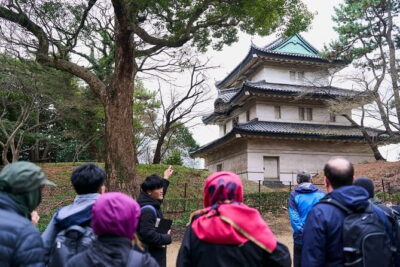
Tokyo Castle & Imperial PalaceーShogun Walking Tour
Our verdict →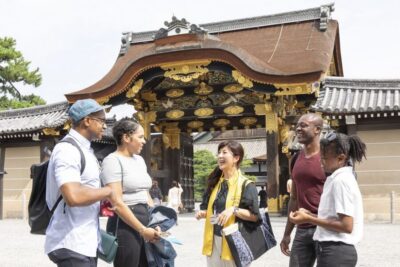
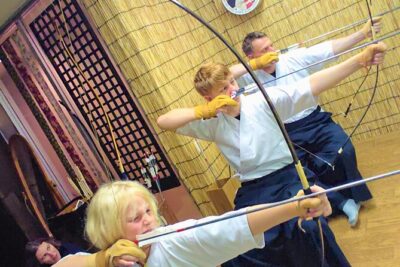
Japanesel Archery Experience HIROSHIMA CASTLE SHARAKU
Our verdict →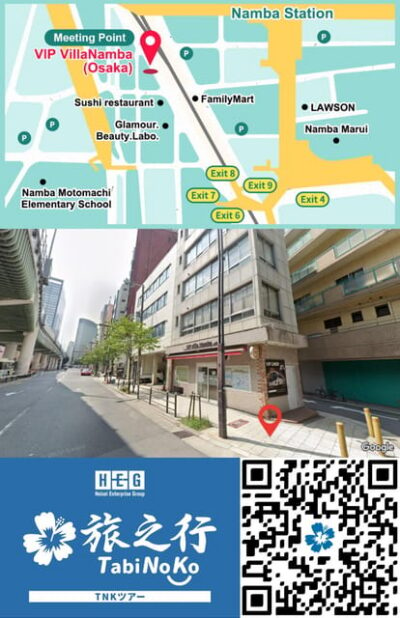
Browse the lists this tour appears in