
Reviewed · TRADITIONAL CRAFTS
Kyoto: Make Your Own “Daruma” Craft & Painting Workshop
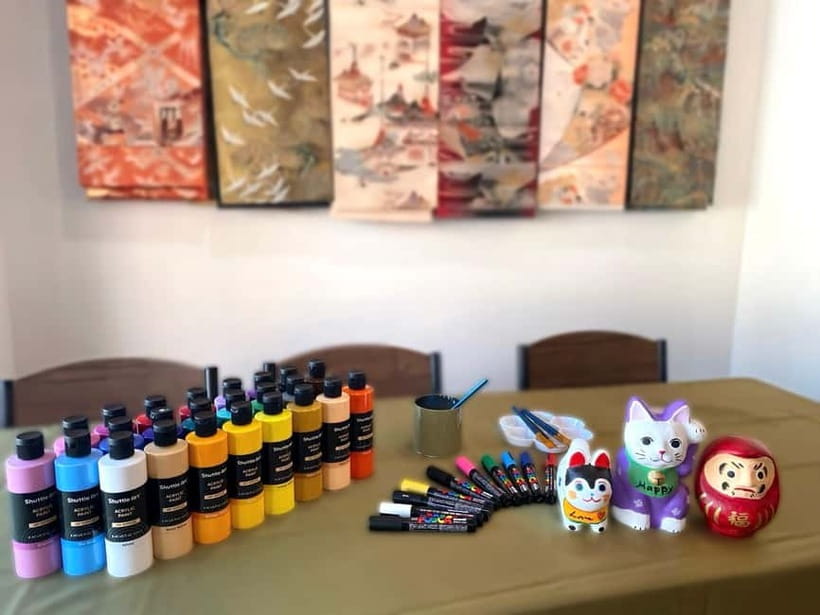
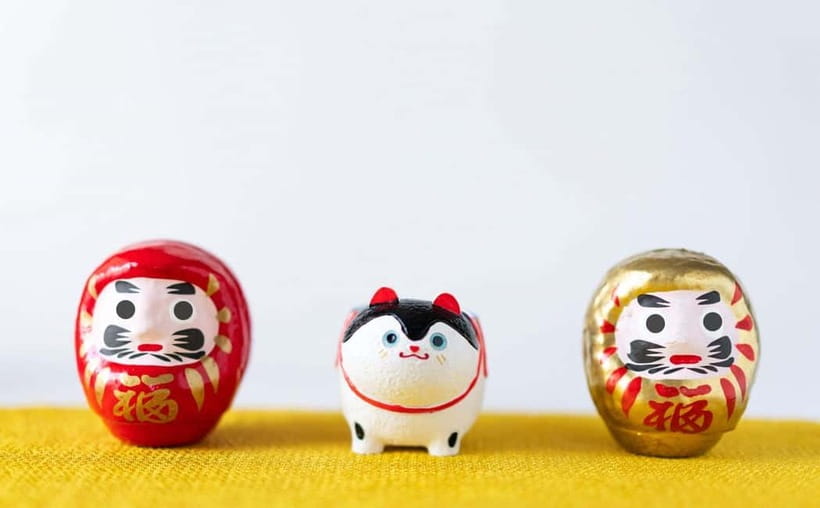
Kyoto is full of temples, gardens, and formal cultural sights. This workshop gives you something different: a quiet table, a blank papier-mâché figure, and the freedom to make a souvenir in your own style. You can paint a Daruma, lucky cat, dog, or Kitsune fox, while local craftswoman May explains what these familiar Japanese shapes mean.
I like the small maximum of four people, which keeps the session personal, and I like that you leave with something you actually made. The tea and traditional sweet are thoughtful extras. The one thing to consider is that your artwork may need care on the way home, especially in wet weather, since acrylic paint can be damaged before it fully settles.
Key points at a glance
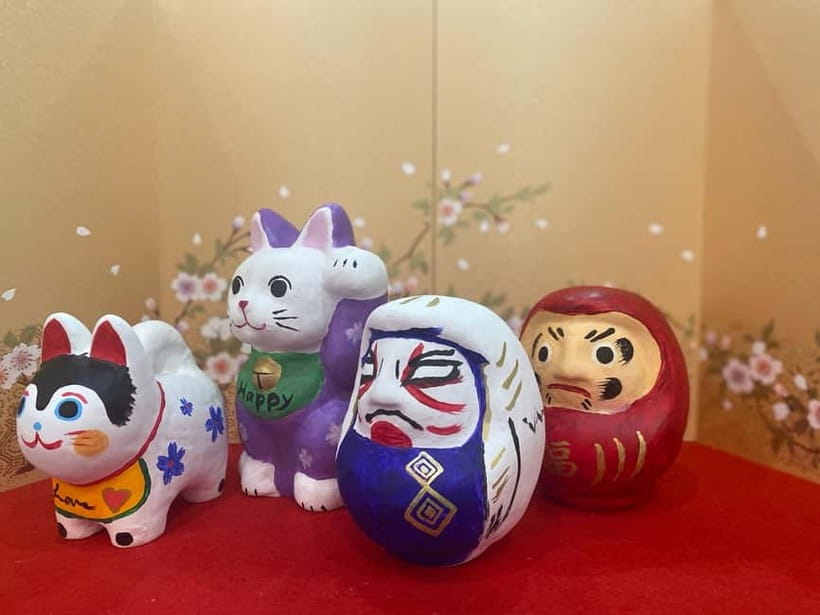
- Choose your own figure: Paint a Daruma, beckoning cat, dog, or Kitsune fox in your personal style.
- A genuinely small group: With no more than four participants, May can offer help without taking over your work.
- Two calm hours indoors: This is a useful Kyoto plan for a rainy day or for a break from crowded sightseeing.
- Tea and a Japanese sweet included: Each person receives a complimentary drink and a traditional confectionery item.
- Suitable for all ages: No previous art experience is needed, and children can take part with adults.
- A $25 handmade souvenir: The price covers materials, instruction, refreshments, and a keepsake you created yourself.
A quiet change of pace in central Kyoto
This is not a standard sightseeing tour, and that is the point. You are not being led from one famous building to the next. Instead, you enter a newly renovated boutique workshop in the heart of Kyoto and settle into a hands-on activity that lets you slow down.
The setting is a craft shop, not a large classroom. That gives the afternoon a more personal feel. The maximum group size is four, so you are unlikely to be lost at the back of a room or hurried through a set lesson. If you need help with a shape, color, or detail, May can guide you. If you already have a clear idea, you can work in your own direction.
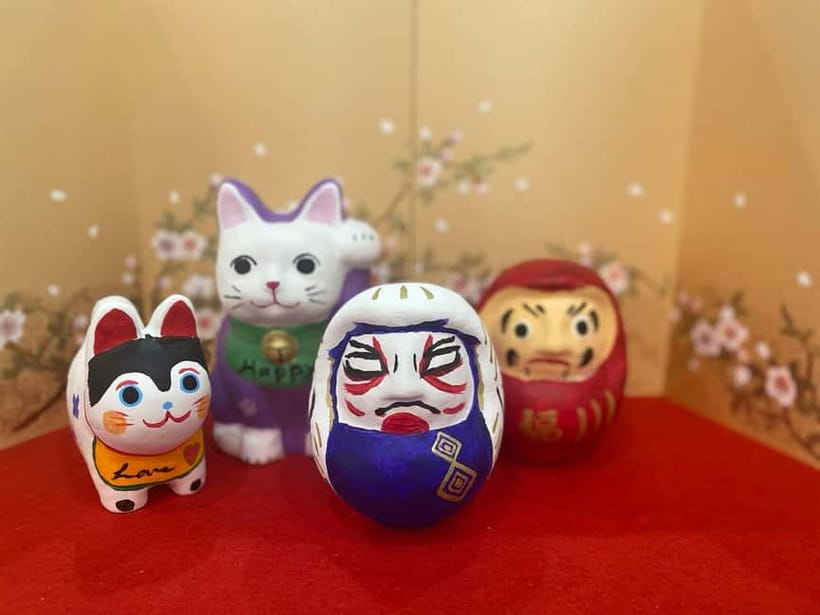
That balance matters. Some craft classes feel like everyone must produce the same finished item. Here, the aim is a one-of-a-kind figure. Your Daruma can be bold and traditional, playful and modern, or simply painted in colors you like. There is no need to arrive with artistic confidence.
More Craft Workshops in Kyoto
- Authentic knife making experience at a blacksmith in Kyoto
★ 4.8 · 350 reviews - Roketsu dyeing experience: M course Roketsu Dyeing Experience
★ 5.0 · 163 reviews - Kyoto Michelin Ramen Workshop or Painting Ramen Essentials
★ 4.9 · 100 reviews
Choosing between a Daruma, cat, dog, and Kitsune
The first creative decision is the figure itself. You can choose from several traditional Japanese forms:
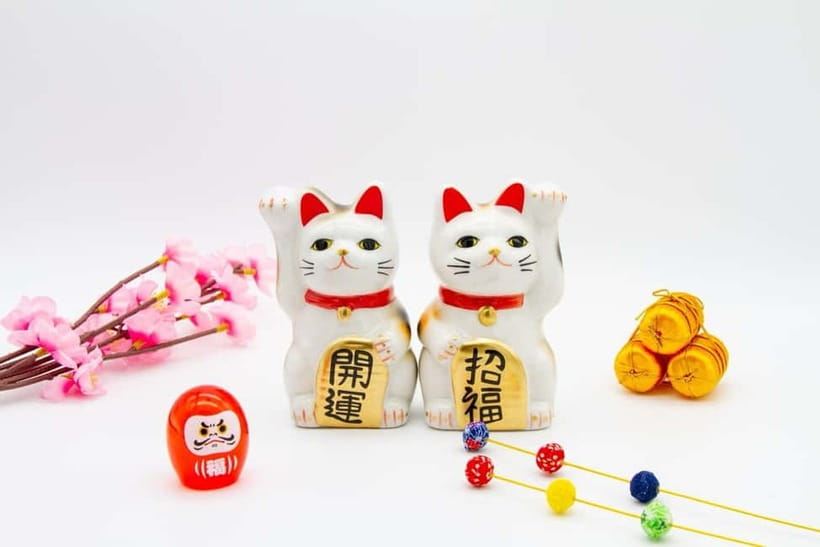
- A Daruma, linked with perseverance, goals, and good fortune
- A lucky cat, widely associated with welcome and prosperity
- A dog figure, with its own friendly and familiar character
- A Kitsune, or fox, an important figure in Japanese folklore
The shapes give the activity some cultural substance. You are not only decorating a generic ornament. You are learning why these forms appear in Japanese homes, shops, and religious settings, then deciding how you want to interpret one of them.
The Daruma is likely to appeal to you if you want a classic Kyoto memento. Its rounded shape also gives beginners a forgiving surface to paint. The lucky cat may suit children or anyone who wants a cheerful display piece. The fox offers a more distinctive choice, especially if you have an interest in Japanese stories and shrine traditions.
The workshop does not require you to reproduce a prescribed pattern. That is good news if you are not comfortable with careful, detailed painting. You can ask for suggestions, then let your own ideas take over.
What happens during the two-hour workshop
Your host waits for you at the workshop, so you simply enter when you arrive. The opening is informal. You get settled, meet May, and learn about the figure you have chosen before starting the painting process.
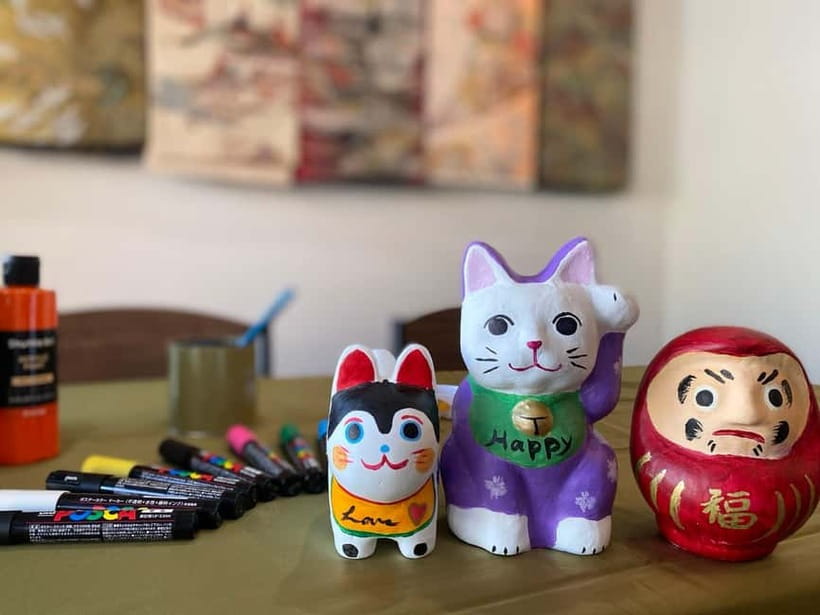
All necessary craft materials are supplied. The basic activity is papier-mâché work followed by painting and personal decoration. The materials are ready for you, so you do not need to bring art supplies or prepare anything in advance.
The first stage is choosing your design. You might plan colors, facial features, patterns, or symbols. May can offer help when you ask for it, but the session is not described as a strict, step-by-step class. That makes it comfortable for different ages and skill levels. A child can enjoy the simple pleasure of applying color, while an adult can spend time on small details.
The middle part is the most relaxed. You paint, pause, chat, and make adjustments as the figure takes shape. Several people have found that the activity feels peaceful rather than rushed. That is especially useful after a morning of temples, traffic, and busy streets.
You also receive a complimentary drink and a traditional Japanese confectionery of your choice. Tea has been specifically mentioned during the session, and matcha and a cookie have been enjoyed by previous participants. These are modest additions, but they help turn the craft class into a social Kyoto experience rather than a basic paid activity.
At the end, you take your finished figure with you. The result may not look factory-perfect, but that is part of its value. It carries your color choices, your uneven brush marks, and the memory of sitting down to make something in Kyoto.
Why the four-person limit makes a difference
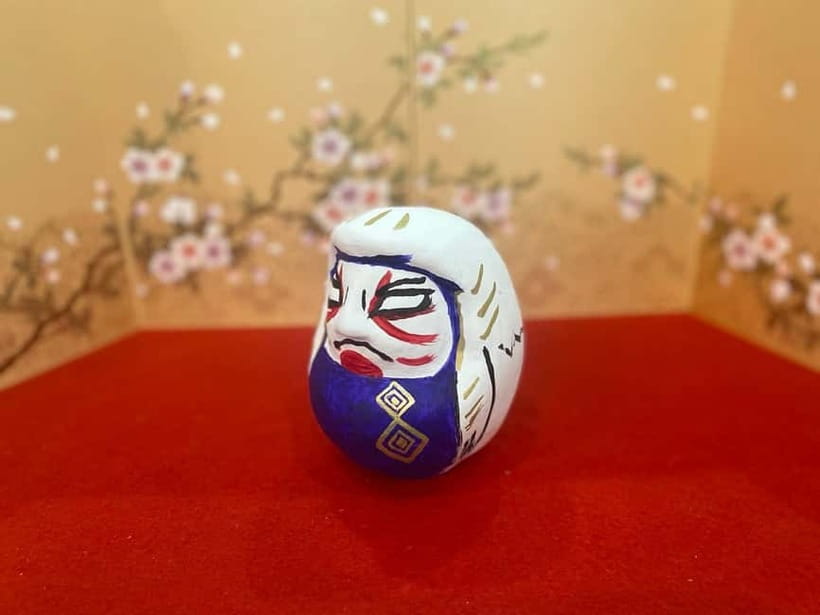
The small group is one of the strongest features here. With a maximum of four participants, the host can answer questions and give encouragement without hovering over every brushstroke.
That matters for beginners. You may want advice on how to paint a face or balance colors, but you may also want space to make mistakes. The workshop seems designed for that middle ground. May can step in when you request help, then leave you to continue independently.
It also works well for couples and families. A pair can enjoy a quiet shared activity, while a family can compare designs without being separated into different tables. One family used it as an activity with a grandson, and the indoor setting made it a useful rainy-day plan.
The small group can also mean that the atmosphere depends partly on who books the same time. If you are alone, you may have more conversation with the host. If you are with a partner or family, you may have the room largely to yourselves. The format is intimate by design, not a large social class.
Same trip, a completely different kind of day:
- PERFECT KYOTO 1-Day Bus Tour
★ 5.0 · 13,518 reviews - Kyoto: Fushimi Inari, Kinkakuji, Bamboo Grove 1 Day Bus Tour
★ 4.8 · 4,316 reviews - Kyoto: Tea Ceremony in a Traditional Tea House in Kiyomizu
★ 4.9 · 3,519 reviews - Kyoto Geisha Walking Tour: Gion District & Hidden Gems
★ 4.7 · 3,273 reviews
Meeting local craftswoman May
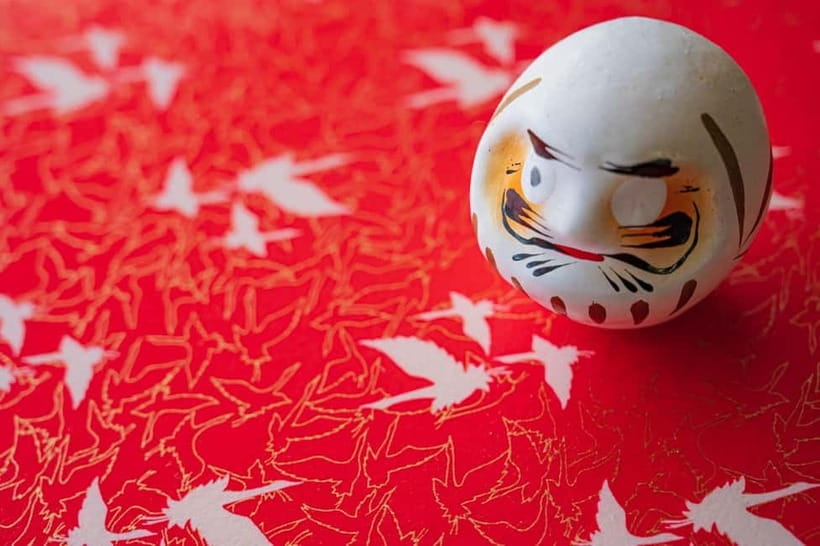
May is central to the character of this experience. She is described as an artist and craftswoman, and her workshop also displays handmade items connected with her own work.
The guidance is in English. You can learn about the meaning of Daruma dolls and other shapes, ask about Japanese traditions, and chat about the local area while you paint. The instruction is practical rather than academic, which suits a short activity.
May’s manner also seems to fit the workshop well. She offers encouragement and suggestions, but does not force a particular artistic direction. That is a useful distinction. You are paying for access to a craft setting and local guidance, not for an instructor who expects every piece to look identical.
The shop may also tempt you to browse after the class. Handmade bags, silk kimono items, lacquer boxes, and other craft goods have been available for purchase. These items are separate from the workshop, so I would treat them as an optional extra, not part of the $25 value calculation.
A handmade souvenir with more meaning than a shop purchase
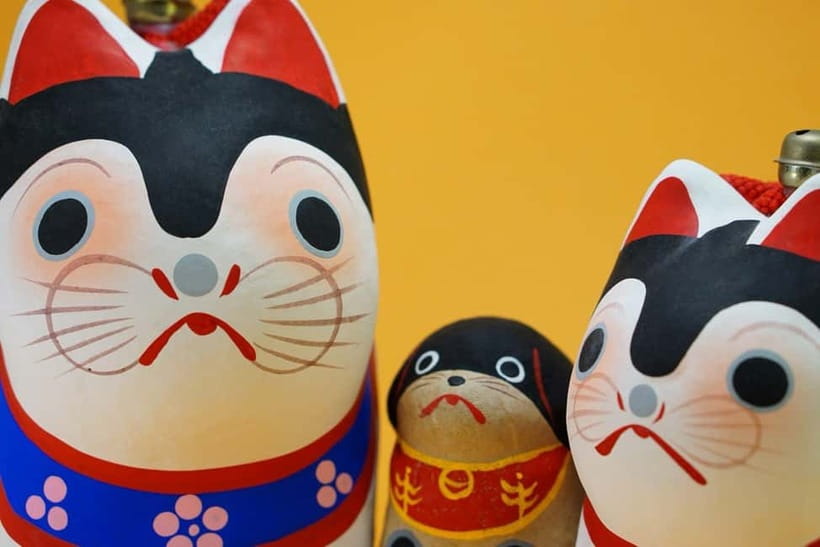
Kyoto souvenirs are easy to find, but many are mass-produced. Painting your own figure gives you a stronger connection to the city, even if your artistic skills are basic.
A Daruma can remind you of a goal or a trip milestone. A lucky cat can become a small decoration at home. A fox or dog may appeal if you want something less expected than the usual Kyoto gift. Since each person makes different choices, the finished figures work well as personal mementos or gifts for family.
I also like the fact that the souvenir is small and practical to carry. You are not taking home a large craft item or a fragile piece of furniture. Still, it needs sensible handling. One participant specifically noted that acrylic paint can be vulnerable in rain. If the weather is wet, wrap your creation before heading back into Kyoto.
The class allows you to stay a little longer if you need to finish details, according to one account of the experience. I would not rely on extra time as a guaranteed feature, but the general pace appears forgiving rather than hurried.
Pairing the workshop with Kyoto sightseeing
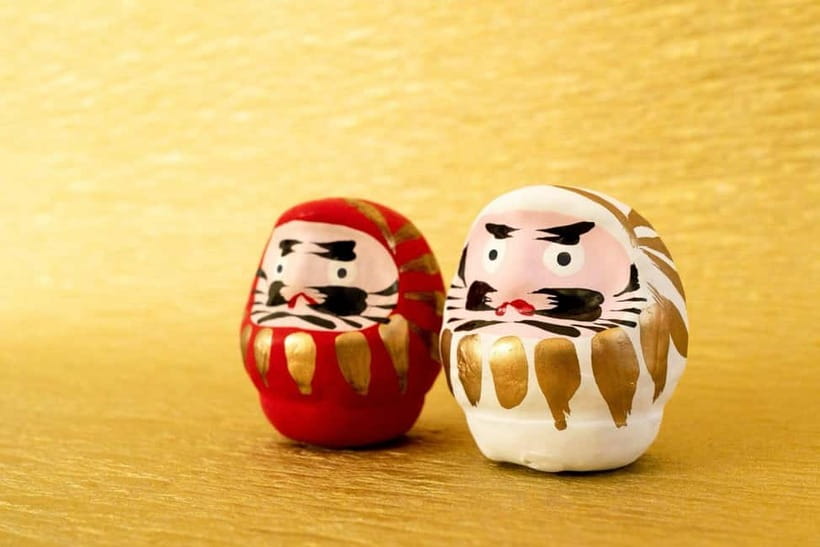
The workshop is located in the heart of Kyoto, in an area surrounded by historically important temples and shrines. The craft session itself does not provide a guided temple visit, so you should plan those sights separately.
That is actually a useful way to arrange your day. Schedule major outdoor sightseeing before the workshop, then use the two-hour class as a calmer stop. Or begin with the painting session and continue to nearby temples afterward. The indoor activity gives you a break from weather and walking without taking an entire day.
This works especially well in rain. Kyoto’s temples and shrines can still be beautiful in wet weather, but a long outdoor route is not always pleasant. The workshop gives you a solid indoor alternative while still connecting you with Japanese art and tradition.
Keep your timing realistic. The class lasts two hours, and you may want a few extra minutes to pack your painted figure safely. Since no specific temple route or walking time is included, check the location against your own sightseeing plans before booking.
Is $25 a good value?
At $25 per person, the cost is reasonable for a two-hour activity in central Kyoto. Your fee includes the papier-mâché figure, paints and other necessary materials, English guidance from a local craftsperson, a drink, a traditional sweet, and the finished item.
The value is strongest if you want more than a passive cultural stop. You are not only watching someone demonstrate a craft. You spend most of the time making something yourself, and the finished piece has a clear personal connection to your trip.
It may be less appealing if you are searching for a detailed traditional art course or a formal lesson in Japanese pottery, textiles, or painting. The available information points to a relaxed, accessible workshop rather than advanced technical training.
For families, the price also buys a useful shared activity. For couples, it offers a quiet alternative to another café stop. For solo visitors, the small group and English-speaking host provide a friendly setting without requiring a full-day tour.
Who will enjoy this most?
I would recommend this workshop to:
- Families looking for an activity children and adults can share
- Couples who want a personal souvenir made together
- Solo visitors who prefer a small group and relaxed conversation
- First-time painters who want guidance without pressure
- Repeat visitors seeking something beyond the main temple circuit
- Anyone needing a pleasant indoor plan on a rainy Kyoto day
You do not need prior experience. The activity is suitable for all ages and skill levels, though younger children may need adult help with paint and fine details.
It is less suited to you if you want a fast activity, a large group atmosphere, or a fully guided sightseeing route. The pleasure comes from taking your time, making choices, and allowing the figure to develop gradually.
Booking details worth knowing
The workshop lasts two hours and runs at scheduled starting times, so check availability before choosing your day. The instructor speaks English, and the space is wheelchair accessible.
You can cancel up to 24 hours in advance for a full refund. A reserve-now, pay-later option is also available, which helps if your Kyoto plans are still changing.
The host will be waiting inside the workshop at the meeting point. You do not need to bring materials, and no art skills are required. Plan for a little care when carrying the finished piece, especially if rain is in the forecast.
Should you book the Daruma painting workshop?
Book it if you want a calm, personal Kyoto activity with a real object to take home. The four-person limit, English-speaking host, flexible creative style, tea, and Japanese sweet make it more thoughtful than a simple souvenir-painting stop.
I would especially choose it for a rainy afternoon, a family outing, or a day when you need a break from temples and long walks. The $25 price is fair because it covers both the activity and the materials, while the finished figure gives you a memory that you made yourself.
Skip it if your schedule is already packed and you only want Kyoto’s major sights. But if you can spare two hours, May’s workshop offers a gentle way to connect with Japanese symbols, local craft, and your own creativity.
FAQ
How long does the Kyoto Daruma craft workshop last?
The workshop lasts two hours. Check the available starting times when you book.
What can I paint during the workshop?
You can paint a papier-mâché Daruma, lucky cat, dog, or Kitsune fox figurine.
Is the workshop suitable for beginners and children?
Yes. No previous experience or artistic skill is required, and the activity is suitable for adults and children.
Is an English-speaking instructor available?
Yes. The instructor speaks English, and the local craftswoman May guides participants during the activity.
What is included in the $25 price?
The price includes all necessary craft materials, the papier-mâché workshop, local craft instruction, a complimentary drink, and a traditional Japanese confectionery.
Is the workshop wheelchair accessible?
Yes. The workshop is wheelchair accessible.
Just added around Kyoto
- Sekka Cotton Furoshiki Class★ 5.0 · 19 reviews
- Kyoto Sword Experience – includes Museum Ticket/Ninja Experience★ 4.5 · 149 reviews
- Scenic Green Tea Fields of Hidden Kyoto & Local Tea Exp (Private)★ 5.0 · 32 reviews
- Secret Eastern Kyoto Biking Adventure★ 5.0 · 44 reviews
- Private Sake Tasting in Central Kyoto with Sake Sommelier★ 5.0 · 32 reviews
- Samurai School in Kyoto: Samurai for a Day★ 5.0 · 202 reviews
- Samurai Performance and Casual Experience: Kyoto Ticket★ 4.5 · 115 reviews
- SHIRAKAWA Japanese Culture Experiences with private English staff★ 5.0 · 16 reviews
Traditional Crafts, compared.
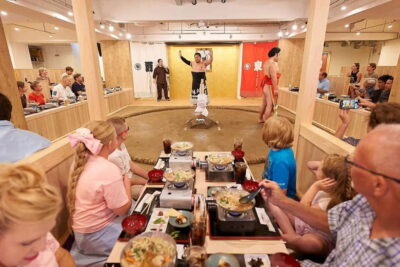
Tokyo Sumo Experience: Chanko & Mochi with a Former Pro
Our verdict →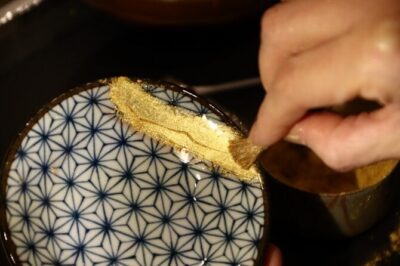
Kintsugi Experience: Art of Golden Joinery in Tokyo
Our verdict →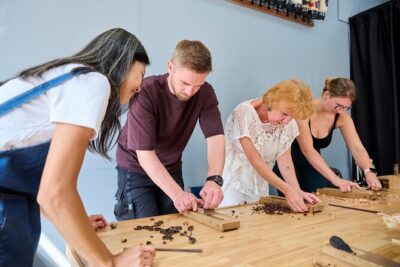

Matcha Making Experience with Mochi Sweets in Asakusa
Our verdict →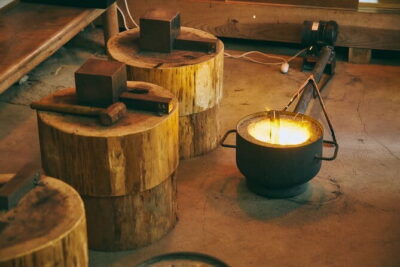
Authentic knife making experience at a blacksmith in Kyoto
Our verdict →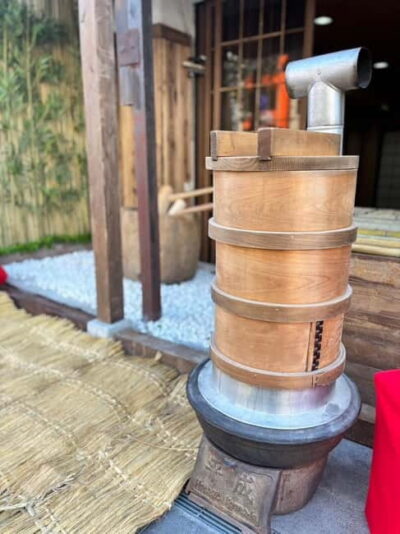
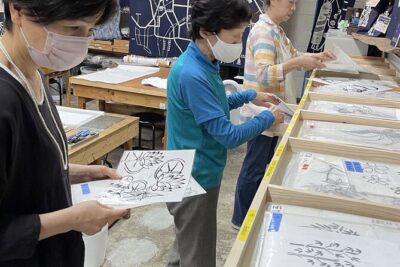
Roketsu dyeing experience: M course Roketsu Dyeing Experience
Our verdict →Browse the lists this tour appears in