
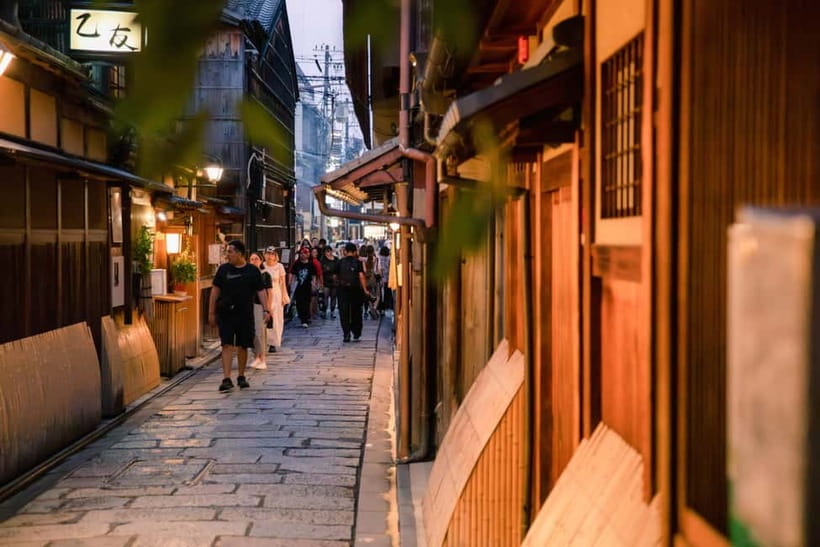
Reviewed · GEISHA & MAIKO EXPERIENCES
Kyoto: Gion World of the Geisha Guided Walking Tour
Gion is easiest to appreciate when someone explains what you are seeing. This walk takes you through two geisha districts, linking Yasaka Shrine, old lanes, the Shirakawa Canal, and Gion Corner while your guide explains the lives of maiko and geiko, Kyoto’s terms for apprentice and full geisha.
I like the efficient route and the chance to hear local stories instead of simply photographing pretty wooden facades. I also like that guide Ito received specific praise for knowing the Gion district so well. The main consideration is the wide duration range: some versions last two hours, while others run as long as 270 minutes, and the route includes stairs and plenty of walking.
Key points to know before you book
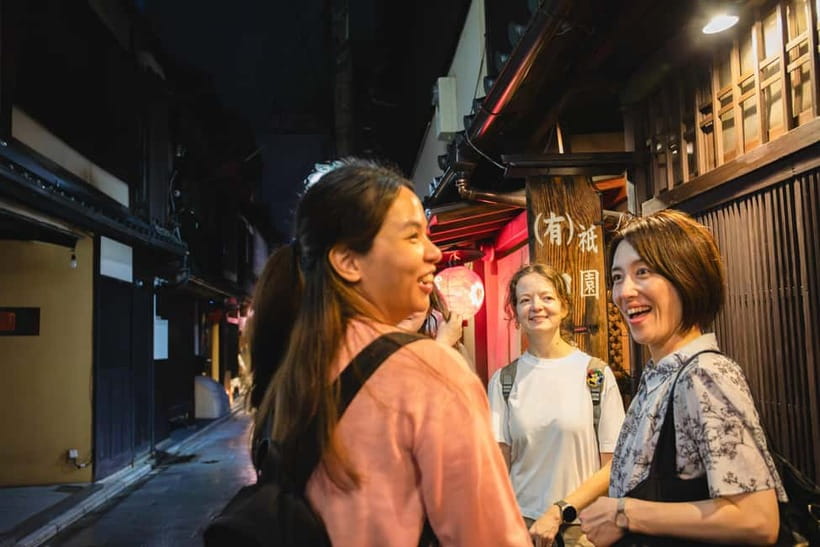
- Two Gion districts in one walk: You get a broader look at Kyoto’s geisha quarters than a short stroll along one famous street.
- Yasaka Shrine begins the story: The opening stop gives you a useful setting for understanding Gion’s traditional character.
- Ito may lead your group: This guide was singled out for strong local knowledge and a friendly manner.
- Shirakawa Canal adds atmosphere: The canal area offers one of the prettiest pauses on the route and a planned photo stop.
- Small groups are available: A smaller party makes it easier to hear stories and ask questions in narrow lanes.
- Plan for uneven effort: Comfortable shoes are essential, and this walk is not suitable for wheelchair users or people who cannot manage stairs.
Why Gion makes a good guided walk
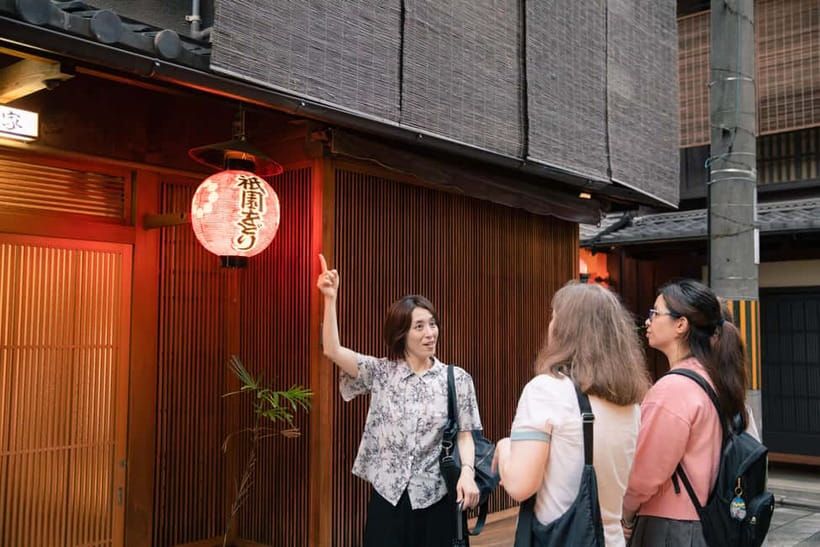
Gion is not a museum arranged for easy viewing. It is a working district with restaurants, teahouses, shrines, lanes, and traditional buildings. Much of what gives the area its character is easy to miss if you walk through without context.
A guide can point out the difference between a decorative street and a place tied to Kyoto’s geisha culture. You also get an explanation of the words used locally. In Kyoto, geisha are called geiko, while maiko are apprentices. That small language detail matters because it helps you understand the district on its own terms.
The route is also useful for first-time visitors who want to cover a lot without wasting time. It connects several important areas in one outing rather than asking you to piece them together yourself. The walk does not promise a staged geisha performance. Instead, it gives you background and tips on where you might see maiko in action.
If you are lucky, you could encounter a maiko or geiko during the walk. Treat that as an unexpected moment, not the main product. The more reliable experience is learning about the people and customs connected with the streets around you.
More Walking Tours in Kyoto
- Kyoto Geisha Walking Tour: Gion District & Hidden Gems
★ 4.7 · 3,273 reviews - Kyoto: Gion Magical Night Walking Tour with Geisha Trivia
★ 4.9 · 2,393 reviews - Kyoto: Gion Geisha District Walking Tour – Stories of Geisha
★ 4.7 · 2,187 reviews
Starting near Yasaka Shrine
The tour has three possible starting locations: the Statue of Izumo-no-Okuni, the wargo Kyoto Kimono Rental Kyoto Gion Store, or the Kanji Museum and Library. Your exact meeting point depends on the option you reserve, so check it carefully before setting off.
The first major stop is Yasaka Shrine, with about 40 minutes of guided time. This is a sensible opening because it gives you a landmark and a little breathing room before the narrower streets of Gion. Your guide can connect the shrine to the district’s traditions and explain why this part of Kyoto has remained such an important setting for old customs.
If you choose the kimono rental option, there is an extra step. After changing, you must make your own way to the Japan Kanji Museum and Library, where the guide will be waiting. That is not difficult to understand, but it is important to allow enough time and avoid assuming the guide will escort you from the rental shop.
The itinerary lists several starting choices, but the experience is still a walking tour. Kimono can look wonderful in Gion, yet comfortable footwear and realistic walking plans matter more than matching an outfit to the streets.
Walking through Gion’s two districts
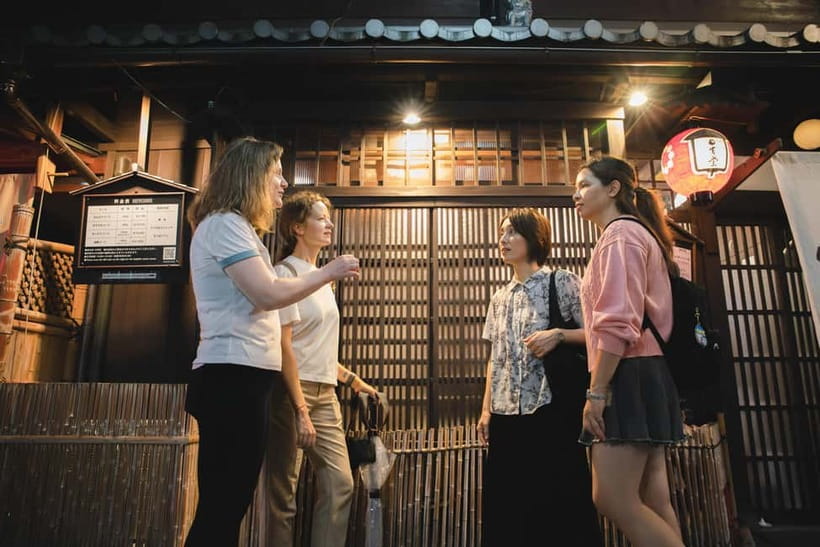
The main Gion portion lasts about 80 minutes. This is where the tour earns its price. Rather than spending the whole walk on one postcard-famous lane, you move through two geisha districts and hear how the area developed as a place for traditional entertainment and social customs.
Your guide’s stories are the key part of this section. Architecture alone tells you only so much. A wooden facade may look attractive, but the guide can give it a human connection by discussing maiko, geiko, and the rules of the district.
The small-group format helps here. Gion’s lanes can be tight, and a large crowd would make conversation awkward. With fewer people, you have a better chance of hearing the guide and asking about details that catch your eye.
The pace should suit you if you like walking with regular explanation rather than racing from sight to sight. It may feel slow if you want a quick photo tour, but that is also the point. This outing is about reading the district, not merely passing through it.
The route includes a further five-minute guided sightseeing stop and a separate five-minute photo stop. The supplied details do not name those stops, so I would not plan around a particular landmark. Think of them as short pauses built into the walk, useful for photographs and for collecting your thoughts before continuing.
Shirakawa Canal and the quieter side of the route
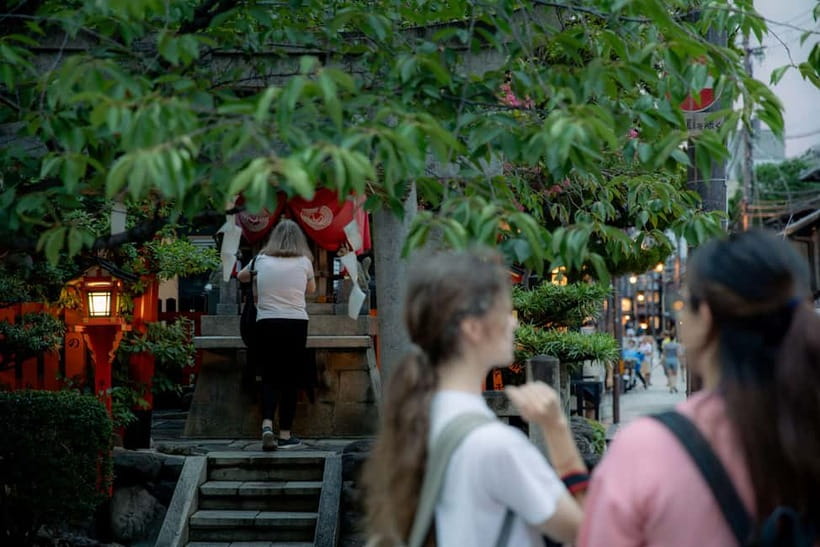
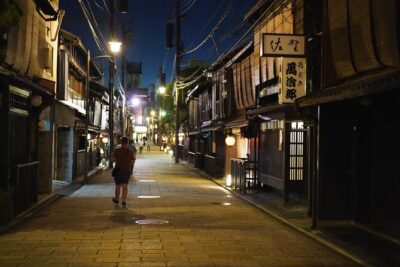
The Shirakawa Canal is one of the most appealing parts of the walk. Water, traditional buildings, and a slower pace give this stretch a different feel from the busier streets nearby. It is also a good place to understand why Gion remains so attractive to visitors who want a traditional side of Kyoto.
The canal stop is listed as sightseeing rather than a timed attraction. That means the exact length may depend on the guide and the group. You should expect time to look around and hear more explanation, not a formal presentation or ticketed visit.
I particularly like this kind of stop because it gives the walk some variety. Yasaka Shrine provides a major cultural anchor, the Gion lanes show daily atmosphere, and Shirakawa offers a calmer visual pause. You are not simply repeating the same type of street for two hours.
Still, keep your expectations sensible. The experience includes a guided walk and guide fee, but no separate cultural performance is listed. Gion Corner is visited for guided sightseeing, not described as an included show or admission experience.
More Geisha Experiences in Kyoto:
- Best of Kyoto: Gion, Geisha, Pagodas & Cobblestones
★ 4.9 · 2,058 reviews - Night Walk in Gion: Kyoto’s Geisha District
★ 4.5 · 2,003 reviews - Kyoto Gion Geisha District Walking Tour – The Stories of Geisha
★ 5.0 · 1,441 reviews - Kyoto Gion: 2-Hour Geisha Culture & History Walking Tour
★ 5.0 · 1,186 reviews
Gion Corner and the final stretch
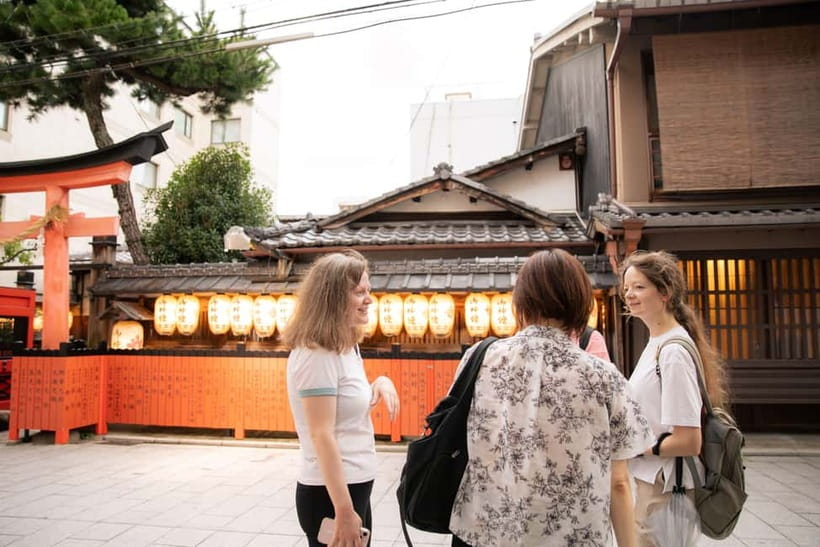
Gion Corner appears near the end of the route as another guided sightseeing stop. It helps round out the walk by placing the geisha district in a wider cultural setting. Your guide can explain what you are seeing and connect the area to the traditional arts associated with Kyoto.
The tour then finishes at one of three possible drop-off points, including Gion Kōbu Kaburენjō at 605-0801, Japan. Because drop-off arrangements can vary, avoid scheduling a tight restaurant booking, train connection, or separate attraction immediately afterward.
The end point is useful if you plan to continue exploring Gion on foot. You may want to linger, return to a lane that caught your attention, or move on to dinner. The tour does not include a transfer, so plan your next step independently.
What the $29 price really buys you
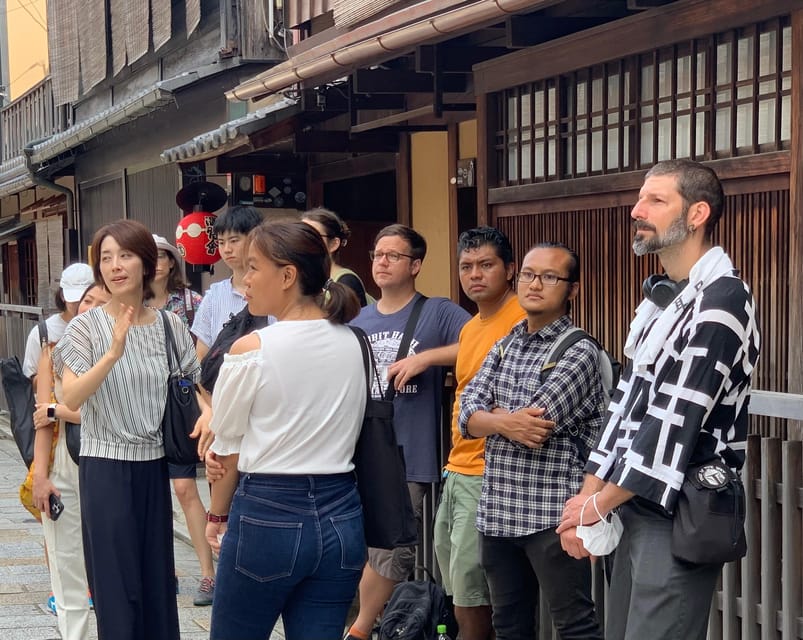
At $29 per person, this is a reasonably priced introduction to Gion. You are paying mainly for a local guide and a guided walk, not for a meal, show, kimono rental, or major admission ticket.
That distinction makes the value fairly clear. If you would otherwise wander Gion without understanding the customs around maiko and geiko, the guide can add substance to an area that is otherwise easy to experience as scenery. The price is especially fair if your chosen version lasts close to four and a half hours, though you should confirm the exact duration before booking.
The value is less obvious if you only want photographs. You can walk through some parts of Gion independently, and the tour does not guarantee an encounter with a geiko or maiko. Its strength is interpretation, route planning, and local explanation.
A rating of 4.6 from 25 submitted ratings gives the experience a strong overall signal, though it is still a relatively small sample. The most useful pattern is the praise for the guide, route, and small group. One participant called the guide the best they had encountered, while another specifically praised Ito and the way the route showed a different side of Kyoto.
The guide makes the difference
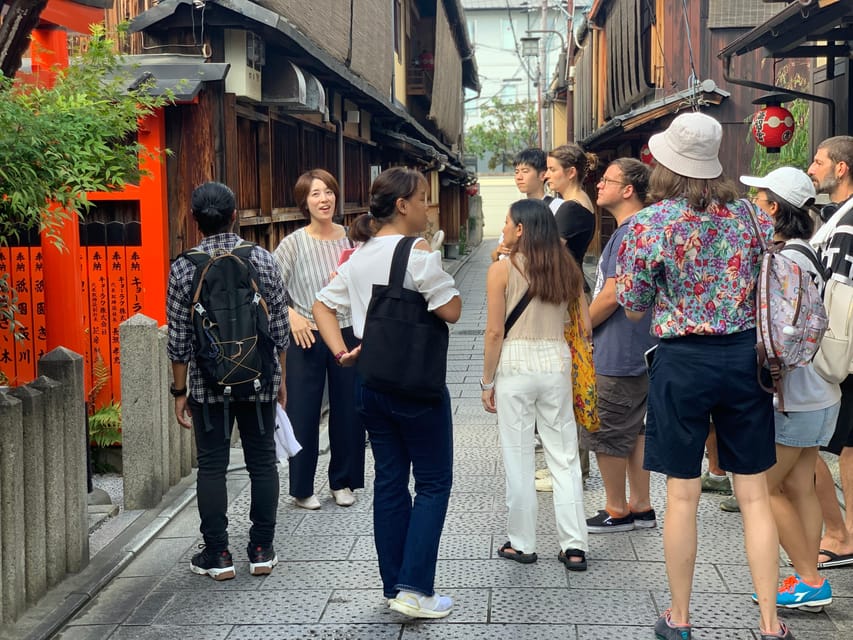
This tour depends heavily on the person leading it. Gion is full of details that can either become meaningful or remain background decoration. A guide who knows the district well can keep the walk focused and explain cultural points without turning it into a dry lecture.
Ito was specifically praised for being friendly and having strong knowledge of the Gion area. That is worth noting when comparing similar walks. The experience is not simply a route on a map. The quality of the stories and the guide’s ability to answer questions will shape much of your afternoon.
English is the listed tour language. If you want a walk that explains the district as you go, this is more suitable than a self-guided audio route. Small groups are available, but check the booking option because group size and meeting details can vary.
You should also remember that encountering a geiko or maiko is not promised. The guide can offer tips on where you might see them, but respectful observation matters. Do not treat people working in the district as performers waiting for photographs.
Practical planning for the walk
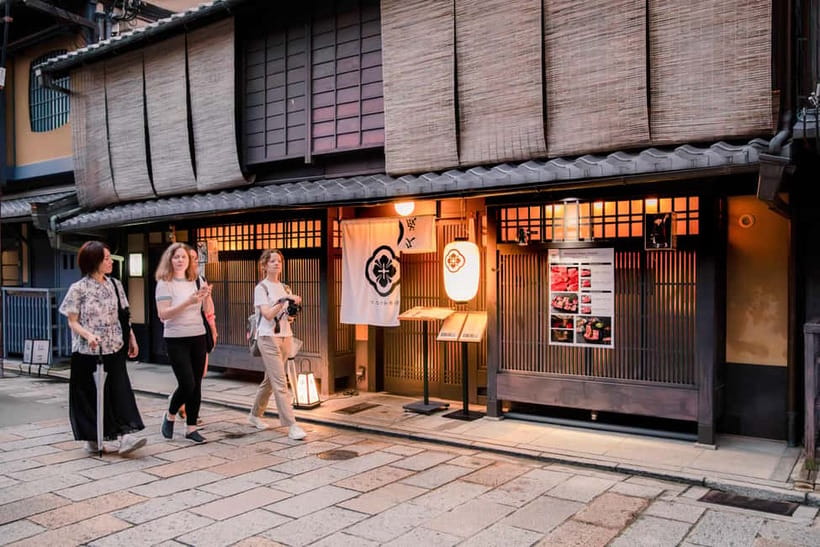
Wear comfortable walking shoes. This is not optional advice dressed up as a suggestion. You will walk through historic streets, and the activity is not suitable for wheelchair users or people with mobility limitations who cannot manage stairs.
The tour runs rain or shine, so bring suitable protection for the weather. The supplied information does not specify whether umbrellas or other equipment are provided. You should plan to arrive ready for outdoor walking.
Children must be accompanied by an adult. The experience is likely to suit families with older children who can manage the pace and listen to cultural explanations, but the available details do not give a minimum age or a child discount.
Allow extra time around the meeting point. There are three possible starting locations, and the kimono option requires you to travel independently to the Kanji Museum and Library after changing. A rushed arrival would take some of the pleasure out of the opening shrine visit.
The booking terms are flexible: you can cancel up to 24 hours before the activity for a full refund, and you can reserve now and pay later. Those policies are useful if your Kyoto schedule is still moving around.
Who will enjoy this Gion experience
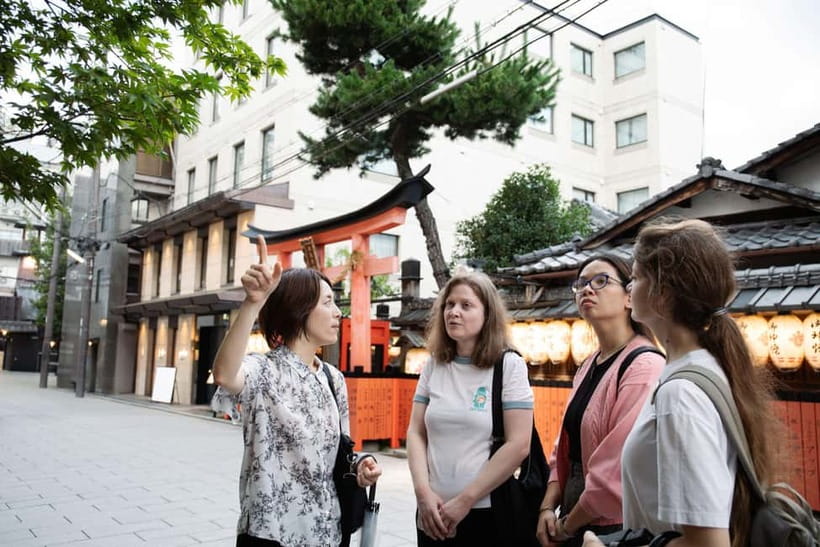
I would choose this walk if you are visiting Kyoto for the first time and want help making sense of Gion. It also suits you if you prefer cultural stories, traditional streets, and local context over a formal indoor attraction.
It is a good match for photographers who want to understand the setting behind their pictures. The Shirakawa Canal and historic lanes provide appealing scenes, while the guide gives you a reason to look beyond the obvious view.
It may not suit you if you dislike walking, cannot use stairs, or want a guaranteed geisha performance. It is also not the right choice if you need a fully accessible route. The activity information clearly excludes wheelchair users and people with mobility impairments.
For repeat visitors, the value depends on what you already know. If you have only seen Gion at night or walked its main streets alone, the two-district route and guide stories may still show you a different side of the area.
Should you book the Gion walking tour?
Book it if you want a reasonably priced, English-language introduction to Kyoto’s geiko and maiko districts, especially if you value a strong local guide and a planned route. The best reasons are the two-district coverage, Yasaka Shrine, Shirakawa Canal, and the chance to learn how the area works rather than simply snap pictures.
Skip it if you need guaranteed access to a performance, a fully accessible route, or a short and predictable walk. Before paying, confirm the exact start point and duration, since the options range from two hours to 270 minutes.
For most visitors who can comfortably walk and want more than surface-level sightseeing, this is a practical way to get your bearings in Gion without spending a great deal.
FAQ
How long does the Gion walking tour last?
The available options range from 2 hours to 270 minutes. Check the starting option and availability for the exact duration.
How much does the tour cost?
The listed price is $29 per person.
What language is the tour conducted in?
The live tour guide speaks English.
Where does the tour start?
There are three possible starting locations: the Statue of Izumo-no-Okuni, the wargo Kyoto Kimono Rental Kyoto Gion Store, and the Kanji Museum and Library. The exact meeting point depends on the option booked.
What happens if I choose the kimono rental option?
After changing into a kimono, you must go to the Japan Kanji Museum and Library by yourself. The guide waits for you there.
Does the tour visit Yasaka Shrine?
Yes. The itinerary includes a guided visit to Yasaka Shrine lasting about 40 minutes.
Does the walk include the Shirakawa Canal?
Yes. Shirakawa Canal is included as a sightseeing stop.
Will I definitely see a geiko or maiko?
No. An encounter is possible, but it is not guaranteed. The guide shares tips about where you might see maiko in action.
Is the tour suitable for wheelchair users?
No. The activity is not suitable for wheelchair users or people with mobility impairments who cannot manage stairs.
Can I cancel for a refund?
Yes. You can cancel up to 24 hours in advance for a full refund. You can also reserve now and pay later.
Just added around Kyoto
- Sekka Cotton Furoshiki Class★ 5.0 · 19 reviews
- Secret Eastern Kyoto Biking Adventure★ 5.0 · 44 reviews
- Kyoto Sword Experience – includes Museum Ticket/Ninja Experience★ 4.5 · 149 reviews
- Scenic Green Tea Fields of Hidden Kyoto & Local Tea Exp (Private)★ 5.0 · 32 reviews
- Private Sake Tasting in Central Kyoto with Sake Sommelier★ 5.0 · 32 reviews
- Samurai School in Kyoto: Samurai for a Day★ 5.0 · 202 reviews
- SHIRAKAWA Japanese Culture Experiences with private English staff★ 5.0 · 16 reviews
- A Privately Guided Photoshoot in Beautiful Kyoto by a Pro★ 5.0 · 18 reviews
Geisha & Maiko Experiences, compared.
Kyoto Geisha Walking Tour: Gion District & Hidden Gems
Our verdict →

Dinner with Maiko in a Traditional Kyoto Style Restaurant Tour
Our verdict →
Browse the lists this tour appears in