
Reviewed · GEISHA & MAIKO EXPERIENCES
Kyoto Gion Geisha District Walking Tour – The Stories of Geisha
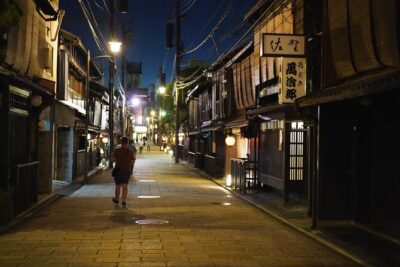
Gion changes character after sunset. Lanterns glow, wooden machiya houses grow quieter, and the streets around the teahouses feel less like a photo stop and more like a working neighborhood. This tour gives you the background to understand what you are seeing, including the difference between geiko and maiko and the customs of Kyoto’s traditional entertainment districts.
I like the small maximum group of 15, which makes it easier to hear your guide and ask questions. I also like the route’s mix of cultural sites and less obvious details, from Minamiza theater to quiet buildings tied to geisha life. The main drawback is simple: you walk outdoors for about two hours, and winter evenings can be bitterly cold. The itinerary may also feel brief if you want a long, detailed history lesson at every stop.
Key points before you book
- After-dark Gion: See the district when the largest daytime crowds have gone.
- A useful introduction: Learn about geiko, maiko, Kyoto’s entertainment districts, and the customs behind the polished public image.
- Small-group format: The tour accepts no more than 15 people.
- Historic route: Walk from the Izumo-no-Okuni Statue and Minamiza toward Tatsumi Bridge, Hanamikoji Street, and Yasaka Shrine.
- Strong guide element: Past guides including Ben, Shin, Deborah, Nami, Kenji, Melanie, and Manny have been praised for clear explanations and friendly teaching.
- Good value at $25: You get about two hours of guided walking and all listed fees, but not bottled water or an indoor performance.
Why Gion makes more sense after dark
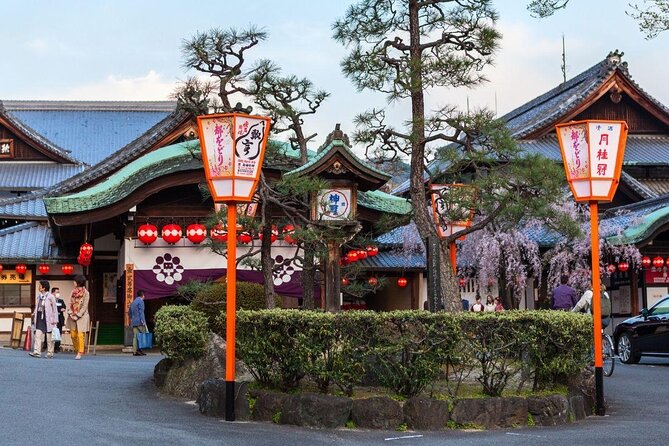
Gion is one of Kyoto’s most famous districts, but fame can work against it. In daylight, the narrow streets around Hanamikoji and Shinbashi can fill with people taking pictures, following tour groups, or hoping to catch a glimpse of a geiko or maiko. By evening, the pace is calmer, and the soft light suits the old wooden buildings.
That does not mean the district becomes empty or that you are guaranteed to see a geiko or maiko. Their work schedules are private, and this is a walking and cultural history tour, not a staged encounter. The value is in understanding the setting and the traditions that continue here.
Your guide helps you read details that are easy to miss on your own. A plain-looking doorway may connect to a tea house. A narrow lane may have a role in the local entertainment world. A building that seems closed to casual visitors can still tell you something about how Gion operates.
I especially like this approach because it treats geisha culture as a profession and an art form, not as a costume photo opportunity. The explanations cover history, present-day practices, entertainment districts, and the lives of geiko and maiko. Several guides also bring in wider stories about Kyoto and Japanese culture, which helps put Gion in context.
More Walking Tours in Kyoto
- Kyoto Geisha Walking Tour: Gion District & Hidden Gems
★ 4.7 · 3,273 reviews - Kyoto: Gion Magical Night Walking Tour with Geisha Trivia
★ 4.9 · 2,393 reviews - Kyoto: Gion Geisha District Walking Tour – Stories of Geisha
★ 4.7 · 2,187 reviews
Starting near Shijo at the Izumo-no-Okuni Statue
The meeting point is Ben’s Cookies Kyoto Shijo at 89 Shinchō in Shimogyo Ward. The walk begins with the Statue of Izumo-no-Okuni, a bronze monument to the figure traditionally linked with the founding of kabuki theater.
This is a smart opening. Gion’s story is not only about geisha. It is also about performance, theater, music, dance, and the neighborhoods that supported them. Okuni gives the tour a way to explain how Kyoto’s entertainment culture developed and why performance remains central to the area’s identity.
The statue stop lasts about 10 minutes and has no admission charge. Do not expect an indoor visit or a long museum-style presentation here. Instead, this is a short orientation point before the group moves into the older streets.
Your guide may use this first stop to explain terms and themes that return later. That foundation matters. Without it, the signs, theaters, tea houses, and references to geiko or maiko can blur together.
Minamiza and Kyoto’s performance tradition
The route also takes in Minamiza, Kyoto’s historic kabuki theater. Kabuki is known for dramatic storytelling, elaborate costumes, and stylized performances. Even if you are not attending a show, seeing the theater connects Gion to a wider stage tradition.
The supplied timing does not list a separate admission or performance at Minamiza, so you should treat this as an exterior or route stop rather than a theater ticket. That keeps the cost low, but it also means the tour will not replace a dedicated kabuki performance.
This part is useful for anyone who wants more than a narrow explanation of geisha. The guide can show how actors, musicians, dancers, tea house staff, and patrons all fit into Kyoto’s traditional entertainment world. It also helps explain why Gion is not simply a historic district preserved for tourists. It remains tied to performance and hospitality.
If you want a full lesson on kabuki, you may find this section short. If you want a clear link between theater and the geisha districts, it does its job in a compact way.
Tatsumi Bridge and Gion Shinbashi
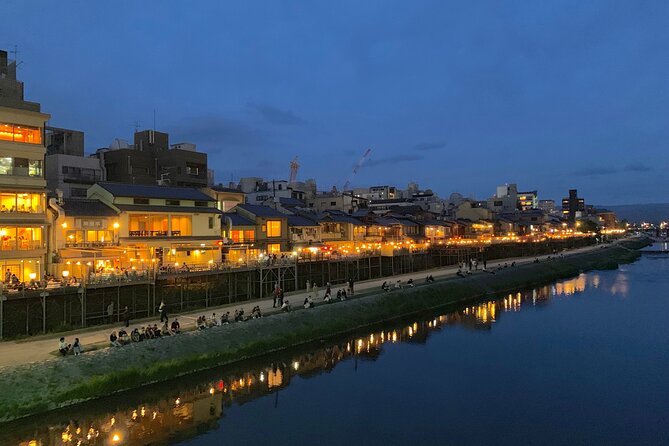
Tatsumi Bridge sits in the Gion Shinbashi area, one of the prettiest parts of the walk. Traditional buildings, small lanes, and tea houses give this stretch a more intimate feel than the broad, better-known shopping streets.
The bridge is a good place to slow down and look at the architecture. Your guide can point out how the area’s buildings and lanes relate to its past and present use. This is also where the evening timing pays off most clearly. Lantern light and subdued streets create a more atmospheric walk than a midday visit.
Do keep your camera in check. The district is not a theme park. People live and work here, and tea houses are private businesses. The most respectful approach is to listen, keep to the route, and avoid photographing people who are going about their work.
The stop is listed at about 10 minutes. That is enough for an explanation and a few photographs, but not enough for a long pause. If you prefer slow photography or want to explore every lane, plan to return on your own another time.
More Geisha Experiences in Kyoto:
- Best of Kyoto: Gion, Geisha, Pagodas & Cobblestones
★ 4.9 · 2,058 reviews - Night Walk in Gion: Kyoto’s Geisha District
★ 4.5 · 2,003 reviews - Kyoto Gion: 2-Hour Geisha Culture & History Walking Tour
★ 5.0 · 1,186 reviews - Kyoto Gion Night Walk & Geisha District Guided Tour
★ 5.0 · 786 reviews
Hanamikoji Street and the difference between geiko and maiko
Hanamikoji Street is the route’s most recognizable stretch. Its traditional machiya houses, restaurants, and teahouses make it an obvious place to discuss how Gion works. The street is attractive, but its real interest comes from the stories behind the buildings.
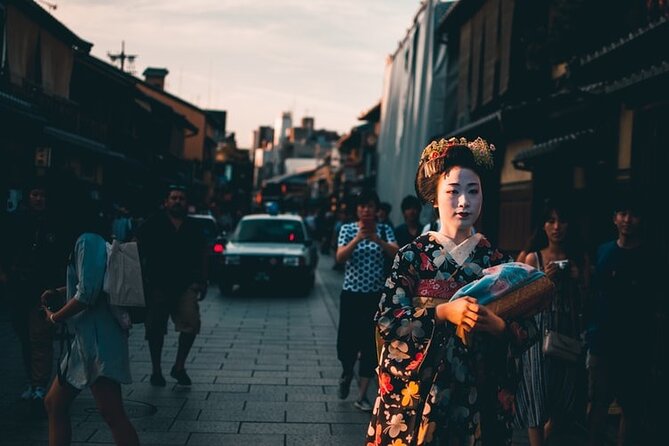
This is where the tour’s central subject comes into focus. In Kyoto, geiko is the local term commonly used for a geisha, while maiko are apprentices in the traditional arts. Their clothing, makeup, hairstyles, training, and professional roles are not random decoration. They reflect a structured world of music, dance, conversation, hospitality, and formal presentation.
Your guide can help separate fact from the simplified image often presented in popular culture. Past guides such as Manny, Melanie, Nami, and Kenji have been praised for explaining the evolution of geiko and maiko, along with current practices. That is useful because many first-time visitors arrive with a vague idea of geisha culture shaped by films, photographs, or guidebook snapshots.
The stop is listed at about 10 minutes, so expect an overview rather than a complete course in the subject. The tour works best as a starting point. Afterward, you will have a better sense of what to read, what to watch for, and how to behave respectfully in Gion.
Gion Corner and the wider cultural picture
Gion Corner is a cultural center and performance venue that presents several traditional Japanese arts in a condensed format. The route includes it as a point of interest, but the tour price does not include a stated performance ticket.
That distinction matters. If you want to watch a cultural show, you will need to arrange that separately. The walking tour can explain why venues such as Gion Corner matter, but it is not a substitute for an actual stage program.
This stop adds useful balance. Geisha culture is one part of a larger group of Japanese arts, and Gion Corner helps show that connection. You may come away with a broader understanding of how music, dance, theater, and ceremonial hospitality overlap.
The itinerary does not give a separate duration for this stop, so the amount of time here may vary. Think of it as part of the route and commentary rather than a long venue visit.
Ending at Yasaka Shrine
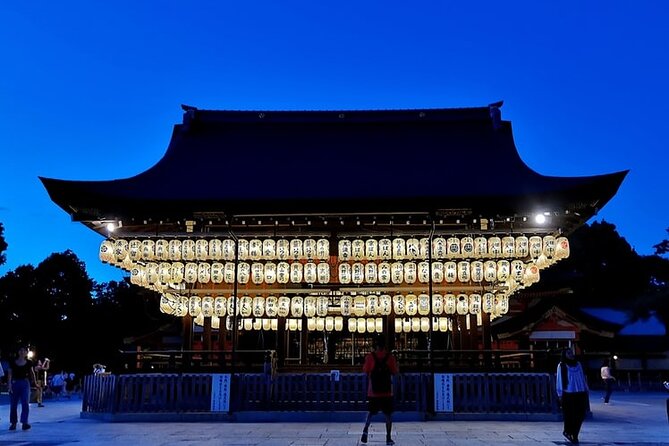
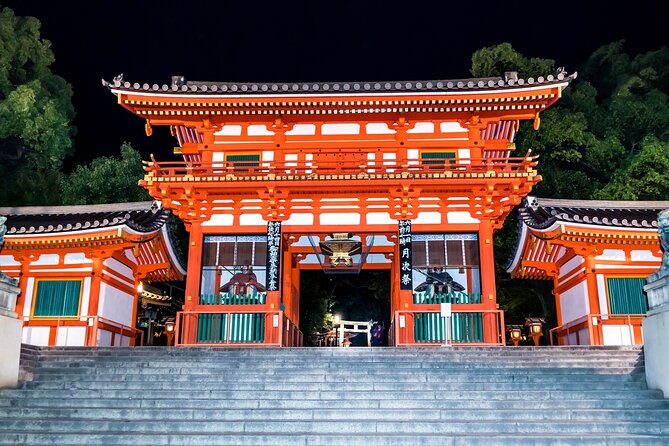
The walk ends at Yasaka Shrine, also called Yasaka Jinja or Gion Shrine. It is one of Kyoto’s best-known Shinto shrines and sits at the eastern edge of the Gion area.
This is a fitting finish. The tour begins with a figure linked to theater and ends at a major religious site, showing how Kyoto’s performance districts sit alongside older spiritual traditions. Yasaka Shrine also gives you a clear landmark for continuing your evening.
The end point is at 625 Gionmachi Kitagawa in Higashiyama Ward. Since the tour does not return to the starting point, check your plans before you set out. The location is near public transportation, and the finish works well if you want to continue exploring Gion or head elsewhere in Kyoto.
What the guides add to the walk
The subject is interesting, but the guide makes the difference. The strongest feedback centers on clear teaching, friendly conversation, and the ability to answer questions beyond a memorized script.
Ben is praised for explaining the hidden codes of the flower towns and for linking Gion, Pontocho, and Kyoto at night. Shin is described as helpful and well informed about both the neighborhood and the wider city. Deborah brings strong subject knowledge and enthusiasm, while Melanie is noted for a relaxed way of explaining geisha life and Japanese culture.
Nami, Kenji, Manny, Joy, Sakuri, Adrian, Tommy, Ikari, and Nikki are also named by past participants as guides who made the walk engaging. The exact guide depends on the departure, so you should not book expecting one particular person unless the reservation details confirm it.
The repeated strength is not theatrical presentation. It is the chance to ask questions and hear explanations about details you would likely miss alone. That makes the tour especially useful early in a Kyoto stay, when you can use what you learn during later visits.
Is $25 a fair price?
At $25 per person, this is a reasonable price for a two-hour guided walk in one of Kyoto’s most sought-after districts. All fees and taxes are included, and the group is capped at 15. You are paying mainly for interpretation and local context, not for admission to a show or a private meeting with a geiko.
That is good value if you would otherwise wander Gion without knowing what you were seeing. A guide can turn a line of traditional houses into a story about work, training, performance, and neighborhood rules.
The value is weaker if you already know Kyoto’s geisha districts well or want an indoor cultural performance. In that case, the route may feel short, and one four-star assessment specifically found the itinerary could use more content. The tour is best understood as an introduction, not an advanced seminar.
Practical advice for the two-hour walk
Wear comfortable shoes. The route covers several parts of Gion, and the walk can feel longer in cold weather. Winter visitors should bring a serious coat, not just a light jacket. A past participant found the evening especially cold, while another described the walk as chilly but worthwhile.
Bring water because bottled water is not included. A mobile ticket is provided, and confirmation arrives when you book. The tour is near public transportation, service animals are allowed, and most people can take part.
The experience requires good weather. If poor weather forces cancellation, you are offered another date or a full refund. You can cancel for a full refund up to 24 hours before the start time. Cancellations or changes inside that window are not refunded or accepted, so keep an eye on Kyoto’s forecast.
Who should book this Gion walk?
I would choose this for a first visit to Kyoto, especially if you want cultural background before exploring Gion on your own. Families with older children and teenagers can also find it useful, since the walk combines visual interest with stories about work, tradition, and performance.
It suits you if you enjoy asking questions, walking through historic neighborhoods, and learning why ordinary-looking places matter. It is less suitable if you need a fully indoor activity, dislike evening walking, or expect guaranteed sightings of geiko and maiko.
Should you book it?
Book this tour if you want a low-cost, small-group introduction to Gion that goes beyond taking pictures of old streets. The evening timing, strong guide focus, and route from Minamiza to Yasaka Shrine make it a useful first step into Kyoto’s traditional entertainment culture.
Skip it if you want a full performance, an extended academic treatment, or a private geisha encounter. For most first-time visitors, though, $25 buys two useful hours and a better understanding of what Gion is really showing you.
FAQ
How long does the Kyoto Gion Geisha District Walking Tour last?
The tour lasts approximately two hours.
How large is the tour group?
The tour has a maximum of 15 travelers.
Where does the tour start?
It starts at Ben’s Cookies Kyoto, 89 Shinchō, Shimogyo Ward, Kyoto, 600-8001, Japan.
Where does the tour end?
The tour ends at Yasaka Shrine, 625 Gionmachi Kitagawa, Higashiyama Ward, Kyoto, 605-0073, Japan.
Does the tour include a geisha or maiko meeting?
The tour offers a glimpse into the world of geisha and takes place while geiko and maiko may be traveling to appointments, but a personal meeting is not listed as an included feature.
Are admission fees included?
All listed fees and taxes are included. Bottled water is not included.
Is the tour suitable for most people?
Most people can participate. The tour is near public transportation, and service animals are allowed.
What happens if the weather is poor?
The experience requires good weather. If it is canceled because of poor weather, you will be offered another date or a full refund. You can also receive a full refund when canceling at least 24 hours before the start time.
Just added around Kyoto
- Sekka Cotton Furoshiki Class★ 5.0 · 19 reviews
- Kyoto Sword Experience – includes Museum Ticket/Ninja Experience★ 4.5 · 149 reviews
- Scenic Green Tea Fields of Hidden Kyoto & Local Tea Exp (Private)★ 5.0 · 32 reviews
- Secret Eastern Kyoto Biking Adventure★ 5.0 · 44 reviews
- Private Sake Tasting in Central Kyoto with Sake Sommelier★ 5.0 · 32 reviews
- Samurai School in Kyoto: Samurai for a Day★ 5.0 · 202 reviews
- SHIRAKAWA Japanese Culture Experiences with private English staff★ 5.0 · 16 reviews
- A Privately Guided Photoshoot in Beautiful Kyoto by a Pro★ 5.0 · 18 reviews
Geisha & Maiko Experiences, compared.

Kyoto Geisha Walking Tour: Gion District & Hidden Gems
Our verdict →
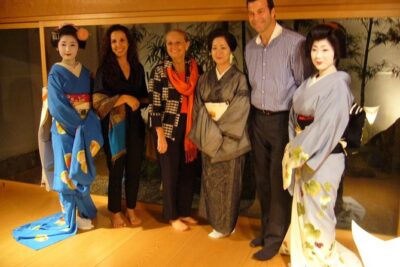
Dinner with Maiko in a Traditional Kyoto Style Restaurant Tour
Our verdict →
Browse the lists this tour appears in