
Reviewed · TRADITIONAL CRAFTS
Ikebana Traditional Japanese Art of Flower Arranging
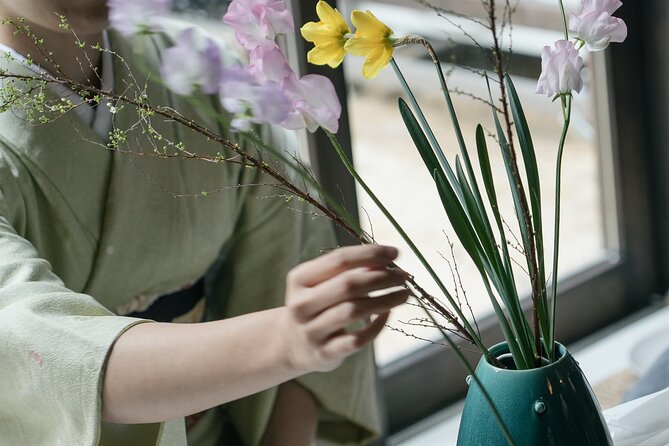
Ikebana turns a handful of cut flowers into a study of space, balance, and patience. In this Kyoto class, instructor Mana teaches two beginner styles, Nageire and Moribana, then gives you time to make your own arrangements with seasonal flowers. It is a hands-on look at an art form that treats each stem as a living part of the design.
I like the small maximum of six people, which should leave room for personal help, and I like the practical flower-care advice, including ways to keep arrangements fresh for up to two weeks. The main consideration is the short format: if you want a full lesson on Ikebana schools, rules, and history, 90 minutes may feel brisk.
Key points to know before booking
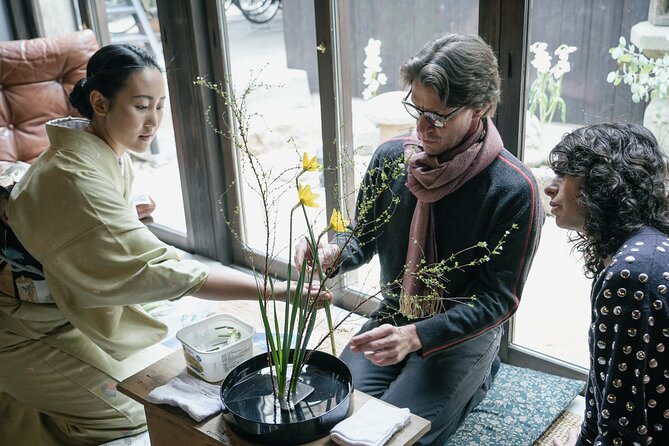
- Two Ikebana styles in one class: Mana demonstrates Nageire and Moribana, both useful starting points for beginners.
- A true hands-on lesson: You do not simply watch. After the demonstrations, you create your own arrangements with seasonal flowers.
- A small Kyoto setting: The class takes place near public transportation at 3481 Tanbacho, Kamigyo Ward, Kyoto.
- Mindfulness through flowers: The lesson connects arrangement with attention, balance, and the Japanese idea of giving flowers new life.
- Useful care advice: You learn methods intended to help fresh flowers last up to two weeks.
- A compact 90-minute activity: It fits neatly into a Kyoto sightseeing day, though the short length limits broader cultural discussion.
Why this Kyoto flower class is more than a craft lesson
Ikebana is often translated as living flowers. That translation gets at the heart of the class. You are not simply placing attractive blooms in a vase. You are asked to notice the natural line of a branch, the direction of a stem, the open space around a flower, and the way separate pieces can form one calm composition.
That makes this a good choice if you want an activity with a slower rhythm than temple visits and shopping streets. The work asks you to look closely and make deliberate choices. It is a simple form of mindfulness, but not one that requires a lecture or special preparation.
The class also introduces the Japanese aesthetic of wabi-sabi, where irregular shapes, empty space, and natural change have value. A bent stem is not automatically a problem to correct. Its curve may be the feature that gives the arrangement character.
You should not expect a large cultural show or a formal museum presentation. This is a practical class in which you learn by watching, handling flowers, and making decisions yourself. That direct approach is the main reason to book it.
More Craft Workshops in Kyoto
- Authentic knife making experience at a blacksmith in Kyoto
★ 4.8 · 350 reviews - Roketsu dyeing experience: M course Roketsu Dyeing Experience
★ 5.0 · 163 reviews - Kyoto Michelin Ramen Workshop or Painting Ramen Essentials
★ 4.9 · 100 reviews
What happens during the 90-minute lesson
The experience lasts about an hour and a half. The exact pacing may vary, but the lesson is built around an introduction, demonstrations, and your own arranging time.
Mana begins with an explanation of Ikebana and its guiding ideas. The focus is not only on appearance. You learn to consider each flower’s natural qualities and how the pieces work together as a balanced group.
Next comes the demonstration. One useful feature of this class is that Mana teaches two distinct methods rather than showing only one arrangement. The styles are Nageire and Moribana, both commonly used as beginner forms.
Nageire generally gives the arrangement a more open, upright feeling, while Moribana uses a shallow container and places flowers in a broader composition. The supplied class details identify these as the two styles taught, so you can expect the lesson to compare different ways of building form and balance.
Watching the demonstration first matters. Ikebana can look simple until you try to position a stem at the right angle. A clear example lets you see how the flower is placed, how empty space is used, and how the arrangement can change when one piece moves slightly.
After that, you create your own arrangement. This is where the class earns its place on a Kyoto itinerary. You are not just photographing an expert’s work. You handle the seasonal flowers and test your own sense of proportion.
Mana’s teaching style, according to the available class details, includes practical guidance and flexibility while you work. That is especially helpful for beginners, since a first arrangement rarely looks exactly like the demonstration. You can ask for help, make changes, and see how a small adjustment affects the whole design.
Seasonal flowers and the Japanese idea of balance
The flowers are seasonal, which gives the activity a changing connection to Kyoto. The exact selection is not specified, and that is part of the point. Ikebana responds to what is available at the time rather than forcing every season into the same arrangement.
You learn to use the natural characteristics of the flowers. One stem may provide height, another may create a sideways line, and a third may fill a smaller area near the base. The goal is not to pack the container with color.
Empty space is part of the design. This may be the biggest adjustment for people used to dense Western bouquets. In Ikebana, a few flowers can create a stronger image than a crowded bunch. The arrangement needs room to breathe.
The lesson also presents flowers as living beings that respond to attention. That idea may sound poetic, but it has a practical effect. You begin to look at the curve, weight, and direction of each stem before deciding where to place it.
I like this approach because it gives you something useful to take beyond the class. Afterward, you may look at an ordinary branch or flower differently. You may also become less likely to discard a stem simply because it is not perfectly straight.
Learning from Mana in a small group
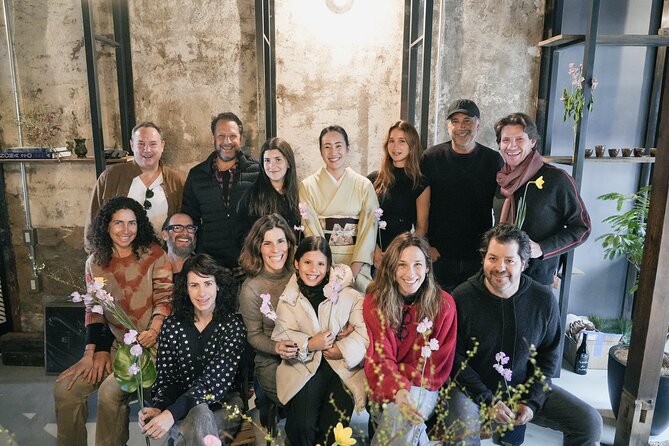
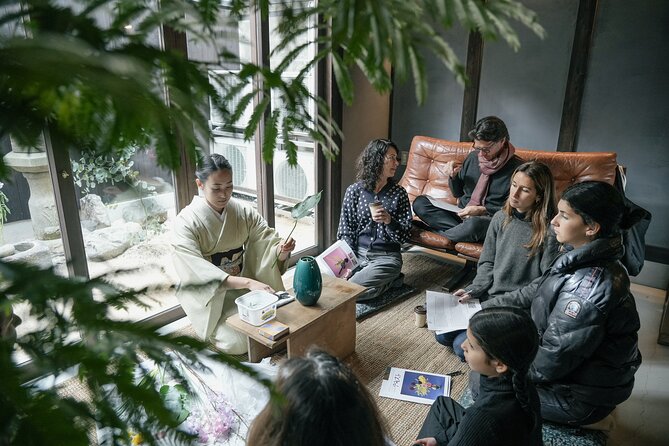
The maximum group size is six people. That is a strong feature for a lesson involving tools, flowers, and personal correction. A large room full of participants could make it difficult to see the demonstration or get help with your own arrangement.
A small group also keeps the activity personal without making it private. You may attend with a partner, family member, or friends, while still having space to work independently.
Mana teaches in English, making the class accessible to English-speaking visitors. The teaching includes both the artistic ideas behind Ikebana and practical advice for arranging and maintaining cut flowers.
The hands-on part is flexible. You are given room to make your own choices rather than copying a fixed design with no explanation. That suits people who want to understand the method, not just produce a souvenir arrangement.
Still, keep the class length in mind. Ninety minutes is enough for an introduction and two basic styles, but not enough for a detailed survey of all Ikebana traditions. One available response to a participant’s concern explained that the lesson focuses on Nageire and Moribana as beginner styles, rather than attempting to cover every school and rule.
If your main interest is the history of Ikebana, ask yourself if a short practical session is enough. If you want to try the art with clear instruction, the format makes good sense.
Same trip, a completely different kind of day:
- PERFECT KYOTO 1-Day Bus Tour
★ 5.0 · 13,518 reviews - Kyoto: Fushimi Inari, Kinkakuji, Bamboo Grove 1 Day Bus Tour
★ 4.8 · 4,316 reviews - Kyoto: Tea Ceremony in a Traditional Tea House in Kiyomizu
★ 4.9 · 3,519 reviews - Kyoto Geisha Walking Tour: Gion District & Hidden Gems
★ 4.7 · 3,273 reviews
The value of practical flower-care advice
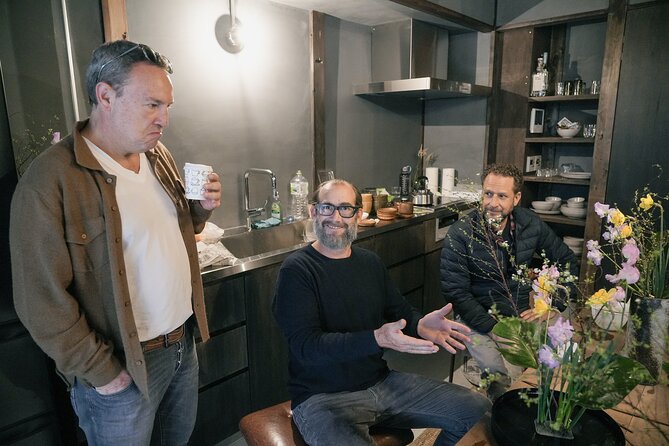
The lesson includes tips intended to help flowers remain fresh for as long as two weeks. That is a useful addition, especially if you enjoy arranging flowers at home and want the class to have a life after your holiday.
The advice gives the experience a practical edge. You are not only learning how to make one arrangement look good for a photo. You are also learning how to care for the flowers once you leave the class.
Do not read the two-week figure as a guarantee for every flower or arrangement. Freshness depends on the flowers, conditions, and care. Still, the inclusion of maintenance advice improves the value of the class, since the skills can apply to future arrangements.
This is also where the activity works well for couples or friends. You can compare your designs, talk about the choices you made, and continue experimenting after returning home. The available feedback includes a couple who enjoyed the flexibility and the chance to create arrangements together.
Meeting in central Kyoto
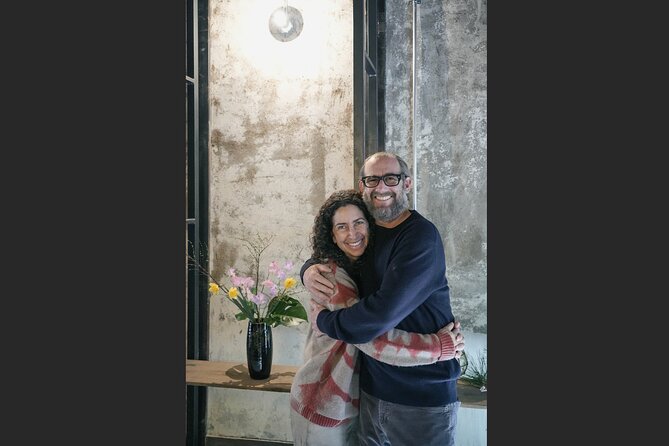
The meeting point is at 3481 Tanbacho, Kamigyo Ward, Kyoto, postal code 602-8287, at Symphony Kitano Higashi. The class ends at the same location.
The address is near public transportation, which makes it more practical to combine with other Kyoto stops. You should still allow time to find the exact building and arrive ready for the start, since the experience is short and a late arrival could cut into your arranging time.
This is not presented as a sightseeing walk. The value comes from the class itself, so plan your route around reaching the meeting point rather than expecting a tour of nearby landmarks.
The mobile ticket is convenient for a day of sightseeing. Keep the booking confirmation available on your phone, and check the meeting details before setting out.
Is $72.26 a fair price?
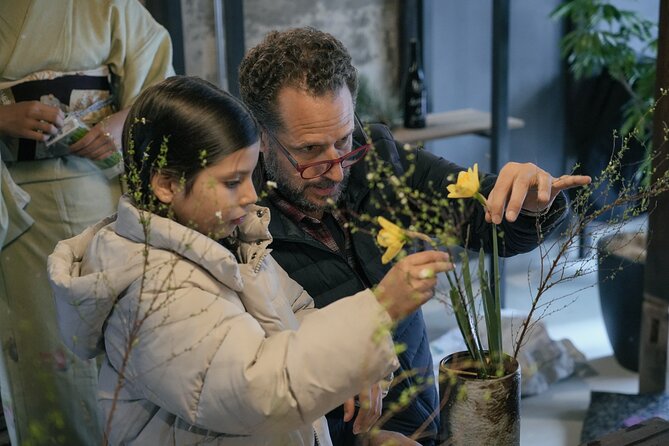
At $72.26 per person, this is not a bargain-basement craft activity. The price needs to be judged against what you receive: about 90 minutes of instruction, seasonal flowers, demonstrations of two styles, personal arranging time, and flower-care guidance.
The small group helps make the cost easier to justify. A class capped at six people can offer more direct help than a large workshop. You are paying for instruction and materials, not simply admission to a room where flowers happen to be available.
The value is strongest if you enjoy making things and want a skill you can repeat at home. It is weaker if you want a broad cultural lecture, a long historical presentation, or a full-day Kyoto experience.
The class is booked about 30 days ahead on average, which suggests you should not leave it until the last moment if it is important to your schedule. That advance-planning pattern is also useful for building a Kyoto itinerary, especially during busy travel periods.
Free cancellation is available if you cancel at least 24 hours before the start time. Cancellations or changes made less than 24 hours before the start are not eligible for a refund.
Who will enjoy this activity most?
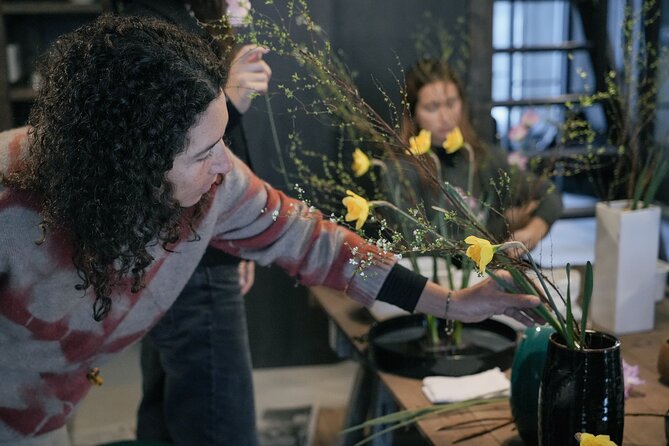
I would recommend the class to first-time visitors who want a quieter Kyoto activity. It suits couples, friends, solo participants, and anyone who likes crafts, flowers, photography, or Japanese design.
It is also a good fit if you want a break from temples and crowded shopping areas. The work is focused and calm, and the small group should make it easier to follow the English instruction.
Families may enjoy it too, though the supplied information says most people can participate without specifying a minimum age. If you are booking with young children, confirm that the format suits them before paying.
You do not need prior flower-arranging experience. The lesson is built around traditional techniques presented at a beginner level. You should come ready to observe, make choices, and accept that your first arrangement may need a few adjustments.
What this class does not try to be
This is not a complete course in Ikebana. You will not learn every school, style, or formal rule in 90 minutes. The short format also means the history receives less attention than some participants may want.
It is not a walking tour of Kyoto, and there is no promise of a temple visit or city sightseeing. The activity stays focused on flower arranging at the meeting location.
Those limits are not necessarily faults. A narrow, hands-on lesson can be more rewarding than a rushed attempt to cover everything. Just book it for the right reason: you want to practice a traditional art, not collect a long list of Kyoto sights.
Should you book the Kaeribana Ikebana class?
Book this experience if you want to make something with your hands, learn from an English-speaking instructor, and take home a fresh way of looking at flowers. Mana’s demonstrations of Nageire and Moribana give beginners a clear starting point, while the small group allows time for personal help.
Think twice if you want a detailed history of Ikebana or a survey of its different schools. At $72.26, the class makes the most sense for people who value instruction, materials, and a calm creative hour more than sightseeing mileage.
For a compact Kyoto activity with seasonal flowers, practical care tips, and a genuine connection to Japanese aesthetics, I would put it on the shortlist. Reserve ahead, arrive at the Kyoto meeting point with enough time to spare, and let the flowers do more of the talking than you expect.
FAQ
How long does the Ikebana class last?
The activity lasts approximately 1 hour and 30 minutes.
Where does the class meet?
The meeting point is Japan, 602-8287 Kyoto, Kamigyo Ward, Tanbayacho, 3481 Symphony Kitano Higashi. The class ends back at the meeting point.
Who teaches the class?
The English-speaking instructor is Mana, an Ikebana expert.
Which Ikebana styles are taught?
The class teaches and demonstrates the Nageire and Moribana styles.
How many people can join?
The activity has a maximum of six participants.
Can I cancel for a full refund?
Yes. You can cancel for a full refund if you cancel at least 24 hours before the experience start time. Changes or cancellations made less than 24 hours before the start are not refunded.
Just added around Kyoto
- Sekka Cotton Furoshiki Class★ 5.0 · 19 reviews
- Kyoto Sword Experience – includes Museum Ticket/Ninja Experience★ 4.5 · 149 reviews
- Scenic Green Tea Fields of Hidden Kyoto & Local Tea Exp (Private)★ 5.0 · 32 reviews
- Secret Eastern Kyoto Biking Adventure★ 5.0 · 44 reviews
- Private Sake Tasting in Central Kyoto with Sake Sommelier★ 5.0 · 32 reviews
- Samurai School in Kyoto: Samurai for a Day★ 5.0 · 202 reviews
- SHIRAKAWA Japanese Culture Experiences with private English staff★ 5.0 · 16 reviews
- A Privately Guided Photoshoot in Beautiful Kyoto by a Pro★ 5.0 · 18 reviews
Traditional Crafts, compared.
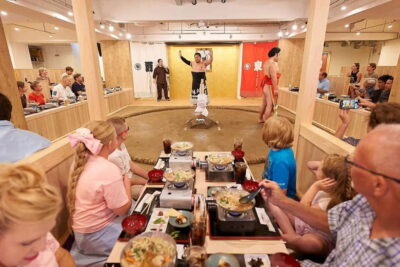
Tokyo Sumo Experience: Chanko & Mochi with a Former Pro
Our verdict →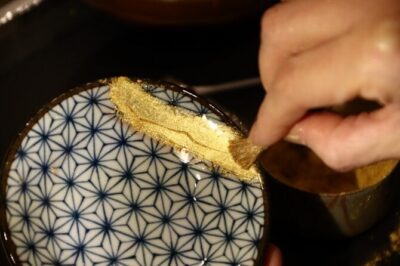
Kintsugi Experience: Art of Golden Joinery in Tokyo
Our verdict →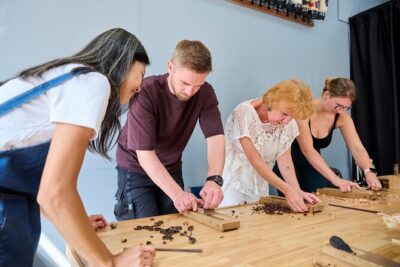

Matcha Making Experience with Mochi Sweets in Asakusa
Our verdict →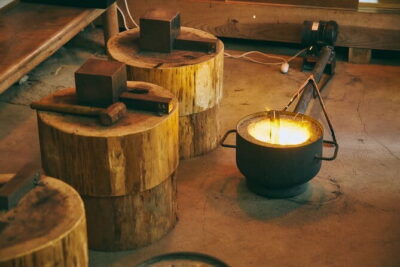
Authentic knife making experience at a blacksmith in Kyoto
Our verdict →
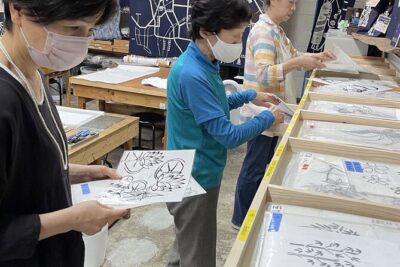
Roketsu dyeing experience: M course Roketsu Dyeing Experience
Our verdict →Browse the lists this tour appears in