
Reviewed · TRADITIONAL CRAFTS
Authentic Knife Making Experience at a Blacksmith in Kyoto
The best part of this Kyoto experience is that you do not simply watch a blacksmith work. You hammer a hot steel billet, help shape your own blade, then grind and sharpen it into a usable knife. Daiki and the English-speaking staff provide close help, which matters when you are holding unfamiliar tools and working with hot metal.
I like the small group limit of six, and I like that the uniform, tools, and materials are supplied. You leave with a practical Japanese souvenir rather than a factory-made trinket. The main consideration is physical effort: an hour of hammering and additional work at the grinder can be tiring, and the finishing stages need careful instruction.
Key points to know before booking
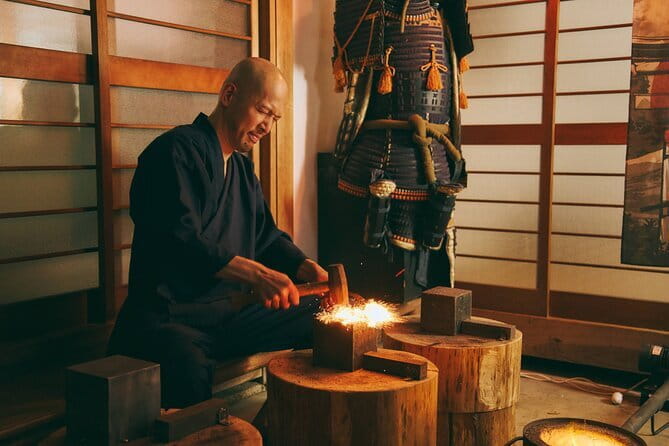
- You make a real knife: The process includes forging, shaping, grinding, polishing, and sharpening.
- The finished blade is compact: Expect a handmade knife about 13 to 15 centimeters long.
- The class is genuinely hands-on: You spend much of the time hammering and working the blade yourself.
- The group is small: A maximum of six people allows the instructors to step in when needed.
- The base knife has an iron handle: A wooden handle may be available for an added ¥5,000, but check the current arrangement before booking.
- Plan your journey home: A sharp knife may need to go in checked luggage, not your carry-on.
Why this Kyoto workshop is different
Kyoto offers plenty of polished cultural activities, but this one is noisy, physical, and wonderfully direct. You put on a traditional goldsmith outfit, learn how the tools work, and take part in the old-fashioned process used to make Japanese kitchen knives.
The workshop does not expect you to arrive with blacksmithing experience. The forging process is taught from the beginning, and the staff correct your technique when needed. That makes this a good choice for a first attempt, though experienced metalworkers may also enjoy the chance to work with Japanese steel.
The finished knife is not a large chef’s knife. It measures roughly 13 to 15 centimeters, with some variation depending on how each person shapes the metal. The standard version uses a simple iron handle rather than a wooden one. That plain construction is part of the traditional feel, but it is worth understanding before you book if you have your heart set on an ornate kitchen knife.
One important detail comes from the hands-on nature of the class: the result can show your technique. The staff finish the final sharpening and professional touches, but your hammering and grinding affect the shape. That is not a flaw. It is the reason the souvenir feels personal.
More Craft Workshops in Kyoto
- Authentic knife making experience at a blacksmith in Kyoto
★ 4.8 · 350 reviews - Roketsu dyeing experience: M course Roketsu Dyeing Experience
★ 5.0 · 163 reviews - Kyoto Michelin Ramen Workshop or Painting Ramen Essentials
★ 4.9 · 100 reviews
Getting to Atelier NIN near Rurikoin
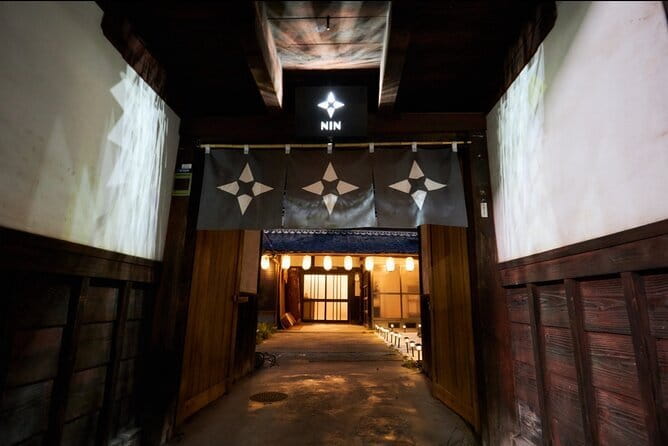
The meeting point is studio NIN at Yasenosechō in Kyoto’s Sakyo Ward. The activity begins and ends there. Rurikoin is listed as the stop for the experience, and the studio is near public transportation, although the final approach can be easy to miss in a residential area.
Give yourself extra time to find the workshop. One useful practical tip is to download directions or keep a backup plan before leaving the station. Mobile phone signal may be weak around the station and the final streets.
The ride itself can be part of the appeal. The route uses a small one-car train, and the workshop sits in a quieter part of Kyoto rather than in the packed central districts. You are not getting a grand city tour, so plan this as a focused half-day outing built around the studio.
Private transportation is not included. Food and snacks are not included either, so eat beforehand or bring something for afterward. The class lasts about three hours, though the hands-on work can feel longer if you are not used to hammering or standing at a workbench.
Dressing for the forge
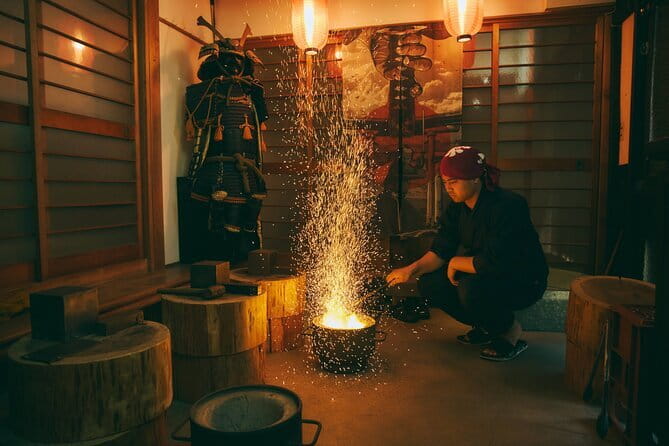
Your first task is changing into the provided outfit. The clothing gives the workshop a traditional feel and saves you from packing protective workwear for a single activity.
You then learn how to handle the tools. This introduction is important because the class moves from explanation to real work fairly quickly. You will be shown how to hammer the steel safely and how to work through the next stages.
Wear practical clothes underneath the uniform and choose shoes you can stand in comfortably. The provided information confirms that a uniform is supplied, but it does not promise specialist safety footwear. One account found the lack of safety shoes less than ideal, especially after dropping a blade during grinding. Take care with your footing and follow the staff’s handling advice closely.
The physical level is moderate. You do not need to be strong or trained, but you should be comfortable with repeated hammering and standing for much of the session. A 13-year-old has completed the activity successfully, and the class can work well for families with older children who can follow safety instructions.
Forging the steel for about an hour
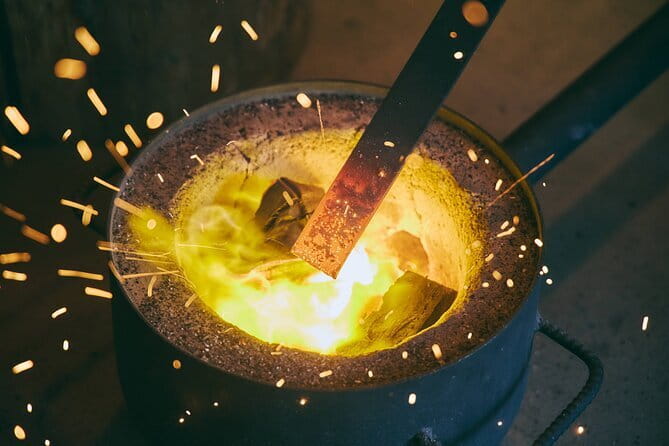
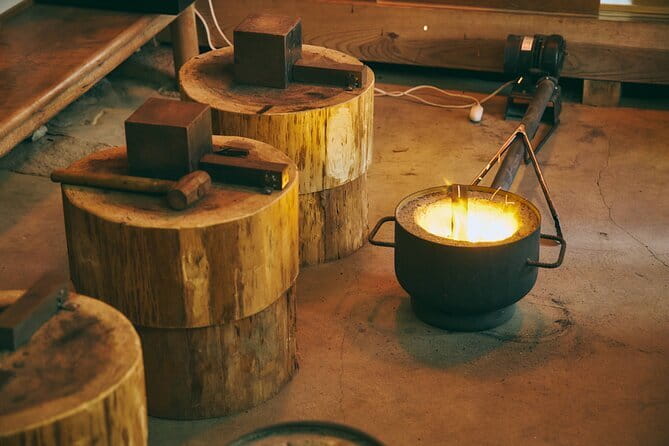
Forging is the heart of the experience. You heat and hammer the steel billet, flattening and stretching it as you work toward a blade shape. The sound, effort, and repetition make this very different from a demonstration where you stand back and watch a professional do everything.
Expect to make plenty of amateur mistakes. That is normal. The instructors are there to show you how to use the hammer, correct the angle, and help you avoid damaging the piece. Daiki has been singled out for being engaging and for stepping in quietly when assistance was needed, while the wider team is described as friendly and patient.
The forging stage may take about an hour. It is also where you feel the connection to Japanese kitchenware most clearly. You are not merely stamping a design onto a ready-made blank. You are helping change the form of the metal through heat and force.
The class may let you choose a basic knife design or shape. Do not expect unlimited freedom to produce any size or style. A larger cooking knife takes more than five hours and costs much more to make, so this experience uses a smaller format that fits the three-hour schedule and the price.
Same trip, a completely different kind of day:
- PERFECT KYOTO 1-Day Bus Tour
★ 5.0 · 13,518 reviews - Kyoto: Fushimi Inari, Kinkakuji, Bamboo Grove 1 Day Bus Tour
★ 4.8 · 4,316 reviews - Kyoto: Tea Ceremony in a Traditional Tea House in Kiyomizu
★ 4.9 · 3,519 reviews - Kyoto Geisha Walking Tour: Gion District & Hidden Gems
★ 4.7 · 3,273 reviews
Grinding, polishing, and sharpening the blade
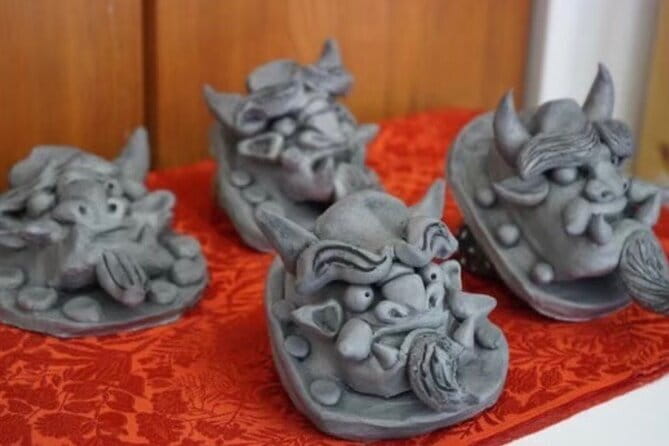
After forging, the blade moves to the grinder and finishing stages. This is where the rough metal becomes a cleaner knife shape. You may spend up to about an hour sanding, grinding, and forming a preliminary edge before the final sharpening work is completed.
This part requires more precision than the hammering. Keep the blade at the correct angle and ask for help early. A mistake at the sanding belt can affect the edge, and one account found that the instructions for grinding angle and belt use could have been clearer.
That is the main weak point of the class. The forging lesson appears to receive strong attention, but the transition to grinding may feel less structured for a complete beginner. Do not rush because other people seem ahead. Ask the instructor to watch your angle and show you the correct pressure.
The staff handle the final sharpening and finishing touches, so you do not need to produce a perfect professional edge by yourself. The result is a proper, sharp knife, not just a decorative piece. Treat it seriously when it is handed back to you.
Polishing gives the blade a cleaner appearance, while sharpening makes it functional. Together, these steps help you understand why Japanese knives are valued for careful edge work. You see that the final product depends on more than hammering hot steel into a rough outline.
What you take home

Your finished knife is usually about 13 to 15 centimeters long. Because it is handmade, the size and shape vary by person. The standard construction uses a simple iron handle and does not include a wooden handle.
A wooden handle has been available as an optional extra for ¥5,000, with the idea that you may attach it yourself later. Since optional fittings can change, confirm the current choice and price when booking or at the workshop.
The completed knife is wrapped and placed in a gift bag. A small photograph may also be provided as a memento. That combination makes the experience useful for someone who wants a physical reminder of Kyoto, not just a few digital photos.
Take luggage rules seriously. A sharp blade may exceed airline carry-on rules, even if it looks small. If you are flying home, plan to place it in checked baggage. Do not wait until the airport to solve the problem.
Is $158.52 good value?
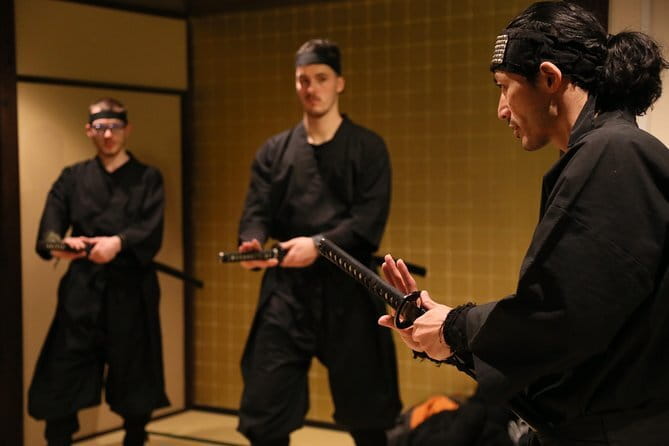
At $158.52 per person, this is not a cheap craft class. The price makes more sense when you consider what is included: the uniform, steel, tools, English guidance, several stages of production, and a functional handmade object to take home.
You are also paying for access to equipment and instruction that would be difficult to arrange independently. A larger cooking knife can take more than five hours and cost over $400, according to the workshop information. This shorter format gives you the core experience without asking you to commit to a full day or a much higher price.
The value depends on what you want. If you want a perfect, large chef’s knife at the lowest possible cost, buying one from a Japanese knife shop will be easier. If you want to understand the work behind a knife and accept that your blade will carry signs of your own technique, the workshop offers more than a purchase can.
The maximum group size of six helps justify the price. You have a better chance of getting help with hammering and grinding than you would in a large demonstration class. The English guide is another useful part of the package, particularly when safety and blade angles are involved.
Who will enjoy this most
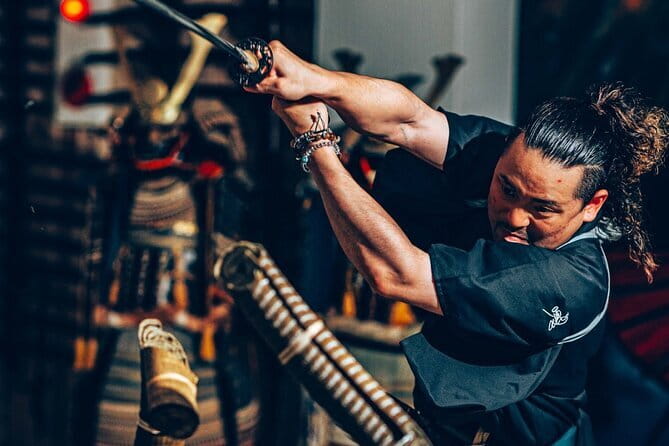
I would choose this for adults, couples, families with older children, chefs, woodworkers, and anyone who likes making things with their hands. It is especially appealing if you have already spent time visiting temples and gardens and want an activity with more physical energy.
It also works well as a memorable surprise for a partner or family member. The take-home knife gives the day a clear purpose, and the process creates a story you can remember each time you use it.
You should think twice if you dislike heat, noise, repetitive hammering, or standing for several hours. The class is not a passive cultural talk. You are expected to work. The physical effort is manageable, but it is real.
People who want a flawless blade may also feel uneasy. The instructors help shape and finish the knife, but your own grinding affects the result. Ask for more guidance whenever you need it, especially before using the sanding belt.
Small details that make the day smoother
Book with enough time before your planned flight home. You need to think about checked luggage, and the class itself takes about three hours before you travel back across Kyoto.
Bring water or plan around the onsite water supply. Snacks are not included, and the workshop does not provide private transportation.
Download directions before setting out. The studio can be hard to spot in the surrounding residential area, and phone service may be limited near the station.
Keep your expectations realistic about the handle. The base knife is made with iron, not a finished wooden grip. If a wooden handle is important to you, ask about the ¥5,000 option before you begin.
Finally, pay close attention during grinding. Hammering is dramatic, but the belt and sharpening stages are where careful technique matters most. A few extra questions can make the difference between a blade you are proud to display and one that feels rough around the edge.
Should you book Atelier NIN?
Book it if you want a real workshop, not a staged demonstration. The strongest parts are the hour of forging, the small group, the patient English-speaking instruction, and the fact that you leave with a usable knife made through your own effort.
I would be cautious only if you want a large chef’s knife, a polished wooden handle included in the base price, or a fully relaxed activity. The grinding stage may need extra explanation, and the work can be tiring. Still, for a hands-on Kyoto experience with a lasting souvenir, Atelier NIN is a strong pick at the right price.
Free cancellation is available up to 24 hours before the start time. Changes or cancellations made inside that window are not refundable.
FAQ
How long does the knife-making experience last?
The activity lasts about three hours. The forging stage may take about an hour, followed by grinding, polishing, and sharpening.
Where does the experience begin and end?
It begins and ends at studio NIN, located at Yasenosechō in Kyoto’s Sakyo Ward. Rurikoin is listed as the stop for the activity.
Is the workshop suitable for beginners?
Yes. You learn how to use the tools and follow the traditional forging process from the start. No previous knife-making experience is required.
How many people can join the class?
The maximum group size is six people.
Is an English guide included?
Yes. An English guide is included, and the staff provide instruction during the forging, grinding, polishing, and sharpening stages.
What is included in the price?
The price includes a uniform, a set of knife-making tools, the materials used for the activity, and English guidance.
How big is the finished knife?
The finished knife is approximately 13 to 15 centimeters long. Its size may vary because each knife is handmade.
Can I cancel for a full refund?
You can cancel for a full refund up to 24 hours before the experience start time. Cancellations or changes made less than 24 hours before the start time are not accepted for a refund.
Just added around Kyoto
- Sekka Cotton Furoshiki Class★ 5.0 · 19 reviews
- Kyoto Sword Experience – includes Museum Ticket/Ninja Experience★ 4.5 · 149 reviews
- Scenic Green Tea Fields of Hidden Kyoto & Local Tea Exp (Private)★ 5.0 · 32 reviews
- Secret Eastern Kyoto Biking Adventure★ 5.0 · 44 reviews
- Private Sake Tasting in Central Kyoto with Sake Sommelier★ 5.0 · 32 reviews
- Samurai School in Kyoto: Samurai for a Day★ 5.0 · 202 reviews
- SHIRAKAWA Japanese Culture Experiences with private English staff★ 5.0 · 16 reviews
- A Privately Guided Photoshoot in Beautiful Kyoto by a Pro★ 5.0 · 18 reviews
Traditional Crafts, compared.
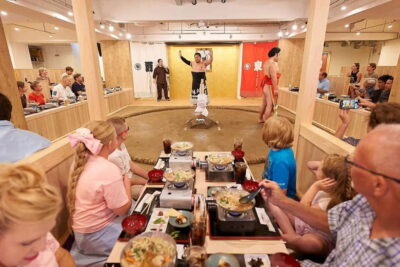
Tokyo Sumo Experience: Chanko & Mochi with a Former Pro
Our verdict →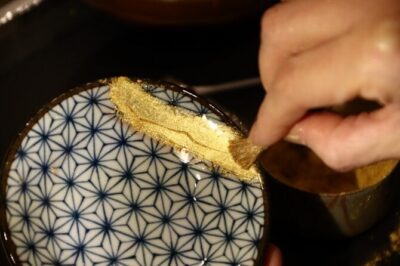
Kintsugi Experience: Art of Golden Joinery in Tokyo
Our verdict →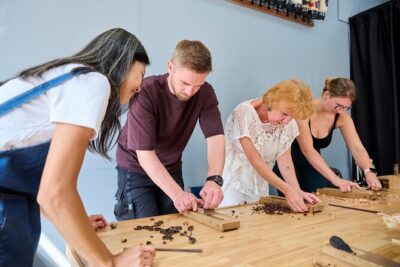

Matcha Making Experience with Mochi Sweets in Asakusa
Our verdict →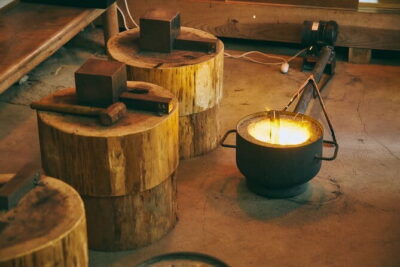
Authentic knife making experience at a blacksmith in Kyoto
Our verdict →

Roketsu dyeing experience: M course Roketsu Dyeing Experience
Our verdict →Browse the lists this tour appears in