
Reviewed · TEMPLES & SHRINES
Kyoto: Wagashi (Japanese sweets) Cooking near Fushimiinari
Making wagashi in a real Japanese home is the heart of this Kyoto experience. You prepare about three sweets yourself, then sit on tatami with matcha and your creations while looking into a garden. It feels less like a formal cooking school and more like being welcomed in for tea.
I like the hands-on teaching and Miho’s warm, clear English instruction. I also like the small group size, which gives you room to ask about ingredients, Japanese customs, and how to repeat the recipes at home. The main drawback is that the class is not suitable for children under six or wheelchair users, and the seasonal menu may not be known until closer to the day.
Key points at a glance
- A real Japanese setting: Cook and eat in an authentic room with a garden view, rather than a plain commercial kitchen.
- Three sweets in 150 minutes: The class may include mochi, dango, dorayaki, or other seasonal wagashi.
- Hands-on from start to finish: You mix, shape, and prepare the sweets yourself after a demonstration.
- Matcha is part of the experience: Learn about whisked matcha and enjoy tea with the finished sweets.
- Small English-speaking class: Groups are limited to six, with instruction in English.
- Useful for home cooks: You receive practical tips on ingredients, methods, and where to find supplies.
Why this wagashi class feels different
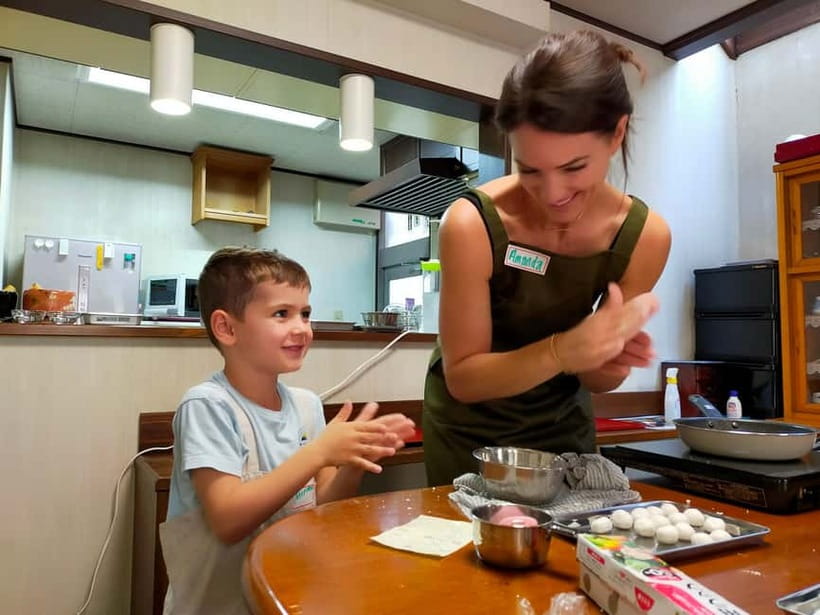
Many Kyoto food activities take place in a studio designed for classes. This one takes you into a traditional Japanese home near Fushimi Inari. That change of setting matters. You are not only learning how sweets are made. You are also sitting in a washitsu, a traditional Japanese room, and sharing tea in the way a friend might welcome you into her home.
The room and garden give the class a quiet rhythm. You begin by settling in, then watch the cooking demonstration before taking over the work yourself. At the end, you arrange the sweets and tea and eat them while facing the garden. The setting turns a simple recipe lesson into a small window into Japanese daily life.
Miho is the instructor most often associated with this class. Her teaching style is patient and practical. She explains the steps in English, answers questions about Japanese culture, and gives useful advice about ingredients and where to buy them. That is particularly helpful if you want to make the sweets again after returning home.
The class is conducted entirely in English. The instructors are licensed guide interpreters, so you can ask questions without trying to follow a lesson through gestures alone. The experience is also described as suitable for non-English speakers, but the listed instruction language is English, so you should confirm your needs before booking if you require another language.
More Cooking Classes in Kyoto
- Ramen Cooking Class at Ramen Factory in Kyoto
★ 5.0 · 1,937 reviews - Kyoto: Ramen Cooking Class at a Ramen Factory with Souvenir
★ 4.9 · 532 reviews - Kyoto: Ramen, Gyoza, and Onigiri Cooking Class
★ 5.0 · 445 reviews
Arriving near Fushimi Inari
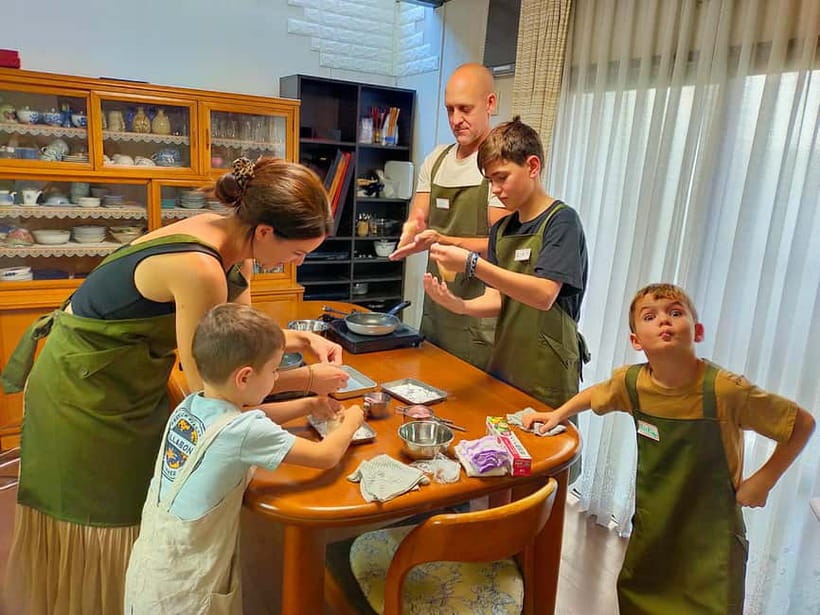
The class takes place near Fushimi Inari, one of Kyoto’s best-known areas. The activity itself is not a shrine tour, and the cooking does not include hotel pickup or drop-off. You will need to make your own way to the meeting point and allow time to find the house.
That is both a benefit and a small practical concern. You can pair the class with time around Fushimi Inari, but you should not assume you can walk straight from the torii gates without checking your route and schedule. A cooking class has a fixed start time, while the shrine area can take as long as you want to explore.
Once inside, expect a calm domestic space rather than a large group facility. The small group limit is six people. Some dates may have only a few participants, and a quiet date can even feel like a private lesson. That gives you more time to ask questions and work at your own pace, though you should not book on the assumption that every session will be private.
The first cup of tea and a look at wagashi
The class begins in a traditional Japanese room. You have time to relax before the main preparation starts, and tea may be served at the beginning as well as after the cooking. Some sessions have also included a small sweet or roasted sweet potato at the start.
This opening is useful because wagashi are more than sugary snacks. Their shapes, colors, fillings, and seasonal ingredients often connect to Japanese celebrations, tea culture, and the time of year. Your instructor can explain those connections while you get comfortable in the room.
You may have seen wagashi in manga or anime without knowing what you were looking at. The class helps put those sweets into context. Instead of simply buying a neat, colorful confection at a shop, you see the ingredients and techniques behind it.
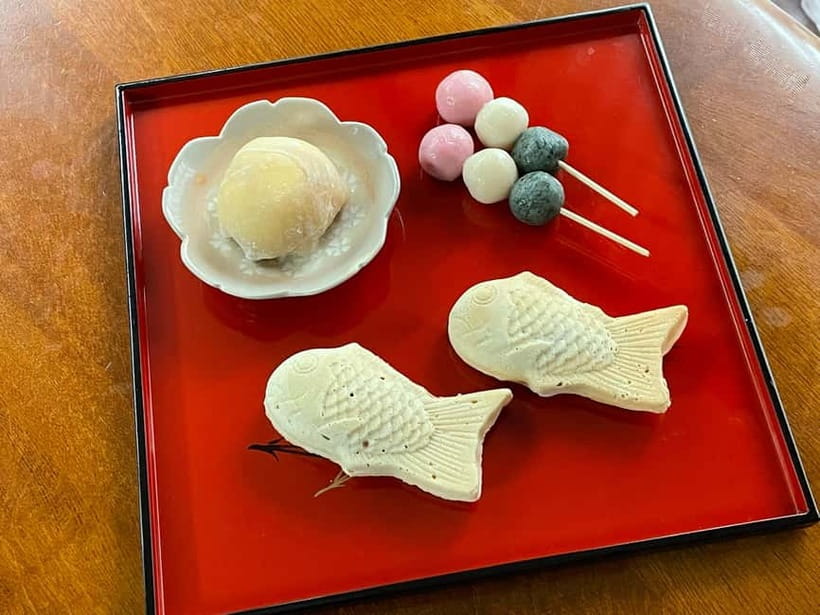
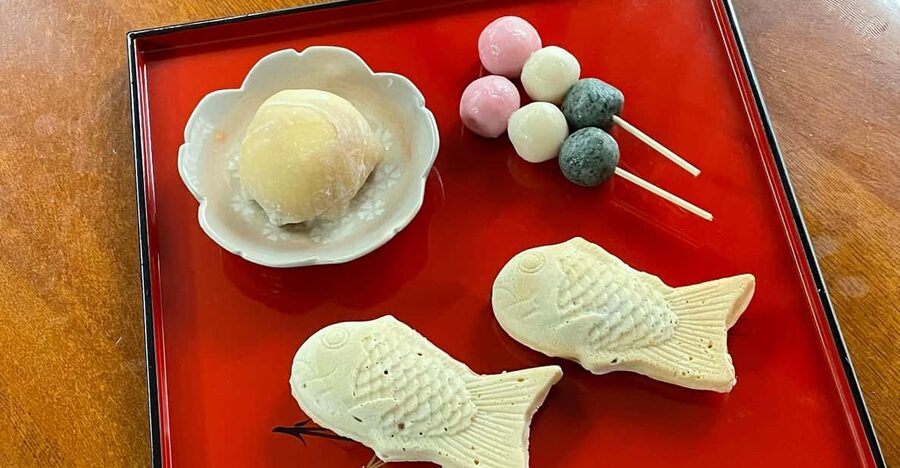
The menu changes with the season. The exact three sweets are not guaranteed, but examples from the class include mochi, dango, and dorayaki. Mochi gives you a lesson in working with a soft rice-based dough. Dango shows how a simple mixture becomes a shaped and cooked sweet. Dorayaki introduces a pancake-style preparation with a filling between two rounds.
Preparing three Japanese sweets yourself
The strongest part of the class is that you do not merely watch. Miho demonstrates a dish, explains the method, and then lets you prepare it. You can work alone or with a partner, depending on the group and the activity setup.
That hands-on format makes the two and a half hours feel worthwhile. Online recipes can tell you what ingredients to use, but they do not always show the texture you are aiming for. An instructor can point out when a dough needs more work, how to shape it, or how to avoid common mistakes.
You should expect the work to be approachable rather than professional pastry training. The focus is on learning the basic process, enjoying the activity, and understanding how the sweets fit into Japanese food culture. You will still need to pay attention, especially when handling sticky dough or working through several stages in a limited time.
The recipes are practical enough to repeat at home. You may need an Asian supermarket or a specialist shop for some ingredients, but the class includes advice on where to find supplies. That makes this a better choice for someone who wants to bring home a skill, not only photographs.
The class can also work well for families with older children. Children aged 12 and below must participate with a guardian, and the experience is not suitable for children under six. An eight- or ten-year-old may enjoy shaping dough and assembling sweets, but an adult should be ready to stay involved throughout the lesson.
More Sweets & Dessert Tours in Kyoto
- Kyoto: Japanese Traditional Sweets Making and Tea Ceremony
★ 4.4 · 314 reviews - Kyoto Wagashi(Japanese sweets) Cooking Class near Fushimiinari
★ 5.0 · 60 reviews - Kyoto: Traditional Tea Ceremony with Matcha & Sweets in Gion
★ 4.9 · 27 reviews - Japanese Traditional Sweets ”Nerikiri” making
★ 4.3 · 17 reviews
Matcha, tatami, and the garden view
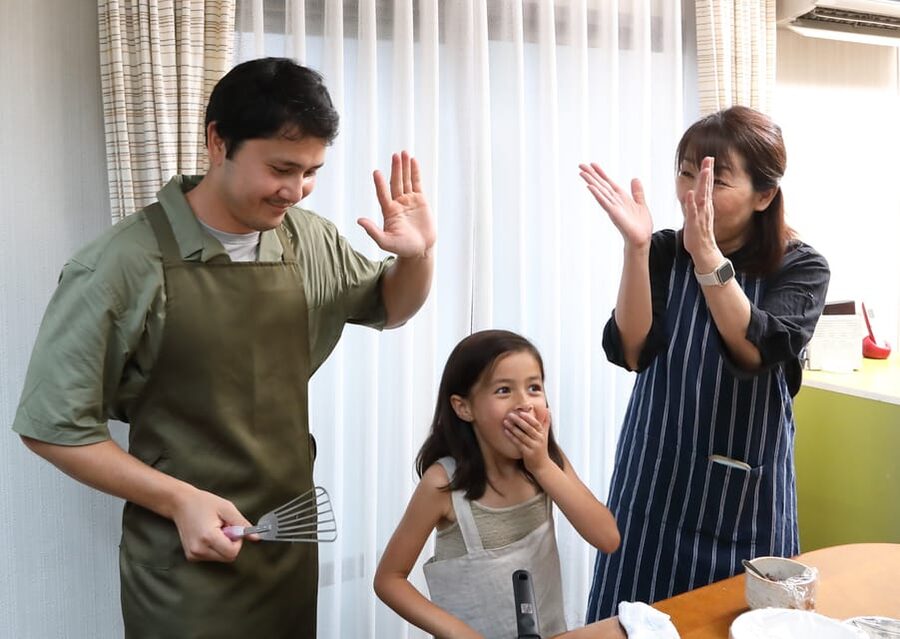
After cooking, you carry your finished sweets into the traditional room and prepare for the tasting. The tea service is not an afterthought. You can learn how matcha is whisked and, in some sessions, prepare it yourself with guidance.
The final tea service is where the pieces come together. You have made the food, arranged it on a tray, and then eaten it with matcha while facing the garden. That pause gives you time to talk with the instructor and the other participants instead of rushing from one recipe to the next.
Matcha can taste stronger and more bitter than the sweetened green tea many people know. That makes it a good partner for wagashi. The sweetness of the confection balances the tea, and the pairing helps explain why these sweets are traditionally served alongside matcha.
You may be able to take some sweets away if you make more than you can eat during the sitting. This depends on what you prepare and how much remains, so treat it as a pleasant extra rather than a guaranteed takeaway. Bring a little space in your bag if you like the idea of sharing them later.
What makes the teaching effective
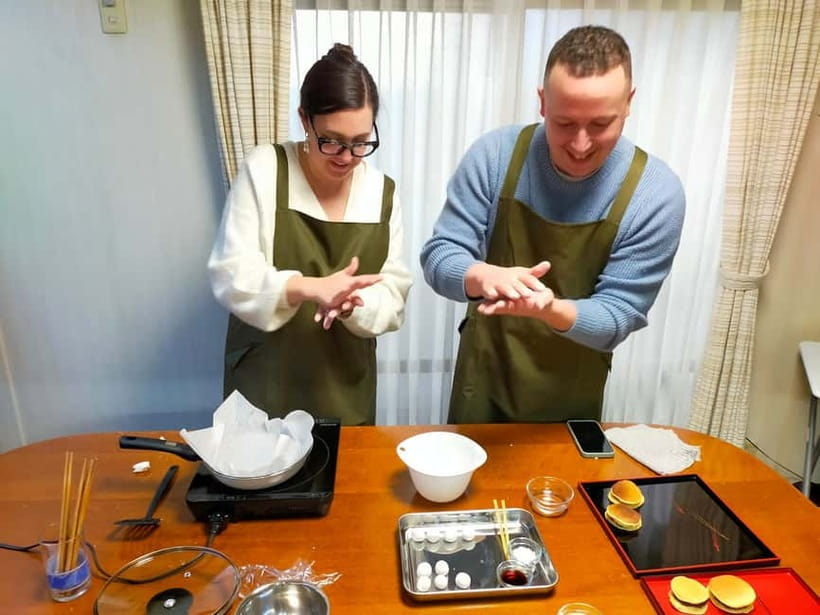
Miho’s value is not only in showing the recipe. She brings the class to life through conversation and small practical details. You can ask about Japanese ingredients, cooking techniques, local food customs, and where to buy supplies.
Her English is described as clear and fluent, which matters in a class built around texture and timing. A vague explanation can leave you wondering if the dough is ready or if you have shaped the sweet correctly. Clear instructions let you do the work instead of waiting for someone to fix it.
The class also leaves room for personal conversation. On a small or quiet date, you might receive more individual attention and discuss places to visit in Kyoto based on your interests. That is a pleasant bonus, but it varies with the group size and should not be treated as part of the formal itinerary.
The lesson is friendly without being passive. You are expected to participate. If you prefer simply watching a cook prepare food, this is not the best match. If you like learning by doing, the format has much more appeal.
Is $84 a fair price?
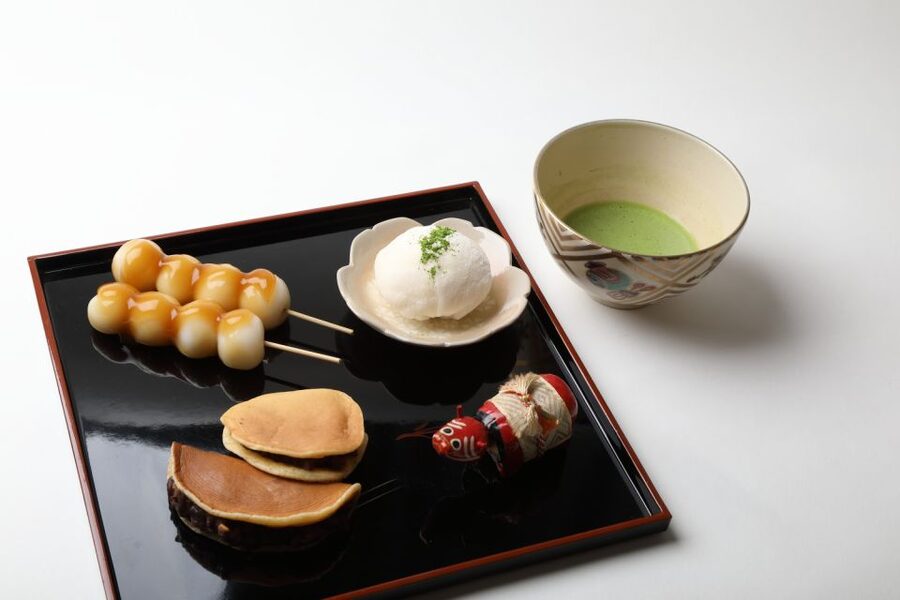
At $84 per person, this is not a budget snack stop. The price includes ingredients, seasonings, tea, the English-speaking instructor, and all fees and taxes. It also covers 150 minutes of instruction in a private home setting, with a group capped at six.
I see the value in the combination. You are paying for three elements at once: a cooking lesson, a cultural introduction, and a seated tea experience in a traditional room. A cheaper class may teach one recipe in a larger room, while this activity gives you more personal contact and a more distinctive setting.
The value is strongest if you care about Japanese sweets or want a quieter cultural activity between major sightseeing stops. It is less compelling if you only want a quick taste of wagashi or if you are looking for a full Japanese meal. This is a focused sweets workshop, not a general cooking tour.
The ingredients and tea are included, so you do not face a series of small extra charges during the class. Hotel transport is not included, and you need to arrange your own way to the house. Factor that into the cost and timing when comparing it with activities that provide transfers.
Food restrictions and seasonal menus
Vegetarians are welcome, and the class is vegan friendly. You must tell the provider about food restrictions in advance. This is important because the menu can change by season, and the instructor needs time to understand what you can and cannot eat.
Do not assume every seasonal sweet will suit your diet simply because wagashi often use plant-based ingredients. Ingredients and preparation methods can vary. Share the details before the class rather than trying to sort everything out after you arrive.
The menu may differ depending on the time of year. That is a benefit if you want a seasonal experience, but it means you should book for the style of class rather than one exact sweet. If mochi, dango, or dorayaki is your single priority, confirm what is planned before paying.
Who should book this experience?
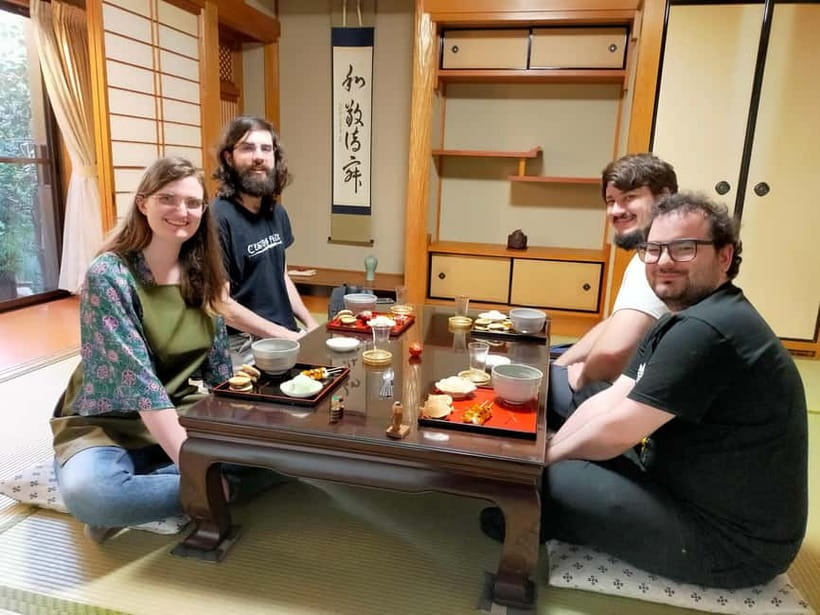
I would choose this for anyone who likes sweets, hands-on lessons, and smaller cultural activities. It is particularly good for couples, friends, solo visitors, and families with older children who want to do something more personal than simply visit another crowded sight.
It also suits a repeat visitor to Kyoto. If you have already seen the major temples and want a look at home life, food customs, and tea culture, this gives you a different kind of afternoon. The class does not require specialist cooking skills, and the instructor guides you through each stage.
It may not suit you if you dislike sitting on a traditional floor, need wheelchair access, or want a fast, highly scheduled sightseeing activity. Wheelchair users cannot take part according to the activity details. Children under six are not accepted, and children aged 12 and below need a guardian.
Allow the full 150 minutes. The value comes from the pace: welcome, demonstrations, cooking, tea preparation, tasting, and conversation. Rushing away early would cut out the part that makes the experience more than a recipe lesson.
Should you book the wagashi class near Fushimi Inari?
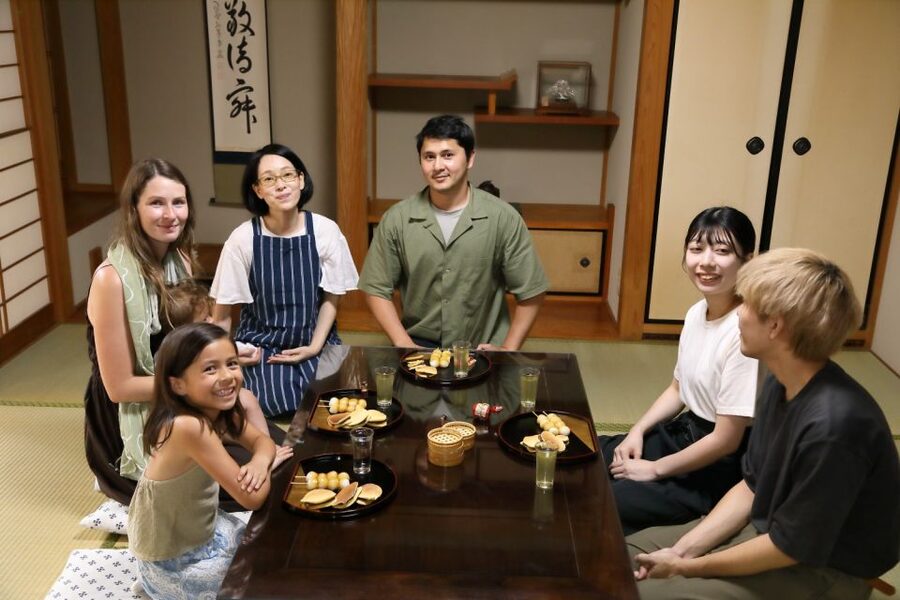
Book it if you want to make Japanese sweets with your own hands and enjoy them in a genuine home setting. The strongest reasons are the small class size, clear English instruction, seasonal recipes, and the quiet finish with matcha and a garden view.
I would especially recommend it for people who have wondered how mochi, dango, or dorayaki are made and want advice they can use at home. You should skip it if you want a large menu, a full meal, hotel transportation, or an accessible venue.
For the right person, $84 buys more than dessert. It buys time with a patient instructor, a practical cooking skill, and a thoughtful look at Japanese tea-room culture near one of Kyoto’s most famous districts.
FAQ
How long does the wagashi cooking class last?
The class lasts 150 minutes, or two and a half hours.
Where does the class take place?
It takes place near Fushimi Inari in Kyoto, in a house with traditional Japanese rooms and garden views.
How many people can join the class?
The group is limited to six participants.
Is the class taught in English?
Yes. The listed instruction language is English, and the instructors are licensed guide interpreters.
Which Japanese sweets will I make?
You will prepare about three types of wagashi. The menu changes by season and may include sweets such as mochi, dango, and dorayaki.
Is matcha included?
Yes. Tea is included, and the class includes a matcha tea experience after the cooking. Some sessions include a brief lesson in preparing whisked matcha.
Can vegetarians and vegans participate?
Yes. Vegetarians are welcome, and the activity is vegan friendly. You must provide details of any food restrictions in advance.
Can children join the class?
Children under six cannot participate. Children aged 12 and below must join with a guardian.
Is hotel pickup included?
No. Hotel pickup and drop-off are not included, so you must arrange your own transportation to and from the class.
More Temple & Shrine Tours in Kyoto
- Kyoto: Fushimi Inari, Kinkakuji, Bamboo Grove 1 Day Bus Tour
★ 4.8 · 4,316 reviews - Kyoto: Tea Ceremony in a Traditional Tea House in Kiyomizu
★ 4.9 · 3,519 reviews - Kyoto: Tea Ceremony Ju-An at Jotokuji Temple
★ 4.9 · 3,207 reviews - Fushimi Inari Hidden Hiking Tour (Private Option Available)
★ 5.0 · 1,750 reviews
Just added around Kyoto
- Sekka Cotton Furoshiki Class★ 5.0 · 19 reviews
- Kyoto Sword Experience – includes Museum Ticket/Ninja Experience★ 4.5 · 149 reviews
- Scenic Green Tea Fields of Hidden Kyoto & Local Tea Exp (Private)★ 5.0 · 32 reviews
- Secret Eastern Kyoto Biking Adventure★ 5.0 · 44 reviews
- Samurai School in Kyoto: Samurai for a Day★ 5.0 · 202 reviews
- Private Sake Tasting in Central Kyoto with Sake Sommelier★ 5.0 · 32 reviews
- SHIRAKAWA Japanese Culture Experiences with private English staff★ 5.0 · 16 reviews
- A Privately Guided Photoshoot in Beautiful Kyoto by a Pro★ 5.0 · 18 reviews
Temples & Shrines, compared.

Tea Ceremony in a Traditional Tea House in Kiyomizu
Our verdict →

Meiji Shrine, Asakusa, Skytree Bus Tour and Cruise
Our verdict →
Fushimi Inari Hidden Hiking Tour (Private Option Available)
Our verdict →
Osaka/Kyoto:Kinkakuji,Arashiyama,FushimiInariShrine,NaraPark
Our verdict →
Nikko: Kegon Falls, Lake Chuzenji & Toshogu Temple
Our verdict →
Kamakura & Enoshima Day Trip including Temple Tickets
Our verdict →Browse the lists this tour appears in