
Reviewed · TRADITIONAL CRAFTS
Kyoto: Traditional Yuzen Dyeing Experience
Kyoto Yuzen dyeing feels less like a standard craft class and more like a quiet visit with a working artist. In a traditional machiya townhouse, Master Shin’Ichiro guides you through painting a pre-outlined silk design, mixing colors to suit your choices while keeping the final piece balanced. His private home studio, artwork, and garden add a sense of place that a hotel classroom cannot match.
I like the personal color advice and the small groups, capped at six people. I also like that you leave with a finished silk artwork, not a half-done project tucked into your luggage. The main caution is that you need patience and a steady hand, and the activity may involve sitting on the floor for two hours. It is listed as wheelchair accessible, so contact the provider ahead of time if you need a particular seating arrangement.
Key points to know before you book
- Paint beside an experienced artisan: Master Shin’Ichiro mixes the dyes and suggests tones that work well together.
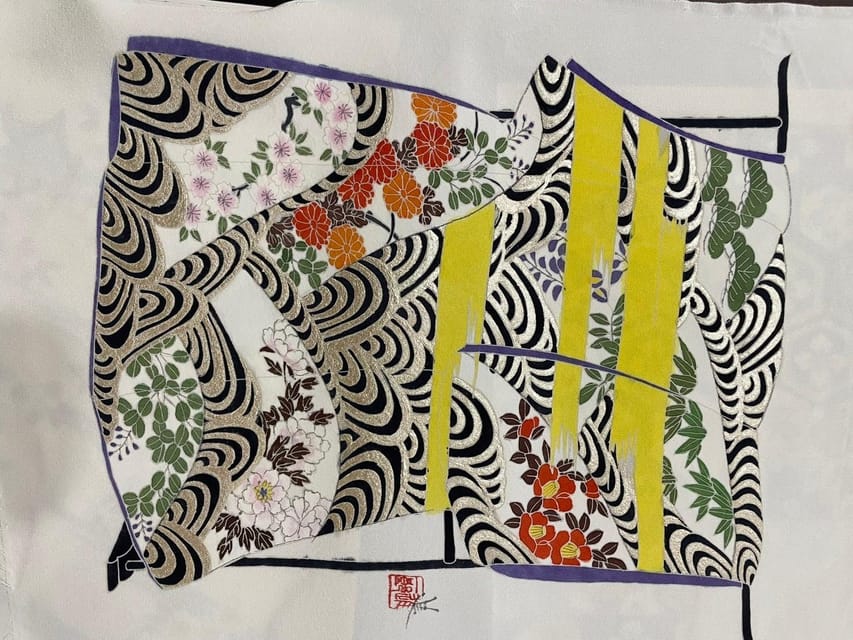
- Work on silk with a ready-made design: Choose from designs such as phoenixes, cranes, and fans, then color within the gold outlines.
- Visit a real Nishijin machiya: The session takes place in the artisan’s home studio, with Kyoto Yuzen works on display.
- Expect a calm, intimate class: Groups are limited to six, and some sessions may feel almost private.
- Take home a finished keepsake: Your completed silk artwork is dried and prepared for you to carry home.
- Wear practical clothing: Dye can mark fabric, and careful brushwork is easier in comfortable clothes.
A quiet Kyoto craft lesson in a Nishijin machiya
The setting is a major part of the appeal. Nishijin is closely linked with Kyoto’s textile traditions, and entering a traditional machiya gives you a glimpse of how an artisan works at home rather than in a polished tourist showroom.
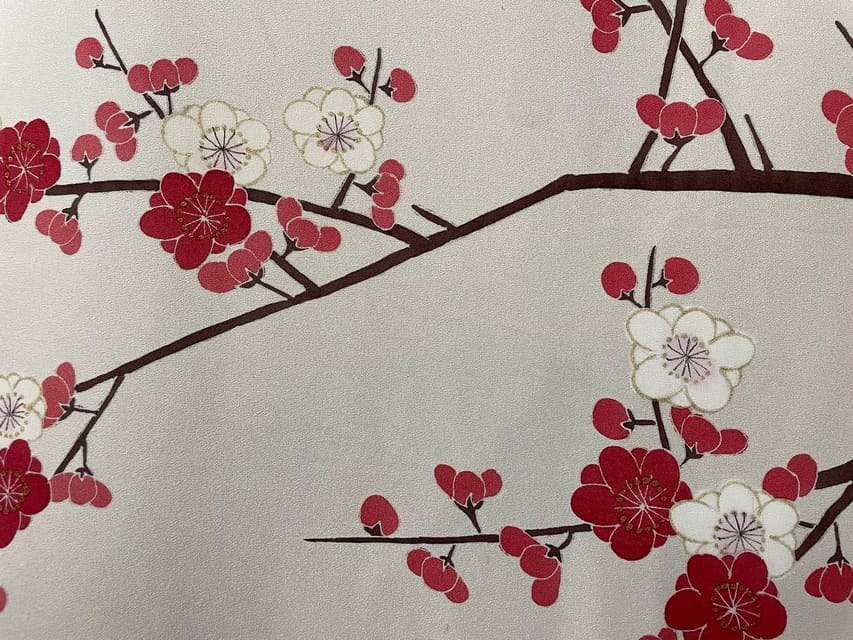
Inside, you can view the master’s finished Yuzen pieces before beginning your own work. One account describes a studio overlooking a small Zen garden, which helps explain why the two-hour session feels calm rather than hurried. This is an activity for slowing down after crowded temples and busy shopping streets.
The class is limited to six people. If fewer people book, you may receive one-on-one attention or share the room with only your own group. That makes a real difference when you are learning how much dye to place on the brush or deciding between two similar shades.
More Craft Workshops in Kyoto
- Authentic knife making experience at a blacksmith in Kyoto
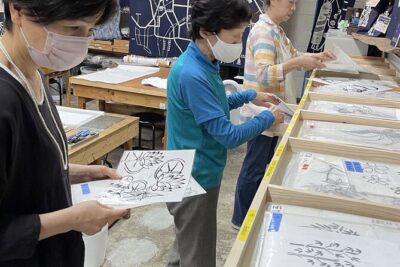
★ 4.8 · 350 reviews - Roketsu dyeing experience: M course Roketsu Dyeing Experience
★ 5.0 · 163 reviews - Kyoto Michelin Ramen Workshop or Painting Ramen Essentials
★ 4.9 · 100 reviews
What Yuzen dyeing means in practice
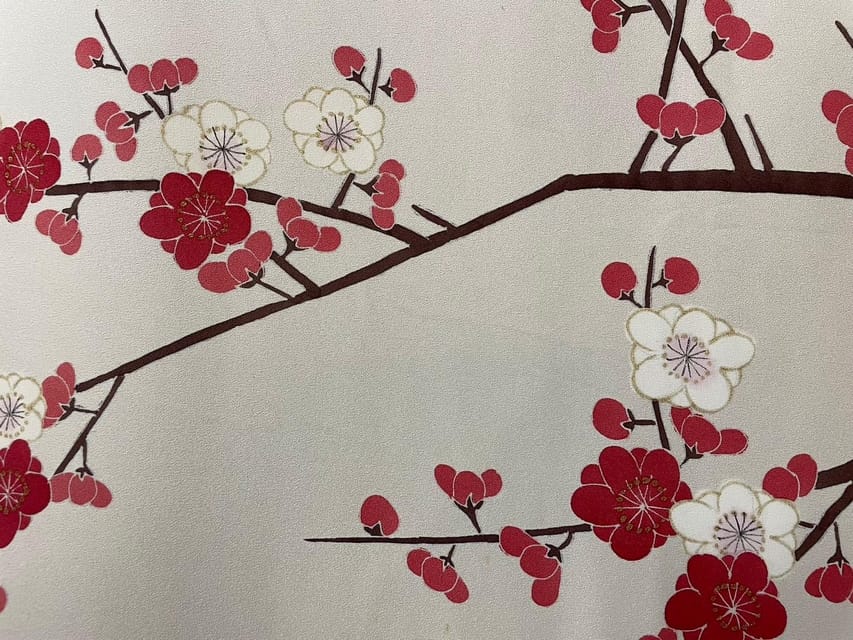
Yuzen is a Japanese silk-dyeing tradition known for detailed imagery and carefully controlled color. You are not starting with a blank sheet of silk. Instead, you choose from designs already prepared on the fabric, with gold outlines marking the areas to paint.
Available choices have included phoenixes, cranes, fans, and a phoenix before a crescent moon. The range may be limited, so do not expect a large catalog of dozens of patterns. One useful piece of advice is to choose your design promptly. The actual painting is the part that deserves your time.
The finished design depends on collaboration. You choose one or two colors that appeal to you, then the artisan selects supporting tones. This is a good arrangement if you like creative freedom but do not trust yourself to build a full color scheme. The master can show you examples of how a particular mixture will look on silk before you use it.
Choosing colors with Master Shin’Ichiro
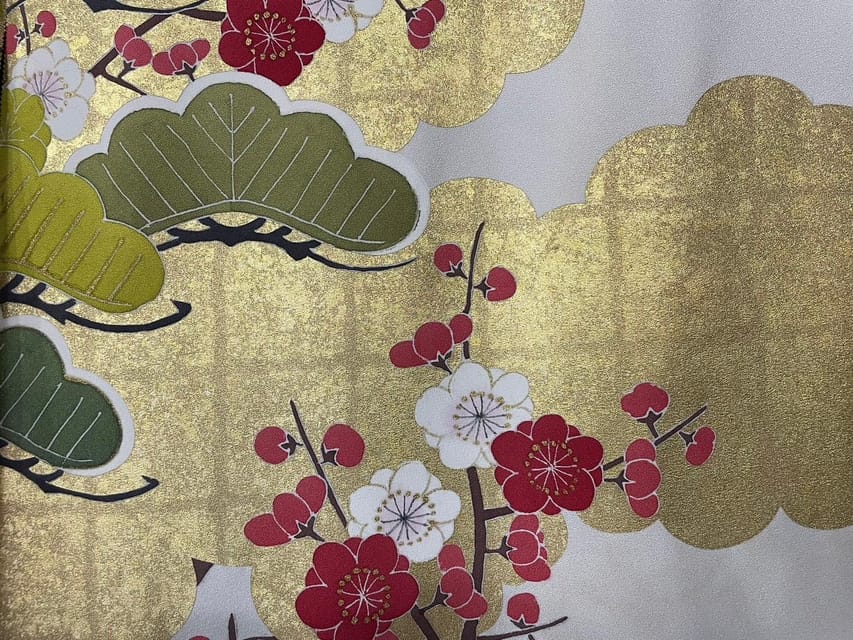
Color selection is where the artisan’s experience becomes clear. Master Shin’Ichiro mixes pigment and water to produce particular shades, and he can adjust the tone to fit your preferred background or subject.
You can ask for colors you like, but I recommend listening when he suggests a different supporting shade. The result is meant to look harmonious, not simply bright. Several people found this guidance especially helpful because the master could predict how a color would appear once applied to the fabric.
The interpreter helps explain the process and your options. English and Chinese assistance is available, and the interpreter may also help with conversation and photographs. Ha has worked as an interpreter during sessions, and her careful explanations have been singled out as a strong part of the experience.
Do not worry if you are not skilled at painting. The design is already outlined, and the activity is mainly about filling marked sections with care. You do need to control the amount of dye on your brush. Too much can bleed beyond the outline, so use a light touch and ask for help before loading more color.
The two-hour painting process
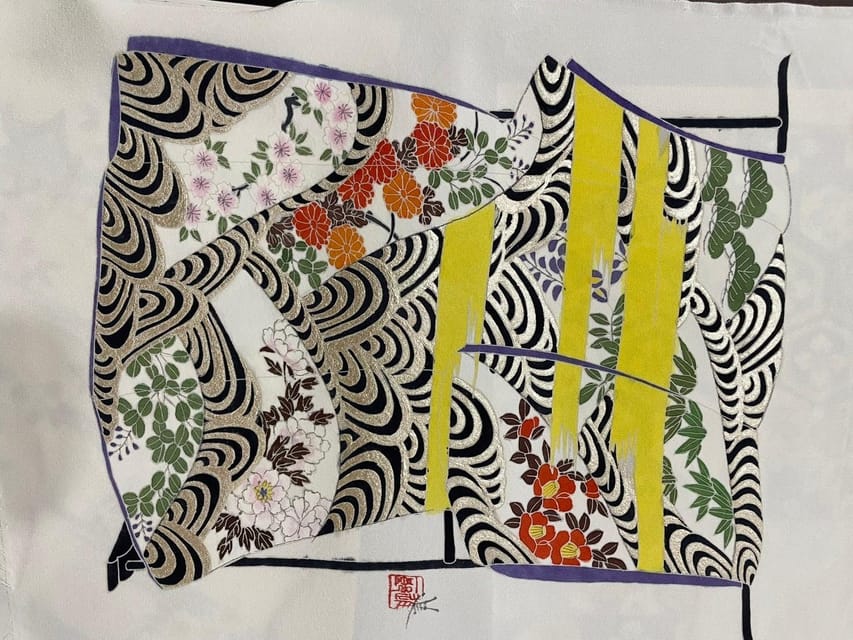
The class begins with an explanation of the tools, materials, and basic method. You then select a design and discuss your preferred colors. The artisan prepares the dye mixtures, often showing you how a shade will appear before you put it on the silk.
Once you start, the pace is measured. You work section by section, with the master checking your technique and offering suggestions. The work is simple enough for beginners, but it rewards concentration. This is not a quick souvenir workshop where you rush through a few strokes and leave.
The interpreter stays involved as you work. That matters because the most useful lessons are often small ones: how much paint to apply, where to begin, and how to avoid letting wet color spread. You can also ask questions about the tools and the place of Yuzen in Japanese culture.
Plan your time carefully. Some sessions have run beyond the scheduled two hours because participants were still finishing their pieces, and the hosts allowed extra time. That sounds generous, but you should not count on an extended class. Arrive ready to work and avoid spending too long choosing among designs.
At the end, the artwork is dried and prepared for you. One account notes that the artisan irons the piece to help ensure it is dry. The exact finishing process may vary, but you should leave with a completed silk work rather than a project that still needs attention at home.
Same trip, a completely different kind of day:
- PERFECT KYOTO 1-Day Bus Tour
★ 5.0 · 13,518 reviews - Kyoto: Fushimi Inari, Kinkakuji, Bamboo Grove 1 Day Bus Tour
★ 4.8 · 4,316 reviews - Kyoto: Tea Ceremony in a Traditional Tea House in Kiyomizu
★ 4.9 · 3,519 reviews - Kyoto Geisha Walking Tour: Gion District & Hidden Gems
★ 4.7 · 3,273 reviews
What makes the home studio valuable
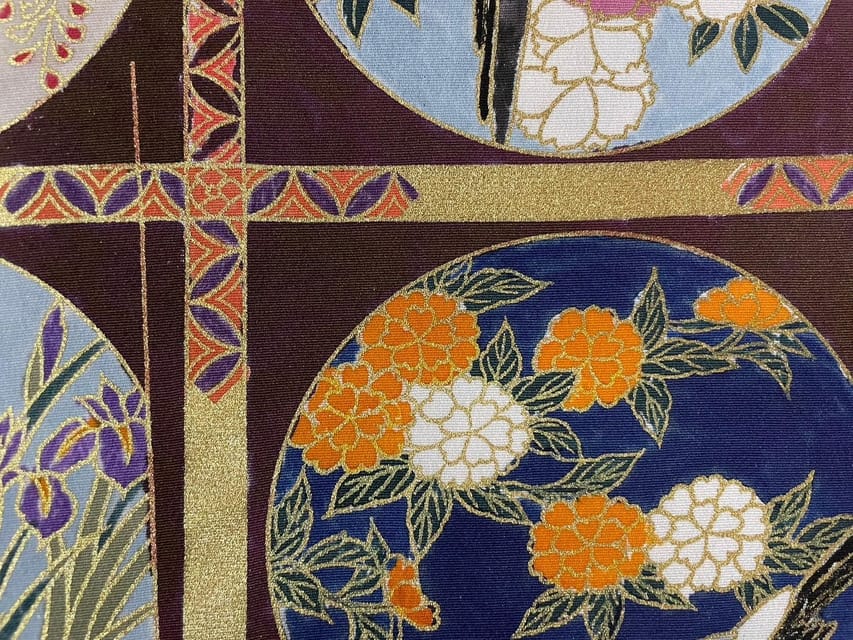
A workshop in an artisan’s own home gives the lesson a personal edge. You see the master’s work in the same setting where the teaching takes place, and you get a better sense of the patience and precision behind Kyoto textiles.
I also like that the activity supports a craft that is described as a fading art form. You are not simply buying an item made by someone else. You are learning a small part of the process and taking home a piece created through your choices and the artisan’s guidance.
The atmosphere is another reason to book this instead of a louder group class. Participants have described the session as calming and meditative. For some people, the careful brushwork is a welcome break from sightseeing. For others, two hours of quiet, detailed painting may feel slow.
That is the main question to ask yourself: do you enjoy making things carefully? If you prefer constant movement, a packed schedule, or a large choice of patterns, this may not be the best use of your Kyoto time.
Value at $161 per person
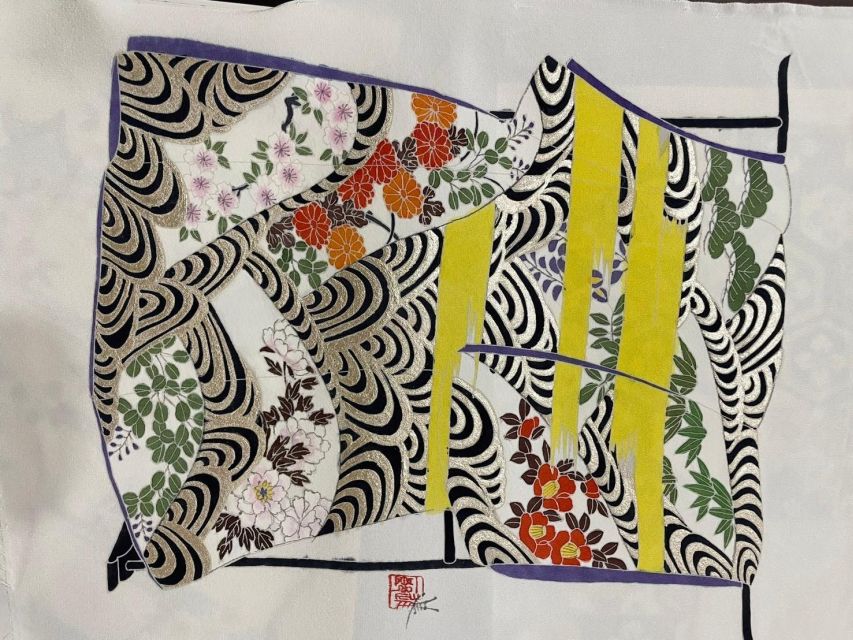
At $161 per person, this is not a cheap drop-in craft activity. The price makes more sense when you consider what is included: instruction directly from the artisan, interpretation, the dyeing session, access to the displayed works, and a finished silk piece to take home.
You are also paying for the setting and the personal attention. A group of six is small, and a two-person booking may feel almost private. The artisan’s ability to mix colors specifically for your piece adds value that a basic paint-your-own souvenir class would not provide.
Still, the final product is partly determined by your own care. You are not purchasing a flawless masterwork. You are making an artwork in collaboration with a master, and small irregularities are part of that. If you want a professionally finished Yuzen textile, buying one from the artisan, with cash for any extra purchase, may suit you better.
For an art lover, hobbyist, or someone seeking a meaningful souvenir, the cost can be reasonable. For a family wanting a low-cost activity for young children, it is less suitable. Children under 10 are not accepted, and the careful technique may be frustrating for anyone expecting a casual tie-dye session.
Who will enjoy this most
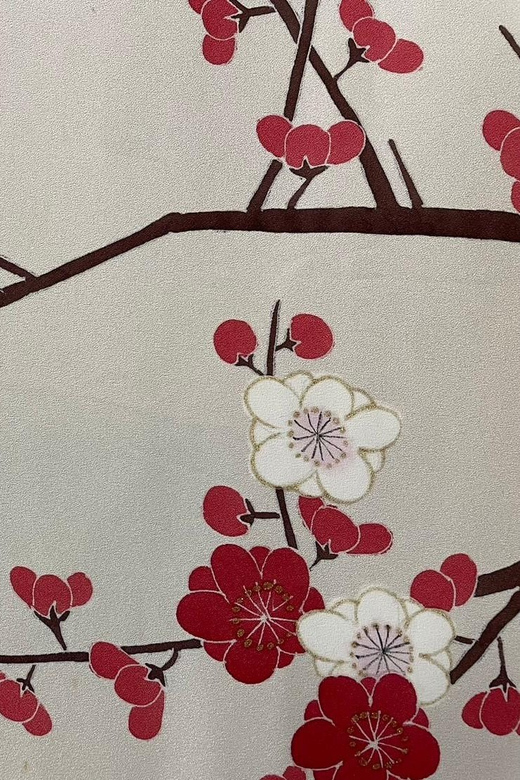
I would choose this experience if you want a hands-on connection to Kyoto’s textile culture. It suits couples, solo visitors, small families with older children, and anyone who likes drawing, painting, design, or traditional crafts.
It also works well for repeat visitors who have already seen Kyoto’s major temples. The machiya setting and personal instruction give you a different side of the city, with less emphasis on sightseeing and more on meeting an artisan through his work.
The activity is friendly to beginners. You do not need prior dyeing experience, and the prepared outlines give you a clear starting point. The master and interpreter guide you throughout, so you are not left to guess how the materials work.
I would hesitate to recommend it to anyone who dislikes seated activities or feels anxious about making an imperfect object. One account specifically warns that the class may require sitting on the floor for two hours. Since the activity is listed as wheelchair accessible, ask for current details about the room and seating before booking if that affects your plans.
Practical advice for a better session
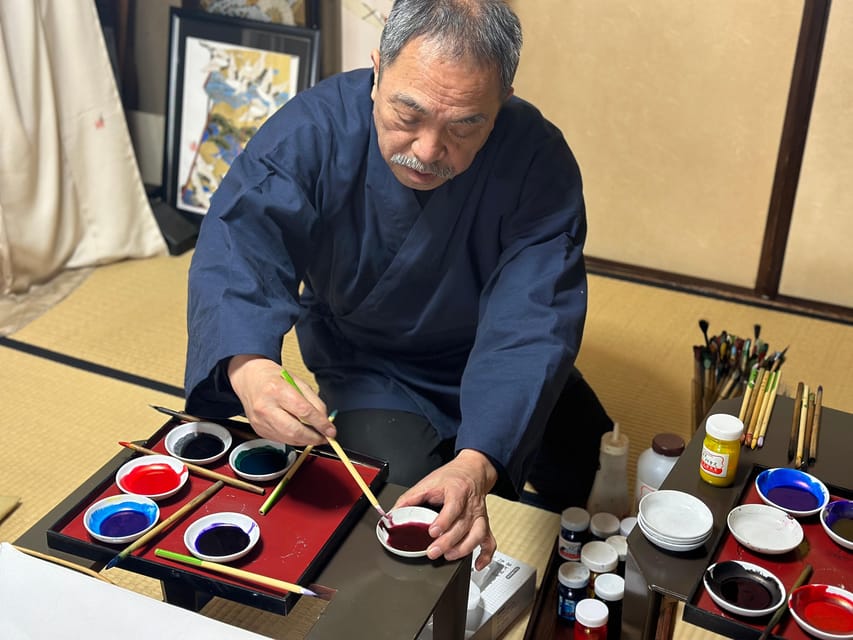
Wear clothes you do not mind getting dye on. This is the most important packing tip, since color can mark fabric even when you are careful.
Keep your design choice moving. Finished samples are available for ideas, but the painting time is more valuable than extended decision-making. Phoenix and crescent moon designs have been popular, while cranes and fans offer different shapes and areas to color.
Do not overload the brush. Let the artisan show you the right amount of dye, and watch how the color spreads on the silk. If you are unsure, ask before applying more.
Leave room in your schedule after the class. The planned duration is two hours, but a careful group may need extra time to complete each section. You should not assume you will run late, but a completely packed itinerary could make the experience feel rushed.
The activity includes free cancellation up to three days in advance for a full refund. English and Chinese support is offered, and the group size is limited to six. Alcohol, drugs, fireworks, and party groups are not permitted, which fits the quiet character of the workshop.
Is this Kyoto Yuzen experience worth booking?
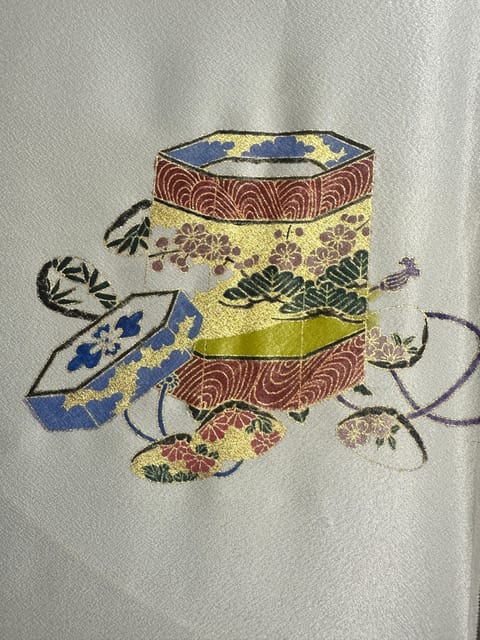
I would book it if you want a calm, personal activity with a real artisan and a useful souvenir at the end. The strongest reasons are the machiya setting, Master Shin’Ichiro’s color guidance, the small group size, and the chance to see his own Yuzen work before creating yours.
I would skip it if you want a quick, inexpensive craft stop or a wide choice of designs. The $161 price is substantial, and the session asks for patience, concentration, and possibly floor sitting.
For the right person, this is a memorable way to spend two hours in Kyoto. You leave with more than a painted piece of silk. You also leave with a better feel for the discipline behind one of the city’s traditional arts.
FAQ
Where does the Yuzen dyeing experience take place?
It takes place in a traditional machiya townhouse in Kyoto’s historic Nishijin district, inside the artisan’s home studio.
How long does the activity last?
The scheduled duration is two hours. Some sessions may run longer if participants need extra time to finish their artwork.
How many people can join?
The activity is limited to six participants, making it a small-group experience. A booking with only two people may feel particularly private.
What languages are available?
Live assistance is available in English and Chinese through an interpreter.
What do I make during the class?
You paint a prepared silk design using Yuzen dye. Designs have included phoenixes, cranes, fans, and a phoenix in front of a crescent moon.
Can beginners take part?
Yes. The design is already outlined on the fabric, and the artisan guides you through the color selection and painting process. No previous dyeing experience is stated as a requirement.
What should I wear?
Wear comfortable clothes that you do not mind getting dye on.
Are children allowed?
Children under 10 are not suitable for this activity, and babies under 1 year are not allowed.
Is the experience wheelchair accessible?
The activity is listed as wheelchair accessible. One account advises that the session may involve sitting on the floor for two hours, so contact the provider in advance to confirm the current seating setup if needed.
Just added around Kyoto
- Sekka Cotton Furoshiki Class★ 5.0 · 19 reviews
- Kyoto Sword Experience – includes Museum Ticket/Ninja Experience★ 4.5 · 149 reviews
- Scenic Green Tea Fields of Hidden Kyoto & Local Tea Exp (Private)★ 5.0 · 32 reviews
- Secret Eastern Kyoto Biking Adventure★ 5.0 · 44 reviews
- Private Sake Tasting in Central Kyoto with Sake Sommelier★ 5.0 · 32 reviews
- Samurai School in Kyoto: Samurai for a Day★ 5.0 · 202 reviews
- SHIRAKAWA Japanese Culture Experiences with private English staff★ 5.0 · 16 reviews
- A Privately Guided Photoshoot in Beautiful Kyoto by a Pro★ 5.0 · 18 reviews
Traditional Crafts, compared.
Tokyo Sumo Experience: Chanko & Mochi with a Former Pro
Our verdict →
Kintsugi Experience: Art of Golden Joinery in Tokyo
Our verdict →

Matcha Making Experience with Mochi Sweets in Asakusa
Our verdict →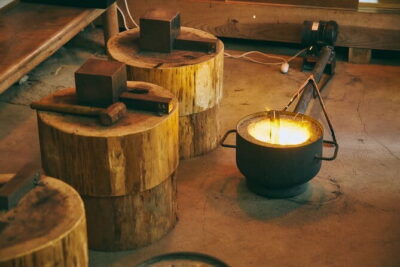
Authentic knife making experience at a blacksmith in Kyoto
Our verdict →

Roketsu dyeing experience: M course Roketsu Dyeing Experience
Our verdict →Browse the lists this tour appears in