
Reviewed · GEISHA & MAIKO EXPERIENCES
Night Walk in Gion: Kyoto’s Geisha District
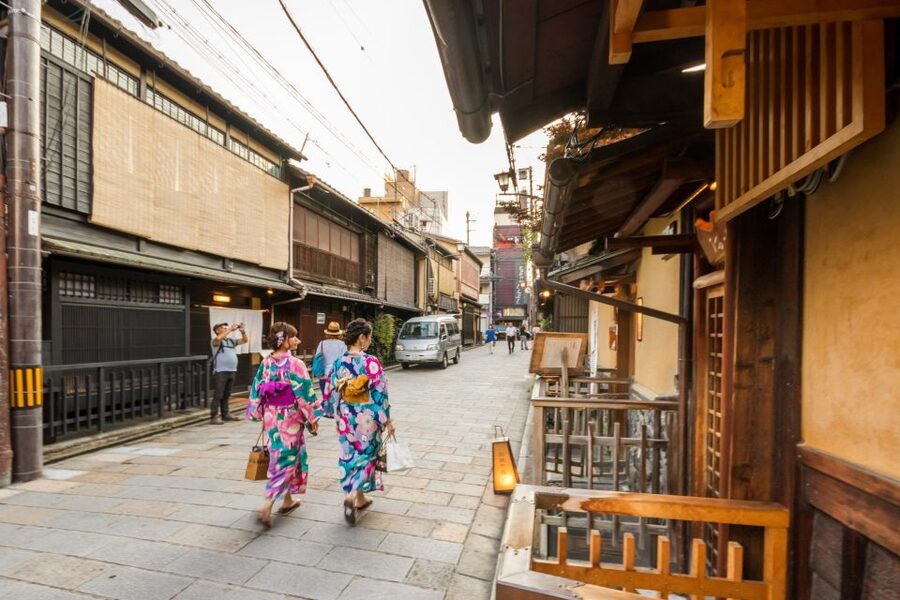
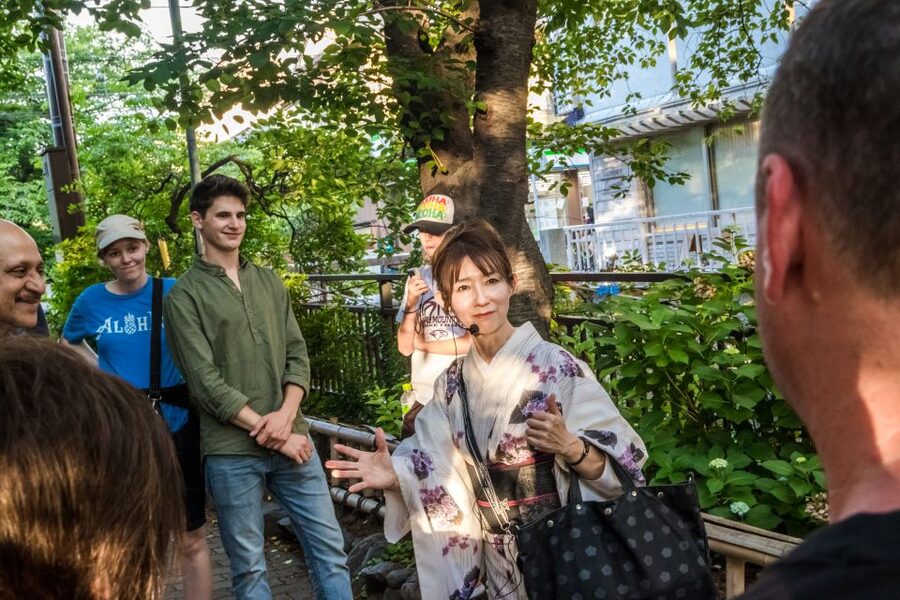
Gion after dark is more than pretty lanes and wooden buildings. It is a working district where geiko and maiko move quietly between tea houses, and this walk helps you understand what you are seeing. The best part is the chance to spot them naturally, without turning the evening into a noisy photo hunt.
I like the small-group feel described by several participants, and I like the way guides such as Mia, Mie, Chako, and Mai explain details you would miss alone, from kimono layers to tea house customs. The price is also hard to argue with at $21 for 100 minutes of local guidance.
The main catch is simple: seeing a geiko or maiko is never promised. You also need to walk at a steady pace, respect strict behavior rules, and accept that photographs or video may not be possible.
Key points to know before booking
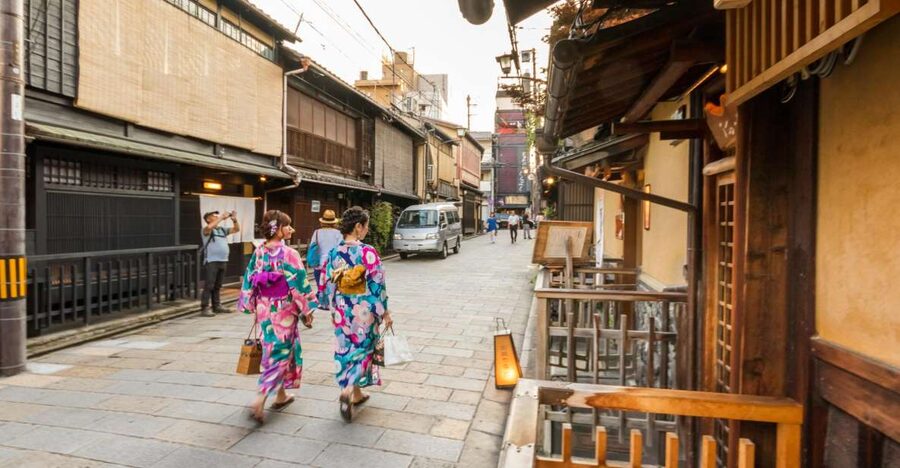
- Nighttime Gion feels more atmospheric than a daytime sightseeing walk, with traditional streets and streams under softer light.
- Guides explain geiko and maiko life in detail, including training, hairstyles, kimono, rules, and work at tea houses.
- You may see geiko or maiko heading to appointments, but sightings depend on timing and luck.
- Respect is central to the experience, and your guide explains how to observe quietly without blocking or approaching them.
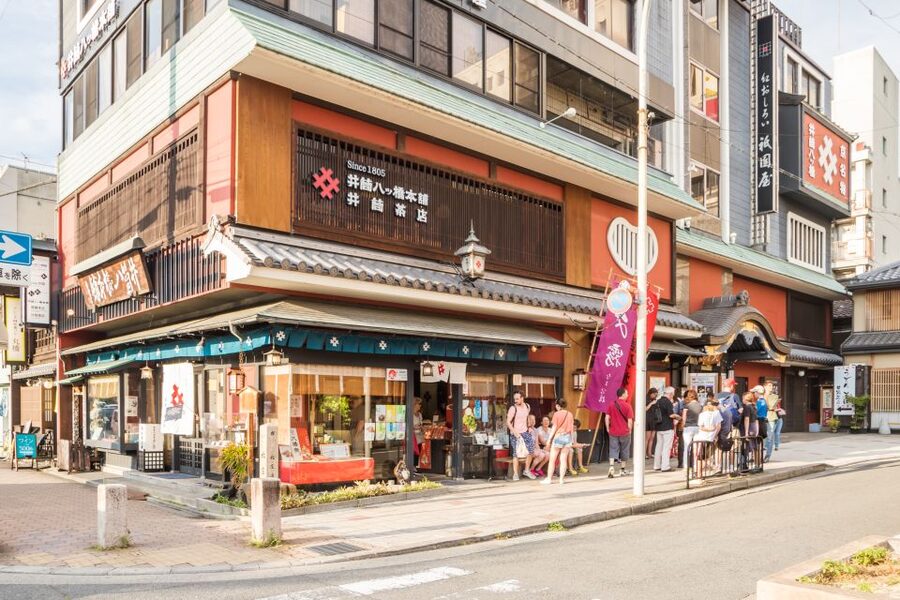
- The tour begins near Gion Shijo Station, in front of Gion Omoide Museum and the connected Izutsu Yatsuhashi pastry shop.
- The walk costs $21 per person, includes an English-speaking guide, and does not include transport or hotel pickup.
Starting near Gion Shijo Station
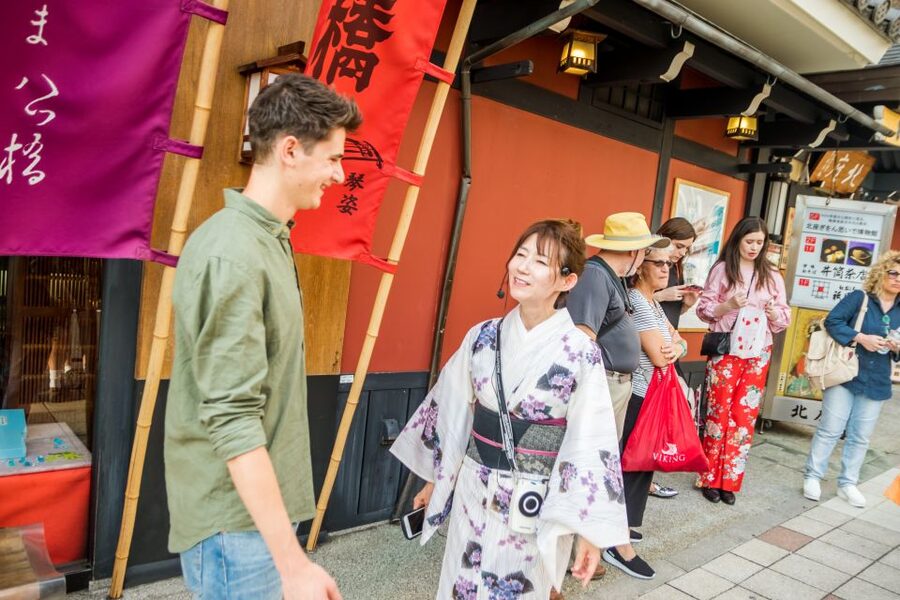
The meeting point is in front of Gion Omoide Museum, connected to the Izutsu Yatsuhashi pastry shop. It is near Gion Shijo Station, which makes the start fairly easy to reach if you are already exploring central Kyoto.
Look for the museum and pastry shop rather than expecting a large tour office. The precise coordinates are 35.0044519, 135.7723814. I would save the location before leaving your hotel, especially if you are arriving after sunset and want to avoid wandering around narrow streets while searching.
The guide leads the walk in English. Different dates may feature different guides, including Mia, Mie, Chako, Mai, Toko, or others. The strongest part of the experience depends on the person leading your group, but the recurring pattern is clear: expect a guide who explains both traditional customs and present-day life in Gion.
You do not begin with a stage performance or a dressed-up photo opportunity. This is a street walk through the district itself. That distinction matters. You are learning about a living profession in its own neighborhood, not watching a packaged show designed only for tourists.
More Night Tours in Kyoto
- Kyoto Gion Night Walk & Geisha District Guided Tour
★ 5.0 · 786 reviews - Kyoto Bar Hopping Night Tour
★ 5.0 · 613 reviews - Kyoto Nighttime All-Inclusive Eats and Streets, Gion and Beyond
★ 4.5 · 464 reviews
Walking the classic streets and streamside lanes
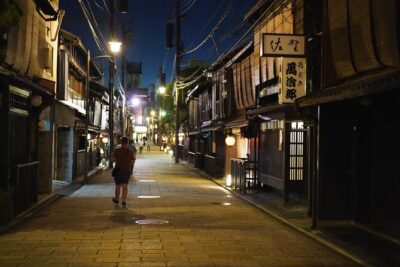
From the meeting point, the walk moves through the classic streets of the geisha district. The route includes a beautiful streamside setting and scenes associated with Memoirs of a Geisha. That connection may appeal to film and book fans, but the real value is seeing the area as a place with its own rules and daily rhythm.
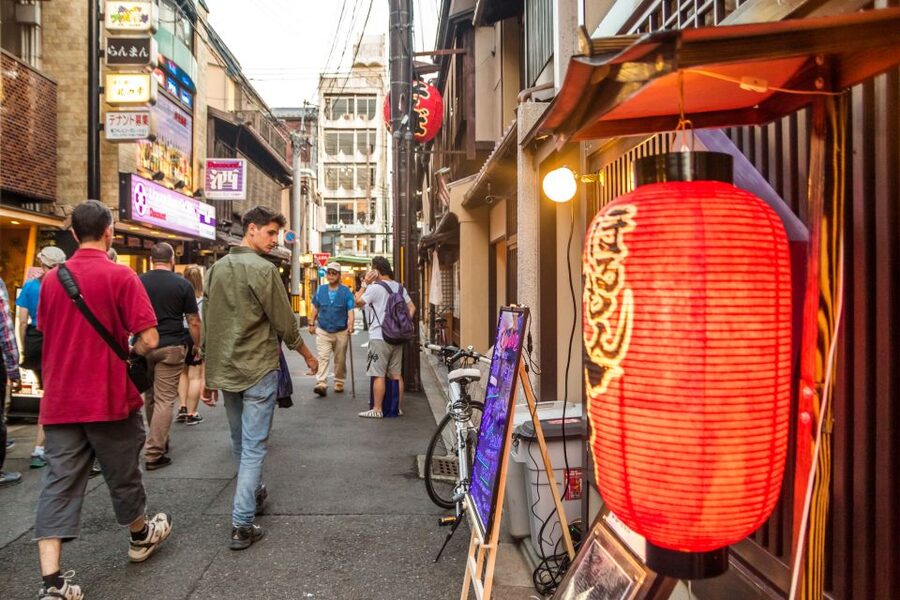
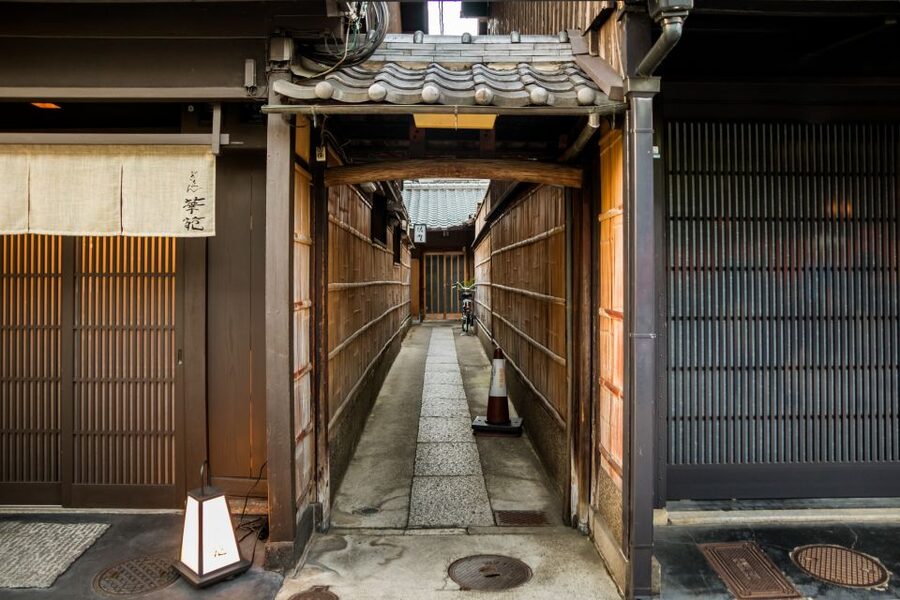
At night, the wooden facades, narrow lanes, and quiet water create a memorable setting. Your guide uses the streets as a classroom, pointing out the difference between places that look open to the public and spaces connected to private tea house life.
You should not expect to enter a geisha boarding house or tea house. One participant specifically appreciated the explanation but understood that entering such private places would cross a line. That limitation is part of the point. Gion is not an open-air museum, and the walk works best when you accept that some doors remain closed.
The pace is designed for walking and listening rather than covering a long list of monuments. You will stop for explanations, then continue through the district. One useful detail from the feedback is that some guides lead groups toward less crowded streets, which can make it easier to hear and observe without being surrounded by large tour groups.
What you learn about geiko and maiko
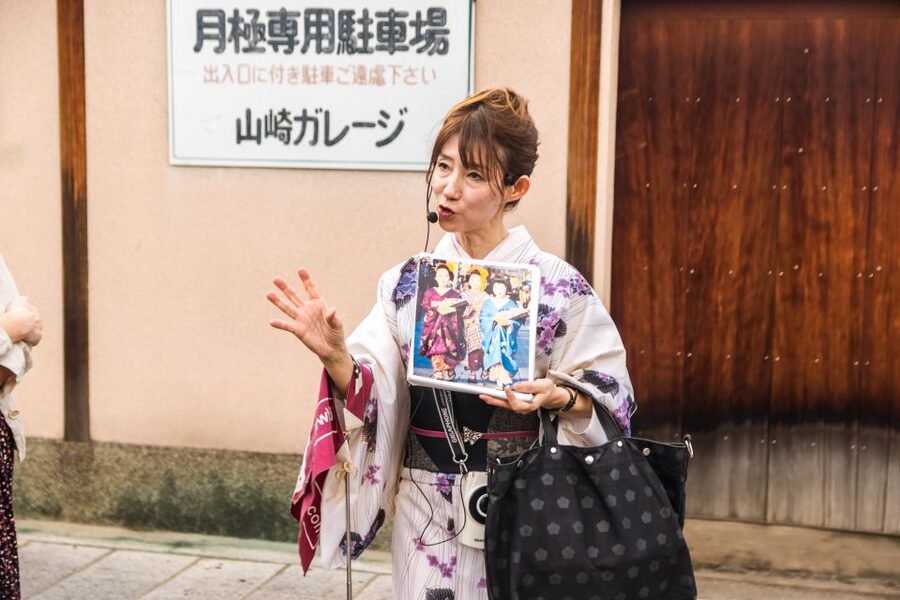
The tour uses the familiar word geisha, but guides also explain the local terms geiko and maiko. In Kyoto, geiko refers to the professional women who perform traditional arts, while maiko are apprentices. The distinction is not just vocabulary. It helps you understand differences in age, training, dress, hairstyle, and stage of life.
Expect discussion of:
- Kimono styles and how they differ between geiko and maiko
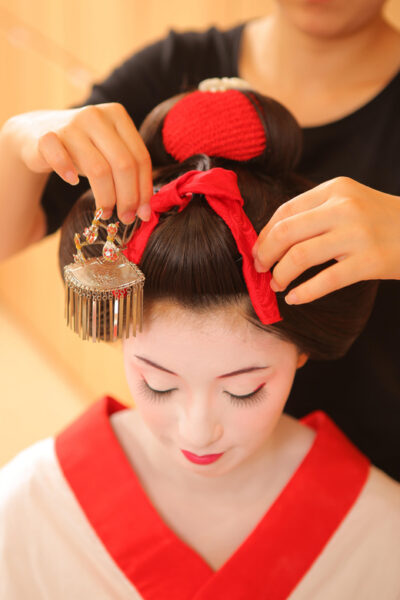
- Hairstyles and hair ornaments
- Training and daily routines
- Traditional rules and expected behavior
- Tea house culture
- The role of music, dance, conversation, and hospitality
- The difference between a formal tea house and an ordinary place serving tea
The guides make these subjects easier to follow with photographs, charts, and examples. Mie was specifically noted for carrying a file of photographs, while another guide used helpful charts to explain historical context. Those tools matter because a quick glimpse of someone in elaborate clothing does not tell you much by itself.
You may also hear about small points of Japanese language and culture that are difficult to pick up from a guidebook. One guide added Japanese slang and everyday expressions, while others connected Gion customs with wider Japanese etiquette. These side notes can be as useful as the main geisha information.
Seeing a geiko or maiko without causing harm
The possibility of seeing a geiko or maiko is a major reason people book this walk. Several participants saw multiple maiko and geiko during the evening, including groups that spotted four, six, or more. One person saw more than eight, while another saw three geiko and a pair in a taxi.
Those numbers are luck, not a promise. The route and timing may improve your chances, but the women may be inside a taxi, moving quickly, or absent that evening. You should book this as an educational walk through Gion first and a sighting opportunity second.
When a geiko or maiko appears, the guide explains how to behave. Keep quiet, do not block the street, do not follow, and do not reach toward anyone. Your guide may ask you to bow or greet quietly, then continue walking.
Video recording is not allowed. You should also be prepared for the guide to discourage photography, particularly close-up photographs. Some participants felt their guide was very protective, but that caution reflects the pressure geiko and maiko face from people chasing them with cameras. If your main goal is a close portrait, this is the wrong activity.
I appreciate that the better version of this experience teaches you to observe rather than collect a photograph. A brief glimpse of a maiko heading to an appointment, while standing respectfully at a distance, can feel more genuine than a staged encounter.
More Walking Tours in Kyoto
- Kyoto Geisha Walking Tour: Gion District & Hidden Gems
★ 4.7 · 3,273 reviews - Kyoto: Gion Magical Night Walking Tour with Geisha Trivia
★ 4.9 · 2,393 reviews - Kyoto: Gion Geisha District Walking Tour – Stories of Geisha
★ 4.7 · 2,187 reviews - Kyoto Gion Geisha District Walking Tour – The Stories of Geisha
★ 5.0 · 1,441 reviews
Why the guide makes the difference
Gion is easy to wander through and hard to understand on your own. You can admire the architecture, but you will not automatically know which details relate to geiko life, how the district is organized, or why certain behavior is unacceptable.
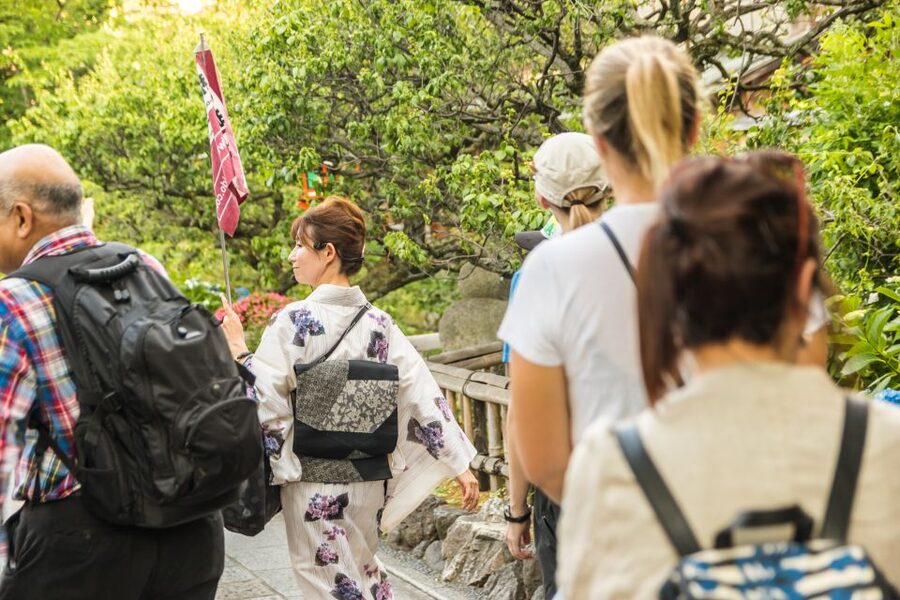
The guide provides the missing context. Mia is repeatedly described as funny, warm, and deeply familiar with the culture. Mie is praised for strong English, preparation, personal insights, and a lively style. Chako is described as passionate and patient, while Mai brought humor that helped keep children interested.
That variety is worth noting. You are not buying a fixed performance from one named expert every day. Your guide can change, and so can the tone of the evening. Still, the consistent strengths are clear: English explanations, local cultural detail, and practical advice about encounters in the street.
Families can benefit from this approach. Children who begin unsure about the subject may enjoy the stories, humor, and chance to spot geiko or maiko. One family brought three children, including a child in a stroller, and found the outing manageable. At the same time, the official information says the activity is not suitable for people with mobility impairments, so I would contact the provider before booking if walking is difficult.
The value of $21 for 100 minutes
At $21 per person, this is one of the easier Kyoto activities to justify. You are paying for roughly 100 minutes with an English-speaking guide in one of the city’s most unusual districts. There is no hotel pickup, transportation, meal, or admission included, but the tour does not need those extras to make sense.
The price is especially fair if you are curious about geiko and maiko but do not want to pay for a formal dinner or performance. You receive cultural explanation, neighborhood orientation, and a chance to see the district at night. Even if no geiko or maiko appears, you still walk through Gion with a clearer idea of what the streets represent.
The value drops if you only want guaranteed entertainment. This is a walking lesson with a possible real-life sighting, not a ticketed show. You also need to reach the meeting point yourself, so add local transportation costs and time when planning your evening.
Free cancellation is available up to 24 hours before the start time, and you can reserve now and pay later. Those policies help if your Kyoto plans are still shifting, but the more important choice is the time of day. An evening start gives the district its proper mood and may place you on the streets when geiko and maiko are heading to appointments.
What to bring and how to prepare
Wear comfortable shoes. The tour lasts 100 minutes, and the route is on public streets rather than inside a seated venue. Kyoto weather can change, so a light rain layer is sensible. Guides have continued the walk in rainy conditions, and the atmosphere can still be enjoyable, but wet streets and umbrellas make listening and moving around harder.
Arrive with your phone charged for navigation to the meeting point. Do not plan on filming. Also avoid building your evening around a guaranteed sighting, since the timing of geiko and maiko movements is outside the tour’s control.
If you are traveling with children, explain the etiquette before you arrive. The children who enjoyed the walk were helped by guides who used humor and clear stories, but young people still need to understand that Gion is a neighborhood, not a theme park.
For a child discount, bring valid identification. That requirement is easy to overlook, so keep the necessary ID with you when checking in.
Who will enjoy this Gion night walk?
I would choose this experience if you want cultural context rather than a quick photo stop. It suits first-time visitors who have seen geisha in films or books and want to separate popular images from real Kyoto customs.
It is also useful if you have already visited Gion by day. The evening changes the mood, and the guide can take you beyond the most obvious streets. People who enjoy local history, etiquette, traditional clothing, and neighborhood stories will get the most from the 100 minutes.
Families may enjoy it, provided everyone can keep walking and follow the privacy rules. The tour can also work well near the start of your Kyoto stay, since it gives you a better sense of how to behave in Gion for the rest of your trip.
I would hesitate if you need step-free access, dislike walking after dark, or care mainly about getting close photographs. The activity is also not the right choice if you expect to enter private geisha facilities. The guide can explain those places, but access is not part of the walk.
Should you book this Gion experience?
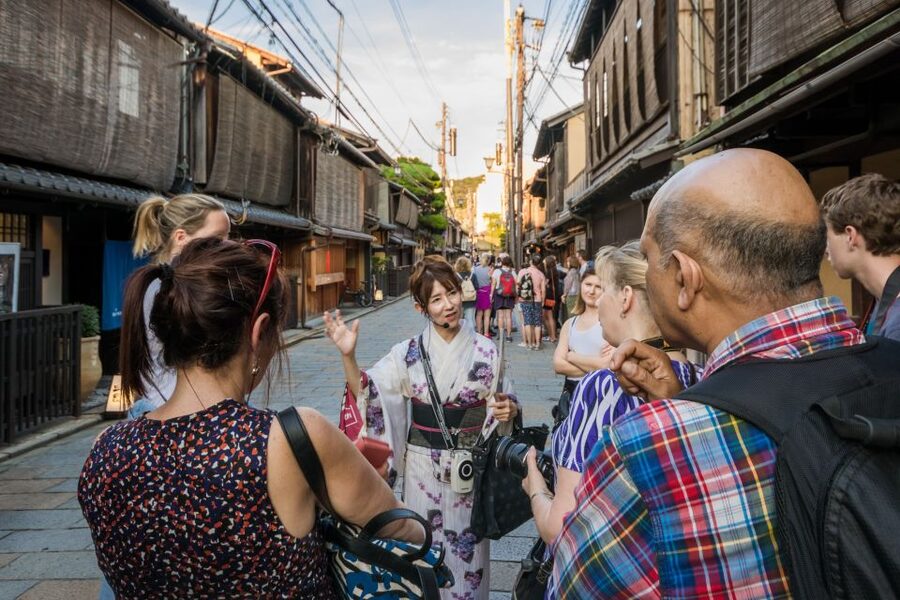
Book it if you want an affordable, respectful introduction to geiko and maiko culture, with a real chance of seeing them on their way to work. The strongest guides add much more than basic facts, using photographs, stories, humor, and practical etiquette tips to make the district understandable.
Go in with the right expectation: the cultural explanation is guaranteed, the sighting is not. At $21, that is a sensible trade. You get a well-organized evening walk through Gion, local insight, and a better chance of noticing what matters without disturbing the people who live and work there.
FAQ
How long is the Night Walk in Gion?
The activity lasts 100 minutes. The description also refers to it as a roughly two-hour guided walk, so allow about two hours for the experience.
How much does the tour cost?
The listed price is $21 per person.
Where does the tour meet?
It meets in front of Gion Omoide Museum, connected to the Izutsu Yatsuhashi pastry shop, near Gion Shijo Station. The coordinates are 35.0044519, 135.7723814.
Is the guide available in English?
Yes. The tour includes a live, licensed English-speaking guide.
Will I definitely see a geiko or maiko?
No. Sightings often occur, but they are not guaranteed. The walk focuses on Gion, geiko and maiko culture, and respectful observation.
Can I take photographs or record video?
Video recording is not allowed. Guides may also ask you not to photograph geiko or maiko, especially at close range, so you should be prepared to observe without taking pictures.
Is transportation included?
No. You must arrange your own transportation to and from the meeting point. Hotel pickup and drop-off are not included.
Is the tour suitable for people with mobility impairments?
The activity is listed as unsuitable for people with mobility impairments. Since it is a walking tour, contact the provider before booking if you have concerns about walking.
Can I cancel or pay later?
You can cancel up to 24 hours in advance for a full refund. The reserve-now, pay-later option lets you book without paying immediately.
More Geisha Experiences in Kyoto
- Best of Kyoto: Gion, Geisha, Pagodas & Cobblestones
★ 4.9 · 2,058 reviews - Kyoto Gion: 2-Hour Geisha Culture & History Walking Tour
★ 5.0 · 1,186 reviews - Kyoto Gion Cultural Walk & Geisha Show with Dining Options
★ 5.0 · 518 reviews - Kyoto Gion Cultural Walk & Geisha Show with Dining Options
★ 5.0 · 483 reviews
Just added around Kyoto
- Sekka Cotton Furoshiki Class★ 5.0 · 19 reviews
- Scenic Green Tea Fields of Hidden Kyoto & Local Tea Exp (Private)★ 5.0 · 32 reviews
- Secret Eastern Kyoto Biking Adventure★ 5.0 · 44 reviews
- Kyoto Sword Experience – includes Museum Ticket/Ninja Experience★ 4.5 · 149 reviews
- Private Sake Tasting in Central Kyoto with Sake Sommelier★ 5.0 · 32 reviews
- Samurai School in Kyoto: Samurai for a Day★ 5.0 · 202 reviews
- SHIRAKAWA Japanese Culture Experiences with private English staff★ 5.0 · 16 reviews
- A Privately Guided Photoshoot in Beautiful Kyoto by a Pro★ 5.0 · 18 reviews
Geisha & Maiko Experiences, compared.

Kyoto Geisha Walking Tour: Gion District & Hidden Gems
Our verdict →
Dinner with Maiko in a Traditional Kyoto Style Restaurant Tour
Our verdict →
Browse the lists this tour appears in