
Reviewed · SUSHI EXPERIENCES
Tokyo Night Foodie Tour in Shinjuku – Seasonal Sushi, Wagyu Beef
Shinjuku is at its best after dark, when sushi counters, tiny grills, neon signs, and Kabukicho’s colorful streets all compete for your attention. This tour brings the good parts into one evening: seasonal omakase sushi, five cuts of A5 Wagyu in some menus, and a final dessert or drink.
I like two things right away. First, you get a guide to explain what is on your plate and help with the menu. Second, the group limit of seven keeps the evening personal, and guides such as Yuki, Molly, Aoi, Mimi, Yuma, and Yosh have been praised for making conversation easy and offering useful Tokyo tips.
The main consideration is that the food stops may not be inside the narrow lanes of Omoide Yokocho itself. Expect walking between restaurants, possible smoking at venues, and no guaranteed allergy-free substitutions. Ask for a vegetarian course by the day before, not at the meeting point.
Key points to know before booking
- Two headline dishes: Omakase sushi and grilled Wagyu form the heart of the evening.
- Small group size: The tour accepts no more than seven people, so you can ask questions without shouting across a crowd.
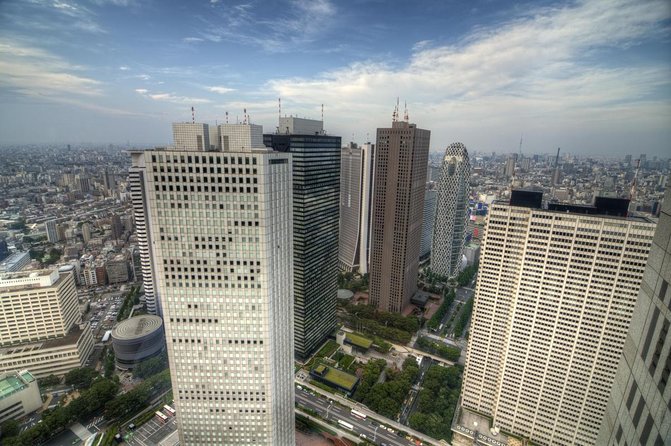
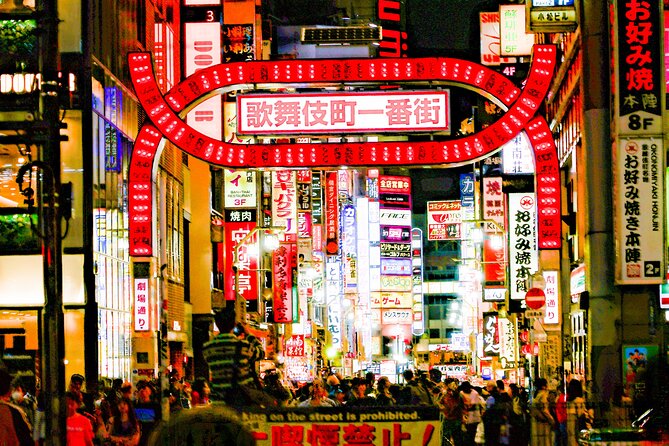
- Shinjuku after dark: You walk through Kabukicho, Godzilla Road, and the neon-lit entertainment district.
- Dinner with context: The guide helps with food choices, local customs, and the sights around you.
- A filling three-hour outing: Several people finished comfortably full, with sushi, beef, and dessert or a drink.
- Dietary limits need planning: Vegetarian requests must be made by the previous day, and allergies cannot be guaranteed.
Why this Shinjuku food tour works well at night
This is not just a meal with a short walk attached. It is a compact introduction to one of Tokyo’s most famous evening districts, with food used as the thread that holds the night together.
You begin at 1-chōme-2-8 Nishishinjuku, near public transportation. From there, the guide leads you toward the first sushi stop. The stated tour length is about three hours, though the listed stops add up to less than that, since time is also spent walking, ordering, eating, and moving between restaurants.
That pacing matters. You are not being rushed from one photo stop to the next, but you are also not sitting in one restaurant all evening. One person described it as a slower-paced Shinjuku walk, which is a fair way to think about it. You see a good deal, but the evening remains manageable after a long day of sightseeing.
The group cap of seven is one of the strongest practical features. A guide can explain a sushi course, check whether you understand the grill, and answer questions about Tokyo life without turning the evening into a lecture. It also gives you a chance to talk with the other people at your table.
More Food Tours in Tokyo
- Tokyo: Shinjuku Food Tour (13 Dishes at 4 Local Eateries)
★ 5.0 · 6,603 reviews - Tokyo Tsukiji Fish Market Food and Culture Walking Tour
★ 5.0 · 3,184 reviews - Tokyo: Shinjuku Food Tour (15 Dishes and 4 Eateries)
★ 4.9 · 2,033 reviews
First taste: omakase sushi near Omoide Yokocho
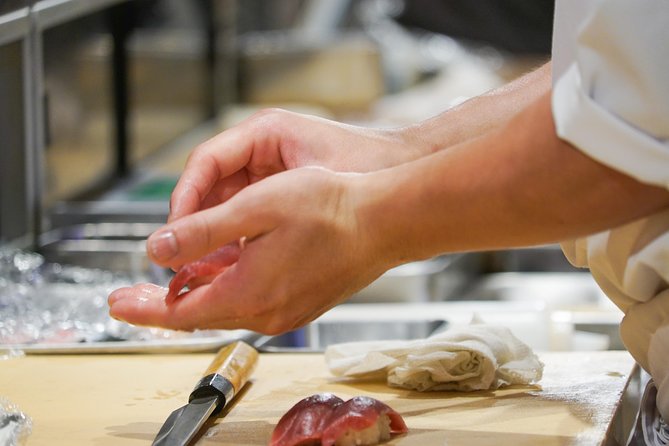
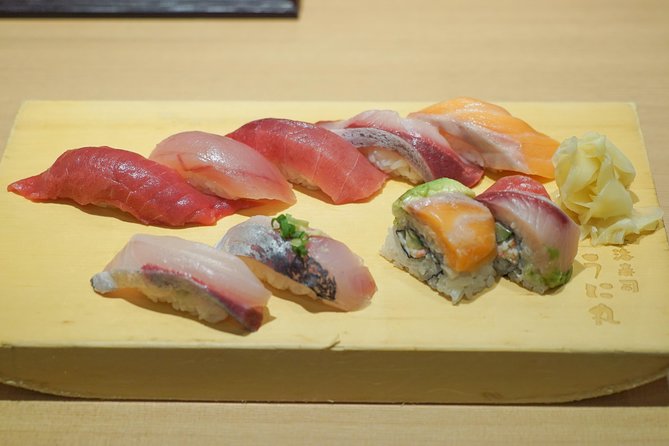
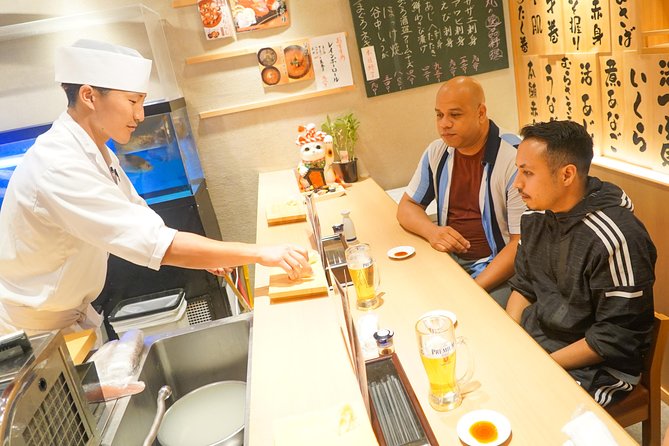
The opening meal is the tour’s most traditional stop. At a sushi restaurant described as a place known mainly to locals, you can choose omakase, meaning the chef selects the sushi. One menu described in the supplied information included eight pieces of omakase sushi.
Omakase is useful for a first visit because you do not need to study a long menu or guess what is best that day. The point is to let the chef choose seasonal pieces and serve them in a considered order. Your guide can help explain what you are eating, though the amount of food information may depend on who leads your group.
This is also where a small group helps. You can watch the chef prepare the sushi and ask about unfamiliar fish or sauces. If you are used to large restaurant platters, the portion may look modest at first, but the full meal includes the Wagyu stop and a final dessert or drink.
A practical detail is worth noting. Omoide Yokocho appears in the route, but the sushi restaurant is not necessarily inside those famous little lanes. The walk from the area to the sushi counter may take about 15 minutes, according to the tour information. That is not a problem, but it is better to expect a food walk through Shinjuku than dinner in a tiny alley restaurant.
Walking through Omoide Yokocho and Kabukicho
The route then turns into a night walk. Omoide Yokocho is known for cramped lanes and small eating places, while Kabukicho is Shinjuku’s large entertainment district, packed with restaurants, theaters, signs, and nightlife.
You do not need this tour to see neon. You can find that on your own. The value is having someone explain what you are seeing and point out places you might otherwise pass without understanding. Guides have shared information about the history and cultural role of Shinjuku, as well as suggestions for places to eat later in the trip.
The walk through Kabukicho lasts about 40 minutes. That gives you time to look around without turning the evening into a formal sightseeing tour. Keep your eyes up for signs and your feet alert for crowds. Shinjuku can feel visually overloaded, and a guide gives you a clear path through it.
There is also a useful confidence-building element. After walking the district with a local guide, you may feel more comfortable returning on your own to try another restaurant or explore a different street. The tour does not remove the lively, sometimes chaotic character of Kabukicho. It simply makes the first encounter easier.
Godzilla Road and the five-minute photo stop
A short stop at Godzilla Head adds a playful landmark to the route. The giant head is connected with the Godzilla theme and gives fans a quick photo opportunity in the middle of Kabukicho.
This is a brief stop, about five minutes, so do not treat it as a museum visit or a major attraction. It works best as a fun pause between the nightlife walk and the final food stop. If you love Godzilla, it will mean more to you than it does to someone who simply wants to see Shinjuku’s restaurants.
More Sushi Experiences in Tokyo
- Sushi Making Tokyo Roll and Authentic Japanese Sushi Class
★ 5.0 · 3,971 reviews - Tokyo: Roll and Authentic Sushi Making Class in Asakusa
★ 4.9 · 1,957 reviews - Make Sushi and Create Unforgettable Memories in Tokyo
★ 5.0 · 1,413 reviews - Tokyo: Sushi Making Class in a Happi Coat near a Famous Spot
★ 4.9 · 1,377 reviews
Grilling Wagyu on a shichirin stove
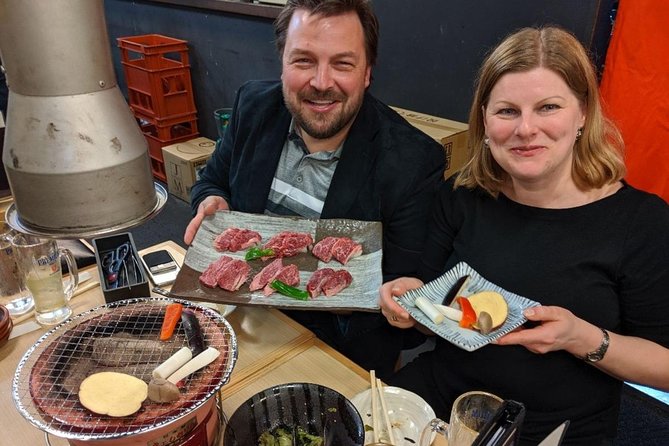
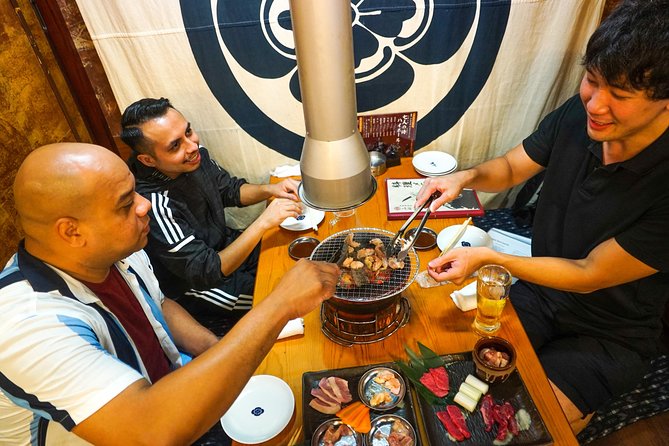
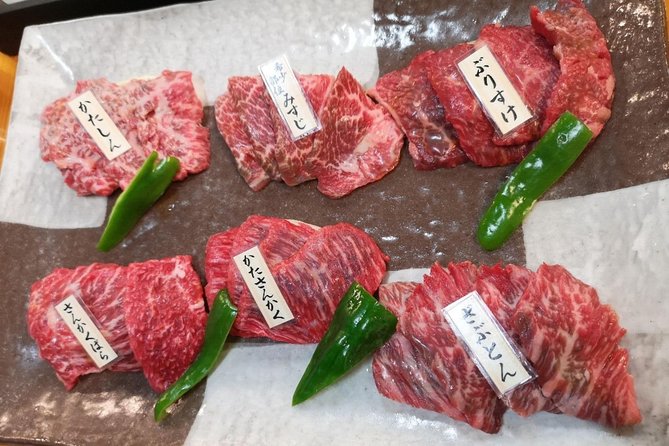
The second major food stop is yakiniku, Japanese-style grilled meat. The Wagyu is cooked over a traditional shichirin stove, and one described menu included five cuts of A5 Wagyu grilled at the table.
This is a very different experience from sushi. With omakase, you sit back and let the chef set the pace. With yakiniku, you take part in the cooking, watching the meat sear and deciding when each piece is ready. The small portions of several cuts let you compare texture and flavor rather than eating one large steak.
For many people, this will be the evening’s highlight. The Wagyu is a special-occasion food in Japan, and tasting several cuts in one sitting gives you more context than ordering a single beef dish from a menu. Your guide can help you understand how to approach the meal, although the exact amount of explanation may vary.
The distance between the sushi and Wagyu restaurants also matters. They are not necessarily next door, and walking between them may take about 15 minutes. Wear shoes you can comfortably walk in, especially if you have spent the day crossing Tokyo.
The tour information says you should expect a good amount of food. Some menus include sushi, multiple cuts of beef, and a final dessert or drink, so I would not book this as a light snack walk. If you have just landed from a flight, the generous meal may be welcome. If you eat early, keep lunch modest.
Dessert or a drink in Nishishinjuku
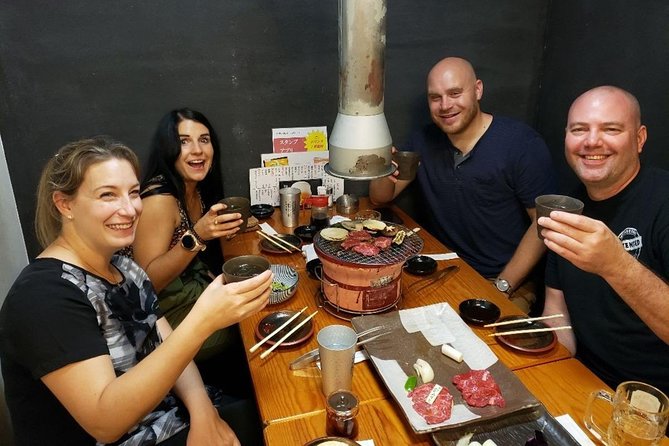
The evening ends in a casual eatery in Nishishinjuku, where you may receive a Japanese dessert or a drink. The final stop lasts about 30 minutes.
This closing course gives the night a natural finish. You have already had seafood, beef, and a walk through the city, so a sweet dish or refreshment lets everyone slow down and talk. It is also a good time to ask your guide for restaurant ideas or other places to visit during your stay.
The exact final choice can depend on the group and the venue. One group chose dessert, while other versions of the tour may include a drink. If you are booking mainly for a particular dessert, do not assume the same item will appear every evening.
The tour ends back at the meeting point. That is convenient if you are staying nearby or want to continue in Shinjuku, but you should still pay attention to the route and your own plans for getting back to your hotel.
What the guide adds to the evening
The guide is more important here than on a simple restaurant booking. You are visiting several venues, ordering food that may be unfamiliar, and walking through a district that can be hard to read at first glance.
Guides named in the supplied experiences include Yuki, Molly, Yuma, Aoi, Hiro, Minnie, Mimi, Yosh, Lisa, Karen, Mayu, and Megumi. Guide assignments vary, so you cannot request a particular personality unless the operator allows it, but the role is clear: help with food, explain the area, and keep the group moving.
Some guides have helped older family members choose from the menu. Others have answered basic questions about Japanese food, people, and daily life. Yuma, for example, was praised for explaining the cultural importance of the places along the way, while Mimi was noted for discussing both the meal and life in Tokyo.
The amount of food explanation may not be identical every night. If you want more detail, ask direct questions. That is one of the benefits of a group this small.
Price, group size, and overall value
At $111.62 per person, this is not a bargain dinner. You are paying for several food tastings, restaurant arrangements, a guide, and a structured evening in central Tokyo.
The value is strongest if you want to try omakase and Wagyu but do not feel ready to choose the restaurants yourself. Ordering several cuts of premium beef, eating a sushi course, and adding dessert or a drink separately could approach the tour price, especially once you account for the comfort of having a guide handle the movement between stops.
The value is weaker if you already know Shinjuku well, speak Japanese comfortably, and prefer to choose every restaurant on your own. In that case, you may find the fixed route less flexible than an independent food crawl.
Group discounts may be available, and the mobile ticket makes the booking easy to keep on your phone. Free cancellation is available until at least 24 hours before the start time. Changes or cancellations inside that window are not refunded.
Dietary needs, smoking, weather, and walking
This tour needs advance planning for food restrictions. Allergy-free meals cannot be guaranteed because the restaurants are independent kitchens, and substitutions may not be possible at every stop. The operator may try to make up for a missed item at another stop, but you should not book this expecting a fully customized menu.
A vegetarian course can be requested by the day before. It cannot be arranged on the day itself. If you eat no seafood or meat, confirm the vegetarian option before booking and understand that the signature sushi and Wagyu portions may not apply to your meal.
Some venues may allow smoking because smoking is not prohibited everywhere in Japan. The route cannot always be changed to avoid those places. This is worth considering if smoke bothers you.
Tokyo weather can also change the feel of the night. Summer temperatures may reach 40°C, while winter lows can fall to -5°C. The tour continues through outdoor streets, so dress for the forecast, carry rain protection when needed, and choose comfortable shoes.
Most people can take part, and the route is near public transportation. Still, the evening includes walking between restaurants and through crowded streets. Anyone with limited mobility should ask for more route detail before booking.
Who should book this Shinjuku evening
I would recommend this tour to a first-time Tokyo visitor who wants a friendly introduction to Shinjuku without spending hours studying restaurant menus. It suits couples, adult families, and solo visitors who like meeting a few other people over dinner.
It is especially useful early in your trip. You can ask the guide about food customs, neighborhoods, and places to eat later. The walk also gives you a quick orientation to Kabukicho before you return on your own.
Families with older relatives can benefit from the menu help and the slower pace, but remember that the evening is not stationary. You will walk between stops, and the nightlife streets can be crowded.
I would skip it if you need strict allergy control, want a completely smoke-free meal, or prefer a long, quiet dinner in one restaurant. I would also avoid booking it as your only chance to explore Omoide Yokocho itself, since the dining stops may be elsewhere.
Should you book the Tokyo Night Foodie Tour?
Book it if you want the two big food experiences, omakase sushi and Wagyu, tied to a guided evening in Shinjuku. The combination is the real strength. You get a taste of premium Japanese food, a look at Kabukicho after dark, and help making sense of both the menu and the streets.
The price is reasonable for the amount of food and the small group, but only if you value guidance. Request vegetarian food in advance, prepare for walking and possible smoke, and keep your expectations clear about the restaurant locations. If those points fit your plans, this is a practical and enjoyable way to start a Tokyo visit.
FAQ
How long does the Tokyo Night Foodie Tour last?
The tour lasts approximately three hours. That time includes the food stops, walking between restaurants, the Kabukicho walk, the Godzilla Head stop, and the final dessert or drink.
Where does the tour begin?
The meeting point is 1-chōme-2-8 Nishishinjuku, Shinjuku City, Tokyo 160-0023, Japan.
Where does the tour end?
The activity ends back at the meeting point.
How many people can join the tour?
The maximum group size is seven people.
What food is included?
The tour includes tastings of sushi and Japanese Wagyu beef. The sushi may be served omakase style, and the Wagyu is grilled on a shichirin stove. The final stop includes a Japanese dessert or drink.
Can I request vegetarian food?
Yes. You must request a vegetarian course by the day before the tour. A vegetarian course cannot be arranged on the day of the activity.
Can the tour accommodate food allergies?
Allergy-free meals cannot be guaranteed. Substitutions may not be possible at every restaurant, although the operator will try to compensate at another stop when needed.
Does the tour visit Omoide Yokocho?
Omoide Yokocho is part of the route, but the sushi and Wagyu restaurants may not be located inside its narrow lanes. You should expect walking between the district and the dining venues.
What is the cancellation policy?
You can cancel for a full refund up to 24 hours before the experience starts. Cancellations or changes made less than 24 hours before the start time are not accepted for a refund.
More Wagyu Experiences in Tokyo
- Tokyo: Wagyu and 7 Japanese Dishes Cooking Class
★ 4.9 · 273 reviews - Small-Group Wagyu Beef and 7 Japanese Dishes Tokyo Cooking Class
★ 5.0 · 190 reviews - Wagyu & Sake Pairing in Shinjuku – Steak, Shabu-Shabu & More
★ 5.0 · 112 reviews - Tokyo: Wagyu and Sushi Gastronomic Journey
★ 4.3 · 24 reviews
Just added around Tokyo
- Kawagoe Japanese Food Tour : Unagi Kaiseki and Sake near Tokyo★ 5.0 · 30 reviews
- Kawagoe 4hr Private Tour with Licensed Guide (Kawagoe Dep)★ 5.0 · 13 reviews
- Little EDO Sushi Making workshop in Kawagoe★ 5.0 · 18 reviews
- 【R34】Tokyo:Private Daikoku tour in Modified R34★ 4.9 · 92 reviews
- :Tokyo,Shibuya/ Pro Photography in Kimono / English-Friendly★ 5.0 · 26 reviews
- Tokyo:Celebrate Unique Japanese New Year Tradition Festivity★ 3.9 · 20 reviews
- Tokyo: Allstar Food Tour★ 4.7 · 29 reviews
- Tokyo: West-Side Cycling and Food Tour with Guide★ 5.0 · 37 reviews
Sushi Experiences, compared.
Sushi Making Tokyo Roll and Authentic Japanese Sushi Class
Our verdict →
Sake Omakase in Tokyo: Guided Tasting by Certified Sommeliers
Our verdict →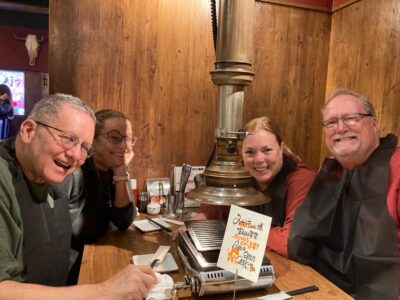
Browse the lists this tour appears in