
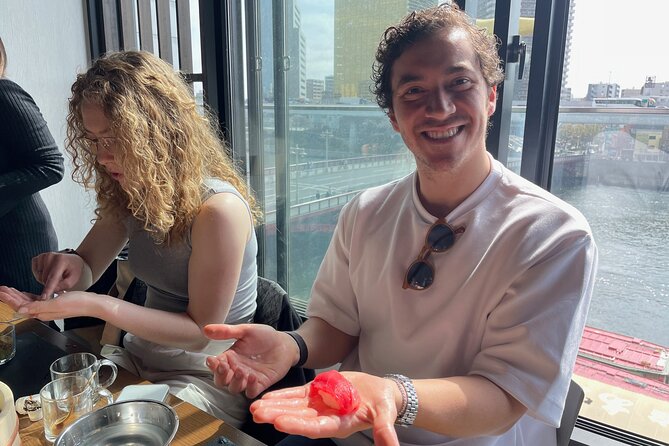
Reviewed · SUSHI EXPERIENCES
Sushi Making Tokyo Roll and Authentic Japanese Sushi Class
Tokyo has no shortage of places to eat sushi, but this class lets you make your own lunch instead of simply ordering one. In about 100 minutes, an English-speaking instructor guides you through sushi rolls and nigiri, adds a little food history, and helps you turn rice and fresh ingredients into a meal near Senso-ji Temple.
I like the clear, hands-on teaching, especially for children and first-time cooks. I also like the location: you can pair the class with Asakusa’s temple district without losing half a day in transit. The main consideration is the possible group size, which can reach 30 people, so personal help may vary during a busy session.
Key points at a glance
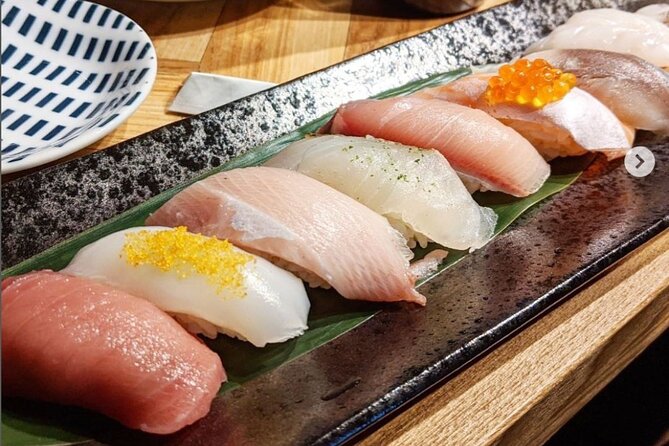
- Make both rolls and nigiri: You learn two basic sushi styles rather than only rolling one maki.
- English-speaking instruction: Clear demonstrations, visuals, and table-side help make the class easy to follow.
- Eat what you prepare: The ingredients and class meal are included, so the lesson doubles as lunch.
- Near Senso-ji Temple: The meeting point at 2-chōme-17-9 Kaminarimon fits neatly into an Asakusa sightseeing day.
- Family-friendly format: Children as young as 6 have taken part, and older children and teens can handle the activity well.
- A practical Tokyo souvenir: You leave with techniques you can try at home, not just another food photograph.
Why this sushi class works well in Asakusa
The setting does some of the work for you. The class meets at 2-chōme-17-9 Kaminarimon in Taito City, just steps from Senso-ji Temple and the traditional Asakusa area. That makes it easy to combine with a morning at the temple, a stroll through Kaminarimon, or an afternoon exploring the neighborhood.
I like this location because a cooking class feels more useful when it connects with the place you are visiting. You are not being sent to an isolated kitchen on the edge of Tokyo. You can see one of the city’s best-known old districts, then sit down to learn about a food that is central to Japanese dining.
Give yourself extra time to find the entrance. One participant specifically found the location a little tricky and recommended arriving 15 minutes early. The address is near public transportation, but a short walk around Asakusa can include plenty of signs, side streets, and busy pedestrian areas. A mobile ticket is included, so keep the booking accessible on your phone.
More Sushi Experiences in Tokyo
- Tokyo: Roll and Authentic Sushi Making Class in Asakusa
★ 4.9 · 1,957 reviews - Make Sushi and Create Unforgettable Memories in Tokyo
★ 5.0 · 1,413 reviews - Tokyo: Sushi Making Class in a Happi Coat near a Famous Spot
★ 4.9 · 1,377 reviews
What happens during the 1-hour-40-minute class
The session begins with an introduction to sushi and Japanese culinary culture. The instructors explain how sushi developed and how the food fits into Japanese dining. The history portion is not meant to be a university lecture. It gives you enough context to understand what you are about to prepare.
That short introduction matters. It helps separate sushi rolls from nigiri and gives you a better sense of why rice, fish, shape, and presentation all matter. Some instructors also teach useful Japanese words, which can add a small but pleasant connection to the rest of your trip.
Next comes the demonstration. The instructor shows each step before you try it. The teaching uses spoken explanations, visual examples, and hands-on help. That combination is useful because sushi can look simple until you try to handle sticky rice or shape a roll yourself.
You then prepare sushi rolls and authentic nigiri. The class is designed for beginners, so you do not need previous cooking experience. The instructors guide you through the process rather than expecting you to know how to position ingredients, shape rice, or finish the pieces.
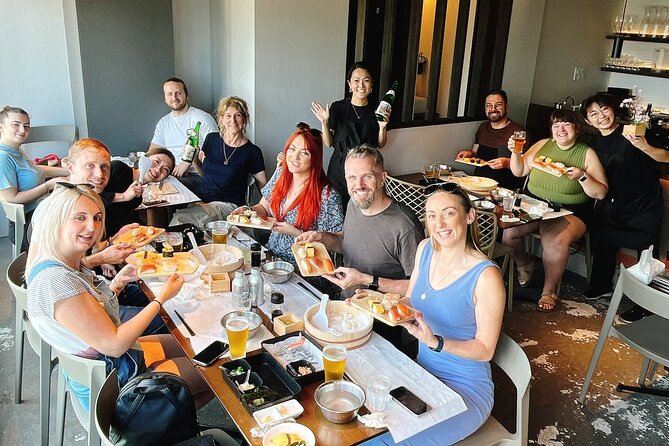
The pace appears deliberately light and social. Families can work together, couples can share the task, and solo participants can take part alongside other people. It is an activity built around doing something with your hands, which gives it more energy than a food demonstration where you simply watch.
At the end, you sit down and eat what you made. This is more than a small tasting. The class provides enough ingredients for a full meal, and several participants have described leaving well fed. That makes the price easier to assess, since your booking covers both instruction and lunch.
Learning maki and nigiri instead of only making a novelty roll
The class covers two familiar forms of sushi. Maki are rolled sushi, while nigiri is the hand-shaped form with a piece of topping placed over rice. Learning both gives you a more useful introduction than a lesson focused only on one decorative roll.
Roll-making has an obvious appeal. You can see the ingredients come together, and the finished piece feels like a small achievement. Nigiri requires a different touch, so practicing it helps you understand that sushi is not just a matter of wrapping ingredients in seaweed.
The goal is not to turn you into a restaurant sushi chef in one session. You are getting a practical start, along with techniques that may make sushi less intimidating at home. The class focuses on simple, repeatable steps, which is exactly what most holiday cooks need.
Food quality also matters here. The supplied information does not give a full ingredient list, but the class includes the cooking ingredients and meal. Comments about fresh fish and good-quality rice appear repeatedly, and several participants described the finished food as delicious. You should still view the session as an introduction, not a market tour or a specialist fish-buying lesson.
The instructors make the difference
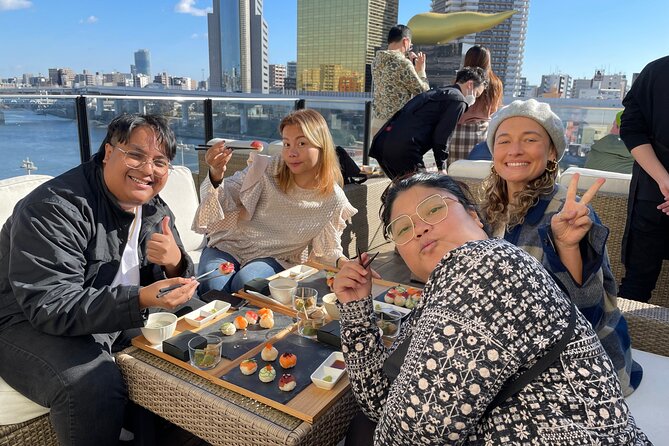
The instructors are English-speaking and are used to working with international visitors. Names that appear in the class feedback include Moe, Kazu, Jun, Kaori, Arisa, Ken, Ellie, Kyuto, Kazu, Karoi, and Shiroi. Your teacher may be someone else, but the recurring point is that the staff keep the lesson friendly, clear, and active.
Moe and her assistant received particular praise for combining sushi instruction with information about Tokyo and the role of sushi in Japanese life. Kazu was singled out for an energetic teaching style, while Jun and Kaori were noted for being personable and attentive. Ken was described as an excellent teacher for a mixed-age group.
That variety is worth noting. A class like this depends heavily on the person at the front of the room. Here, the teaching style seems to be upbeat rather than stiff. The instructors use demonstrations and encouragement, and they appear willing to adjust the pace for families.
One family with children aged 6 and 10 found that the instructors adapted the lesson well. Another family brought children aged 8 and 10, while a different group included teenagers. The class can work across ages because the activity is physical, visual, and broken into short steps.
Still, the official maximum is 30 participants. That is a reasonable size for a popular class, but it is not the same as a private lesson. Some sessions may feel close and personal, while a full class may require you to wait briefly for individual assistance. If one-to-one attention is your top priority, check the group arrangements when booking.
Same trip, a completely different kind of day:
- 1-Day Tokyo Bus Tour
★ 5.0 · 14,250 reviews - Tokyo: TOKYO SKYTREE® Admission ticket
★ 4.5 · 11,192 reviews - Tokyo: teamLab Planets TOKYO Digital Art Museum Entry Ticket
★ 4.6 · 9,779 reviews - Tokyo: Sumo Show Experience with Chicken Hot Pot and a Photo
★ 4.8 · 6,678 reviews
A strong choice for families and couples
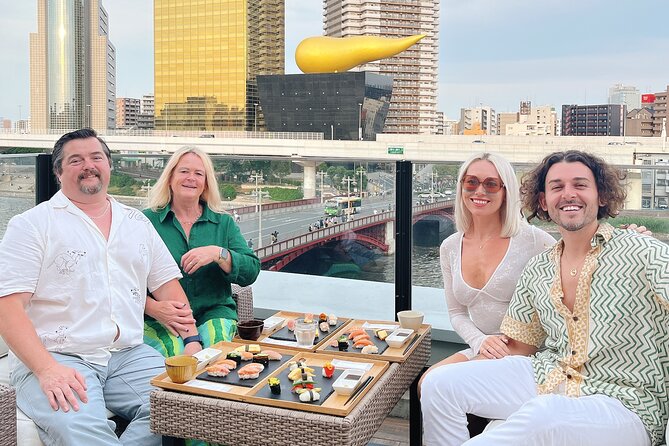
This is one of the better types of Tokyo activity for families because everyone has a job. Children can help shape, arrange, or roll the sushi, while adults can focus on technique and timing. The meal at the end gives the activity a clear reward, even if a roll comes out less than perfect.
The lesson also suits couples. You can work together, share the finished meal, and leave with something more memorable than another restaurant reservation. One couple took the class during a honeymoon and added a sake flight, which made the meal feel more like a special occasion.
The sake option is not listed as part of the standard inclusions, so treat it as an optional addition rather than part of the base booking. The included package covers the English-speaking instructor, cooking ingredients, and meal.
For groups of friends, the class offers an easy shared activity. You do not need to agree on a long excursion or spend hours following a guide through the city. Everyone can meet at the same point, learn together, and continue sightseeing afterward.
How the price compares with a regular sushi meal
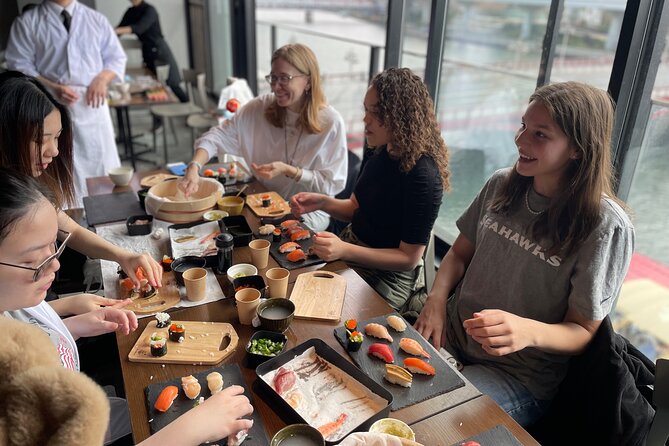
The listed price is $59.69 per person. That is more than you might pay for a quick conveyor-belt sushi lunch, but the comparison is not quite fair. You are paying for instruction, ingredients, a meal, an English-speaking host, and a planned activity in a central Tokyo location.
I see the strongest value if you want both food and a cultural experience. The class takes about 1 hour and 40 minutes, so it does not consume an entire morning or afternoon. You also avoid the uncertainty of choosing a restaurant when someone in your group has a limited palate or wants a structured activity.
The value is less clear if you only want the cheapest possible sushi meal. You can eat for less elsewhere, especially if you are happy with a casual counter or conveyor-belt restaurant. This class makes sense when the act of preparing the food matters as much as eating it.
Because the meal is included, you do not need to budget for a separate lunch immediately afterward. The amount of food appears substantial, with several participants describing themselves as full at the end. You should still allow extra spending if you want sake or other drinks.
Planning the class around Senso-ji
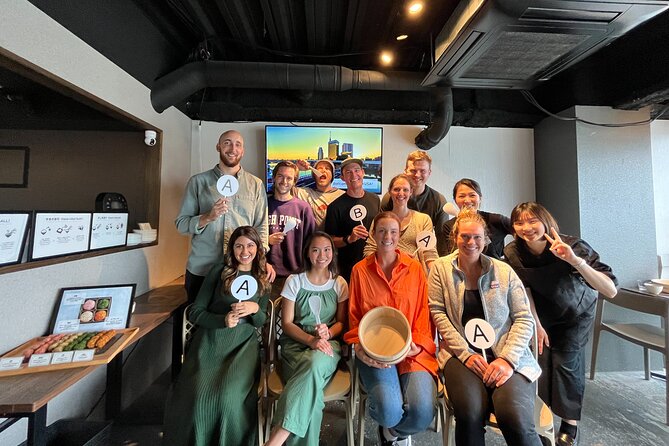
The meeting point lets you build a compact Asakusa plan. You could visit Senso-ji before the class, take the lesson around lunchtime, and then continue through the surrounding streets afterward. The class ends at the same meeting point, so you are not left at a different part of Tokyo.
Arriving 15 minutes early is sensible. The area is easy to reach by public transportation, but finding a specific address can take longer than expected. Early arrival also gives you time to check your mobile ticket and settle in without rushing.
The duration is listed as approximately 1 hour and 40 minutes. Allow a little flexibility around that if you have a tightly timed reservation afterward. The class itself ends back at the meeting point, but Tokyo transit, crowds, and walking time can add delays.
There is no hotel pickup or drop-off. That is not a serious drawback in central Tokyo, especially with public transportation nearby, but you must make your own way to Kaminarimon. Service animals are allowed.
What the class does not promise
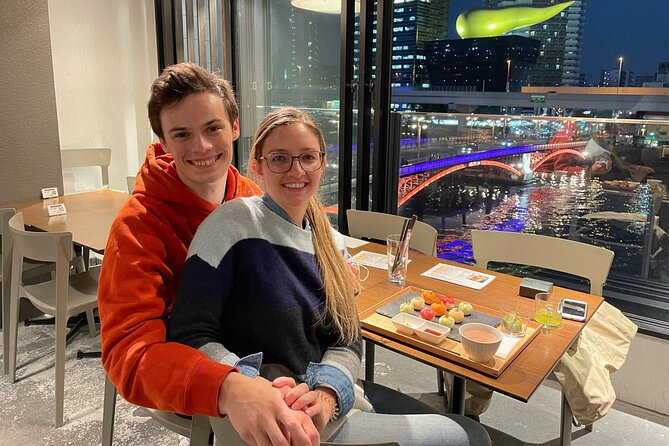
This is a beginner lesson, not advanced professional training. You will learn useful methods and sushi basics, but the short format cannot cover every regional style, knife technique, seafood issue, or restaurant standard.
It is also not presented as a private cultural tour of Asakusa. The neighborhood setting is a major advantage, but the class itself focuses on sushi preparation, food background, and eating your meal. If you want a long guided walk through the district, you will need to arrange that separately.
The group size deserves a second mention because it affects the feel of the class. A maximum of 30 people can work well with clear demonstrations, yet a busy session may feel more like a lively workshop than a quiet cooking lesson. Families and social groups will likely enjoy that energy. People seeking a calm, highly individual lesson may prefer a smaller format.
The food itself may also be a consideration for picky eaters. The class centers on sushi and rolls, so it suits people who already like sushi or want to try it in a supportive setting. The information provided does not promise substitutions or a special dietary menu, so ask before booking if allergies or dietary restrictions are important.
Cancellation and practical details
You receive confirmation when booking, and the ticket is mobile. The activity accepts service animals and is near public transportation.
Free cancellation is available if you cancel at least 24 hours before the local start time. A cancellation made less than 24 hours before the start time is not refundable, and changes inside that window are not accepted. Keep that rule in mind if your Tokyo schedule is still shifting.
The activity is operated by Sushi Making Tokyo Cooking Class in Japan. The strong overall rating, listed as 5 out of 5 from 3,971 reviews with 99 percent recommending it, fits the consistent strengths of the experience: clear explanations, friendly instructors, a full meal, and a location that pairs well with sightseeing.
Who should book this sushi lesson?
I would recommend it most strongly to:
- Families who want a hands-on activity that works for children and adults.
- Couples looking for a shared Tokyo memory, including honeymooners.
- First-time sushi makers who want patient instruction in English.
- Food lovers who want to understand the preparation behind a familiar Japanese dish.
- Visitors with a free hour and 40 minutes around Asakusa.
- Anyone who likes the idea of eating lunch and learning a skill at the same time.
I would think twice if you dislike sushi, need a private class, or want advanced chef training. The class is social and beginner-friendly. Its strength is making sushi approachable, not offering an intense professional kitchen course.
Should you book Sushi Making Tokyo?
Yes, if you want an easy, useful activity near Senso-ji that combines food, instruction, and lunch. The price is fair for a central Tokyo class with ingredients and a meal included, especially when you value doing something rather than simply dining.
Book it as part of an Asakusa day, arrive about 15 minutes early, and keep your schedule flexible around the approximate 100-minute duration. Expect a lively group lesson, clear English instruction, basic sushi history, and enough food to make the class feel like a real meal.
You will not leave as a sushi master. You will leave knowing more about maki and nigiri, with a better chance of trying them at home and a story that came from making lunch yourself.
FAQ
How long does the sushi-making class last?
The experience lasts approximately 1 hour and 40 minutes.
Where does the class meet?
It starts at 2-chōme-17-9 Kaminarimon, Taito City, Tokyo 111-0034, Japan.
Does the class end at the meeting point?
Yes. The activity ends back at the starting meeting point.
Is the class taught in English?
Yes. An English-speaking instructor leads the class.
Do I need previous cooking experience?
No. The class is designed for beginners, and no cooking experience is required.
What will I learn to make?
You will learn how to make sushi rolls and authentic nigiri.
Is the meal included?
Yes. The cooking ingredients and the meal are included in the experience.
Is hotel transportation included?
No. Hotel pickup and drop-off are not included. The meeting point is near public transportation.
How many people can join the class?
The activity can have a maximum of 30 participants.
Can I cancel for a full refund?
Yes, if you cancel at least 24 hours before the experience start time. Cancellations made less than 24 hours before the start time are not refunded.
Just added around Tokyo
- Kawagoe Japanese Food Tour : Unagi Kaiseki and Sake near Tokyo★ 5.0 · 30 reviews
- Kawagoe 4hr Private Tour with Licensed Guide (Kawagoe Dep)★ 5.0 · 13 reviews
- Little EDO Sushi Making workshop in Kawagoe★ 5.0 · 18 reviews
- 【R34】Tokyo:Private Daikoku tour in Modified R34★ 4.9 · 92 reviews
- :Tokyo,Shibuya/ Pro Photography in Kimono / English-Friendly★ 5.0 · 26 reviews
- Tokyo:Celebrate Unique Japanese New Year Tradition Festivity★ 3.9 · 20 reviews
- Tokyo: Allstar Food Tour★ 4.7 · 29 reviews
- Tokyo: West-Side Cycling and Food Tour with Guide★ 5.0 · 37 reviews
Sushi Experiences, compared.
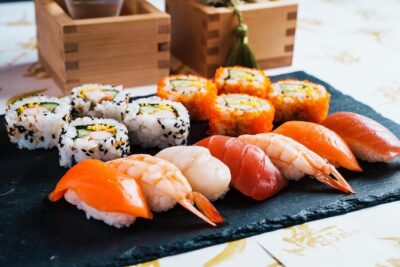
Make Sushi and Create Unforgettable Memories in Tokyo
Our verdict →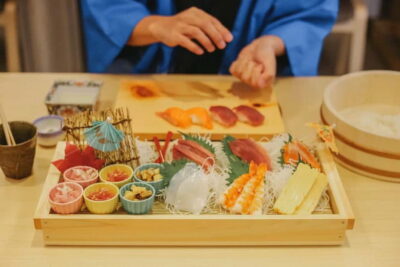
Sushi Making Class in a Happi Coat near a Famous Spot
Our verdict →
Sake Omakase in Tokyo: Guided Tasting by Certified Sommeliers
Our verdict →
Browse the lists this tour appears in