
Reviewed · SAMURAI EXPERIENCES
Kyoto: Kendo and Samurai Experience with Uniform and Gear
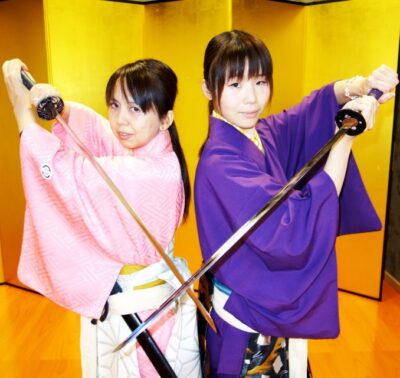
Kyoto has plenty of activities that let you dress up as a samurai. This one goes further. Inside a 120-year-old traditional house, you put on training clothes and protective gear, learn how to hold a sword, and practice basic kendo movements under an English-speaking instructor. The setting feels like a working dojo rather than a stage set.
I like the way Taka-san mixes practical instruction with stories about samurai history and Japanese etiquette. I also like that you do more than pose for photographs: you practice footwork, strikes, blocks, and often a light foam-sword contest near the end. The main drawback is location. It is in a residential area and can take extra time to reach, while the old dojo may feel chilly or a little worn.
Key points to know before booking
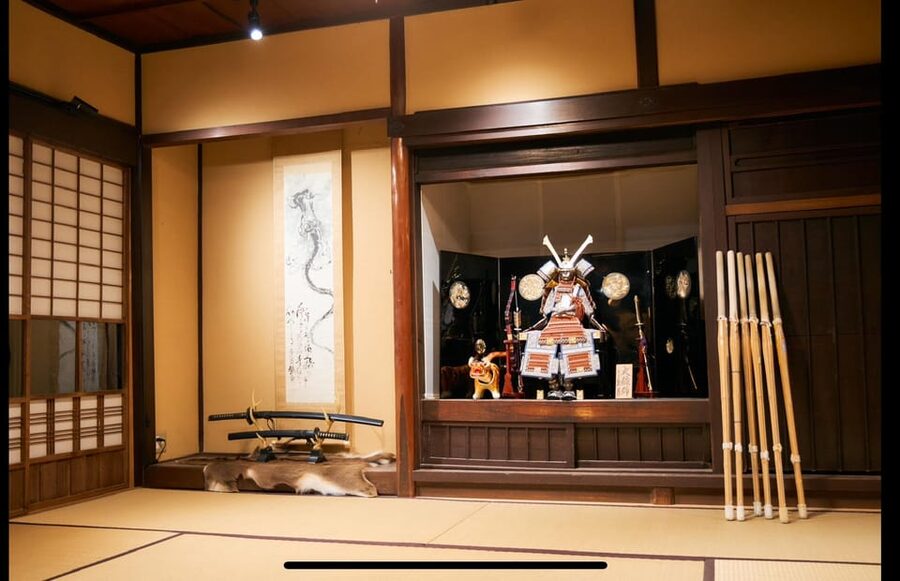
- Train inside an old Kyoto machiya: The traditional building gives the two-hour class a strong sense of place.
- Learn from Taka-san: His friendly English instruction, humor, and long kendo background are central to the class.
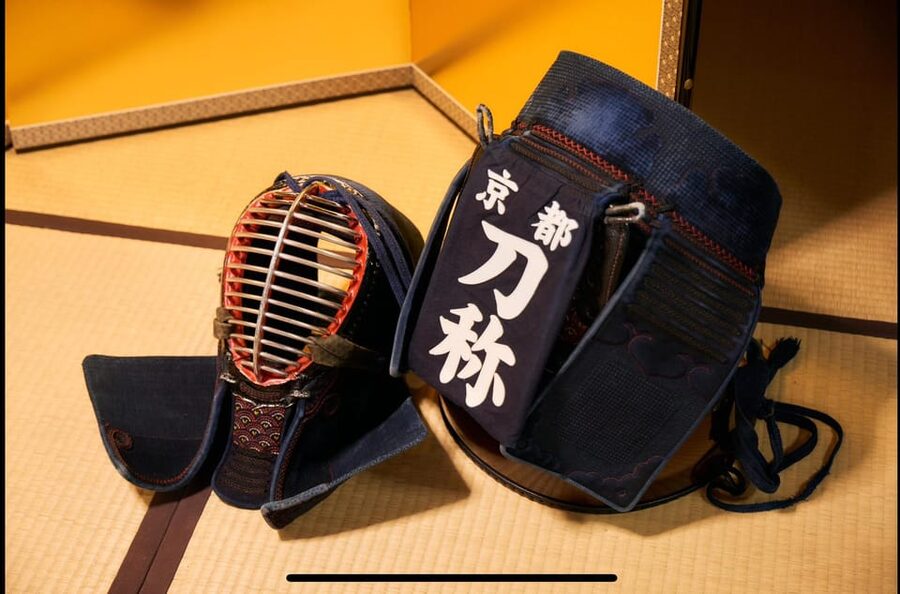
- Wear the full outfit and gear: Uniform, footwear, equipment, and protective gear are provided.
- Practice, do not just pose: You learn basic sword handling, kendo movements, etiquette, and partner exercises.
- Expect photos and videos: The instructor helps record your samurai-style memories during the session.
- Plan for cool conditions: The dojo and outdoor practice area can be cold in winter, so warm socks and a base layer help.
Entering a 120-year-old Kyoto training house
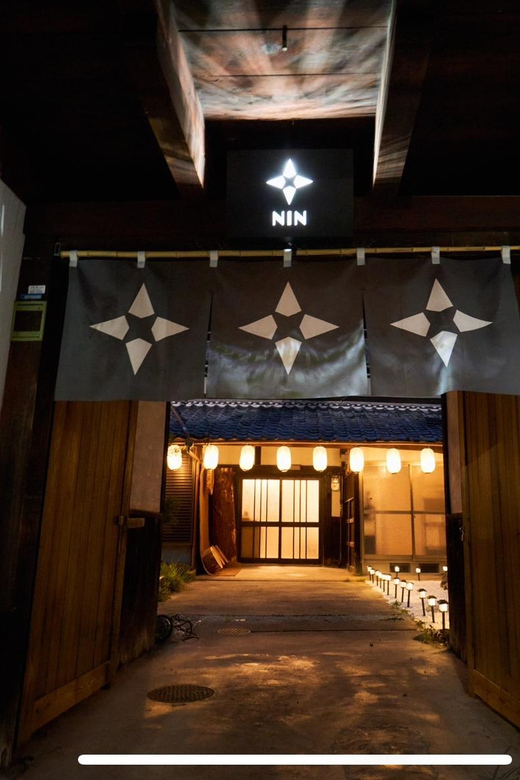
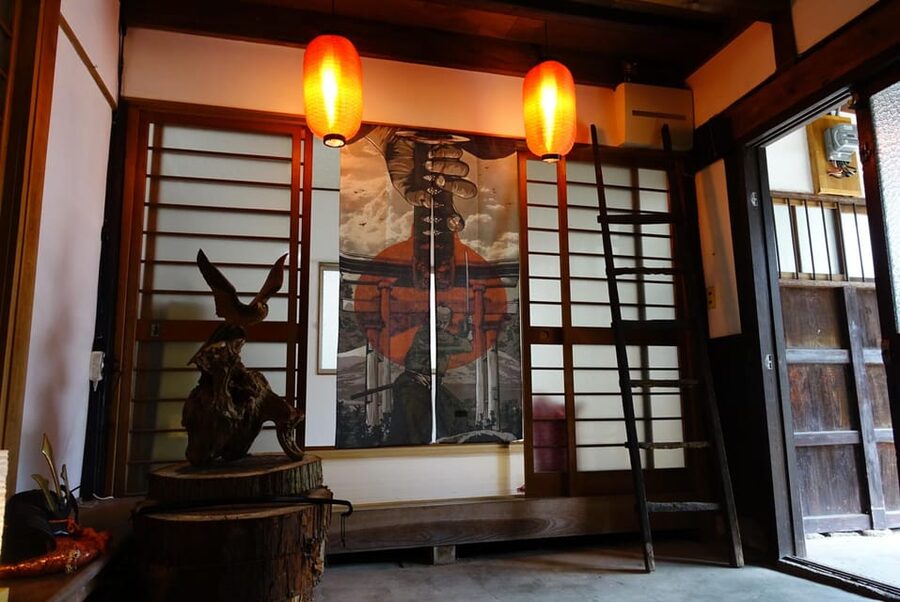
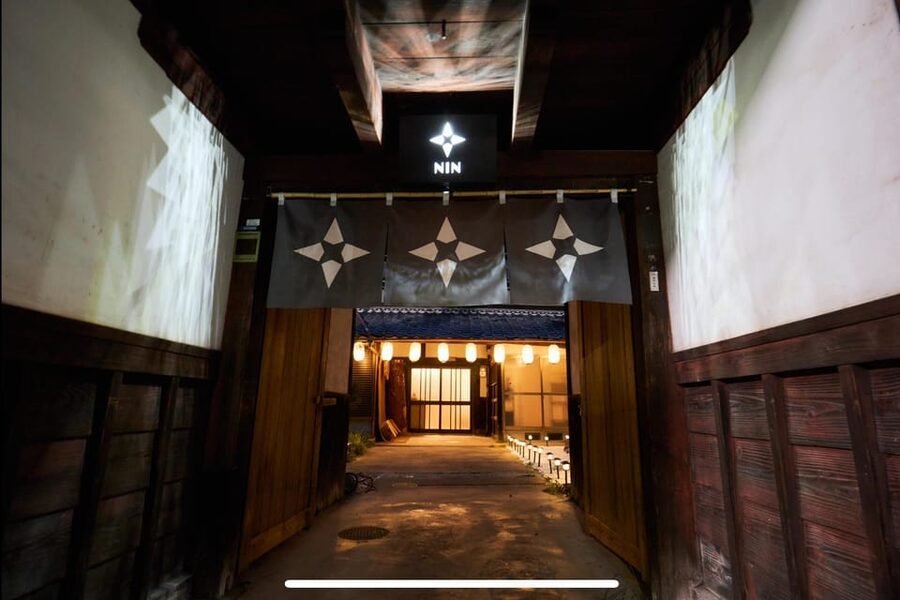
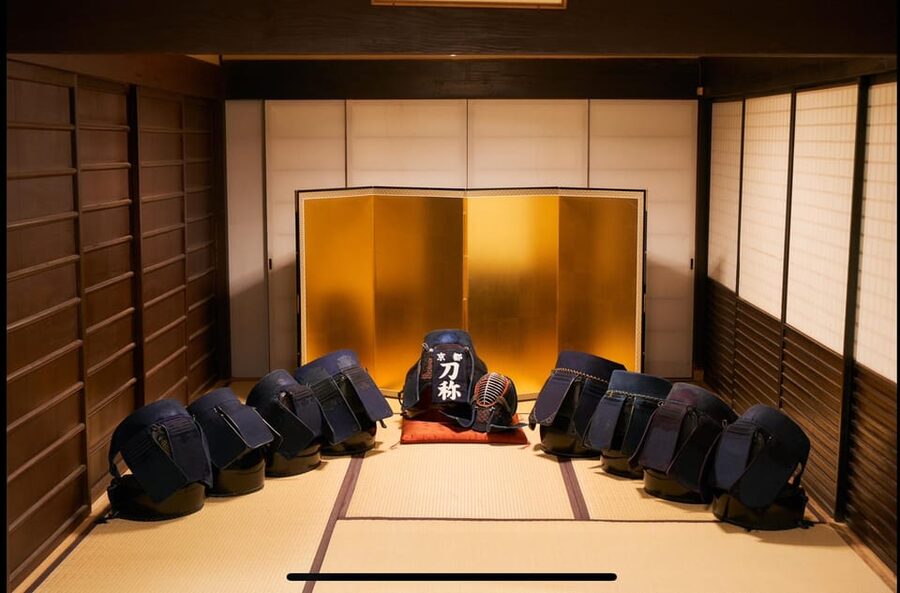
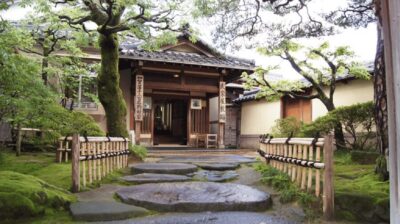
The first treat is the setting. You meet at an old Japanese house marked by a large gate, then enter a traditional Kyoto building that is more than a century old. This is not a modern studio with painted backdrops. The age of the building gives the lesson a quiet, slightly weathered atmosphere that suits the subject.
The setting also shapes the pace. You are not rushed through a line of photo stations. You change clothes, listen to explanations, handle the equipment, and practice in a space connected to the atmosphere of a dojo. The building has charm, though it is not polished in a luxury-hotel sense. One visitor found the room dusty and worn, so set your expectations accordingly.
The location is in a residential area along winding streets. One useful tip is to leave extra time for the journey. If you arrive by train, a taxi from the station to the front gate may be easier than trying to find the house on foot. The setting can feel out of the way, but that distance is part of why the class feels separate from Kyoto’s busiest sightseeing zones.
More Samurai Experiences in Kyoto
- Kyoto Samurai Experience
★ 5.0 · 1,294 reviews - Kyoto: Samurai Sword Class by Experts in Traditional Arts
★ 4.9 · 657 reviews - Skip the lines Basic Ticket at SAMURAI NINJA MUSEUM KYOTO
★ 4.5 · 632 reviews
Changing into samurai training clothes
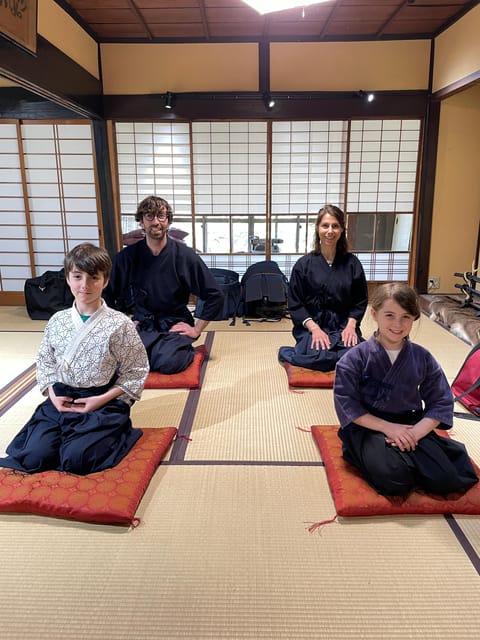
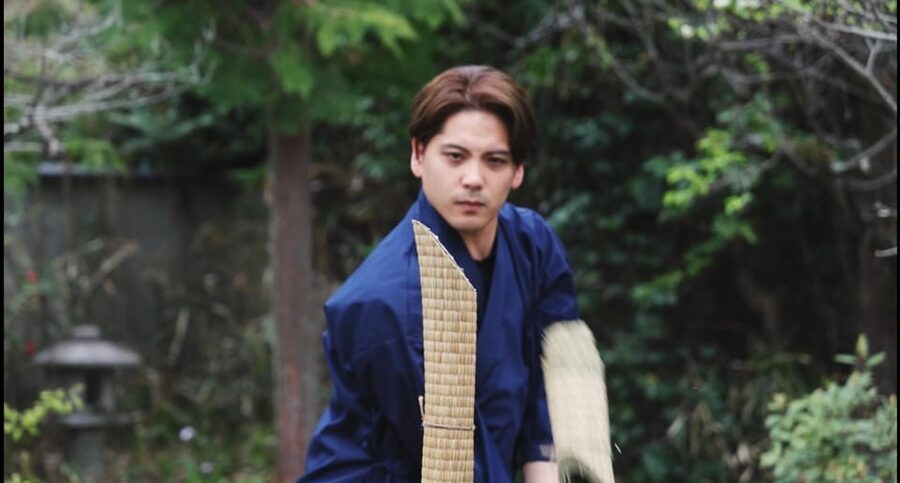
Once inside, you receive the uniform, shoes, and equipment needed for the class. Changing into the outfit is not treated as a quick costume change. The instructor explains how the clothing and protective pieces fit together, along with the etiquette connected to wearing them.
This is a good moment to slow down. The clothing changes how you stand and move, and the gear gives the lesson a physical quality that a simple sword demonstration would not provide. You begin to understand that kendo is not only about swinging a weapon. Posture, control, attention, and respect all matter.
The activity provides the uniform, footwear, and training gear, so you do not need to prepare anything special. Wear comfortable clothes underneath, and in colder months add a warm base layer. The dojo can be chilly, and some practice may take place outdoors. Warm socks are especially sensible.
Children under seven cannot take part. The class is conducted in English, and no previous kendo experience is required. The rules also prohibit alcohol and drugs, which is a basic but important point for any physical activity.
Learning the story behind the sword
Before practice begins, Taka-san explains samurai history, the place of the sword in Japanese culture, and the development of kendo. This part gives the activity more substance than a simple dress-up session.
The instructor’s approach is one of the strongest reasons to book. Taka-san is described as patient, funny, approachable, and very comfortable speaking English. He answers questions and adjusts his explanations for beginners. A second instructor may also assist, helping participants with clothing, equipment, and exercises.
The history lesson is not presented as a university lecture. It is tied to what you are doing with your hands and feet. When you learn how to hold a sword, you also learn why grip and posture matter. When you bow or follow a set sequence, you get a glimpse of the discipline and etiquette linked with kendo.
Some people will find this cultural background the most valuable part of the class. Others will be eager to get to the physical practice. The session generally keeps both elements moving, so you are not sitting through a long talk before touching the equipment.
Handling safe training swords
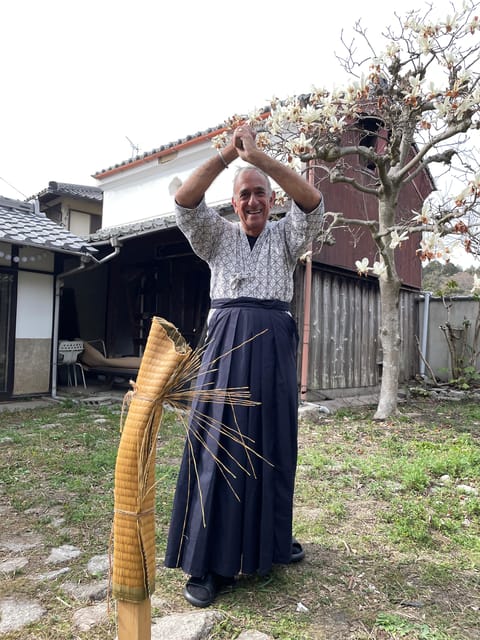
The next stage covers the basics: grip, stance, posture, footwork, and controlled sword movements. Depending on the exercise, you may work with bamboo swords, foam swords, or other safe training replicas. The equipment is selected for practice, not for cutting.
That distinction matters. This is not a sword-cutting workshop. Slicing tatami mats is no longer part of the activity, and one reason is that it is illegal. You may handle a katana-style replica and learn sword movements, but do not book this expecting to test a sharp blade.
The instruction focuses on control. You learn how to raise and move the sword, how to position your body, and how to perform basic strikes and blocks. The instructor demonstrates each action, then gives you time to repeat it. This makes the lesson accessible even if you have never held a sword before.
The class is active without being presented as a serious combat course. You will not become a trained kendoka in two hours. You will, however, gain a practical sense of how much discipline goes into a movement that may look simple in a film.
More Martial Arts Experiences in Kyoto:
- Kyoto: Japanese Archery Workshop with Experienced Instructor
★ 4.9 · 132 reviews - Kyoto 2 Hours Genuine Kendo / Samurai Experience In Japan
★ 5.0 · 57 reviews - Kendo and samurai experience in Kyoto
★ 4.5 · 47 reviews - Kyoto: Kendo Samurai Experience Tour
★ 4.7 · 33 reviews
Putting the techniques into practice
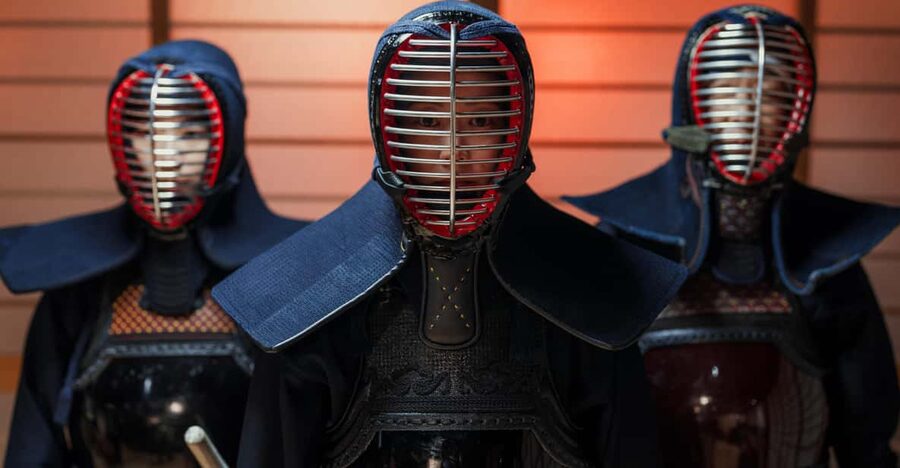
After the basic drills, the class becomes more interactive. You may practice with a partner using kendo swords or foam weapons, and several sessions finish with a light sparring exercise or friendly competition.
This is often the most playful part of the afternoon. It gives you a reason to remember the stance and footwork instead of simply copying the instructor once. The foam-sword format keeps the mood relaxed, while the protective gear and safety briefing help keep the activity controlled.
The sparring is also where the class may feel different from a museum demonstration. You are not only watching an instructor perform. You are trying to respond, keep your balance, and use the movement you have just learned. It can be funny and slightly awkward, which is part of the appeal.
Families and mixed-age groups can take part, provided children meet the minimum age. The instruction is designed for beginners, and the guide’s patient manner helps people who are less confident with physical activities. If you have an injury or any concern about handling equipment, ask the instructor before practice begins.
Photos, videos, and the final samurai pose
The instructor takes photos and videos during the session, giving you a record of the uniform, equipment, and sword practice. This is useful because it is difficult to take good pictures of yourself while holding a sword correctly.
The best images are likely to come from the actual setting rather than a staged studio backdrop. The wooden interior, courtyard, traditional clothing, and training gear all contribute to the look. If conditions allow, outdoor practice can be especially atmospheric. One winter session took place as snow began to fall, creating a memorable scene in the courtyard.
Keep in mind that the photos are part of the guided activity, not a separate professional photo shoot with a long list of poses. You should expect the instructor to help capture moments during the class. The main value is having images of yourself taking part, not receiving a large edited album.
What the $103 price includes
At $103 per person, this is not the cheapest cultural activity in Kyoto. It is also more substantial than a brief costume rental or a ten-minute sword pose.
Your fee covers about two hours of instruction, uniform rental, footwear, equipment, and gear. You also receive historical explanations, guided practice, and help with photos and videos. Since all the main equipment is supplied, there are few extra costs during the class.
I see the price as reasonable if you want an active cultural lesson rather than a passive show. The value comes from the combination of the old building, personal instruction, clothing, equipment, and practice time. It is less attractive if your only goal is one quick samurai photograph.
Replica swords are not included. They may be available for purchase, but you should treat that as an optional extra rather than part of the advertised price. The activity uses safe practice weapons, and you should not assume that a sword purchase is necessary or included.
Timing, transport, and useful preparation
The class lasts two hours, but allow more time around it. The meeting point can take effort to find, especially in a residential neighborhood with winding paths. Late arrivals can interrupt the lesson, so give yourself a generous buffer.
The large gate is an important landmark at the meeting point. Read the directions carefully and consider a taxi if you are coming from a train station. The out-of-the-way setting is one of the class’s charms, but it is not the kind of place where you want to rush in at the last minute.
For clothing, choose something comfortable and easy to change in and out of. Winter visitors should bring warm socks and a base layer because the dojo may be cold, and some practice can happen outside. In warmer weather, the gear and movement may make the class feel more physical, so light clothing underneath is sensible.
The activity is offered in English. Cancellation is free up to 24 hours before the start time, and you can reserve while paying later, which helps if your Kyoto plans are still shifting.
Who will enjoy this most
This class suits you if you want to take part rather than simply watch. It is a good choice for people interested in Japanese history, martial arts, traditional clothing, or unusual Kyoto activities. Solo visitors can join in, and families with children aged seven and over can make it a shared activity.
It also works well for first-time visitors who want cultural context without committing to a long museum tour. The two-hour length fits neatly between sightseeing plans, though the travel time to the residential area means it is wise not to schedule another timed attraction immediately afterward.
You may want to skip it if you are looking for a sharp-sword cutting demonstration, a polished theatrical show, or a luxury setting. The old dojo has character, but it can feel dusty, worn, or cold. The session is built around participation, not comfort or spectacle.
The most praised features are consistent: Taka-san’s humor and patience, the clear English explanations, the chance to wear the gear, and the friendly partner practice. The class succeeds because it joins those pieces together. You learn a little, move a lot, laugh at your own awkwardness, and leave with a better sense of what kendo asks of the body and mind.
Should you book the Kyoto kendo class?
Book it if you want an active, personal introduction to samurai culture and kendo. The $103 cost makes sense when you value hands-on instruction, supplied equipment, the historic setting, and photos from the session.
Before booking, be clear about three things: the building is old rather than polished, the location takes planning, and there is no tatami cutting. If those points do not bother you, this is a strong choice for a memorable Kyoto afternoon, especially if you enjoy learning through practice rather than just looking at displays.
FAQ
How long does the kendo and samurai activity last?
The activity lasts two hours.
How much does the experience cost?
The listed price is $103 per person.
Is the activity conducted in English?
Yes. The instructor speaks English, and the activity is offered in English.
Do I need previous kendo or sword experience?
No. The class is designed for beginners and includes instruction in basic grip, posture, movements, etiquette, and safety.
What equipment is included?
Uniform rental, shoe rental, equipment rental, gear rental, and instruction are included.
Are replica swords included in the price?
No. Replica swords are not included, though they may be available for purchase.
Where does the activity meet?
The meeting point is an old Japanese house with a large gate in Kyoto.
Can children take part?
Children under seven are not permitted to participate.
Can I cancel for a refund?
Yes. You can cancel up to 24 hours in advance for a full refund.
Just added around Kyoto
- Sekka Cotton Furoshiki Class★ 5.0 · 19 reviews
- Kyoto Sword Experience – includes Museum Ticket/Ninja Experience★ 4.5 · 149 reviews
- Scenic Green Tea Fields of Hidden Kyoto & Local Tea Exp (Private)★ 5.0 · 32 reviews
- Secret Eastern Kyoto Biking Adventure★ 5.0 · 44 reviews
- Private Sake Tasting in Central Kyoto with Sake Sommelier★ 5.0 · 32 reviews
- Samurai School in Kyoto: Samurai for a Day★ 5.0 · 202 reviews
- SHIRAKAWA Japanese Culture Experiences with private English staff★ 5.0 · 16 reviews
- A Privately Guided Photoshoot in Beautiful Kyoto by a Pro★ 5.0 · 18 reviews
Samurai Experiences, compared.
Browse the lists this tour appears in