
Reviewed · SUMO EXPERIENCES
Tokyo Ryogoku Sumo Morning Practice + Photo Shoot with Wrestlers
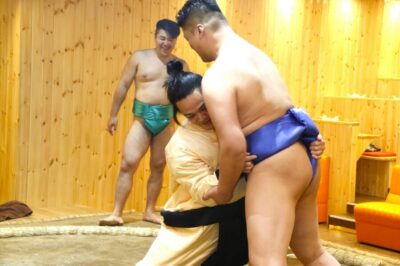
Sumo practice is not a staged show. You sit close to the ring on tatami flooring while wrestlers stretch, work through drills, and sometimes grapple in hard, full-contact bouts. That quiet, serious setting gives you a rare look at Japan’s traditional national sport before the public sees it in a tournament.
I like the close view of real training and the way a good guide turns unfamiliar rituals into something you can follow. I also like the small group, with a maximum of seven people, and the chance for a photo with wrestlers after practice if the stable allows it.
The main catch is simple: you may sit on the floor for more than an hour, stay silent, and follow strict stable rules. The stable can also change or cancel the practice at short notice, and photo access is never guaranteed.
Key points to know before booking
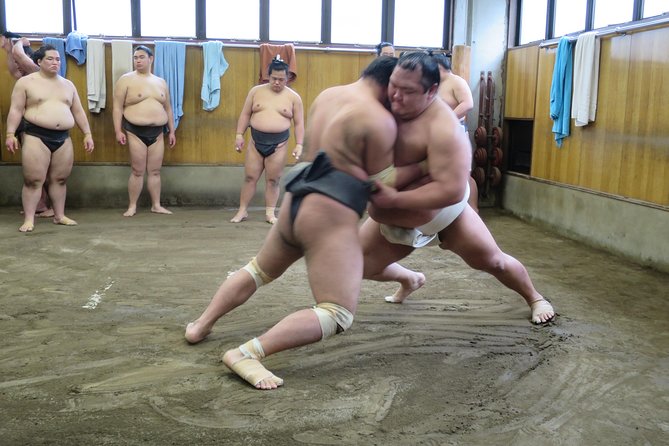
- Practice is genuine, not a tourist performance: You may see warmups, strength work, technique drills, and serious bouts between wrestlers.
- The stable changes: The walk from the station takes about 5 to 30 minutes, depending on which stable is available that day.
- Your seat is on the floor: Most stables provide no chairs, and late arrivals may sit two or three rows back.
- Guide quality matters: Guides including Mayu, Masao, Ayaka, and Yumiko have been praised for explaining sumo customs and training.
- Photos depend on permission: Practice photography and posed photos with wrestlers may be refused by the stable.
- Arrive early and use the toilet first: You must meet at 8:00 am, and you may not be allowed to leave during practice.
Why a sumo stable is more revealing than a tournament
A tournament gives you the grand version of sumo: banners, crowds, formal entrances, ranked bouts, and a full day of action. A stable shows the working side of the sport. You see wrestlers prepare their bodies, repeat techniques, wait their turn, and follow a strict routine.
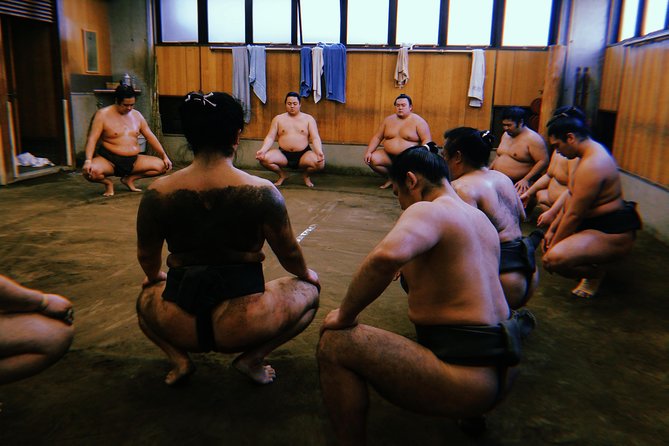
That difference matters. In the practice room, the focus is not on entertaining an audience. The wrestlers are training for their next tournament or maintaining their form. You may see them perform warmups and general exercises, then move into bouts that look intense because they are intense.
The setting also helps you notice details that can pass quickly during a tournament. You may see the importance of hierarchy, the care taken with hygiene, and the disciplined way the room operates. A guide can explain why wrestlers train in a certain order, how stables are organized, and what you are seeing when two wrestlers face one another.
This is a good choice if you already follow sumo and want to see its daily routine. It also works for a first introduction, provided you want culture and observation rather than a fast-moving sports event.
More Sumo Experiences in Tokyo:
- Tokyo: Sumo Show Experience with Chicken Hot Pot and a Photo
★ 4.8 · 6,678 reviews - Tokyo: Sumo Show and Dining Experience
★ 4.8 · 2,742 reviews - the SUMO show
★ 5.0 · 1,960 reviews
Meeting at JR Ryogoku Station at 8:00 am
You meet at the east exit of JR Ryogoku Station, near Re.Ra.Ku Ryogoku Ekimae. Your guide carries a red or orange MagicalTrip board. Pay close attention to the station detail: Ryogoku has both a JR station and a Ryogoku station on the Toei Oedo Line. The meeting point is the JR station, not the Oedo Line station.
I would arrive early. The tour begins at 8:00 am, and the group normally meets about 10 minutes before the start. If you arrive more than 15 minutes late, you can be refused entry with no refund or later replacement. That rule is especially important here because the group must enter the stable together and avoid disturbing practice.
The small group size is helpful at this stage. With no more than seven people, it is easier to hear the guide and stay together on the walk. It also limits the chance that the outing feels like a large organized crowd moving through a quiet neighborhood.
The walk through Ryogoku to an available stable
After meeting, the guide walks with you to a stable. The walk can take as little as five minutes or as long as 30 minutes, depending on which stable is available that morning. This is not a fixed sightseeing route, so you should not expect to visit the same building every time.
That variable walk is part of the practical tradeoff. The tour gives you access that can be difficult to arrange alone, but the exact stable and timing depend on the stables’ schedules, tournament calendar, and the wrestlers’ condition.
The guide normally explains what you are about to see before you enter. The strongest guide-led outings add useful context about sumo rules, stable rankings, wrestler life, and the structure of practice. Guides named Mayu, Masao, Ayaka, and Yumiko have each been singled out for clear explanations and a friendly manner.
The quality of the introduction can shape the whole morning. Without context, a visitor unfamiliar with sumo may see a series of powerful movements without knowing why they matter. With good explanations, you begin to notice the order of exercises, the seriousness of the room, and the difference between warmups and actual practice bouts.
Sitting quietly beside real morning training
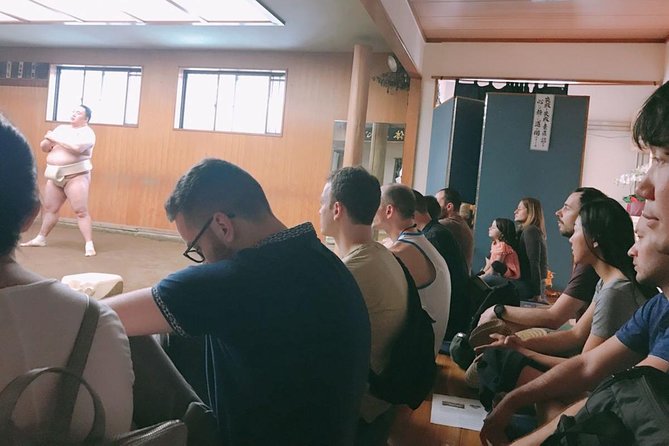
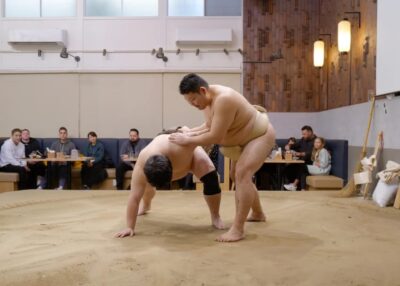
Once inside, you sit in the tatami-floored audience area. All other parts of the stable are off-limits. Most stables do not offer chairs, so expect to sit on the floor for around an hour and 20 minutes, though the practice can last longer.
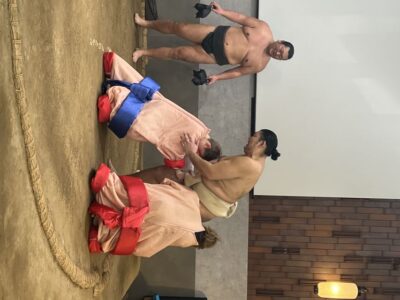
This is the heart of the outing. You may watch wrestlers stretch, warm up, practice general exercises, and work on techniques against one another. Some sessions include hard bouts that give you a close look at the physical force behind the sport. The distance can be surprisingly short, which makes the sound and power of each movement easy to appreciate.
You must remain quiet during practice. The stable is a working place, not a theater, and the rules are there to protect the wrestlers’ concentration. Photography and video may be restricted, even if another group at the stable appears to have different arrangements. Follow the instructions given to your group rather than assuming that every visitor has the same permission.
The seating is first come, first served. If your group arrives after others, you may sit two or three rows from the front. A front-row place is not sold as a separate option, so arriving on time is the best way to improve your position.
The floor seating deserves serious thought. If you have trouble sitting on tatami for a long period, this may be uncomfortable. You should also use the toilet before entering, since you may not be allowed to leave during practice.
More Morning Tours in Tokyo:
- Tokyo: Sumo Morning Practice Viewing Tour
★ 4.8 · 570 reviews - Tokyo: Sumo Morning Training Visit
★ 4.4 · 370 reviews - Tokyo: Sumo Morning Practice Tour at Sumida City
★ 4.8 · 308 reviews - Tokyo Sumo Morning Practice Tour at Stable
★ 5.0 · 298 reviews
What the guide adds to the morning
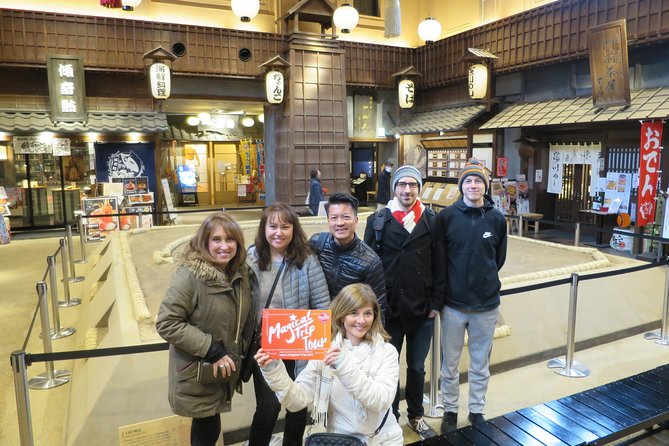
The best part of paying for this outing is not simply getting into the stable. It is having someone explain what you are seeing and help you behave properly in a place where normal sightseeing habits do not apply.
A good guide can explain the rules of sumo, how stables are ranked, and how wrestlers live and train. One guide, Yumiko, used written notes during practice to help explain details without speaking over the training. That is a smart approach because the room must remain quiet.
After practice, there may be a short chance to ask questions. Some sessions have included explanations of the wrestlers’ way of life, the business side of sumo, and the sport’s history. A few outings have also included a brief side visit to Eko-in Temple, though you should not assume this will be part of every departure.
There is a fair point of balance here. The practice itself is the reliable focus, while the amount of background information can vary by guide and by how much the stable allows the group to do. If you want a full lecture on sumo history, this may feel light. If you want a clear introduction followed by an intimate look at training, it can be just right.
Photos with wrestlers, only when the stable agrees
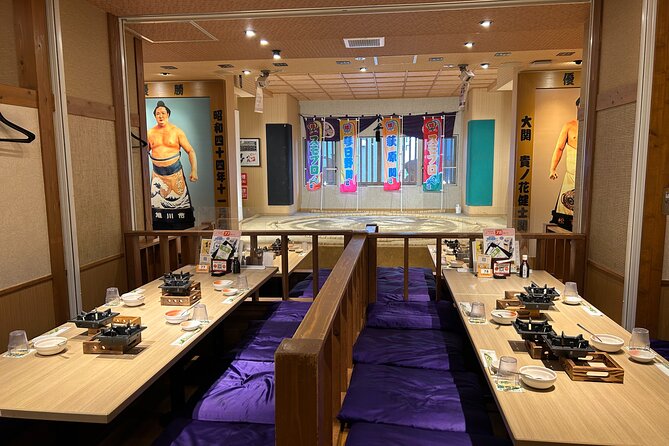
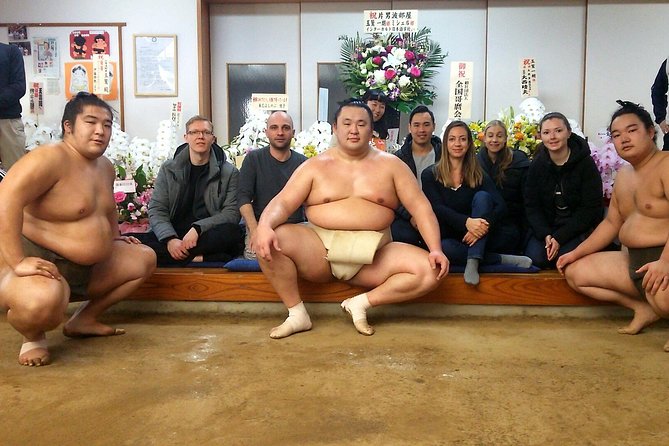
The tour includes photos, but that does not mean photos are guaranteed. Each stable decides if visitors may photograph practice or pose with wrestlers afterward. The stable can refuse for any reason, so you should treat the photo opportunity as a possible bonus rather than the main reason to book.
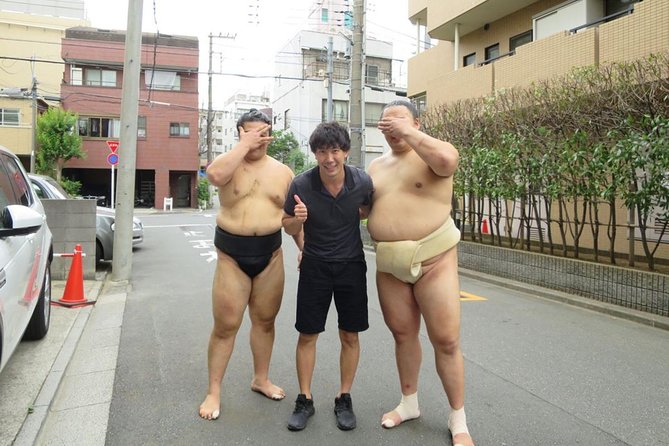
When permission is granted, the end of practice may include posed photos with wrestlers. Some sessions have allowed visitors to ask questions and stand with the athletes for a picture. That moment can be memorable because it comes after you have watched the work behind the public sport.
Rules may also change from one stable to another. You may be told to wear a mask, keep your hands still, or wait until practice ends before taking pictures. Do not compare your instructions with those given to another group. The guide is following the stable’s current rules, and the stable has the final say.
A short look at Ryogoku Kokugikan and sumo town
After practice, the guide walks you through Ryogoku, the neighborhood most closely tied to sumo in Tokyo. The listed stop at Ryogoku Kokugikan lasts about 10 minutes and does not include an admission ticket.
This is a brief orientation rather than a full museum visit or tournament. It helps place the stable within Ryogoku’s wider sumo setting. If you have never visited the area, that short walk gives the morning a little more shape instead of ending immediately outside the training room.
Some departures have included a nearby temple visit, while others have focused on the station, stable, and Kokugikan area. Listen carefully when the guide explains the next stop. A clear rundown would help, since it is possible to mistake a walk to another location for the return route.
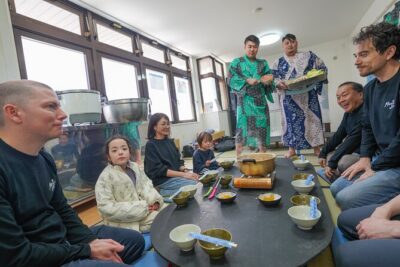
The tour ends back at the original meeting point near JR Ryogoku Station. There is no lunch included, despite one account of hot pot being available at the end of a particular outing. Do not book this expecting a meal.
Is $98.16 a fair price?
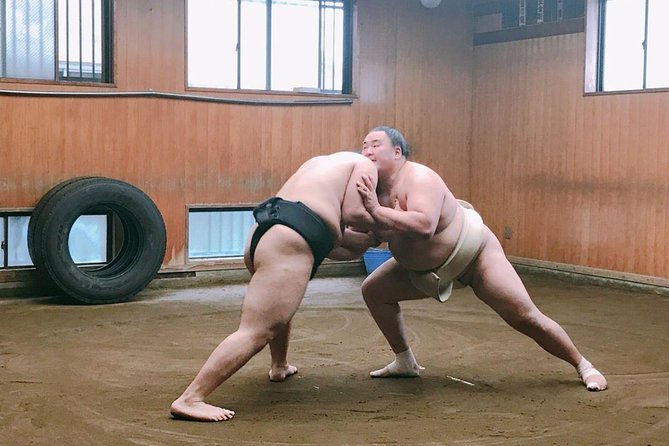
At $98.16 per person, this is not a cheap way to spend two hours. The price makes sense if you value the access, the small group, and the help of a local guide who can arrange entry and explain the customs.
The alternative is not always a simple free visit. Access to a stable can be difficult to arrange, stable schedules can change, and visitors must follow rules that are easy to misunderstand. Paying for the organized entry reduces that uncertainty, though it cannot remove every risk.
The value drops if you expect a polished show, guaranteed front-row seating, a long history lesson, or certain photos. You may arrive partway through a practice because training begins early. You may sit toward the back, receive only a short introduction, or find that the stable does not permit photography.
I would call the price fair for a sumo fan, a first-time visitor who wants a close cultural experience, or anyone unable to attend one of Tokyo’s official tournaments. It is less convincing for someone who only wants a quick photo or a broad sightseeing tour of Ryogoku.
Who will enjoy this, and who should think twice
You are a good match for this outing if you:
- Have a strong interest in sumo, Japanese customs, or sports training.
- Can sit quietly on the floor for at least an hour.
- Are comfortable with rules that can change on the morning.
- Want to see athletes working rather than performing for an audience.
- Are at least 12 years old.
Children under 12 cannot enter the morning practice. The activity is also a poor fit if you need frequent toilet access, dislike early starts, or expect a flexible arrival window.
Summer requires extra care. Tokyo can be hot and humid, so bring water and wear a hat for the walk. The tour is listed as requiring good weather, and poor weather can lead to a new date or a full refund.
The cancellation terms are simple: cancel at least 24 hours before the local start time for a full refund. Changes or cancellations within 24 hours are not refunded, and arriving late does not create a refund right.
Should you book the Ryogoku sumo practice?
Book it if you want the real working side of sumo and can accept a quiet, floor-seated morning with uncertain photo rules. The close range, small group, and chance to watch serious training are the reasons to go.
Skip it if you want a guaranteed photo, a comfortable chair, a fixed stable, or a detailed classroom-style history lesson. Before paying, make sure you can reach the correct JR Ryogoku Station early, sit on tatami for a long stretch, and accept that the stable may cancel or change plans.
For the right visitor, this is one of Tokyo’s more unusual sports and culture experiences. You are not watching a performance built for you. You are being allowed to observe a disciplined morning routine, quietly and respectfully.
FAQ
Where does the sumo morning practice tour meet?
Meet at Re.Ra.Ku Ryogoku Ekimae near the east exit of JR Ryogoku Station in Sumida City. Do not go to Ryogoku Station on the Toei Oedo Line. Your guide carries a red or orange MagicalTrip board.
What time does the tour start?
The tour starts at 8:00 am. You should arrive early because the group must leave on time, and visitors more than 15 minutes late may not be allowed to join.
How long does the tour last?
The scheduled duration is about two hours. The practice may last longer than expected, so the tour can finish later than the estimated time.
Can children join the sumo practice?
The activity is limited to people aged 12 and over. Children under 12 are not allowed inside the stable and will not receive a refund if they are denied entry.
Will I be able to take photos with the wrestlers?
Possibly, but photos are not guaranteed. Each stable decides if visitors may photograph practice or pose with wrestlers after the session.
Do I need to sit on the floor?
Yes, you may need to sit on tatami flooring because most stables do not provide chairs. You may be seated farther from the front if your group arrives after other groups.
What happens if the stable cancels practice?
The stable can change or cancel practice because of its tournament schedule or the wrestlers’ condition. If the tour is canceled for that reason, you will receive a full refund.
Just added around Tokyo
- Kawagoe Japanese Food Tour : Unagi Kaiseki and Sake near Tokyo★ 5.0 · 30 reviews
- Kawagoe 4hr Private Tour with Licensed Guide (Kawagoe Dep)★ 5.0 · 13 reviews
- Little EDO Sushi Making workshop in Kawagoe★ 5.0 · 18 reviews
- 【R34】Tokyo:Private Daikoku tour in Modified R34★ 4.9 · 92 reviews
- :Tokyo,Shibuya/ Pro Photography in Kimono / English-Friendly★ 5.0 · 26 reviews
- Tokyo:Celebrate Unique Japanese New Year Tradition Festivity★ 3.9 · 20 reviews
- Tokyo: Allstar Food Tour★ 4.7 · 29 reviews
- Tokyo: West-Side Cycling and Food Tour with Guide★ 5.0 · 37 reviews
Sumo Experiences, compared.
Sumo Show Experience with Chicken Hot Pot and a Photo
Our verdict →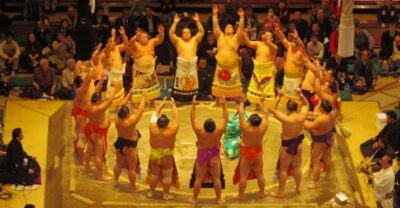
Authentic Sumo Experience in Tokyo: Enter the Sanctuary
Our verdict →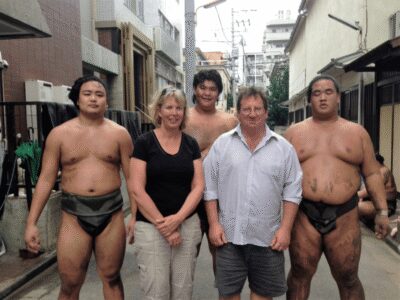

Browse the lists this tour appears in