
Reviewed · TEMPLES & SHRINES
Kyoto Wagashi(Japanese sweets) Cooking Class near Fushimiinari
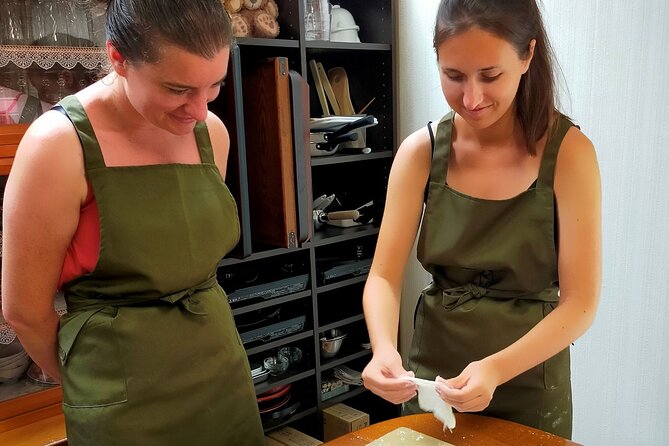
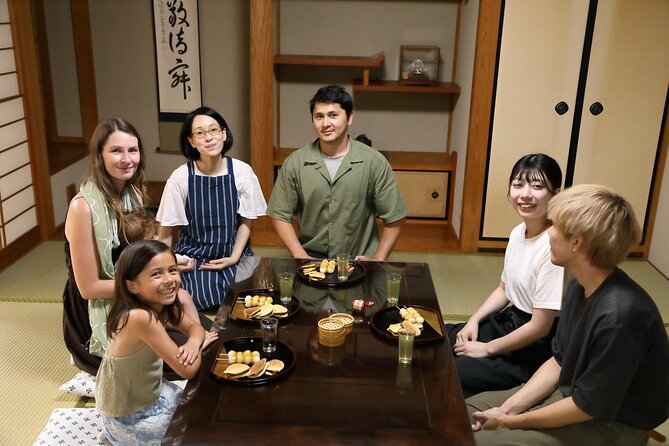
The most appealing part of this Kyoto class is the setting: you prepare three kinds of wagashi inside an authentic Japanese-style home, then sit in a traditional room with a garden view to eat what you made. It feels more personal than a large demonstration, and instructor Miho keeps the mood relaxed and friendly.
I like the small six-person limit, which gives you room to follow the techniques instead of simply watching. I also like that you leave with recipes, useful if you want to recreate the sweets for friends and family. The main consideration is the price, $79.26 per person, which is fair for a hands-on class but more than a quick market snack.
Key points to know before booking
- Three wagashi in about two and a half hours: You prepare several Japanese sweets rather than focusing on one recipe.
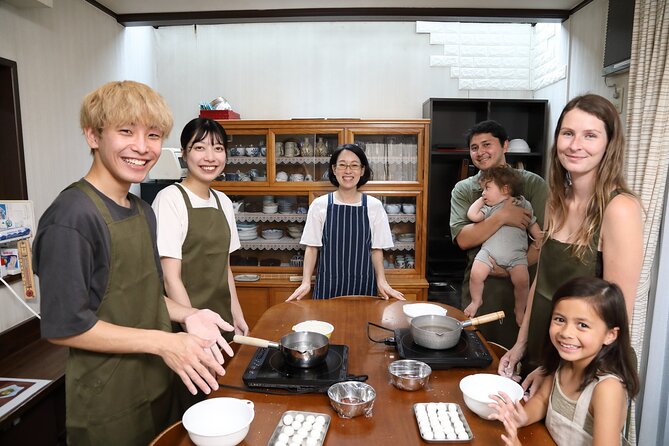
- A traditional home near Fushimi Inari: The class takes place in Japanese-style rooms, followed by tea and sweets beside a garden view.
- Small groups of up to six: You can cook alone or work with a partner, with demonstrations before each hands-on stage.
- Miho is a friendly host: Her class has been especially well received by families, teenagers, and first-time cooks.
- English instruction and take-home recipes: Licensed guide interpreters lead the class, and recipes are provided afterward.
- Vegetarian and vegan friendly: Tell the provider about dietary needs in advance.
Why this wagashi class feels different from a standard cooking lesson
Wagashi are not simply Japanese versions of Western pastries. Many are shaped, colored, and served with attention to the season, the tea ceremony, or the look of a flower, fruit, or character from Japanese popular culture. The appeal here is learning how these sweets are made with your own hands, not just buying a polished one from a shop.
The class begins in a traditional Japanese room. That first pause matters. You are not being rushed straight to a counter or crowded into a busy kitchen. The experience is designed to feel like being invited to a friend’s home for tea, which gives the lesson a quieter, more social rhythm.
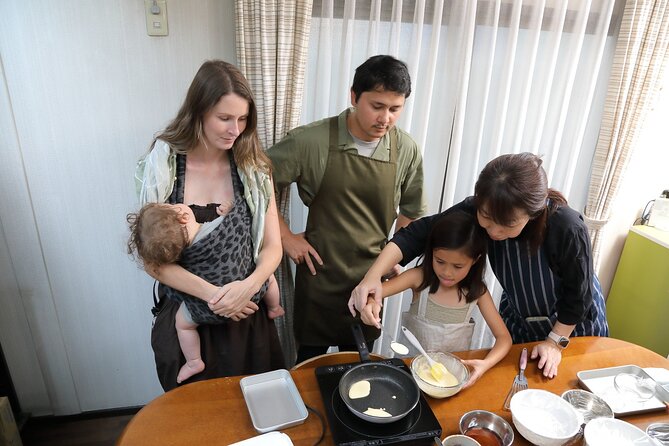
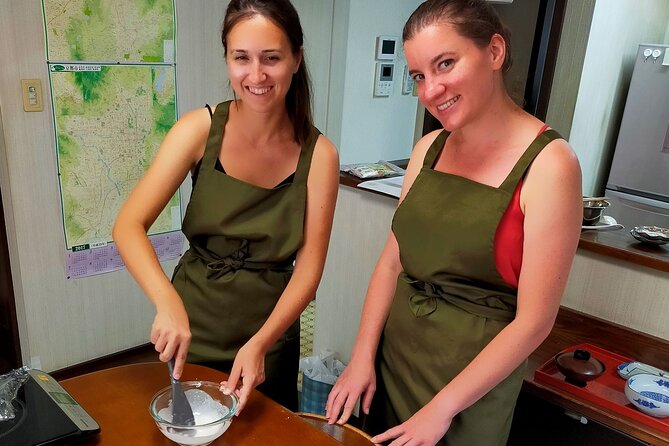
You then watch the instructor prepare the sweets. The demonstrations come before your own work, so you can see the order of the steps and the small techniques that are easy to miss in a written recipe. After that, you make roughly three types of wagashi yourself or with a partner.
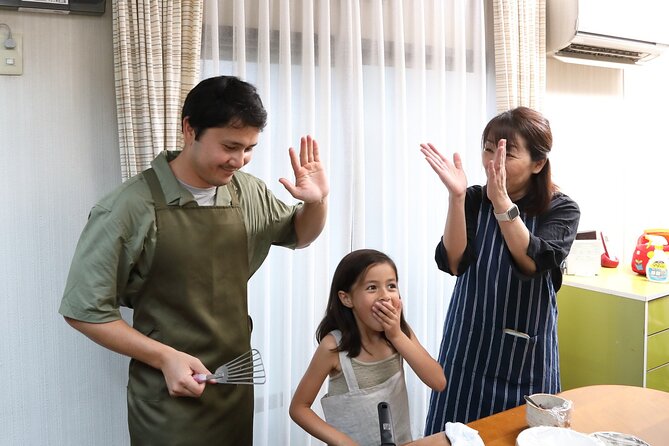
That format works well for mixed-ability groups. One family found that the teenagers produced better results than the adults, which is a useful reminder not to take the process too seriously. Wagashi can look exacting, but the class is meant to be relaxed, with plenty of room for mistakes and laughter.
More Cooking Classes in Kyoto
- Ramen Cooking Class at Ramen Factory in Kyoto
★ 5.0 · 1,937 reviews - Kyoto: Ramen Cooking Class at a Ramen Factory with Souvenir
★ 4.9 · 532 reviews - Kyoto: Ramen, Gyoza, and Onigiri Cooking Class
★ 5.0 · 445 reviews
A two-and-a-half-hour schedule with plenty of hands-on time
The experience lasts about two hours and 30 minutes. That is long enough to include instruction, preparation, eating, and conversation without turning into an all-day commitment.
Settling into the Japanese-style room
Your starting point is 38-4 Fukakusa Watamoricho in Fushimi Ward, near public transportation. The class ends at the same location, so you do not need to arrange a second pickup point or find your way across Kyoto after the lesson.
The house is part of the experience. You get a traditional room rather than a modern studio designed only for cooking, and the garden view gives the final tea session a calm setting. The exact garden details are not provided, so you should think of it as a pleasant view during tea rather than a separate sightseeing stop.
Watching the instructor’s demonstration
Before you begin, the instructor demonstrates the dishes and explains the process in English. The instructors are licensed guide interpreters, which should make it easier to understand both the practical steps and the cultural context.
Miho is the instructor named in the available feedback, and her teaching style comes across as warm and organized. That matters here because wagashi preparation may involve unfamiliar textures and methods. A clear demonstration gives you a visual guide before you handle the ingredients yourself.
The class is conducted entirely in English. The provider also says the format can accommodate English and non-English speakers, though the clearest benefit is for anyone comfortable following an English-language lesson.
More Sweets & Dessert Tours in Kyoto
- Kyoto: Japanese Traditional Sweets Making and Tea Ceremony
★ 4.4 · 314 reviews - Kyoto: Wagashi (Japanese sweets) Cooking near Fushimiinari
★ 5.0 · 40 reviews - Kyoto: Traditional Tea Ceremony with Matcha & Sweets in Gion
★ 4.9 · 27 reviews - Japanese Traditional Sweets ”Nerikiri” making
★ 4.3 · 17 reviews
Preparing three kinds of wagashi
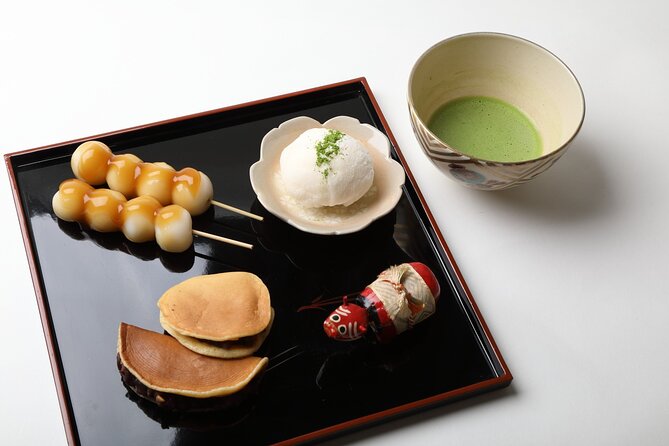
The central part of the class is making about three different Japanese sweets. The exact selection may vary, but mitarashi dango and a black sesame mochi are specifically mentioned in the available comments. Mitarashi dango is especially useful for understanding how a simple-looking sweet can depend on texture and sauce, while black sesame offers a distinctive nutty flavor that may be new to you.
You may work alone or with a partner. A solo participant can still join comfortably because the group limit is six, and the instructors want people who arrive alone to have a social experience. Couples, families, and teenagers also have enough structure to stay involved.
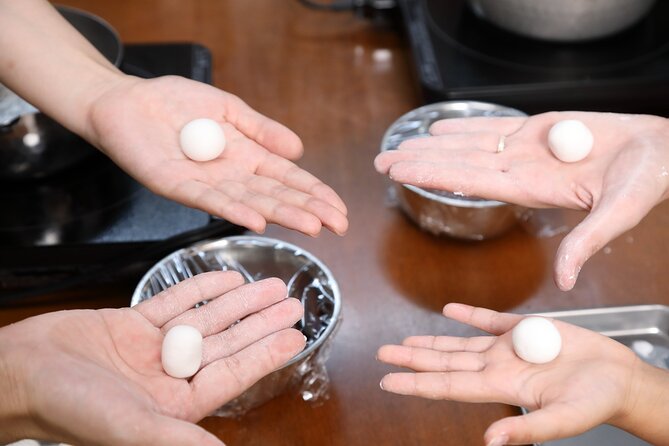
Do not expect a pastry-school production line. The point is to learn, shape, cook, and taste. Your finished sweets may not look exactly like the instructor’s, but that is part of the fun. The process gives you a better sense of why handmade wagashi can take patience and care.
Eating with matcha and a garden view
After cooking, everyone sits together in the traditional room to enjoy the sweets. Coffee or tea is included, and matcha is specifically part of the final serving.
This closing tea session is more than a snack break. It lets you compare the different sweets while the techniques are still fresh in your mind. You can also appreciate how wagashi are meant to be eaten slowly, often alongside tea rather than as a grab-and-go dessert.
The meal is not described as a full lunch or dinner. If you are hungry, plan to eat before or after the class. This is a sweets-making and tasting experience, not a complete Japanese cooking lesson.
The small-group setting is the real advantage
A maximum of six people is a strong feature for a practical class. You are less likely to lose sight of the demonstration, and the instructor has more chance to notice if you need help with shaping or preparation.
Small groups also suit families. One family described the class as particularly successful for teenagers, who ended up with better cooking results than their parents. That combination of clear instruction and a light atmosphere makes this a good choice for families who want an activity rather than another temple visit.
It also works for solo visitors. The setting is intimate enough to encourage conversation, but not so large that arriving alone feels awkward. If you prefer a busy, high-energy cooking school with a dozen or more participants, this will feel quieter than expected. For most people, that is an advantage.
What the $79.26 price buys you
At $79.26 per person, this is not the cheapest way to eat Japanese sweets in Kyoto. You could buy dango or mochi for far less. The value comes from the combination of instruction, ingredients, a traditional home setting, tea, and the chance to make three sweets yourself.
All cooking ingredients and seasonings are included, as are taxes and the English-speaking instructor. You also receive the recipes, which adds value after the class. A recipe you can prepare for friends and family gives the experience a life beyond one afternoon in Kyoto.
The price makes the most sense if you want an activity with a cultural and social side. It is less appealing if you only want to taste wagashi or if your schedule allows time for just one quick food stop.
The class is booked, on average, 29 days ahead. That suggests planning early, especially if you are visiting during a busy Kyoto season or need a certain date. The six-person limit naturally restricts capacity.
Why the recipes matter after you return home
Many food experiences end when the plate is empty. This one gives you recipes, so you can try the sweets again at home. That is particularly useful for black sesame mochi, which one participant enjoyed so much that it became a new favorite.
You should remember that recreating wagashi may depend on finding suitable ingredients and tools. The class provides what you need during the lesson, but no home equipment list is specified. Still, the recipes give you a starting point and help you understand the order of preparation.
This makes the class a good fit for people who enjoy sharing food with family. You can present the recipes as a small souvenir, then explain how you learned to make the sweets in Kyoto. The result is more personal than bringing home another packaged snack.
Dietary needs and the limits of the food information
Vegetarians are welcome, and the class is described as vegan friendly. You need to notify the provider in advance about dietary restrictions. Do not wait until you arrive, since the ingredients and recipes may need to be adjusted before the lesson.
The available information does not list every ingredient, allergen, or exact wagashi menu for each date. If you have a serious allergy, ask for detailed ingredient information before booking. The general vegetarian and vegan policy is encouraging, but it does not replace a specific dietary check.
The food is focused on Japanese sweets, not meat, seafood, or a broad meal. If you are looking for a class that teaches sushi, ramen, or a full multi-course menu, choose a different format.
Location near Fushimi Inari
The meeting point is in Fushimi Ward at 38-4 Fukakusa Watamoricho, Kyoto 612-0022, and it is near public transportation. The activity both starts and finishes there.
Being near Fushimi Inari makes this easy to pair with sightseeing in the area. You can plan the class around a visit to the shrine, but allow enough time to find the house and arrive without rushing. The address is specific, yet a traditional residential setting may require more attention than entering a large hotel or restaurant.
Hotel pickup and drop-off are not included. You are responsible for reaching the meeting point and returning to your accommodation. A mobile ticket is provided, which is useful when you are moving around Kyoto with your phone rather than carrying printed paperwork.
Who will enjoy this most
I would recommend this class to:
- Families looking for a hands-on activity suitable for teenagers
- Solo visitors who want a small social experience
- Couples interested in Japanese food traditions
- Anime and manga fans curious about sweets they may have seen on screen
- Home cooks who want recipes to use after returning home
- People who prefer a calm cultural activity over a large group tour
It is less suitable for anyone seeking a substantial meal, a broad Japanese cuisine course, or a class with a long sightseeing route. The focus stays on wagashi, tea, and the atmosphere of the house.
You should also consider your comfort with sweets. Three preparations plus tea can be a lot if you prefer savory food. The class offers an enjoyable look at Japanese dessert culture, but it is not designed for people who would rather cook a full meal.
Practical booking advice
Confirmation is received at booking, and the activity is offered with free cancellation up to 24 hours before the start time. Cancel at least 24 hours ahead for a full refund. Changes or cancellations made inside that window are not accepted for a refund.
The experience requires good weather. If poor weather causes cancellation, you are offered another date or a full refund. Since the class takes place indoors, the reason for the weather requirement is not explained, so keep an eye on the provider’s messages close to the date.
Book well ahead if possible. An average booking lead time of 29 days, combined with a six-person maximum, means last-minute spaces may be limited. Check the meeting address carefully and plan your transportation before the class day.
Should you book the Kyoto wagashi class?
Book it if you want to do more than sample Japanese sweets. The strongest reasons are the small group, the traditional home, the three hands-on recipes, and the quiet matcha session with a garden view. Miho’s friendly, organized approach also makes the class a sensible choice for families and first-time cooks.
At $79.26, the experience asks you to pay for instruction and atmosphere, not just ingredients. That is a good trade if you value personal contact and want recipes to take home. If you only want a cheap taste of wagashi, buy a sweet near Fushimi Inari instead.
For most visitors with an interest in Japanese food, this is a well-sized Kyoto activity: focused, practical, and easy to fit around sightseeing. Just reserve early, disclose dietary needs, and arrive ready to work with your hands.
FAQ
Where does the wagashi cooking class meet?
The class meets at 38-4 Fukakusa Watamoricho, Fushimi Ward, Kyoto, 612-0022, Japan. It is near public transportation and ends back at the same meeting point.
How long does the cooking class last?
The experience lasts approximately two hours and 30 minutes.
How many people can join the class?
The group has a maximum of six participants.
Is the class taught in English?
Yes. The class is conducted entirely in English, and the instructors are licensed guide interpreters.
Are vegetarian and vegan participants welcome?
Yes. Vegetarians are welcome, and the class is described as vegan friendly. You should tell the provider about dietary restrictions in advance.
What is included in the price?
The price includes ingredients, seasonings, an English-speaking instructor, all fees and taxes, coffee or tea, and the recipes for the sweets prepared during the class. Hotel pickup and drop-off and gratuity are not included.
More Temple & Shrine Tours in Kyoto
- Kyoto: Fushimi Inari, Kinkakuji, Bamboo Grove 1 Day Bus Tour
★ 4.8 · 4,316 reviews - Kyoto: Tea Ceremony in a Traditional Tea House in Kiyomizu
★ 4.9 · 3,519 reviews - Kyoto: Tea Ceremony Ju-An at Jotokuji Temple
★ 4.9 · 3,207 reviews - Fushimi Inari Hidden Hiking Tour (Private Option Available)
★ 5.0 · 1,750 reviews
Just added around Kyoto
- Sekka Cotton Furoshiki Class★ 5.0 · 19 reviews
- Secret Eastern Kyoto Biking Adventure★ 5.0 · 44 reviews
- Kyoto Sword Experience – includes Museum Ticket/Ninja Experience★ 4.5 · 149 reviews
- Scenic Green Tea Fields of Hidden Kyoto & Local Tea Exp (Private)★ 5.0 · 32 reviews
- Private Sake Tasting in Central Kyoto with Sake Sommelier★ 5.0 · 32 reviews
- Samurai School in Kyoto: Samurai for a Day★ 5.0 · 202 reviews
- SHIRAKAWA Japanese Culture Experiences with private English staff★ 5.0 · 16 reviews
- A Privately Guided Photoshoot in Beautiful Kyoto by a Pro★ 5.0 · 18 reviews
Temples & Shrines, compared.

Tea Ceremony in a Traditional Tea House in Kiyomizu
Our verdict →

Meiji Shrine, Asakusa, Skytree Bus Tour and Cruise
Our verdict →
Fushimi Inari Hidden Hiking Tour (Private Option Available)
Our verdict →
Osaka/Kyoto:Kinkakuji,Arashiyama,FushimiInariShrine,NaraPark
Our verdict →
Nikko: Kegon Falls, Lake Chuzenji & Toshogu Temple
Our verdict →
Kamakura & Enoshima Day Trip including Temple Tickets
Our verdict →Browse the lists this tour appears in