Reviewed · GUIDED
Kyoto 4hr Private Tour with Government-Licensed Guide
Kyoto is easier when someone else handles the choices, timing, and train connections. This private four-hour tour lets you pick two or three sights, then pairs you with a nationally licensed English-speaking guide who can explain the rituals, politics, architecture, and daily customs behind them. Guides such as Yuri, Yuka, Nabet, Tomy, and Akira have all been singled out for thoughtful planning and easygoing help.
I especially like the hotel pickup on foot and the freedom to use local buses, trains, or taxis instead of being locked into a large coach. I also like the human touch: guides have adjusted plans for children, rain, heat, tight schedules, and changing family energy. The main catch is simple: four hours is not enough for Kyoto’s long menu of sights, and admission fees and transportation are extra.
Key points at a glance
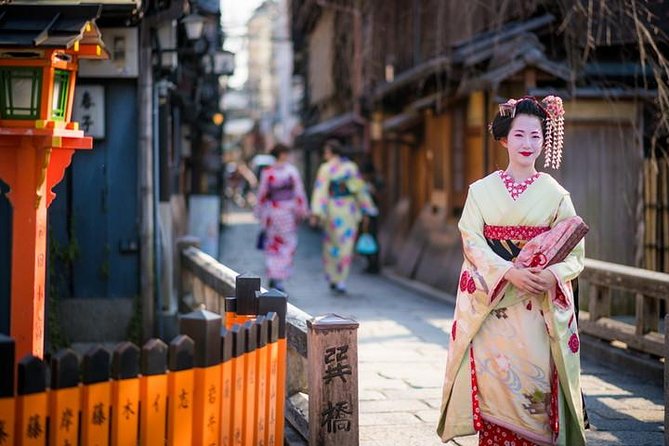
- Choose two or three sights: Focus on a few places instead of racing through Kyoto’s many famous temples.
- Meet at your hotel: Pickup is on foot within the designated Kyoto area.
- Use local transport: Trains, buses, walking, and taxis are available, while a private car costs extra.
- Expect a real private tour: Only your group participates, with no combining of different bookings.
- Guides help with Kyoto’s tricky logistics: They can handle transit, explain signs, and adjust the pace.
- Allow for walking: Hills, temple paths, stairs, and crowded streets can make four hours surprisingly active.
Why a private guide helps in Kyoto
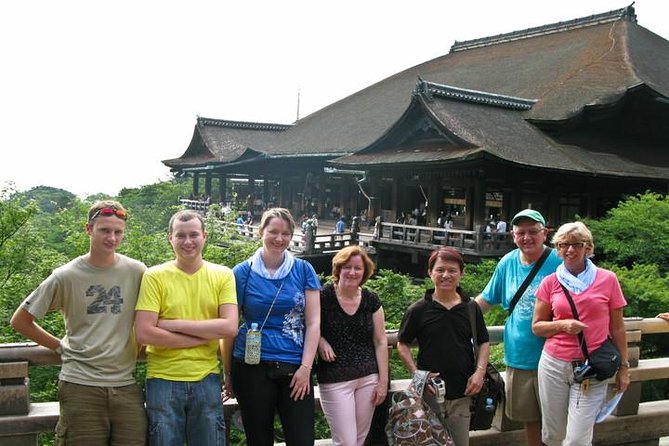
Kyoto looks manageable on a map, but its best sights are spread across the city. Fushimi Inari is in the southeast. Kinkaku-ji sits in the north. Arashiyama is far to the west, while Gion, Nishiki Market, and Kiyomizu-dera are closer together in the east and center.
A private guide helps you avoid building an impossible plan. Guides have arranged smart routes between selected sights, used trains and buses to save time, and called taxis when the group needed a break. That matters in Kyoto, where a short distance on the map can take much longer during busy periods.
You also get more than directions. A strong guide can explain why visitors bow, how a Zen garden works, what a shrine gate means, and how Kyoto fit into Japan’s political story. The best experiences described by the guides’ clients came from clear explanations, thoughtful answers, and a willingness to follow the group’s interests.
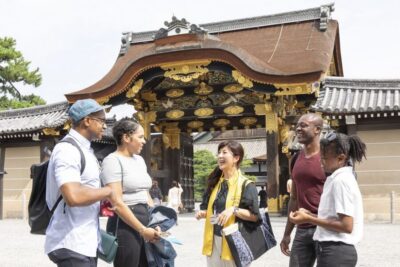
This is not a scripted bus tour. Your guide may bring pictures or other materials, point out a good photo spot, recommend a restaurant, help with a kimono rental, or adjust the plan when a child is tired. That flexibility is the central reason to choose this experience.
A few more Kyoto half-days worth comparing
- PERFECT KYOTO 1-Day Bus Tour
★ 5.0 · 13,518 reviews - Kyoto: Fushimi Inari, Kinkakuji, Bamboo Grove 1 Day Bus Tour
★ 4.8 · 4,316 reviews - Kyoto: Tea Ceremony in a Traditional Tea House in Kiyomizu
★ 4.9 · 3,519 reviews
Picking the right two or three Kyoto sights
The most important decision comes before the tour begins. With only four hours, you should group nearby places rather than try to cross the entire city.
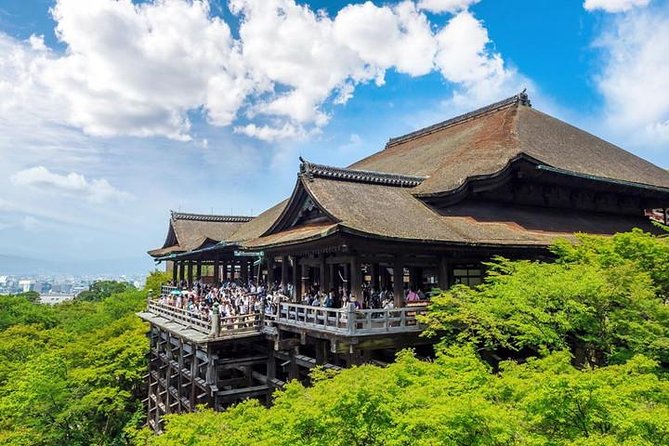
For a first visit, a strong eastern Kyoto plan could combine Fushimi Inari, Gion, and Kiyomizu-dera. Fushimi Inari gives you the famous red torii gates and a lesson in Shinto practice. Gion offers traditional lanes and old wooden facades. Kiyomizu-dera adds one of Kyoto’s major temple complexes and a broad city view.
Another practical choice is Fushimi Inari, Nishiki Market, and Nijo Castle. This mixes religion, food, and political history. It also gives you a more varied afternoon than visiting three temples in a row.
If you care most about classic photographs, choose Kinkaku-ji and Ryoan-ji, perhaps with Ninna-ji. These northern Kyoto sights work well together geographically. Kinkaku-ji is the gold-covered pavilion, while Ryoan-ji is famous for its spare rock garden. Ninna-ji adds an important Buddhist temple with a quieter feel.
Arashiyama deserves its own half-day. You can combine the bamboo groves with Tenryu-ji and the Togetsukyo Bridge, or choose Okochi Sanso Garden and one of the smaller hillside temples. Adding Fushimi Inari or Kiyomizu-dera to the same four-hour plan would likely make the day rushed.
For a less standard route, ask about Nanzen-ji, Ginkaku-ji, Tofuku-ji, Kennin-ji, or the quiet lanes of Higashiyama. Byodoin in Uji, Kibune, Kurama-dera, Katsura Imperial Villa, and Shugakuin Imperial Villa require extra travel or more planning. They can be excellent choices, but they are not sensible add-ons to a faraway temple.
Fushimi Inari and Kyoto’s southeastern shrines
Fushimi Inari-taisha is famous for its long tunnels of vermilion torii gates. The most photographed section can be crowded, especially later in the day, but the shrine is more than a quick photo stop.
A guide can explain the shrine’s stories, the role of Inari worship, and the meaning of the offerings and gates. You do not need to walk the entire mountain to get something from the visit. A good guide can help you decide how far to go based on your time, fitness, and interest.
Nearby Tofuku-ji is known for Zen architecture and autumn color. Toji, the old East Temple, connects to Kyoto’s early imperial period. These places may appeal if you want a quieter temple visit than Fushimi Inari, though entrance fees are not included where applicable.
Gion, Nishiki Market, and the old center
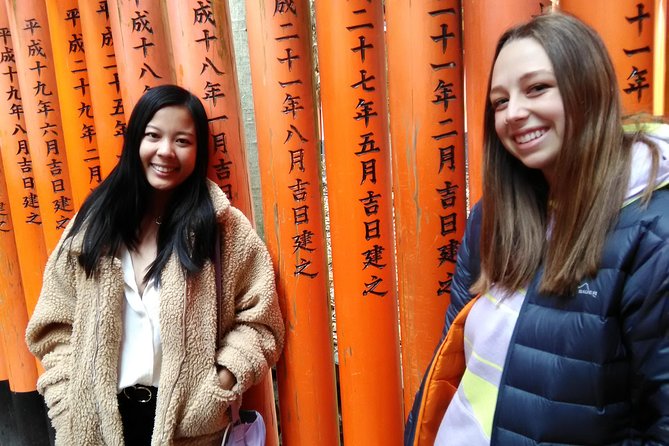
Gion can feel confusing on your own, especially if you are trying to understand which lanes are public streets, which buildings are restaurants, and where respectful photography matters. A guide gives the district context without turning the visit into a search for staged entertainment.
The area is best for atmosphere, architecture, and cultural explanation. Do not expect guaranteed sightings of geisha or maiko. The value is in learning how the district developed and noticing details you might otherwise pass.
Nishiki Market is Kyoto’s Kitchen, a narrow, five-block shopping street with more than one hundred shops and restaurants. It is a good place to learn about local ingredients and sample small foods, but it can be crowded and difficult for a large group to move through. Food purchases are your responsibility, and the market is not a substitute for a sit-down lunch if you are hungry.
Pontocho, just west of the Kamogawa River, is another atmospheric stop. Its narrow lane is lined with restaurants, and it works best as a walk-through or dinner-planning stop rather than a major daytime attraction.
More Private-Only Departures in Kyoto:
- Fushimi Inari Hidden Hiking Tour (Private Option Available)
★ 5.0 · 1,750 reviews - Private Kyoto Tour with a Local, Highlights & Hidden Gems, Personalised
★ 5.0 · 1,543 reviews - Kyoto 6hr Private Tour with Government-Licensed Guide
★ 5.0 · 1,369 reviews - 10 Must-see Spots in Kyoto One Day Private Tour (up to 7 people)
★ 5.0 · 1,108 reviews
Kiyomizu-dera and eastern Kyoto
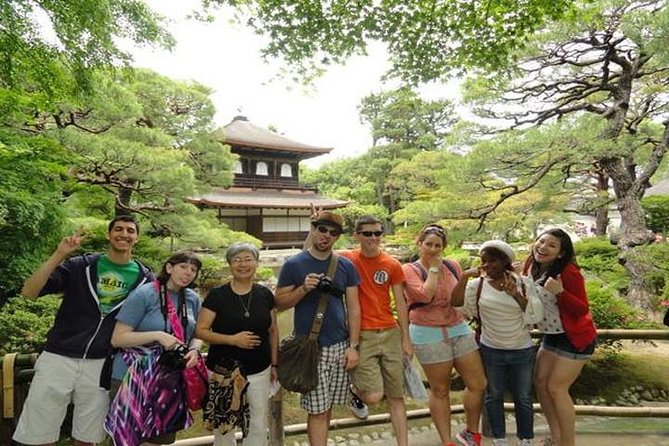
Kiyomizu-dera is one of Kyoto’s major temple visits. Its wooden structures, hillside setting, and approach through Higashiyama make it a strong choice for first-time visitors.
The approach streets can be busy, and the area includes slopes and steps. Comfortable shoes matter. If you combine Kiyomizu-dera with Gion or Kennin-ji, you can spend much of the time walking through old Kyoto streets rather than repeatedly boarding transport.
Higashiyama is especially useful for travelers who want traditional streets along with a temple. Kennin-ji, close to Hanamikoji and Shijo, offers spacious grounds and dry gardens. It can provide a calmer pause after the crowded lanes nearby.
Nijo Castle, the Imperial Palace, and Kyoto’s political story
Nijo Castle was built in 1603 as the Kyoto residence of Tokugawa Ieyasu, the first shogun of the Edo period. It is a strong choice if you want political history, painted interiors, and a sense of how military power operated in the imperial capital.
The Kyoto Imperial Palace tells a different story. It was home to Japan’s Imperial Family until 1868, when the capital and emperor moved to Tokyo. The palace grounds are spacious, so you should allow time to walk between buildings and gardens.
These two sites pair well for visitors who need a break from temple after temple. They also work well with Nishiki Market, though you should confirm the day’s timing with your guide because four hours disappears quickly.
Kinkaku-ji, Ryoan-ji, and the northern temples
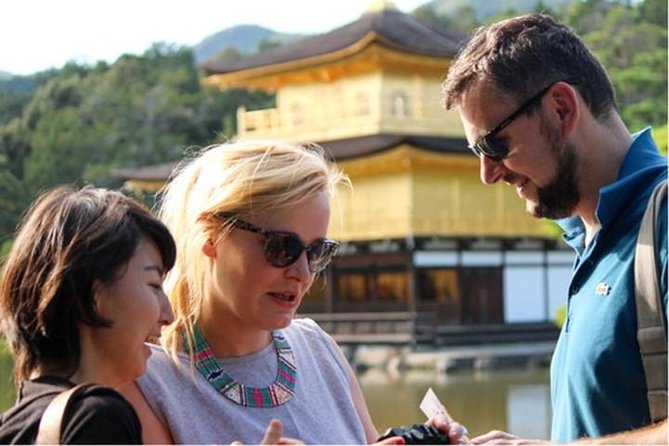
Kinkaku-ji, the Golden Pavilion, is one of Kyoto’s most recognizable sights. Its top two floors are covered in gold leaf, and the pavilion reflects across a pond in the surrounding garden. The visit is visually powerful but follows a set path, and large crowds can limit how long you linger at the best viewing points.
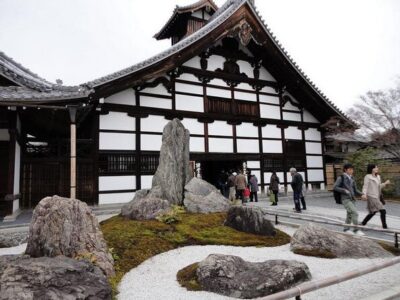
Ryoan-ji offers a very different experience. Its famous rock garden is spare and controlled, inviting you to sit and look rather than collect photographs. Your guide can explain the temple setting and help you understand why the garden’s simplicity has such a lasting appeal.
Ninna-ji, a World Heritage temple and head temple of the Omuro school of Shingon Buddhism, adds another layer of religious history. These three northern sites make a logical group, but entrance fees are extra and each visit needs enough time to feel worthwhile.
Arashiyama’s bamboo, gardens, and hillside temples
Arashiyama has been a destination since the Heian period, when court nobles came for its natural setting. Today it is popular and often crowded, but it still rewards a careful plan.
The bamboo grove is attractive in soft light and light wind, when the tall stalks sway above the path. The walk itself is not long, yet the area can feel congested. Tenryu-ji is the district’s major temple and a sensible companion stop.
The Togetsukyo Bridge is Arashiyama’s signature landmark. Okochi Sanso Garden, once the villa of actor Okochi Denjiro, offers gardens and buildings beyond the bamboo route, though its admission fee is separate.
If you want quieter temple scenery, ask about Jojakko-ji, Nison-in, Gio-ji, Adashino Nenbutsu-ji, or Otagi Nenbutsu-ji. These places have moss, forest paths, small halls, and distinctive stone figures. The drawback is distance. Several are uphill or require additional walking, so they are better for an Arashiyama-focused tour.
The northern mountains and special-access sites
Kibune and Kurama-dera take you into Kyoto’s northern mountains. They feel far removed from the central city and are better suited to people who have already seen the main sights or want a rural contrast.
Shugakuin Imperial Villa and Katsura Imperial Villa are important examples of Japanese garden and building design. They require more planning and extra travel time, so they should be chosen as the main purpose of the tour, not added casually.
Byodoin Temple in Uji is known for its Phoenix Hall, a National Treasure and World Heritage site. Since Uji lies outside central Kyoto, extra travel time is expected. It can be a fine choice if you specifically want to see the Phoenix Hall, but it is a poor match for a packed city highlights plan.
Transport, pace, and the true cost
The price is listed at $109.43 per person, before transport, entrance fees, lunch, and personal spending. For a solo visitor or a couple, that may feel high compared with a group walk. For a family or small private group, the value improves because the guide’s time and attention are shared only among your party, and group discounts may apply.
The tour includes a licensed local English-speaking guide and hotel pickup on foot within the designated area. You pay your own train, bus, taxi, and admission costs. A private vehicle is an upgrade, not part of the standard price.
Public transport is often the smart choice in Kyoto. Guides such as Yuri, Mizu, Tomy, and Junko have helped people handle trains, buses, signage, and transfers. Still, do not confuse this with a low-walking tour. One family covered more than 20,000 steps, and another group needed taxis when the heat became too much.
Tell your guide in advance about children, mobility concerns, heat, rain, or a preference for food and gardens. The tour can adapt, but only if your priorities are clear.
Who should book this Kyoto tour?
I would choose this tour if you have one short day in Kyoto, dislike planning train routes, or want cultural explanation instead of a list of photo stops. It is also a good fit for families, first-time visitors, and people who want to shape the day around a particular interest.
It may not suit you if you want a fixed vehicle, guaranteed entry to every attraction, or a slow visit to many temples. Four hours gives you a focused introduction, not a full survey of Kyoto.
The provider has a 4.9 rating from 629 ratings, with 97 percent recommending the experience. Individual guide quality can still vary, and one lower-scoring account raised concerns about historical explanation and language clarity. That is a useful reminder to communicate your expectations early and request the kind of guide or subject matter that matters most to you, when possible.
Should you book it?
Book this tour if you want Kyoto to make sense quickly and prefer a flexible day to a rigid sightseeing loop. Send your guide a short wish list before arrival, then choose two or three sights that fit together.
For the best result, pick one major landmark, one cultural district, and one quieter or food-focused stop. Wear comfortable shoes, carry water and some yen cash, and leave room for transport delays. If you accept the extra costs and the walking, this is a practical way to turn a short Kyoto visit into a personal introduction rather than a hurried checklist.
FAQ
How long is the Kyoto private tour?
The tour lasts approximately four hours.
How many sights can I choose?
The included plan allows you to choose two or three sites from the available selection.
Is the tour private?
Yes. Only your group participates, and different tour groups cannot be combined.
Is hotel pickup included?
Yes. The guide meets you on foot at the front door of your hotel within the designated Kyoto pickup area.
Is a private vehicle included?
No. The standard tour uses walking, public transportation, or taxis. A private vehicle can be arranged for an additional cost.
Are transportation fees included?
No. Train, bus, taxi, and other transportation fees are paid separately.
Are admission fees included?
No. Entrance fees are generally not included. Guide entry fees are covered only for sights listed under the tour details.
Is lunch included?
No. Lunch and other personal expenses are not included.
Can children and most adults participate?
Most people can participate, and service animals are allowed. The experience is a walking tour, so expect some walking, hills, and possible stairs depending on your chosen sites.
What is the cancellation policy?
You can cancel for a full refund up to 24 hours before the experience begins. Cancellations or changes made less than 24 hours before the start time are not accepted for a refund.
Just added around Kyoto
- Sekka Cotton Furoshiki Class★ 5.0 · 19 reviews
- Kyoto Sword Experience – includes Museum Ticket/Ninja Experience★ 4.5 · 149 reviews
- Scenic Green Tea Fields of Hidden Kyoto & Local Tea Exp (Private)★ 5.0 · 32 reviews
- Secret Eastern Kyoto Biking Adventure★ 5.0 · 44 reviews
- Private Sake Tasting in Central Kyoto with Sake Sommelier★ 5.0 · 32 reviews
- Samurai School in Kyoto: Samurai for a Day★ 5.0 · 202 reviews
- SHIRAKAWA Japanese Culture Experiences with private English staff★ 5.0 · 16 reviews
- A Privately Guided Photoshoot in Beautiful Kyoto by a Pro★ 5.0 · 18 reviews
Guided, compared.
Shinjuku Local Bar and Izakaya Guided Walking Tour
Our verdict →
Kyoto Early Morning Tour with English-Speaking Guide
Our verdict →
Tokyo 4hr Private Tour with Government-Licensed Guide
Our verdict →