
Reviewed · GEISHA & MAIKO EXPERIENCES
Kyoto: Gion Night Walking Tour with Geisha Insight
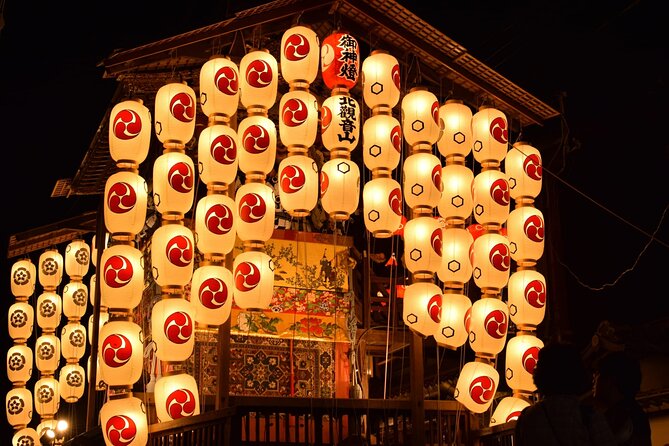
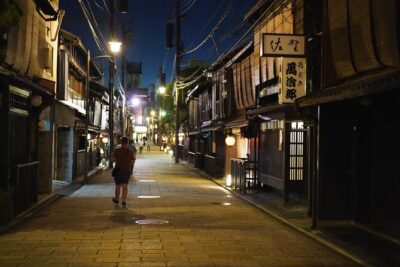
Gion after dark is Kyoto at its most atmospheric. Lanterns glow beside wooden teahouses, willow trees hang over the Shirakawa Canal, and narrow lanes lead away from the crowds. This tour gives you a guide, a small group, and a useful introduction to the customs behind the geisha district.
I like the two-hour route because it covers both old Gion and the modern Shijo-Kawaramachi area. I also like the practical food advice, which can be more useful than another list of landmarks. The main caution is simple: seeing a geisha or maiko is possible, not guaranteed, and you should not expect a photo opportunity.
Key points at a glance
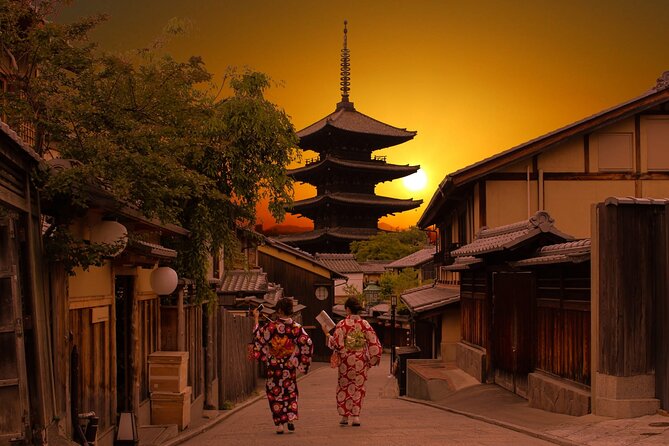
- Hanamikoji Street after dark: Walk Kyoto’s best-known geisha-district street beside traditional wooden teahouses.
- Shirakawa Canal and Tatsumi Daimyojin Shrine: See a quieter side of Gion, with stone lanes, red bridges, willow trees, and a small shrine.
- Geisha etiquette explained: Learn how to identify real geisha and maiko, and how to behave respectfully if you see one.
- Two different Kyotos: Move from historic Gion to the shops, bars, eateries, and alleys around Shijo-Kawaramachi.
- Small-group format: The group is capped at 15 people, making it easier to hear the guide and ask questions.
- Good low-cost introduction: At $25 per person, the tour offers local orientation and context without taking up a full evening.
Starting beside Tanaka Coffee in Gion
The tour begins at Tanaka Coffee Gion, at 993 Shinchisu Yoshicho in Kyoto’s Higashiyama Ward. You return to this same meeting point at the end, so the route is a loop rather than a one-way walk that leaves you finding your own way back.
A mobile ticket keeps the arrival process simple. You receive confirmation when you book, and the group can include up to 15 people. That is not a private walk, but it is still small enough for a guide to explain details without shouting across a crowd.
Plan on a full two hours, and wear shoes suited to ordinary city walking. The route includes stone-paved alleys and backstreets, and evening light can make uneven surfaces harder to see. The information does not specify the exact walking distance, so you should be ready for steady movement rather than a series of long stops.
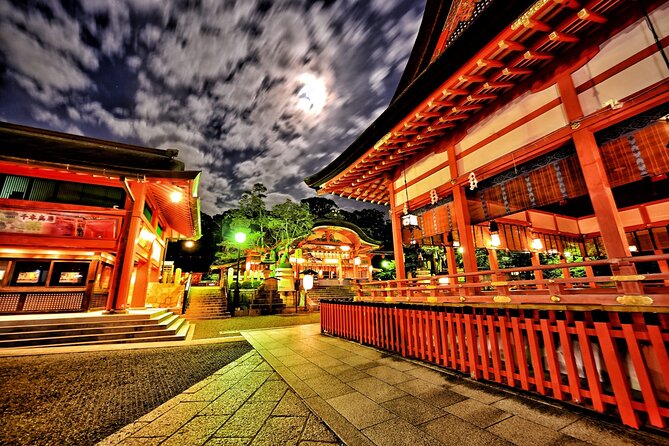
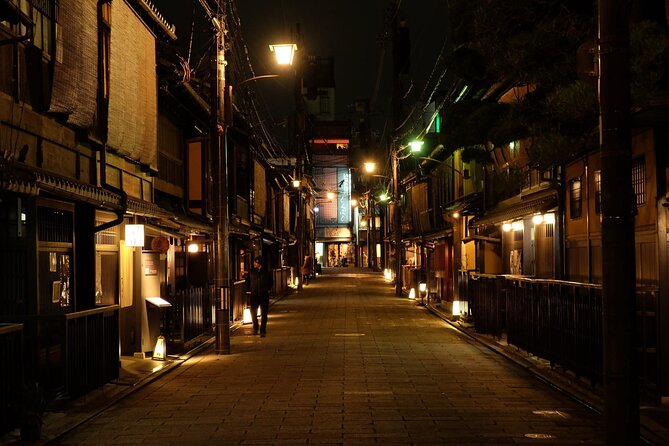
The timing is the real reason to choose this outing. Gion changes after sunset. The streets become quieter, the wooden facades look more striking under lantern light, and the district’s working life becomes easier to imagine. At the same time, darkness limits photography, so this is better for atmosphere and explanation than for collecting bright, detailed pictures.
More Walking Tours in Kyoto
- Kyoto Geisha Walking Tour: Gion District & Hidden Gems
★ 4.7 · 3,273 reviews - Kyoto: Gion Magical Night Walking Tour with Geisha Trivia
★ 4.9 · 2,393 reviews - Kyoto: Gion Geisha District Walking Tour – Stories of Geisha
★ 4.7 · 2,187 reviews
Hanamikoji Street and the working world of Gion
The first part of the walk takes you along Hanamikoji Street, the central road through Kyoto’s geisha district. Traditional wooden teahouses, called ochaya, line the route. These are not simply decorative old buildings. They form part of the setting where geisha and maiko entertain clients through music, dance, conversation, and formal hospitality.
Your guide’s role here is important. Without context, Hanamikoji can look like a beautiful street of closed doors. With an explanation of what happens behind those doors, you gain a clearer sense of why the area is quiet, private, and carefully managed.
Guide Ryu has been singled out for explaining geisha traditions and practices clearly. That praise points to the strongest part of this experience: the cultural background. If you are curious about the difference between a geisha and a maiko, the guide can explain what to look for rather than leaving you to guess from clothing alone.
You should also adjust your expectations about sightings. The tour can teach you how to recognize a real geisha or maiko and may help you understand where one might appear on the way to an evening appointment. But the timing is beyond the guide’s control. A sighting is luck, not a promised part of the product.
That distinction matters. Some people book a Gion night walk mainly to take a picture of a geisha. This tour is a poor choice if that is your only goal. You should treat any sighting as an unexpected bonus and the cultural explanation as the main event.
Shirakawa Canal, red bridges, and quieter lanes
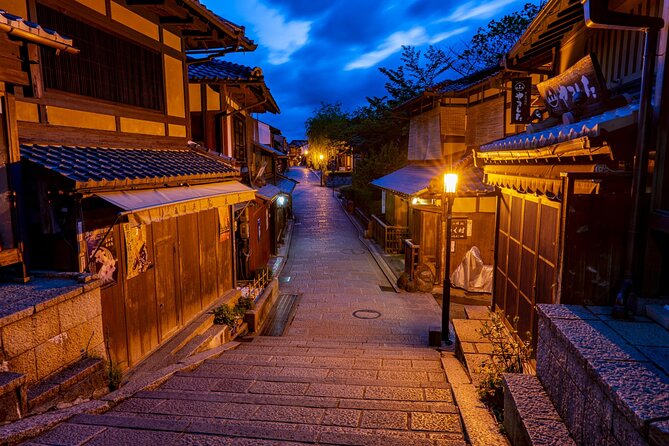
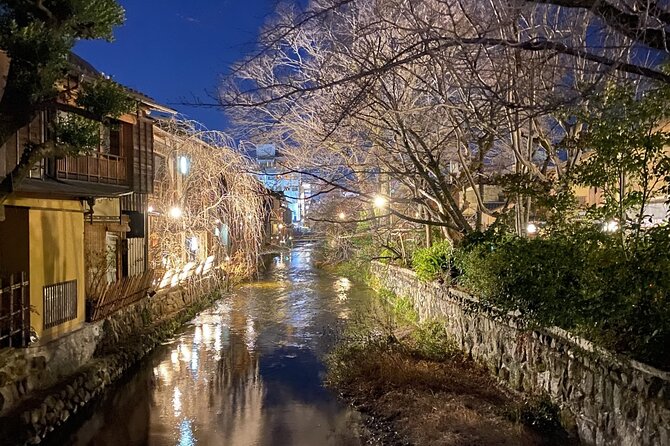
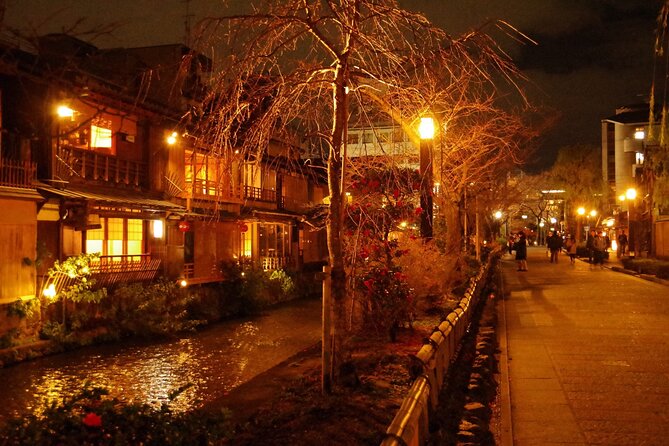
From Hanamikoji, the route continues toward the Shirakawa Canal. This area offers a change of pace. Water, willow trees, red bridges, stone paving, and traditional buildings create one of the most scenic corners of Gion.
The canal area is especially appealing at night because the narrow setting keeps the focus close. You are not looking across a huge square or trying to absorb a grand view. You are following a small line of water through a district shaped by old streets and wooden houses.
This is also where a guide helps you avoid wandering past the best corners. Gion’s lanes can be confusing, and a map does not always explain why one short street feels more special than another. You can concentrate on the details instead of stopping every few minutes to check your phone.
There is a trade-off. Night walking gives the canal and alleys a calm mood, but it is not ideal for photography. One disappointed participant found the route too dark for pictures and had expected more contact with geisha. If you want strong images, visit Gion in daylight as well. If you want an evening walk with stories and scenery, the darker setting is part of the appeal.
A pause at Tatsumi Daimyojin Shrine
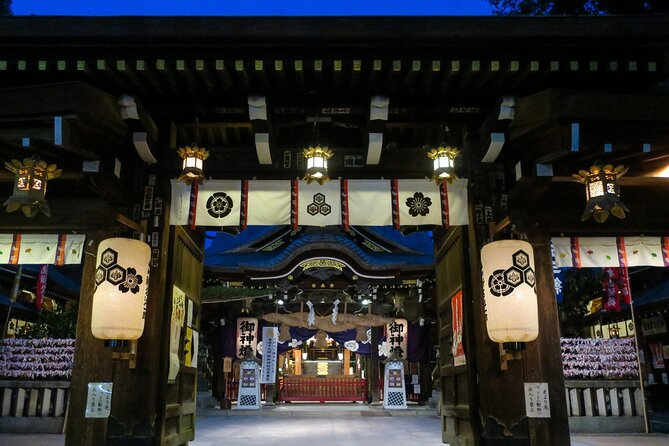
Tatsumi Daimyojin Shrine is a small shrine tucked into Gion’s backstreets. It is not presented as a vast temple complex or a major ticketed sight. Its value comes from its scale and location.
A stop here gives you a brief break from the better-known streets. You can see how religious spaces fit into the neighborhood rather than treating Kyoto’s shrines as isolated attractions reached only by bus or train. The shrine also helps explain the layers of Gion, where daily life, entertainment, architecture, and religious practice sit close together.
Admission is included because this is a walking route rather than a tour built around paid entrances. That helps keep the price down. You are paying mainly for the guide’s route, local explanation, and recommendations, not for a long list of admission tickets.
Do not expect a lengthy ceremony or an extended formal visit. The stop is part of a moving walk, and the first Gion section lasts about an hour. Its strength is the setting and the connection to the surrounding lanes.
More Geisha Experiences in Kyoto:
- Best of Kyoto: Gion, Geisha, Pagodas & Cobblestones
★ 4.9 · 2,058 reviews - Night Walk in Gion: Kyoto’s Geisha District
★ 4.5 · 2,003 reviews - Kyoto Gion Geisha District Walking Tour – The Stories of Geisha
★ 5.0 · 1,441 reviews - Kyoto Gion: 2-Hour Geisha Culture & History Walking Tour
★ 5.0 · 1,186 reviews
From old Gion to Shijo-Kawaramachi
The second hour shifts toward Kawaramachidori and the Shijo-Kawaramachi intersection. This is where Kyoto’s older character meets its modern city life.
The contrast is useful. Gion can give you the impression of a carefully preserved entertainment quarter, with wooden facades and discreet entrances. Around Shijo-Kawaramachi, you find a more active city center, with eateries, bars, shops, and people moving through the evening.
The guide takes you beyond the main intersection into backstreets known for small restaurants, cozy bars, and old machiya houses. These lanes may help you choose where to eat after the tour. The food advice is one of the clearest practical benefits included in the price, especially if you do not want to spend your evening guessing among tourist-oriented restaurants.
Keep the wording in perspective. You receive insider recommendations, not a meal, reservation, tasting, or food tour. The value depends on how much you use the advice afterward. If you are happy to explore restaurants on your own, this feature may matter less. If you want a few local ideas before dinner, it can save time.
This section also gives the guide room to explain how the neighborhood has changed. The walk connects Kyoto’s old machiya houses and entertainment streets with the modern commercial center. You get a more useful picture of the city than you would from seeing Gion alone.
What the $25 price really buys
At $25 per person, this is an inexpensive guided introduction to one of Kyoto’s most confusing and culturally sensitive districts. You are not paying for a luxury experience or an exclusive geisha performance. You are paying for about two hours of navigation, explanation, and local suggestions.
I consider the price fair for first-time visitors who want orientation. Gion is easy to reach, but it is not always easy to read. A guide can point out the meaningful streets, explain the role of ochaya, identify the difference between geisha and maiko, and lead you to the canal and shrine without wasted turns.
The small group cap of 15 improves the value. A group that size still has a shared-tour feel, but it should be easier to hear and ask questions than on a large bus outing. If your group wants a private pace or long personal conversations with the guide, this is not that product.
The price also leaves room in your evening budget for dinner. Since the walk finishes back at its starting point, you can use the guide’s food suggestions afterward. The booking details list gratitude as not included, which appears to refer to a tip, so allow for a voluntary gratuity if you feel the guide earned one.
The geisha question, handled honestly
Geisha and maiko are working professionals, not street performers placed in Gion for tourist photographs. That is why the tour’s advice on respectful behavior matters.
You are told how to spot a real geisha and maiko, and where you might have a chance of seeing one heading to an evening appointment. If that happens, keep your distance, do not block the lane, and do not treat the person as a public attraction. The tour does not include a meeting, performance, or guaranteed sighting.
This point should be clear before you book. One low-scoring experience came from someone who expected geisha contact and photography, then felt let down when the guide explained that sightings were unlikely and that guests should not photograph or speak to them. That criticism reveals a mismatch between expectation and reality more than a flaw in the walking route itself.
The right reason to book is curiosity about Gion and its traditions. The wrong reason is a promise of a geisha photograph. If you accept that difference, the tour has a better chance of meeting your expectations.
Who will get the most from this walk
I would recommend this tour to a first-time Kyoto visitor who wants a gentle introduction to Gion without spending half a day on a formal cultural program. It suits people who prefer local context, short stops, and practical advice over a long lecture.
It is also useful for anyone staying near central Kyoto who wants a planned evening route. You can see Gion, cross into the Kawaramachi area, and finish where you started. The route gives you enough structure to get your bearings, then enough free time afterward to choose dinner or continue exploring.
You may want something else if photography is your priority. Darkness can make it difficult to capture the canal, wooden buildings, and passing figures. You may also want a different experience if you expect a performance, tea ceremony, meal, or guaranteed geisha encounter. None of those are included.
The walk should suit most people because the participation information says most can take part. Still, the exact walking distance is not provided, and the route uses streets and alleys. Anyone concerned about walking comfort should contact the provider before booking.
Booking details worth keeping in mind
The tour normally sells about 31 days before the date, so popular evening slots may be worth arranging ahead. You receive confirmation at booking, and a mobile ticket is available.
Free cancellation applies if you cancel at least 24 hours before the start time. Cancellations inside that window are not refunded, and changes are not accepted. The cut-off uses Kyoto local time. The experience also needs a minimum number of participants, so if the provider cancels for that reason, you receive a different option or a full refund.
The return to Tanaka Coffee Gion makes the end point easy to plan around. You are not left at Kawaramachi wondering how to get back to the start. That is a small detail, but it matters after two hours of evening walking.
Should you book the Gion night walk?
Book it if you want a low-cost, guided look at Gion’s streets, shrines, canal, and geisha customs. The strongest reasons are the clear cultural explanation, the manageable two-hour length, the small group limit, and the food recommendations for afterward.
Skip it if your main goal is a guaranteed geisha sighting or bright night photography. You should also choose another activity if you want food included or a formal geisha performance.
For most first-time visitors, I would book this as an orientation walk early in a Kyoto stay. Use the guide’s advice to return to places that interest you, and keep your expectations grounded. Gion is worth seeing for its streets and working culture, not just for the chance of spotting someone in white makeup and formal dress.
FAQ
How long does the Kyoto Gion night walking tour last?
The tour lasts approximately two hours. About one hour is spent in Gion, followed by about one hour around Kawaramachi and Shijo-Kawaramachi.
Where does the tour begin and end?
It begins at Tanaka Coffee Gion, at 993 Shinchisu Yoshicho in Kyoto’s Higashiyama Ward. The tour ends back at the same meeting point.
Is seeing a geisha or maiko guaranteed?
No. The guide explains how to spot real geisha and maiko and where you might have a chance of seeing one, but a sighting is not guaranteed.
What places are included on the walking route?
The route includes Hanamikoji Street, the Shirakawa Canal area, Tatsumi Daimyojin Shrine, Kawaramachidori, the Shijo-Kawaramachi area, and local backstreets.
How many people can join the tour?
The activity has a maximum of 15 participants.
Can I cancel for a full refund?
Yes, if you cancel at least 24 hours before the experience starts. Cancellations or changes made less than 24 hours before the start time are not accepted for a refund.
Just added around Kyoto
- Sekka Cotton Furoshiki Class★ 5.0 · 19 reviews
- Kyoto Sword Experience – includes Museum Ticket/Ninja Experience★ 4.5 · 149 reviews
- Scenic Green Tea Fields of Hidden Kyoto & Local Tea Exp (Private)★ 5.0 · 32 reviews
- Secret Eastern Kyoto Biking Adventure★ 5.0 · 44 reviews
- Private Sake Tasting in Central Kyoto with Sake Sommelier★ 5.0 · 32 reviews
- Samurai School in Kyoto: Samurai for a Day★ 5.0 · 202 reviews
- SHIRAKAWA Japanese Culture Experiences with private English staff★ 5.0 · 16 reviews
- A Privately Guided Photoshoot in Beautiful Kyoto by a Pro★ 5.0 · 18 reviews
Geisha & Maiko Experiences, compared.
Kyoto Geisha Walking Tour: Gion District & Hidden Gems
Our verdict →
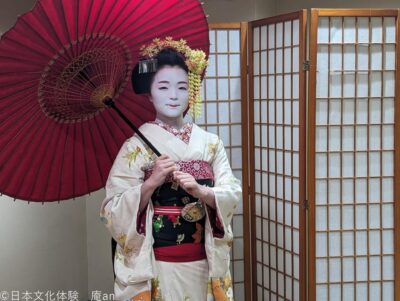
Dinner with Maiko in a Traditional Kyoto Style Restaurant Tour
Our verdict →
Browse the lists this tour appears in