
Reviewed · FOOD TOURS
Kyoto: Gion Local Food Tour (Taste 15 Dishes)
Kyoto’s Gion district is best understood one bite at a time, and this evening tour gives you a useful shortcut to local-style eating. You move from yakitori and izakaya dishes near Kawaramachidori to tonkatsu in Gion, then finish with sushi and tempura near Gion Shirakawa.
I like the wide food range and the help with ordering, translation, and local customs. I also like the chance to hear about Kyoto beyond the plate, including Shinto details at Yasaka Shrine when the route and timing allow. The main concern is consistency: some evenings may feel like a generous food crawl, while others may lean heavily on chicken skewers or include fewer restaurant stops than expected.
Key points at a glance
- Fifteen dishes in three hours: You get a broad introduction to Kyoto food rather than one long meal.
- Three distinct food settings: The route covers izakaya-style dishes, tonkatsu, sushi, and tempura.
- Two drinks are included: This suits an evening meal, not just a quick tasting walk.
- Guides make ordering easier: Ryu, Misaki, Jay, Yu, Lemonie, Liu, and Yo have all led this experience at different times.
- A small-group format: The maximum is 15 people, though the actual group may be smaller.
- Food quality can vary by night: The strongest part is often the guide and cultural context, but the menu may not match every diner’s idea of a special Kyoto meal.
Why this Kyoto food walk works
At $94 per person, this is not a bargain meal. It is priced as a guided evening outing that combines food, translation, local context, and a route through some of Kyoto’s most atmospheric streets.
The value depends on what you want from dinner. If you already speak Japanese, know Kyoto’s food scene, and enjoy choosing your own restaurants, you may spend less by eating independently. If you are new to Japan, a little unsure about menus, or want a social introduction to local dining, the guide can save you time and remove much of the guesswork.
You receive 15 local dishes and two drinks, which is enough food for dinner for most people. A few diners have found the portions so generous that they could not finish everything. At the same time, the advertised number of dishes does not necessarily mean 15 completely different, carefully prepared specialties. The first stop may include several chicken-based items, so anyone expecting 15 distinct Kyoto delicacies should set expectations carefully.
The high overall score, 4.9 out of 5 from 171 ratings, reflects the fact that the tour often succeeds as a friendly, easygoing night out. The 96 percent recommendation rate is strong, but the lower ratings point to real issues with meeting instructions, restaurant confirmations, and menu variety. I would treat the tour as a social food introduction, not as a high-end culinary tasting.
More Food Tours in Kyoto
- Kyoto Night Foodie Tour in Gion (9+ dishes + 6 Sake tastings)
★ 5.0 · 1,762 reviews - Kyoto Nishiki Market Food and Culture Walking Tour
★ 5.0 · 412 reviews - Kyoto: Gion Food Tour 13 Dishes at 4 Eateries
★ 5.0 · 408 reviews
Starting near Kawaramachidori at 6:30 p.m.
You meet at Doutor Coffee Japan, inside the Kawaramachi New Tokyo Building at 391 Komeyacho, Nakagyo Ward, Kyoto 604-8026. The start time is 6:30 p.m., and the activity returns to this same meeting point at the end.
This location matters because Kyoto’s central streets can be confusing, especially after dark. Give yourself extra time to find the coffee shop and check the building address carefully. One poor evening began with confusion over a changed meeting time and difficulty finding the meeting place, while other participants received clear updates through WhatsApp and the booking platform. The practical lesson is simple: check your messages on the day of the tour and confirm the start time before leaving your hotel.
The route is divided into roughly one-hour sections. That gives you enough time to eat without rushing, though the evening may involve short walks between stops. A guide such as Jay can be useful here, especially when the streets are crowded and you are trying to keep up with the group.
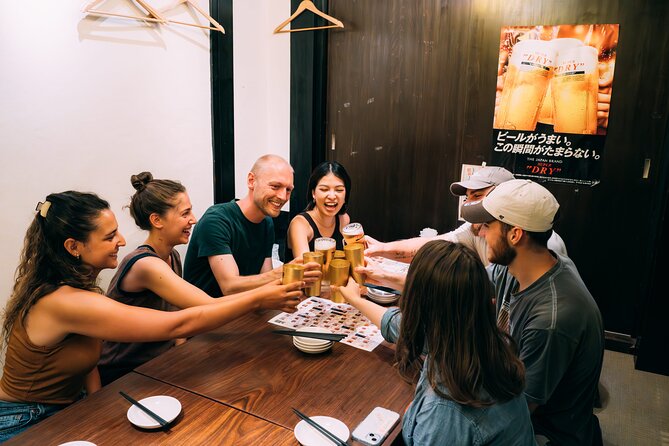
The maximum group size is 15. That is not an intimate private tour, but it is still manageable for a food walk. Some outings are much smaller, which can feel more like an evening with new friends than a formal tour. Your guide handles ordering and translation, so you are not left trying to explain preferences through a menu or phone app.
First stop: yakitori and the everyday izakaya
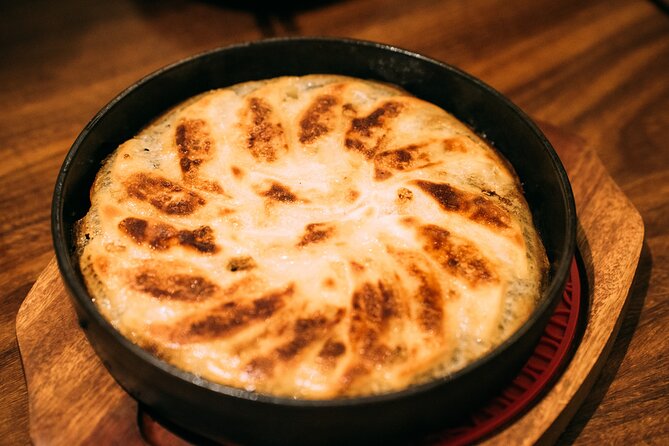
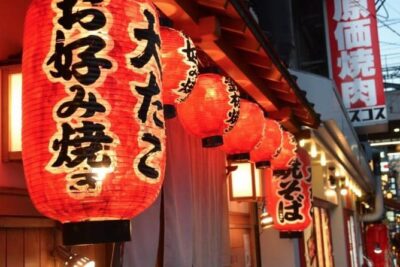
The first stop is near Kawaramachidori and focuses on yakitori, or grilled chicken skewers, along with other izakaya-style dishes. This is the part of the evening that most clearly shows how many Japanese people eat casually after work or during a night out.
I like this start because it is informal and easy to understand. You may sample several small plates and skewers rather than sit down to one large entrée. That lets you see how Japanese dining often works through shared dishes, small portions, and a steady flow of food.
The guide can explain what you are eating, how the ordering works, and which parts of the chicken or seasoning you might be trying. Several guides have received especially warm praise for their personal approach. Ryu has been described as a strong host, while Leo was noted for being flexible and easy to spend an evening with. Liu helped explain not only the food but also when local people eat certain dishes and how a typical night out can unfold.
The drawback is that this stop may dominate the food count. The tour promises 15 dishes, but a critical account described the first 11 as inexpensive chicken skewers from a casual chain and said that the evening included only two restaurants. That does not describe every outing, and the stated itinerary includes three food stops, but it is a fair warning for anyone expecting a carefully paced series of unrelated specialties.
If you enjoy grilled chicken, simple pub food, and seeing an ordinary side of Japanese dining, this stop may be just right. If you are looking for refined kaiseki, unusual regional dishes, or a parade of expensive ingredients, this is not that kind of tour.
A walk through Gion and Yasaka Shrine
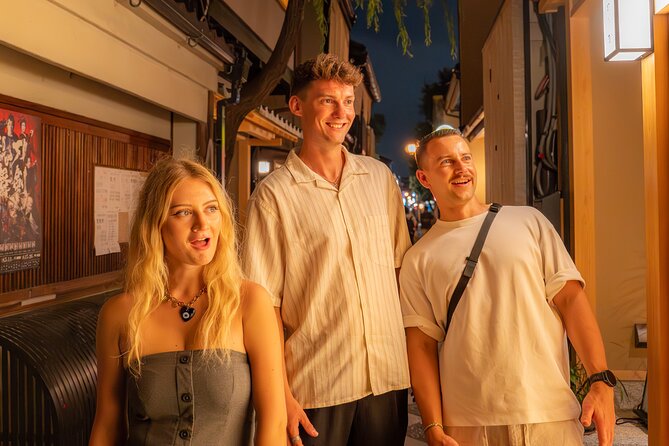
The route may include a walk toward Yasaka Shrine while the next food stop is being prepared. One guide, Ryu, used this time to explain Shinto and the meaning of writing on the shrine lanterns.
This is one of the tour’s better ideas. A food tour can easily become a series of restaurant tables with no sense of place. A short walk through Gion gives you a chance to connect the meal with Kyoto’s streets, shrines, and evening rhythm. It also lets your stomach catch up before the next course.
You should not assume that a full shrine visit is guaranteed on every departure. It appears to depend on timing and the guide’s route. Still, the possibility adds useful cultural context and breaks up the eating.
Keep your group together during this section. Gion’s streets can be crowded, and the tour returns to the same general central area at the end. Comfortable shoes are sensible, even though the walk is not presented as a strenuous activity.
Same trip, a completely different kind of day:
- PERFECT KYOTO 1-Day Bus Tour
★ 5.0 · 13,518 reviews - Kyoto: Fushimi Inari, Kinkakuji, Bamboo Grove 1 Day Bus Tour
★ 4.8 · 4,316 reviews - Kyoto: Tea Ceremony in a Traditional Tea House in Kiyomizu
★ 4.9 · 3,519 reviews - Kyoto Geisha Walking Tour: Gion District & Hidden Gems
★ 4.7 · 3,273 reviews
Second stop: tonkatsu in Gion
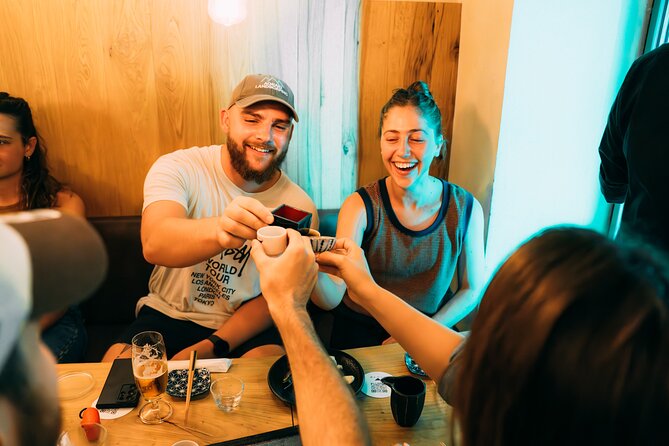
The second stop centers on tonkatsu, a breaded and deep-fried pork cutlet. It is crisp, savory, filling, and more substantial than the small skewers served earlier.
This course helps give the evening some balance. After several bites of grilled food, a hot pork cutlet feels like a proper meal. The tour description also refers to pork cutlets served on skewers, so the exact presentation may vary by restaurant or guide. Either way, this is familiar Japanese comfort food rather than an elaborate restaurant tasting.
The stop also shows why a guide can be useful. Japanese restaurants may have limited English, and menu choices can be unclear if you do not know the difference between similar items. A local guide can place the order, explain what is arriving, and keep the meal moving.
Some accounts describe this stop as a welcome change after the first restaurant. Others suggest that the overall food was fairly standard. That is a useful distinction. Standard does not mean poor, but it does mean you should book this for access, explanation, and company as much as for rare dishes.
Final stop at Gion Shirakawa: sushi and tempura
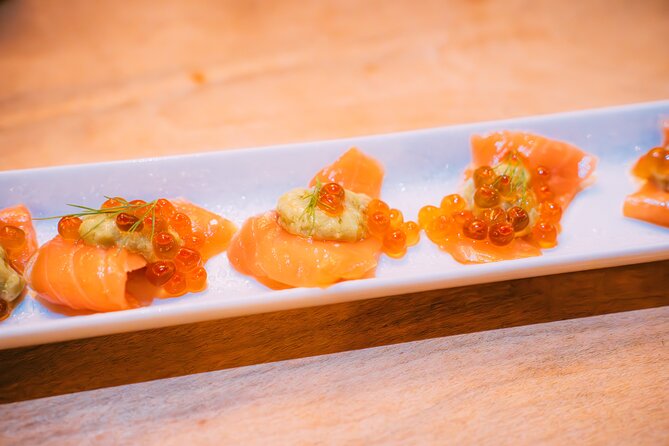
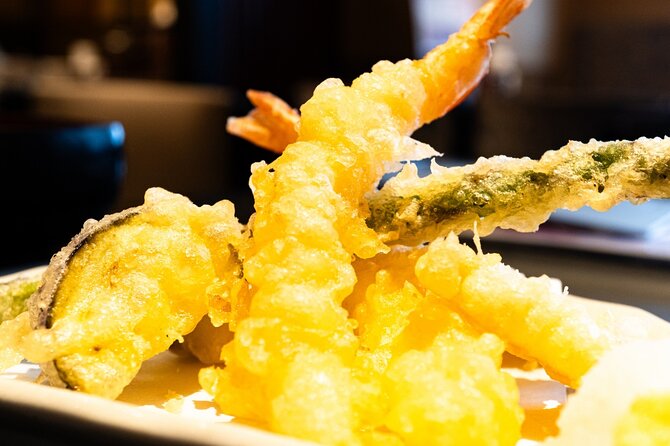
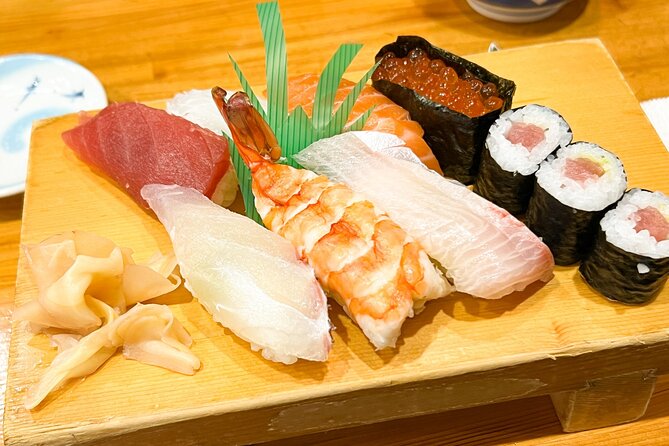
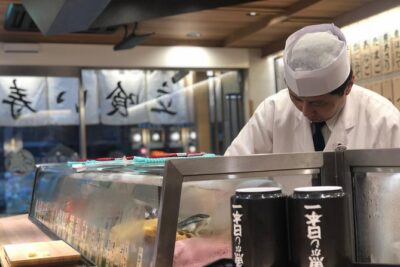
The final stop is around Gion Shirakawa, where you are served sushi and tempura. These are two of Japan’s best-known foods, and ending with both gives the tour a familiar finish.
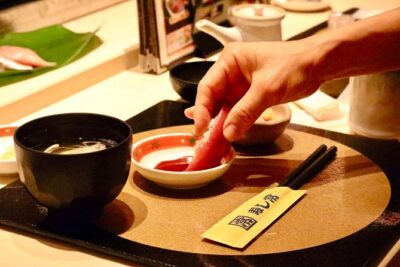
Sushi offers a chance to try several pieces in a guided setting, while tempura brings a hot, crisp contrast. The exact fish, vegetables, and preparation are not specified, so do not book this expecting a particular premium ingredient. The strength is the pairing of two major Japanese food styles in one sitting.
This stop can also make the tour feel more complete. You begin with casual grilled food, move into a hearty pork dish, then finish with seafood and fried vegetables. It is a broad sample of Japanese eating, even if it is not a deep study of Kyoto cuisine.
Some positive accounts describe the third stop as including sushi, tempura, and sake. The official inclusion is two drinks, but the type of drink is not fixed in the information provided. If a particular drink matters to you, ask before booking rather than assuming it will be sake.
The activity ends back at the original meeting point. That makes it easier to continue your evening in central Kyoto or return to your accommodation, though no onward transport is included.
The guides make more difference than the menu
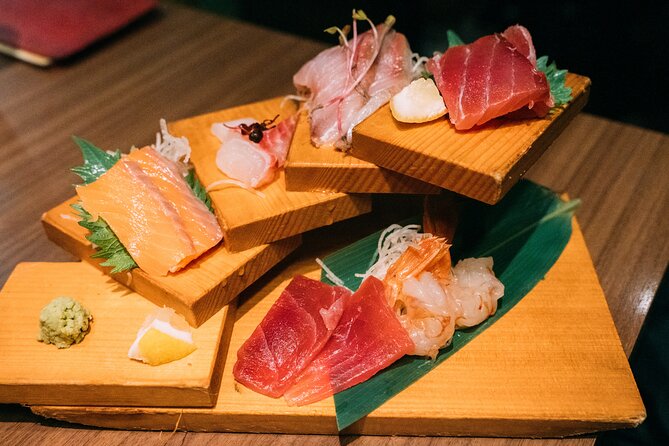
The strongest part of this outing is often the person leading it. Guides named in the supplied information include Ryu, Misaki, Jay, Leo, Yu, Lemonie, Liu, and Yo, so you may not receive a specific guide unless the operator confirms one.
Misaki has been praised for warm conversation, fluent Japanese and English, clear updates, and good recommendations for the rest of a Kyoto trip. Jay helped explain food choices while guiding a group through crowded Gion. Yu combined a skewer stop with a walk to a shrine and explanations of its significance. Lemonie made the experience memorable through food stories and practical suggestions for later days.
Yo was noted for making sure a mixed group from three parts of the world felt included. That matters on a small-group food tour. The best guide does more than translate a menu. They keep conversation moving, explain small cultural details, and help strangers share a table comfortably.
The quality of the guide also explains why the same basic menu can feel different from one evening to another. If your guide is lively and attentive, ordinary dishes become a useful window into daily life. If communication or restaurant arrangements go wrong, the fixed route becomes much less forgiving.
What the $94 price really covers
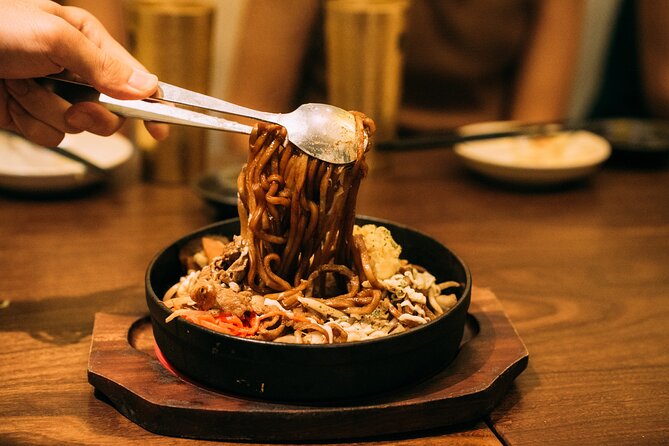
The $94 price includes the guide, 15 local dishes, and two drinks. Tips are not listed as included, so plan for that extra cost if you normally tip your guide.
The price is reasonable if you would otherwise spend an evening trying several places without knowing how to order. You are paying for access, translation, coordination, and a full meal, not just for the raw cost of the food. The small-group format adds value, particularly for solo visitors or couples who want company without booking a private tour.
The price is harder to justify if the evening includes only two restaurants or if many of the 15 items are similar chicken skewers. One lower-rated account called the tour poor value for exactly that reason. I would book it for convenience and cultural guidance, not because the menu promises luxury.
The free cancellation policy gives you some flexibility. You can cancel for a full refund up to 24 hours before the start time. Changes or cancellations inside that window are not accepted for a refund, and the operator may cancel if the minimum number of participants is not reached.
Who should book this food tour
I would recommend it to first-time visitors who want an easy introduction to Japanese food and do not want to decode menus alone. It also fits solo visitors, couples, and small groups who like sharing dishes and hearing local explanations as they walk.
It is a good choice if you want:
- A full evening meal rather than a single tasting
- Help with Japanese ordering and translation
- A social activity with a group capped at 15
- A mix of casual food and familiar Japanese classics
- Stories about food customs, Shinto, and local nightlife
I would hesitate if you are looking for a premium food tour, strict dietary tailoring, or a precise list of 15 different specialties. The available information does not promise dietary accommodations, specific ingredients, or a fixed guide. Food variety and restaurant arrangements may also vary.
Should you book the Gion food tour?
Book it if your priority is a friendly, guided evening that removes the stress from ordering and gives you a broad first taste of Kyoto dining. The best outings seem to combine generous portions, a personable guide, a few cultural stories, and the pleasure of walking through Gion after dark.
Skip it if you want a polished fine-dining experience or if the difference between 15 bites and 15 distinct dishes matters greatly to you. Before booking, make sure you can accept a menu that may lean toward casual chicken skewers and standard Japanese favorites.
For most first-time visitors, the guide and ease of the evening are the real purchase. The food gives you a useful starting point, while the local explanations help you make better choices for the rest of your time in Kyoto.
FAQ
How long is the Kyoto Gion food tour?
The tour lasts approximately three hours, beginning at 6:30 p.m.
Where does the tour begin?
It begins at Doutor Coffee Japan in the Kawaramachi New Tokyo Building, 391 Komeyacho, Nakagyo Ward, Kyoto 604-8026.
Where does the activity end?
The tour ends back at the original meeting point.
How many dishes are included?
The tour includes 15 local dishes. The food may include yakitori, izakaya-style dishes, tonkatsu, sushi, and tempura.
Are drinks included?
Yes. Two drinks are included in the price.
Is a guide included?
Yes. A local guide is included and handles ordering and translation.
How large is the group?
The activity has a maximum of 15 participants.
Can I cancel for a full refund?
Yes. You can cancel at least 24 hours before the start time for a full refund. Cancellations or changes made less than 24 hours before the start time are not refunded or accepted.
More Food & Drink in Kyoto
- 3-Hour Kyoto Insider Sake Brewery Tour with Tastings & Pairings
★ 5.0 · 917 reviews - Arashiyama Bamboo, Temple, Monkeys, or Secret Sake Brewery
★ 4.8 · 886 reviews - Kyoto: Insider Sake Brewery Tour with Sake and Food Pairing
★ 5.0 · 704 reviews - Kyoto Sake Brewery & Tasting Walking Tour
★ 5.0 · 623 reviews
Just added around Kyoto
- Sekka Cotton Furoshiki Class★ 5.0 · 19 reviews
- Secret Eastern Kyoto Biking Adventure★ 5.0 · 44 reviews
- Kyoto Sword Experience – includes Museum Ticket/Ninja Experience★ 4.5 · 149 reviews
- Scenic Green Tea Fields of Hidden Kyoto & Local Tea Exp (Private)★ 5.0 · 32 reviews
- Private Sake Tasting in Central Kyoto with Sake Sommelier★ 5.0 · 32 reviews
- Samurai School in Kyoto: Samurai for a Day★ 5.0 · 202 reviews
- SHIRAKAWA Japanese Culture Experiences with private English staff★ 5.0 · 16 reviews
- A Privately Guided Photoshoot in Beautiful Kyoto by a Pro★ 5.0 · 18 reviews
Food Tours, compared.
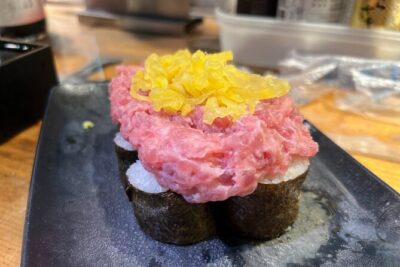
Shinjuku Food Tour (13 Dishes at 4 Local Eateries)
Our verdict →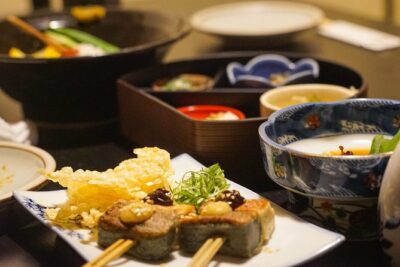
Kyoto Night Foodie Tour in Gion (9+ dishes + 6 Sake tastings)
Our verdict →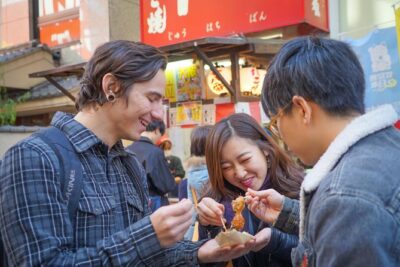
Osaka Local Foodie Walking Tour in Dotonbori and Shinsekai
Our verdict →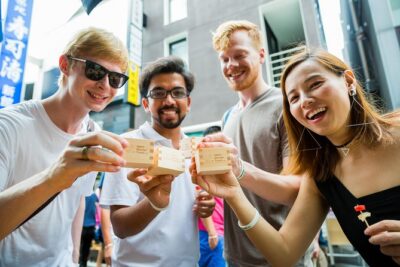
Food Tour in Ueno with 10+ Tastings of Japanese Classics
Our verdict →
Browse the lists this tour appears in