
Reviewed · CALLIGRAPHY CLASSES
Calligraphy & Digital Art Workshop in Kyoto
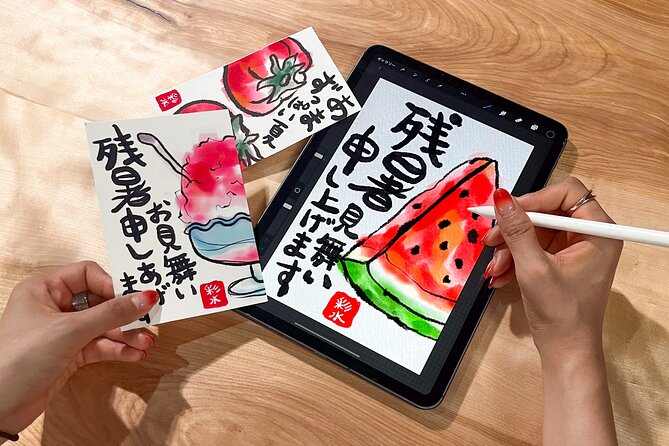
Japanese calligraphy meets the iPad in this compact Kyoto workshop. At Studio Aya, you begin with traditional brushwork or suibokuga, Japanese ink painting, then shift to digital creation on an iPad. The final project can include etegami, a Japanese art form that turns picture and lettering into a small handmade-style postcard.
I like two things right away: the mix of old and new gives you more than a standard brush lesson, and the small private format means the session is for your group alone. Ami, the studio founder, studied digital art in the United Kingdom and runs the popular YouTube channel amity_sensei. The studio also supplies the iPad, tea, and Japanese snacks.
The main consideration is time. Ninety minutes goes quickly, especially with introductions, a break, the digital lesson, and questions all included. This is a friendly introduction, not a long technical course, so you should book it for a memorable hands-on activity rather than expert-level training.
Key Points to Know Before Booking
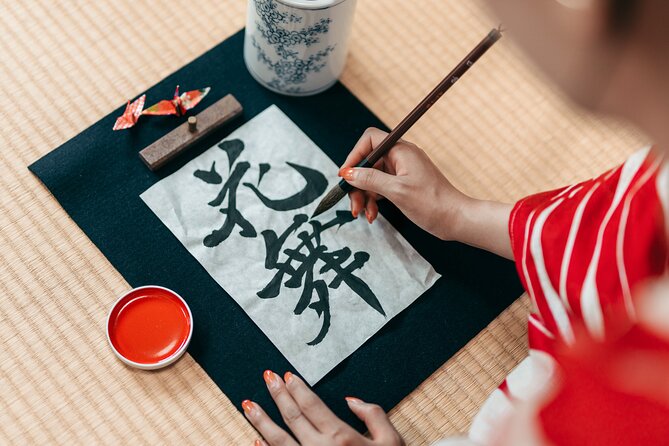
- Traditional brushwork comes first: Practice Japanese calligraphy or suibokuga before moving to digital art.
- Etegami adds a personal finish: Learn how Japanese picture letters combine simple images and writing.
- Ami leads the creative program: She studied digital art in the UK and founded iPadmate kids.
- The iPad is supplied: You do not need to bring your own device for the digital session.
- Tea and snacks are included: The short break gives the workshop a calm, social rhythm.
- The activity is private: Only your own group participates, at Studio Aya in Kyoto.
Starting at Studio Aya in Kyoto
The workshop begins at 3:00 pm at iPadmate kids47, located at Daikokuyacho in Kyoto’s Kamigyo Ward. The experience ends at the same place, so you do not need to arrange a separate ride back after the class.
The studio setting matters here. Calligraphy is easier to appreciate when you have a quiet place to sit, watch the brush, and repeat a stroke without feeling rushed by a large class. The activity is near public transportation, but private transportation is not included, so you will need to make your own way to the studio.
This is a private activity, which makes it a good choice for a couple, a family, or a small group of friends who want to work at their own pace. You are not placed with strangers, and the teacher can focus on your group’s questions and attempts.
More Calligraphy Classes in Kyoto
- Kyoto: Calligraphy class at Buddhist temple in city center
★ 5.0 · 167 reviews - Kyoto: Japanese Calligraphy Class
★ 4.8 · 89 reviews - Kyoto: Japanese Calligraphy Workshop
★ 4.7 · 84 reviews
The First 30 Minutes: Brush, Ink, and Japanese Lettering
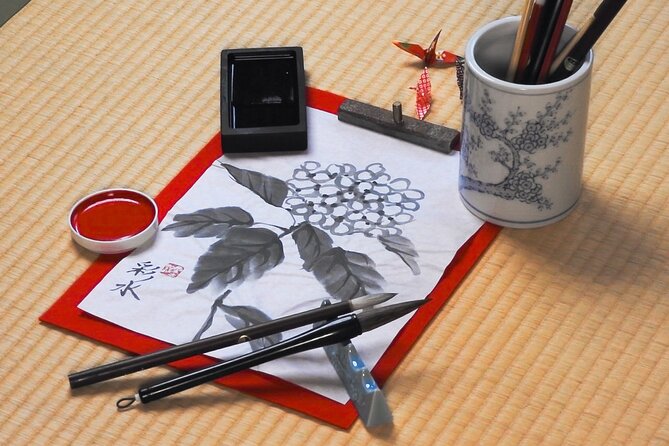
The first section introduces traditional Japanese calligraphy or suibokuga. Calligraphy focuses on brush strokes and characters, while suibokuga uses ink to create images with a spare, expressive look. The precise choice may depend on the session and your interests, so you can ask about the available option when you arrive.
You begin with paper and a real brush rather than a screen. That change of tools is important. You feel the pressure of the brush, the amount of ink, and the effect of a quick or slow movement. Even a simple character can look different when your wrist angle or brush speed changes.
The class also gives you a bit of cultural context. One couple described learning about the Zen approach connected with calligraphy, along with ways to improve brush strokes. The point is not simply to copy a character neatly. It is to pay attention to the movement and accept that the brush leaves a mark that cannot be erased.
If you are bringing children, this part may be the most useful test of patience. The activity is designed for adults and children, and a family account described kids learning about kanji and writing characters on both paper and an iPad. Still, younger children may need help sitting through the demonstration and practicing carefully.
The 15-Minute Tea Break
About halfway through, the workshop pauses for free Japanese tea and snacks. This is a small feature, but it helps the 90-minute schedule feel less like a nonstop lesson.
Use the break to look at your paper work, ask about the next activity, or simply reset before handling the iPad. If you are traveling with children, the pause can help keep the second half manageable.
The tea and snacks are included in the $72 price. They are not the reason to book the class, but they add to the sense of place and make the studio session feel more personal than a quick craft counter stop.
The Next 30 Minutes: Creating Japanese Art on an iPad
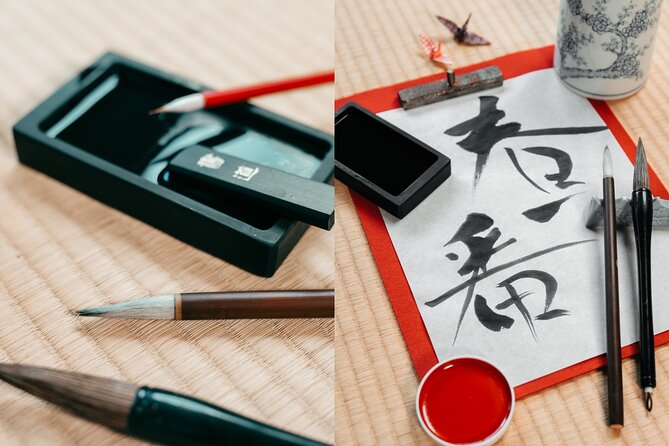
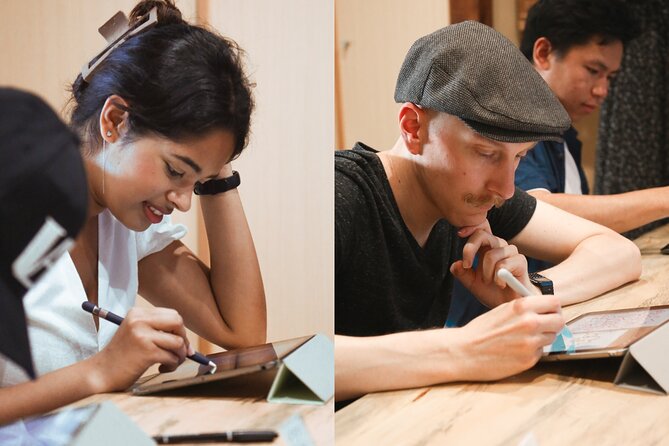
After the break, you move from paper to digital art. The studio provides an iPad, so you do not need to own an Apple tablet or download anything in advance.
This section connects nicely with the first half. You have already seen how a brush makes a line. Now you can explore that idea on a screen, where digital tools let you make changes more easily. You may work with calligraphy or suibokuga techniques, depending on the direction of your class.
Ami brings a practical digital-art background to the lesson. She studied digital art in the UK and runs amity_sensei, a YouTube channel focused on creative iPad use with more than 340,000 subscribers. She also founded iPadmate kids in 2020, a creative school aimed at helping children build art skills with iPads.
That background gives the workshop a useful bridge between Japanese tradition and modern tools. You are not just using a tablet as a novelty. You are seeing how the feel of brushwork and ink can be adapted to a digital format.
The digital session may be especially appealing if you already use an iPad, are curious about digital illustration, or want a family activity that feels current as well as cultural. If you prefer traditional art only, keep in mind that half of the scheduled class is dedicated to the iPad.
Same trip, a completely different kind of day:
- PERFECT KYOTO 1-Day Bus Tour
★ 5.0 · 13,518 reviews - Kyoto: Fushimi Inari, Kinkakuji, Bamboo Grove 1 Day Bus Tour
★ 4.8 · 4,316 reviews - Kyoto: Tea Ceremony in a Traditional Tea House in Kiyomizu
★ 4.9 · 3,519 reviews - Kyoto Geisha Walking Tour: Gion District & Hidden Gems
★ 4.7 · 3,273 reviews
Etegami: The Picture Letter Project
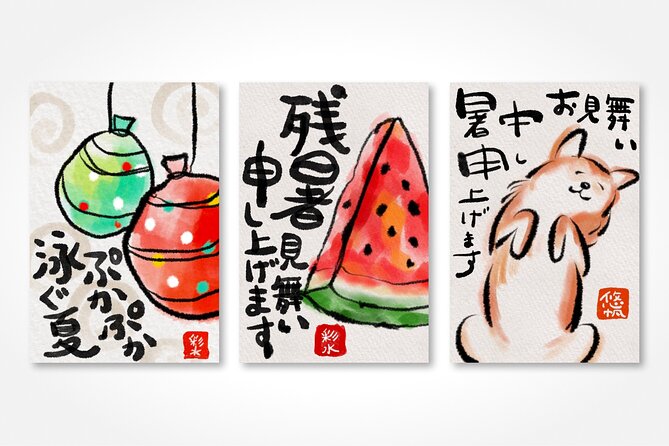
One of the most distinctive parts of the workshop is etegami. This Japanese art form combines a simple picture with lettering, often in a postcard format. The result is personal and direct, less concerned with perfect realism than with expression.
The activity gives you a clear goal for your creative work. Instead of practicing random marks, you can build toward a small digital Japanese postcard. A family described learning kanji, writing characters on paper and iPad, and then making a postcard through the workshop. That sequence makes sense for beginners because each stage builds on the one before it.
Etegami is also a good fit for people who worry that they are not artistic. The workshop is about trying a visual idea and pairing it with writing, not producing a museum piece. You can focus on a character, a small image, or the feeling you want the postcard to convey.
The information provided does not promise that you will take home a printed postcard, so ask the instructor how your final digital work will be saved or shared. The important point is that you create the piece yourself rather than simply watching a demonstration.
The Final 15 Minutes: Questions and Personal Guidance
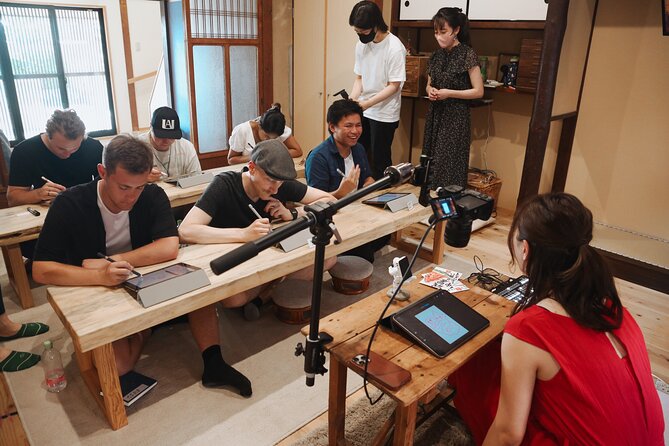
The last 15 minutes are set aside for questions and answers. This gives you a chance to ask about brush strokes, Japanese characters, ink painting, etegami, or digital techniques.
Because the activity is private, this period should be more useful than a general lecture in a large class. You can raise the question that came up during your own practice, including why a stroke looked different from the teacher’s or how a traditional method translates to the iPad.
Do not expect a long portfolio critique. The whole class lasts about an hour and a half, and the final question period is short. Think of it as a chance to clarify what you have just learned and get a little direction for trying it again later.
What Makes the Paper-to-Screen Format Valuable
Kyoto offers plenty of cultural activities, but this one gives you a clear comparison. Traditional calligraphy depends on physical control, ink, and a brush. Digital calligraphy gives you tools that can make experimentation less intimidating.
I like that the class does not treat modern technology as separate from Japanese culture. The iPad becomes another way to explore brush movement, lettering, and picture-making. For families, that can make a cultural lesson more approachable for children who might not choose a traditional calligraphy class on their own.
The format also works for couples and solo visitors. A couple can make separate work while sharing the same lesson. If you are alone, the private setting means you can ask questions without needing to match the pace of a larger group.
There is a tradeoff. If your main goal is to learn formal calligraphy in depth, this workshop may feel brief. You divide your time among traditional practice, tea, digital work, and questions. If you want a taste of several related arts, that variety is the main value.
Is the $72 Price Fair?
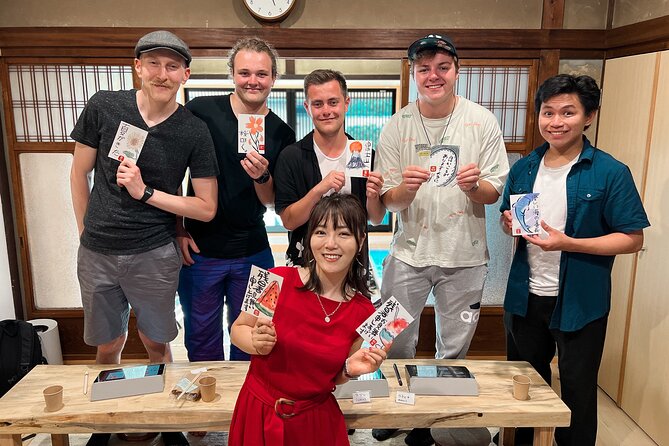
At $72, the cost is higher than a casual craft activity, but you are paying for more than access to paper and ink. The price includes a private 90-minute session, instruction in traditional and digital art, use of an iPad, Japanese tea, and snacks.
The private format is important when judging the price. The fee makes more sense for a pair, family, or group that values personal attention and does not want a crowded class. For one person on a tight budget, it is a bigger outlay for a short introduction.
You should also consider the equipment. Since the iPad is provided, you do not need to bring or rent a device. That removes one practical obstacle for anyone curious about digital art but not ready to buy an iPad.
I would call the price reasonable for a special Kyoto activity, especially if you want a cultural experience that is hands-on and different from temple visits. It is less convincing if you are looking for a long class, professional instruction, or a guaranteed physical souvenir.
Who Should Book This Kyoto Workshop?
This activity fits solo visitors who want a calm creative break, couples who enjoy making things together, and families looking for a Japanese culture activity that keeps children involved. The combination of paper, brush, characters, snacks, and iPad work gives the session several changes of pace.
It is also a good pick if you are curious about Japanese writing but cannot read kanji. You can still learn about the shapes and movements without needing previous language or art training. The class introduces the process rather than assuming you already know the rules.
Children can participate, and the family-friendly structure includes both traditional and digital stages. Parents should still judge their children’s attention span, since the class includes instruction and careful brush practice rather than constant entertainment.
You may want to skip it if you want only sightseeing, only traditional calligraphy, or a long technical course in digital illustration. The workshop is best understood as a creative introduction with a cultural focus.
Practical Details for Planning Your Visit
Your booking confirmation arrives at the time of booking, and free cancellation is available if you cancel at least 24 hours before the 3:00 pm start. Changes or cancellations made inside that window are not accepted for a refund, with cut-off times based on Kyoto local time.
The activity is near public transportation, but private transportation is not included. Plan your route to Daikokuyacho in advance and allow enough time to arrive before the afternoon start.
Service animals are allowed, and most people can participate. The activity is private, and it ends back at the starting point. These details make it simple to fit into a Kyoto day, but you should remember that the scheduled duration is approximate.
Should You Book It?
I would book this workshop if you want to do more than look at Japanese art. The strongest reason is the sequence: first feel the brush on paper, then use an iPad to reinterpret the same creative ideas, with etegami giving you a clear final project.
The $72 price is easiest to justify for a private group, family, or couple that values personal instruction and supplied equipment. If you are traveling alone, book it because the subject genuinely interests you, not because you expect a long class.
Choose it for the old-meets-new format, relaxed studio setting, tea break, and chance to ask questions directly. Skip it if you need advanced training or a full-day art course. For most visitors looking for a thoughtful Kyoto activity that lasts only an afternoon hour and a half, it offers a pleasant change from the usual sightseeing route.
FAQ
Where does the calligraphy and digital art workshop take place?
The workshop takes place at iPadmate kids47, Daikokuyacho, Kamigyo Ward, Kyoto, 602-8055, Japan.
What time does the workshop start?
The stated start time is 3:00 pm.
How long does the activity last?
The workshop lasts approximately 1 hour and 30 minutes, including a break.
Is the activity private?
Yes. Only your own group participates in the activity.
What traditional art will I learn?
The workshop introduces Japanese calligraphy or suibokuga, Japanese ink painting. The traditional section lasts about 30 minutes.
Is an iPad provided?
Yes. An iPad is included for the digital art session.
Are tea and snacks included?
Yes. Japanese tea and snacks are provided during the break.
Does the workshop include transportation?
No. Private transportation is not included. The studio is near public transportation.
Can I cancel for a full refund?
Yes, if you cancel at least 24 hours before the experience start time. Cancellations or changes made less than 24 hours before the start are not eligible for a refund.
Just added around Kyoto
- Sekka Cotton Furoshiki Class★ 5.0 · 19 reviews
- Secret Eastern Kyoto Biking Adventure★ 5.0 · 44 reviews
- Kyoto Sword Experience – includes Museum Ticket/Ninja Experience★ 4.5 · 149 reviews
- Scenic Green Tea Fields of Hidden Kyoto & Local Tea Exp (Private)★ 5.0 · 32 reviews
- Private Sake Tasting in Central Kyoto with Sake Sommelier★ 5.0 · 32 reviews
- Samurai School in Kyoto: Samurai for a Day★ 5.0 · 202 reviews
- SHIRAKAWA Japanese Culture Experiences with private English staff★ 5.0 · 16 reviews
- A Privately Guided Photoshoot in Beautiful Kyoto by a Pro★ 5.0 · 18 reviews
Calligraphy Classes, compared.
Calligraphy class at Buddhist temple in city center
Our verdict →
Let’s experience calligraphy in YANAKA, Taito-ku, TOKYO !!
Our verdict →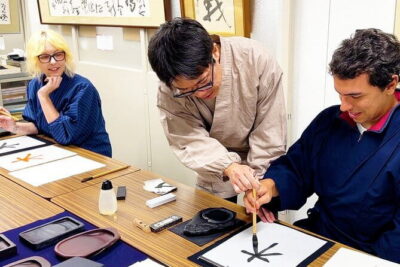

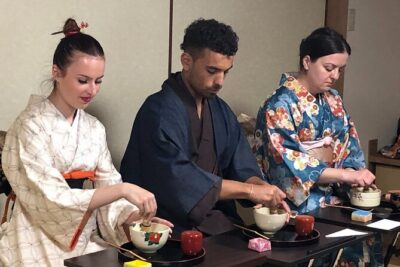
An Amazing set of Cultural experience: Kimono, Tea Ceremony and Calligraphy
Our verdict →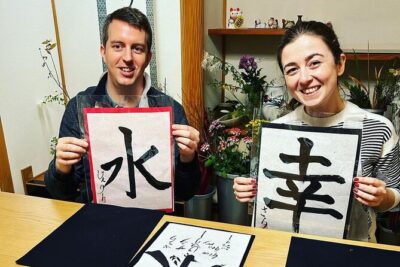
Private Japanese Calligraphy in Kyoto – Learn Shodō with a Master
Our verdict →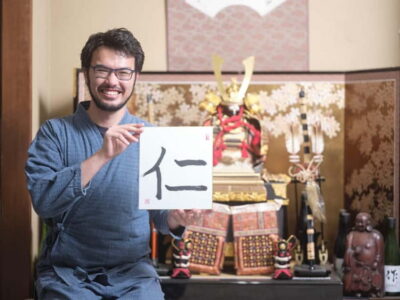
Browse the lists this tour appears in