
Reviewed · CALLIGRAPHY CLASSES
Kyoto: Japanese Calligraphy Class
Kyoto’s Japanese calligraphy class turns a writing lesson into a hands-on souvenir. You learn how to hold the brush, control the ink, and build each stroke before writing basic characters, your name, and a favorite word. Instructors such as Rena, Lana, and Waka are patient with beginners, while Yoshia Kobayashi and Kou have also led sessions.
I like the one-hour format, which fits neatly beside sightseeing near Kyoto Station, and I like that your practice becomes something useful to take home, such as a scroll, fan, postcard, picture frame, or stationery. The main drawback is that an hour passes quickly, so you should not expect a full art course or advanced calligraphy training.
Key points to know before booking
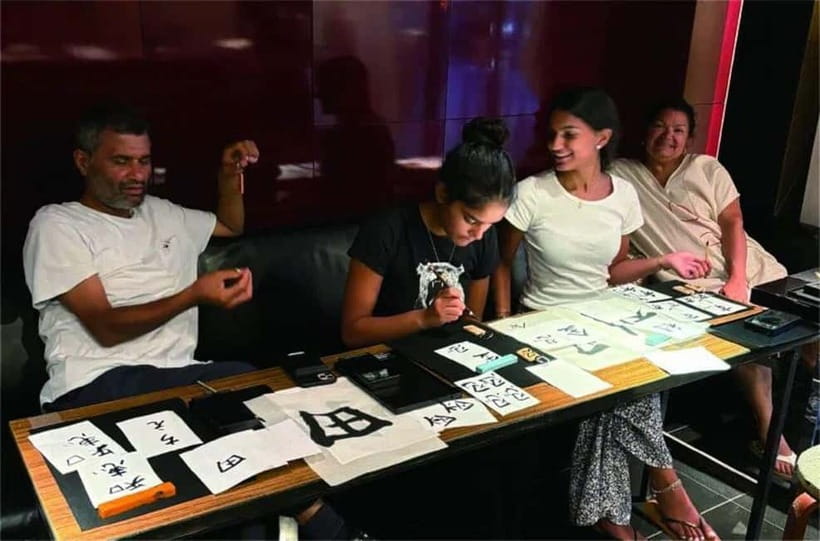
- Write your name in Kanji: The instructor helps create character combinations based on your name and explains their meanings.
- Start with the basics: You receive a practical lesson in brush handling, ink, and stroke order before making your own pieces.
- Take home handmade souvenirs: Depending on the activity, you may create a scroll, Japanese fan, postcard, picture frame, or stationery.
- Easy Kyoto location: The class takes place in front of Kyoto Station, though the exact meeting point depends on the option you book.
- English instruction included: You can ask questions about Japanese writing and culture without needing Japanese.
- Private and small-group choices: The format allows for personal guidance, including one-to-one stroke correction in some sessions.
Your first brush strokes near Kyoto Station
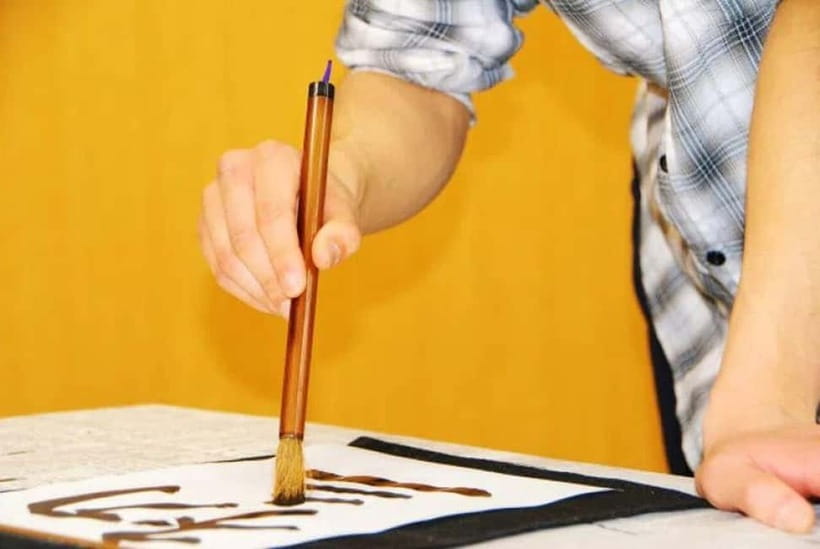
The class begins with an introduction to the tools. Brushes, ink, and washi paper are provided, so you do not need to buy supplies or know anything about calligraphy before arriving. The instructor explains how to use the brush and how to apply ink without flooding the paper.
This first stage matters more than it may sound. Japanese calligraphy is not simply writing Japanese letters with a fancy pen. The pressure of the brush, the angle of the bristles, and the speed of each stroke all affect the result. A beginner-friendly demonstration gives you a way to copy the basic movement instead of guessing.
You will first practice basic characters. The aim is not perfect museum-quality work. It is to help you feel how the brush moves and to show why each stroke is placed in a set order. The instructors are prepared to slow down and answer questions, which makes the session suitable even if your only previous Japanese writing has been on a restaurant menu.
The calm pace is one of the pleasures here. Kyoto sightseeing can involve crowded streets, train platforms, and a long list of temples. Sitting down with ink and paper gives you a quieter hour, but it still feels active because your hands are doing the work.
More Calligraphy Classes in Kyoto
- Kyoto: Calligraphy class at Buddhist temple in city center
★ 5.0 · 167 reviews - Kyoto: Japanese Calligraphy Workshop
★ 4.7 · 84 reviews - Kyoto: Local Home Visit and Japanese Calligraphy Class
★ 5.0 · 66 reviews
Turning your name into Japanese characters
The most personal part of the class is writing your name and a favorite word. The instructor helps you choose possible Kanji characters and explains their meanings. This is more interesting than simply copying a Japanese word because you learn how the characters can suggest qualities, sounds, or images.
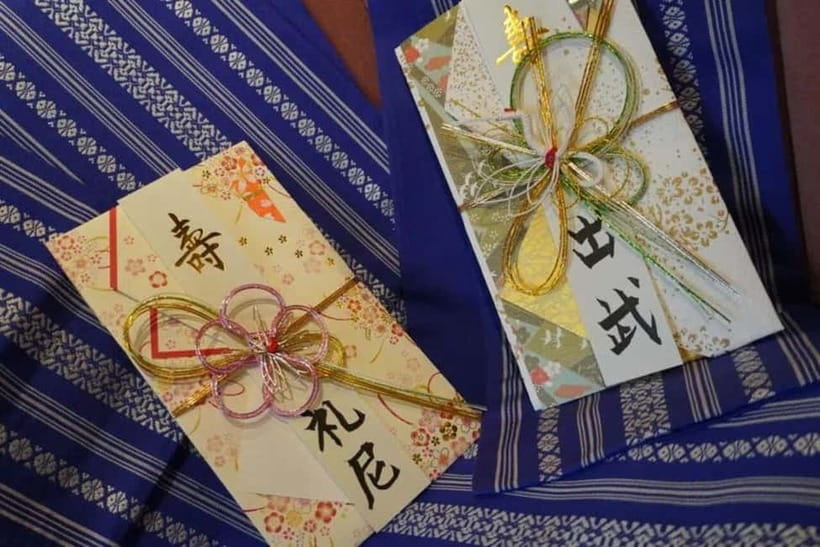
For example, Brian may be represented as 武礼安. The characters can suggest martial strength or bravery, courtesy or gratitude, and peace. Liz may become 梨図, combining ideas associated with a pear and a picture. These are creative character choices, not a simple one-to-one translation in the way a dictionary translates an English word.
That distinction is worth understanding. Japanese names written in Kanji can carry meaning as well as sound, and the instructor’s explanation helps you see how Japanese writing works. You can ask why certain characters were suggested and what each one conveys.
You can also choose a favorite word. A word connected with peace, strength, family, nature, or another personal idea may become the center of your finished piece. If you are choosing a word for a child, ask the instructor to explain the meaning clearly before you begin writing it.
I especially like this part for people who want more than a generic souvenir. A shop-bought fan may be attractive, but a piece carrying your name or chosen word has a direct connection to your time in Kyoto.
Making a scroll, fan, or paper keepsake
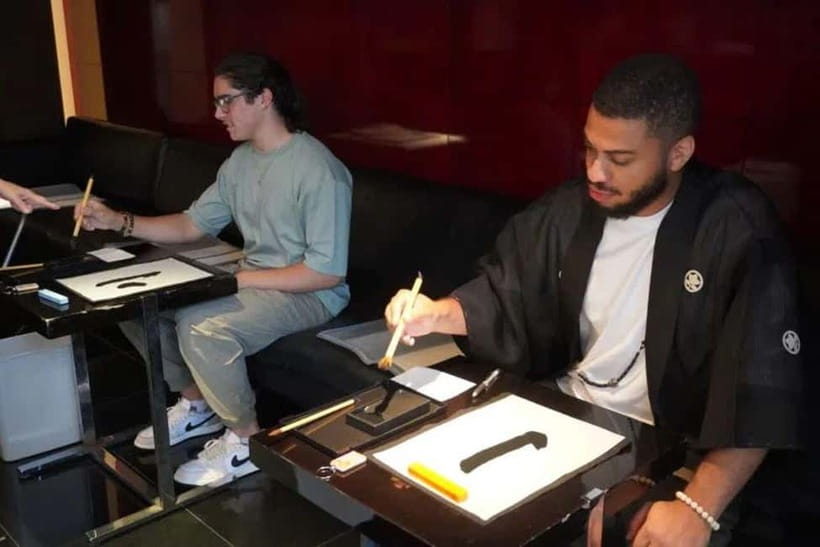
After practice, you use your calligraphy on souvenir items. The exact selection can vary, but the available examples include Japanese fans, picture frames, postcards, stationery, and scrolls. You can take your finished products home.
The scroll is a natural choice for a Kanji character because it gives the writing room to breathe. A fan or postcard is smaller and easier to pack. A picture frame may suit you if you want to display the work at home, while stationery makes the result useful rather than purely decorative.
You should think about what you want to carry before you begin. If you are flying with limited luggage, a flat postcard or sheet of stationery may be simpler than a larger item. If you want the most traditional-looking display piece, ask about making a scroll.
The class is not designed to produce identical results. Your instructor will help with the brush and stroke placement, but the final marks will still show that you made them. That is part of the charm. A slightly uneven line is not a failure here. It records your first attempt at a Japanese art form.
Several items may be included as souvenirs, but the information does not promise the same combination for every booking. Check the option details if the exact number or type of keepsakes matters to you.
Why the instructors make a difference
English instruction is included, and that changes the experience from a simple craft activity into a cultural lesson. You can ask about the writing system, the meaning of a character, and the reason for a particular stroke while you are working.
Rena has led sessions with a patient, encouraging teaching style. Lana and Waka have provided close explanations of stroke placement, including one-to-one help. Yoshia Kobayashi and Kou have also assisted participants during calligraphy sessions. The staff are described as friendly, kind, and willing to explain Japanese writing and culture in clear terms.
I would not book this expecting a formal academic lecture. The teaching is practical. You learn by watching, trying, asking, and correcting. That suits most short-term visitors because you leave with an experience you can understand in the moment, rather than a long list of technical terms.
The one-to-one help is especially useful. Brush calligraphy can feel awkward at first, and a quick correction to your hand position or stroke direction can make the next attempt much better. Private or small-group formats may offer more room for that personal attention than a large class.
Since the class is only about an hour, the quality of the instruction matters. A slow or confusing lesson would leave little time for your own work. The repeated praise for patient explanations suggests that the teaching style is one of the strongest reasons to choose this activity.
Same trip, a completely different kind of day:
- PERFECT KYOTO 1-Day Bus Tour
★ 5.0 · 13,518 reviews - Kyoto: Fushimi Inari, Kinkakuji, Bamboo Grove 1 Day Bus Tour
★ 4.8 · 4,316 reviews - Kyoto: Tea Ceremony in a Traditional Tea House in Kiyomizu
★ 4.9 · 3,519 reviews - Kyoto Geisha Walking Tour: Gion District & Hidden Gems
★ 4.7 · 3,273 reviews
A good fit for families and first-time learners
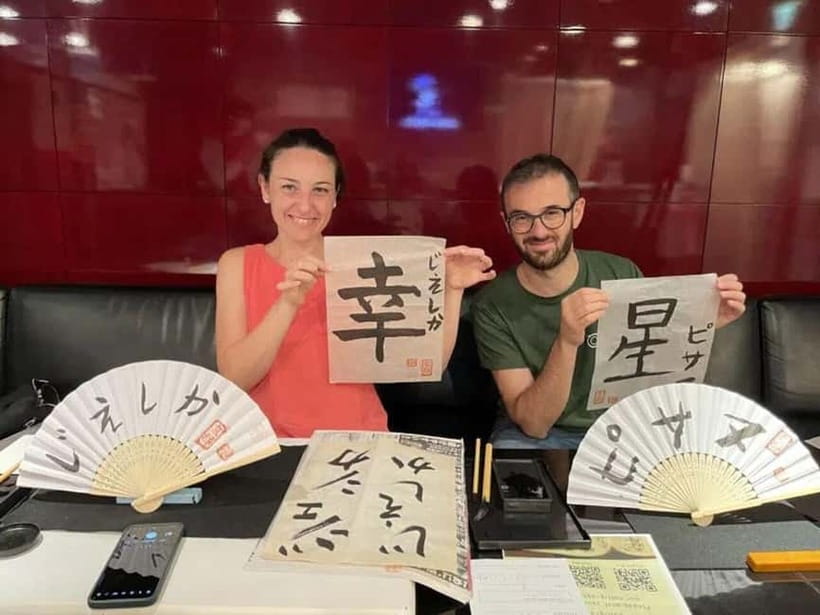
You do not need previous calligraphy experience. The class starts with the basics, and the instructors are used to helping people who know little about Japanese writing.
It can also work well for families. Children under five are not permitted, but older children have enjoyed the activity with their families. The mix of drawing-like brush movement, personal names, and take-home art gives younger participants a clear goal.
Parents should keep expectations realistic. An hour of careful brush practice may be too quiet for a child who needs constant movement. On the other hand, a child who likes making things may find the personal fan or postcard especially rewarding.
Adults also have plenty to gain. I like this class for solo visitors, couples, and friends who want an activity that does not feel like another sightseeing stop. You can take part without needing to speak Japanese, and the final piece gives you a physical reminder of Kyoto beyond photographs.
The private or small-group option may be worth considering if you want to ask many questions or need extra help. A larger group may feel more social, but a smaller setting should give you more direct time with the instructor. The exact format depends on the option you select.
Fitting the one-hour class into your Kyoto day
The location in front of Kyoto Station is practical. Kyoto Station is a major transport hub, so the class can be added before a train, after arriving in the city, or between activities on the south side of central Kyoto. It is also a useful meeting point if members of your group are arriving separately.
Allow a little time to find the exact meeting point. The meeting location can vary by booking option, even though the general area is in front of Kyoto Station. Read your confirmation carefully rather than assuming every session begins at the same door or plaza.
The class itself takes about one hour, though the timing can change slightly depending on how quickly you complete the activities. That makes it easy to combine with a full day, but you should not schedule an immediate departure at the exact finishing minute.
A morning class can give you a calm start before visiting temples. An afternoon session can provide a break from walking. A late booking may work after sightseeing, though you should confirm the available start times for your date.
Because the activity is short, it is best seen as a focused cultural stop rather than a half-day excursion. You will not be touring Kyoto during the class, and there is no sightseeing route built into it. The value comes from doing one thing carefully and taking the result with you.
Is $51 fair value?
At $51 per person, this is not the cheapest souvenir activity in Kyoto. You are paying for more than paper and ink, though. The fee covers the instructor, brushes, ink, washi paper, English help, practice time, and some finished items you can carry home.
The value is strongest if you want personal guidance. A shop-bought calligraphy set costs less, but it will not explain how to hold the brush, suggest Kanji for your name, or correct your strokes. A private or small-group format can make the price easier to justify if personal attention is important to you.
The souvenirs also add value. You are not only watching someone demonstrate calligraphy. You make the pieces yourself, and the result can include several useful or displayable items. For a family, the chance for each person to create something may make the cost more worthwhile.
The price may feel high if you only want a quick photo or a basic introduction with no finished work. It may also feel less worthwhile if you already have strong calligraphy skills and want advanced instruction. For most beginners, though, the combination of teaching and take-home art gives the hour a clear purpose.
Free cancellation up to 24 hours before the activity and a reserve-now, pay-later option give you some planning flexibility. Those policies are useful in Kyoto, where weather, train delays, and changing sightseeing plans can affect your day. Check the conditions attached to your selected option.
What the class does best
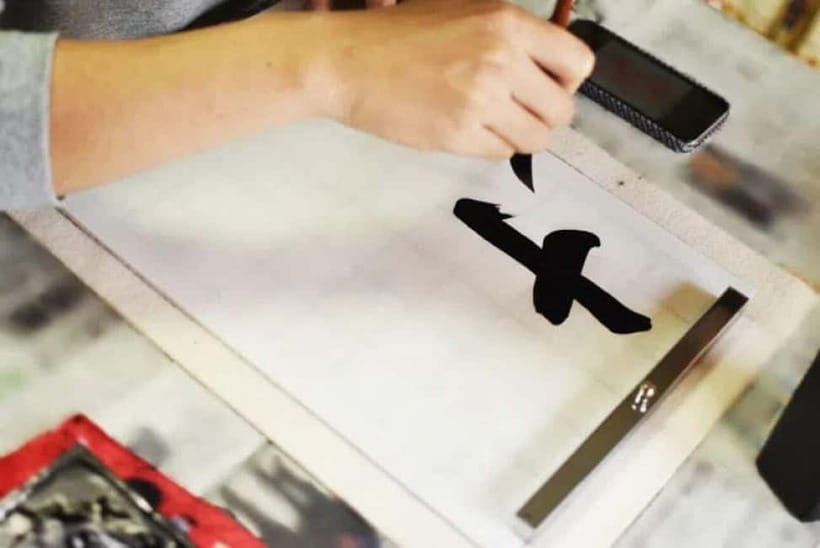
The strongest part of this experience is the balance between instruction and making. You are not left alone with a brush, but you are also not watching a long demonstration while someone else does the interesting work.
I like the way the class connects three things: the physical skill of calligraphy, the meaning of Kanji, and the personal choice of your name or favorite word. That connection gives the activity more substance than a standard craft workshop.
The patient teaching is another major strength. Rena, Lana, Waka, Yoshia Kobayashi, and Kou are associated with sessions where participants received clear help and encouragement. The comments about one-to-one stroke guidance are important because this is exactly where a beginner benefits from an instructor nearby.
The finished souvenirs make the experience easy to remember. You may leave with a fan, postcard, stationery, picture frame, or scroll that shows your own work. It will not look like professional calligraphy, and that is fine. The point is that you made it during your time in Kyoto.
Limits to keep in mind
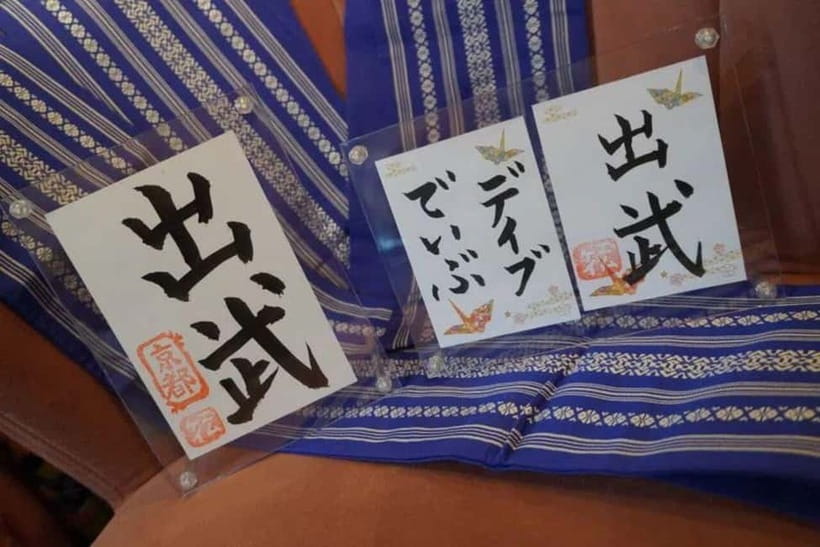
The short duration is both an advantage and a limit. You can fit the class into a busy itinerary, but you will only cover introductory skills. If you want to study several scripts, learn advanced composition, or produce highly polished work, you need a longer course.
The exact souvenir package may differ by option. Fans, picture frames, postcards, stationery, and scrolls are examples, not a guaranteed list for every booking. If one item is central to your decision, confirm what your selected option includes.
The meeting point also varies by option. The general location is in front of Kyoto Station, but you should check the specific instructions before setting out.
Finally, calligraphy requires some patience. The brush can feel less controlled than a pencil, and your first attempts may look uneven. You will get more from the class if you treat those marks as part of learning rather than chasing a perfect result.
Should you book this Kyoto calligraphy class?
I would book it if you want a short, hands-on cultural activity with English instruction and a souvenir that carries your own name or chosen word. It suits first-time learners, families with children aged five and above, couples, and anyone looking for a quiet change of pace near Kyoto Station.
I would skip it if you want advanced calligraphy training, a long workshop, or a sightseeing tour. At $51, the best value comes from the personal instruction, the cultural explanation, and the several handmade items you can take home.
For most visitors, the deciding question is simple: do you want to buy a Japanese souvenir, or do you want to make one? If you prefer the second option, this one-hour class is a practical choice.
FAQ
Where does the Japanese calligraphy class take place?
The general location is in front of Kyoto Station in Kyoto, Japan. The exact meeting point may vary depending on the option you book, so check the instructions for your selected session.
How long does the class last?
The class takes about one hour. The timing may vary slightly depending on how quickly you complete the activities.
Is English instruction available?
Yes. The instructor provides instruction in English, and you can ask questions about Japanese writing, Kanji meanings, and calligraphy technique.
What will I do during the class?
You will learn how to use the brush and apply ink, practice basic characters, write your name and a favorite word in Kanji and alphabets, and make souvenirs to take home.
What souvenirs can I take home?
Possible souvenirs include a scroll, Japanese fan, postcard, picture frame, and stationery. The exact items can vary by option. Brushes, ink, and washi paper are included.
Can children join the activity?
Children under five are not suitable for the class. Private or small-group sessions are available, and the activity can suit families with older children.
Just added around Kyoto
- Sekka Cotton Furoshiki Class★ 5.0 · 19 reviews
- Kyoto Sword Experience – includes Museum Ticket/Ninja Experience★ 4.5 · 149 reviews
- Scenic Green Tea Fields of Hidden Kyoto & Local Tea Exp (Private)★ 5.0 · 32 reviews
- Secret Eastern Kyoto Biking Adventure★ 5.0 · 44 reviews
- Private Sake Tasting in Central Kyoto with Sake Sommelier★ 5.0 · 32 reviews
- Samurai School in Kyoto: Samurai for a Day★ 5.0 · 202 reviews
- SHIRAKAWA Japanese Culture Experiences with private English staff★ 5.0 · 16 reviews
- A Privately Guided Photoshoot in Beautiful Kyoto by a Pro★ 5.0 · 18 reviews
Calligraphy Classes, compared.
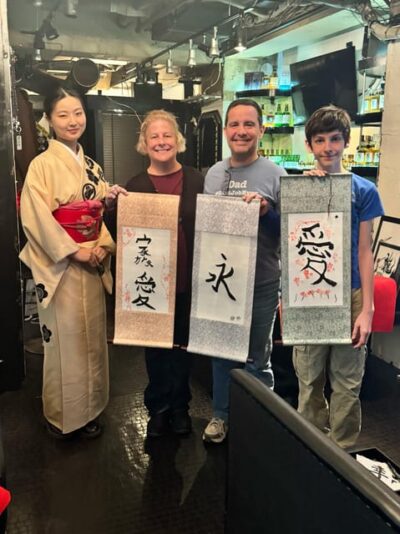
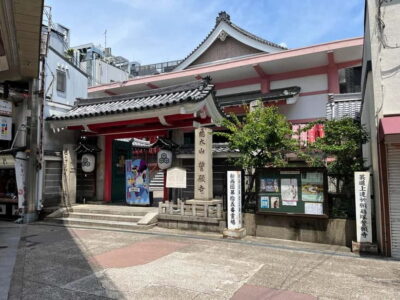
Calligraphy class at Buddhist temple in city center
Our verdict →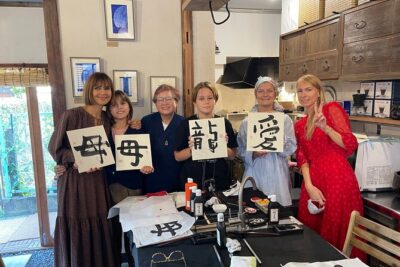
Let’s experience calligraphy in YANAKA, Taito-ku, TOKYO !!
Our verdict →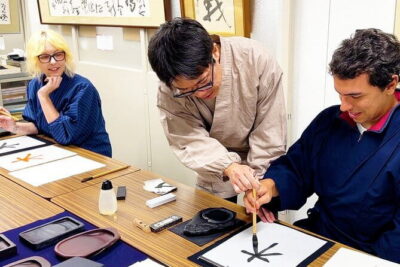
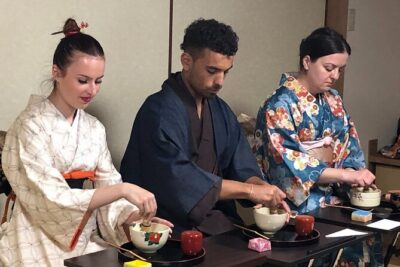
An Amazing set of Cultural experience: Kimono, Tea Ceremony and Calligraphy
Our verdict →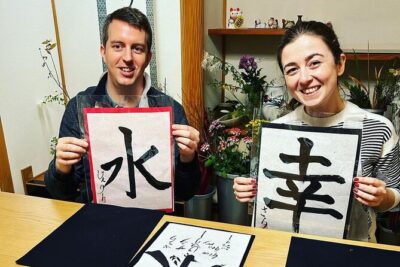
Private Japanese Calligraphy in Kyoto – Learn Shodō with a Master
Our verdict →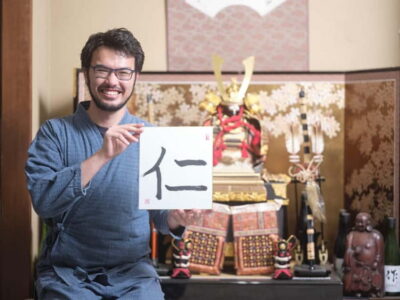
Browse the lists this tour appears in