Reviewed · GUIDED
Kyoto Arashiyama & Sagano Bamboo Private Tour with Government-Licensed Guide
Arashiyama’s bamboo grove is only the beginning. This private walk lets you pair that famous path with mossy hillside temples, imperial gardens, and quiet Sagano lanes, while a licensed guide handles the route and explains what you are seeing. The best day here is not a race through every listed stop. It is a carefully chosen four-site outing.
I especially like the one-to-one flexibility and the chance to ask questions as you go. Guides such as Kazuo, Kazz, Tomo, Ken, and Shoji have adjusted routes for families, slower walkers, food interests, and less crowded corners. The main caution is value: at $157.82 per person, with admissions and transport still extra, this makes the most sense for a small group that wants personal attention.
Key points to know before booking
- Choose only three or four places: The six-hour tour is customizable, not a realistic visit to all 18 stops.
- The bamboo grove is free but crowded: Go early if possible, and pair it with a quieter temple.
- A private guide changes the pace: You can stop for questions, snacks, photos, or a local lunch.
- Transport costs extra: Pickup and drop-off are on foot, and you pay transportation for yourself and the guide.
- Several listed sights are far from Arashiyama: Kurama, Kibune, Shugakuin, and Katsura need careful planning.
- You need to walk: Hills, stairs, slippery paths, heat, and rain can affect the day.
What this six-hour Kyoto tour really offers
This is best understood as a private planning service wrapped around a walking tour. You meet your government-licensed English-speaking guide in Kyoto, discuss your interests, and select three or four sites from the available choices.
That distinction matters. The supplied route includes Arashiyama, Sagano, northern Kyoto, and several imperial properties. No sensible six-hour outing can cover every one of them. If you want bamboo, Tenryu-ji, Togetsukyo Bridge, and two smaller temples, that is a reasonable day. If you want Arashiyama and Kurama, you will spend much more time moving between areas.
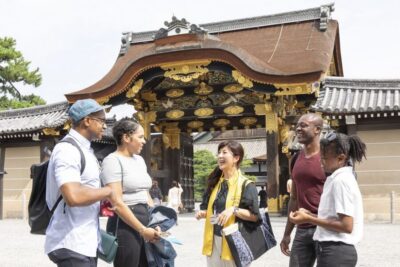
The private format is the real strength. You are not following a fixed group schedule, so you can ask why a temple uses a particular Buddhist style, stop when the scenery catches your eye, or slow the pace if stairs are difficult. One guide, Kazuo Sumi, was praised for keeping in touch before the tour and shaping the day around specific interests. That kind of planning is worth more than a standard checklist.
A few more Kyoto half-days worth comparing
- PERFECT KYOTO 1-Day Bus Tour
★ 5.0 · 13,518 reviews - Kyoto: Fushimi Inari, Kinkakuji, Bamboo Grove 1 Day Bus Tour
★ 4.8 · 4,316 reviews - Kyoto: Tea Ceremony in a Traditional Tea House in Kiyomizu
★ 4.9 · 3,519 reviews
Starting at Togetsukyo Bridge and Arashiyama
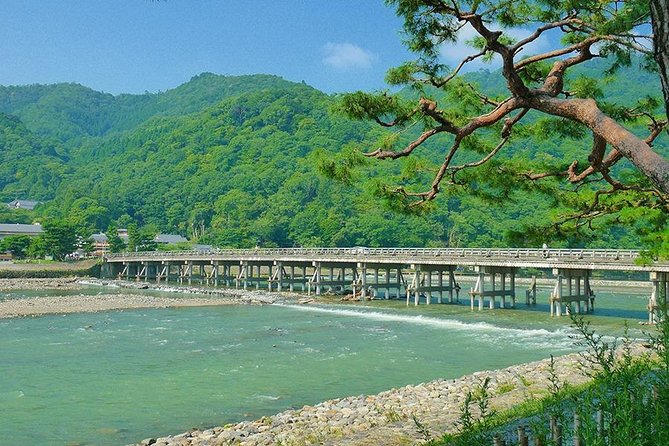
Togetsukyo Bridge is the natural place to get your bearings. Its name means Moon Crossing Bridge, and the wooded hills behind it explain why this part of Kyoto has attracted visitors since the Heian Period. A riverside park beside the bridge is especially pleasant during cherry blossom season.
The bridge itself is free, but the area around it is one of Kyoto’s busiest sightseeing zones. Small shops, restaurants, boat rentals, and temple entrances all cluster nearby. Your guide can help you avoid wasting the first part of the day in the most crowded lanes.
Arashiyama is attractive in every season, but spring blossoms and autumn color bring the largest crowds. Summer can be hot and humid. A guide can adjust the route, though no guide can make the central district empty during peak periods.
Walking through the Bamboo Forest
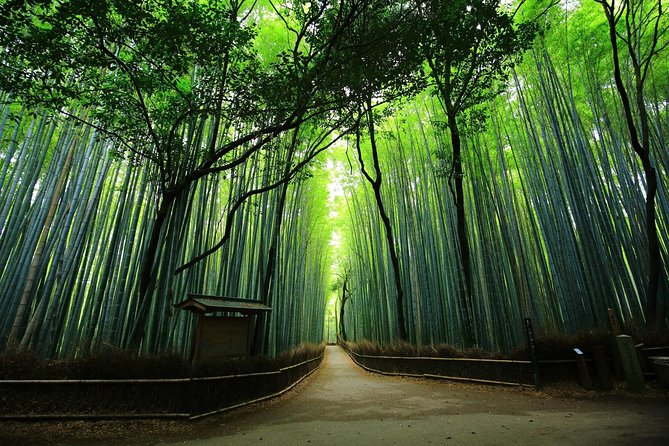
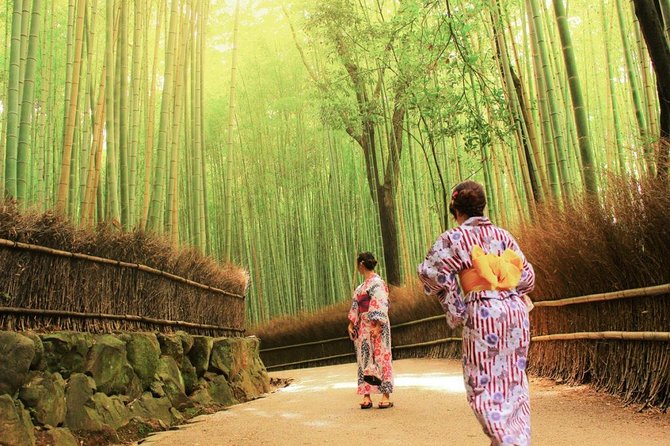
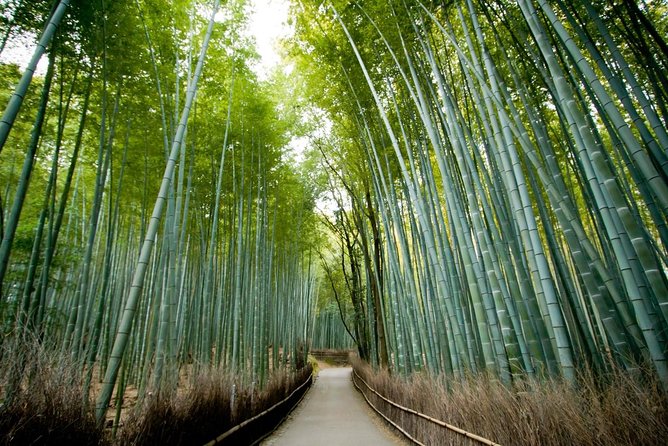
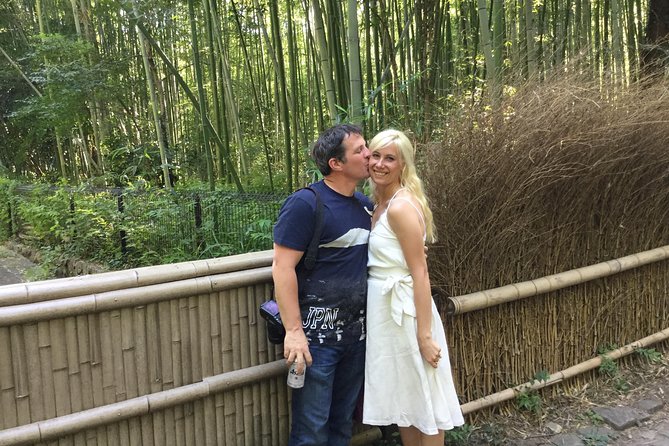
The Bamboo Forest Street is the tour’s headline stop, and it deserves its fame. Tall green stalks rise on both sides of the path, and a light breeze makes them sway and creak overhead. The walk is free, which is good news at a destination where paid temple admissions quickly add up.
It is also a short experience by itself. One customer felt the grove could be seen in an hour and found little reason to continue with a loosely planned tour. That is useful advice. The bamboo path is beautiful, but it should be the opening chapter, not the whole book.
Ask your guide to pair it with Tenryu-ji, Jojakko-ji, Gio-ji, or Otagi Nenbutsu-ji. You will get a fuller sense of Arashiyama, from famous scenery to temple gardens and old neighborhood streets. Local bamboo craftsmen have long used the plant for baskets, cups, boxes, and mats, so the grove has a practical connection to Japanese craft as well as a photographic one.
Tenryu-ji, Jojakko-ji, and Nisonin
Tenryu-ji is the major temple choice near the bamboo grove. Founded in 1339, it is one of Kyoto’s important Zen temples and a UNESCO World Heritage Site. The temple buildings matter, but the garden and walking paths are the main reward for many visitors.
This is a good pairing for first-time visitors because you can see the classic Arashiyama sequence in one area: bridge, bamboo, Zen temple, and garden. Admission is not included, so confirm the current fee with your guide before entering.
Jojakko-ji offers a quieter change of mood. Its small buildings, gates, moss, and maple trees spread up a wooded slope, with views toward Kyoto from several points. The stairs make it less suitable for anyone who finds uneven ground tiring, but the setting feels more peaceful than the central bamboo path.
Nisonin is another hillside temple, founded in the ninth century and connected with the Tendai school of Buddhism. Its buildings are a little more substantial than those at Jojakko-ji, and the approach is shaded by trees. Choose one of these temples if you want atmosphere and views rather than another major monument.
More Private-Only Departures in Kyoto:
- Fushimi Inari Hidden Hiking Tour (Private Option Available)
★ 5.0 · 1,750 reviews - Private Kyoto Tour with a Local, Highlights & Hidden Gems, Personalised
★ 5.0 · 1,543 reviews - Kyoto 6hr Private Tour with Government-Licensed Guide
★ 5.0 · 1,369 reviews - 10 Must-see Spots in Kyoto One Day Private Tour (up to 7 people)
★ 5.0 · 1,108 reviews
Gio-ji and the mossy side of Sagano
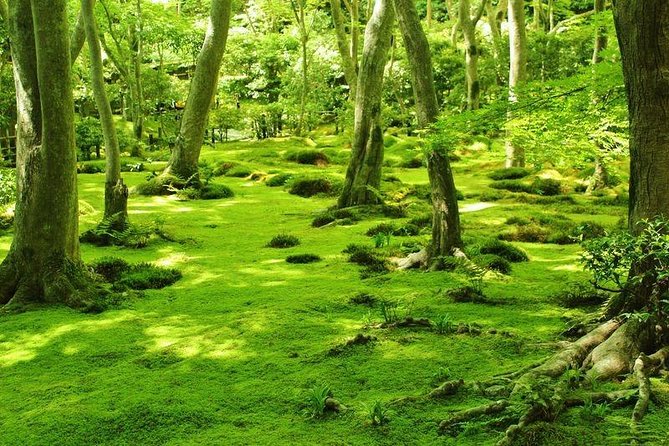
Gio-ji is the small, quiet choice. Its thatched entrance and main hall sit among moss and tall maple trees, and a round window looks into the garden. The temple feels more intimate than Tenryu-ji, with less emphasis on grand scale.
I would choose Gio-ji for a second-time Kyoto visit or for anyone who values stillness over famous names. It pairs naturally with Jojakko-ji and Nisonin, although doing all three means more walking and stairs.
Adashino Nenbutsu-ji takes you farther along Saga-Toriimoto Preserved Street. Hundreds of stone figures cover the grounds, placed here for the souls of the dead. A short bamboo path behind the temple adds another forest walk, but the mood is more solemn than at the main Arashiyama grove.
Otagi Nenbutsu-ji lies about ten minutes farther north on foot. Its 1,200 rakan statues are the attraction, each with a different facial expression. The figures were made in the 1980s and early 1990s, so this is not an ancient statue collection, but the variety makes it unusually engaging. If you want a less standard Arashiyama route, Otagi is one of the strongest choices.
Okochi Sanso Garden and a useful splurge
Okochi Sanso is the former villa of actor Okochi Denjiro, set behind the bamboo groves. The grounds include gardens, tea houses, gates, and living quarters. The buildings are viewed from outside, so the draw is the garden setting rather than interior access.
This can be a smart addition if you want a refined garden after the crowds of the bamboo path. It is not free, and the tour price does not cover admissions, but it may offer a calmer and more polished stop than simply adding another temple.
Your guide can also help with lunch. Several outings included a local meal or a recommendation for a beef bento near the Rilakkuma shop, with a warning to avoid the longest lunch queues. Lunch is your responsibility, so build time and money for it into the day rather than treating it as an included feature.
The imperial villas: beautiful, but not casual stops
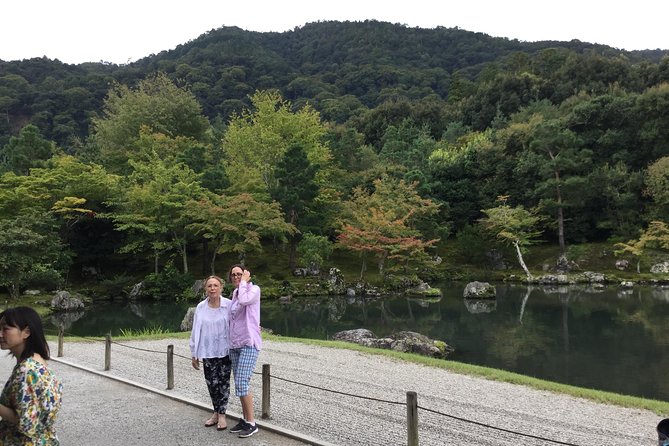
Katsura Imperial Villa is one of Japan’s finest examples of garden and architectural design. Its circular path follows a central pond, while the palace buildings can be viewed only from outside. Photography is restricted to designated places, and visiting requires joining an official tour. English tours are available.
Katsura is a strong choice for travelers who care about garden design and imperial architecture. It is not a spontaneous pop-in after the bamboo grove. You need to plan around its visiting arrangements, and the entrance fee is not included.
Shugakuin Imperial Villa is another formal garden complex, built in the seventeenth century for Emperor Gomizuno. It has Upper, Middle, and Lower Villa areas, with traditional buildings, gardens, and surrounding farmland still worked by local farmers.
Both villas are worthwhile, but neither belongs in a rushed list of Arashiyama highlights. If you want one of them, make it the main purpose of the day and ask your guide to build the route around it. Trying to combine Shugakuin or Katsura with distant northern mountain sites would leave little time for walking.
Kurama, Kibune, and the limits of the route
Kurama is a rural mountain town less than an hour from central Kyoto. It is known for Kurama-dera and Kurama Onsen, where day visitors can pay for outdoor or full bathing access. The temple and hot spring offer a very different mood from Arashiyama’s shops and bridge.
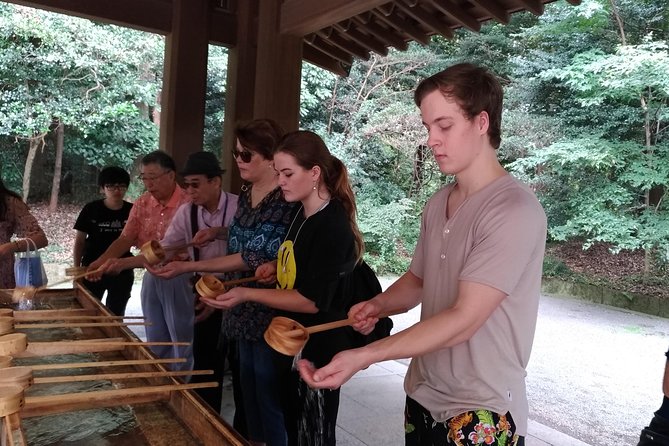
Kibune lies in a forested valley farther north, around Kifune Shrine. The shrine is associated with water and rain, and its fortune slips reveal their message when dipped in water. The river setting is the main appeal, but Kibune is not a natural add-on to a standard Arashiyama walk.
These stops appear among the possible choices, but the geography should shape your decision. Ask in advance how much time will be spent on public transportation and what fares will be due for you and your guide. The tour includes no private vehicle, and transport is not part of the price.
Yoshimine-dera and Daikaku-ji
Yoshimine-dera sits in Kyoto’s western mountains, with buildings spread up a slope and views across the city. It belongs to the Tendai school and was founded in 1029. The climb and uneven paths make it a poor choice for a rushed or low-energy afternoon, but the mountain setting gives it a strong sense of distance from central Kyoto.
Daikaku-ji is in northern Sagano and began as the detached palace of Emperor Saga in the early ninth century. It became a temple in 876 and later played a role in imperial politics, including peace talks that helped reunite the Northern and Southern Courts.
The temple has large halls, a pond, and a pagoda. It is a good pick if you want a site tied to court life and Japanese history rather than only gardens and forest paths. The supplied route lists Daikaku-ji twice, but you should treat it as one possible stop, not two separate visits.
How the private guide affects your day
The strongest part of this experience is the person leading it. The most praised guides have been flexible, considerate, and good at explaining local culture in plain terms. Kazuo was singled out for adapting to a slower walking pace, while Tomo was valued for finding quieter places when the main routes were crowded.
Families may benefit from the private format. Children enjoyed the bamboo grove, temples, and, on some outings, the nearby monkey park. That park is not included in the stated stop list, so ask about it before relying on it as part of your plan.
The guide can also make the day more personal. One outing included help locating a local artist, while others focused on food, gardens, or traditional neighborhoods. Guide assignments are not guaranteed, so do not book solely because you hope for a particular person.
There is one caution. A few customers found a guide poorly prepared and unable to answer many questions. The licensed designation helps, but it does not guarantee the same communication style or depth of explanation every time. Send your interests in advance and arrive with two or three clear questions.
Cost, walking, and seasonal conditions
At $157.82 per person, the price is high for a walking tour if you are traveling alone. For two or more people, the private format becomes easier to justify because you are buying route planning, direct attention, and flexibility rather than simply paying for an entrance ticket.
You still pay for temple and garden admissions, lunch, and transportation for yourself and the guide. There is no private vehicle. Pickup and drop-off are on foot, so confirm the meeting point and expect a day built around walking.
Wear shoes with good grip. Autumn rain can make temple paths and hills slippery, and summer heat can make six hours feel long. The tour requires good weather, and a cancellation for poor conditions gives you a different date or a full refund. You can cancel for a full refund up to 24 hours before the start time.
The current score is 4.8 from 49 ratings, with 98 percent recommending the experience. That is a strong signal, but the range of experiences shows why route planning matters more here than the headline rating.
Who should book this Arashiyama tour?
Book it if you want a guide to explain Kyoto as you walk, dislike organizing several temple visits, or want a private day shaped around your group. It is especially useful for families, first-time visitors, and anyone who wants to combine the bamboo grove with quieter temples.
You may not need it if your only goal is a quick look at the bamboo forest and Togetsukyo Bridge. Both can be visited without a private guide, and the tour price rises once you add admissions and transport.
My best plan would be Togetsukyo Bridge, the bamboo grove, Tenryu-ji, and either Okochi Sanso or one of the quieter temples. For a repeat visit, I would skip the headline stops and choose Gio-ji, Adashino Nenbutsu-ji, Otagi Nenbutsu-ji, or Daikaku-ji.
FAQ
How long is the Kyoto Arashiyama private tour?
The tour lasts approximately six hours.
How many sights can I visit?
The tour includes a customizable walking route of three or four sites from the available choices.
Is the bamboo forest included?
The bamboo forest is one of the available stops, but you should confirm your chosen route with the guide before the tour.
Is Togetsukyo Bridge free to visit?
Yes. Admission to Togetsukyo Bridge is free.
Are temple entrance fees included?
No. Entrance fees are paid by you and are not included in the tour price.
Is lunch included?
No. Lunch is not included, so you pay for your own meal.
Is transportation included?
No. You pay transportation costs for yourself and the guide. The experience does not include a private vehicle.
Is hotel pickup available?
The meeting and drop-off arrangement is on foot in Kyoto. The listed pickup and drop-off service does not provide a private vehicle.
Can I choose a specific guide?
The experience provides a government-licensed English-speaking guide, but a particular guide is not guaranteed. Guides who have led this type of outing include Kazuo, Kazz, Tomo, Ken, and Shoji.
What happens if it rains?
The experience requires good weather. If poor weather causes cancellation, you will be offered another date or a full refund. You can also cancel at least 24 hours before the start time for a full refund.
Just added around Kyoto
- Sekka Cotton Furoshiki Class★ 5.0 · 19 reviews
- Secret Eastern Kyoto Biking Adventure★ 5.0 · 44 reviews
- Kyoto Sword Experience – includes Museum Ticket/Ninja Experience★ 4.5 · 149 reviews
- Scenic Green Tea Fields of Hidden Kyoto & Local Tea Exp (Private)★ 5.0 · 32 reviews
- Private Sake Tasting in Central Kyoto with Sake Sommelier★ 5.0 · 32 reviews
- Samurai School in Kyoto: Samurai for a Day★ 5.0 · 202 reviews
- SHIRAKAWA Japanese Culture Experiences with private English staff★ 5.0 · 16 reviews
- A Privately Guided Photoshoot in Beautiful Kyoto by a Pro★ 5.0 · 18 reviews
Guided, compared.
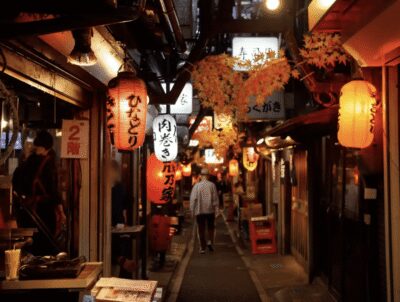
Shinjuku Local Bar and Izakaya Guided Walking Tour
Our verdict →
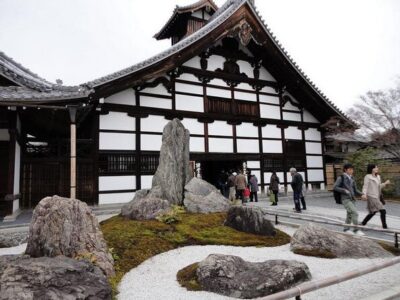
Kyoto Early Morning Tour with English-Speaking Guide
Our verdict →
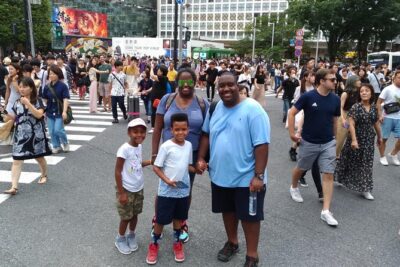
Tokyo 4hr Private Tour with Government-Licensed Guide
Our verdict →