
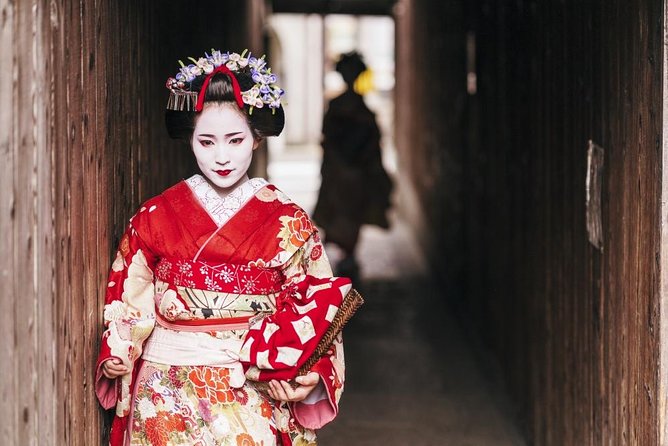
Reviewed · DINNER EXPERIENCES
Kyoto Evening Gion Food Tour Including Kaiseki Dinner
The best part of this evening is the shift from ordinary Kyoto streets to the lantern-lit lanes of Gion and Pontocho. You cross the Kamogawa River, pass old wooden buildings and tea houses, and hear how geiko and maiko fit into Kyoto’s traditional arts scene before sitting down to a 10-course kaiseki meal.
I like two things here. First, the guide gives meaning to places you could easily walk past, including Tatsumi Bridge, Hanamikoji Street, and Gion Shirakawa. Second, the tour combines small food samples with a proper dinner, so you get both a neighborhood walk and a taste of formal Kyoto cuisine. The main caution is price: at $276 per person, you are paying for guidance and context as much as for the food, and some diners have found the meal less impressive than expected.
Key points to know before you book
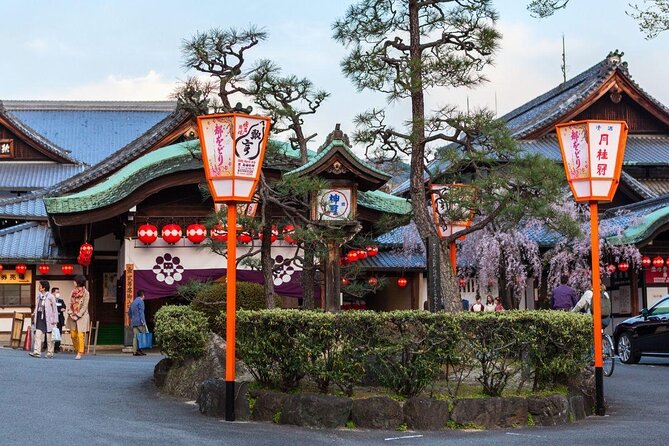
- A three-hour evening route: Meet at 5pm near the Japan Kanji Museum and Library, then walk through Gion and finish in the Pontocho area.
- A full 10-course kaiseki dinner: The meal includes green tea, dessert, and one drink. Extra food and drinks cost more.
- Small groups: The maximum is 10 people, though some departures may be much smaller.
- Strong cultural focus: You’ll hear about geiko, maiko, tea houses, traditional buildings, and the customs behind kaiseki cuisine.
- Several food stops before dinner: Expect Kyoto treats and shop visits as you walk, including samples such as matcha cookies and other local specialties.
- Plan for steady walking: The tour requires good physical fitness and does not include hotel pickup, drop-off, or transportation.
Why this Kyoto evening works so well
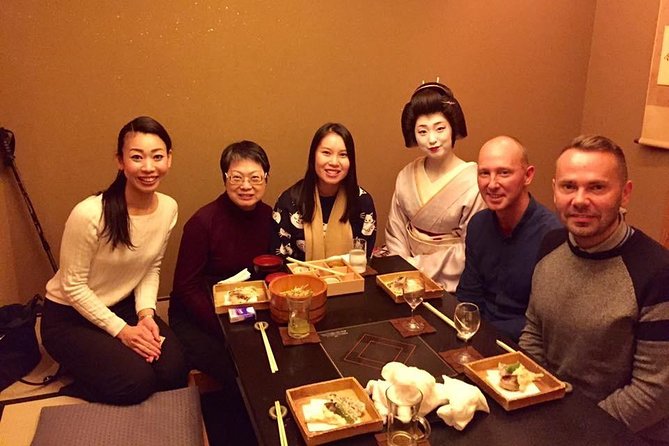
Kyoto can be hard to read on your own. A quiet wooden façade may be a private tea house. A narrow lane may lead to a restaurant you cannot simply enter. A woman in an elaborate kimono may be a maiko on her way to work, not a performer available for photographs.
This tour helps you understand those details while the streets are taking on their evening character. You are not just being led between famous sights. You are given a setting for the sights: how Gion developed as an entertainment district, why Pontocho has long been linked with geiko, and how Kyoto’s food traditions connect with the seasons.
The timing is useful. Starting at 5pm gives you daylight or fading light for the first part of the walk, followed by the soft glow of evening around the river and old districts. The whole experience lasts about three hours, so it fits neatly into a night when you want something planned but not an all-evening commitment.
Guides on different departures have included Thomas, Yoshiko, Sae, Akari, Bernard, Rosalia, and others. The strongest guide experiences have a warm, personal feel. Guides such as Yoshiko and Akari have been praised for explaining just enough without turning the walk into a lecture, while Bernard and Thomas have been noted for keeping the group engaged even in poor weather.
More Dinner Experiences in Kyoto
- Kyoto Gion Cultural Walk & Geisha Show with Dining Options
★ 5.0 · 518 reviews - Kyoto Gion Cultural Walk & Geisha Show with Dining Options
★ 5.0 · 483 reviews - Dinner with Maiko in a Traditional Kyoto Style Restaurant Tour
★ 5.0 · 175 reviews
Starting near the Japan Kanji Museum and Library
The meeting point is the Japan Kanji Museum and Library at 551 Gionmachi Minamigawa. You meet your guide and group there at 5pm, with admission to the museum itself not included as a tour activity.
This is a practical starting place because you are already close to Gion. You do not spend the first part of the evening on a long transfer from a distant hotel. The tour then sets off on foot toward the Kamogawa River and the old entertainment quarters.
Bring comfortable shoes. Three hours may not sound long, but the route includes several streets, bridges, lanes, and sightseeing stops. You should also arrive ready for changing weather. A rainy evening does not automatically ruin the tour, but you will enjoy it more with suitable clothing and an umbrella.
Crossing the Kamogawa and seeing Kyoto at evening pace
The Kamogawa River gives the tour a gentle opening. You cross the bridge and walk along the river terraces, where local people gather in the evening. This is one of those simple Kyoto scenes that is easy to miss if you rush from one major temple to the next.
The river walk also gives your guide room to explain how the area fits into daily life. You see people relaxing rather than simply posing for photographs, which helps the city feel like a lived-in place rather than an outdoor museum.
Along the way, the group makes food-related stops. The exact shops and tastings can change because of restaurant schedules, holidays, weather, and other conditions. Past stops have included local treats such as matcha cookies and visits to specialty shops, including a plum shop.
These samples are not meant to replace dinner. Think of them as an introduction to Kyoto flavors and shop culture. They also break up the walking and give you small, useful discoveries that you might not find alone.
Pontocho, the narrow lane with a long performing-arts tradition
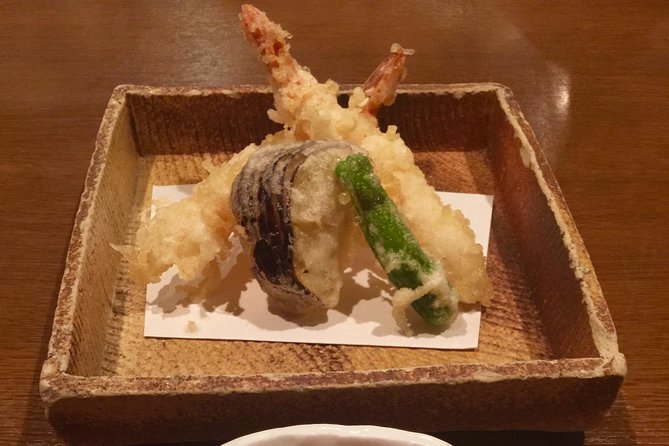
From the river, the route reaches Pontocho, traditionally associated with geiko and tea houses since the 16th century. The district is famous for its narrow lane, wooden façades, and restaurants that can be difficult for a first-time visitor to interpret.
Your guide explains the difference between geiko and maiko and gives you a better sense of how the traditional entertainment system works. You may see a geiko or maiko moving between appointments, though sightings are never guaranteed and should be treated respectfully.
This is a place where good guiding matters. Without context, you may notice only lanterns and old buildings. With an explanation, you begin to understand why some doors are private, why the district operates differently from an ordinary dining street, and why quiet observation is more appropriate than chasing photographs.
Keep in mind that the tour does not promise a meeting with geiko or maiko. The route is about the district and its culture. Any sighting is an extra possibility, not the central product.
More Food Tours in Kyoto
- Kyoto Night Foodie Tour in Gion (9+ dishes + 6 Sake tastings)
★ 5.0 · 1,762 reviews - Kyoto Nishiki Market Food and Culture Walking Tour
★ 5.0 · 412 reviews - Kyoto: Gion Food Tour 13 Dishes at 4 Eateries
★ 5.0 · 408 reviews - Kyoto Foodie Night Tour
★ 5.0 · 376 reviews
Gion Shirakawa and the atmosphere of old Kyoto
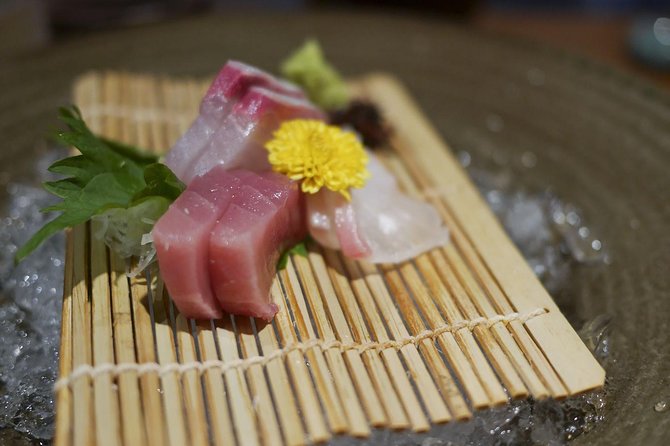
The walk continues through Gion, Kyoto’s best-known traditional entertainment district, and into Gion Shirakawa. This section includes old wooden buildings, tea houses, and lanes that show a more carefully preserved side of the city.
Gion Shirakawa is especially appealing in the evening. The Shirakawa neighborhood and Tatsumi Bridge offer the kind of setting many people picture when they think of old Kyoto: water, traditional architecture, narrow streets, and subdued lighting. Your guide also discusses the lives and work of geiko and maiko, giving social context to the scenery.
The route may include Gionmachi, Gion Corner, Tatsumi Daimyojin Shrine, the Statue of Izumo-no-Okuni, Hanamikoji Street, Yasaka Pagoda, and Hōkanji Temple. Not every point functions as a long sightseeing stop. Some are landmarks you pass while walking, while others provide a brief explanation or photo opportunity.
That distinction matters. This is not a temple tour with extended time inside each monument. It is a neighborhood walk, and the value comes from seeing how the pieces connect. If you want lengthy visits inside temples or museums, this is not the right format.
From famous lanes to a formal kaiseki dinner
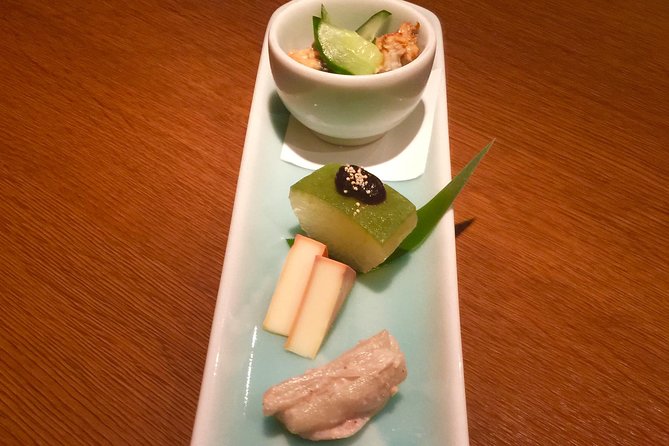
The walk ends at Pontocho Idumoya in the Pontocho area. Here, the evening changes pace. Instead of sampling small bites while standing or walking, you sit down for a 10-course kaiseki dinner.
Kaiseki is built around seasonal ingredients, careful preparation, balance, and presentation. The point is not simply to serve ten large plates. Courses are arranged to create variety in flavor, texture, temperature, and appearance.
Your guide explains the tradition during the meal, which is helpful if formal Japanese dining is new to you. Some dishes may be familiar, while others may require explanation. Rather than guessing what is in front of you, you can ask how a course fits into the meal and why it has been prepared in a particular way.
The package includes green tea, dessert, and one drink. Additional drinks and food are not included. Go hungry, but do not assume that a multi-course dinner will feel like a Western meal with one large main dish. Kaiseki unfolds gradually, and the pleasure is in the sequence as much as in fullness.
Food quality is the area where expectations need the most care. Several departures have produced delicious, varied meals in a traditional setting. One meal may feel like the culinary centerpiece of your Kyoto visit. Other diners have considered the food solid but not special enough to justify the total price, especially if they have already enjoyed high-end kaiseki in Kyoto or Tokyo.
That makes the dinner a better fit for someone who wants an introduction to kaiseki with guidance than for a serious food enthusiast seeking the finest possible meal for $276.
What the $276 price really covers
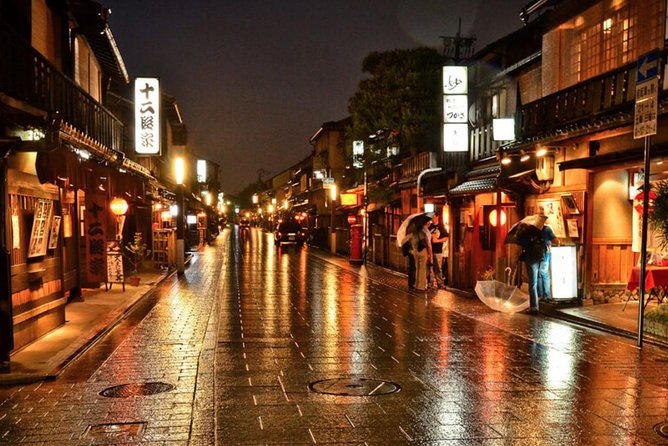
At $276 per person, this is an expensive evening. The included items are the local guide, the walking tour, 10-course dinner, green tea, dessert, and one drink. Hotel transfers and transportation costs are not included.
You are paying for several services at once:
- A small-group guide through areas that can be confusing on your own
- Cultural explanations about Gion, Pontocho, geiko, and maiko
- Food samples during the walk
- A formal multi-course dinner
- Help understanding kaiseki customs and dishes
- A convenient start-to-finish evening route
The maximum group size is 10, and some departures have been much more intimate. A small group gives you more time to ask questions and makes the walking portion easier to manage. It also means the guide can respond to food allergies and preferences more carefully.
Still, the cost is high enough that you should compare it with your priorities. If you mainly want dinner, you may find better value by booking a restaurant separately. If you want a guided introduction to Gion combined with dinner and do not want to plan the evening yourself, the price becomes easier to defend.
Food needs, children, and the walking level
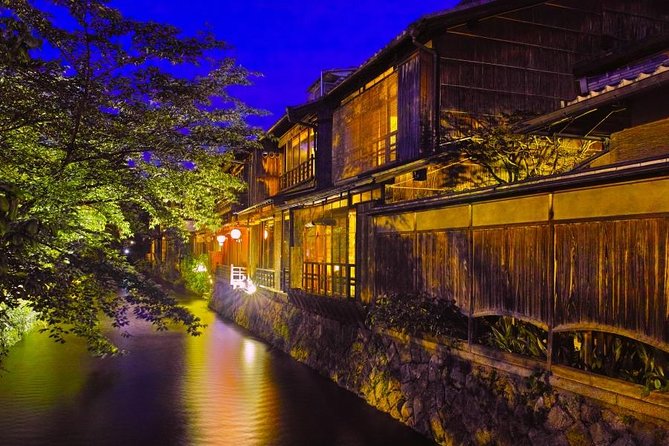
Vegetarian, pescatarian, and gluten-free diets are described as possible, but you should provide accurate information when booking. Food allergies have been handled well on past departures, yet this is not a reason to assume every request will be automatic. Ask in advance and confirm what you can eat.
Children must be accompanied by an adult. A copy of passport information is required for children aged 10 and above. Families have completed the tour with young children, including a baby, and found the guide accommodating.
The walking level is more important than the duration suggests. You move through several neighborhoods and streets, and the tour requires a strong level of physical fitness. There is no included transport between stops.
The minimum drinking age is 21. Since one drink is included, make sure everyone in your group understands the age requirement. Nonalcoholic preferences should be raised when booking.
Who will get the most from this evening
I would recommend this tour most strongly to a first-time Kyoto visitor who wants a clear introduction to Gion without spending hours researching private tea houses, food customs, and neighborhood history.
It also suits you if you have only one free evening and want several Kyoto themes in one outing: the river, traditional entertainment districts, local snacks, old streets, and formal cuisine. The guide creates a useful framework, especially if you are unsure how to behave around geiko and maiko or how to approach a kaiseki menu.
Families can enjoy it, provided everyone can manage the walking and the late dinner. Couples and solo visitors may also appreciate the small group and the chance to ask questions. Solo travelers should email the provider before booking, as special arrangements may be needed.
I would be more cautious if you have already taken several Gion tours or eaten expensive kaiseki meals in Japan. You may find the cultural walk familiar and the dinner insufficiently distinctive for the price.
Booking details that matter
You receive confirmation at booking, and same-day booking is available. The activity uses a mobile ticket, which is convenient when you are moving around Kyoto.
The start time is 5pm. The listed end point is Pontocho Idumoya, in the Pontocho area, so you should not expect to return to your hotel. The route finishes near public transportation, but transportation itself is not included.
Plans can change because of restaurant schedules, public holidays, weather, or other unexpected issues. If the minimum number of participants is not reached, the activity may be canceled and you will be offered another date, another experience, or a full refund.
You can cancel for a full refund up to 24 hours before the local start time. Cancellations or changes inside that window are not accepted. The tour also requires good weather, so keep that policy in mind when planning a tight Kyoto schedule.
Should you book the Kyoto Gion Food Tour?
Book it if you want one guided evening that links Gion’s streets with a formal Japanese dinner. The walk is the strongest part for many people because it turns attractive but cryptic places into understandable ones. A good guide, such as Thomas, Yoshiko, Sae, Akari, Bernard, or Rosalia on past departures, can add warmth and useful detail.
Book with realistic food expectations. This is not a guaranteed luxury dining experience, despite the price. It is a cultural walk with a 10-course kaiseki meal, and the value depends on how much you want the explanation, neighborhood access, and easy evening plan.
If that combination sounds worthwhile, the tour gives you a pleasant and well-shaped introduction to Kyoto after dark. If your priority is only the best possible dinner, spend the $276 on a restaurant chosen for its menu and reputation instead.
FAQ
How long does the Kyoto Gion Food Tour last?
The experience lasts approximately three hours.
What time does the tour start?
The tour starts at 5pm.
Where does the tour meet?
You meet at the Japan Kanji Museum and Library, 551 Gionmachi Minamigawa, Higashiyama Ward, Kyoto.
Where does the tour end?
The tour ends at Pontocho Idumoya in the Pontocho area.
What food is included?
The experience includes a 10-course kaiseki dinner, green tea, dessert, and one drink.
Are additional drinks included?
No. Additional drinks or food are not included.
Does the tour include hotel pickup?
No. Hotel pickup, hotel drop-off, and transportation costs are not included.
Can dietary requirements be accommodated?
Vegetarian, pescatarian, and gluten-free diets are listed as possible. You should provide your dietary information when booking.
Is the tour suitable for children?
Children must be accompanied by an adult. A copy of passport information is required for children aged 10 and above.
Can I cancel for a full refund?
Yes. You can cancel at least 24 hours before the local start time for a full refund. Changes or cancellations made less than 24 hours before the start are not accepted.
More Sunset Experiences in Kyoto
- Kyoto: Gion Sunset Walking Tour with Local Guide
★ 4.7 · 351 reviews - Kyoto: Gion Evening Walk with Hidden Gems, Geisha & Sake
★ 5.0 · 41 reviews - Kyoto Evening Gion Food Tour
★ 4.9 · 35 reviews - Kyoto: Casual Pontocho Evening Food Tour
★ 4.8 · 31 reviews
More Food & Drink in Kyoto
- 3-Hour Kyoto Insider Sake Brewery Tour with Tastings & Pairings
★ 5.0 · 917 reviews - Arashiyama Bamboo, Temple, Monkeys, or Secret Sake Brewery
★ 4.8 · 886 reviews - Kyoto: Insider Sake Brewery Tour with Sake and Food Pairing
★ 5.0 · 704 reviews - Kyoto Sake Brewery & Tasting Walking Tour
★ 5.0 · 623 reviews
Just added around Kyoto
- Sekka Cotton Furoshiki Class★ 5.0 · 19 reviews
- Secret Eastern Kyoto Biking Adventure★ 5.0 · 44 reviews
- Kyoto Sword Experience – includes Museum Ticket/Ninja Experience★ 4.5 · 149 reviews
- Scenic Green Tea Fields of Hidden Kyoto & Local Tea Exp (Private)★ 5.0 · 32 reviews
- Private Sake Tasting in Central Kyoto with Sake Sommelier★ 5.0 · 32 reviews
- Samurai School in Kyoto: Samurai for a Day★ 5.0 · 202 reviews
- SHIRAKAWA Japanese Culture Experiences with private English staff★ 5.0 · 16 reviews
- A Privately Guided Photoshoot in Beautiful Kyoto by a Pro★ 5.0 · 18 reviews
Dinner Experiences, compared.
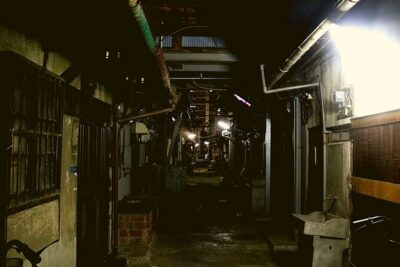
Deep Backstreet Osaka Tours (Option to add Dinner)
Our verdict →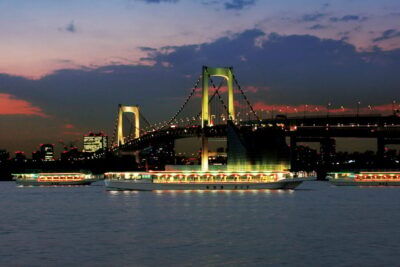
Sumida River: Japanese Traditional Yakatabune Dinner Cruise
Our verdict →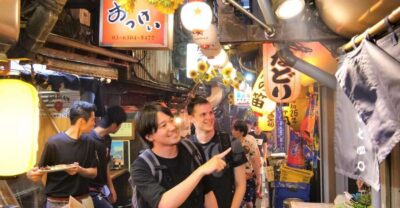
Shinjuku Bar Hopping with All-You-Can-Drink & Dinner
Our verdict →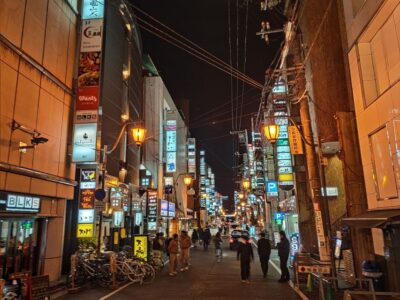
Hiroshima: Food and Culture Guided Walking Tour with Dinner
Our verdict →
Browse the lists this tour appears in