
Reviewed · GEISHA & MAIKO EXPERIENCES
Kyoto: Meet the Geisha Maiko with Gion Walking Tour
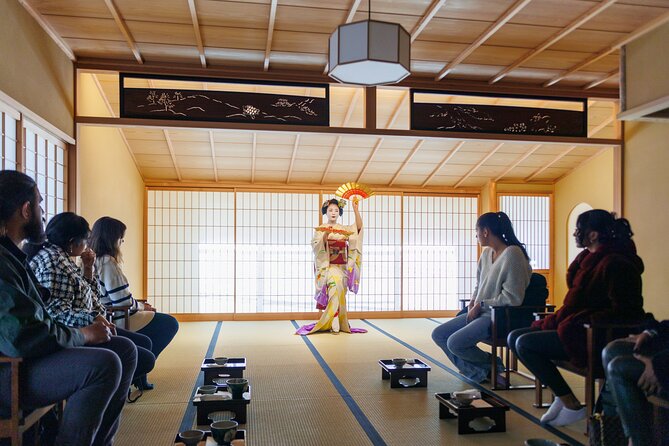
Seeing a maiko perform inside a private ochaya is the heart of this Kyoto experience. You walk through Gion first, then meet a maiko and a retired geiko, hear their stories through a guide, and watch a traditional dance with shamisen music. It is a far better way to learn about geisha culture than chasing a hurried figure down a street.
I like the small, personal meeting with the performers, including time for questions and photos. I also like the guides’ role as translators and cultural interpreters. Guides such as Haruki, Takuma, Miko, Ayako, Naomi, and Chiko have been singled out for clear explanations and warm service.
The weak spot is the walking portion. Some of the route can feel repetitive, and a few people have found the translation hard to hear. At $109.43, you are paying mainly for access to the private performance, not for food, drinks, or a packed sightseeing schedule.
Key points to know before booking
- A private ochaya visit: Enter a traditional venue that is normally closed to casual visitors and hear directly from a maiko and retired geiko.
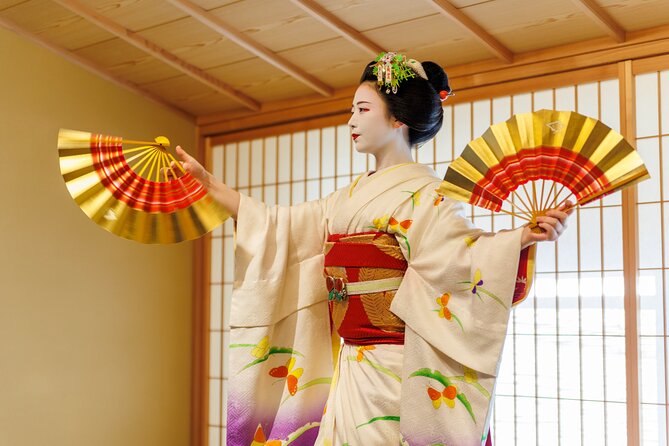
- A real performance: Watch a classical dance, with shamisen accompaniment on some occasions, before taking part in questions and conversation.
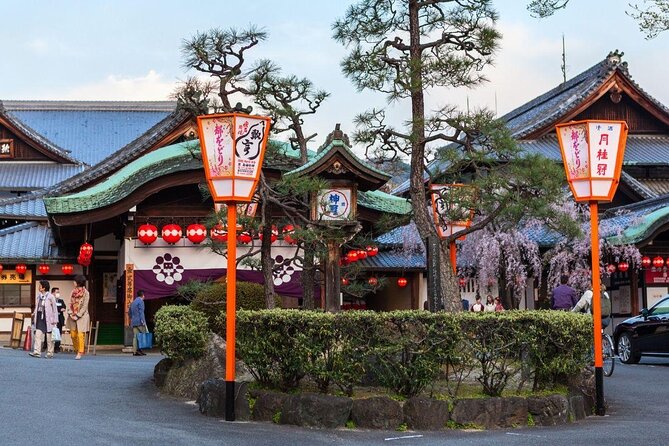
- Gion on foot: See Gion Shirakawa, Tatsumi Daimyojin Shrine, Tatsumi Bridge, Hanamikoji Street, Gion Corner, and nearby Zen temple grounds.
- Translation is central: Your guide explains the setting and translates the performers’ answers, so the quality and volume of the guide matter.
- Plan for stairs and socks: The performance is on the second floor, and you must wear socks inside the venue.
- Best for culture seekers: The tour suits adults and children age 10 or older who want context, conversation, and a respectful look at Kyoto’s geiko tradition.
Why the maiko meeting matters more than the street walk
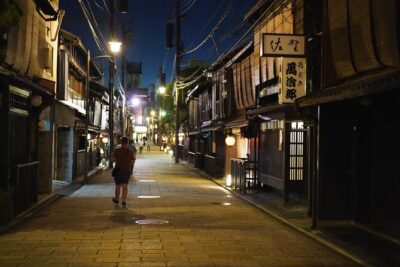
Gion is one of Kyoto’s historic geisha districts, but simply walking its lanes tells you only so much. You may see wooden machiya facades, discreet entrances, lanterns, and signs of teahouses, yet the working world behind those doors remains mostly private.
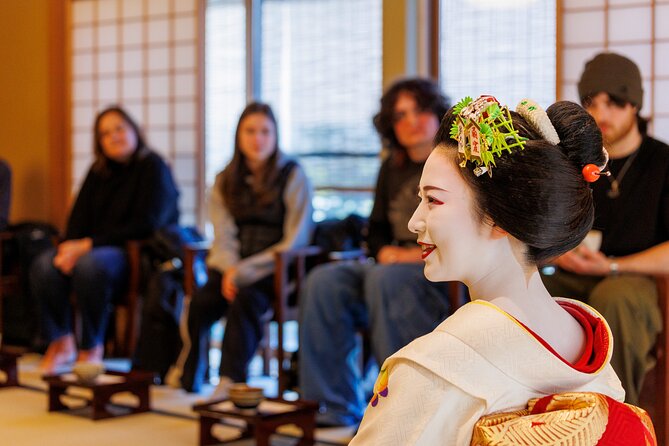
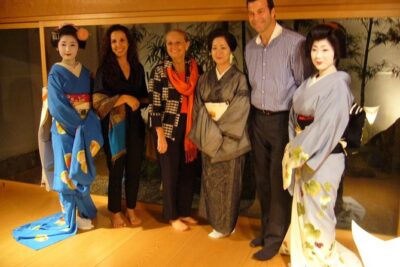
This tour changes that. The key offering is not a staged photo stop on a public street. It is an arranged visit inside a private ochaya, where a maiko and a retired geiko meet the group. You watch a dance, learn about their training and working lives, and ask questions with a guide translating.
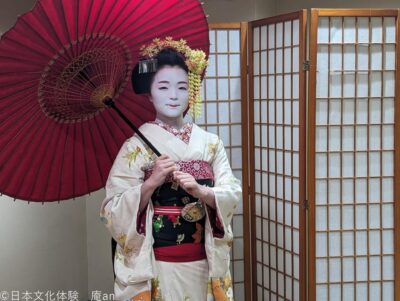
That direct exchange gives the tour its value. You are not just looking at a costume or a painted face. You hear about a demanding artistic tradition from people connected to it, including someone still training as a maiko and someone who has completed her career as a geiko.
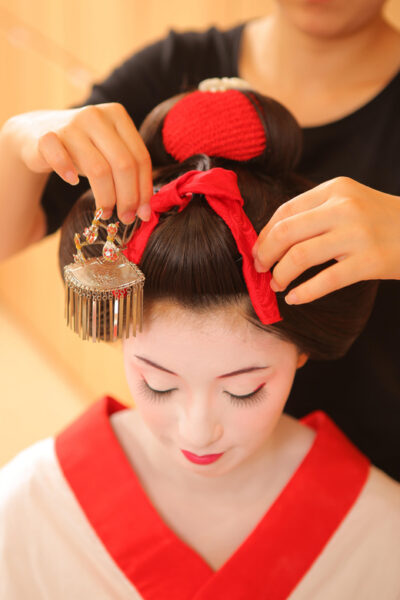
The distinction matters. A maiko is an apprentice geisha, while a geiko is a fully trained geisha. The title often uses the wider term geisha, but Kyoto commonly uses maiko and geiko for these stages of the profession.
More Walking Tours in Kyoto
- Kyoto Geisha Walking Tour: Gion District & Hidden Gems
★ 4.7 · 3,273 reviews - Kyoto: Gion Magical Night Walking Tour with Geisha Trivia
★ 4.9 · 2,393 reviews - Kyoto: Gion Geisha District Walking Tour – Stories of Geisha
★ 4.7 · 2,187 reviews
Gion Shirakawa gives you the right introduction
The walking portion begins around Gion Shirakawa, one of the prettiest parts of the district. The route takes you through traditional streets while the guide explains the role of maiko and geiko, their training, customs, clothing, and daily lives.
This is not a general Kyoto history walk. The focus stays on geisha culture and the places where that culture continues today. If you want a broad tour of temples, gardens, and city history, this will feel narrow. If you want to understand why Gion looks and behaves as it does, the focus works well.
The lanes are also a useful lesson in manners. This is a living neighborhood, not an open-air theater. You should not block entrances, photograph people without permission, or treat working maiko as public performers. The tour helps explain that difference before you enter the private venue.
The walking section takes about 30 minutes at Shirakawa, with short stops elsewhere. Comfortable shoes are important because the activity continues on foot and operates rain or shine.
Tatsumi Daimyojin Shrine and Tatsumi Bridge
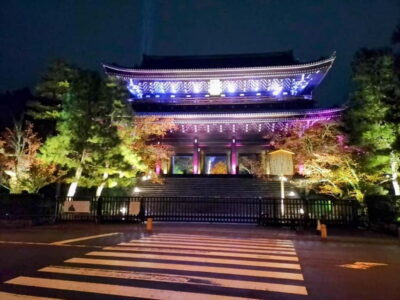
The route pauses at Tatsumi Daimyojin, a small Shinto shrine associated with protection, good fortune, and safety. Its roots reach back to the Heian period, when Kyoto was Japan’s imperial capital.
You will not spend long here, about five minutes, but the stop adds a useful religious layer to the district. Gion is not only a place of entertainment. Shrines, temples, homes, restaurants, and performance houses share the same streets.
Nearby Tatsumi Bridge is one of the most photogenic corners of Gion. Traditional wooden buildings and narrow lanes give it the look many people expect from old Kyoto. The guide uses this area to point out the connection between the visible streetscape and the private teahouse culture behind it.
This is also where you need to keep your expectations in check. The route is attractive, but you are mainly viewing buildings from outside. The tour does not take you into every teahouse or offer a long architectural visit.
Hanamikoji Street and the edge of temple country
Hanamikoji Street is Gion’s main thoroughfare, lined with machiya buildings, teahouses, shops, and restaurants. The street offers the clearest sense of Gion’s polished public face, while the side lanes show a quieter and more residential character.
The guide explains where geiko and maiko work and meet clients, but the walking time here is brief, around 10 minutes. You should see it as preparation for the private meeting rather than the main attraction.
The route also passes Gion Corner, a venue known for presenting several traditional Japanese arts. According to the schedule, you view the area rather than attend a performance there, so do not book this tour expecting a second show at Gion Corner.
You also pass through the grounds of one of Kyoto’s oldest Zen Buddhist temples. The group does not enter the temple buildings. Instead, you walk through the grounds as local pedestrians do and get a short taste of the calm contrast between temple space and Gion’s entertainment district.
Some people enjoy this gradual change of mood. Others feel the walk circles back over familiar ground. If you have limited time in Kyoto or dislike slow urban walks, keep in mind that the performance is the part carrying most of the price.
More Geisha Experiences in Kyoto:
- Best of Kyoto: Gion, Geisha, Pagodas & Cobblestones
★ 4.9 · 2,058 reviews - Night Walk in Gion: Kyoto’s Geisha District
★ 4.5 · 2,003 reviews - Kyoto Gion Geisha District Walking Tour – The Stories of Geisha
★ 5.0 · 1,441 reviews - Kyoto Gion: 2-Hour Geisha Culture & History Walking Tour
★ 5.0 · 1,186 reviews
Miyagawasuji is where the tour earns its keep
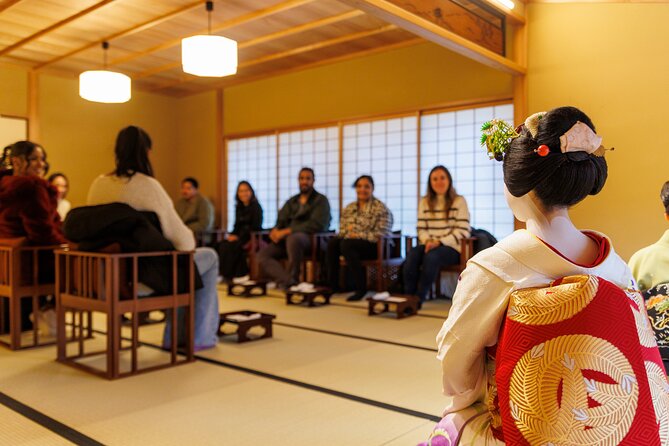
The final section takes place in Miyagawasuji, another area linked with Kyoto’s geiko and maiko culture. Here you enter the private performance venue, remove any wet outerwear as needed, and go upstairs to the second floor.
You must wear socks. On rainy days, wet cloth and wet socks are not allowed inside, so carry an umbrella and keep your feet dry. The room is reached by stairs, with no indication of an elevator, making this a poor choice if stairs are difficult for you.
Inside, you meet the maiko and retired geiko. The performance lasts as part of a roughly 90-minute visit, which also includes explanations, conversation, and questions. The maiko performs a traditional dance, and the retired geiko may take part in the discussion or musical presentation. Some accounts specifically describe shamisen accompaniment by the house mother.
The guide translates the conversation into English. That makes the experience accessible, but it also creates one practical risk: if the guide speaks softly or the room is large, you may miss parts of the discussion. One person found the translation difficult to hear, so sit where you can see and hear the guide clearly. A group of up to 30 people is allowed, though some sessions have felt much smaller and more intimate.
The best moments come after the dance, when you can ask about training, clothing, etiquette, performance, and life as a maiko or geiko. The answers are not just facts from a handbook. They give you a personal view of a demanding tradition that is rarely open to casual access.
Photography and video are allowed only during the performance and designated photo session. If you want to post pictures online, ask the maiko directly for permission first. That rule is not a minor footnote. It is part of showing respect in a setting where privacy matters.
What guides add to the experience
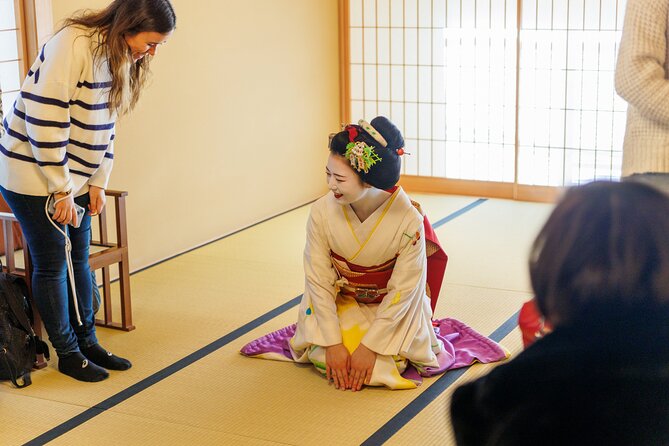
The guide makes a big difference because the tour depends on explanation and translation. Guides including Haruki, Takuma, Miko, Ayako, Naomi, Chiko, Ellie, Yoko, Mika, and Machiko have received praise for friendly service, strong English, and clear cultural explanations.
The most useful guide is not simply someone who points out a building. You want someone who can explain why the district is arranged as it is, how maiko differ from geiko, and how to ask questions without turning the meeting into an uncomfortable photo session.
Several guides have also helped with small practical matters, such as walking someone to a restaurant after the tour or assisting with umbrellas so the group could enter the traditional venue dry. Those details matter in Kyoto, where behavior inside an old house carries weight.
Still, guide quality can vary. One complaint involved a late start and weak English, while another praised the guide but felt the translation was too quiet. You should think of this as a live cultural program, not a recorded presentation with guaranteed audio equipment.
Is $109.43 a fair price?
At $109.43 per person, this is not a cheap walking tour. The price does not include hotel pickup, transport to or from the meeting point, food, drinks, or personal spending.
The value comes from access. Entering an ochaya is unusual even for many people living in Kyoto, and arranging a maiko performance plus conversation requires more than simply joining a public street walk. If the private meeting is your main reason for coming to Kyoto, the price can make sense.
It is harder to justify if you mainly want a short dance show. Other cultural programs may cost less or include food and drinks. You are also paying for a three-hour schedule, and some of that time is spent walking through places you can partly visit on your own.
My advice is to judge the price by the conversation, not by the number of landmarks. If you want a personal look at geiko culture and the chance to ask questions, the cost is easier to accept. If you want maximum sightseeing per dollar, choose a broader Gion walk and seek out another performance.
Who should book this Gion experience?
I would recommend it to adults interested in Japanese arts, etiquette, traditional performance, and the changing role of maiko and geiko. It also suits first-time Kyoto visitors who want a guide to explain what they are seeing rather than simply wander through attractive streets.
The tour can work well for families with older children, but no one under age 10 may join. Children who can sit quietly during a performance and take part respectfully in a question session are likely to get the most from it.
You should skip it if you dislike stairs, walking in wet weather, or guided group activities. You should also think twice if you expect a full meal, a tea ceremony, or a long temple visit. This is a cultural meeting with a short Gion orientation, not an all-purpose Kyoto tour.
Book with enough time to cancel if your plans change. Free cancellation is available up to 24 hours before the start time, while later cancellations and changes are not accepted.
Should you book the maiko and geiko encounter?
Book it if you want a rare, respectful meeting with a maiko and retired geiko, and if a translated conversation matters as much to you as the dance. The private ochaya setting, personal questions, and photo session are the reasons to choose this experience.
Do not book it expecting a polished sightseeing marathon or a meal-based evening. The street walk can feel too long for some people, the venue requires socks and stairs, and the guide’s volume may affect how much you hear.
For the right audience, this is one of Kyoto’s more unusual cultural bookings. You get context in Gion, then a direct look at a traditional art form that remains private, disciplined, and easy to misunderstand from the street alone.
FAQ
How long does the Kyoto maiko and Gion walking tour last?
The tour lasts about three hours, although it may run longer depending on the day.
How much does the experience cost?
The listed price is $109.43 per person.
Where does the tour start and finish?
The meeting and end point is in Miyagawasuji, Higashiyama Ward, Kyoto. The tour finishes at a private venue.
Will I meet both a maiko and a geiko?
The experience includes meeting a maiko and a retired geiko. A maiko is an apprentice, while a geiko is fully trained.
Is the performance held in a tea house?
The performance takes place in a private ochaya, a traditional establishment where guests are entertained by maiko and geiko. It is not a standard café or public tea ceremony venue.
Can I take photographs or record video?
Photography and video are allowed during the performance and photo session only. Ask the maiko directly before posting images on social media.
Do I need to wear anything special?
You must wear socks inside the performance venue. Comfortable walking shoes are recommended, and you should keep your clothing and socks dry on rainy days.
Is the tour suitable for children?
Children under 10 are not allowed. Participants should have moderate physical fitness because the tour includes walking and stairs to the second-floor performance room.
Just added around Kyoto
- Sekka Cotton Furoshiki Class★ 5.0 · 19 reviews
- Kyoto Sword Experience – includes Museum Ticket/Ninja Experience★ 4.5 · 149 reviews
- Scenic Green Tea Fields of Hidden Kyoto & Local Tea Exp (Private)★ 5.0 · 32 reviews
- Secret Eastern Kyoto Biking Adventure★ 5.0 · 44 reviews
- Private Sake Tasting in Central Kyoto with Sake Sommelier★ 5.0 · 32 reviews
- Samurai School in Kyoto: Samurai for a Day★ 5.0 · 202 reviews
- SHIRAKAWA Japanese Culture Experiences with private English staff★ 5.0 · 16 reviews
- A Privately Guided Photoshoot in Beautiful Kyoto by a Pro★ 5.0 · 18 reviews
Geisha & Maiko Experiences, compared.
Kyoto Geisha Walking Tour: Gion District & Hidden Gems
Our verdict →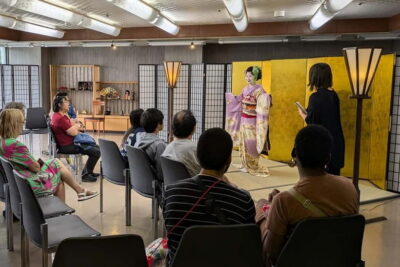
Dinner with Maiko in a Traditional Kyoto Style Restaurant Tour
Our verdict →
Browse the lists this tour appears in