
Reviewed · TEMPLES & SHRINES
Kyoto Early Morning E Biking Tour Fushimi Inari Kiyomizu Temple
Kyoto’s famous sights are much easier to appreciate before the day gets noisy. This five-hour early morning e-bike tour takes you from Kyoto Station to Fushimi Inari, Sanjusangendo, and Kiyomizu-dera, with an electric bike doing the hard work on the hills. You get a guide, a small group capped at eight, and temple admission included in the stated price.
I like two things here. First, the route joins three major Kyoto sights in one morning, which is useful when your time is short. Second, the e-bike turns an otherwise tiring ride into a practical way to cover ground. Guides Hiro and Rin have both received special praise, with Rin also taking excellent photos.
The main caution is the admission-fee wording. The tour says temple entry is included, but one person reported paying ¥3,300 for three entries at two temples. Confirm this point with GuideMe Japan before you book, especially if the price matters to your budget.
Key points to know before booking
- Early start: You visit Kyoto’s best-known sights before the heavier afternoon crowds arrive.
- Three major stops: The morning includes Fushimi Inari-taisha, Sanjusangendo, and Kiyomizu-dera.
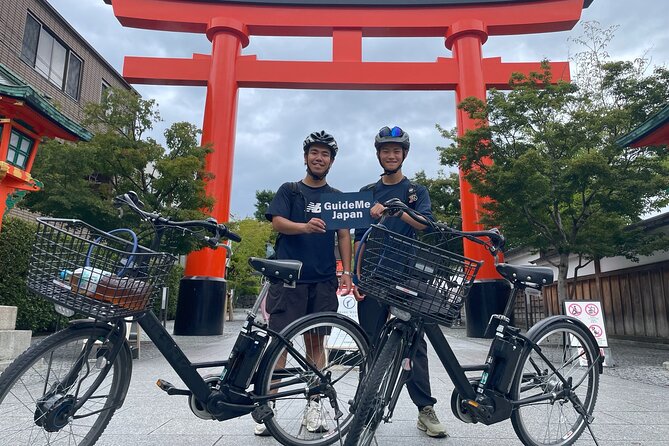
- Electric assistance: The e-bike helps with Kyoto’s hills, but you still need moderate physical fitness.
- Small group size: The tour accepts no more than eight people, allowing more room for questions.
- Strong guide feedback: Hiro is praised for being personable and informative, while Rin is also an accomplished photographer.
- Central meeting point: You meet at the JR-Central Ticket Office inside Kyoto Station, near the Shinkansen Hachijo entrance.
Why an early e-bike start makes sense in Kyoto
Kyoto’s most famous temples can become difficult places to enjoy later in the day. The paths around Fushimi Inari and the approach to Kiyomizu-dera can feel crowded, particularly during the busiest visiting hours. An early departure gives you a better chance to see these places with more breathing room.
The timing also suits a short Kyoto stay. Instead of spending a full day reaching three separate sights, you combine them in one guided outing. You still need time afterward for lunch, a museum, another temple, or a slower walk through one of the city’s traditional districts.
The e-bike is more than a novelty. Kyoto is generally easy to explore by public transportation, but trains and buses do not always take you directly from one major sight to the next. Cycling gives you a closer look at the city between stops, while electric assistance helps reduce the strain of hills.
You should still be comfortable riding a bicycle and handling city streets. The stated fitness requirement is moderate, so this is not a sightseeing ride where you simply sit back. The bike makes the route easier, but you remain active for much of the morning.
More Bike Tours in Kyoto
- Hidden Kyoto E-Biking tour
★ 5.0 · 1,843 reviews - Bike Tour Exploring North Kyoto plus Lunch
★ 5.0 · 1,087 reviews - Arashiyama Bamboo Forest & Hidden Gems Bike Tour (Early Bird)
★ 5.0 · 613 reviews
Starting at Kyoto Station
The meeting point is the JR-Central Ticket Office at Kyoto Station’s Shinkansen Hachijo entrance. This is a useful location for anyone arriving by train, though Kyoto Station is large and can take time to navigate. Give yourself a little extra time to find the correct entrance and office.
The tour ends back at the same meeting point. That makes planning easier because you do not need to work out how to retrieve luggage or find your way from a distant neighborhood at the end of the ride. It also gives you a clear base for the rest of the day.
The group limit of eight is a real advantage. A large cycling group can become slow and awkward at crossings, while a small group gives the guide a better chance to explain what you are seeing. It also makes it easier to ask questions about Kyoto’s temples, religious traditions, or daily life.
The guide speaks English. Hiro is described as personable and informative, while Rin has been especially good at explaining the sights and taking photographs. Guide quality matters on a tour like this because the buildings are only part of the experience. A good explanation helps you understand why each place matters instead of simply collecting three photographs.
Fushimi Inari and the rows of red gates
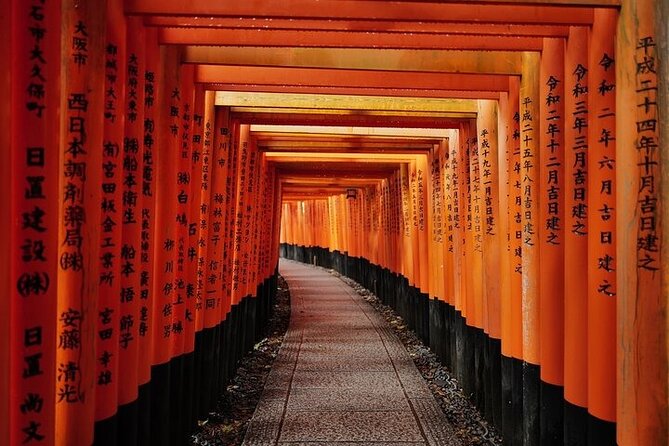
Fushimi Inari-taisha is the first major stop, and it is a strong choice for an early visit. The shrine is famous for its thousands of red torii gates, which form long corridors up the wooded slopes. The color and repetition create one of Kyoto’s most recognizable scenes.
You should expect to walk here for about an hour. The tour description does not promise a full climb through the entire shrine complex, so do not assume you will reach every upper path. Even a shorter visit gives you time to pass beneath the gates, look at the shrine buildings, and take in the distinctive atmosphere.
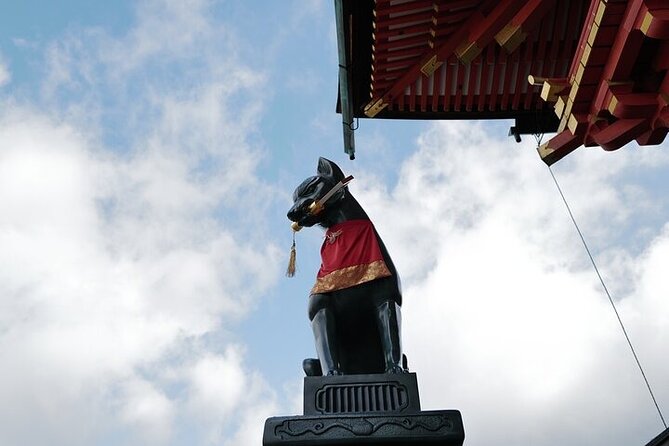
The shrine is dedicated to Inari, a deity associated with rice, prosperity, and business. Fox figures appear throughout the complex because foxes are regarded as messengers of Inari. This is the kind of detail a guide can point out while you are looking at the gates and smaller shrine features.
Fushimi Inari does not charge an admission fee, which helps keep this first stop simple. The main challenge is the number of people who want the same experience. An early arrival is one of the tour’s strongest practical features, though the site will not necessarily be empty.
Wear shoes that feel secure on steps and uneven surfaces. The e-bike gets you to the shrine, but the visit itself involves walking. If you want a photograph with fewer people around, your guide may be able to help with timing and positioning, though no tour can guarantee a completely clear view.
Sanjusangendo and its remarkable interior

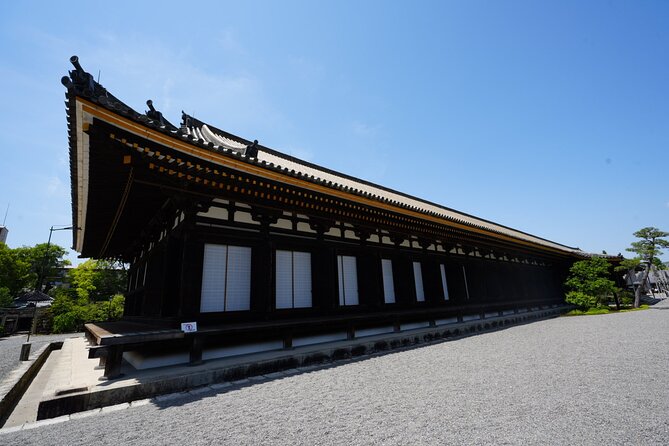
The next stop is Sanjusangendo, a temple known for its long wooden hall and its remarkable display of 1,000 statues of Kannon, the Buddhist goddess of mercy. The interior is the reason to visit. It offers a very different experience from Fushimi Inari’s outdoor gates.
You are scheduled to spend about an hour here. The statues stand in formation, but each figure has individual details and expressions. The effect is orderly and overwhelming at the same time, particularly when you consider the work required to create and preserve so many figures.
This stop adds welcome variety to the morning. Fushimi Inari is defined by movement through gates and outdoor paths. Sanjusangendo asks you to slow down and look carefully at a single interior space. The contrast keeps the tour from feeling like a string of similar temple visits.
Photography rules and interior policies can vary at Japanese religious sites, so follow the guide’s instructions once inside. The important point here is not to rush. Give yourself time to take in the scale of the hall and the repeated forms of the statues.
There is one practical issue to settle before departure. The tour information says temple admissions are included, but one participant reported paying ¥3,300 for three admissions covering the two temples. Since Fushimi Inari is free, this appears to involve Sanjusangendo and Kiyomizu-dera. Ask GuideMe Japan exactly what is covered and how any entry payment is handled.
More Temple & Shrine Tours in Kyoto
- Kyoto: Fushimi Inari, Kinkakuji, Bamboo Grove 1 Day Bus Tour
★ 4.8 · 4,316 reviews - Kyoto: Tea Ceremony in a Traditional Tea House in Kiyomizu
★ 4.9 · 3,519 reviews - Kyoto: Tea Ceremony Ju-An at Jotokuji Temple
★ 4.9 · 3,207 reviews - Fushimi Inari Hidden Hiking Tour (Private Option Available)
★ 5.0 · 1,750 reviews
Kiyomizu-dera on Kyoto’s eastern hill

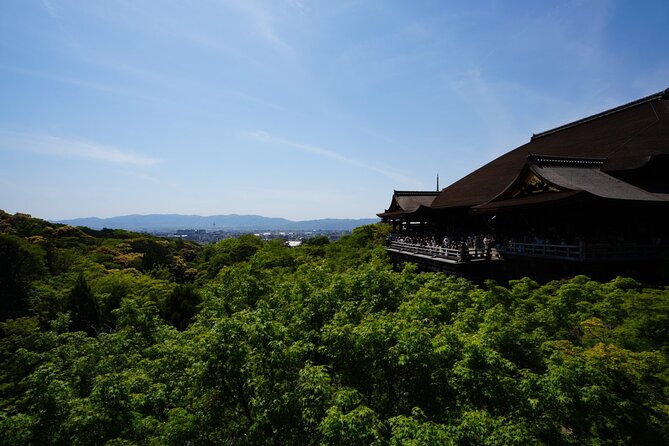
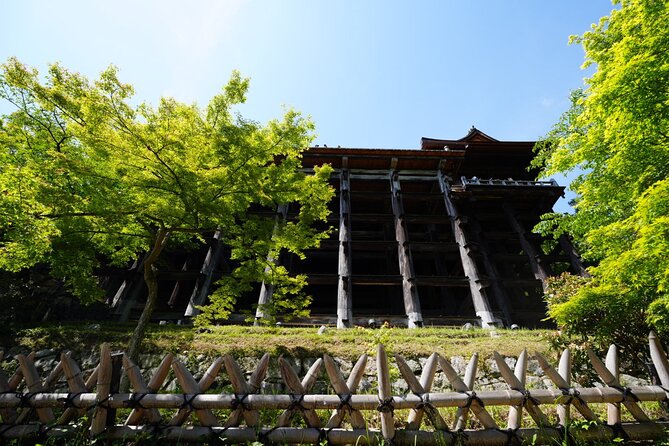
Kiyomizu-dera is the final major sight and perhaps the most familiar temple on the route. It sits on a hillside in eastern Kyoto, giving you views over the city and surrounding areas. The temple is also known for its striking wooden construction and long history.
Plan on roughly an hour here. That is enough to see the principal areas and enjoy the views, but it is not a full exploration of every lane and shop around the temple. The nearby approach can be busy, so the early timing remains useful.
Kiyomizu-dera has a different feel from both earlier stops. Fushimi Inari draws you along a path of gates, while Sanjusangendo focuses your attention indoors. Kiyomizu-dera combines architecture, hillside views, and a sense of place above the city.
The ride’s electric assistance is particularly useful for this part of Kyoto. The temple is on a hill, and the final approach involves walking once you arrive. You should expect some effort despite the e-bike, especially if you spend the full morning moving between the temple grounds and viewpoints.
A guide can also help you notice details that are easy to miss when you are focused on the famous wooden stage and the city view. The quality of the explanation matters here, since Kiyomizu-dera has layers of religious and architectural meaning that are not obvious from a quick visit.
What the guide adds to the morning
A guided ride is most useful when the guide does more than lead the way. The strongest feedback for this experience focuses on the guides’ manner and explanations. Hiro is described as friendly and informative. Rin has been praised for both historical explanations and photography.
That last point is worth noting if you are traveling alone or want better photos of your group. Rin has taken many photographs for a participant, which suggests the tour can provide more than directions and temple facts. This is not advertised as a dedicated photography tour, so treat photo help as a valuable guide skill rather than a guaranteed separate service.
The small group gives the guide room to adjust the conversation. If you are curious about Buddhism, Shinto practices, Japanese architecture, or the stories behind the sites, you can ask directly. A group of eight or fewer is much better suited to that kind of exchange than a large bus tour.
The tour’s 4.9 rating from 14 reviews and 100 percent recommendation rate indicate a very positive response so far. The sample is small, so I would not treat those numbers as a guarantee. Still, the praise is consistent around the human side of the experience: clear information, a pleasant manner, and useful photo assistance.
Is $67.41 a fair price?
At $67.41 per person, the tour is not the cheapest way to see these places. You could use Kyoto’s trains, buses, and local walking routes for less, especially if you already understand the transportation system and do not need a guide.
The price becomes more reasonable when you value the package. It includes the e-bike, an English-speaking guide, and stated admission to the temples. It also saves you from planning the order of three sights and working out how to move between them early in the morning.
The value is strongest for first-time visitors with limited time. You get a ready-made half-day plan, physical assistance on the hills, and someone who can explain what you are seeing. You also return to Kyoto Station, which gives you a convenient starting point for the afternoon.
The admission question affects the calculation. If you must pay extra entry fees, the real cost is higher than $67.41. Contact the provider before booking and ask specifically about Sanjusangendo and Kiyomizu-dera admissions, rather than relying only on the general phrase temple admission included.
Food and drinks are not included. Five hours is a long morning, so eat before you meet the group or carry money for food afterward. The tour does not list a meal stop.
Who should book this Kyoto ride?
I would recommend this tour to a first-time Kyoto visitor who wants to see major sights without spending hours arranging local transportation. It also suits solo visitors who would appreciate a guide and possible photo help, especially from someone such as Rin.
It is a good fit if you like active sightseeing but do not want to fight Kyoto’s hills on a standard bicycle. The electric motor reduces the strain, though you still need to ride and walk for much of the morning.
You may prefer another plan if you want to spend several hours at only one temple, sleep late, or explore at your own pace. The three-stop format gives you variety, but each site receives about an hour. That is enough for an introduction, not a slow study.
This is also not the right choice if you are uncomfortable cycling or have difficulty with moderate physical activity. The operator specifically asks participants to have a moderate fitness level, and the weather can affect the outing.
Cancellation is free up to 24 hours before the start time. Changes or cancellations inside that window are not refunded, and poor weather can lead to a different date or a full refund.
My booking recommendation
Book this tour if you want an efficient, active morning with Kyoto’s biggest names, and if a guide’s stories matter as much to you as the photographs. The early timing, e-bike, small group, and return to Kyoto Station make the plan practical.
Before paying, confirm the admission-fee details in writing. That is the one unresolved point in an otherwise clear package. If entry is truly included, $67.41 is a fair price for the bike, guide, transport between sights, and time saved. If extra fees apply, decide if the convenience and personal guidance still fit your budget.
FAQ
How long does the Kyoto early morning e-bike tour last?
The tour lasts approximately five hours.
Where does the tour begin?
It begins at the JR-Central Ticket Office at Kyoto Station’s Shinkansen Hachijo entrance in Kyoto’s Shimogyo Ward.
Where does the tour finish?
The activity ends back at the meeting point at Kyoto Station.
Which sights are included?
The tour visits Fushimi Inari-taisha Shrine, Sanjusangendo Temple, and Kiyomizu-dera Temple.
Is an e-bike provided?
Yes. An e-bike is included, along with an English-speaking guide.
What happens if the weather is poor?
The experience requires good weather. If it is canceled because of poor weather, you can choose a different date or receive a full refund.
More Morning Tours in Kyoto
- Kyoto Early Morning Tour with English-Speaking Guide
★ 5.0 · 1,427 reviews - Kyoto: Early Morning Tour with English-Speaking Guide
★ 4.9 · 1,128 reviews - Kyoto Morning Tour from Kyoto or Osaka
★ 4.0 · 281 reviews - Kyoto: Morning Japanese Bento Cooking Class
★ 5.0 · 149 reviews
Just added around Kyoto
- Sekka Cotton Furoshiki Class★ 5.0 · 19 reviews
- Kyoto Sword Experience – includes Museum Ticket/Ninja Experience★ 4.5 · 149 reviews
- Scenic Green Tea Fields of Hidden Kyoto & Local Tea Exp (Private)★ 5.0 · 32 reviews
- Secret Eastern Kyoto Biking Adventure★ 5.0 · 44 reviews
- Private Sake Tasting in Central Kyoto with Sake Sommelier★ 5.0 · 32 reviews
- Samurai School in Kyoto: Samurai for a Day★ 5.0 · 202 reviews
- SHIRAKAWA Japanese Culture Experiences with private English staff★ 5.0 · 16 reviews
- A Privately Guided Photoshoot in Beautiful Kyoto by a Pro★ 5.0 · 18 reviews
Temples & Shrines, compared.

Tea Ceremony in a Traditional Tea House in Kiyomizu
Our verdict →
Meiji Shrine, Asakusa, Skytree Bus Tour and Cruise
Our verdict →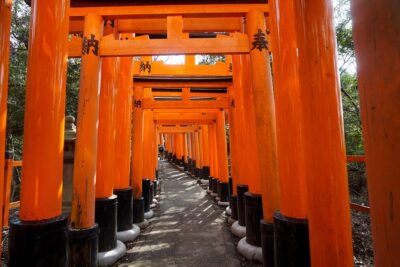
Fushimi Inari Hidden Hiking Tour (Private Option Available)
Our verdict →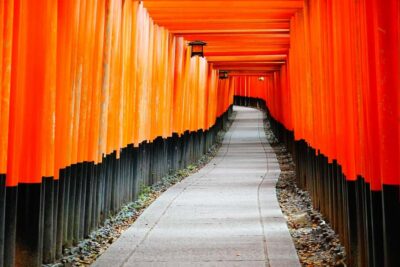
Osaka/Kyoto:Kinkakuji,Arashiyama,FushimiInariShrine,NaraPark
Our verdict →
Nikko: Kegon Falls, Lake Chuzenji & Toshogu Temple
Our verdict →
Kamakura & Enoshima Day Trip including Temple Tickets
Our verdict →Browse the lists this tour appears in