
Reviewed · SUMO EXPERIENCES
Authentic Sumo Experience in Tokyo: Enter the Sanctuary
The best part of this Kawasaki sumo experience is that you do not simply watch a staged demonstration. You enter a former sumo stable, see the dining room and bath, sit close to the practice ring, and learn how wrestlers train. Afterward, you share chanko-nabe and help make chicken dumplings with the wrestlers.
I like the direct contact with the sport, especially the chance to try the movements yourself. I also like the warm, social lunch, which turns a lesson into a shared meal. The main drawback is the early, strict schedule: arrive more than five minutes late without contacting the operator and you may lose the tour and your money.
Key points to know before booking
- A real former stable: The facility was officially used until 2022, giving the tour a genuine setting rather than a theater-style replica.
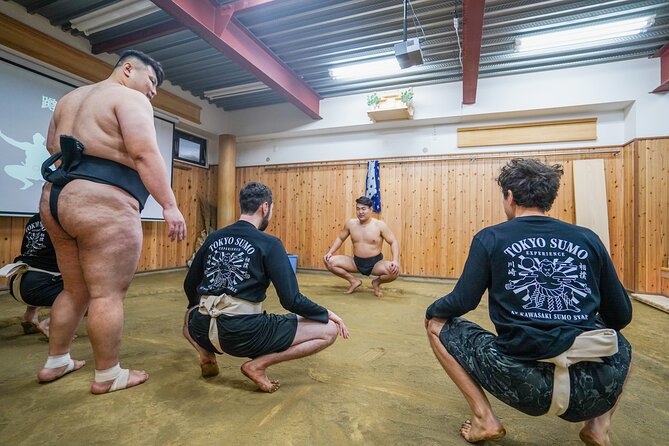
- Morning practice up close: You sit directly in front of the ring and watch a training session that follows traditions dating back to the samurai era.
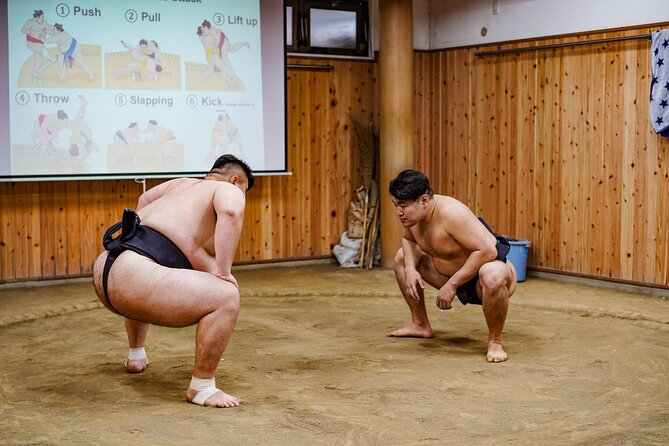
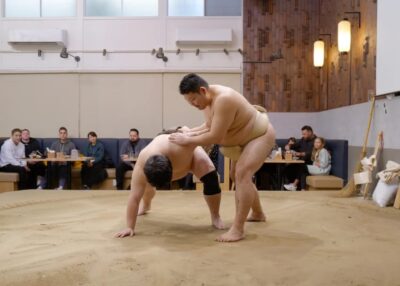
- Hands-on instruction: Sumo wrestlers demonstrate exercises and invite you to try the movements, with some participants stepping into the ring for a bout.
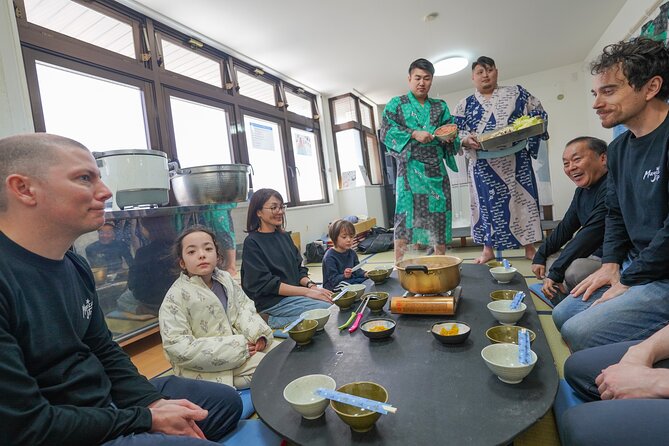
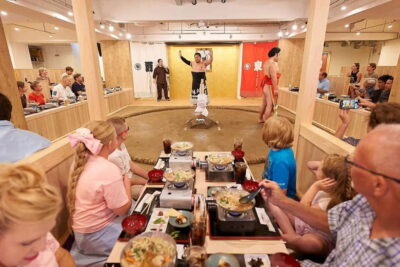
- Chanko-nabe lunch included: You help prepare chicken dumplings, then eat around a table once used in the sumo room.
- Guides add context: Charlie, Jim, Lily, and Fugi have been praised for clear English, humor, and useful explanations.
- Plan carefully: The four-hour, ten-minute visit starts at 9:30 a.m. in Kawasaki, and large suitcases are not allowed.
Why this is more than watching a sumo match
A professional sumo tournament gives you the drama of competition. This experience gives you something different: a look at the daily world behind the bout. You see where wrestlers eat, bathe, and practice, then meet the people who understand those routines from the inside.
The setting matters. The former stable was officially used until 2022, so the rooms are tied to actual sumo life. You are not being shown a generic cultural center. The dining room, bath, and practice area help explain how much of a wrestler’s day is built around discipline, food, training, and communal living.
Your guide introduces the traditions and customs before you move through the building. This part is especially useful if you know little about sumo. Guides such as Charlie, Jim, Lily, and Fugi have been singled out for friendly conversation, clear English, and lively explanations. The guide also provides commentary and tour photos, so you can focus on the experience instead of constantly reaching for your phone.
I would not book this expecting a full professional tournament. The focus is practice, instruction, and cultural access. That makes it a better choice for understanding sumo life than for seeing an official match.
More Sumo Experiences in Tokyo:
- Tokyo: Sumo Show Experience with Chicken Hot Pot and a Photo
★ 4.8 · 6,678 reviews - Tokyo: Sumo Show and Dining Experience
★ 4.8 · 2,742 reviews - the SUMO show
★ 5.0 · 1,960 reviews
Meeting at Shin-Kawasaki Station at 9:30 a.m.
You meet at the listed start point near Shin-Kawasaki Station in Kawasaki, in Kanagawa Prefecture. The experience is marketed as a Tokyo-area activity, but it takes place outside central Tokyo, so allow time for the journey and do not treat it like a quick stop between sights in Asakusa or Shibuya.
The meeting point is near public transportation. Some departures have included a pickup from the station and a short taxi ride to the stable, with the taxi included in the price. Exact arrangements can depend on the day, so follow the booking instructions closely and arrive early.
The start time is firm. The operator warns that arriving more than five minutes late without contact can count as a cancellation. You cannot join later, reschedule, or receive a refund after missing the group. That policy is strict, but it makes sense here: the stable visit and practice schedule cannot wait for stragglers.
Leave large luggage at your hotel. Suitcases are not permitted on the tour. A small day bag is the practical choice, especially in summer, when water and a hat are sensible additions.
Inside the former sumo stable
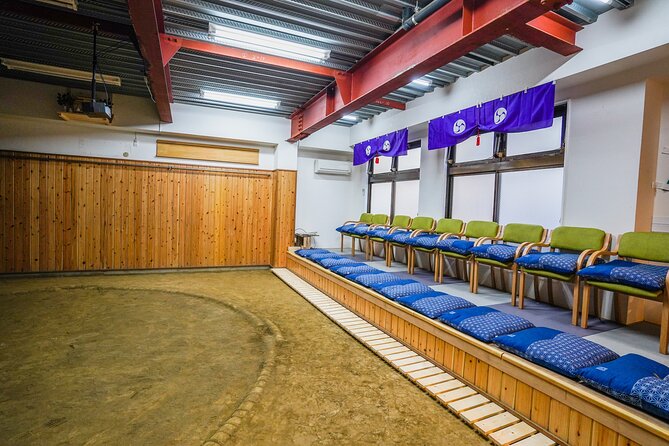
Once you reach the facility, the guide explains how sumo wrestlers live and how the sport fits into Japanese tradition. You then see the stable’s main rooms, including the dining room, bath, and practice area.
These spaces give the visit its strongest cultural value. Sumo is often presented from the outside through tournaments, rituals, and television coverage. Here, the emphasis shifts to ordinary routines. The dining room connects directly to the lunch later in the morning. The bath and training space show that the stable is a shared home and workplace, not just a ring.
The guide’s introduction also helps you notice details you might otherwise miss. You learn why food, exercise, ceremony, and rank matter so much in the sumo world. If you are already a sumo fan, this background fills in the practical side of a sport you may have mostly seen during tournament broadcasts.
The former stable was in official use until 2022, so the setting has a recent connection to working sumo life. Still, keep your expectations sensible. The information provided describes a tour of the rooms and facilities, not access to every private area or an open-ended chance to wander around.
Watching morning practice from the edge of the ring
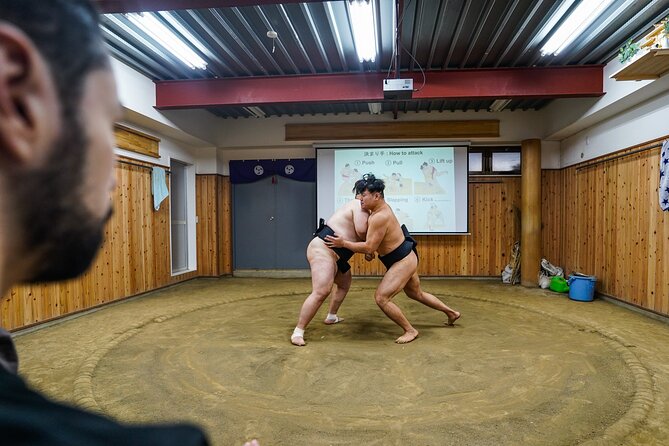
The main event is the morning training session. Practice usually begins around 7 a.m. and can last three to four hours, though your scheduled experience begins at 9:30 a.m. The tour places you directly in front of the ring for the part of the session available during the visit.
That timing gives you a close view of the work behind sumo. Training is not just a series of matches. It includes repeated movements, stance work, pushing, balance, and conditioning. The tour explains that this form of training has continued since the samurai era, linking the modern stable to a long sporting tradition.
Watching from the front is a major advantage. You are close enough to see the effort and physical control involved, not just the final clash. At the same time, the setting remains a working practice space, so you should follow the guide’s instructions and behave respectfully.
The mood may begin quietly. Sumo training has a serious rhythm, and the group is asked to watch and listen before taking part. Later, the atmosphere becomes more playful as the wrestlers demonstrate exercises and invite people to join.
A few more Tokyo half-days worth comparing
- 1-Day Tokyo Bus Tour
★ 5.0 · 14,250 reviews - Tokyo: TOKYO SKYTREE® Admission ticket
★ 4.5 · 11,192 reviews - Tokyo: teamLab Planets TOKYO Digital Art Museum Entry Ticket
★ 4.6 · 9,779 reviews - Tokyo: Shinjuku Food Tour (13 Dishes at 4 Local Eateries)
★ 5.0 · 6,603 reviews
Trying the movements with sumo wrestlers
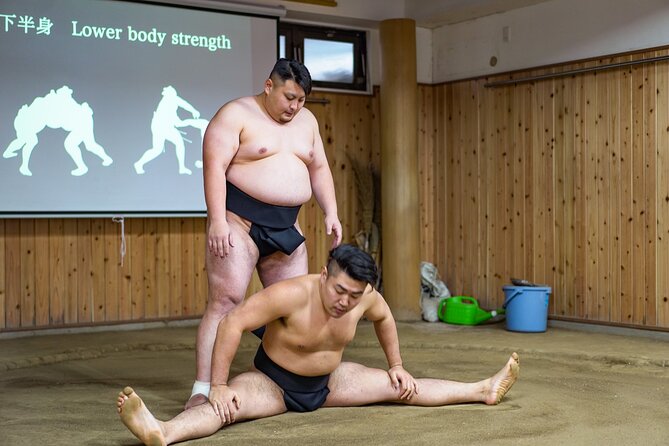
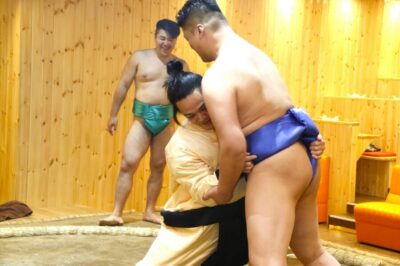
The hands-on section is where this experience becomes memorable for families, couples, and curious first-time visitors. You can try some of the movements with the wrestlers, including exercises used in training. The wrestlers explain what to do, demonstrate the action, and encourage participation.
Some people may step into the ring and challenge a wrestler. The exact level of participation depends on the session and the individual, but the supplied information confirms that visitors have the chance to wrestle a retired sumo wrestler and take part in a bout.
You do not need to be a sumo fan or an athlete. The appeal is in feeling how difficult simple-looking movements can be. Even a basic stance or push can show why balance, leg strength, and timing matter.
The wrestlers are described as friendly, humorous, and eager to answer questions. That makes the session work for children and adults alike. Younger participants may love the physical challenge, while adults often get more from the contrast between the lighthearted activity and the serious discipline behind it.
I would still treat the participation as optional. If you have an injury, limited mobility, or simply do not want to wrestle, you can focus on watching and learning. The activity is designed for most people, but the provided details do not promise a specific adaptation for every physical need.
Making chanko-nabe at the sumo table
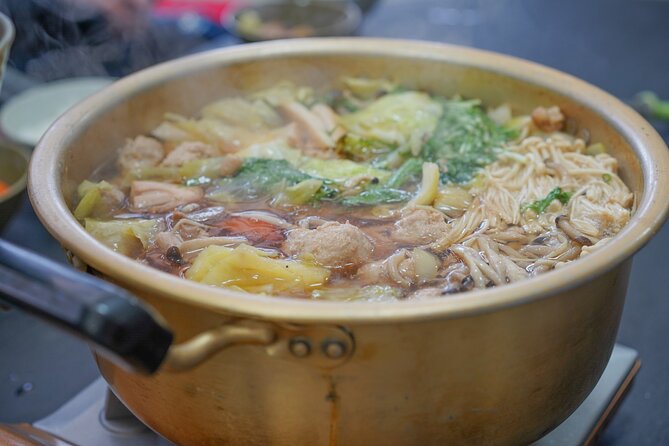
After the practice and demonstrations, you eat chanko-nabe, the hot-pot meal associated with sumo wrestlers. The group helps make chicken dumplings, then shares the meal around a table that was actually used in the sumo room.
This is more than a convenient lunch. Chanko-nabe helps explain how food supports the sumo lifestyle. The meal is hearty and communal, and sitting with the wrestlers gives you time to ask questions in a relaxed setting.
The chicken dumplings are the main hands-on cooking task described for the tour. You are not simply handed a prepared meal and sent on your way. The shared preparation adds a small but worthwhile connection to the stable’s daily routine.
The food has received especially strong praise. The lunch is repeatedly described as delicious, and one family’s son reportedly ate four bowls of soup. That does not mean you should expect an unlimited meal, but it does suggest that the hot pot is a substantial part of the morning.
Additional food and drinks are not included, so bring water, especially during Japan’s hot and humid summer. Tell the operator about allergies or dietary needs at least one day before the tour. The kitchen is not controlled by MagicalTrip, and the operator cannot guarantee an allergy-free meal or promise that substitutions will always be possible.
What the $171.12 price includes
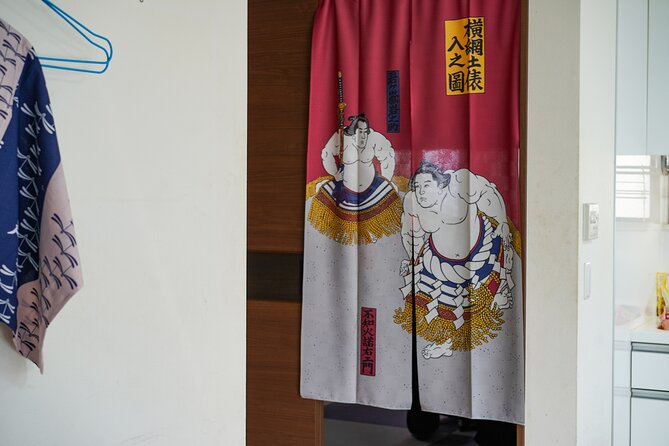
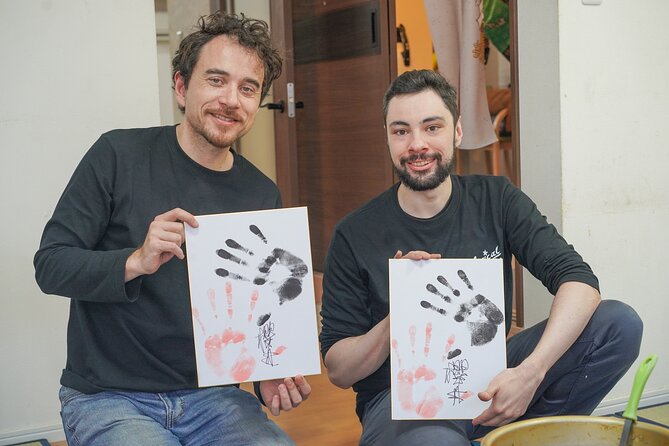
At $171.12 per person, this is not a cheap sightseeing stop. It is also not just a short demonstration. The price includes the sumo experience, a certified MagicalTrip guide, the wrestler’s lunch, tour photos, and an original designed T-shirt.
The value comes from the combination. You get transport help from the station, a guided tour of a real former stable, access to morning practice, personal instruction, lunch, and a souvenir. Buying these pieces separately would not be simple, since the stable access is the central feature.
I think the price makes the most sense for visitors who place a high value on local access and hands-on activities. If you only want to see a few minutes of sumo, it is too much. If you want context, conversation, food, and participation in one morning, the package is easier to justify.
The group can have up to 15 people. That is large enough to create a fun group atmosphere, but small enough that the guide can usually explain the activities and organize turns. The exact amount of personal time with the wrestlers may vary with group size.
The original T-shirt is a nice extra, but I would not let the souvenir decide the booking. The real value is the stable visit and the chance to learn directly from the wrestlers.
Who will enjoy this Kawasaki experience
I would recommend it most strongly to:
- Families with children who enjoy trying things rather than only watching
- First-time visitors who want an easy introduction to sumo
- Longtime sumo fans who want to see training and ask questions
- Couples and friends looking for a shared cultural activity
- Visitors who prefer a local setting to a large staged show
It is also a good choice for solo visitors. The meal and group exercises create natural ways to meet other people, while the guide keeps the morning organized.
You may want to skip it if your schedule is packed with central Tokyo sights, if you dislike fixed start times, or if you are looking for an official tournament. The tour ends back at the meeting point, so you also need to account for the return journey before planning your next activity.
Summer requires extra care. Kawasaki can be hot and humid, and the operator recommends water and a hat to reduce the risk of heat stroke. Wear comfortable clothes that allow movement, especially if you plan to try the exercises.
Booking, cancellations, and stable changes
The experience offers free cancellation up to 24 hours before the local start time for a full refund. Changes or cancellations inside that window are not accepted, and no-shows do not qualify for a refund.
A minimum number of participants is required. If the operator cancels because that number is not met, you receive the choice of another date or experience, or a full refund.
The larger risk is an unexpected cancellation by the sumo stable. This can happen a few days to a couple of days before the tour. That possibility is worth considering if your Japan itinerary has no flexibility, though it is part of booking access to an active sumo facility rather than a permanent museum attraction.
Should you book this sumo experience?
Book it if you want to understand sumo as a way of life, not just watch wrestlers collide in a ring. The former stable, morning practice, hands-on exercises, and shared chanko-nabe lunch create a well-rounded morning with real cultural context.
I especially like the balance between serious instruction and good humor. Guides such as Charlie, Jim, Lily, and Fugi have helped make the explanations accessible, while the wrestlers bring warmth and energy to the practical session.
Skip it if your priority is an official match, a late start, or a central Tokyo location. For everyone else, the $171.12 price is fair for a four-hour experience that includes lunch, photos, a T-shirt, transport assistance, and access that is difficult to arrange independently. Arrive early, pack light, mention dietary needs ahead of time, and this is a strong choice for a memorable day in Japan.
FAQ
Where does the sumo experience begin?
The experience begins at 9:30 a.m. at the listed meeting point near Shin-Kawasaki Station in Kawasaki, Kanagawa, Japan. It ends back at the meeting point.
How long does the activity last?
The activity lasts approximately four hours and ten minutes.
Is lunch included?
Yes. Chanko-nabe lunch is included. You help make chicken dumplings with the wrestlers and eat together around a table used in the sumo room. Additional food and drinks are not included.
Can I participate in sumo training?
Yes. Participants have the opportunity to try sumo movements with the wrestlers. Some sessions also allow participants to step into the ring and wrestle a retired sumo wrestler.
Can I bring a suitcase?
No. Large luggage such as suitcases is not permitted. Bring only a small day bag.
What happens if I need to cancel?
You can cancel at least 24 hours before the start time for a full refund. Cancellations or changes made less than 24 hours before the activity are not accepted, and no-shows are not refundable.
Just added around Tokyo
- Kawagoe Japanese Food Tour : Unagi Kaiseki and Sake near Tokyo★ 5.0 · 30 reviews
- Kawagoe 4hr Private Tour with Licensed Guide (Kawagoe Dep)★ 5.0 · 13 reviews
- Little EDO Sushi Making workshop in Kawagoe★ 5.0 · 18 reviews
- 【R34】Tokyo:Private Daikoku tour in Modified R34★ 4.9 · 92 reviews
- :Tokyo,Shibuya/ Pro Photography in Kimono / English-Friendly★ 5.0 · 26 reviews
- Tokyo:Celebrate Unique Japanese New Year Tradition Festivity★ 3.9 · 20 reviews
- Tokyo: Allstar Food Tour★ 4.7 · 29 reviews
- Tokyo: West-Side Cycling and Food Tour with Guide★ 5.0 · 37 reviews
Sumo Experiences, compared.
Sumo Show Experience with Chicken Hot Pot and a Photo
Our verdict →
Tokyo Sumo Experience: Chanko & Mochi with a Former Pro
Our verdict →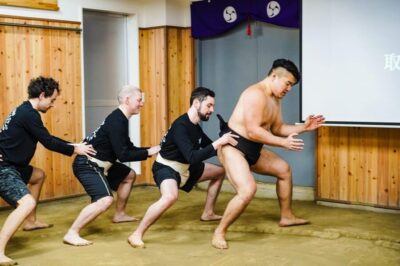

Browse the lists this tour appears in