
Reviewed · SUMO EXPERIENCES
Tokyo: Sumo Tournament with Guide & Assigned Reserved Seat
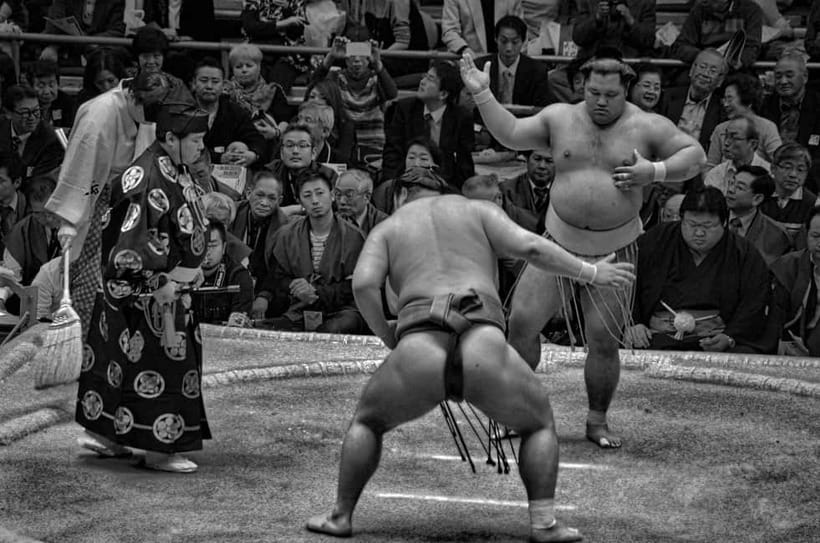
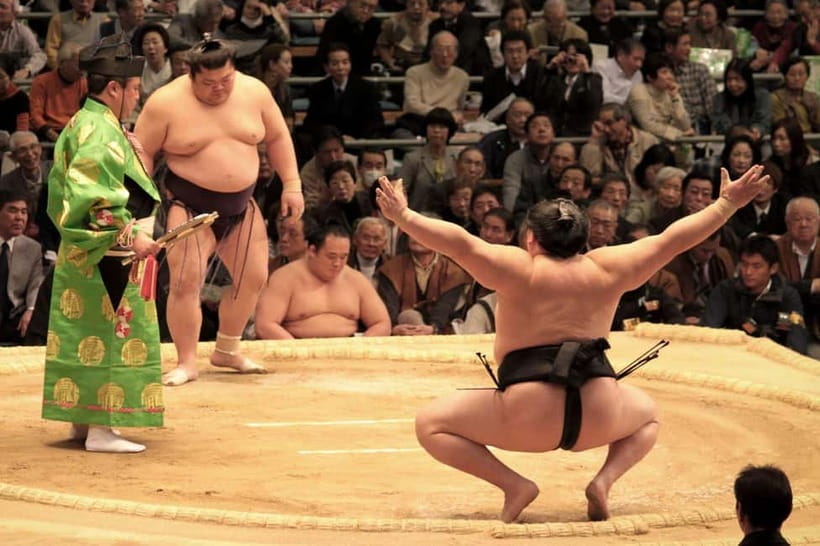
A live sumo tournament is one of Tokyo’s best chances to see an old Japanese tradition in its proper setting. You will watch the wrestlers perform formal rituals, size each other up, and explode into short, forceful bouts at Ryogoku Kokugikan, the city’s main sumo hall. It is not just a sporting event. The ceremony around each match matters almost as much as the result.
I like two things here. First, the English-speaking sumo guide gives you a useful key to the action, from rankings and promotion to the meaning of each ritual. Second, your assigned B or C class seat removes the worry of finding a ticket in a tournament that can sell out quickly. The drawback is simple: at $209, the cost is high, especially when the guide serves a fairly large group and the ticket’s face value can be far lower.
Key points to know before booking
- Watch an official tournament at Ryogoku Kokugikan: You get the real competition, rituals, crowd atmosphere, and long tournament schedule rather than a short demonstration.
- Learn what you are seeing: Your English-speaking guide explains the ranking system, rules, customs, and techniques before and during the event.
- Sit in an assigned B or C class seat: These are reserved second-floor seats, with placement handled for you rather than chosen from a detailed seat map.
- Allow four to five hours: The experience includes about 30 minutes of guided orientation and roughly four hours inside the venue.
- Expect a steep convenience premium: The package can solve the hard ticket problem, but the price is much higher than the likely face value of a standard B or C seat.
- Plan for some walking and standing: The activity is not suitable for people with mobility impairments, and food and drinks are not allowed.
Why a Tokyo sumo tournament is worth your afternoon
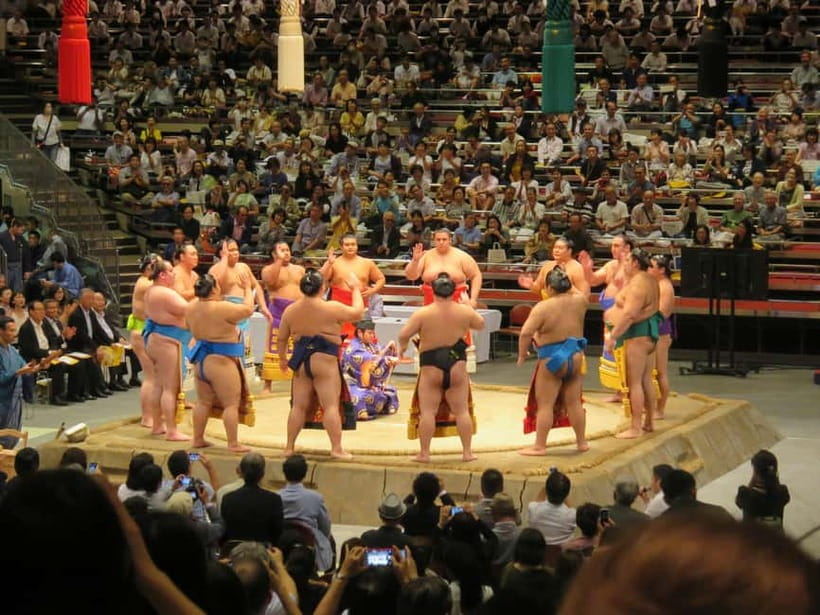
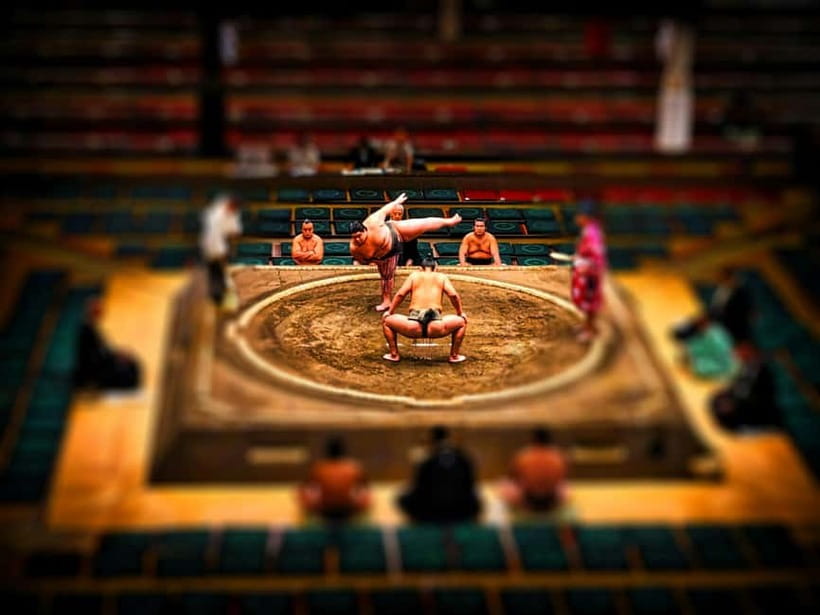
Sumo can look mysterious if you only see short clips online. A bout may last seconds, but the lead-up is slow, deliberate, and full of meaning. Wrestlers enter, stamp their feet, throw salt, and face one another in a ritualized build-up. Your guide helps you understand why those actions matter and what to watch for when the match begins.
The tournament setting also gives you a better sense of sumo as a national tradition. The wrestlers are not simply athletes trying to win a point. They belong to a ranking system with strict expectations, and every victory or loss can affect their position. The guide explains this structure in plain English, which helps turn a series of unfamiliar names into a competition you can follow.
I would not expect a conventional guided tour with constant commentary. The matches continue at their own pace, and your guide cannot narrate every moment from every seat. Still, having someone explain the basics before you enter and answer questions during the tournament makes a large difference, especially if this is your first time watching sumo.
More Sumo Experiences in Tokyo:
- Tokyo: Sumo Show Experience with Chicken Hot Pot and a Photo
★ 4.8 · 6,678 reviews - Tokyo: Sumo Show and Dining Experience
★ 4.8 · 2,742 reviews - the SUMO show
★ 5.0 · 1,960 reviews
Meeting near the sumo district
The activity has two possible starting location options listed at the Matsuura-Bungo Mansion Site. Your exact meeting point can vary with the option you book, so read the final meeting instructions carefully rather than heading straight to the arena on your own.
The meeting area is in the Ryogoku district, close to the sumo hall. Some versions of the outing include short visits around the neighborhood, such as Ekoin Temple and a nearby garden or cemetery area. These stops add a little local context and create good photo opportunities in a part of Tokyo closely linked with sumo.
Do not mistake this opening portion for the main event. The extra sights are pleasant, but the tournament is the reason to book. One practical issue is noise. A street-side explanation can be harder to hear, particularly when the group is large, so stay close to your guide and ask questions during quieter moments.
The 30-minute orientation at Ryogoku Kokugikan
The first guided portion at Ryogoku Kokugikan lasts about 30 minutes. This is where the experience earns much of its value for a first-time spectator. You can expect an explanation of the tournament format, wrestler rankings, rituals, and basic rules before you settle in for the longer session.
Guides named Jorge, George, Mili, Lily, Cesar, Erik, Francesco, and Miki have been praised for being friendly, clear, and well prepared. The assigned guide can change, of course, but the strongest part of the guiding style is the willingness to answer questions. If you do not understand why a wrestler won, how a wrestler advances, or what a particular ritual means, ask directly.
I would especially want to hear about the techniques before the bouts begin. One useful criticism of this experience is that some explanations focus more on buildings and general history than on the mechanics of the fight. If you want to understand footwork, pushing techniques, belt grips, and ring strategy, make that clear to your guide at the start.
This short briefing also helps with names and rankings. Sumo has its own vocabulary, and it is easy to lose track when several bouts happen in succession. A guide who follows current wrestlers can point out the competitors to watch and explain why a particular matchup matters.
Four hours of sumo from an assigned second-floor seat
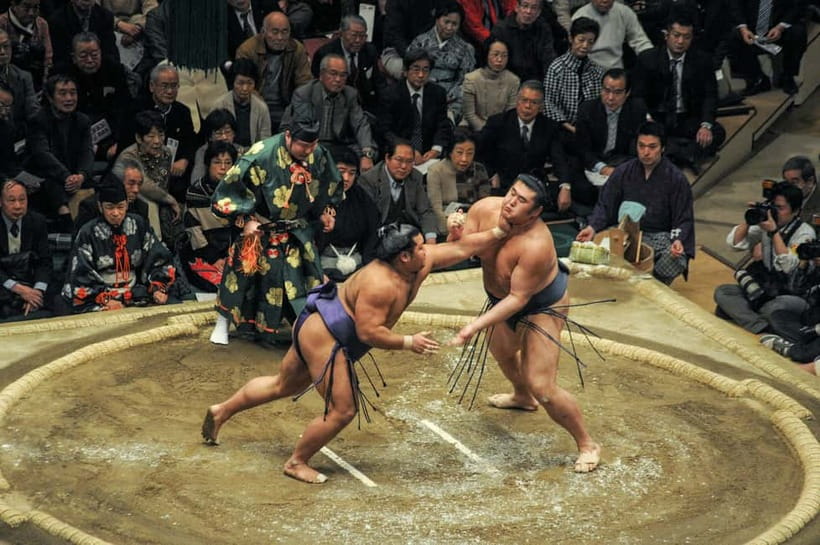
After the orientation, you spend about four hours at the tournament. The exact rhythm depends on the day’s program, but you should expect a long afternoon of bouts, formal ceremonies, breaks, and crowd reaction rather than one continuous stream of fights.
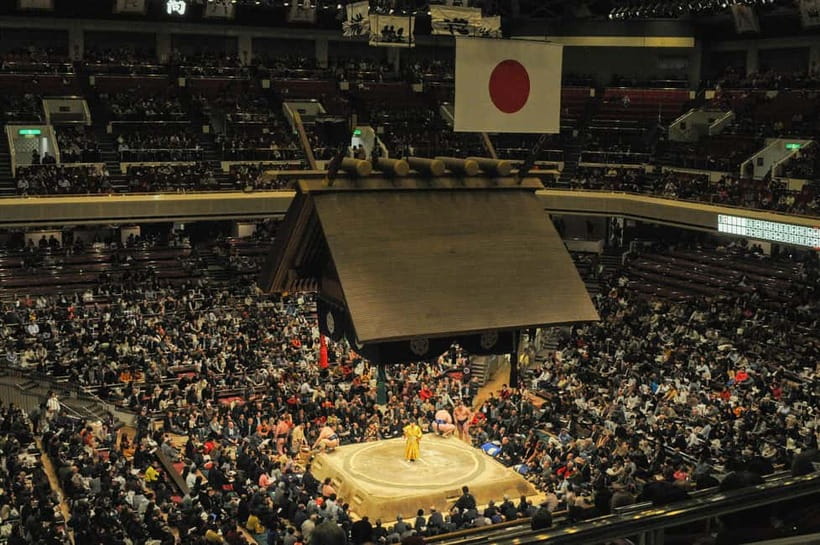
Your ticket is for an assigned B or C class seat on the second floor. You do not select an exact seat from a full seat map, and groups may not always be seated together. That is an important detail if you are booking with companions. The views are generally described as good enough to follow the action clearly, but the distance will not feel like ringside.
The second-floor position has one advantage: you can take in the ring, the surrounding audience, and the structure of the hall at once. Sumo is a visual ceremony, so seeing the whole setting helps. The tradeoff is that individual expressions and fine details may be harder to catch than they would be from a lower seat.
Bring patience. Some visitors come expecting one dramatic match after another. Sumo works differently. The formal pauses, the wrestlers’ preparation, and the changing ranks are part of the event. The guide’s explanations are most useful when they help you notice those quieter parts rather than treating them as dead time.
You should also be prepared for the possibility that your guide will move around the group rather than sit beside every person for the entire tournament. The group can include more than ten people, and seating may be spread out. That arrangement keeps the tour possible at a reasonable operating scale, but it means you may need to meet the guide at agreed points or signal when you have a question.
A few more Tokyo half-days worth comparing
- 1-Day Tokyo Bus Tour
★ 5.0 · 14,250 reviews - Tokyo: TOKYO SKYTREE® Admission ticket
★ 4.5 · 11,192 reviews - Tokyo: teamLab Planets TOKYO Digital Art Museum Entry Ticket
★ 4.6 · 9,779 reviews - Tokyo: Shinjuku Food Tour (13 Dishes at 4 Local Eateries)
★ 5.0 · 6,603 reviews
What the guide adds to the match
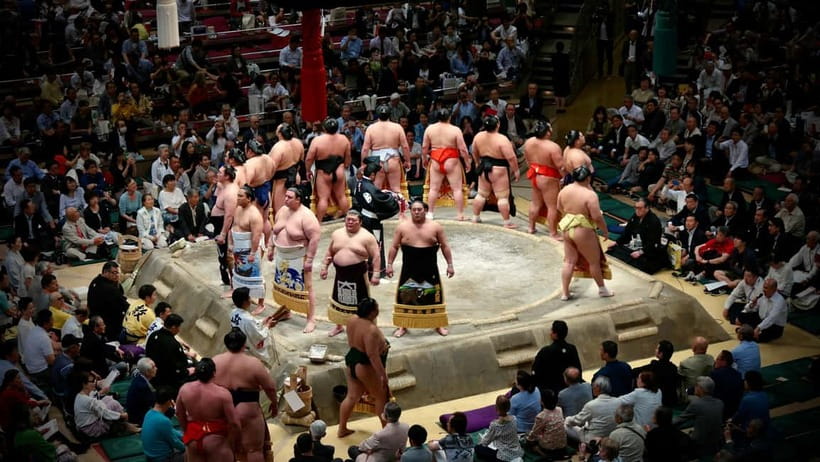
Without help, you can still enjoy the spectacle. The stamping, salt throwing, powerful bodies, and sudden collisions are easy to appreciate. The guide’s real job is to show you what lies underneath the spectacle.
You will learn how the ranking system works and why a wrestler’s record matters. You can also ask about the origins of the rituals, the rules governing victory, and the techniques used to push an opponent out or force a body part other than the soles of the feet to touch the ground.
The best guides bring personal enthusiasm as well as information. George and Jorge, in particular, have been praised for making the event fun and answering questions throughout the afternoon. Lily and Cesar have also been singled out for clear explanations, warm attention, and strong knowledge of the sport. These names are useful indicators of the level the operator aims for, but you should remember that guide assignments are not guaranteed.
A guide is most valuable if you know little about sumo. If you already follow the sport closely, you may find parts of the introduction basic. Even then, an expert can add useful details about the wrestlers competing that day and help with cultural questions that a rulebook will not answer.
The $209 question: convenience versus value
At $209 per person, this is an expensive afternoon. The price is easiest to justify when official tickets are sold out and you have limited time in Tokyo. Getting a reserved seat through an organized English-language experience can be worth paying for if the alternative is missing the tournament entirely.
The uncomfortable part is the markup. B and C class tickets are cited at roughly ¥5,000 to ¥6,000 in the supplied booking feedback, far below the package price. That leaves a large amount paying for access, organization, and the guide rather than for the seat itself.
I would think of this as a ticket-access service with a guided cultural explanation, not as a luxury seat package. You are not paying $209 for a premium ringside view. You are paying to secure a place during a difficult-to-book tournament and to have someone explain the experience in English.
Book early if you can. Waiting until the tournament is nearly sold out may leave you with fewer choices and higher prices elsewhere. If you are comfortable arranging tickets yourself and can read enough Japanese or do your own research, the package is hard to call a bargain. If this is your only chance to see a grand tournament, the convenience may matter more than the arithmetic.
Small practical details that matter
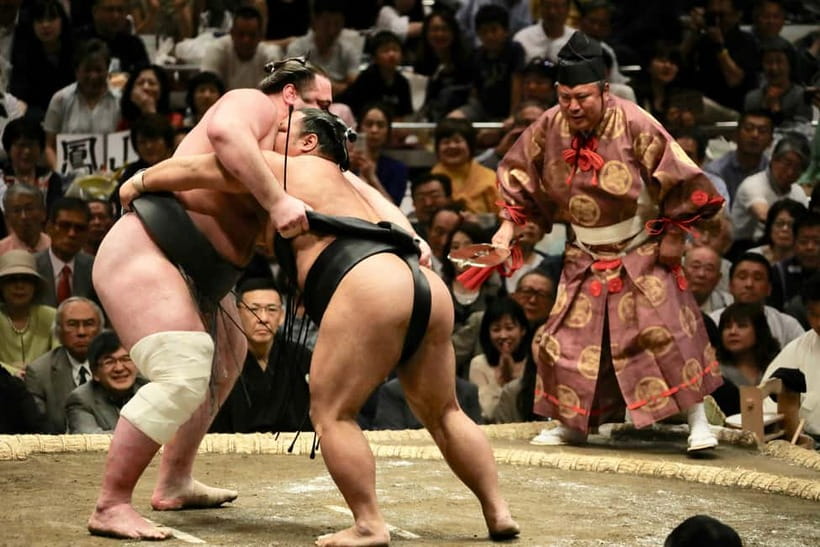
The activity lasts four to five hours, so avoid scheduling another major attraction immediately afterward. Starting times vary by date, and you need to check availability for the session you want.
Food and drinks are not included, and the activity information says food and drinks are not allowed. Do not assume you can bring refreshments into the experience. Since you will spend several hours at the venue, check the operator’s current instructions for any permitted options before arrival.
The experience is listed as unsuitable for people with mobility impairments. You should be comfortable moving through the meeting area, walking to the venue, and managing a long event in an assigned seat. The exact meeting point can change, so follow the location details attached to your booking.
Cancellation is non-refundable. That makes date selection important, especially because tournament schedules and your Tokyo plans need to line up. English is the only guide language listed.
Who will enjoy this most
I recommend this for a first-time sumo spectator who wants context rather than a silent seat in a large hall. Families with older children, couples, and solo visitors can all benefit from having a guide explain the rituals and ranking system. It is also a good choice for anyone who has tried to find official tournament tickets and discovered how difficult that can be.
This is less suitable if you are highly price-conscious, need an exact seat location, or want a small private tour. Assigned seating means you give up control over the precise view, and a large group can make the guide harder to hear. Serious sumo fans may prefer a cheaper direct ticket and their own research.
To get more from the afternoon, learn a few basic rules before you arrive and ask your guide to focus on match technique. Also, arrive ready to listen during the orientation. Knowing the difference between a wrestler’s rank, tournament record, and winning technique will make the bouts much more satisfying.
Should you book this Ryogoku sumo experience?
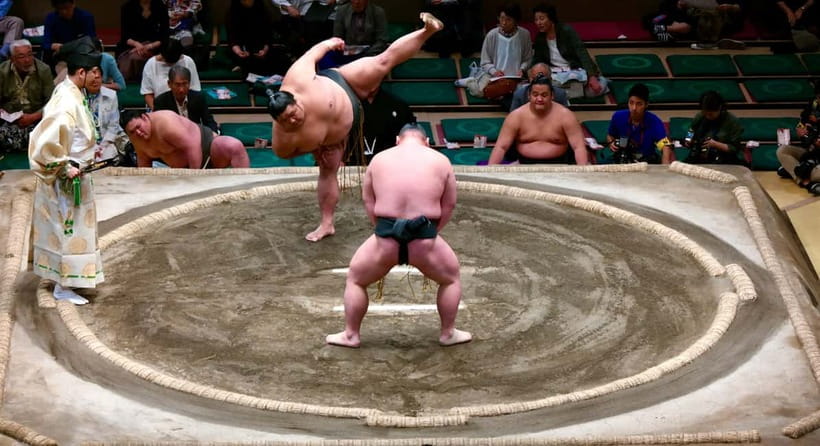
Book it if seeing live sumo is a priority and you value a guaranteed reserved seat plus an English-speaking guide. The tournament itself is the star, but guides such as Jorge, Lily, Cesar, and Erik can turn unfamiliar ceremony into something you understand and care about.
Skip it if $209 feels unreasonable for a second-floor B or C seat, or if you can secure an official ticket on your own. The experience is highly praised for its organization and guiding, yet the price remains its clear weakness. For a once-only Tokyo visit, that premium may be acceptable. For a flexible repeat visit, I would first compare official ticket options.
FAQ
Where does the sumo experience take place?
The main event takes place at Ryogoku Kokugikan in Tokyo, in the Ryogoku district of Honshu.
How long does the activity last?
The full experience lasts about four to five hours. It includes a guided portion of roughly 30 minutes and about four hours at the tournament.
What kind of seat is included?
The package includes an assigned reserved B or C class seat on the second floor. You do not choose an exact seat location from a seat map.
Is an English-speaking guide included?
Yes. An English-speaking expert guide explains sumo traditions, rituals, rankings, rules, and techniques before and during the tournament.
Are food and drinks included?
No. Food and drinks are not included, and the activity information says food and drinks are not allowed.
Is the activity refundable or suitable for people with mobility impairments?
The activity is non-refundable and is listed as unsuitable for people with mobility impairments.
Just added around Tokyo
- Kawagoe Japanese Food Tour : Unagi Kaiseki and Sake near Tokyo★ 5.0 · 30 reviews
- Kawagoe 4hr Private Tour with Licensed Guide (Kawagoe Dep)★ 5.0 · 13 reviews
- Little EDO Sushi Making workshop in Kawagoe★ 5.0 · 18 reviews
- 【R34】Tokyo:Private Daikoku tour in Modified R34★ 4.9 · 92 reviews
- :Tokyo,Shibuya/ Pro Photography in Kimono / English-Friendly★ 5.0 · 26 reviews
- Tokyo:Celebrate Unique Japanese New Year Tradition Festivity★ 3.9 · 20 reviews
- Tokyo: Allstar Food Tour★ 4.7 · 29 reviews
- Tokyo: West-Side Cycling and Food Tour with Guide★ 5.0 · 37 reviews
Sumo Experiences, compared.
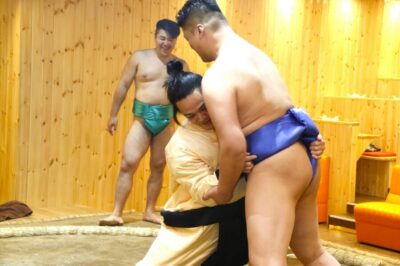
Sumo Show Experience with Chicken Hot Pot and a Photo
Our verdict →
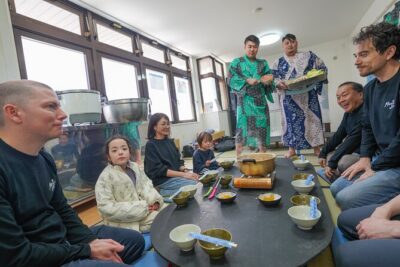
Authentic Sumo Experience in Tokyo: Enter the Sanctuary
Our verdict →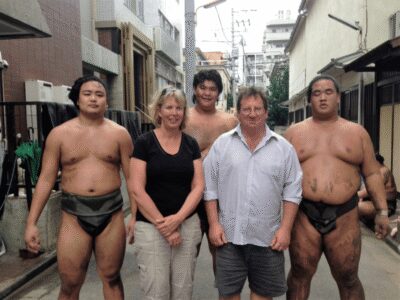
Browse the lists this tour appears in