
Reviewed · SAMURAI EXPERIENCES
Tokyo: Best Samurai Experience
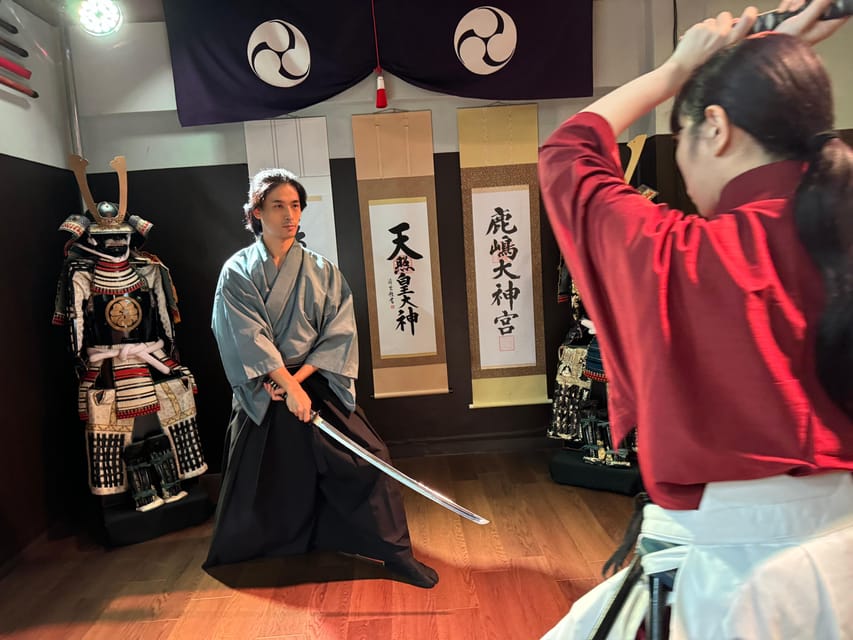
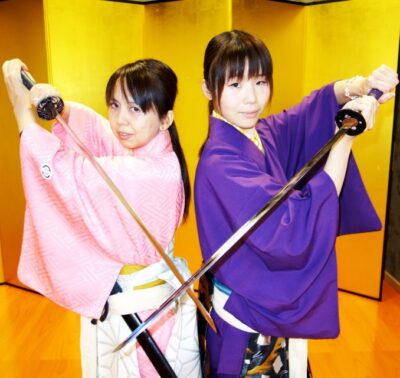
Tokyo’s Samurai Experience turns sword training into a compact stage show. You dress in a kimono and hakama, learn how to draw, hold, swing, and return a non-cutting sword, then use those moves in a choreographed fight with samurai performers. The setting includes armor, swords, and spears, so it feels more like a theater dojo than a modern activity room.
I like two things right away: the instructors help film your best moments, and the lesson gives you real structure instead of handing you a costume and sending you straight into a photo session. The small group, limited to 10 people, also gives the teachers room to guide beginners.
The main drawback is the short one-hour format. You get a lively introduction and a simple fight routine, not a full martial-arts course. The activity also uses a fake sword, and the optional armor experience costs extra.
Key points at a glance
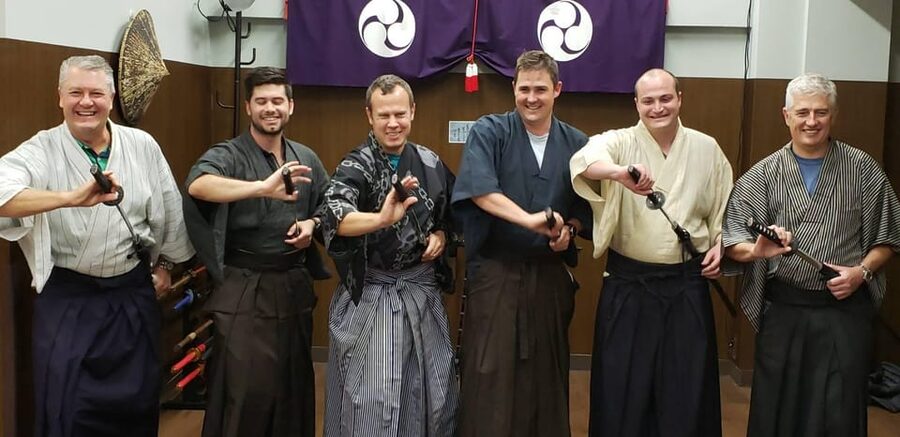
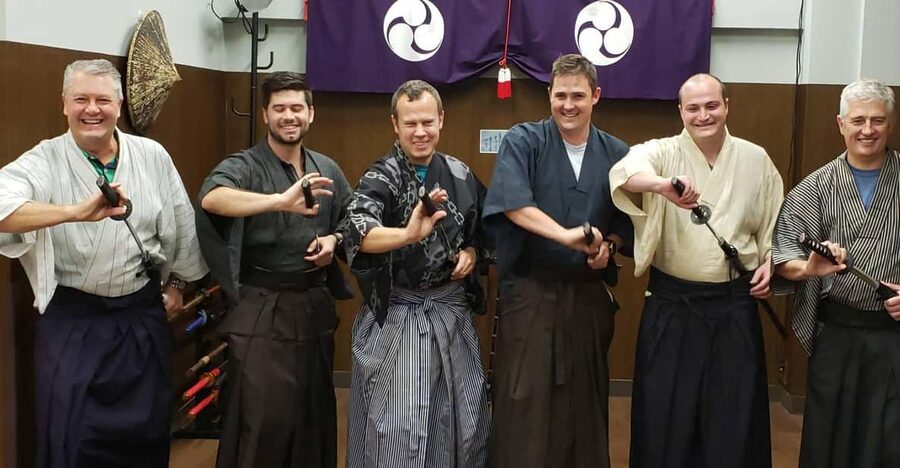
- Choose your own samurai costume: Change into a kimono and hakama before training.
- Learn the basics in clear stages: Practice sword parts, stance names, drawing, swinging, and returning the sword.
- Perform a choreographed fight: Use a safe practice sword in a mock battle with samurai instructors.
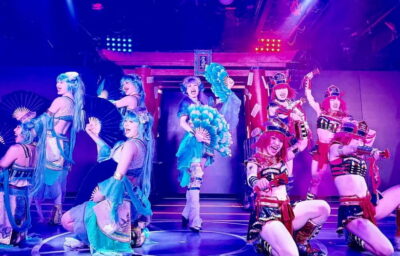
- Expect a show at the end: Music, lights, and dramatic energy turn the final routine into a small performance.
- Get help with photos and video: Assistants can use your smartphone to record the action and take pictures with the samurai.
- Small groups suit beginners: Sessions are limited to 10 people and offered in English and Japanese.
Costumes first, then a proper sword lesson
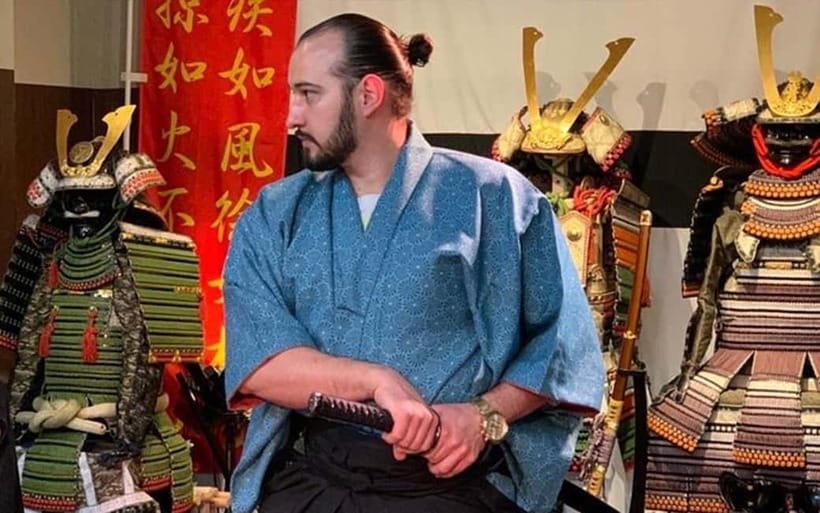
The activity begins with a change into traditional clothing. You choose a kimono and hakama, then receive help getting ready for the session. This matters because the outfit is not just a photo prop. It changes the feel of the activity and gives the later movements a clear sense of occasion.
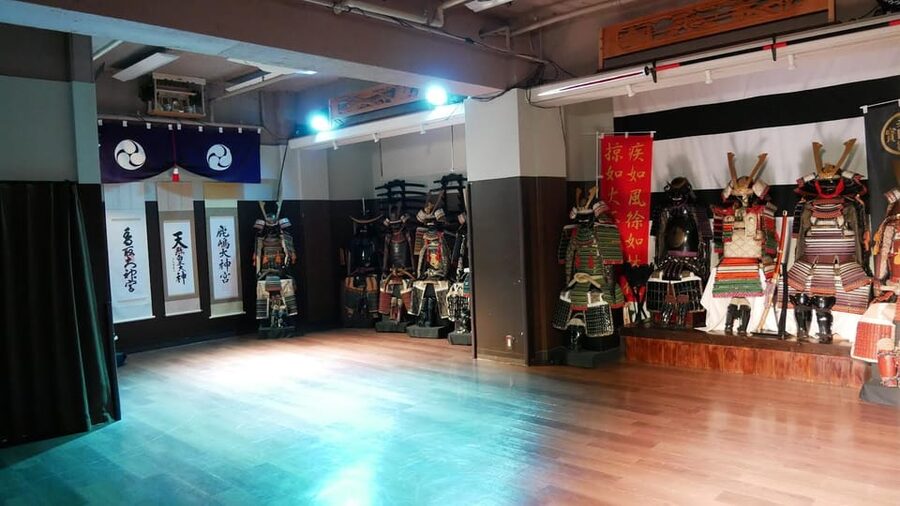
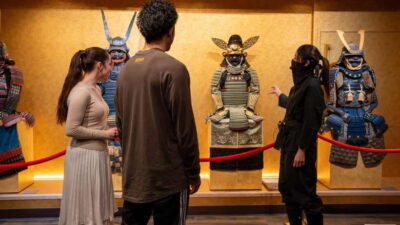
The dojo has swords, spears, and armor on display. That backdrop helps create the right mood before the lesson starts. You are not walking into a polished modern studio with a few plastic props scattered around. The setting is arranged to suggest a samurai training space, though you should still think of the activity as theatrical entertainment rather than a museum visit.
Armor is available as an optional extra for a separate fee. The basic booking includes the kimono and hakama, but not wearing the armor on display. If dressing up is a major reason for booking, check the cost of that addition before you arrive.
More Samurai Experiences in Tokyo
- Tokyo: Samurai Restaurant Show Ticket with 2 Drinks
★ 4.5 · 1,307 reviews - Tokyo: Samurai Ninja Museum Guided tour and Experience
★ 4.6 · 1,010 reviews - Tokyo: Samurai Sword & Archery Class from Samurai Descendant
★ 5.0 · 603 reviews
The four sword actions you actually practice
The instructor introduces the parts of the sword and explains basic handling. You learn how to draw it, hold it, swing it, and return it to its scabbard. These steps give the session more substance than a simple costume photograph.
The lesson also includes Japanese names for stances and movements. One participant described learning blade parts and stance names, then practicing the positions until they could perform them correctly. That detail is useful for anyone who wants a small cultural lesson alongside the fun.
You use a sword that cannot cut. Safety is built into the activity, but you still need to listen closely and control your movements. The aim is not speed or force. It is to copy the instructor, remember the sequence, and make each movement look clean.
The teachers speak English and Japanese. Their demonstrations and physical guidance do much of the work, so you do not need advanced language skills to follow along. The instructors are described as authentic teachers who have appeared in major Japanese dramas and films, which helps explain the polished stage presence reported throughout the session.
From practice moves to a choreographed chanbara fight
Once you know the basic actions, the lesson shifts into a simple chanbara routine. Chanbara is staged sword fighting, so the emphasis is on timing, dramatic reactions, and clear movements rather than contact.
You may practice offensive and defensive actions before putting them together in a scene. The routine is designed for people who have never held a sword before, but it still gives you enough structure to feel as if you are performing a role.
The activity also includes a playful mission to defeat bad guys to music. This is where the tone becomes less formal. You are not being examined on technique, and the instructors keep the atmosphere friendly and energetic. If you are shy about performing, the group setting and teacher demonstrations make it easier to join in.
The fight is staged with a fake sword, so do not expect a real weapons lesson. That is a limitation, but it is also what makes the activity suitable for a broad range of beginners who want a safe introduction to samurai-style movement.
The final performance adds lights, music, and drama
The last part brings the earlier practice together. The instructors add music and lights, and the simple lesson becomes a short performance. This is the section that gives the hour its strongest sense of payoff.
You are not just repeating isolated movements. You are using them in a scene with a beginning, middle, and finish. The teachers supply much of the dramatic energy, which helps the routine feel bigger than the basic steps might suggest.
One useful detail is that assistants can take photos and videos on your smartphone during the activity. You can also pose with a samurai afterward. That saves you from trying to operate your phone while holding a sword or remembering the next movement.
Bring a phone with enough storage and battery if you want plenty of footage. The activity states that photos and videos are part of the memory-making side of the session, but you should still treat your own phone as the recording tool.
Same trip, a completely different kind of day:
- 1-Day Tokyo Bus Tour
★ 5.0 · 14,250 reviews - Tokyo: TOKYO SKYTREE® Admission ticket
★ 4.5 · 11,192 reviews - Tokyo: teamLab Planets TOKYO Digital Art Museum Entry Ticket
★ 4.6 · 9,779 reviews - Tokyo: Sumo Show Experience with Chicken Hot Pot and a Photo
★ 4.8 · 6,678 reviews
Why the small group matters
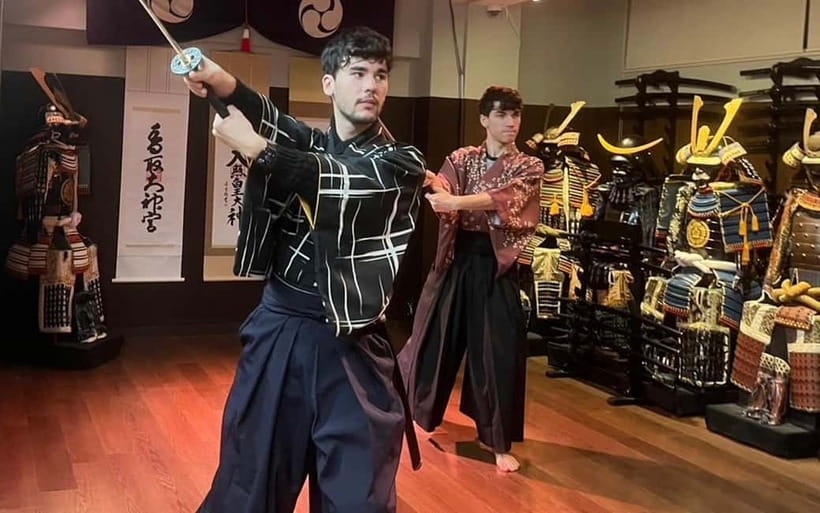
The group limit is 10 participants. That is small enough for a more personal session, especially during costume changes and movement practice.
A teacher can demonstrate a stance again, adjust the pace, or help a beginner who loses track of the routine. The assistants also help with costumes and recording. This makes the activity easier for families and for people who are not natural performers.
The small group does not mean private instruction. You are still sharing the dojo and the performance with other participants. If your ideal experience is one-to-one sword coaching, this is not that. If you want a social, guided activity with room to take part, the group size is a good fit.
The one-hour length also works well in a busy Tokyo schedule. You can place it between sightseeing plans without giving up half a day. The tradeoff is that the lesson stays introductory. You will learn a routine and basic terminology, not a long series of sword forms.
The strongest value for the $63 price
At $63 per person, the price covers more than a costume rental. You receive the kimono and hakama, instruction on sword parts and movements, use of a safe practice sword, a staged fight, and a photo with a samurai.
The value is strongest if you want several elements in one booking: dressing up, learning a few Japanese terms, performing a short action scene, and leaving with photos or video. Paying separately for each of those pieces would be less convenient, even if the activity itself lasts only an hour.
The price is harder to justify if you want serious martial-arts training or a long cultural lecture. This is designed as an interactive show with instruction, not as a full study of samurai history or swordsmanship.
The high rating of 4.9 from 124 reviews supports the idea that the activity delivers its intended mix of fun, participation, and spectacle. The most consistent praise centers on the instructors, the friendly atmosphere, the costume, and the help with filming. Those are the features I would use to judge the price, rather than the length alone.
Who will enjoy this most
Families can make good use of this activity because the routine is interactive and the teachers keep the tone welcoming. One family booking included adults and children, with everyone taking part. The activity is also suited to adults who enjoy dressing up, martial-arts films, or historical characters.
You do not need to be outgoing. The instructors guide the action and demonstrate each movement before asking you to repeat it. Still, you should be comfortable standing, moving, holding a practice sword, and performing in front of a small group.
It is a particularly good choice for:
- Fans of samurai films and Japanese drama
- First-time visitors who want an active cultural activity
- Families looking for something different from temples and shopping
- Couples or friends who want photos in traditional clothing
- People who prefer a short, scheduled activity
- Anyone who likes a little theater with their sightseeing
The activity is not suitable for wheelchair users, visually impaired people, pregnant women, babies, children under the stated age limits, people over 95, or children under 90 centimeters. The supplied restrictions list several age limits, including children under 2, 3, and 4 years, so confirm the precise rule for your child when booking.
Practical planning before you go
The meeting point is found by searching Google Maps for Samurai Theater Tokyo. Allow enough time to locate the venue and change clothes before the session begins.
English and Japanese instruction is available. Same-day reservations may be possible, and the booking option allows you to reserve now and pay later. You can also cancel up to 24 hours in advance for a full refund, which is useful when Tokyo plans are still shifting.
A late arrival may reduce your costume or practice time, even though one delayed participant was still welcomed and able to take part. I would not use that as a plan. The session moves from changing clothes to instruction to performance, so arriving on time gives you the full sequence.
Wear something that is easy to change out of. The traditional outfit is provided as part of the activity, but the supplied information does not specify what to wear underneath or whether personal belongings are stored on site. Keep valuables to a minimum and check directly with the provider if you have a specific clothing or storage concern.
What this is, and what it is not
This is a samurai-themed performance lesson, not a chance to handle a sharp historical sword. The practice weapon cannot cut, and the fight is arranged for safety and entertainment.
It is also not a detailed tour of Japanese military history. You receive explanations of sword parts, stances, and basic actions, but the hour is built around participation. The cultural value comes through clothing, movement, language, setting, and the way the instructors present the routine.
That balance is important. You should book this for a memorable activity, not for technical certification or a long lecture. The theatrical elements, including music, lights, and the final battle, are features rather than distractions if you know what you are getting.
Should you book the Tokyo Samurai Experience?
I would book it if you want a lively one-hour activity that combines traditional clothing, basic sword technique, and a staged performance. The instructors appear to be the main strength, and the help with photos and video makes the experience easier to enjoy without missing your own best moments.
I would skip it if you want authentic weapons training, a long historical explanation, or a quiet museum-style visit. At $63, the booking makes the most sense for people who value participation and take-home memories. For a first visit to Tokyo, it offers a playful change of pace from sightseeing, with enough structure to feel like more than a costume photo.
FAQ
How long does the Samurai Experience last?
The activity lasts one hour.
How much does it cost?
The listed price is $63 per person.
What clothing is included?
The booking includes changing into a kimono and hakama.
Do I use a real sword?
No. You use a fake sword that cannot cut during the lesson and staged fight.
Can I take photos and videos?
Yes. You can take photos with a samurai, and assistants can help record photos and videos on your smartphone.
Is the armor included?
No. Wearing the armor on display requires an optional additional fee.
What languages are available?
Instruction is available in English and Japanese.
Can I cancel or pay later?
You can reserve now and pay later. Cancellation up to 24 hours in advance qualifies for a full refund.
Just added around Tokyo
- Kawagoe Japanese Food Tour : Unagi Kaiseki and Sake near Tokyo★ 5.0 · 30 reviews
- Kawagoe 4hr Private Tour with Licensed Guide (Kawagoe Dep)★ 5.0 · 13 reviews
- Little EDO Sushi Making workshop in Kawagoe★ 5.0 · 18 reviews
- 【R34】Tokyo:Private Daikoku tour in Modified R34★ 4.9 · 92 reviews
- :Tokyo,Shibuya/ Pro Photography in Kimono / English-Friendly★ 5.0 · 26 reviews
- Tokyo:Celebrate Unique Japanese New Year Tradition Festivity★ 3.9 · 20 reviews
- Tokyo: Allstar Food Tour★ 4.7 · 29 reviews
- Tokyo: West-Side Cycling and Food Tour with Guide★ 5.0 · 37 reviews
Samurai Experiences, compared.

Browse the lists this tour appears in