
Reviewed · SAMURAI EXPERIENCES
Osaka: Samurai Training Experience KENDO in Osaka
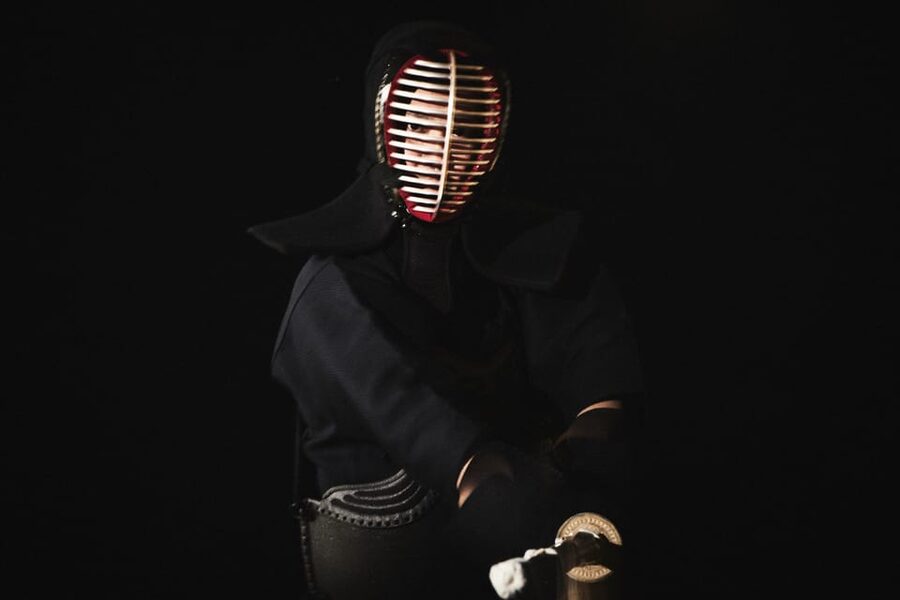
The best part of this Osaka activity is simple: you do not just watch a Samurai demonstration. You put on the Dōgi, Hakama, and full protective armour, grip a bamboo sword, and learn enough Kendo to face a partner in a real match-style session. Toshi, an experienced English-speaking instructor, leads the training with help from his friendly assistants.
I like the careful balance between culture and action. You learn about Bushidō and Reiho before you start swinging, and you get clear instruction in posture, footwork, strikes, blocks, and safety. I also like that the dojo gives you time for proper Samurai photos, not just a quick costume snapshot.
The main thing to consider is the price, $127 per person for two hours. That is a serious spend for a short activity, and the physical work can be tiring, especially in full armour. Still, the personal instruction, equipment, match practice, and photos make this more substantial than a simple dress-up stop.
Key points at a glance
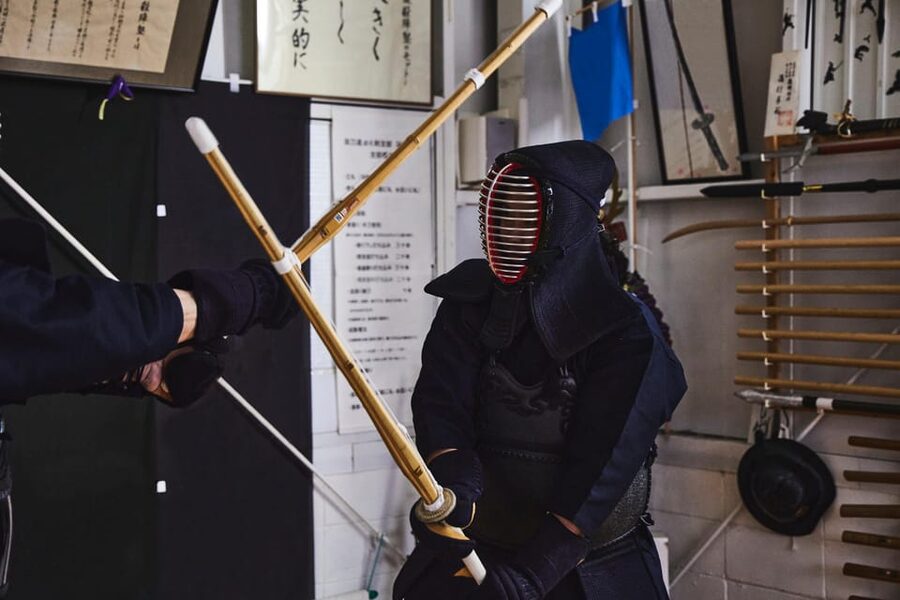
- Full Kendo armour: Wear Men, Kote, Dō, and Tare with a Shinai for hands-on practice.
- Real dojo setting: Train inside a genuine Samurai and Kendo facility in Osaka City.
- Patient English instruction: Toshi and his assistants explain techniques, rules, and etiquette clearly.
- Beginner-friendly matches: Practice with other participants and, when suitable, the instructor.
- Culture with movement: Learn about Bushidō, Samurai traditions, and Reiho while getting a real workout.
- Useful family detail: Children aged 3 to 5 mainly dress up and take photos rather than complete the adult session.
Why this Osaka Kendo class feels different
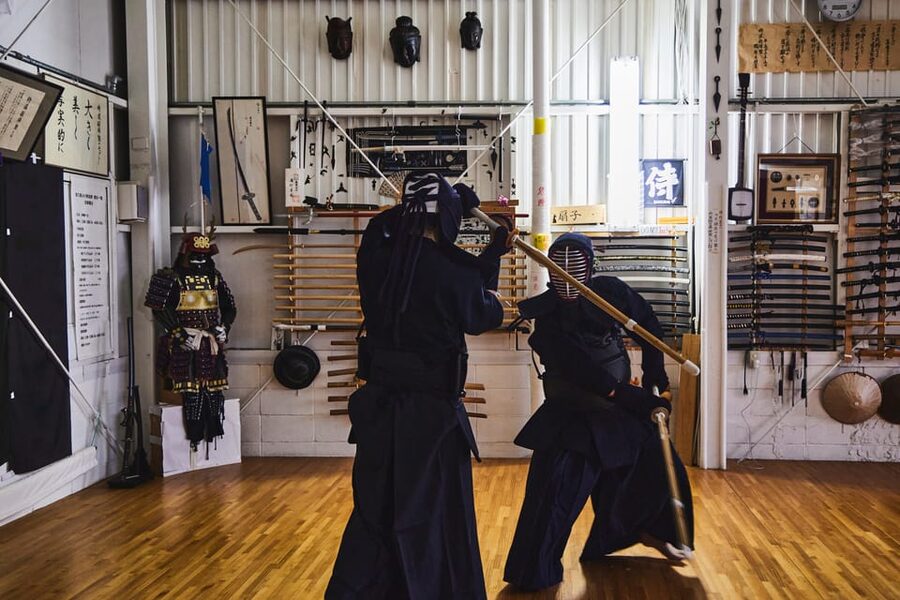
Many cultural activities ask you to watch, pose, and move on. This one asks you to pay attention, shout, step correctly, and react to another person. That makes it more demanding, but also more memorable.
Kendo grew from Japanese sword traditions, though modern Kendo is a martial art and competitive discipline rather than Samurai combat training. The lesson explains that difference through the ideas of Bushidō, the warrior’s way, and Reiho, the etiquette that shapes how practitioners enter, train, bow, and treat one another.
That introduction matters. Without it, the armour and bamboo sword could feel like props. With it, you understand that Kendo places as much weight on self-control and respect as on hitting a target. The goal is not simply to swing harder.
You will also hear about the connection between traditional Samurai values and present-day Kendo. The emphasis is on focus, sincerity, discipline, and personal improvement. The lesson keeps this approachable, so you do not need prior knowledge of Japanese martial arts.
More Samurai Experiences in Osaka
- Samurai Training Experience KENDO in Osaka
★ 5.0 · 515 reviews - OSAKA NIGHT FUSION Japanese Taiko Kabuki Samurai Dance Show
★ 4.8 · 155 reviews - Osaka: A Modern Samurai, Kabuki, Taiko, & Dance Show
★ 4.5 · 66 reviews
Meeting Toshi inside a genuine Osaka dojo
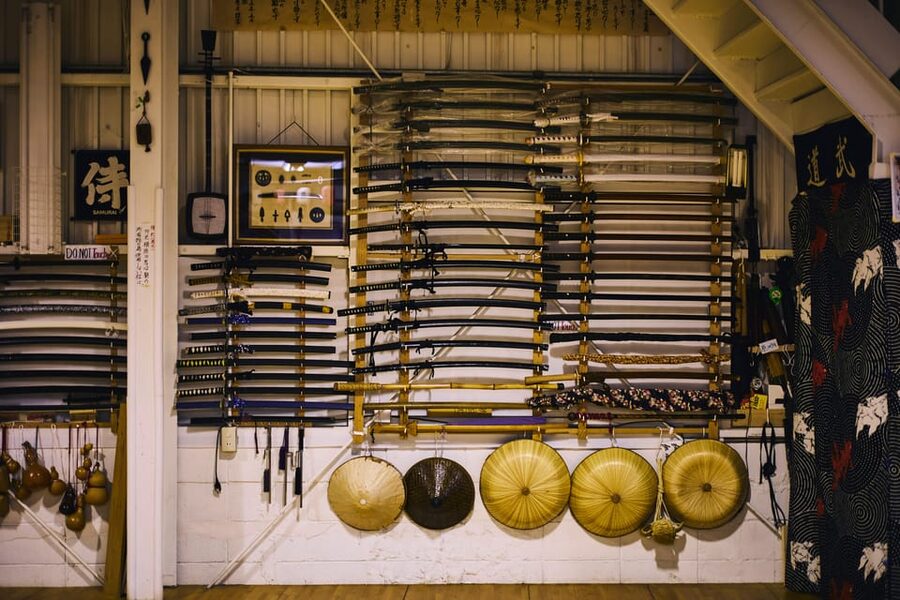
The training takes place at a real dojo in Osaka City, rather than a stage built only for sightseeing. The setting gives the session a sense of purpose. You are entering a place made for practice, not just a room decorated with swords.
Toshi leads the physical instruction. The supplied information identifies him variously as Toshi or Toshihiko, and his assistants help with clothing, photographs, translation, and general support. English is used throughout the activity, with Japanese also available.
The teaching style suits first-timers. Instructions are broken into small steps, and the pace can be adjusted to your ability. That is helpful if you have never held a Shinai, the bamboo sword used in Kendo, or if you are not naturally athletic.
The dojo has been described as clean and spacious, which matters once you add armour, partners, and movement. You need room to step safely. Families and couples may receive a good amount of individual attention when the group is small, although the exact class size can vary.
Getting dressed in Dōgi, Hakama, and Bogu
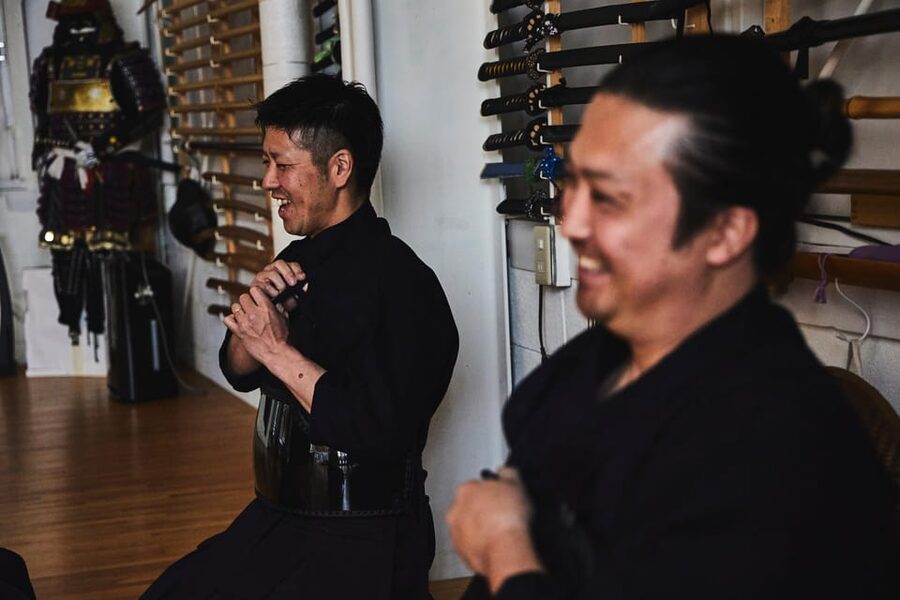
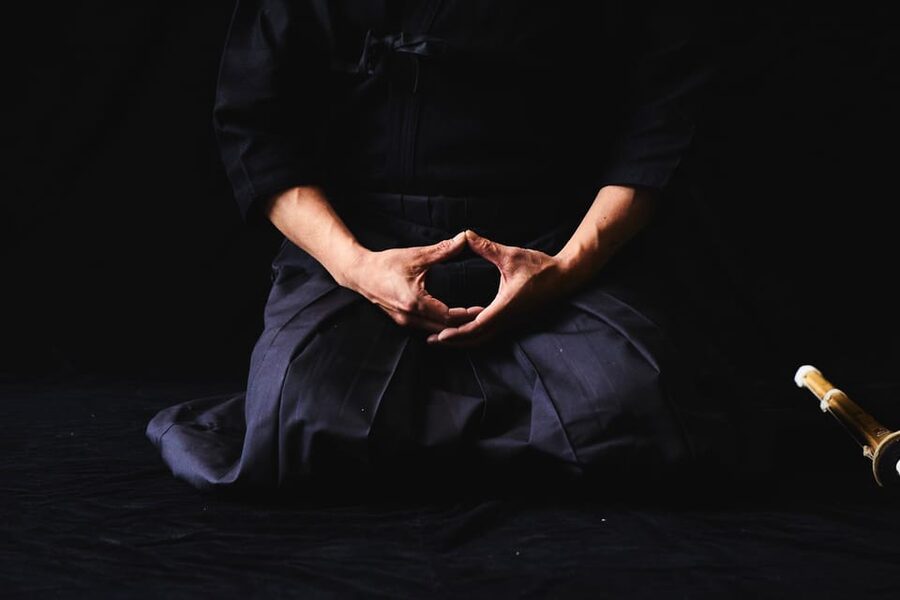
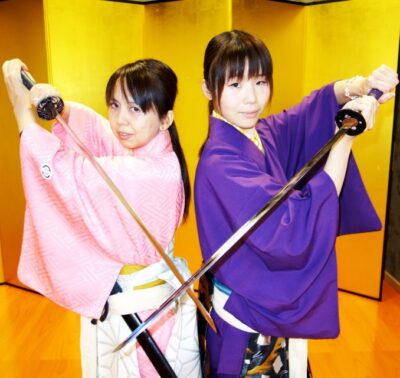
After the introduction, you change into traditional Kendo clothing. The Dōgi is the training jacket, while the Hakama is the pleated garment worn below the waist. The effect is immediately more serious than putting on a loose costume for a photograph.
You then add Bogu, the protective armour used for Kendo practice. The equipment includes:
- Men, the protective head and face covering
- Kote, padded gloves for the hands and wrists
- Dō, the chest and torso protector
- Tare, the waist and lower-body protection
- Shinai, the bamboo sword
The armour is central to the activity, not an optional extra. It allows you to take part in controlled practice and match-style exchanges with much less worry about accidental contact.
You should provide your height, weight, and gender when booking. This helps the staff prepare a safer, more comfortable fit. Bring a drink, since the gear and movement can make you sweat. The activity is active even if you consider yourself only moderately fit.
One practical point: the armour changes how you move. It is not especially difficult to wear, but it adds weight and limits your natural range of motion. Your feet and legs may feel the work later in the day. Take the warm-up seriously and do not treat the final matches as a test of brute strength.
Learning Reiho before you learn to strike
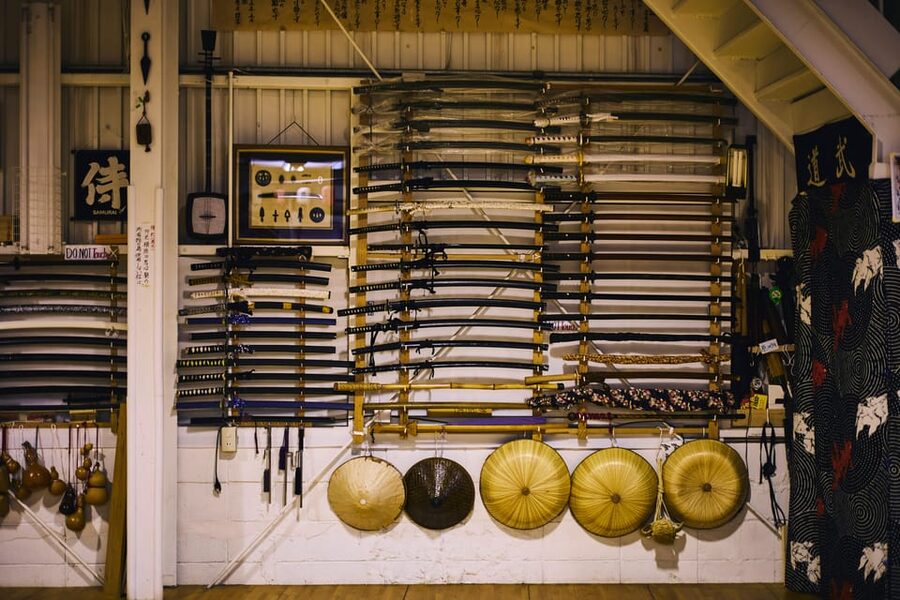
Kendo begins with manners. The lesson introduces Reiho, the formal etiquette that creates order and respect in the dojo. You learn that how you stand, bow, hold the Shinai, and face a partner matters.
This is one of the strongest parts of the activity for anyone interested in Japanese culture. You are not just copying movie sword moves. You are learning why the practice uses specific forms and why calm control is valued.
The instructor covers basic posture, footwork, and safety rules before moving to strikes. Expect repeated correction. That may sound slow, but it helps beginners avoid flailing around in heavy gear.
You also learn that Kendo rewards timing and spirit, not only power. A smaller person can still perform well with good distance, concentration, and technique. This makes the activity more welcoming to people who do not see themselves as sporty.
More Martial Arts Experiences in Osaka:
- Osaka: Kendo Workshop Experience
★ 4.9 · 28 reviews - Kyoto: Kendo and Samurai Experience with Uniform and Gear
★ 4.9 · 815 reviews - Tokyo: Samurai Sword & Archery Class from Samurai Descendant
★ 5.0 · 603 reviews - Japanesel Archery Experience HIROSHIMA CASTLE SHARAKU
★ 5.0 · 387 reviews
Practising Shinai strikes, blocks, and counters
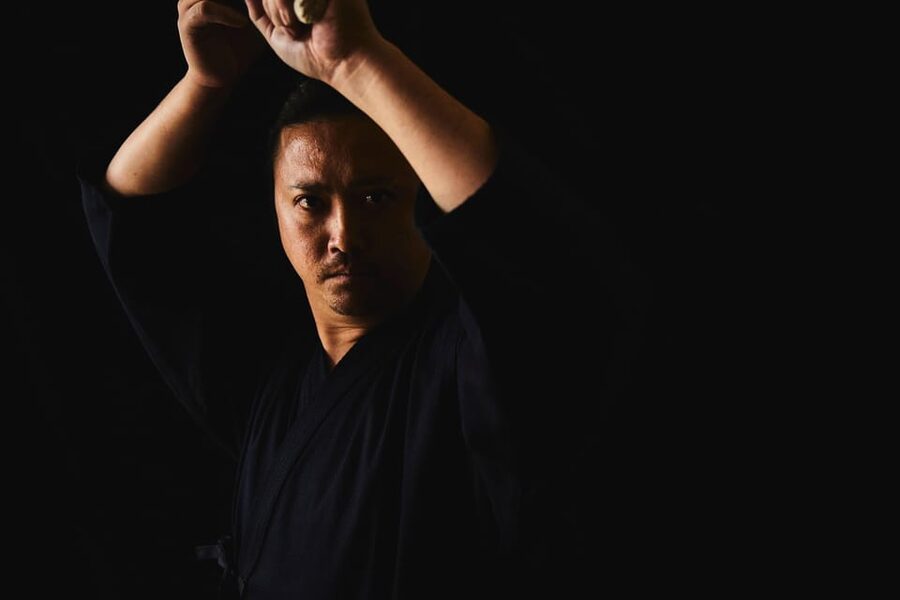
The technical part builds gradually. You begin with simple movements and learn how to hold and use the Shinai. From there, Toshi introduces basic attacks, blocks, and defensive actions.
The lesson can include the four basic striking areas and ways to respond to an opponent. The exact amount you cover depends on the group and how quickly everyone picks up the movements. Do not expect a full Kendo course in two hours, but you will gain a clear taste of the discipline.
The instructor’s patience is important here. Beginners need time to understand where their feet go, how far to stand from a partner, and when to move. The assistants help explain instructions and prepare the armour, so you can focus on the practice.
You will also learn the vocal element of Kendo. Calling out during a strike is part of the tradition and helps create commitment and focus. It may feel strange at first. Then it becomes one of the most enjoyable parts, especially when the whole group finds its voice.
The match-style session is the real payoff
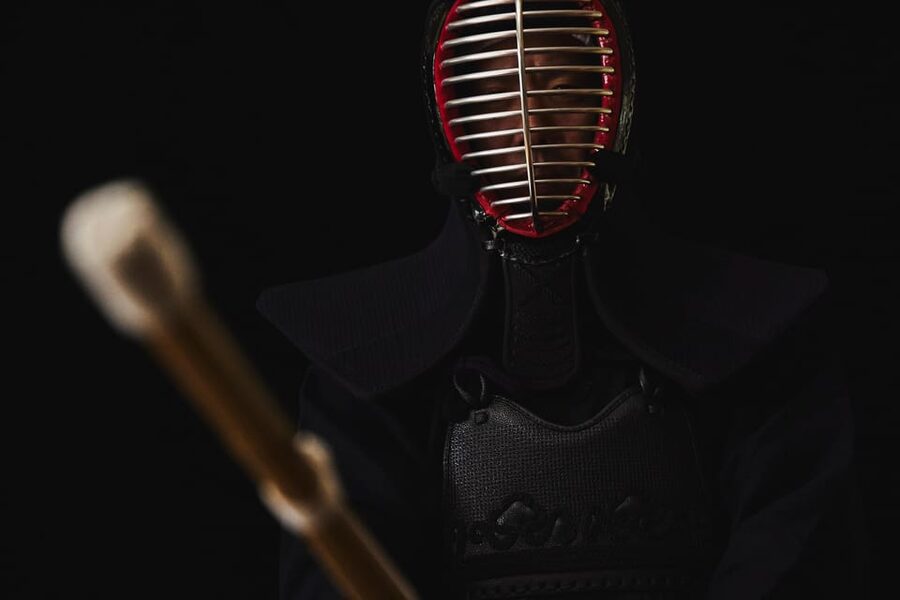
After the basic drills, you face a partner for controlled practice. This is not an open fight. It follows Kendo rules and takes place under close instruction, with protective equipment in place.
If you come with a friend or family member, you may face each other. If the group has several participants, you can practise with someone else. Suitable participants may also have the chance to face Toshi or another skilled practitioner.
The match is exciting because you now understand enough to see what you are trying to do. You are watching distance, timing, footwork, and openings instead of randomly tapping a bamboo sword. The action is still playful, but it has structure.
Your ability and comfort level matter. You do not need to be aggressive, and you should not feel pressured to hit harder than you can manage. The activity is designed for beginners, and the instructor can adapt the training to your level.
People with previous martial arts or Kendo experience are welcome, too. They may get more from the sparring section, though the session remains an introduction rather than an advanced class. If you are already a serious Kendo practitioner, you may find the technical material basic.
Samurai photos that are more than a quick souvenir
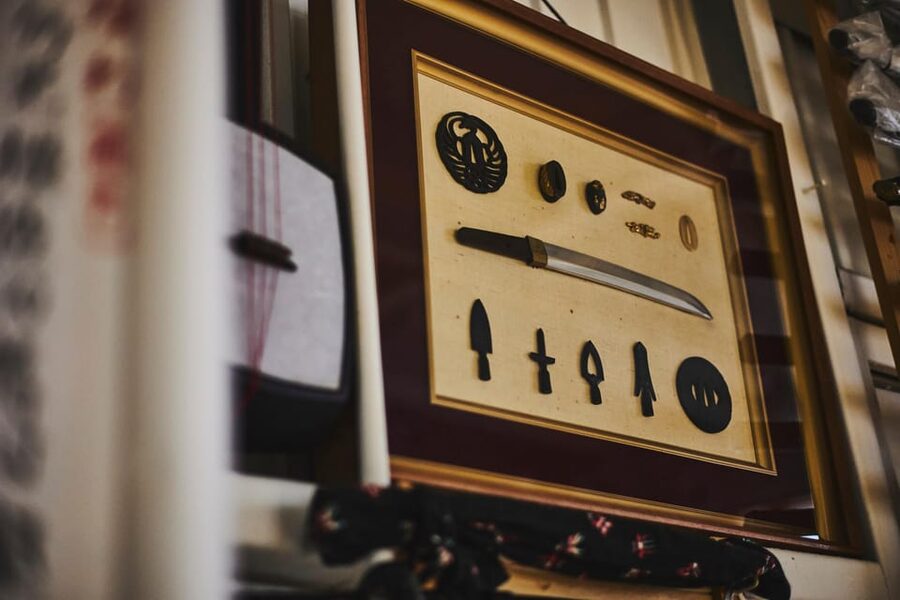
The photo session usually takes place in the dojo with Samurai items and Kendo equipment. You can pose in the clothing and armour, hold the Shinai, and create action shots that show the activity rather than just a costume.
This part works best after training because you have already learned how to stand and handle the equipment. The pictures can feel more natural when you know the basic posture. Staff members assist with the outfit and photography.
The photos also give younger children a way to join in. Children aged 3 to 5 mainly take part by wearing uniforms, trying on armour, and posing. They do not receive the same physical lesson as an adult. Children under 2 cannot try Kendo.
The activity is not suitable for people aged 76 or older, who may attend only for viewing. The published age guidance also lists people over 75 as unsuitable for participation, so anyone near that age should check the current rule before booking.
How much value do you get for $127?
At $127 per person, this is not a budget activity. You are paying for a two-hour session, an English-speaking instructor, clothing, full protective equipment, cultural explanation, hands-on coaching, match practice, and Samurai photos.
The value depends on what you want. If you only want a quick picture in Japanese clothing, this costs more than necessary. Osaka has cheaper photo opportunities. If you want a guided physical activity with real instruction and a chance to spar, the price is easier to justify.
Small groups can improve the value. Several sessions have had only one or two participants, giving Toshi and his assistants plenty of time to correct technique and help with the armour. Group size is not guaranteed, so do not book expecting a private class.
The experience can also run longer in practical terms if staff ask you to arrive early for changing or offer time afterward for water, snacks, tea, or local recommendations. The advertised duration remains two hours, so plan around that rather than counting on extra time.
For a family, the cost adds up quickly. Older children who can follow instructions may enjoy the full lesson, while younger children mainly receive the photo and costume element. Ask yourself whether each person in your party will take part physically before booking several places.
Who should book this Kendo experience?
I would choose this for someone who wants more than Osaka’s usual food, shopping, and sightseeing circuit. It suits:
- First-time visitors curious about Japanese martial arts
- Samurai and anime culture fans
- Couples looking for an active shared activity
- Families with school-age children and teenagers
- Martial arts students who want a short introduction to Kendo
- Visitors who enjoy cultural activities with some physical effort
You do not need prior Kendo experience. You also do not need to be highly athletic, though you should be comfortable standing, stepping, shouting, and moving in protective gear.
I would think twice if you dislike contact sports, get uncomfortable in enclosed headgear, or want a quiet cultural lecture. The class has a talk, but the main event is physical practice and match-style combat.
The dojo is wheelchair accessible, which is useful for access to the facility. The physical Kendo portion still depends on individual mobility and comfort, so contact the provider if you need specific assistance.
Practical planning for your two hours in Osaka
Wear or bring comfortable clothing under the Kendo uniform. The required item is simple: a drink. Alcohol and drugs are not allowed.
Give accurate height and weight details when booking. A poor fit can make the armour uncomfortable and affect how safely you move. Arrive ready to listen carefully, since the lesson builds from etiquette and footwork to sparring.
You can cancel up to two days in advance for a full refund. Check the available start times when choosing a date, since the session runs for two hours and you may want to place it between other Osaka plans.
The meeting point is in Osaka City, at the dojo location provided with the booking. Check the map before leaving your hotel so you know how long it will take to reach the meeting point.
Should you book it?
Book this Kendo session if you want a hands-on cultural activity that combines Japanese tradition, instruction, exercise, and photographs. The strong teaching, clean dojo, patient support, and chance to spar make it feel like a proper introduction rather than a staged Samurai show.
The $127 price is the main hurdle. It makes sense for you if the full armour, personal coaching, and match practice matter. It is less compelling if you only want a costume photo or a short demonstration.
For most suitable beginners, I think the activity offers a memorable way to spend two hours in Osaka. Just bring water, expect to sweat, and understand that the youngest children and oldest participants will not receive the same experience as active adult participants.
FAQ
Where does the Kendo experience take place?
It takes place in a genuine Samurai and Kendo dojo in Osaka City on Honshu, Japan. The meeting point is provided through the activity’s map link.
How long does the experience last?
The advertised duration is two hours. Some participants may be asked to arrive early for changing, so allow extra time around the scheduled session.
What languages are available?
Instruction is available in English and Japanese. The main instructor and assistants help explain the techniques and cultural information in English.
Do I need previous Kendo experience?
No. The programme is designed mainly for beginners and first-time participants. People with previous Kendo or martial arts experience are also welcome.
What equipment will I wear?
You wear a Dōgi and Hakama, followed by protective Bogu armour. This includes Men, Kote, Dō, and Tare. You also use a Shinai, or bamboo sword.
Can children take part?
Children under 2 cannot try Kendo. Children aged 3 to 5 mainly wear the uniform and armour and take photographs, so they do not receive the same adult training. The experience is not suitable for people aged 76 or older.
What should I bring?
Bring drinks. You should also provide your height, weight, and gender when booking so the staff can prepare a more suitable fit.
Is the activity wheelchair accessible?
Yes, the activity is listed as wheelchair accessible. The physical Kendo portion may depend on your individual mobility and comfort.
Can I cancel for a refund?
You can cancel up to two days in advance for a full refund. Check the booking terms and selected start time when reserving.
Just added around Osaka
- Exclusive Sushi Making Experience with a Master Chef – Osaka Area★ 5.0 · 25 reviews
- Private Home-Style Cooking Class in Osaka with Local Mom Yoshiko★ 5.0 · 46 reviews
- Hidden Osaka – Yukaku Red Light Tour & Culinary Adventure★ 4.8 · 96 reviews
- Osaka: Walking Tour and Top Highlights★ 4.8 · 104 reviews
- Osaka: Private Ceramic Painting Workshop★ 5.0 · 13 reviews
- Pickleball in Osaka, Kobe & Kyoto with Locals!★ 4.7 · 80 reviews
- Eat Like a Local in Osaka – Private Custom Street Food Tour★ 4.3 · 33 reviews
- Osaka:SUMO BEATS SHOWCASE: Taiko Drum and Wagyu burger!★ 4.2 · 37 reviews
Samurai Experiences, compared.
Browse the lists this tour appears in