
Reviewed · WORKSHOPS
Osaka: Kendo Workshop Experience
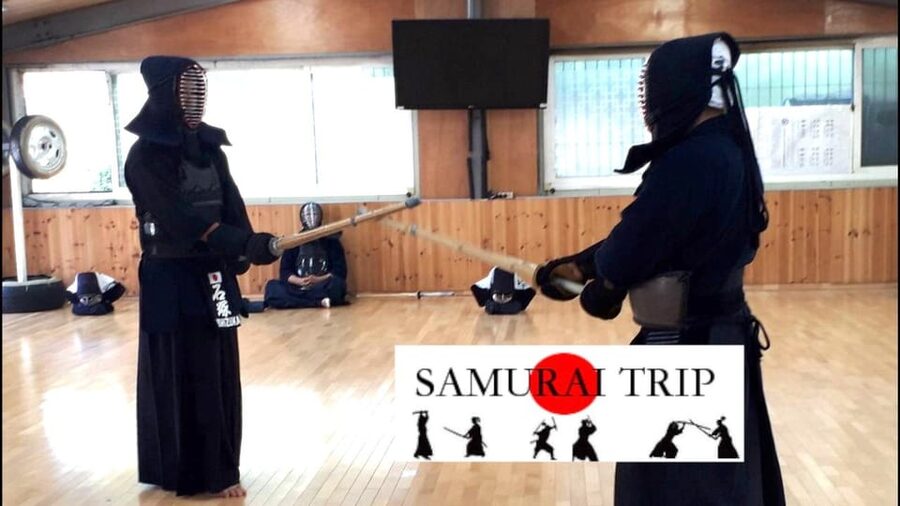
Kendo is more than swinging a bamboo sword at a target. In this Osaka workshop, you enter a quiet dojo, bow correctly, learn the discipline behind each movement, and then hear the sharp crack of bamboo swords meeting. The session builds from ritual to practice, so even a complete beginner can take part safely.
I like the small-group format, which gives the instructor time to watch your stance and correct details. I also like the balance between physical practice and kendo culture, especially the history, manners, and idea of lifelong training. Yamasaki sensei has been singled out for clear English, good humor, and careful coaching.
The main consideration is that this is a short introduction, not a full martial arts course. At $116 per person, you are paying for personal instruction and a carefully staged cultural experience, so it makes the most sense if you want real participation rather than a quick costume photo.
Key points to know before booking
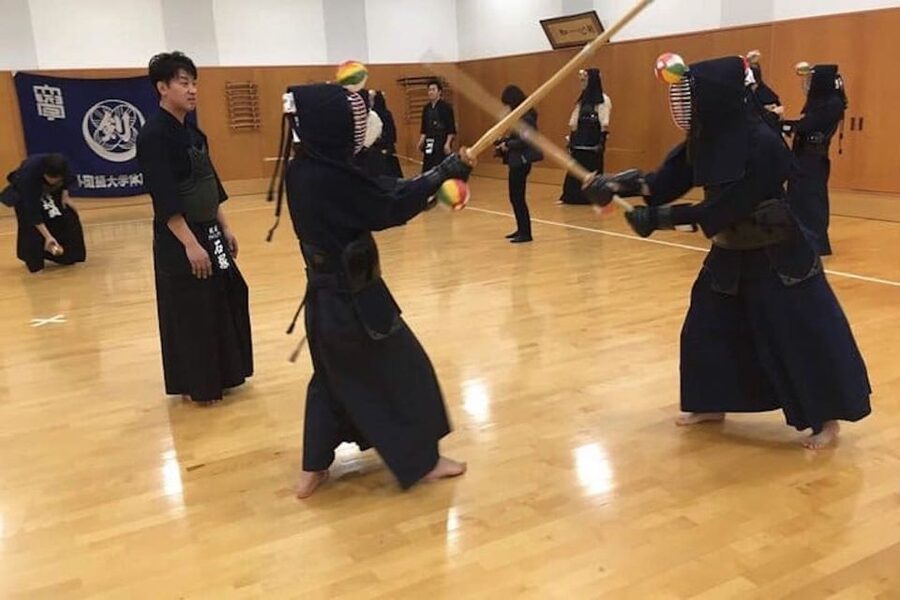
- You follow the full kendo sequence: changing clothes, etiquette, basic instruction, bamboo sword drills, armor practice, a mini-match, demonstrations, and a final photo.
- You practice in a real dojo setting: the quiet room, shouted commands, and sound of bamboo swords give the session a serious feel.
- You get direct instruction: English and Japanese are available, and the small group keeps the lesson personal.
- You learn more than how to hit: short culture lessons explain kendo’s history, manners, and lifelong approach.
- You receive useful equipment for the session: armor, bamboo sword equipment, mineral water, and a Japanese hand towel are included.
- You need reasonable mobility: the activity is not suitable for children under 9, pregnant women, wheelchair users, or people with mobility impairments.
From samurai image to real kendo practice
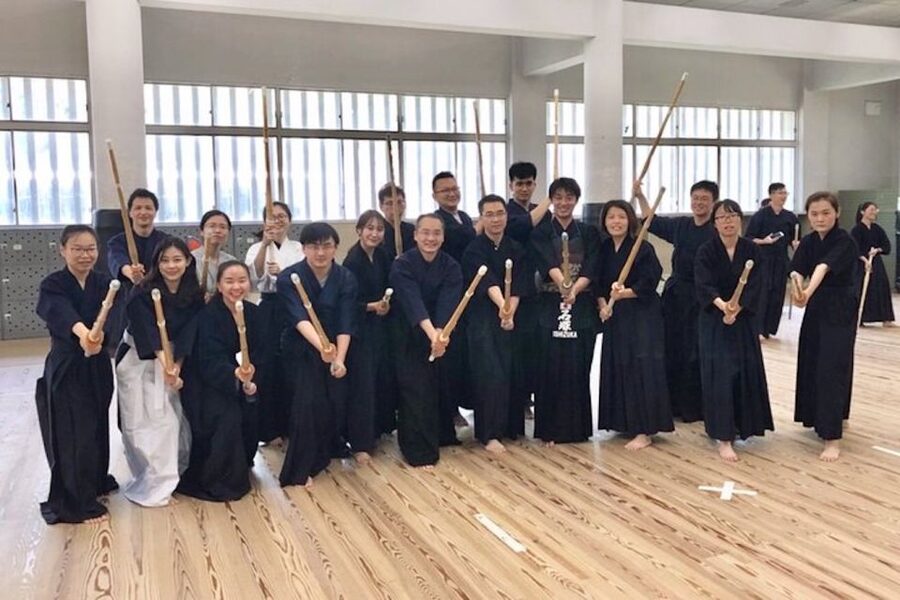
Many Osaka activities borrow the look of the samurai. This one asks you to learn the conduct as well as the equipment. Kendo is built around rei, or etiquette, along with focus, control, and repeated practice. You will not simply put on armor and pose with a sword.
The workshop takes place at Shigino Kaikan, a hall in Osaka’s Shigino area. The listed meeting point is written as 鴫野会館, so I would keep that Japanese name handy when checking directions or showing your plans locally.
The session lasts two hours. That is long enough to cover the main stages without turning into an all-day physical test. Still, you should expect active participation. Kendo uses the legs, arms, posture, voice, and concentration together, and even a beginner may find the pace more tiring than a museum visit.
The group is described as small, limited to two participants, and the program notes that it is basically arranged for two people or more. That setup matters. An instructor can see whether your feet are positioned correctly, whether your hands are gripping the sword properly, and whether your strike has the right timing.
More Martial Arts Experiences in Osaka:
- Samurai Training Experience KENDO in Osaka
★ 5.0 · 515 reviews - Osaka: Samurai Training Experience KENDO in Osaka
★ 5.0 · 111 reviews - Kyoto: Kendo and Samurai Experience with Uniform and Gear
★ 4.9 · 815 reviews
Starting with clothes, bows, and manners
The first part is not a dramatic sword fight. You change clothes and begin with etiquette. This may feel slow if you came expecting immediate action, but it explains what makes kendo different from a staged samurai show.
You learn how to behave in the dojo, how to show respect, and how the class is organized. The ritual gives the workshop its shape. It also helps you understand that the bamboo sword, called a shinai, is part of a martial art with rules and discipline, not a toy.
Pay attention here. The manners are not filler before the fun starts. They explain why kendo practitioners bow, how they enter the training space, and why composure matters before and after a strike.
The atmosphere does much of the teaching. The dojo is described as tranquil, but that quiet is broken by the instructor’s voice and the sound of bamboo swords making contact. That contrast is one of the strongest parts of the experience. You get a sense of training as a focused daily practice, not a theatrical performance.
Learning the first strikes with a bamboo sword
After the introduction, you receive basic instruction and begin working with the bamboo sword. The instructors teach the fundamental movement before asking you to hit, which is important for anyone who has never handled kendo equipment.
You will work on posture, movement, and the basic idea of striking correctly. The exact sequence can vary with the instructor and group, but the planned program includes hitting with bamboo swords and then hitting the teacher under guidance.
This is where the workshop becomes more personal. Instead of watching a demonstration from a distance, you have to coordinate your body and respond to direction. The teacher can adjust your form one detail at a time.
The experience is designed for beginners, and the instructors are described as experienced and careful. One French participant specifically praised the teaching style as easy to follow, while another described the instructor as attentive and highly experienced. That combination matters more than grand claims about samurai tradition. A good first lesson should make you feel challenged without making you feel lost.
You may also find that your first strike feels less natural than expected. The sword has to travel with purpose, your body must remain controlled, and your voice is part of the action. Kendo is not only about arm strength.
Why the culture lesson adds value
At intervals, the workshop includes a kendo culture course. You learn about the art’s history and its manners, not only the competitive side of matches and scoring.
This makes the physical drills easier to understand. The goal is not simply to hit a person wearing protective gear. Kendo places value on spirit, etiquette, and lifelong practice. The program’s themes include unifying your spirit, manners, and the idea of continuing to learn throughout life.
For you, that means the workshop works on two levels. You get a memorable activity for an afternoon in Osaka, but you also receive enough context to understand why the class begins with bows and why the instructor pays close attention to form.
The culture section may be the least active part of the session, so it will appeal most if you enjoy knowing why a tradition developed the way it did. If you only want fast action, the explanations may feel like a pause. I see them as necessary preparation for the more physical parts.
A few more Osaka half-days worth comparing
- Osaka Go Karting Tour with Funny Costume
★ 5.0 · 2,658 reviews - Osaka Castle: Museum and Tower Entry Ticket
★ 4.5 · 2,380 reviews - Osaka: Shinsekai Food Tour with 13-15 Dishes at 5 Eateries
★ 4.8 · 2,204 reviews - Osaka Food Tour: 13 Dishes at 5 Local Eateries
★ 5.0 · 2,149 reviews
Wearing the men and facing the instructor
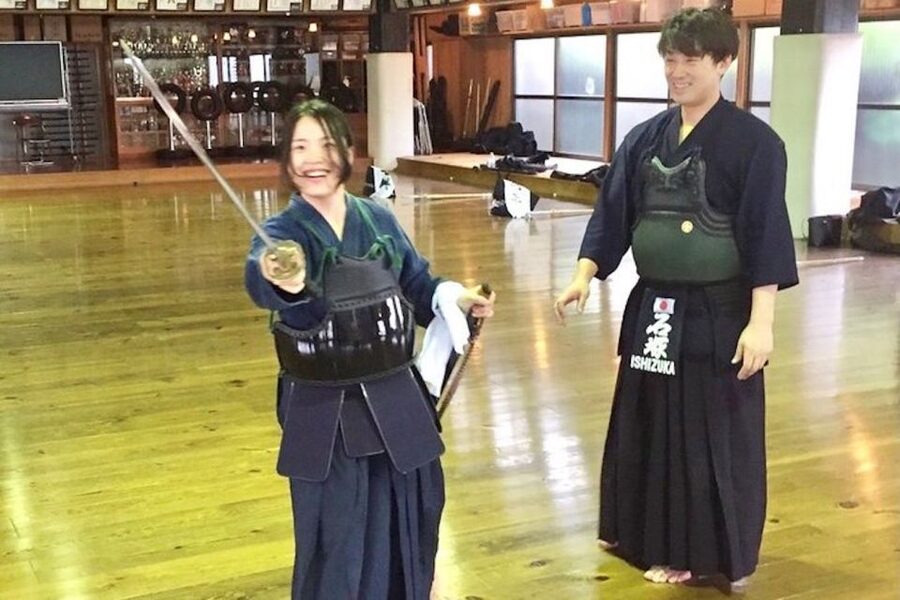
The next major step is putting on the men, the protective face and head armor used in kendo. The special kendo towel provided with the activity is used when putting on the face protector. You keep it as a small souvenir after the session.
Once the men is in place, the mood changes. Your vision and hearing feel different, and the protective equipment makes the practice more serious. You then repeat striking practice with the instructor.
This stage is valuable because it lets you feel part of the training rather than simply copying a movement in ordinary clothes. At the same time, the equipment can feel heavy or unfamiliar, particularly for a first-time participant. You should not expect to move with the ease of an experienced practitioner after one lesson.
The instructor remains close during this part, which is why the small-group arrangement helps. You can ask for clarification, receive corrections, and try again without waiting behind a large class.
The activity information says anyone can experience the practice safely under the guidance of the instructors. That does not mean the session is effortless. It means the workshop is structured so a beginner can learn the movements and participate under supervision.
The mini-match gives the lesson a clear finish
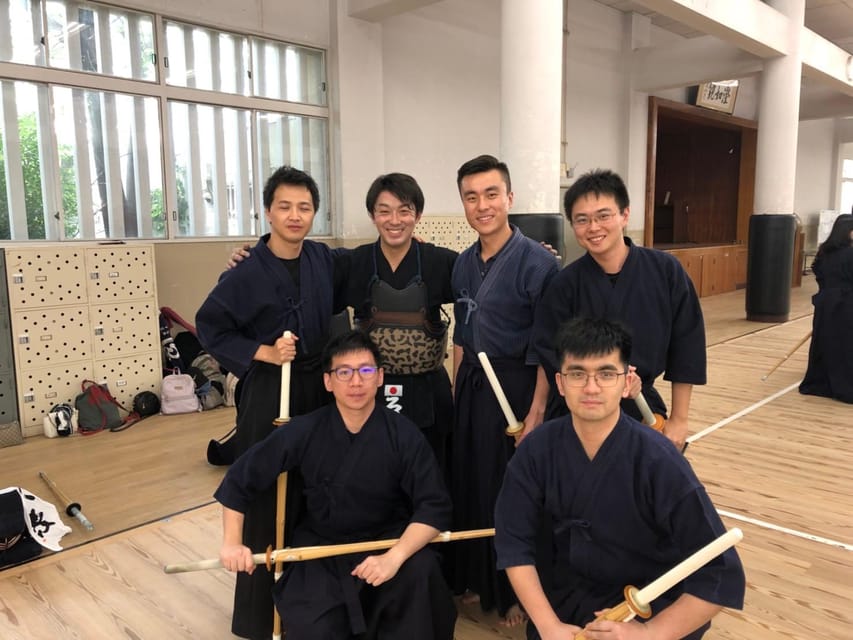
After you learn the basic techniques and practice with the instructor, you take part in a match-style mini-game. This is not presented as a serious tournament. It is a guided way to use the skills you have just learned.
The mini-match is a good choice for a short workshop because it gives you a goal. You are not only repeating drills. You have to remember your stance, listen for direction, and react within the limits of the exercise.
If you are nervous about competing, the word mini matters. The session is intended to let anyone take part, including people with no kendo background. You should still expect some pressure once the action begins. That is part of the lesson, and it helps you understand how technique changes when you are facing another person.
I would approach this section with a light attitude. You are there to learn the rhythm and etiquette of a match, not to prove that you are a samurai. The best outcome is leaving with a clearer sense of how practice becomes performance.
National-level demonstrations up close
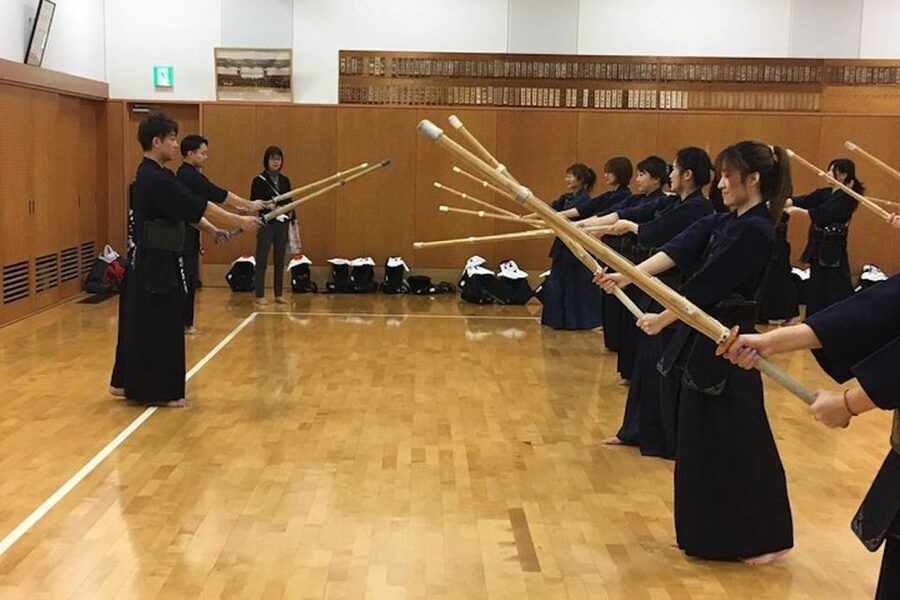
The workshop then includes demonstrations by national-level instructors. This is one of the best moments for putting your own practice into perspective.
You will see actual techniques performed at a level that beginners cannot copy immediately. Watch the footwork, timing, posture, and control rather than only the speed of the strikes. A skilled demonstration shows how much precision sits behind what may look like one simple movement.
Because your own practice has already taken place, the demonstration should mean more than it would at the beginning. You have held the bamboo sword, tried the stance, and felt how difficult it is to coordinate a strike. The expert version gives you a sharper idea of where long-term training can lead.
This section also adds variety to the two-hour schedule. You are not active every minute, which gives your body a short break while keeping the lesson focused.
Photos, the towel, and what is included
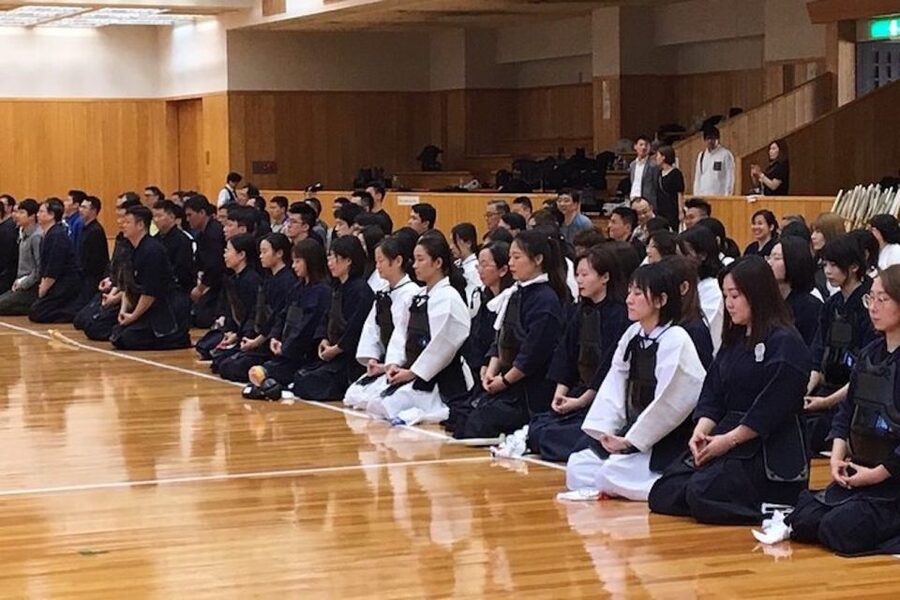
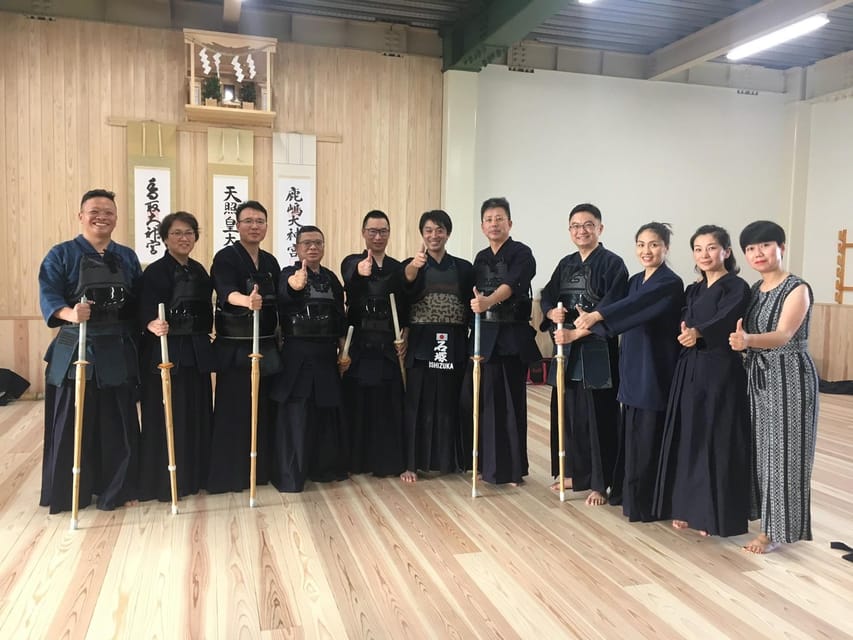
The formal part ends with etiquette and photography. You can take a picture in your kendo equipment to remember the experience. The photo comes after the instruction, so it feels like a record of what you learned rather than the whole point of the visit.
The $116 price includes a professional guide or instructor, rental kendo armor and equipment, mineral water, and a free Japanese hand towel. The special kendo towel is particularly practical because it is used with the men and then becomes a simple keepsake.
Food is not included, and there is no hotel pickup or drop-off. After changing clothes, you can go to an izakaya, a Japanese restaurant, where a special Samurai meal is available on the menu. That meal is an optional add-on to your day, not part of the workshop fee.
For the price, I think the value depends on what you want. If you want a cheap photo opportunity, $116 is high. If you want instruction, protective equipment, direct practice, a mini-match, and demonstrations in a small group, the cost is easier to justify.
Who will get the most from this Osaka activity
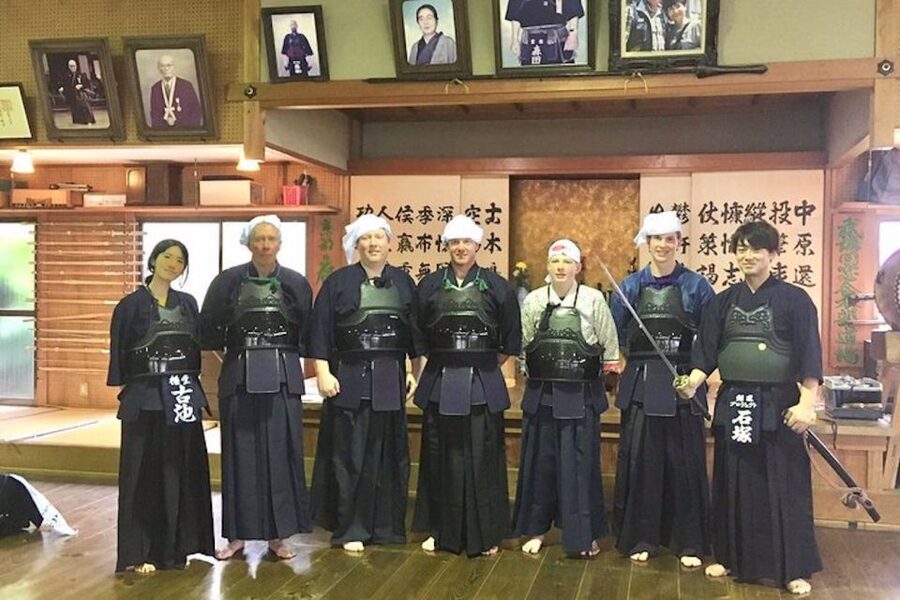
I would recommend this for adults and older children who want to take part in Japanese culture instead of only looking at it. It suits first-time participants especially well because the program starts with basic instruction and builds gradually.
It can also work for someone who has tried kendo before and wants a short session with an instructor. The lesson is not a substitute for regular training, but direct correction and the chance to practice with armor can still be useful.
The activity is not suitable for children under 9, pregnant women, people with mobility impairments, or wheelchair users. The program involves changing clothes, handling equipment, moving in the dojo, and taking part in strikes, so you should consider your physical condition before reserving.
English and Japanese instruction is available. Yamasaki sensei has been praised for speaking English clearly, explaining techniques in an easy way, and adding humor without losing focus. Instructor assignments can change, but the activity is designed for international participants.
Practical booking advice for a two-hour session
You can cancel up to 24 hours in advance for a full refund, and the reserve-now, pay-later option lets you keep your plans flexible. Starting times depend on availability, so check the schedule before building the rest of your Osaka day around the class.
The meeting point is Shigino Kaikan. Since hotel transfers are not provided, plan your own route and allow enough time to find the hall. The Japanese name, 鴫野会館, may be useful if you need to confirm the location.
Alcohol and drugs are not allowed, and pets are not allowed. These rules fit the focused nature of a dojo session.
Wear clothing that makes changing easy and be ready for an active lesson, although the supplied information does not specify a required dress code. You should also confirm the exact group arrangement when booking, since the activity is described as a small group and basically for two people or more.
Should you book the Osaka Kendo Workshop?
Book it if you want to learn the manners and movements behind kendo, not just dress like a samurai for a photograph. The best parts are the quiet dojo, clear instruction, careful attention to form, face armor practice, and the chance to try a match-style mini-game.
Skip it if you want a passive cultural show, a large group party, or a low-cost activity with no physical effort. At $116, this is a specialized experience, but the small group, equipment rental, direct coaching, demonstrations, and two-hour structure give it real value for the right person.
For a first encounter with kendo in Osaka, I would choose this over a costume-only activity. You leave with more than a photograph: you understand why the bow comes first, why control matters, and why the sound of bamboo striking bamboo stays with you.
FAQ
Where does the Osaka Kendo Workshop take place?
The meeting point is Shigino Kaikan, written as 鴫野会館 in Japanese.
How long does the kendo workshop last?
The activity lasts two hours.
How much does the workshop cost?
The listed price is $116 per person.
What languages are available?
Instruction is available in English and Japanese.
Is the group size small?
Yes. The activity is described as a small group limited to two participants, and the information also says it is basically arranged for two people or more.
What equipment is included?
Rental kendo armor and equipment are included, along with professional instruction.
Do I receive anything to take home?
You receive a free Japanese hand towel. The special kendo towel is used when putting on the men face protector.
Is food included?
No. Food is not included. After the session, you can visit an izakaya where a special Samurai meal is available on the menu.
Is hotel transportation included?
No. Hotel pickup and drop-off are not included.
Who should not take part?
The workshop is not suitable for children under 9, pregnant women, people with mobility impairments, or wheelchair users. Pets, alcohol, and drugs are also not allowed.
Just added around Osaka
- Exclusive Sushi Making Experience with a Master Chef – Osaka Area★ 5.0 · 25 reviews
- Private Home-Style Cooking Class in Osaka with Local Mom Yoshiko★ 5.0 · 46 reviews
- Hidden Osaka – Yukaku Red Light Tour & Culinary Adventure★ 4.8 · 96 reviews
- Osaka: Walking Tour and Top Highlights★ 4.8 · 104 reviews
- Osaka: Private Ceramic Painting Workshop★ 5.0 · 13 reviews
- Pickleball in Osaka, Kobe & Kyoto with Locals!★ 4.7 · 80 reviews
- Eat Like a Local in Osaka – Private Custom Street Food Tour★ 4.3 · 33 reviews
- Osaka:SUMO BEATS SHOWCASE: Taiko Drum and Wagyu burger!★ 4.2 · 37 reviews
Workshops, compared.
Sushi Making Tokyo Roll and Authentic Japanese Sushi Class
Our verdict →
Ninja 1-hour Hands-on Lesson by Japanese master in Kyoto -Entry
Our verdict →
Browse the lists this tour appears in