
Reviewed · TRADITIONAL CRAFTS
Osaka: Kamigata Ukiyo-e Museum Admission Ticket
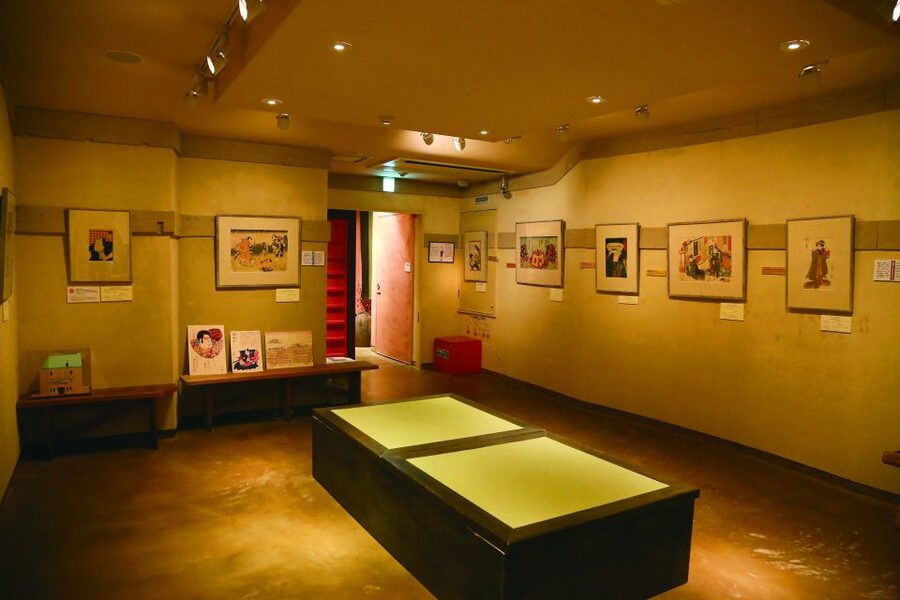
Osaka’s Kamigata ukiyo-e gives you a different view of Japanese printmaking than the famous scenes associated with Tokyo. These works focus on kabuki actors who performed in Dotonbori, and I like the way the museum connects the art directly to the theater district outside. I also like the fine use of gold, silver, and copper powders, details that make some prints feel almost jewel-like.
The main drawback is size and scope. This is a small, focused museum rather than a major art institution, so you may finish quickly if you are looking for a large collection or a full-day museum visit. The separate woodblock printing course is not included with admission.
Key points at a glance
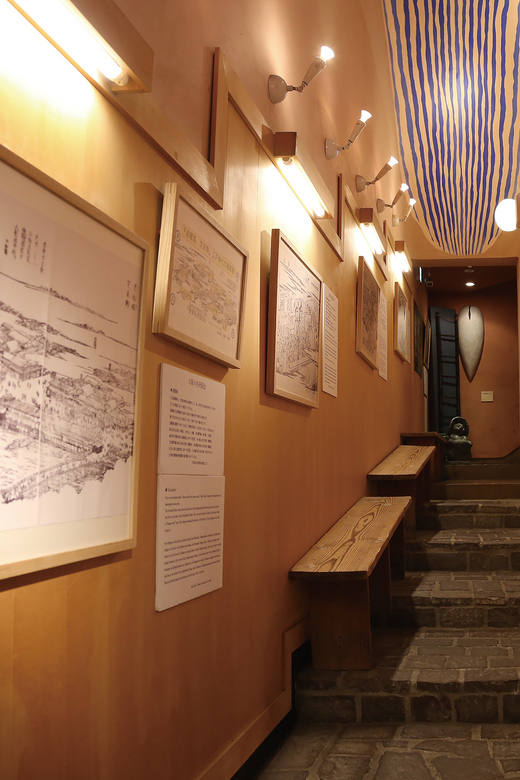
- Kabuki-centered collection: See actor prints linked to Osaka’s Edo and Meiji period theater culture.
- Dotonbori location: Visit in the middle of Osaka’s historic entertainment district, close to restaurants and nightlife.
- Distinct Kamigata style: Learn how Osaka’s prints differ from ukiyo-e made in Edo, now Tokyo.
- Metallic decoration: Look closely for gold, silver, and copper powders applied to selected works.
- Flexible open ticket: Use the ticket within three months of purchase, without choosing a participation date in advance.
- Low admission price: At about $4.51 per person, this is an easy cultural stop to add to a Dotonbori walk.
Why Kamigata ukiyo-e matters in Osaka
Ukiyo-e is often introduced through landscapes, courtesans, and famous actors from Edo. Kamigata ukiyo-e offers a more local story. Made in the Osaka and Kyoto region, these prints are closely tied to the kabuki stages of Kamigata, the old name for the area around the imperial capital and Osaka.
The museum places Osaka at the center of that story. Its collection focuses on actor portraits from a period when Dotonbori was known for theater. The same neighborhood remains one of Osaka’s busiest places for food, entertainment, and evening walks, so the museum gives you a useful link between the city’s past and present.
I find the subject especially appealing if you want art with a clear connection to place. You are not simply looking at attractive prints in isolation. You are seeing performers who were part of Osaka’s theater culture, displayed in the district where that culture once drew crowds.
Kamigata prints also have their own character. Compared with many Edo actor prints, Osaka works are often valued for their close attention to individual performers and their connection to live kabuki performance. The museum’s exhibits explain the history and techniques behind this tradition, helping you look beyond the surface colors.
More Craft Workshops in Osaka
- Osaka: Traditional Mochi Pounding Experience with Tasting
★ 4.9 · 306 reviews - Kamigata Ukiyoe Museum:Ukiyo-e Woodblock Printing Experience
★ 4.9 · 79 reviews - 1.5〜2 Hours Traditional Kintsugi Work Shop in Namba Osaka
★ 5.0 · 75 reviews
Entering the museum in Dotonbori
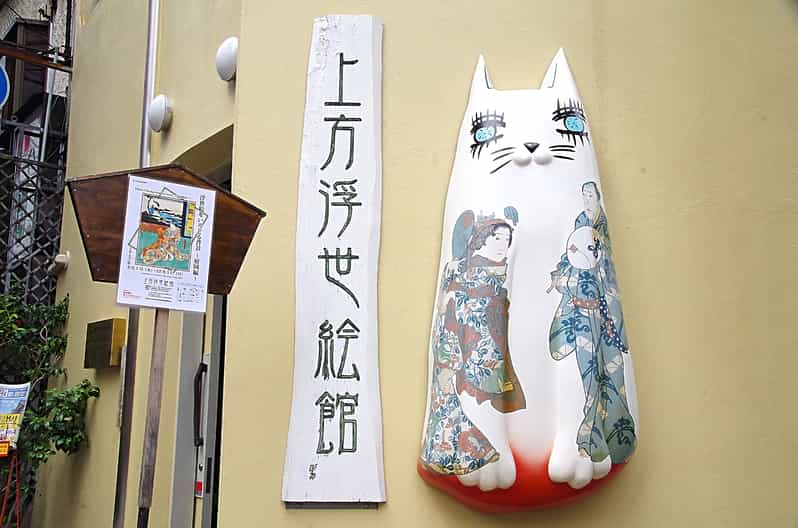
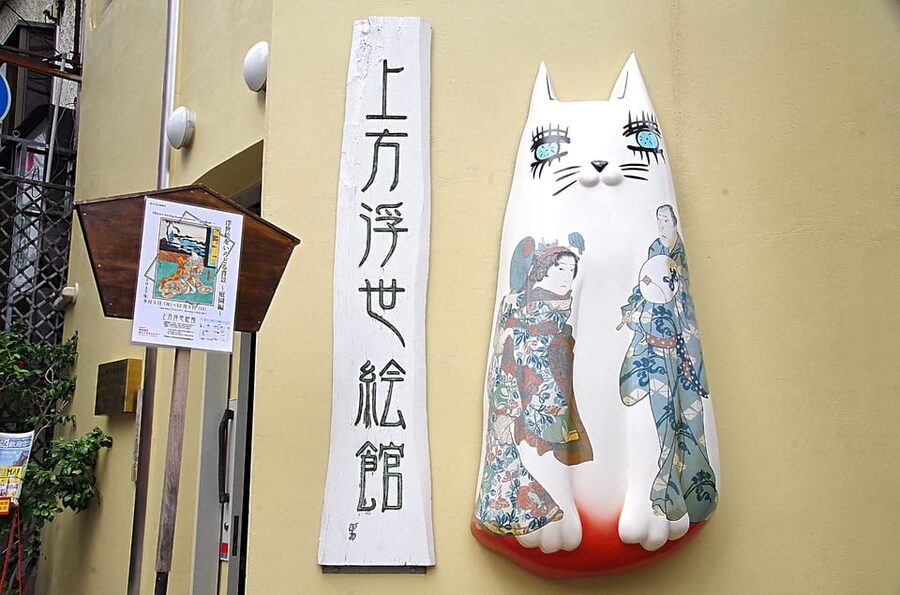
The location is one of this ticket’s strongest points. The museum sits in Dotonbori, an area most people already plan to visit for its famous canal, restaurants, signs, and theater associations. You can pair the museum with a walk through the district rather than setting aside a whole day for a distant attraction.
That setting gives the visit a useful rhythm. Start with the museum when you want a quieter cultural break, then continue into Dotonbori for food and street life. Or visit later in the day, when the neighborhood begins to glow with restaurant signs and the theater district feels especially lively.
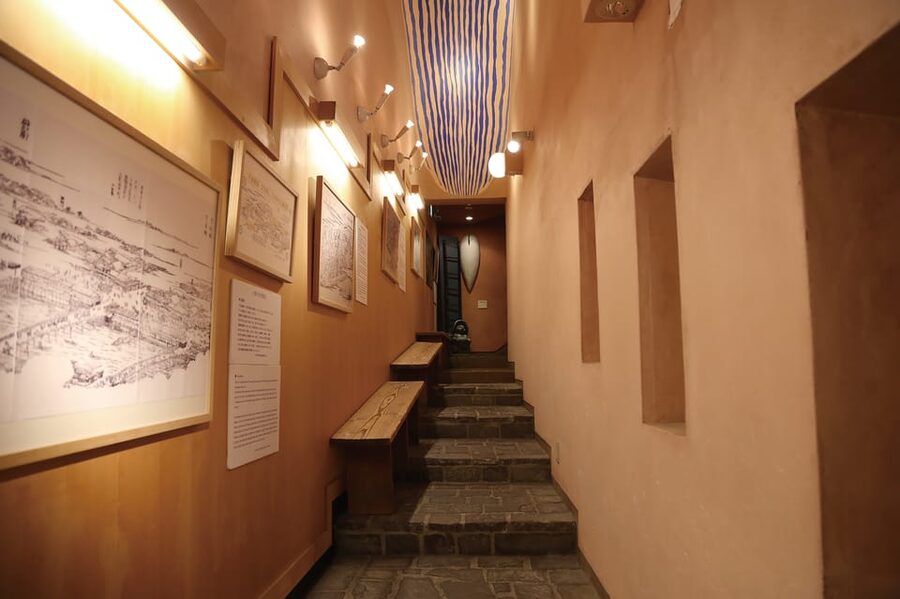
Do not expect a grand museum entrance or a sprawling series of galleries. The appeal is concentration. You enter for a close look at a specific Osaka art form, then return to the streets with a better sense of what made this neighborhood important.
You will show your QR code voucher at the ticket window and receive a physical admission ticket. The ticket is open rather than tied to one exact date, so you do not need to choose a participation date when booking. It remains valid for three months from the purchase date, which is useful if your Osaka plans are still shifting.
Reading the kabuki actor prints
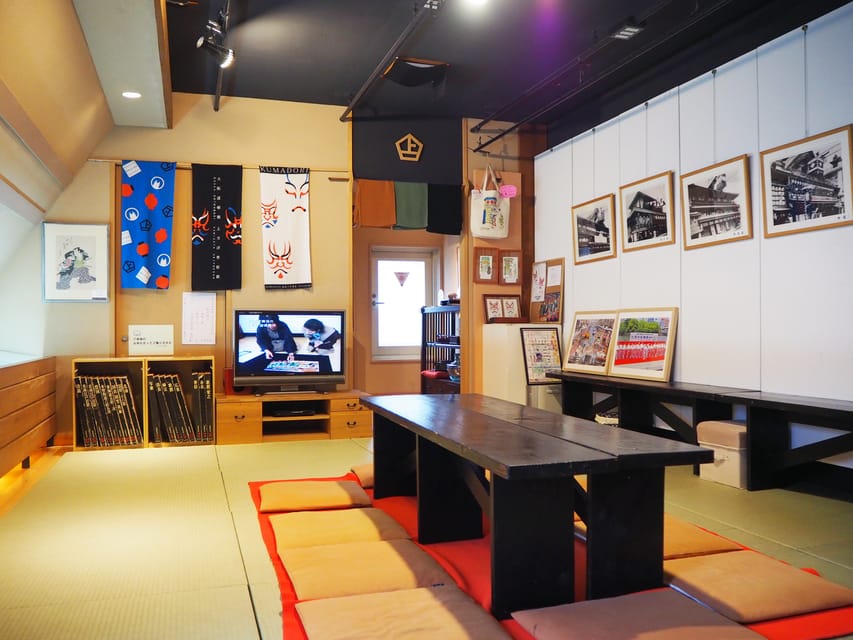
The central collection presents ukiyo-e prints of kabuki performers who appeared on Dotonbori stages during the Edo and Meiji periods. These are not generic portraits. The prints reflect a theater culture in which famous actors had devoted followings and their images circulated beyond the stage.
Take time to study the faces, poses, costumes, and gestures. A kabuki actor print is designed to communicate character and performance, not just physical likeness. Even if you know little about kabuki, the dramatic expressions and clothing make the works approachable.
The displays also help explain how the prints were made. Ukiyo-e production depended on several skilled stages, including drawing, carving, and printing. A single image could require careful coordination to bring its colors and fine details together.
That production process is worth your attention because it changes how you see the prints. A flat image on paper can look simple at first. Once you understand that color blocks, lines, and decorative effects had to be aligned by hand, the precision becomes more impressive.
The exhibits are particularly useful for first-time visitors to ukiyo-e. You do not need an art background to appreciate the material. The museum’s purpose is clear: show the art, explain its local setting, and introduce the methods behind it.
Gold, silver, and copper details
Some of the most memorable works use metallic powders. Gold, silver, and copper accents catch the eye in a way that ordinary printed color cannot. Look closely rather than standing several steps away. Small decorative areas may reveal themselves only when you examine the surface carefully.
These powders also give you a practical reminder that ukiyo-e was not limited to flat blocks of red, blue, and black. Printers and artists used different materials and techniques to produce a more elaborate finish. The metallic touches help explain why certain prints were prized as objects as well as pictures.
I like this part of the collection because it rewards patience. You do not need to rush through every work. Pick a few prints and compare how the metallic decoration changes the effect of costumes, backgrounds, or accessories.
The museum is also a good place to practice looking at print quality. Notice the crispness of the lines, the way colors meet, and how the decorative powder is placed. Those details make the visit feel more active than a quick pass through a display case.
Photography is allowed, but flash and large equipment are prohibited. Bring your phone or a small camera if you want a record of favorite works, but keep the setup simple and be considerate around the displays.
Same trip, a completely different kind of day:
- Osaka Go Karting Tour with Funny Costume
★ 5.0 · 2,658 reviews - Osaka Castle: Museum and Tower Entry Ticket
★ 4.5 · 2,380 reviews - Osaka: Shinsekai Food Tour with 13-15 Dishes at 5 Eateries
★ 4.8 · 2,204 reviews - Osaka Food Tour: 13 Dishes at 5 Local Eateries
★ 5.0 · 2,149 reviews
The production process behind the images
A major benefit of this museum is its attention to technique. The exhibits explain how Kamigata ukiyo-e was produced, giving you a clearer idea of the work required before a finished print reached a buyer.
The basic concept is easy to follow. An image began with an artist’s design, then moved through the hands of woodblock carvers and printers. Each color and line depended on a block prepared for that purpose. The finished image had to be assembled with care so its parts lined up correctly.
You may find that this section changes the way you judge the actor portraits. Instead of seeing only a colorful sheet, you begin to notice the separate tasks hidden in it. A costume pattern, facial outline, or metallic flourish represents a technical decision as well as an artistic one.
The separate Ukiyo-e Woodblock Printing Experience Course is not part of this admission ticket. This matters if you are specifically hoping to carve or print your own design. The museum ticket gives you entry to the exhibits, but you should treat any hands-on activity as a separate purchase rather than part of the basic visit.
A hands-on session can be a pleasant addition when available, but the museum’s main value here is the collection and its explanation of the craft. If your priority is making a print yourself, check the separate course before booking.
How long should you allow?
The ticket is valid for one day, but that does not mean you need a full day at the museum. The information provided does not set a fixed visit length, and the focused nature of the collection suggests that most people will use it as a short cultural stop within a larger Dotonbori outing.
I would plan it around your other activities in the district. Allow enough time to read the explanations, examine the metallic details, and look at the actor prints without hurrying. Then leave room for a meal, shopping, or an evening walk along the canal.
The open ticket makes timing easier. You do not need to lock in a specific participation date, and the voucher can be used during its three-month validity period. Still, the museum is closed every Monday. If Monday is a public holiday, it closes the following day instead, so check the calendar before heading over.
Peak periods may bring a wait. Since the museum is in a popular part of Osaka, avoid assuming that you can walk straight in at the busiest times. The possible wait is another reason to place the museum between planned Dotonbori activities rather than scheduling it immediately before a train or meal reservation.
Who will get the most from this ticket?
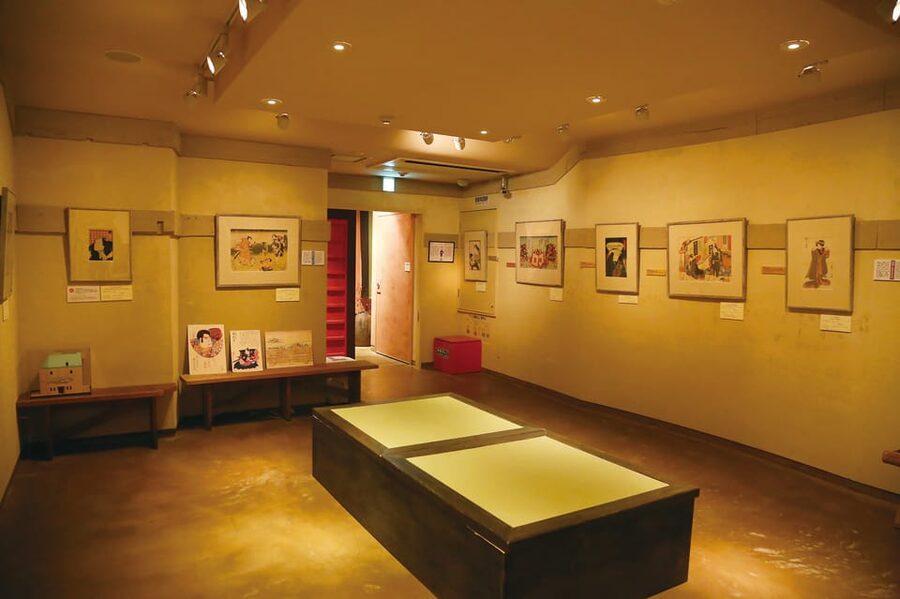
This admission suits you if you enjoy traditional Japanese art but prefer a small, focused museum to a huge collection. It is also a good choice if you want your sightseeing to connect with the neighborhood around you.
Kabuki fans will find the subject especially relevant. So will anyone interested in Osaka’s local identity, printmaking, or the social world of Edo and Meiji period theater. Families can also use the museum as a manageable cultural stop, though children under 13 must be accompanied by a guardian.
The museum can work for first-time ukiyo-e viewers because the subject is easy to grasp. You can begin with the actors, then learn how the images were made. You do not need to arrive with specialist knowledge.
It may be less suitable if you want famous landscape prints, a broad survey of all Japanese art, or a large interactive museum. The collection has a clear focus on Kamigata actor prints, and that focus is both its strength and its limitation.
Admission is free for children under three. The information also states that preschool children aged six and under enter free, while students in elementary, junior high, and high school must show student identification or another proof of age. Since the age categories overlap in the stated rules, bring proof of age for children and students when applicable.
Is the $4.51 price good value?
At about $4.51 per person, the ticket is inexpensive by Osaka sightseeing standards. Its value does not come from the number of hours you spend inside. It comes from the chance to see a specialized collection in the middle of Dotonbori without making a major financial or time commitment.
I would consider it good value if you are already in the neighborhood. The museum gives you a cultural layer that restaurants and neon signs cannot provide, and it can fit neatly into a walking day.
The calculation is different if you are crossing Osaka only to visit this museum. Transportation is not included, and there is no guide, food, or drink. You also pay separately for the woodblock printing course. For a visitor with little interest in ukiyo-e, the small size may not justify a special trip across the city.
The flexible booking terms help protect the value. You can reserve without paying immediately, and unused tickets can be canceled up to 24 hours in advance for a full refund while still within the expiration period. Once used, or once the three-month validity period has passed, cancellation and refunds are not allowed.
Practical advice before you go
Keep the QR code voucher ready on your phone. You will exchange it at the ticket window for a physical ticket, so do not assume that showing the voucher alone completes the admission process.
Plan around the Monday closure. If Monday is a holiday, the museum closes the next day, so check the date carefully before using your open ticket.
If you are visiting during a busy period, allow extra time for a possible wait. The museum does not include transportation, so you will also need to make your own way to Dotonbori.
Bring student identification if you are using a student admission arrangement. Children under 13 need a guardian, and young children may qualify for free entry under the stated age rules.
Finally, keep your photography modest. Flash and large equipment are not allowed, even though ordinary photography is permitted. A phone is the practical choice.
Should you book the Kamigata Ukiyo-e Museum?
I would book this ticket if you are spending time in Dotonbori and want a short, affordable look at Osaka’s own printmaking tradition. The kabuki focus, metallic decoration, and theater-district setting give the museum a clear identity. You will leave with more understanding of the neighborhood than you would get from a simple street walk.
I would skip it if you want a large museum, a broad survey of Japanese art, or a hands-on printing class included in the price. For everyone else, the low cost and flexible open ticket make it an easy addition to an Osaka itinerary. Treat it as a focused cultural stop, not an all-day attraction, and it should fit nicely between Dotonbori’s food, lights, and theater history.
FAQ
Where is the Kamigata Ukiyo-e Museum?
The museum is in Dotonbori, Osaka’s historic theater district on Honshu.
What does the admission ticket include?
The ticket includes admission to the Kamigata Ukiyo-e Museum. Transportation, food, drinks, a guide, personal expenses, and the separate Ukiyo-e Woodblock Printing Experience Course are not included.
Do I need to choose a date when booking?
No. This is an open ticket, so you do not need to specify a participation date at booking. The voucher expires three months after purchase.
Is the museum open every day?
No. The museum is closed every Monday. If Monday is a holiday, it closes on the following day.
Can I take photographs inside?
Yes, photography is allowed. Flash and large equipment are prohibited.
Are children admitted free?
Children under three are admitted free, and the information also states that preschool children aged six and under enter free. Children under 13 must be accompanied by a guardian. Elementary, junior high, and high school students must show student identification or another proof of age.
More Museum Tours in Osaka
- Osaka: Cup Noodles Museum Guided Tour (90 Minutes)
★ 4.8 · 38 reviews - Osaka: Osaka Castle & Historical Museum Guided Tour
★ 4.8 · 28 reviews - (Ticket Included) Explore Osaka Castle & Museum of History
★ 4.8 · 21 reviews - Tokyo: teamLab Planets TOKYO Digital Art Museum Entry Ticket
★ 4.6 · 9,779 reviews
Just added around Osaka
- Exclusive Sushi Making Experience with a Master Chef – Osaka Area★ 5.0 · 25 reviews
- Private Home-Style Cooking Class in Osaka with Local Mom Yoshiko★ 5.0 · 46 reviews
- Hidden Osaka – Yukaku Red Light Tour & Culinary Adventure★ 4.8 · 96 reviews
- Osaka: Walking Tour and Top Highlights★ 4.8 · 104 reviews
- Osaka: Private Ceramic Painting Workshop★ 5.0 · 13 reviews
- Pickleball in Osaka, Kobe & Kyoto with Locals!★ 4.7 · 80 reviews
- Eat Like a Local in Osaka – Private Custom Street Food Tour★ 4.3 · 33 reviews
- Osaka:SUMO BEATS SHOWCASE: Taiko Drum and Wagyu burger!★ 4.2 · 37 reviews
Traditional Crafts, compared.
Tokyo Sumo Experience: Chanko & Mochi with a Former Pro
Our verdict →
Kintsugi Experience: Art of Golden Joinery in Tokyo
Our verdict →

Matcha Making Experience with Mochi Sweets in Asakusa
Our verdict →
Authentic knife making experience at a blacksmith in Kyoto
Our verdict →
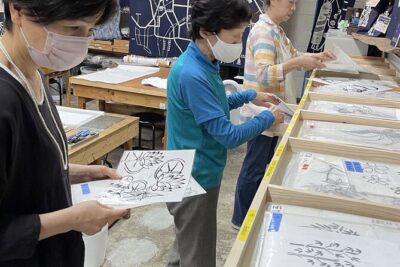
Roketsu dyeing experience: M course Roketsu Dyeing Experience
Our verdict →Browse the lists this tour appears in