
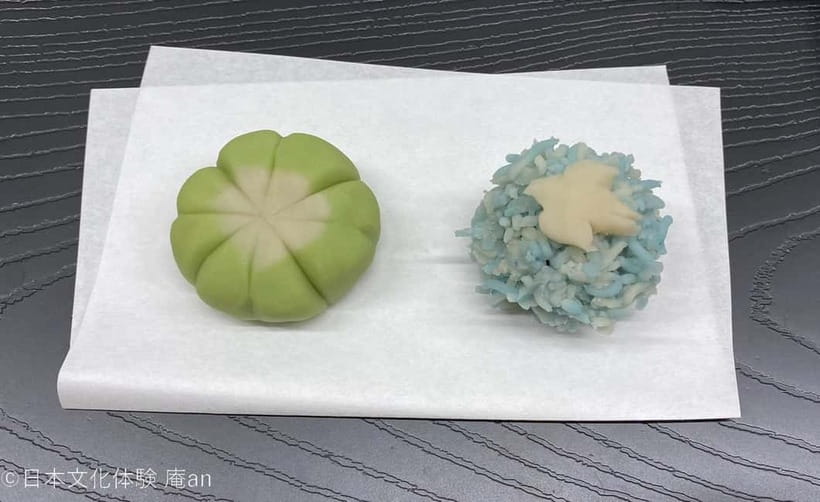
Reviewed · TEA CEREMONY EXPERIENCES
Tokyo: Two Types of Japanese Sweets Making and Tea Ceremony
Making Japanese sweets is far more hands-on than simply ordering wagashi with tea. At AN TOKYO Japanese Culture Experience, you make three parts of the culture yourself: wasanbon ohigashi, two seasonal nerikiri sweets, and matcha. The program runs for 125 minutes, so you have enough time to work carefully without turning the class into a rushed photo stop.
I like the use of white and red bean paste from long-established Kyoto shops, and I like the clear progression from simple dried sweets to more delicate nerikiri. The Japanese instructor explains the sweets and tea, with English help provided as much as possible. The main consideration is that nerikiri takes some finger control, and English support is not presented as a guaranteed full translation throughout the class.
Key points to know before booking
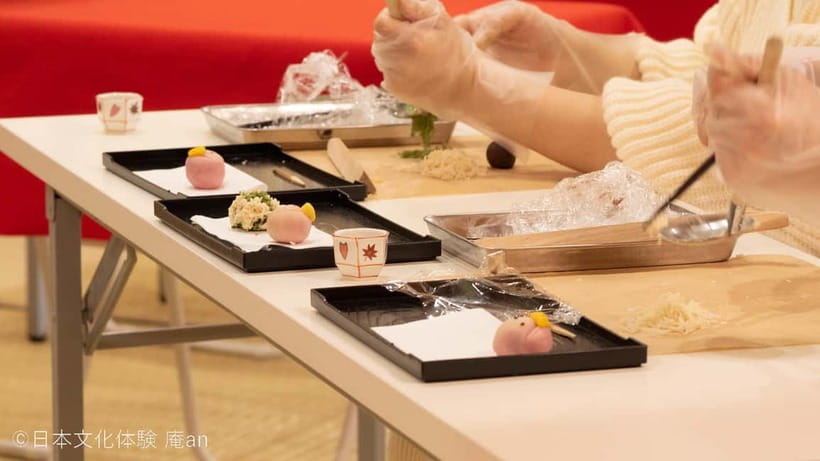
- Three connected activities: Make wasanbon ohigashi, two seasonal nerikiri sweets, and matcha.
- A gentle first step: Ohigashi is the simpler sweet to shape before you tackle the more delicate nerikiri.
- Seasonal designs: You make a flower-shaped nerikiri and a kinton-style nerikiri.
- Kyoto ingredients: The white and red bean pastes come from long-established Kyoto shops.
- Casual tea practice: You grind matcha during a demonstration, then whisk your own tea.
- A useful time cushion: The 125-minute schedule includes short breaks, tea instruction, photos, and time to eat and drink.
Three Japanese sweets and one cup of matcha
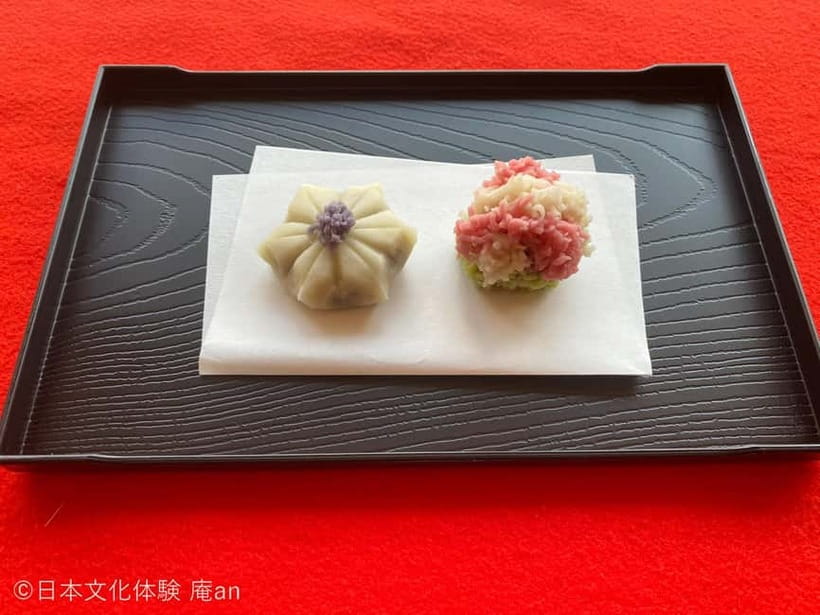
The appeal here is the combination. Many cultural classes ask you to make one item, take a picture, and move on. This program gives you three different ways to handle Japanese food: pressing dry sugar into a mold, shaping bean paste with your fingers, and whisking powdered tea with a bamboo whisk.
That variety matters. Ohigashi shows you the clean, precise side of Japanese confectionery. Nerikiri asks for more patience and touch. Matcha adds a drink-making skill at the end, when your hands have already become familiar with careful movements.
You are not simply watching a tea ceremony from a distance. You take part in a relaxed version of it. That makes the experience a good fit if you want cultural context without committing to a highly formal ceremony where every movement feels intimidating.
More Sweets & Dessert Tours in Tokyo
- Matcha Making Class in Tokyo with Authentic Japanese Sweets Set
★ 5.0 · 744 reviews - Tokyo: Matcha Making Experience with Mochi Sweets in Asakusa
★ 4.9 · 388 reviews - Make Traditional Nerikiri Sweets & Matcha experience in Shibuya
★ 5.0 · 130 reviews
Starting with wasanbon ohigashi
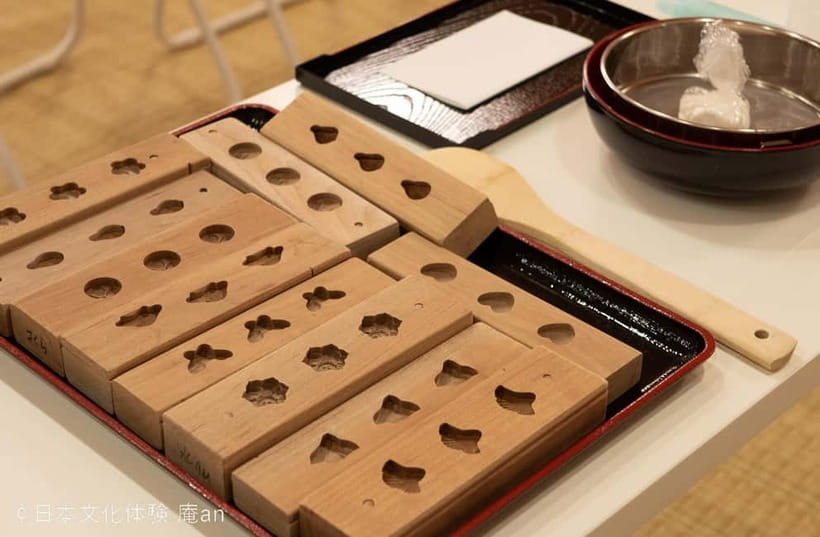
The class begins with an explanation of traditional Japanese sweets, followed by ohigashi making. Ohigashi is a dried confection made from wasanbon, a traditional Japanese sugar known for its fine texture and gentle sweetness.
This is the easiest section of the class, and that is a smart choice for the opening. You get a chance to understand the instructor’s method and the feel of the materials before the more detailed nerikiri work begins. The process is less about cooking and more about forming the sugar carefully into a finished sweet.
I like this part because it gives you a useful distinction between Japanese sweet styles. Ohigashi is dry and firm, while nerikiri is soft and pliable. The difference becomes clearer when you make both yourself, rather than hearing a short explanation after they have already been served.
The first activity takes about 20 minutes. A short break follows, with the next section beginning around the 30-minute mark. The pause keeps the class from feeling like one long stretch of close handwork.
Shaping a flower from nerikiri
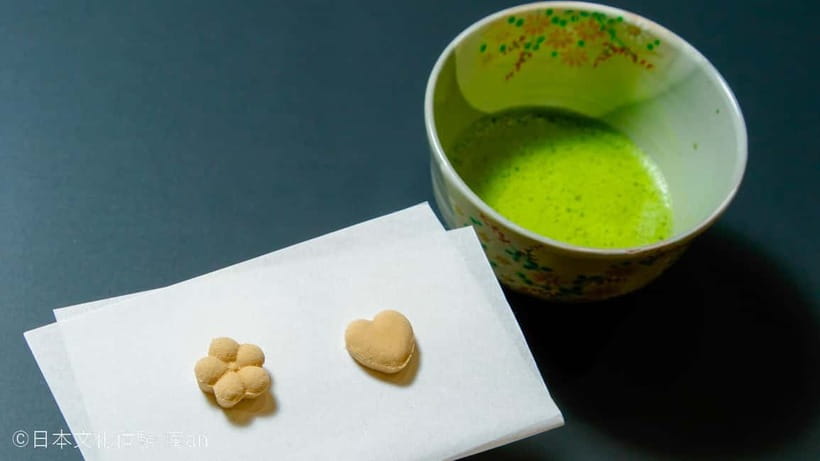
The main craft section starts with a flower-shaped nerikiri. Nerikiri is made from white bean paste and is shaped into seasonal designs. The paste is soft enough to work by hand, but it rewards a light touch.
This is where the class becomes more demanding. You need to press, fold, and shape the paste without flattening the details. It is not difficult in the sense of requiring special equipment, but it does call for some care. If your sweet does not look exactly like the instructor’s, that is part of the point. You are learning how the material behaves.
The seasonal theme adds meaning to the activity. Japanese wagashi often reflects flowers, weather, and the time of year, so the design is not just decoration. It gives you a small lesson in how Japanese confectionery connects food with the calendar.
The white bean paste comes from long-established Kyoto shops. That does not turn the class into a bakery tour, but it does give the sweet a stronger link to traditional wagashi production. You get to work with an ingredient chosen for this style of confectionery rather than a generic filling.
Making the kinton nerikiri
Next comes the kinton nerikiri. Kinton has a looser, threadlike appearance than the first flower design, so the shaping method changes. The two sweets are both based on bean paste, but they do not feel like the same exercise repeated twice.
This second nerikiri is a useful test of whether you have picked up the basic handling technique. The class gives you a chance to adjust your pressure and improve your control. The shaping can be tricky, especially if you want a tidy result, but the effort is part of the fun.
Plan on spending much of the period from about 30 to 85 minutes on the two nerikiri sweets. There is another break before the tea portion. Altogether, the schedule leaves room for instruction, handwork, and small corrections instead of forcing you to finish in a few hurried minutes.
You should also expect to eat the sweets during the experience. A take-out box costs an extra 100 JPY if you want to carry them away. An optional color addition costs 200 JPY, and a completion certificate costs 300 JPY. These extras are modest, but the base price does not include them.
More Tea Ceremony Experiences in Tokyo
- Tokyo: Traditional Tea Ceremony with a Tea Master
★ 5.0 · 528 reviews - Tokyo: Matcha and Kimono Experience
★ 4.7 · 219 reviews - Tokyo: Asakusa Kimono Dressing and Matcha Experience
★ 4.9 · 173 reviews - Asakusa: Kimono Tea Ceremony with Matcha and Sweet
★ 4.9 · 153 reviews
Learning the difference between green tea and matcha
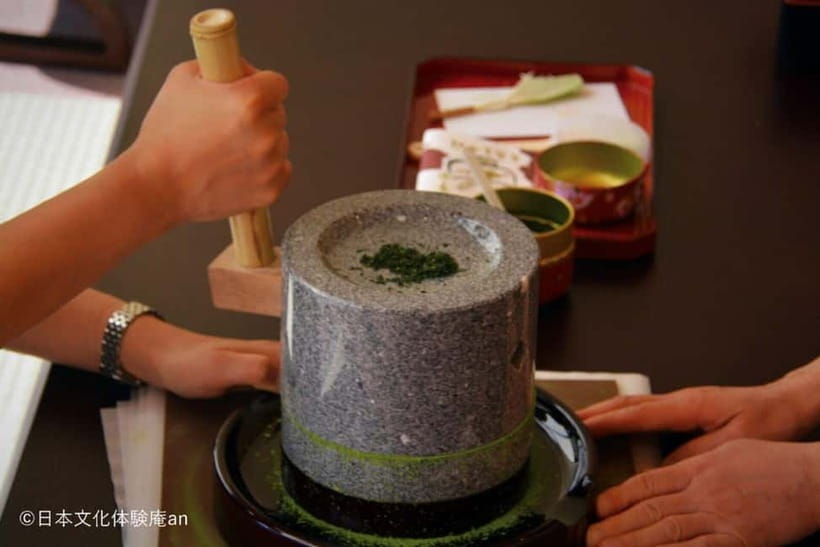
After the sweets are made, the instructor explains tea and gives a matcha grinding demonstration. This is a valuable pause before you prepare the drink yourself. Matcha is not simply ordinary green tea ground into powder for convenience. The way it is prepared, presented, and consumed gives it a different role.
The class also covers the difference between green tea and matcha. That short explanation helps place the final activity in context. You are not just learning how to create foam. You are learning why the powder is whisked and why the drink is handled with more care than a standard cup of tea.
The program uses single-origin special matcha. That gives the tea portion a clear focus, especially for anyone who has only encountered matcha in sweets, lattes, or packaged drinks. The taste may be more direct than you expect, so this is a good chance to try it in a traditional preparation.
Whisking your own tea in a casual ceremony
The tea ceremony section begins around the 95-minute point and lasts until about 115 minutes. You make your own matcha and take part in a casual tea-ceremony experience.
The word casual matters. This is designed to let you enjoy tea without needing prior knowledge of formal rules. The instructor guides you through the process, and the emphasis is on participation rather than perfect performance.
Whisking matcha is physically simple once you see the movement. You add the tea and water, then work the whisk until the surface becomes light and foamy. One useful point from the class is that this part feels easier than the nerikiri shaping. If you are better with a whisk than with delicate pastry work, you may find the tea section especially satisfying.
The program includes a matcha grinding demonstration rather than asking you to grind all the tea by hand. That is practical. Grinding enough powder for a group would take too long, while the demonstration still shows you how the ingredient begins its journey.
Eating, drinking, and taking photos
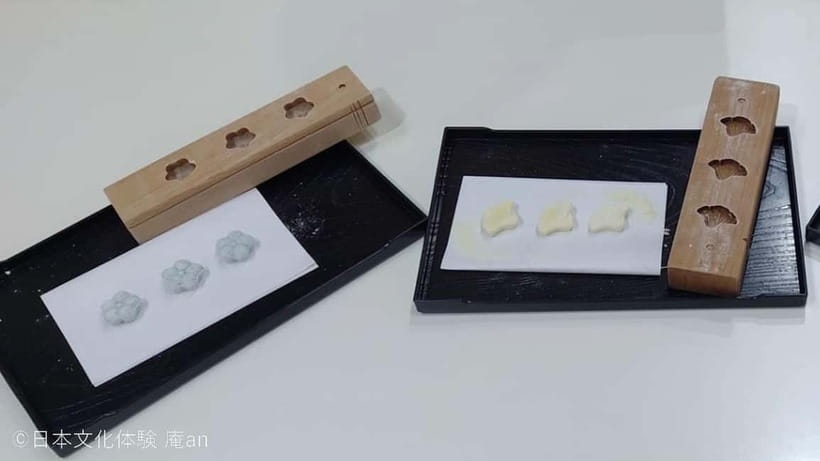
The formal activity ends around 115 minutes, followed by eating and drinking time until the 125-minute departure. You get to look at the sweets you made, taste the nerikiri, and drink the matcha while the lesson is still fresh.
This final period is more useful than it may sound. The sweets are not only craft projects. Their texture and sweetness are part of the lesson. Ohigashi gives you a dry, delicate bite, while nerikiri offers a softer bean-paste texture. The matcha provides a slightly bitter counterpoint.
There is also picture time before the experience ends. You can photograph the finished sweets and tea, which matters because the shapes may not travel well. If you want to keep the sweets, bring or purchase the optional take-out box rather than assuming it is included.
What the instruction is like
The instructor is Japanese, and English translation is provided as much as possible. The clearest strength of the teaching is the effort to explain both the practical steps and the background behind the sweets and tea.
The available feedback points to a kind and careful female instructor who explained the types of okashi and the difference between green tea and matcha. Her name is not provided, so you should not book this expecting a named guide. You can expect Japanese-led instruction with English assistance where possible.
That language note deserves attention. If you need every detail translated word for word, this may not be the right class. If you can follow demonstrations, simple instructions, and visual examples, you will likely have a much easier time. The sweets are shown as well as explained, which helps bridge any language gap.
Is $28 a good value?
At $28 per person, I consider this a fair price for a two-hour cultural class in Tokyo. You receive three linked activities, ingredients for the sweets, matcha preparation, instruction, and time to eat and take photos.
The value comes from the range rather than the size of any single activity. A short ohigashi lesson alone would feel limited. Nerikiri alone might be enough for a focused workshop, but adding matcha gives you a broader look at Japanese confectionery and tea in one visit.
The extra fees are straightforward. A take-out box costs 100 JPY, color costs 200 JPY, and a completion certificate costs 300 JPY. None is required, but you should budget for the box if keeping the sweets matters to you.
I would choose this over a more expensive food class if your goal is cultural variety and a finished result you can taste. I would not choose it if you mainly want a full formal tea ceremony, extensive cooking, or a long lesson focused on one craft.
Timing, punctuality, and practical planning
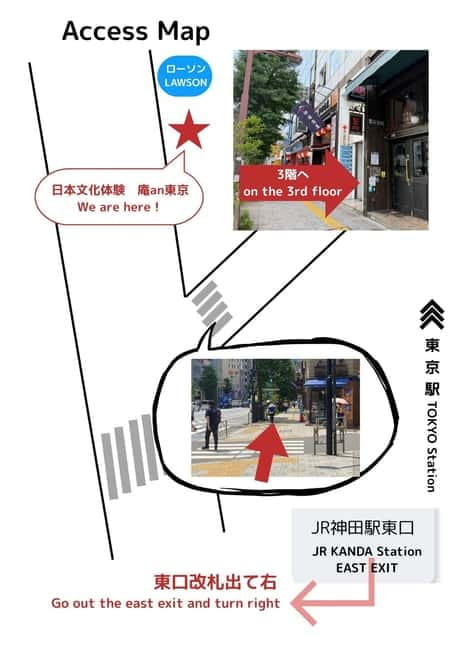
The total duration is 125 minutes, with operating hours from 10:00 to 17:00. Check the available start times carefully and arrive with enough time to find AN TOKYO Japanese Culture Experience.
The class cannot be held for late arrivals. If you miss the start because of a delayed train or a slow crossing of Tokyo, the session will not wait, and travel expenses are not compensated if the activity is canceled or missed. This is a good reason to avoid scheduling it directly before a timed train, flight, or other fixed appointment.
Reservations received after 17:00 are processed the next day. You can reserve now and pay later, which helps if you are still arranging your Tokyo schedule. Free cancellation is available up to 24 hours in advance for a full refund.
Only participating people may enter. Children under two who sit on a parent’s lap are free, but anyone else joining the room needs to participate and be booked as required.
Who should book this Tokyo experience?
I would recommend this class to first-time visitors who want a manageable introduction to Japanese sweets and tea. It also suits families with older children, couples, and solo visitors who enjoy making things with their hands.
Food-focused visitors will appreciate the Kyoto bean paste and single-origin matcha. Culture-minded visitors will like the seasonal designs and the explanation of how Japanese sweets differ. It is also a good rainy-day choice because the activity is structured, indoor, and long enough to fill a useful part of the day.
You may want to skip it if you dislike sweet bean paste, prefer a completely English-language class, or want a strict, traditional tea ceremony with formal etiquette. The program is friendly and practical rather than ceremonial in the most rigorous sense.
Should you book it?
Book this experience if you want to make and taste Japanese sweets while learning the basics of matcha. The three-part format gives you more substance than a quick demonstration, and the 125-minute schedule leaves room to work at a reasonable pace.
The best reason to choose it is the contrast between the three activities: easy wasanbon shaping, careful seasonal nerikiri, and simple matcha whisking. Keep the language limits and extra fees in mind, arrive early, and buy the take-out box if you want to protect your sweets. For $28, it is a solid cultural activity with enough hands-on work to make the visit memorable.
FAQ
How long does the Japanese sweets and tea experience last?
The experience lasts 125 minutes, including instruction, short breaks, picture time, and time to eat and drink.
What sweets will I make?
You will make wasanbon ohigashi, a flower-shaped nerikiri, and a kinton nerikiri. The nerikiri designs match the season.
Is matcha included in the activity?
Yes. You will receive an explanation of tea, watch a matcha grinding demonstration, prepare your own matcha, and take part in a casual tea-ceremony experience.
Is the class taught in English?
The instructor is Japanese, and English translation will be provided as much as possible. Full English translation for every part of the class is not guaranteed.
Are take-out boxes included?
No. A sweets take-out box costs an additional 100 JPY. Adding color costs 200 JPY, and an experience completion certificate costs 300 JPY.
What happens if I arrive late?
The event cannot be held to accommodate delays. Travel expenses will not be compensated if you miss the experience or it is canceled because of a delay.
Just added around Tokyo
- Kawagoe Japanese Food Tour : Unagi Kaiseki and Sake near Tokyo★ 5.0 · 30 reviews
- Kawagoe 4hr Private Tour with Licensed Guide (Kawagoe Dep)★ 5.0 · 13 reviews
- Little EDO Sushi Making workshop in Kawagoe★ 5.0 · 18 reviews
- 【R34】Tokyo:Private Daikoku tour in Modified R34★ 4.9 · 92 reviews
- :Tokyo,Shibuya/ Pro Photography in Kimono / English-Friendly★ 5.0 · 26 reviews
- Tokyo:Celebrate Unique Japanese New Year Tradition Festivity★ 3.9 · 20 reviews
- Tokyo: Allstar Food Tour★ 4.7 · 29 reviews
- Tokyo: West-Side Cycling and Food Tour with Guide★ 5.0 · 37 reviews
Tea Ceremony Experiences, compared.

Tea Ceremony in a Traditional Tea House in Kiyomizu
Our verdict →
World Heritage Kyoto & Nara Uji Authentic Matcha Experience
Our verdict →

Arashiyama Bamboo Forest, Monkeys, Matcha & Temple Tour
Our verdict →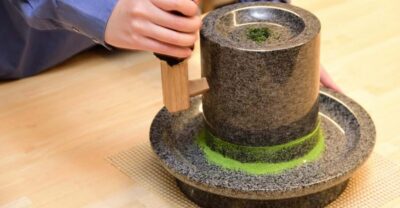
Browse the lists this tour appears in