
Reviewed · TEA CEREMONY EXPERIENCES
Tokyo: Tea Ceremony & Japanese Traditional Sweets
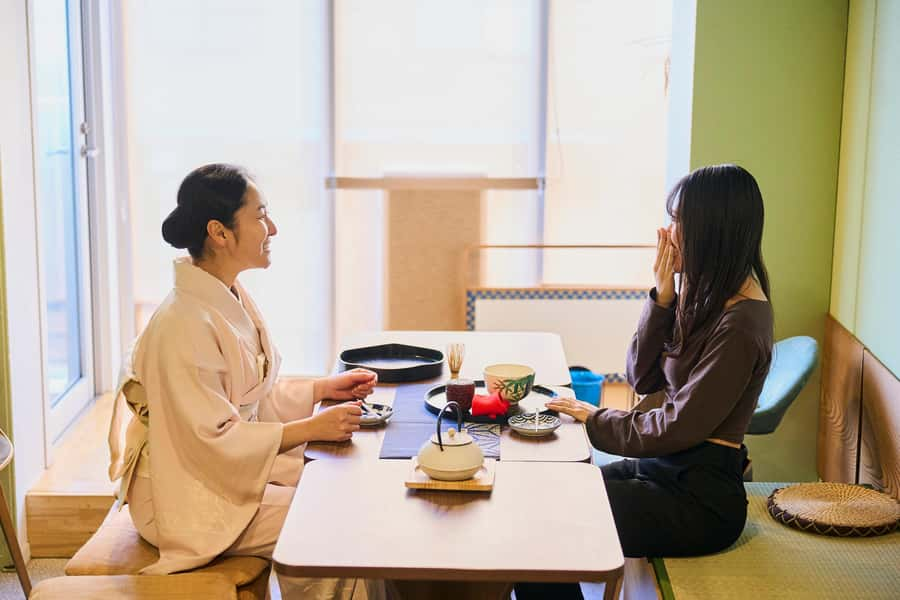
The most appealing part of this Tokyo experience is that you do not just watch a tea ceremony. You learn the gestures, make your own matcha, and shape nerikiri, the delicate seasonal sweet served with it. I like the small group of up to 10 people and the calm, hands-on pace. I also like that an English-speaking host explains what is happening instead of leaving you to guess.
The one-hour limit keeps this easy to fit into a busy Tokyo day, but it also means the class is an introduction rather than a full study of tea culture. The activity is conducted in English only, with no Japanese-language support, so check that this suits your group before booking.
Key points at a glance
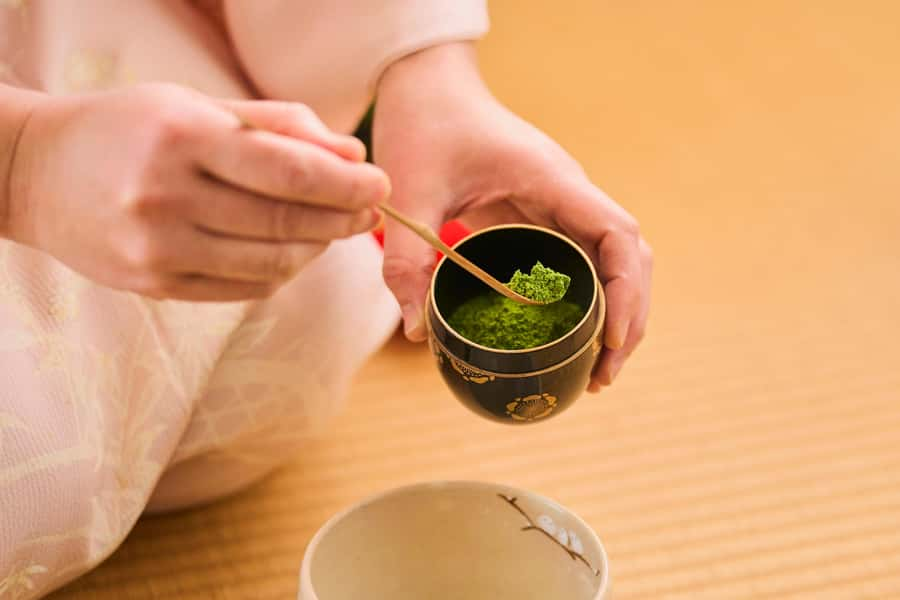
- You make the matcha yourself: Watch the tea master first, then whisk your own bowl and taste its distinctive flavor.
- Nerikiri is part of the class: Shape a seasonal Japanese sweet with colors and forms linked to flowers or other seasonal themes.
- The otemae demonstration gives context: See the graceful movements of a formal tea preparation before trying the process yourself.
- A tea master leads the class: Your instructor has more than 10 years of experience, with an English-speaking host helping explain the details.
- Small and easy to reach: The class is limited to 10 participants and is about a five-minute walk from Toei Mita Line Hakusan Station.
- Good value for a short cultural stop: At $27 per person for one hour, the price covers the tea ceremony, English guidance, matcha preparation, and traditional sweets.
What this one-hour Tokyo class actually offers
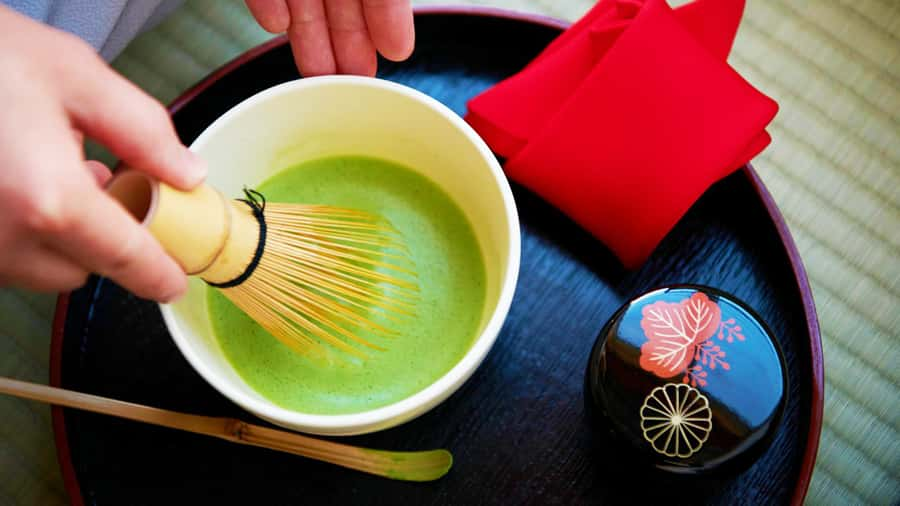
This is a compact introduction to two connected parts of Japanese tea culture: preparing matcha and serving it with a carefully shaped sweet. You spend the hour learning by watching, listening, and then trying the techniques yourself.
The class begins with guidance from a tea master who has more than 10 years of experience. That matters here because the ceremony is built from small movements and quiet rules. Without explanation, the order of events can seem mysterious. With an English-speaking host beside the instructor, you can follow the purpose behind the actions as well as the actions themselves.
You then watch an otemae demonstration, the formal preparation of tea. This is the portion to observe closely. The measured movements, handling of the utensils, and deliberate rhythm show why a tea ceremony is more than simply mixing green tea powder with hot water.
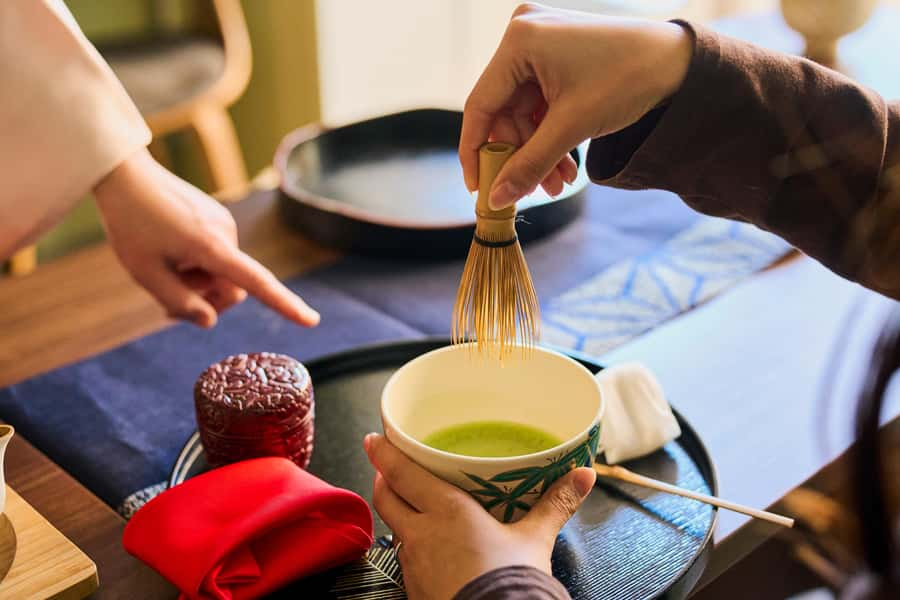
After the demonstration, you prepare your own matcha. You will have the chance to whisk the tea and taste the result yourself. That hands-on step makes the lesson practical. You are not only seeing how the tea master works. You are finding out how much motion is needed, how the tea feels as it comes together, and how its flavor differs from a familiar cup of brewed tea.
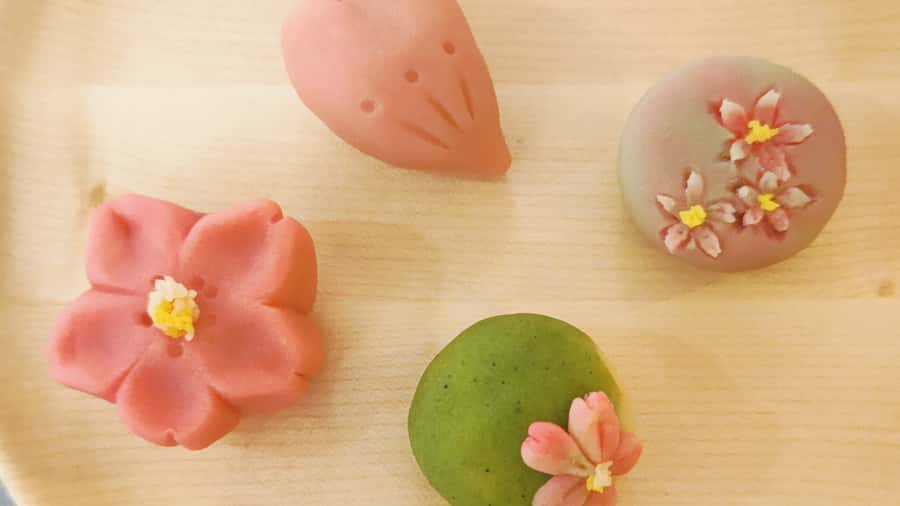
The final part centers on nerikiri, a traditional Japanese confection. You shape the sweet yourself, using seasonal colors and forms inspired by flowers or other motifs. The exact design can change with the season, so the finished sweet gives the class a small connection to the time of year.
The activity ends with the classic pairing of handmade nerikiri and freshly prepared matcha. That combination is important. The sweet balances the tea’s strong, slightly bitter taste, while the tea keeps the confection from feeling overly sugary.
More Sweets & Dessert Tours in Tokyo
- Matcha Making Class in Tokyo with Authentic Japanese Sweets Set
★ 5.0 · 744 reviews - Tokyo: Matcha Making Experience with Mochi Sweets in Asakusa
★ 4.9 · 388 reviews - Make Traditional Nerikiri Sweets & Matcha experience in Shibuya
★ 5.0 · 130 reviews
Watching the tea master before you try
The demonstration is likely to be the most atmospheric part of the class. Tea ceremony has a visual language, and the otemae lets you see that language before you are asked to copy any of it.
Pay attention to the order rather than trying to memorize every detail. The point is not to perform perfectly. It is to notice the care given to preparation, presentation, and the act of serving another person.
This is also where the English guidance earns its keep. The host can explain what you are seeing and answer questions as they come up. One recent rating specifically praised the instructor for being kind and informative, while another described the guide as helpful, well informed, and willing to answer questions. That fits the design of the class: it is meant to make a formal tradition approachable for first-time participants.
You should still expect a respectful setting rather than a loud, fast-paced workshop. The ceremony depends on concentration and quiet attention. That makes it a useful break from Tokyo’s crowded streets and constant movement, especially if the rest of your itinerary is packed with stations, shops, and major sights.
Making your own matcha
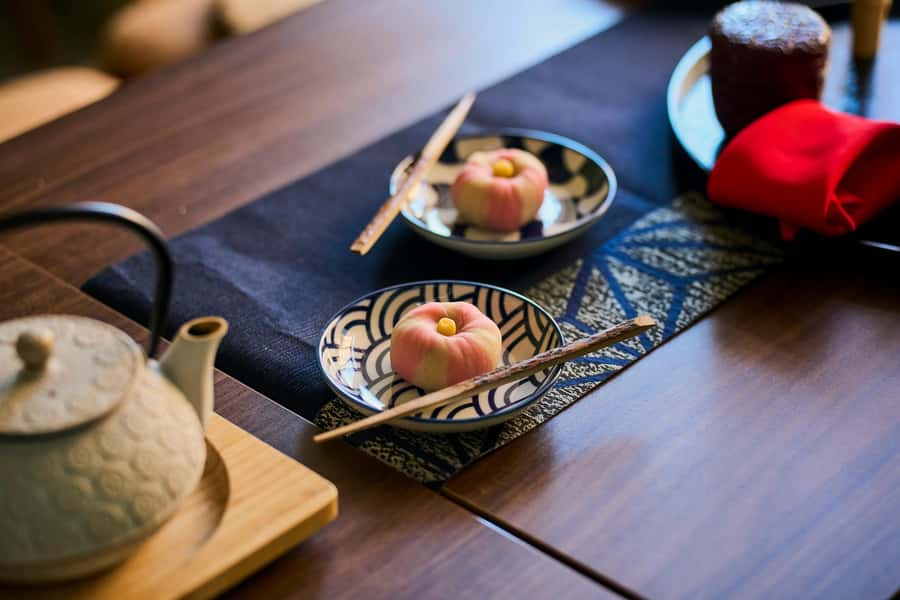
The class moves from observation to participation when you whisk your own bowl of matcha. This is the point where the ceremony becomes less abstract. You get to feel the movement, see the tea change, and taste the result.
Matcha has a strong flavor, and preparing it yourself gives you a better sense of why the process matters. The tea is not served as a passive drink. Its preparation is part of the experience, from the measured powder to the whisking and the final bowl.
You do not need previous tea ceremony experience. The instructor demonstrates the method first, and the English host helps with explanations. If your first attempt is not perfectly smooth, that is part of the lesson. The goal is to learn the basic process and enjoy the taste, not to match the tea master’s years of practice in one sitting.
I like this format for couples, solo visitors, and families with older children who want more than a photo stop. You leave with a clearer understanding of what makes matcha preparation different from ordering a green tea at a cafe.
The short duration helps here. You get the central experience without giving up half a day. The tradeoff is that you will not cover every school, utensil, ceremony rule, or piece of tea history. Think of it as a well-focused first lesson.
Shaping seasonal nerikiri
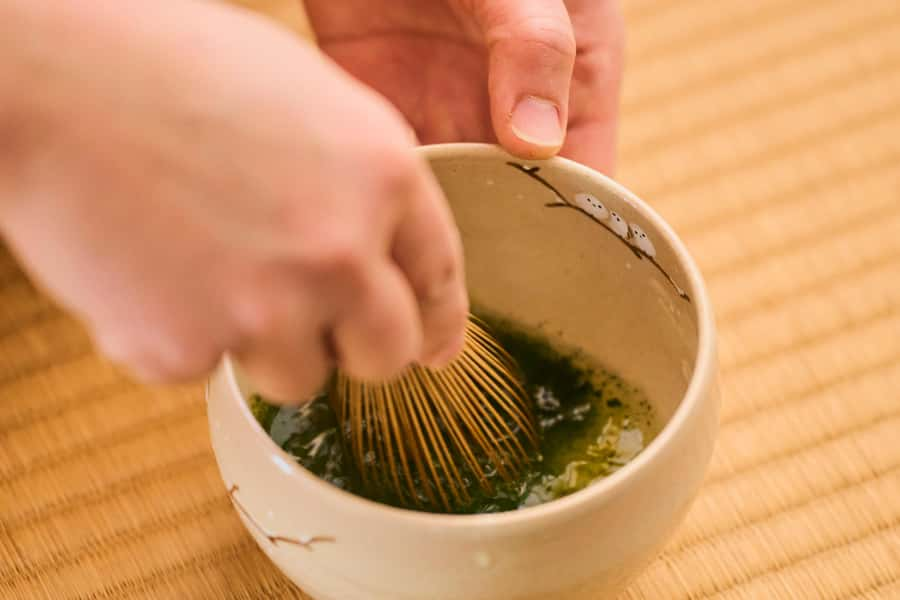
Nerikiri gives the class its most creative element. These sweets are designed to reflect the season, often through a flower-like shape, a particular color combination, or another seasonal image.
You make the confection yourself rather than simply receiving one with the tea. That adds a tactile part to the lesson and helps explain the care that goes into Japanese sweets. A small, carefully shaped sweet can carry a sense of time and place, even in a short class.
The finished nerikiri is meant to be enjoyed with your matcha. This pairing also teaches a practical point about Japanese tea service: the sweet prepares your palate for the tea, while the tea balances the sweetness.
The activity description does not promise a fixed design, which is sensible. Seasonal sweets change, and the exact motif may depend on the time of year. You should expect a seasonal theme, but not book this expecting one specific flower or shape.
If you enjoy making things with your hands, this part may be the highlight. If you prefer a purely formal ceremony with no workshop element, the crafting may feel less traditional than simply watching a full tea service. For most first-time visitors, though, the chance to create the sweet makes the experience easier to remember.
More Tea Ceremony Experiences in Tokyo
- Tokyo: Traditional Tea Ceremony with a Tea Master
★ 5.0 · 528 reviews - Tokyo: Matcha and Kimono Experience
★ 4.7 · 219 reviews - Tokyo: Asakusa Kimono Dressing and Matcha Experience
★ 4.9 · 173 reviews - Asakusa: Kimono Tea Ceremony with Matcha and Sweet
★ 4.9 · 153 reviews
Why the small group matters
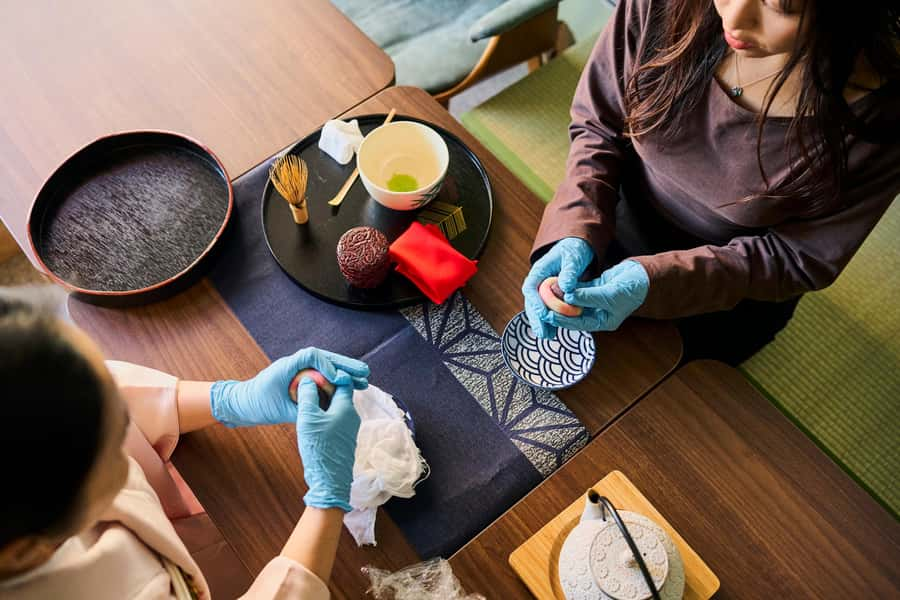
The class accepts no more than 10 participants. That is a useful size for an activity where you need to watch a demonstration, handle utensils, make tea, and shape a sweet.
A very large group would make those steps harder to follow. With a 10-person limit, you have a better chance of hearing the explanations and getting help when you need it. This is especially useful if you have questions about the meaning of a movement or want guidance while whisking your matcha.
The group size does not guarantee private instruction, so you should not expect an individual lesson. Still, it is smaller and more focused than a mass cultural show. The reported 4.9 rating from 21 ratings also suggests that the calm instruction and personal help are major strengths of the format.
The tone seems suited to beginners. You are not expected to arrive with specialist knowledge, and the English host is there to make the ceremony understandable. That makes this a good choice if you want cultural context but feel unsure about entering a formal tea house on your own.
Getting to Hakusan and finding the room
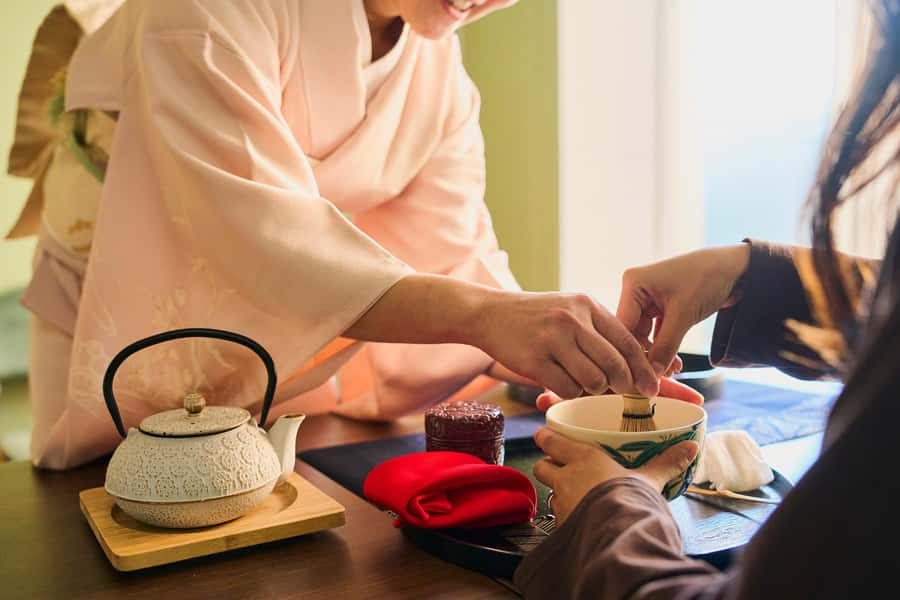
The meeting point is about a five-minute walk from Toei Mita Line Hakusan Station. Use the supplied Google Maps location, then go to the second floor of Phil Park Hakusan Hills.
That second-floor detail is worth noting before you set out. A short walk can still become frustrating if you are looking at the right building but searching for a street-level entrance. Save the map link and allow a few extra minutes to identify the building and reach the room.
The address is 2nd Floor, Phil Park Hakusan Hills, 1-26-17 Hakusan, Bunkyo-ku, Tokyo. The listed coordinates are 35.7201985, 139.7538703.
The meeting point is in Bunkyo-ku rather than beside one of Tokyo’s headline sights. That can be a plus if you want to see a quieter part of the city, but it may require extra planning if you are staying far away or building the class between major attractions. Check the available starting times before committing to a tight schedule.
The venue is listed as wheelchair accessible. If accessibility is essential for your party, confirm the practical route and room details when booking, since the available information confirms access but does not describe every feature of the building.
Is $27 a fair price?
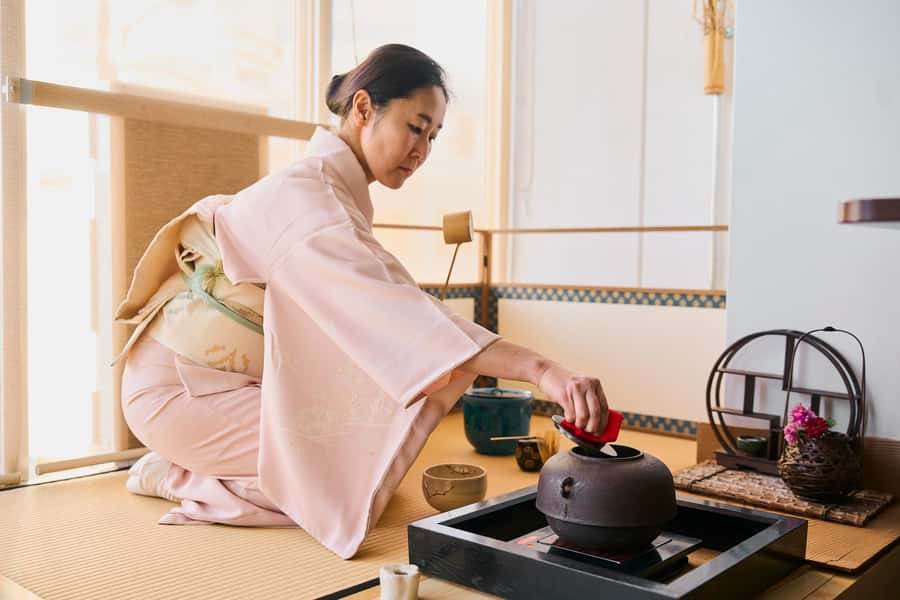
At $27 per person, this is good value for a one-hour cultural activity, especially because the price includes the tea ceremony, English guidance, matcha preparation, and traditional Japanese sweets.
The value comes from participation. You are not paying only to sit and watch a demonstration. You receive instruction from a tea master with more than a decade of experience, prepare your own tea, and make a seasonal confection.
The short length also makes the cost easier to justify. You can place the class into a morning or afternoon without sacrificing a major Tokyo attraction. It works well as a planned pause in a full sightseeing day.
There are limits. The price does not buy a long ceremony, a full meal, or an extended workshop. If you want a detailed study of tea schools or a more formal multi-hour ceremony, you should seek a longer program. For a first taste with clear English instruction, though, the balance is strong.
Who will enjoy this experience most?
I would recommend this class to you if you want a cultural activity that is active but not physically demanding. You will sit, watch, listen, whisk tea, and shape a sweet. Comfortable clothes are all you need to bring.
It suits first-time participants particularly well. You do not need to know tea ceremony etiquette in advance, and the instructor and host explain the process as you go.
It also fits travelers who want a quiet change of pace. One rating described the class as a calm break from the busy parts of a Tokyo visit. That is a useful way to think about it: not a substitute for a full tea school, but a peaceful hour with enough context to feel meaningful.
Families should consider the age and attention span of their children, since the class includes formal observation and careful movements. Older children who enjoy crafts, food, or Japanese culture may like the nerikiri-making portion. Younger children may find the slower ceremony harder to follow.
This class may not suit you if you need Japanese-language support. The activity is conducted in English only, and Japanese support is not available. It may also disappoint if your main goal is a long, highly formal ceremony rather than a guided introduction with hands-on tasks.
Booking details worth knowing
The activity runs for one hour, with starting times based on availability. Check the schedule before planning transport or connecting it to another reservation.
The instructor language is English, and the group is limited to 10 people. Comfortable clothing is recommended, which is sensible for sitting and working with tea and sweets.
You can cancel up to 24 hours in advance for a full refund. The reserve-now, pay-later option also gives you some flexibility while your Tokyo plans are still taking shape.
The experience is supplied by Local Guide Stars. The strong rating and positive comments about the kind, helpful instruction point to the teaching style as one of its main advantages, but you should still book with the understanding that the class remains short and introductory.
Should you book the tea ceremony?
Book it if you want to do more than photograph a Japanese tea ceremony. The best reasons are the hands-on matcha preparation, seasonal nerikiri-making, clear English guidance, and small group size. At $27, it offers a practical way to connect with a traditional art without giving up a full day.
Skip it if you want a long ceremony, Japanese-language instruction, or a detailed course in tea history and etiquette. For everyone else, this is a smart one-hour addition to a Tokyo itinerary, especially when you want a calm cultural pause with something you can taste and make yourself.
FAQ
How long does the Tokyo tea ceremony experience last?
The experience lasts one hour.
How much does the activity cost?
The listed price is $27 per person.
Where does the experience meet?
It meets on the second floor of Phil Park Hakusan Hills, 1-26-17 Hakusan, Bunkyo-ku, Tokyo. The location is about a five-minute walk from Toei Mita Line Hakusan Station.
Is the activity conducted in English?
Yes. The experience is conducted in English only, and Japanese-language support is not available.
What will I do during the class?
You will watch an otemae tea preparation demonstration, learn from a tea master, whisk your own matcha, and make traditional seasonal nerikiri sweets.
How many people can join the group?
The group is limited to 10 participants.
What should I bring?
Wear comfortable clothes. No other required item is specified.
Just added around Tokyo
- Kawagoe Japanese Food Tour : Unagi Kaiseki and Sake near Tokyo★ 5.0 · 30 reviews
- Kawagoe 4hr Private Tour with Licensed Guide (Kawagoe Dep)★ 5.0 · 13 reviews
- Little EDO Sushi Making workshop in Kawagoe★ 5.0 · 18 reviews
- 【R34】Tokyo:Private Daikoku tour in Modified R34★ 4.9 · 92 reviews
- :Tokyo,Shibuya/ Pro Photography in Kimono / English-Friendly★ 5.0 · 26 reviews
- Tokyo:Celebrate Unique Japanese New Year Tradition Festivity★ 3.9 · 20 reviews
- Tokyo: Allstar Food Tour★ 4.7 · 29 reviews
- Tokyo: West-Side Cycling and Food Tour with Guide★ 5.0 · 37 reviews
Tea Ceremony Experiences, compared.

Tea Ceremony in a Traditional Tea House in Kiyomizu
Our verdict →


World Heritage Kyoto & Nara Uji Authentic Matcha Experience
Our verdict →


Arashiyama Bamboo Forest, Monkeys, Matcha & Temple Tour
Our verdict →
Browse the lists this tour appears in