
Reviewed · TRADITIONAL CRAFTS
Tokyo: Name Seal & Pouch or Tote Bag Making Experience
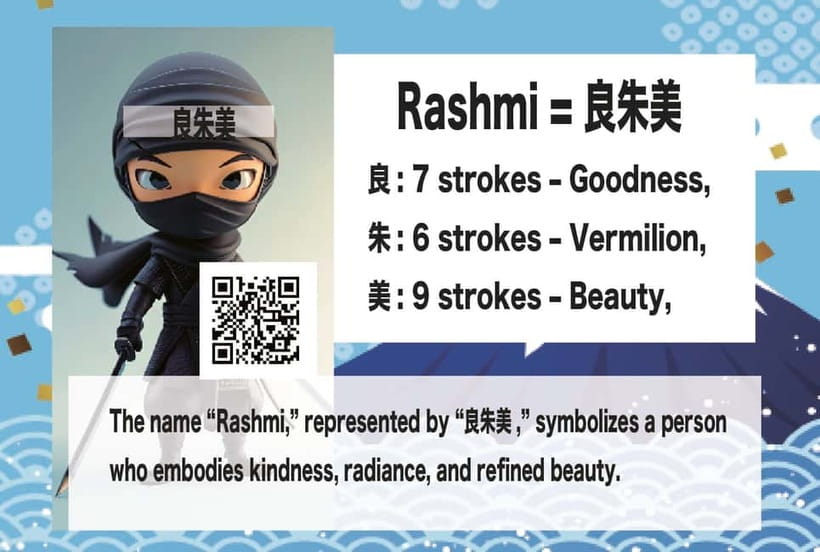
A small Japanese seal can tell a story. At RoppongiHanko, your name is translated into Kanji or Hiragana, then used to create a personal stamp and a matching pouch or tote. The Kanji version uses a 24 mm square seal, while the Hiragana version uses a 12 mm round seal.
I especially like the chance to learn what your chosen characters mean, and the fact that you can practice calligraphy while the custom stamp is being prepared. The main catch is time: each seal is made for one person, and a full session can take 40 minutes, so this is not a quick stop if several people in your group want their own set.
Key Details at a Glance
- Your name becomes the main souvenir: Staff help select Japanese characters based on your name’s sound and meaning.
- Two useful keepsakes are included: Choose a custom pouch or a tote bag along with your name seal.
- The Kanji seal has four design choices: Pick Mt. Fuji, a pine tree, a floral leaf, or a maiko girl.
- Calligraphy fills the waiting time: You can practice writing your name and design a personalized postcard.
- The session is small and English-friendly: Groups are limited to five people, with an English-speaking host.
- Roppongi location is convenient: The studio is on the second floor of Crest Roppongi, near the National Art Center, Tokyo.
Why a Name Seal Makes a Better Souvenir
Tokyo souvenir shops are full of attractive objects, but many are made by the thousands. A name seal is different. It carries your own name, translated into a Japanese writing style, and connects to a custom that still has a place in daily life.
In Japan, an inkan is not just a decorative stamp. Seal stamps are still used in business and ordinary paperwork, so the object has a practical cultural role. Your version is made as a keepsake rather than an official personal seal, but the idea comes from a real part of Japanese life.
I like this experience because it gives you something to talk about after you leave. You are not simply buying a souvenir with Japanese lettering on it. You are learning why the characters were chosen and taking home an object made around your name.
The meaning matters. If you choose Kanji, the host helps find characters that work with the sound of your name and carry an auspicious or pleasing meaning. That process is especially useful for visitors who cannot read Japanese and would otherwise have no way to judge the characters on their own.
More Craft Workshops in Tokyo
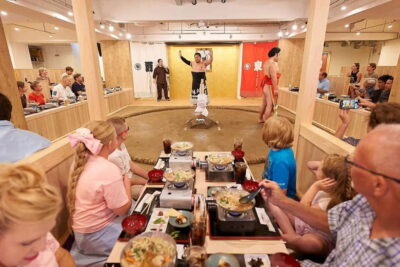
- Tokyo Sumo Experience: Chanko & Mochi with a Former Pro
★ 4.8 · 567 reviews - Kintsugi Experience: Art of Golden Joinery in Tokyo
★ 5.0 · 467 reviews - Tokyo Chopstick Making Workshop with Artisan
★ 5.0 · 466 reviews
What Happens During the 30 to 40 Minute Session
You begin at RoppongiHanko, also identified on Google Maps as Shodocafe7557. The entire activity takes place there, and you return to the same location at the end.
The first step is deciding how your name will appear. You can choose Kanji or Hiragana. The Kanji option produces a square 24 mm seal, while the Hiragana option produces a round 12 mm seal. The information for this experience also refers to four types of seals, so I would make sure your chosen format is recorded clearly when you book.
For Kanji, you need to provide your name in advance. You also need to choose your design and, if you select a pouch, the pouch color. This advance notice gives the studio time to prepare the custom work. Do not leave these choices until you arrive if you want the process to run smoothly.
The host then helps explain the characters. This is one of the most valuable parts of the session. A name can be represented in more than one way, and the best choice is not simply a direct sound match. The selected characters can also suggest a positive meaning, which gives the finished seal a personal touch.
While your seal is being made, you can try calligraphy. You can practice writing your name and work on a postcard with calligraphy art. This keeps you occupied during production and gives the session more substance than a simple personalization counter.
The timing deserves attention. The advertised visit lasts 30 to 40 minutes, while the practical guidance says it can take 40 minutes per person. If three or four people in your group want individual seals, plan extra time. The group limit is five participants, but a full group may not finish as quickly as a single visitor.
Choosing Between Kanji and Hiragana
Kanji gives you the more substantial souvenir. The 24 mm square stamp is larger, and you can pair it with one of four traditional-looking designs for the bag:
- Mt. Fuji
- Pine tree
- Floral leaf, known as kiri-mon
- Maiko girl
This option requires more planning because the characters and design must be prepared before your visit. It is the choice I would make if you want the strongest connection to Japanese visual culture.
Hiragana is the simpler option. It uses a 12 mm round seal and your name written in the Japanese syllabary. This can be a good pick if you prefer the sound of your name without selecting meaning-based Kanji.
Neither option is described as better for everyone. Kanji offers more explanation and design choices, while Hiragana is smaller and more direct. Ask yourself if you want the meaning of the characters to be part of the souvenir, or if you mainly want your name written in Japanese.
Pouch or Tote Bag: Which Is Better?
The pouch is compact and comes in gold or silver. Its size makes it easy to pack, and the metallic color gives it a dressier look. If you want a small gift or a keepsake that will not take much room in your luggage, the pouch is the practical choice.
The tote gives you more space to personalize. Your name and up to three decorations are included, with cherry blossoms and stars among the available choices. Additional decorations cost extra, so decide in advance if three are enough for your design.
I would choose the tote if you want to use the item after your trip. I would choose the pouch for a compact souvenir or a gift. The information describes both as custom name bags, so confirm your choice when ordering rather than assuming you can switch at the studio.
The bag personalization adds value to the $29 price. You are not paying only for a short lesson or only for a stamp. You receive a custom seal, a personalized bag, name translation, and a postcard activity. That makes the price reasonable for a hands-on Tokyo experience, especially for families or small groups who want something made during the visit.
Same trip, a completely different kind of day:
- 1-Day Tokyo Bus Tour
★ 5.0 · 14,250 reviews - Tokyo: TOKYO SKYTREE® Admission ticket
★ 4.5 · 11,192 reviews - Tokyo: teamLab Planets TOKYO Digital Art Museum Entry Ticket
★ 4.6 · 9,779 reviews - Tokyo: Sumo Show Experience with Chicken Hot Pot and a Photo
★ 4.8 · 6,678 reviews
Calligraphy and the Personal Touch
The calligraphy practice is not just a filler while the production work happens. It gives you a simple way to engage with the writing system and leave with something you created yourself.
The host can guide you through writing your name and explain the character choices in English. The experience is therefore accessible even if you know no Japanese. You do not need to arrive with calligraphy skills. The activity is designed around practice and encouragement, not a formal test.
This is also where the session works well for children. The stamp and bag offer a clear result, while writing on a postcard gives younger participants something to do during the wait. Families can also choose different designs and bag types, so the finished souvenirs do not all need to look alike.
The postcard is a nice extra because it adds a second personal object without changing the main purpose of the visit. You can treat it as a small piece of calligraphy art or as a greeting card for someone at home.
Finding the Studio in Roppongi
The studio is at 7-9-3 Roppongi, Minato-ku, on the second floor of the Crest Roppongi Building. It is near the National Art Center, Tokyo.
By train, take the Toei Oedo Line to Roppongi Station and use Exit 7. After leaving the station, cross toward FamilyMart, keep to the right, and walk toward the National Art Center along the museum street. Look for the large crane sign on the left. The studio is on the second floor.
Google Maps is the safest option because the activity uses both RoppongiHanko and Shodocafe7557 in its directions. Searching Shodocafe7557 should help you reach the correct building. If you use a taxi, show the driver the phrase Shodocafe7557 in Crest Roppongi Building, near the National Art Center Tokyo.
I would allow a little spare time for finding the entrance. The building name and the crane sign are useful landmarks, but the studio is not described as a large street-front attraction. Getting there early is sensible, especially if you have chosen Kanji and submitted advance details.
Who Will Get the Most From This Activity?
This is a strong choice for families. Children can learn about their names, practice calligraphy, and take home a bag they helped design. The session is also wheelchair accessible, which makes it easier to include more people in a small group outing.
It suits first-time visitors who want a short cultural activity without committing to a long class. In 30 to 40 minutes, you get an introduction to Japanese names, calligraphy, and seal culture, then leave with finished items.
It is also useful for gift shopping. A personalized pouch or tote feels more considered than a standard souvenir, and the Kanji explanation gives you something meaningful to tell the recipient.
I would be less likely to choose it if you want a long, traditional calligraphy lesson. The session is short, and its main purpose is creating the seal and bag. Calligraphy is part of the visit, but it is not presented as an extended workshop.
Large groups should also think carefully. The activity is limited to five participants, and custom production takes time. A pair or small family will get a more manageable schedule than a large tour party.
What the Price Includes, and What It Does Not
At $29 per person, the value depends on what you want from a souvenir experience. The package includes the custom name seal, a pouch or tote, Japanese translation of your name, the selected Kanji design if applicable, calligraphy practice, and a personalized postcard.
The Kanji seal is square and 24 mm. The Hiragana seal is round and 12 mm. A pouch includes a choice of gold or silver. A tote includes your name and up to three decorations, such as cherry blossoms or stars.
You pay extra if you want more than three tote decorations. Another stamp material is not included, and delivery outside Japan is not included. Those limits are easy to understand, but I would still confirm every choice before arriving so there are no surprises.
For a single visitor, the cost is fair if you value the personal meaning of the finished items. For a family, the price can add up, but each person receives an individual souvenir and a short cultural lesson. That is more useful than paying for a quick photo opportunity with nothing to take home.
Small Details That Make the Visit Easier
Smoking is not allowed. The activity is offered in English, and the group size is limited to five participants.
You can cancel up to 24 hours before the scheduled time for a full refund. You can also reserve now and pay later, which helps if your Tokyo schedule may change.
Most important, send the requested information before your visit. For a Kanji seal, provide everyone’s names, your selected design from the four choices, and your pouch color if you are choosing a pouch. The production time is the reason for this requirement.
If several people are attending, expect the visit to last longer than a quick 30-minute stop. The practical estimate is 40 minutes per person when custom work is involved. I would avoid booking this immediately before a timed museum entry, train departure, or restaurant reservation.
Should You Book the Roppongi Name Seal Experience?
I would book this if you want a small, personal souvenir and enjoy learning the meaning behind Japanese writing. The best parts are the name translation, the calligraphy practice, and the choice between a compact pouch and a more useful tote.
Choose Kanji if you want the most distinctive version, but submit your name and design early. Pick Hiragana if you prefer a simpler name stamp or want to keep the process more direct.
Skip it if you only want a fast shopping stop or a full-length calligraphy class. For everyone else, $29 buys a thoughtful keepsake, a short cultural lesson, and a pleasant creative break in Roppongi. It is especially well suited to families, couples, and small groups who want to leave Tokyo with something made for them rather than something picked from a shelf.
FAQ
Where does the name seal and bag-making experience take place?
It takes place at RoppongiHanko, also identified as Shodocafe7557, at 7-9-3 Roppongi, Minato-ku, Tokyo, on the second floor of the Crest Roppongi Building.
How long does the experience last?
The stated duration is 30 to 40 minutes. Custom production can take about 40 minutes per person, especially when several people want individual seals.
Can I choose Kanji or Hiragana for my name?
Yes. The Kanji option is a 24 mm square seal. The Hiragana option is a 12 mm round seal.
What designs are available for a Kanji seal and bag?
You can choose Mt. Fuji, a pine tree, a floral leaf called kiri-mon, or a maiko girl.
Can I choose a pouch or a tote bag?
Yes. The pouch is available in gold or silver. The tote includes your name and up to three decorations, such as cherry blossoms or stars. Extra tote decorations cost more.
Is the activity available in English and accessible by wheelchair?
Yes. The experience has an English-speaking guide and is wheelchair accessible.
Just added around Tokyo
- Kawagoe Japanese Food Tour : Unagi Kaiseki and Sake near Tokyo★ 5.0 · 30 reviews
- Kawagoe 4hr Private Tour with Licensed Guide (Kawagoe Dep)★ 5.0 · 13 reviews
- Little EDO Sushi Making workshop in Kawagoe★ 5.0 · 18 reviews
- 【R34】Tokyo:Private Daikoku tour in Modified R34★ 4.9 · 92 reviews
- :Tokyo,Shibuya/ Pro Photography in Kimono / English-Friendly★ 5.0 · 26 reviews
- Tokyo:Celebrate Unique Japanese New Year Tradition Festivity★ 3.9 · 20 reviews
- Tokyo: Allstar Food Tour★ 4.7 · 29 reviews
- Tokyo: West-Side Cycling and Food Tour with Guide★ 5.0 · 37 reviews
Traditional Crafts, compared.
Tokyo Sumo Experience: Chanko & Mochi with a Former Pro
Our verdict →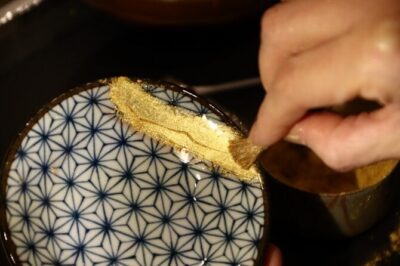
Kintsugi Experience: Art of Golden Joinery in Tokyo
Our verdict →
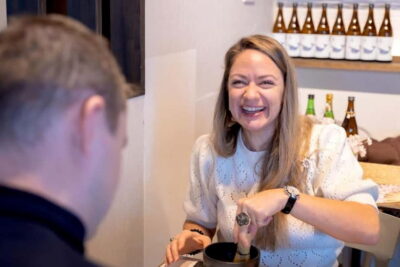
Matcha Making Experience with Mochi Sweets in Asakusa
Our verdict →
Authentic knife making experience at a blacksmith in Kyoto
Our verdict →
Roketsu dyeing experience: M course Roketsu Dyeing Experience
Our verdict →Browse the lists this tour appears in