
Reviewed · TEA CEREMONY EXPERIENCES
Tokyo: Matcha Tasting and Making Experience
The best part of this Asakusa experience is the side-by-side tasting: you can compare matcha from five Japanese tea areas instead of treating every green cup as the same. I like the small group of five, which gives you room to ask questions, and I like learning from Chisei, a former Kyoto tea farmer with six years of hands-on growing experience.
The main consideration is the tasting count. The experience is described in one place as ten matcha types, while the detailed program says eight, including six ceremonial-grade teas and two products sold as matcha but not technically defined as matcha. Check the current selection when booking if the exact number matters to you.
Key points at a glance
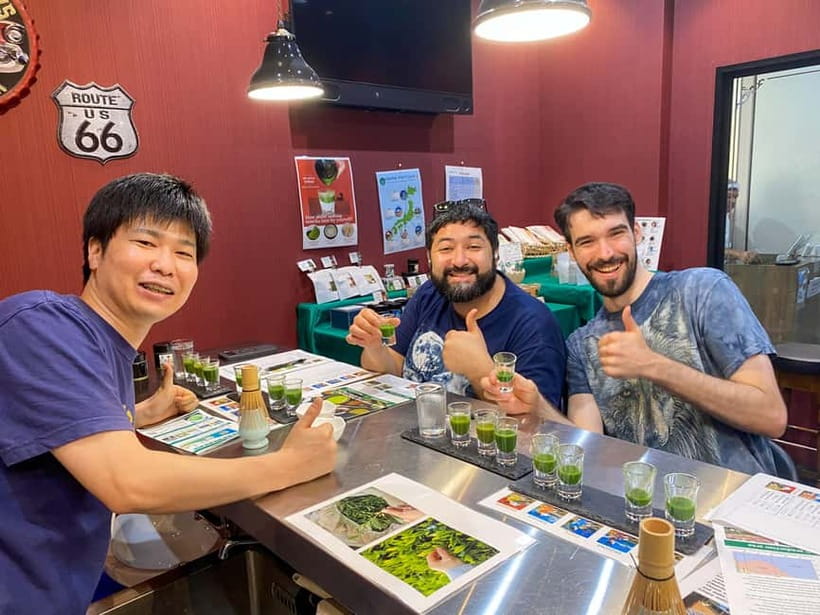
- Five Japanese production areas: Compare regional matcha side by side, with small portions served for tasting.
- A former Kyoto tea farmer: Chisei explains cultivation, production, preparation, and the background of the teas.
- Your own bamboo whisking lesson: Choose a favorite matcha and make traditional ousucha yourself.
- Matcha beyond the tea bowl: Finish with matcha latte, hojicha latte, and matcha sweets.
- A compact English class: The session lasts 90 minutes and is limited to five participants.
- Easy Asakusa meeting point: Enter Henn na Hotel Asakusa Tawaramachi through the FamilyMart entrance and go to the second floor.
Why five tea regions make this class useful
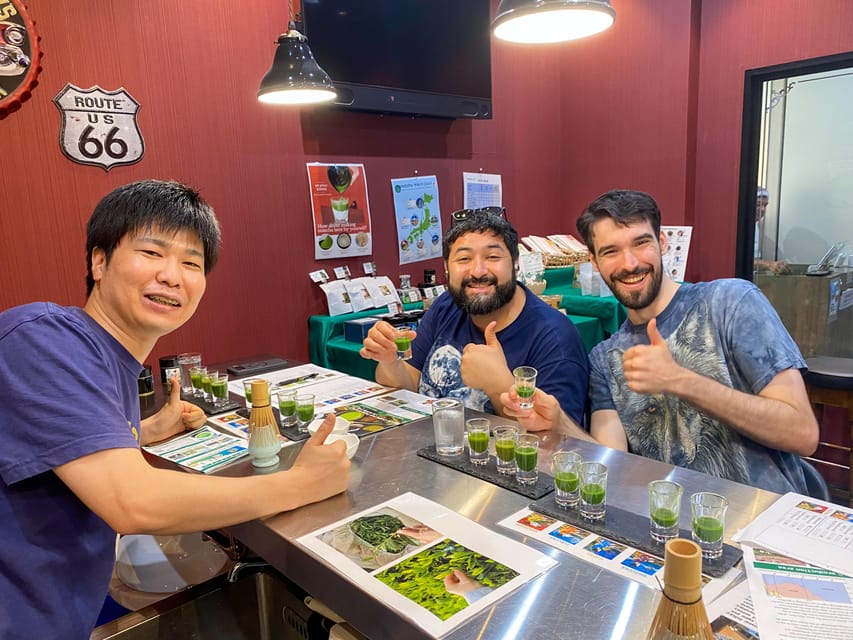
Matcha is often presented as one single Japanese flavor: green, grassy, and slightly bitter. This class gives you a better way to understand it. You taste matcha from five representative production areas, then compare the color, aroma, and flavor before deciding what you prefer.
That regional comparison is the heart of the experience. A tasting flight lets you notice differences that disappear when you drink one cup on its own. One tea may appeal to you for its softer taste, while another may have a stronger character that works better with milk.
The portions are small, which is helpful. You can sample several teas without turning the session into a caffeine marathon. The format also makes it easier to focus on each cup instead of rushing through a full serving.
The supplied details describe eight teas in the main tasting: six ceremonial-grade matcha and two products that are sold around the world as matcha but do not meet the stated definition of matcha. The headline description also refers to ten types. Since the exact number appears to vary, ask about the current flight if comparing all ten is important to you.
More Tea Ceremony Experiences in Tokyo
- Matcha Making Class in Tokyo with Authentic Japanese Sweets Set
★ 5.0 · 744 reviews - Tokyo: Traditional Tea Ceremony with a Tea Master
★ 5.0 · 528 reviews - Tokyo: Matcha Making Experience with Mochi Sweets in Asakusa
★ 4.9 · 388 reviews
Meeting Chisei, the former tea farmer
Your instructor is Chisei, who spent six years growing tea in Kyoto. That background gives the class a practical angle. You are not only hearing broad facts about Japanese tea. You can ask about cultivation and production from someone who has worked with tea plants directly.
The information is presented in English, making this a useful choice if you want more than a demonstration with little explanation. Chisei covers the definition of matcha, how it is cultivated, and how its history connects to the drink you are tasting today.
Several details make the instruction especially worthwhile. The class explains why the powder is considered matcha, how production affects the final drink, and why a tea can be sold as matcha without fitting the technical definition used in the session.
The teaching style also matters in a small class. With no more than five participants, you have a better chance to ask about a particular tea, preparation method, or flavor. The strongest praise in the available feedback focuses on Chisei’s detailed explanations, practical experience, and ability to make the subject easy to follow.
This is a class for general visitors, not a commercial consultation. If you are researching matcha for a business, product, or commercial project, contact the provider before reserving.
Arriving at Henn na Hotel Asakusa Tawaramachi
The class takes place at the cafe inside Henn na Hotel Asakusa Tawaramachi. The meeting point is on the second floor. A FamilyMart is located on the first floor, so enter the hotel and continue upstairs rather than waiting outside or looking for a separate street-level tea shop.
Transportation is not included, so you arrange your own way to the hotel. Since the class lasts only 90 minutes, allow enough time to find the building and reach the cafe before the start time.
The location is practical for an Asakusa day, but the experience itself is indoors and cafe-based. Do not book it expecting a tea-farm visit, a garden walk, or a trip out to a production area. Its value comes from the guided tasting and hands-on preparation.
The welcome drink sets the stage
The session begins with a welcome drink. While you enjoy it, Chisei explains the history and production of the matcha used during the class.
This opening is more useful than a quick introduction because it gives you a framework for the tasting that follows. You learn what you are looking at before the cups arrive. If you have always wondered why some matcha tastes smooth while other matcha seems sharp or bitter, this is the point where the basic vocabulary begins to make sense.
The welcome drink also eases you into the class. You are not expected to know tea terms or preparation rules in advance. The activity is designed for general visitors who want to learn about Japanese tea, so beginners should feel comfortable asking basic questions.
Same trip, a completely different kind of day:
- 1-Day Tokyo Bus Tour
★ 5.0 · 14,250 reviews - Tokyo: TOKYO SKYTREE® Admission ticket
★ 4.5 · 11,192 reviews - Tokyo: teamLab Planets TOKYO Digital Art Museum Entry Ticket
★ 4.6 · 9,779 reviews - Tokyo: Sumo Show Experience with Chicken Hot Pot and a Photo
★ 4.8 · 6,678 reviews
Comparing eight matcha samples
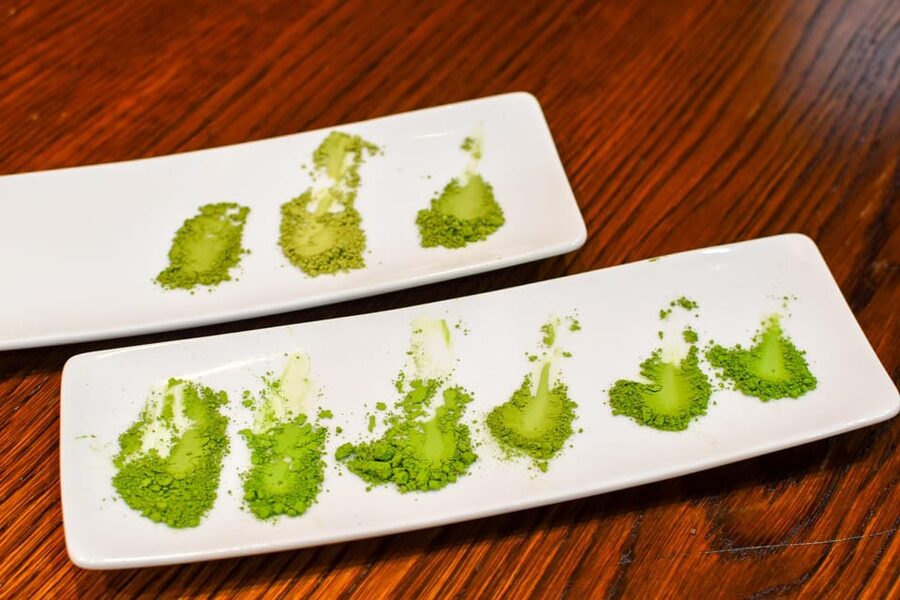
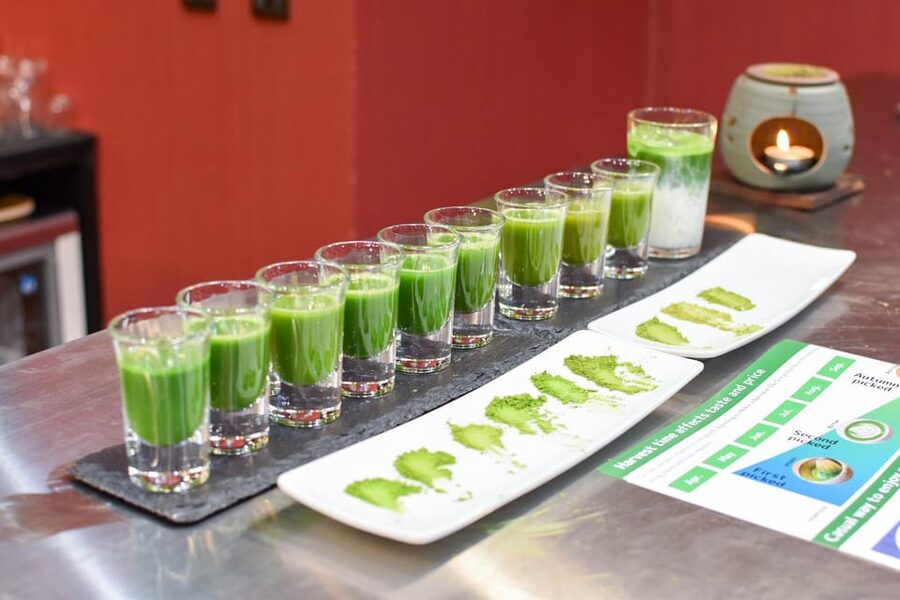
The tasting is served in small portions. First, you look at the color of each matcha. Then the teas are prepared and served so you can consider the color, fragrance, and taste.
That order is a smart teaching tool. Color gives you a first impression, but it does not tell the whole story. Smell adds another clue, and tasting confirms whether the tea matches your expectations. You may find that the matcha you like visually is not the one you prefer in the cup.
The tasting includes six ceremonial-grade teas and two types that are sold as matcha in many places but are not defined as matcha in the class. This distinction is valuable if you buy matcha at home or have encountered confusing labels. You leave with a better sense of why the word matcha can mean different things in different markets.
Because each serving is small, you can compare rather than simply consume. I would take notes if you are interested in buying tea later, especially if you want to remember which production area or flavor profile suited you best.
The experience description also promises a wider selection of ten matcha types from five production areas. Since the detailed program specifies eight samples, confirm the number available on your date. Either way, the regional comparison remains the important feature.
Choosing a favorite and whisking ousucha
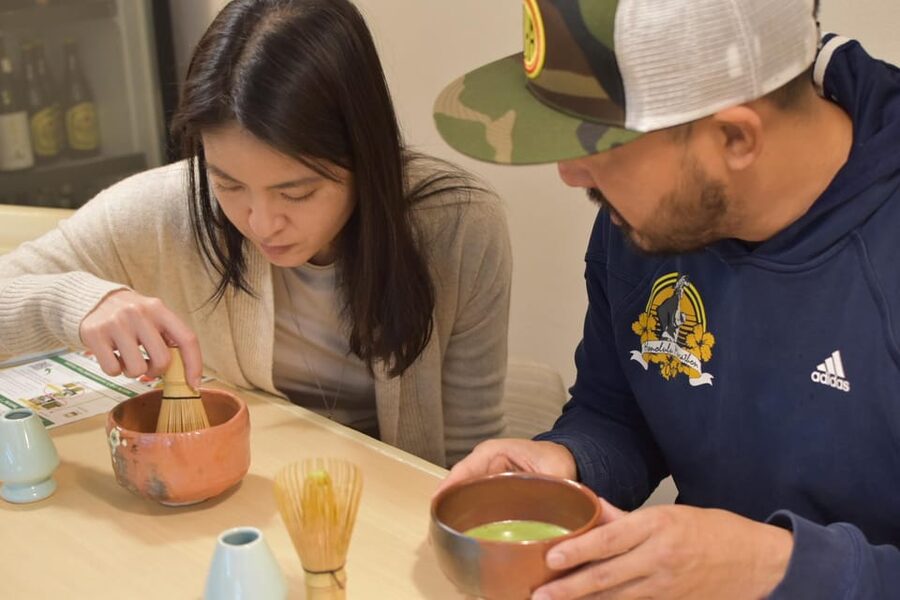
After tasting, you choose the matcha you like best. Then you make your own cup using a bamboo tea whisk.
The final drink is ousucha, the thinner style of matcha commonly prepared for drinking. This is not just a photo opportunity. You practice the basic motion needed to blend the powder and water into a smooth cup, and the provider says you will be able to prepare matcha at home afterward.
That practical takeaway adds value to the class. You are not simply watching an instructor whisk tea and then leaving with a pleasant memory. You handle the bamboo whisk yourself and connect the tasting to a repeatable home ritual.
Do not worry about producing a perfect bowl on your first attempt. The point is to learn the process and notice how preparation affects the drink. The instructor demonstrates the method, and the small group makes it easier to see what to do.
If you already drink matcha, this part lets you test your preference in a more direct way. If you are new to it, choosing a favorite after the flight gives you a clear starting point.
Matcha latte, hojicha latte, and sweets
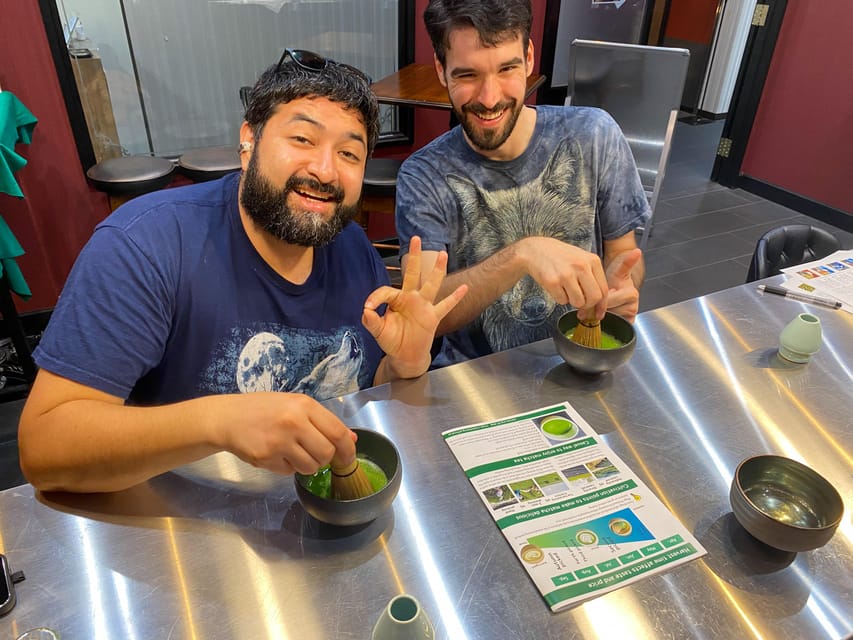
The class finishes with a matcha latte, a hojicha latte, and matcha sweets. The lattes use an original blend designed to work well with milk.
This closing course broadens the experience beyond traditional whisked tea. The matcha you prefer on its own may not be the same matcha you want in a latte. Milk softens the flavor and makes the drink more familiar to anyone who finds plain matcha too strong.
Hojicha offers a useful contrast. It is roasted tea, so the flavor profile differs from powdered matcha. Tasting both lattes helps you see how Japanese tea appears in modern cafe drinks as well as in a more traditional preparation.
The sweets add a simple pairing element. They are included, so you do not need to budget extra for the final tasting. Still, this is a tasting portion rather than a full meal. Plan another place to eat if you need lunch or dinner afterward.
What the $63 price gets you
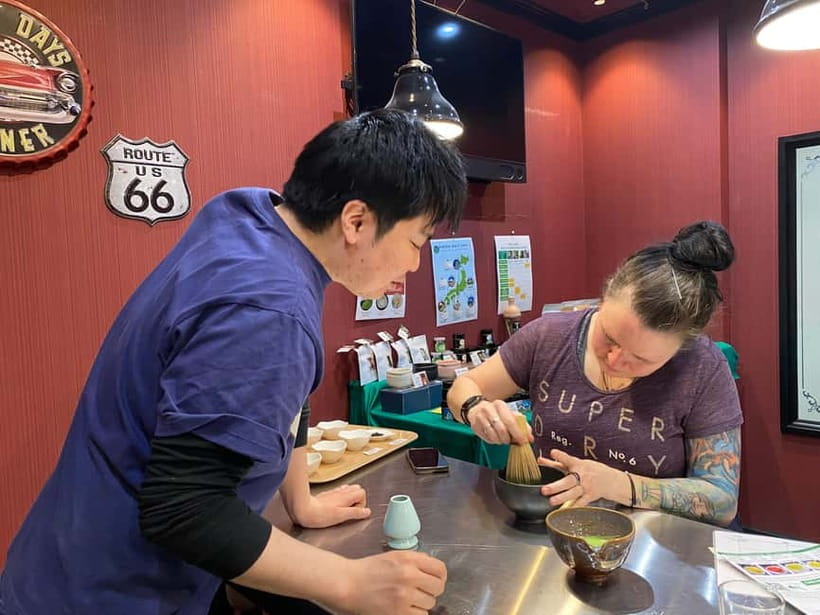
At $63 per person, the experience is not the cheapest way to drink matcha in Tokyo. You can find a latte or a bowl of tea for much less. The price makes more sense if you value instruction, comparison, and hands-on practice.
You are paying for a 90-minute English-language class, a guided tasting from five production areas, a welcome drink, your own whisking lesson, matcha and hojicha lattes, and matcha sweets. The group limit of five is also important. A small class usually gives you more opportunity to ask questions and receive help with the whisk.
The former tea-farmer background strengthens the value. Without that practical instruction, the activity would be little more than a drink sampler. Here, you learn how matcha is grown, what qualifies as matcha, and how to prepare it yourself.
I would recommend the price to someone who wants to understand Japanese tea rather than simply photograph a green dessert. It is less compelling if you only want a quick cafe stop, a large serving, or a farm visit.
Who should book this experience
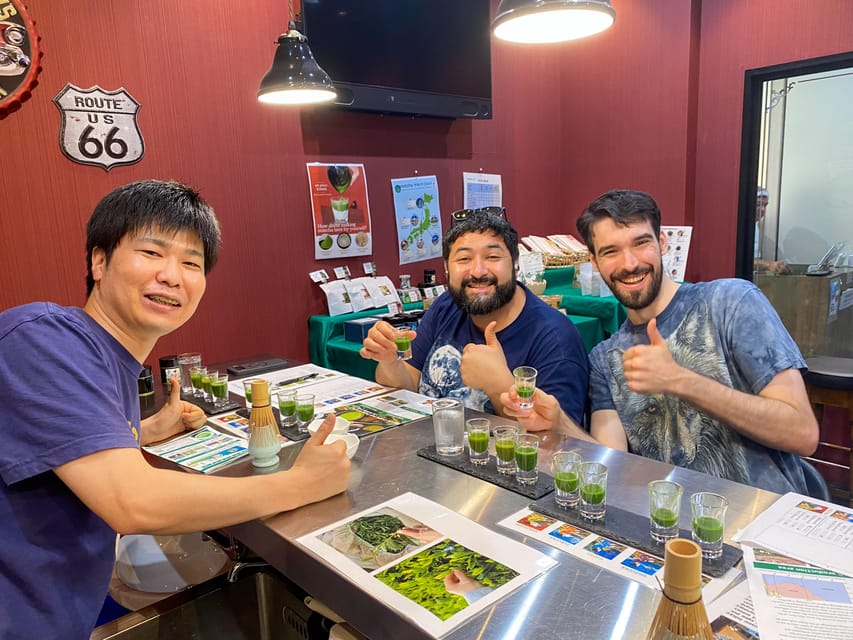
This class suits first-time matcha drinkers who want a friendly introduction without committing to a long tea ceremony. The format is also useful for people who already drink matcha but want to compare production areas and learn more about labeling and cultivation.
It works well for couples and small groups who enjoy food and drink experiences. With a maximum of five participants, you get a more personal setting than a large demonstration.
Families and younger participants may enjoy the whisking element, though the supplied information does not specify a minimum age or child pricing. Check the booking details if that affects your plans.
You should also book it if you want a practical souvenir that costs nothing to pack. After the session, you know how to use a bamboo whisk and can repeat the preparation at home, provided you have matcha, water, and the required tools.
I would choose another activity if your main goal is to visit a tea farm, see the leaves growing, or learn about a formal tea ceremony in a traditional setting. None of those are listed as part of this cafe-based class.
Timing, flexibility, and what to check
The experience lasts 90 minutes. Starting times vary, so you need to check availability for your chosen date.
The provider allows free cancellation up to 24 hours before the start time for a full refund. You can also reserve now and pay later, which may help if you are arranging a busy Tokyo schedule.
The main practical issue is the uncertainty over the tasting count. The description refers to ten types in one place and eight in the detailed order of events. I would treat five production areas and the comparison format as the dependable core, then confirm the exact number of teas before booking.
Make sure you go to the second floor of Henn na Hotel Asakusa Tawaramachi. The FamilyMart on the first floor is the easiest landmark. Transportation is not included, and the instruction is in English.
Should you book this matcha class?
Book it if you want a focused, small-group introduction to Japanese matcha with real explanation behind the drinks. The regional tasting, Chisei’s tea-farming background, and the chance to whisk your own ousucha give the 90 minutes a clear purpose.
The $63 price is fair for a guided tasting and hands-on class, but it is not aimed at people seeking the least expensive cup of tea in Asakusa. Confirm whether your session includes eight or ten matcha samples, then reserve if you value learning how to taste and prepare matcha, not just drinking it.
FAQ
Where does the matcha experience take place?
It takes place at the cafe inside Henn na Hotel Asakusa Tawaramachi. Enter the hotel and go to the second floor. FamilyMart is on the first floor.
How long does the experience last?
The class lasts 90 minutes.
How much does it cost?
The price is $63 per person.
How many people can join?
The experience is limited to five participants.
Is the class taught in English?
Yes. English is the listed language for the instructor and experience.
How many matcha types will I taste?
The experience information refers to ten types in the highlights and eight types in the detailed program. The detailed program describes six ceremonial-grade matcha and two products sold as matcha but not defined as matcha. Confirm the current tasting count when booking.
Which tea-producing areas are included?
You taste matcha from five representative production areas in Japan. The specific areas are not stated.
Is matcha-making included?
Yes. You choose a preferred matcha and make ousucha using a bamboo tea whisk.
Are drinks and sweets included?
Yes. The experience includes a welcome drink, matcha latte, hojicha latte, and matcha sweets. Transportation to the location is not included.
More Food & Drink in Tokyo
- Tokyo: Shinjuku Food Tour (13 Dishes at 4 Local Eateries)
★ 5.0 · 6,603 reviews - Tokyo Tsukiji Fish Market Food and Culture Walking Tour
★ 5.0 · 3,184 reviews - Tokyo: Shinjuku Food Tour (15 Dishes and 4 Eateries)
★ 4.9 · 2,033 reviews - Best of Shinjuku: Izakaya Food Tour (4 Stops, 14+ Tastings)
★ 5.0 · 1,863 reviews
Just added around Tokyo
- Kawagoe Japanese Food Tour : Unagi Kaiseki and Sake near Tokyo★ 5.0 · 30 reviews
- Kawagoe 4hr Private Tour with Licensed Guide (Kawagoe Dep)★ 5.0 · 13 reviews
- Little EDO Sushi Making workshop in Kawagoe★ 5.0 · 18 reviews
- 【R34】Tokyo:Private Daikoku tour in Modified R34★ 4.9 · 92 reviews
- :Tokyo,Shibuya/ Pro Photography in Kimono / English-Friendly★ 5.0 · 26 reviews
- Tokyo:Celebrate Unique Japanese New Year Tradition Festivity★ 3.9 · 20 reviews
- Tokyo: Allstar Food Tour★ 4.7 · 29 reviews
- Tokyo: West-Side Cycling and Food Tour with Guide★ 5.0 · 37 reviews
Tea Ceremony Experiences, compared.

Tea Ceremony in a Traditional Tea House in Kiyomizu
Our verdict →


World Heritage Kyoto & Nara Uji Authentic Matcha Experience
Our verdict →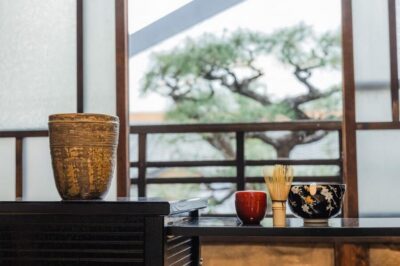
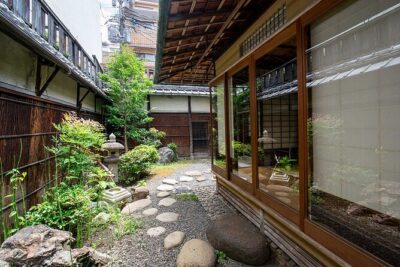
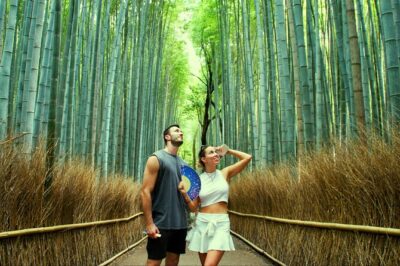
Arashiyama Bamboo Forest, Monkeys, Matcha & Temple Tour
Our verdict →
Browse the lists this tour appears in